
Sedgwick County Zoo
Wichita, KS
- Admission
- $28–$33
- Animals
- 3,000
- Opened
- 1971
- Accreditation
- AZA
Association of Zoos and Aquariums
Everything below is directory information drawn from public sources and the zoo's own site.
Animals at Sedgwick County Zoo
178 of the ~400 species this zoo listsThis is a partial list — we only show species we've confirmed against the zoo's own pages, and their full collection is considerably larger.
Mammals42
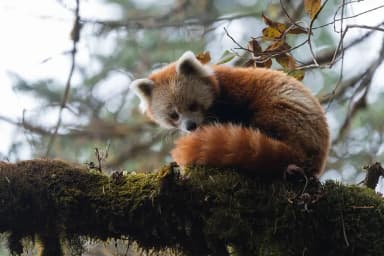 Sunuwargr · CC BY-SA 4.0
Red panda
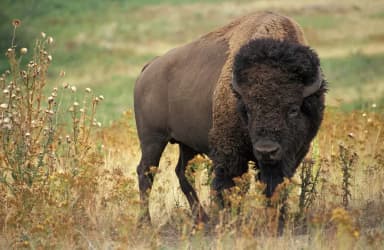 Jack Dykinga · Public domain
American Bison
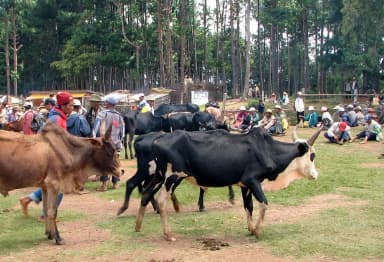 Bernard Gagnon · CC BY-SA 3.0
Zebu
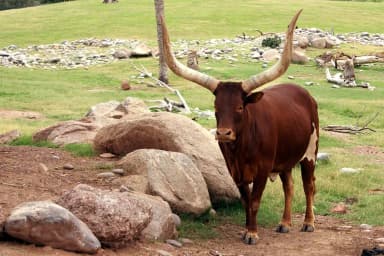 Ezhuttukari · CC BY-SA 3.0
Watusi Cattle
 Florian Prischl · CC BY-SA 3.0
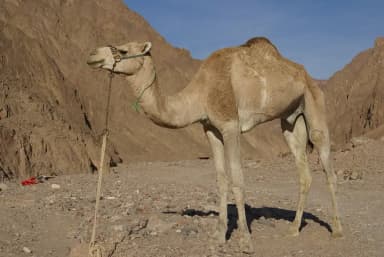
Dromedary Camel
 Dave Pape · Public domain
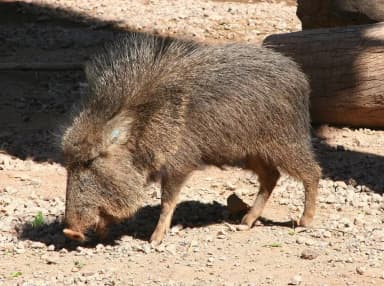
Chacoan Peccary
 Membeth · CC0
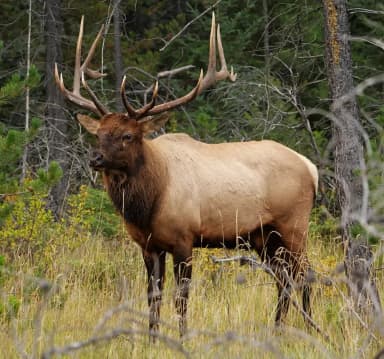
Elk
 Jonathan Wilkins · CC BY-SA 3.0
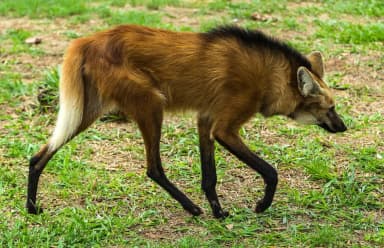
Maned Wolf
 Tuxyso · CC BY-SA 3.0
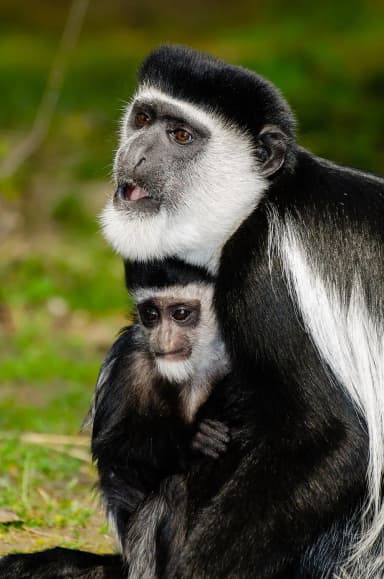
Black-and-white Colobus
 Christian Ursilva from København, Danmark · CC BY-SA 4.0
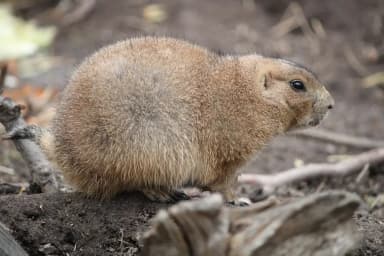
Black-tailed Prairie Dog
Show 26 more mammalsShow fewer mammals
 AfricanConservation · CC BY-SA 4.0
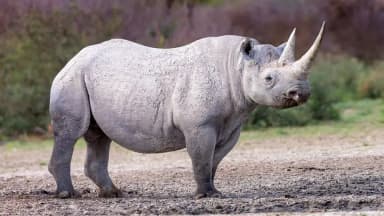
Black Rhinoceros
 Adrian Pingstone · Public domain
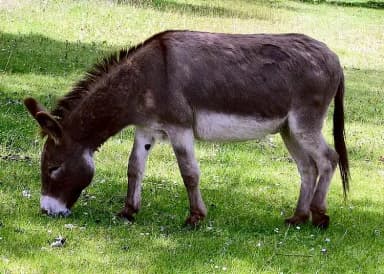
Miniature Donkey
 Relative of Brandt Luke Zorn, most likely his father. · CC BY-SA 2.0
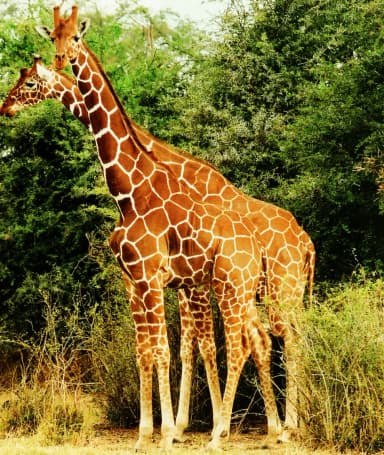
Reticulated giraffe
 Brocken Inaglory · CC BY-SA 3.0
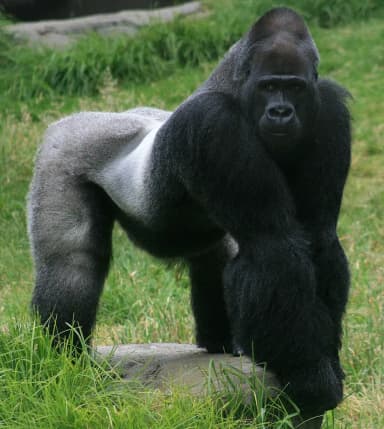
Gorilla
 Giles Laurent · CC BY-SA 4.0
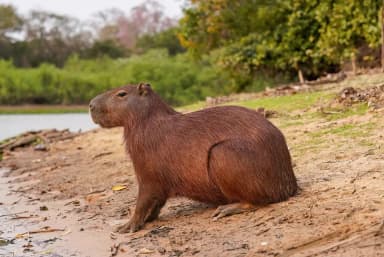
Capybara
 Charles J. Sharp · CC BY-SA 4.0
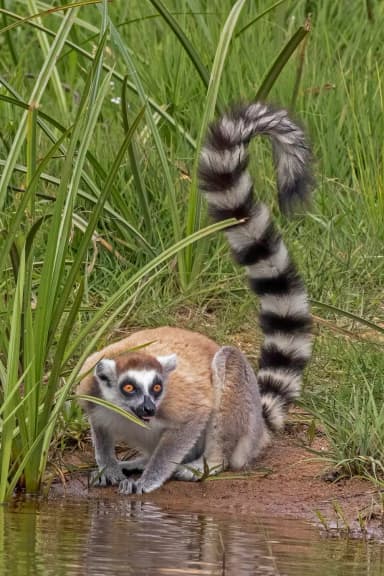
Ring-tailed Lemur
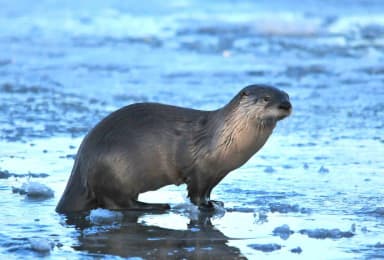 USFWS Mountain-Prairie · Public domain
North American River Otter
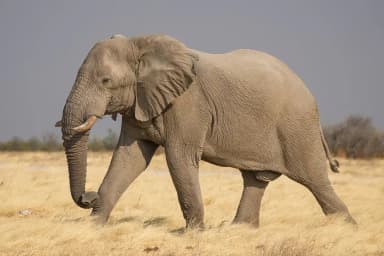 Giles Laurent · CC BY-SA 4.0
African Elephant
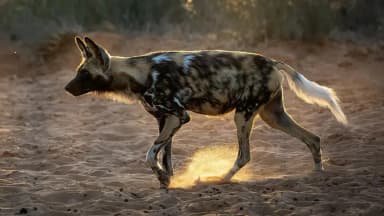 AfricanConservation · CC BY-SA 4.0
African Wild Dog
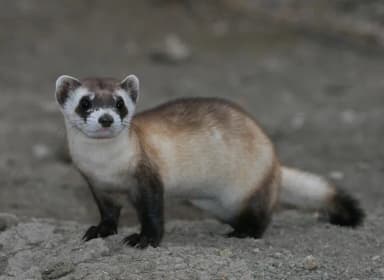 USFWS Mountain Prairie · Public domain
Black-footed Ferret
 Malene Thyssen · CC BY-SA 3.0
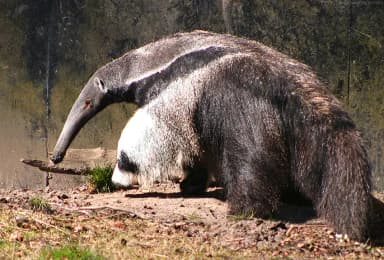
Giant Anteater
 Alexey Yakovlev · CC0
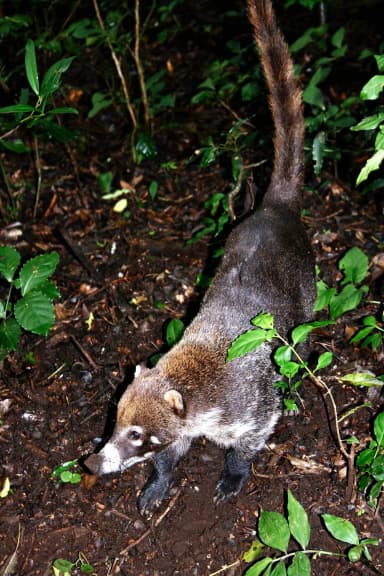
White-nosed Coati
 Matthew Wakefield · CC BY-SA 2.0
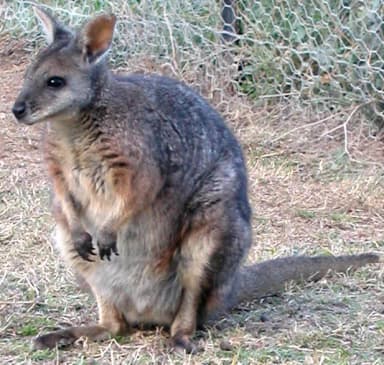
Tammar Wallaby
 USDA photo by Scott Bauer · Public domain
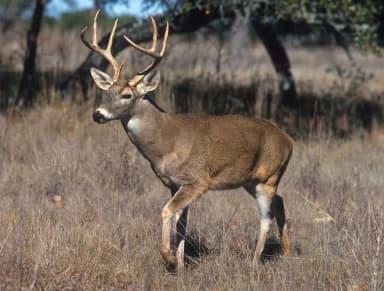
White-tailed Deer
 Daniel Jolivet · CC BY 2.0
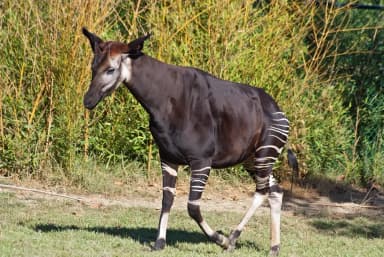
Okapi
 Giles Laurent · CC BY-SA 4.0
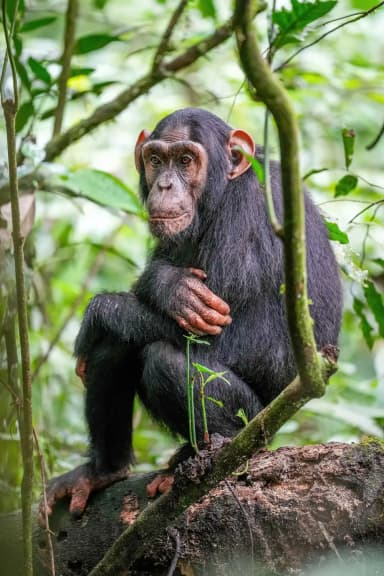
Chimpanzee
 Giles Laurent · CC BY-SA 4.0
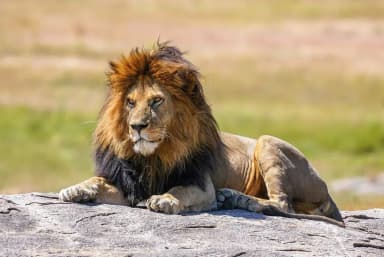
Lion
 Charles J. Sharp · CC BY-SA 4.0
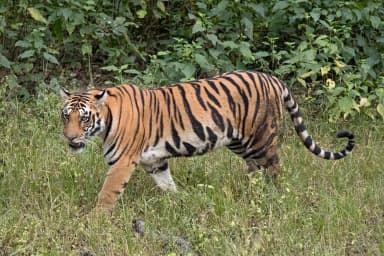
Amur tiger
 Irbis1983 · Public domain
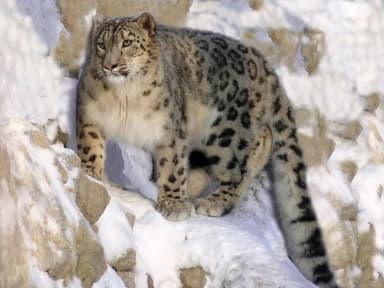
Snow Leopard
 Rufus46 · CC BY-SA 3.0
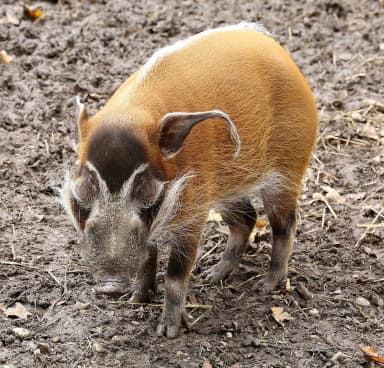
Red River Hog
 National Park Service · Public domain
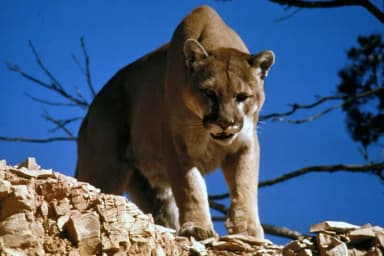
Cougar
 Cayambe · CC BY-SA 3.0
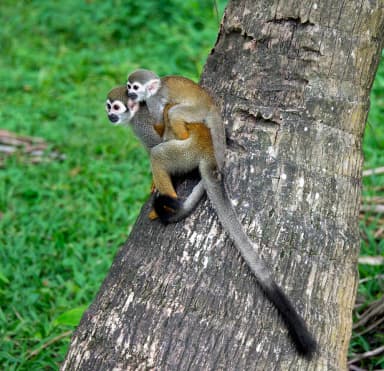
Squirrel Monkey
 Charles J. Sharp · CC BY-SA 4.0
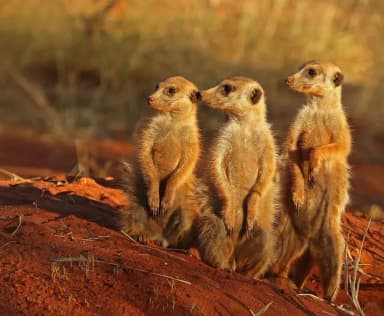
Meerkat
 kallerna · CC BY-SA 4.0
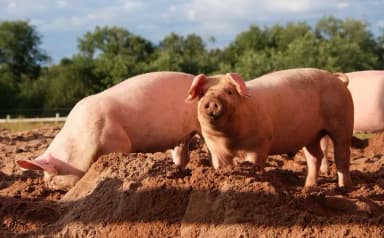
Guinea Hog
 Charles J. Sharp · CC BY-SA 4.0
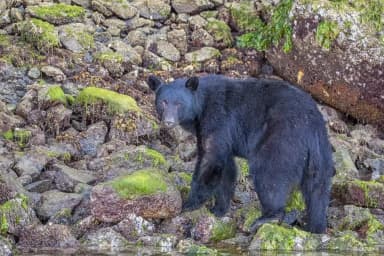
American Black Bear
 Yathin S Krishnappa · CC BY-SA 3.0
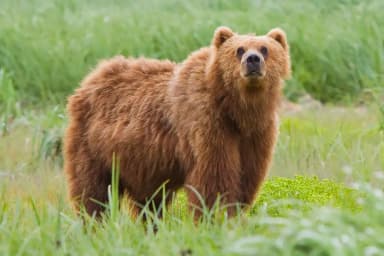
Grizzly bear
Birds90
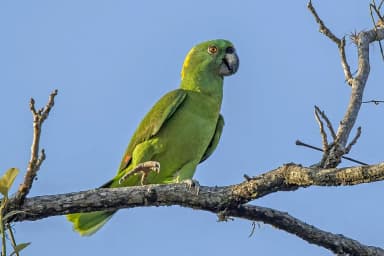 Charles J. Sharp · CC BY-SA 4.0
Yellow-naped Amazon
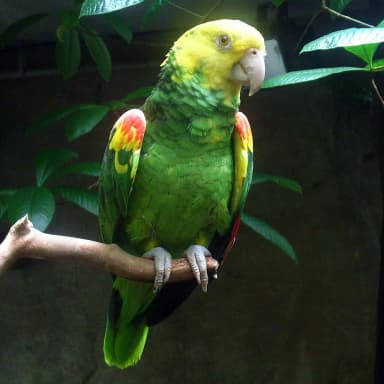 Lizzy Foulkes · CC BY-SA 2.0
Yellow-headed Amazon
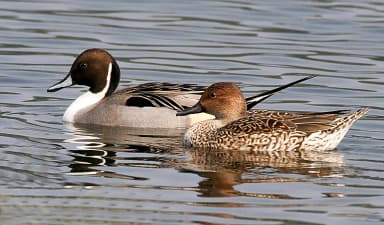 J.M.Garg · CC BY-SA 3.0
Northern Pintail
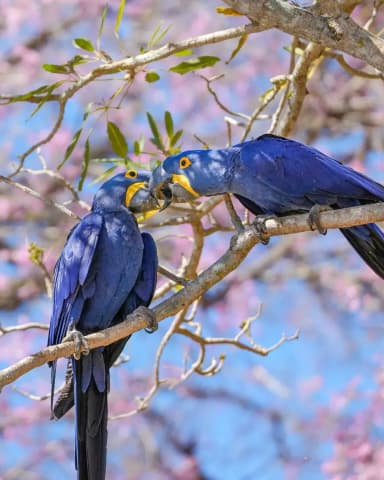 Giles Laurent · CC BY-SA 4.0
Hyacinth Macaw
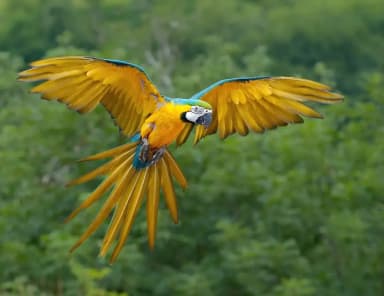 Luc Viatour · CC BY 2.0
Blue-and-gold Macaw
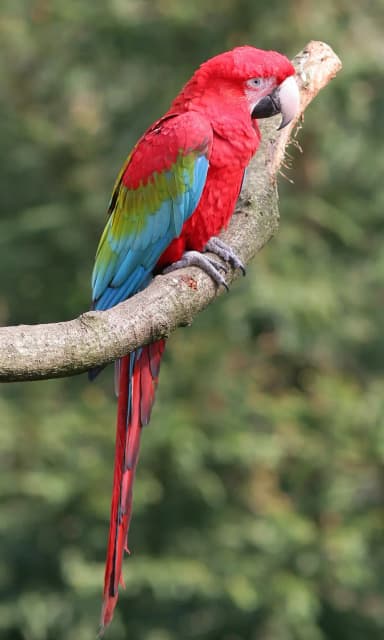 Arjan Haverkamp · CC BY 2.0
Green-winged Macaw
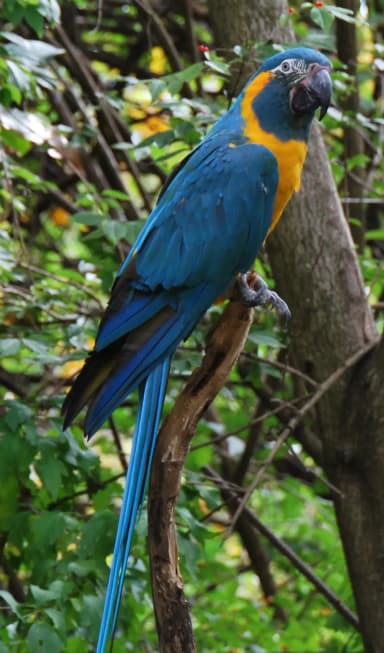 Ted · CC BY-SA 2.0
Blue-throated Macaw
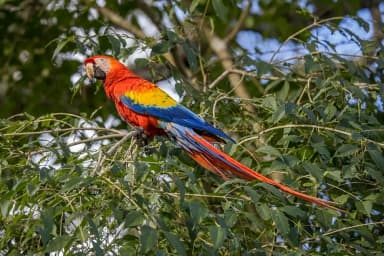 Charles J. Sharp · CC BY-SA 4.0
Scarlet Macaw
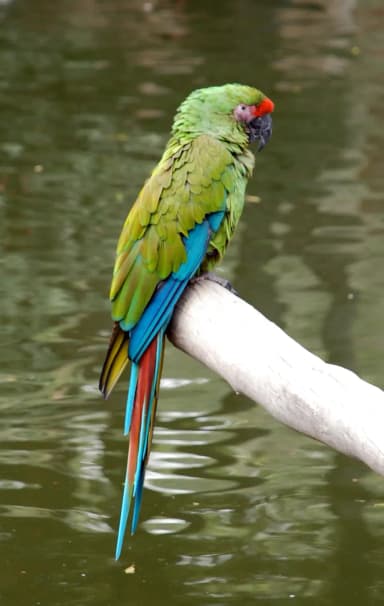 Justin Wright · CC BY-SA 2.0
Military Macaw
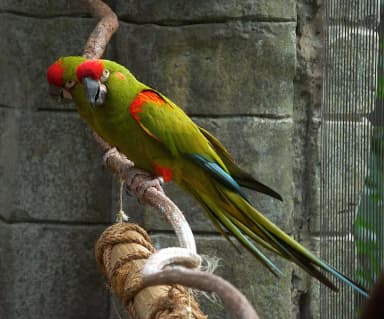 Flickr user (Wikimedia Commons) · CC BY 2.0
Red-fronted Macaw
- Brazilian Teal
- Chestnut Teal
- White-breasted Woodswallow
- Australian Wood Duck
- Violet-backed Starling
- Golden White-eye
- Snowy-crowned Robin Chat
- Blue-billed Curassow
- Guam Rail
- Golden Conure
- Asian Fairy-bluebird
- Emerald Starling
- Red-billed Leiothrix
- Grey Gull
- Scarlet-faced Liocichla
- Edwards's Pheasant
- Chiloe Wigeon
- Gadwall
- Cuban Grassquit
- Kea
- Red-crested Pochard
- Argentine Ruddy Duck
- Red-capped Cardinal
- Mariana Fruit Dove
Show 56 more birdsShow fewer birds
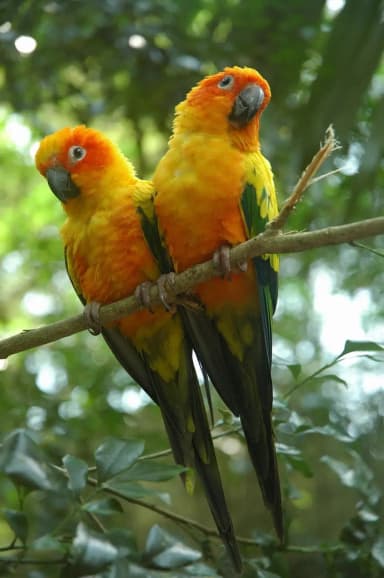 Wayne Deeker · CC BY 3.0
Sun Conure
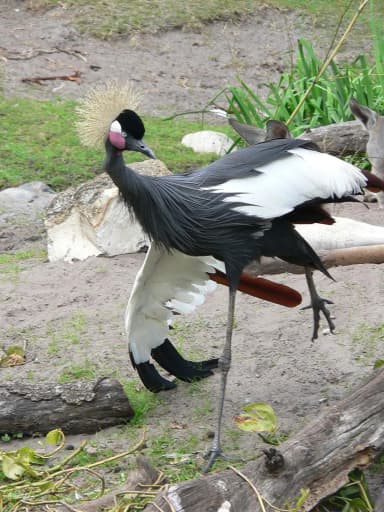 Wikimedia Commons · CC BY-SA 3.0
Black Crowned Crane
 Maciej · CC BY-SA 3.0
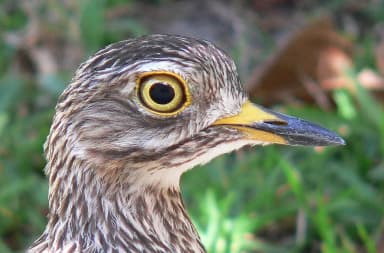
Cape Thick-knee
 Stephane Mignon from Bruxelles, Belgique (Europe) · CC BY 2.0
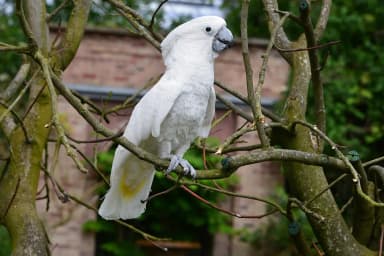
Umbrella Cockatoo
 Len Charnoff from Sherwood, Oregon, US · CC BY 2.0
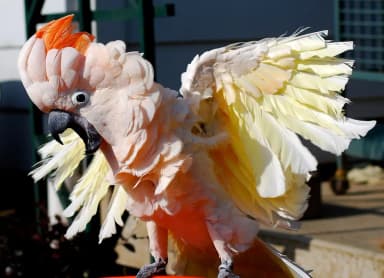
Moluccan Cockatoo
 ziggypop74 · CC BY 4.0
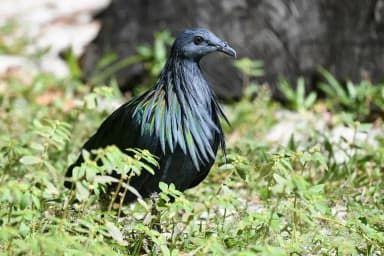
Nicobar Pigeon
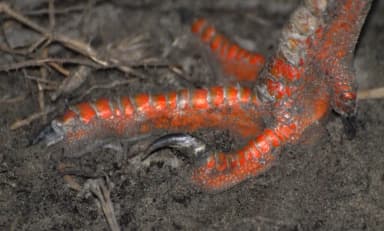 Matt Edmonds · CC BY-SA 3.0
Red-legged Seriema
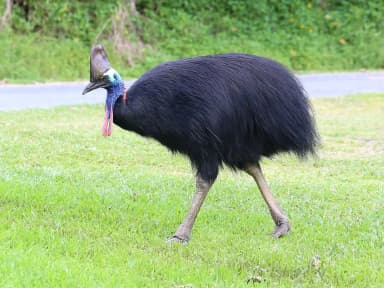 Summerdrought · CC BY-SA 4.0
Southern Cassowary
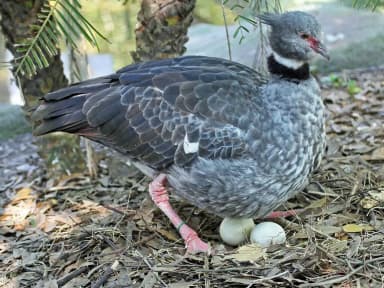 Dick Daniels · CC BY-SA 3.0
Southern Screamer
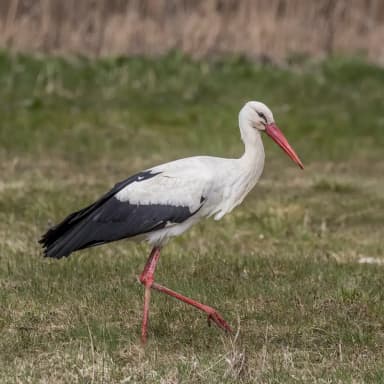 Charles J. Sharp · CC BY-SA 4.0
White Stork
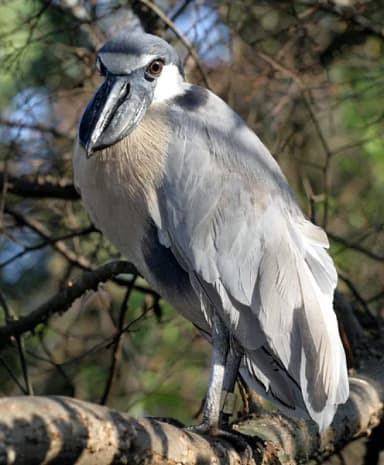 Patrick Coin ( Patrick Coin ) · CC BY-SA 2.5
Boat-billed Heron
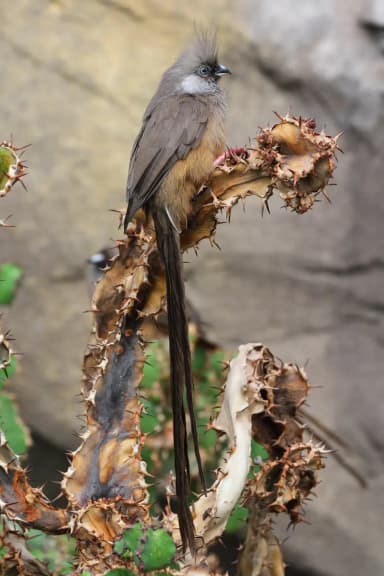 spacebirdy (also known as geimfyglið (:> )=| made with Sternenlaus -spirit) · CC BY-SA 3.0
Speckled Mousebird
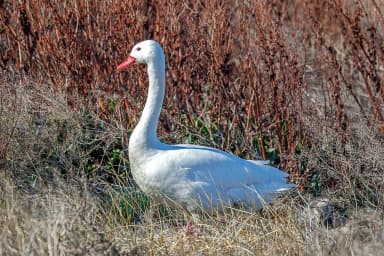 Charles J. Sharp · CC BY-SA 4.0
Coscoroba Swan
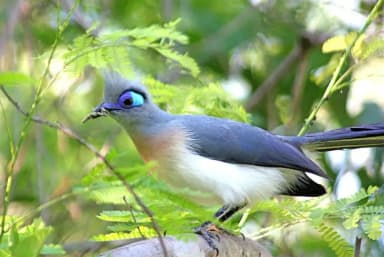 Charles J. Sharp · CC BY-SA 3.0
Crested Coua
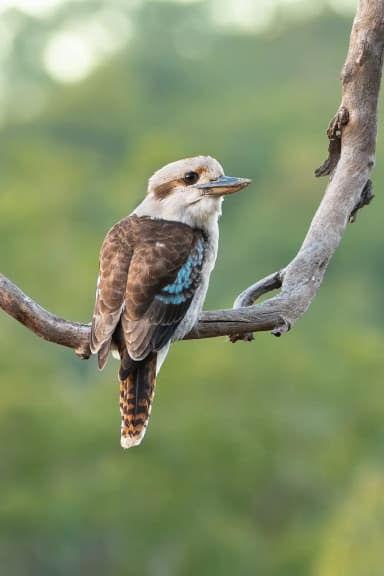 Photo by: Paulweberphoto - paulweberphoto.com · CC BY 4.0
Laughing Kookaburra
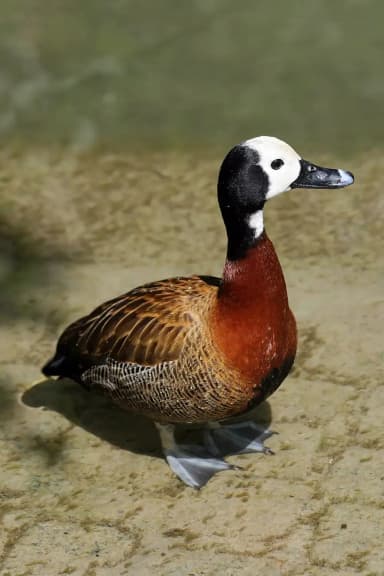 Richard Bartz, Munich Makro Freak · CC BY-SA 2.5
White-faced Whistling Duck
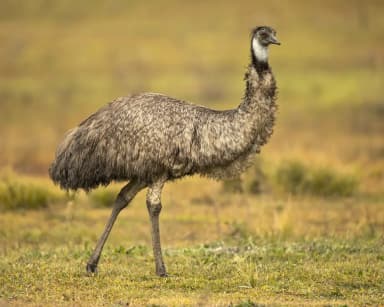 JJ Harrison ( https://www.jjharrison.com.au/ ) · CC BY-SA 4.0
Emu
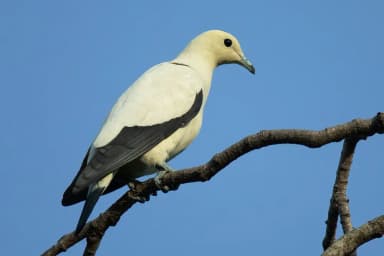 JJ Harrison ( https://tiny.jjharrison.com.au/t/awbKQM2Ekae0XKza ) · CC BY-SA 4.0
Pied Imperial Pigeon
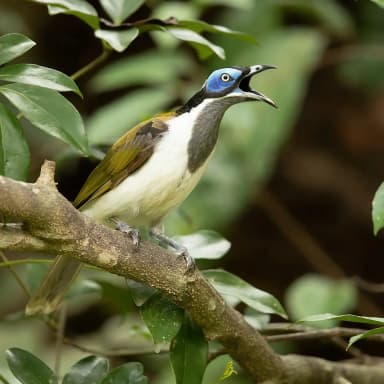 JJ Harrison · CC BY-SA 4.0
Blue-faced Honeyeater
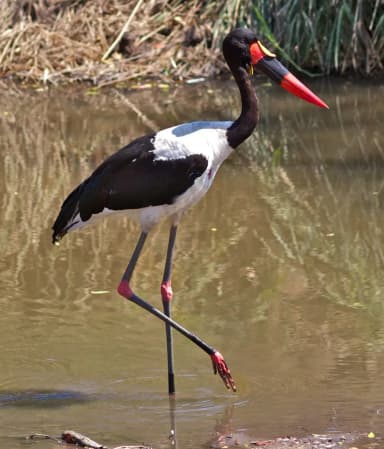 hyper7pro · CC BY 2.0
Saddle-billed Stork
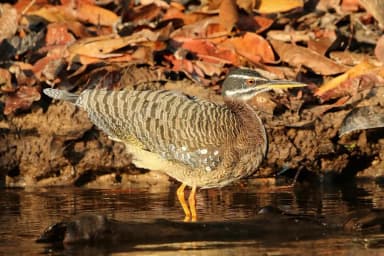 Charles J. Sharp · CC BY-SA 4.0
Sunbittern
 Kao-Tai · Public domain
Luzon Bleeding-heart Dove
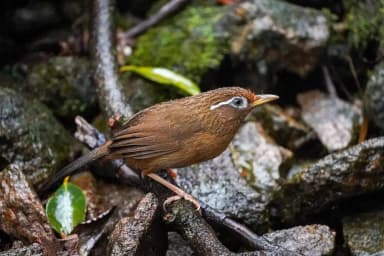 Sun Jiao (Interaccoonale) · CC BY 4.0
Chinese Hwamei
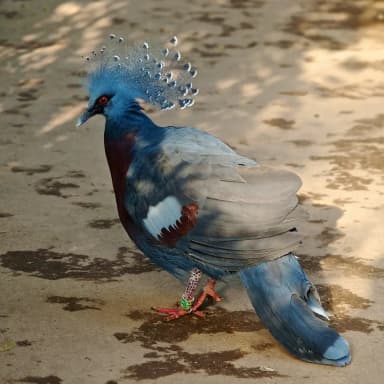 Jörg Hempel · CC BY-SA 3.0 de
Victoria Crowned Pigeon
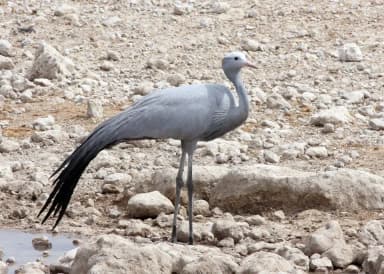 Ron Knight from Seaford, East Sussex, United Kingdom · CC BY 2.0
Blue Crane
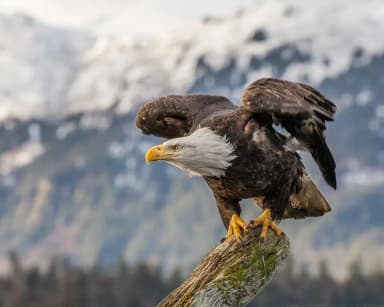 Andy Morffew from Itchen Abbas, Hampshire, UK · CC BY 2.0
Bald Eagle
 Photo by and (C)2007 Derek Ramsey ( Ram-Man ) · CC BY-SA 2.5
Golden-breasted Starling
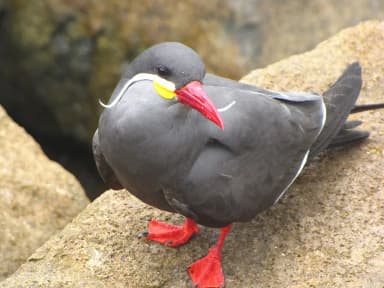 Cristóbal Alvarado Minic from Cagua, Venezuela · CC BY 2.0
Inca Tern
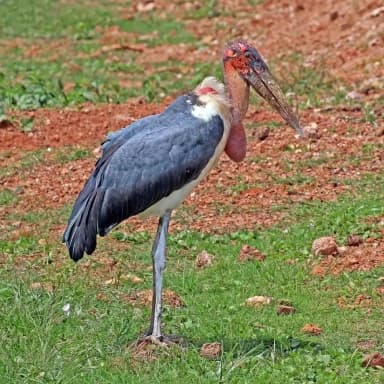 Charles J. Sharp · CC BY-SA 4.0
Marabou Stork
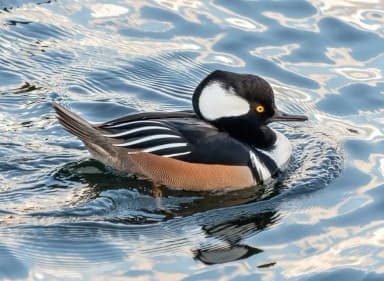 Rhododendrites · CC BY-SA 4.0
Hooded Merganser
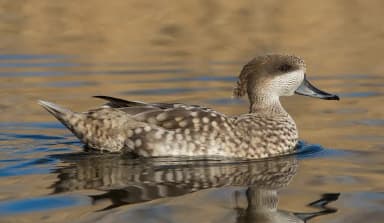 Diliff · CC BY-SA 3.0
Marbled Teal
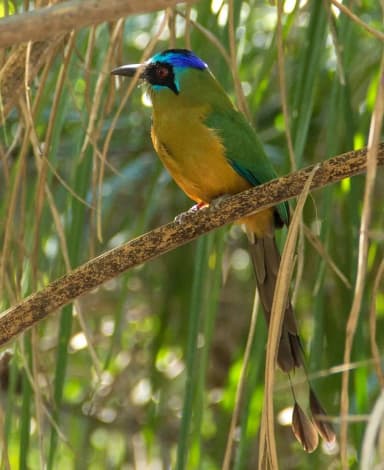 Paulo Antonio Santos · CC BY 3.0
Blue-crowned Motmot
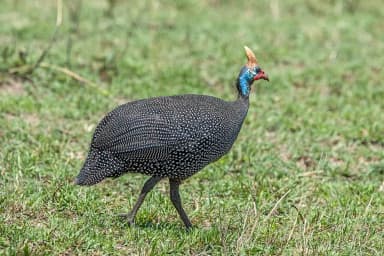 Charles J. Sharp · CC BY-SA 4.0
Helmeted Guineafowl
 Mark Dumont · CC BY 2.0
Green-naped Pheasant Pigeon
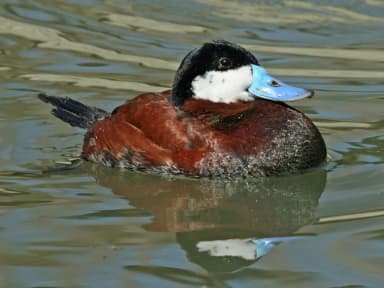 Dick Daniels ( http://carolinabirds.org/ ) · CC BY-SA 3.0
Ruddy Duck
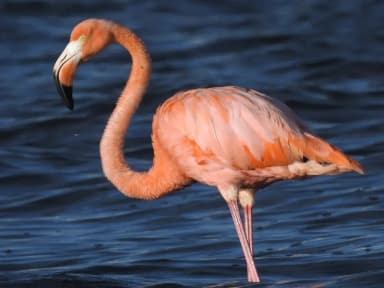 JeffreyGammon · CC BY 4.0
Caribbean Flamingo
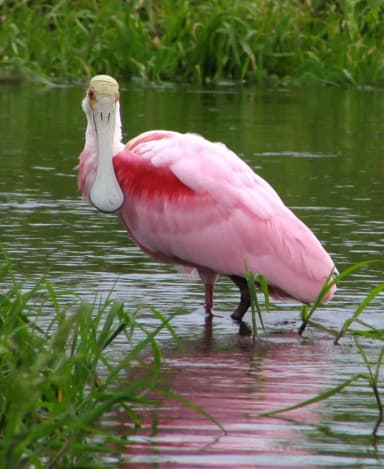 User:Mwanner · CC BY-SA 3.0
Roseate Spoonbill
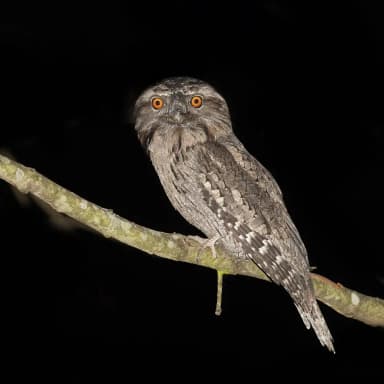 JJ Harrison ( https://www.jjharrison.com.au/ ) · CC BY-SA 4.0
Tawny Frogmouth
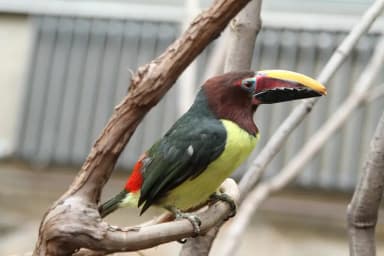 Jim Capaldi from Springfield, USA · CC BY 2.0
Green Aracari
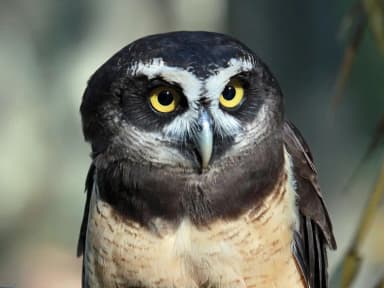 Dick Daniels · CC BY-SA 3.0
Spectacled Owl
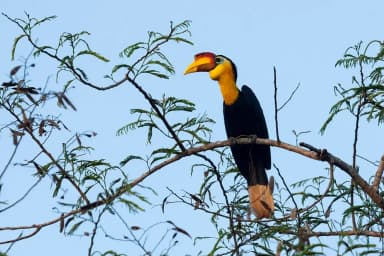 JJ Harrison · CC BY-SA 3.0
Wrinkled Hornbill
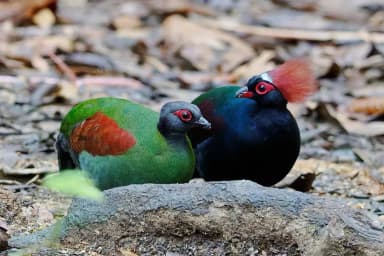 tcager · CC0
Crested Wood Partridge
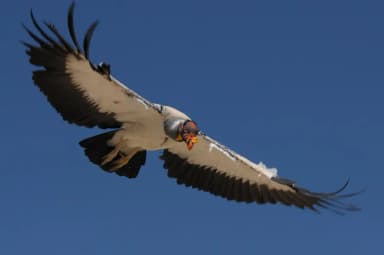 Renato Augusto Martins · CC BY-SA 4.0
King Vulture
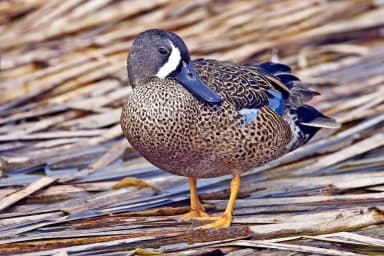 Alan D. Wilson · CC BY-SA 2.5
Blue-winged Teal
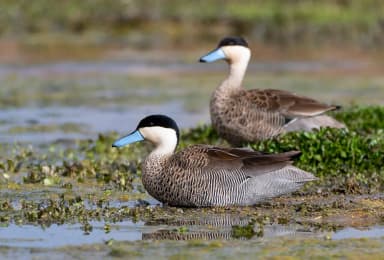 David F. Belmonte · CC BY 4.0
Puna Teal
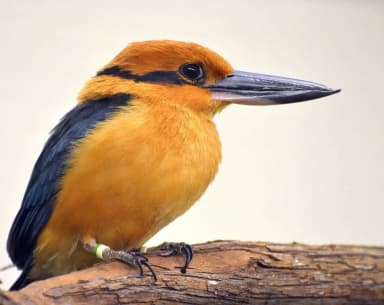 MostlyDross · CC BY 2.0
Guam Kingfisher
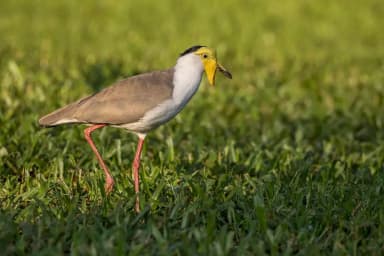 Charles J. Sharp · CC BY-SA 4.0
Masked Lapwing
Reptiles32
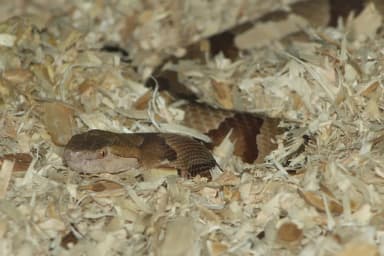 Wikiologyrocks77 · CC BY-SA 4.0
Copperhead
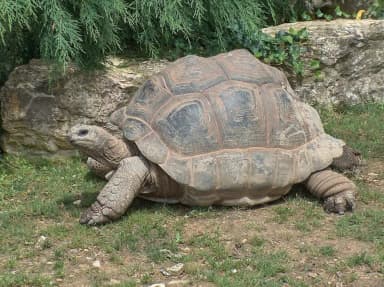 Yotcmdr · Public domain
Aldabra Tortoise
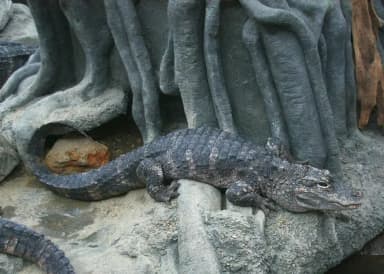 Greg Hume · CC BY-SA 3.0
Chinese Alligator
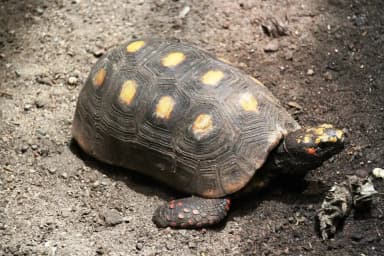 Bjoertvedt · CC BY-SA 3.0
Red-footed Tortoise
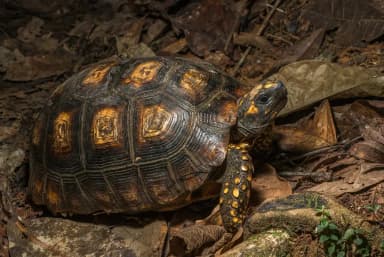 Casey Klebba · CC BY-SA 4.0
Yellow-footed Tortoise
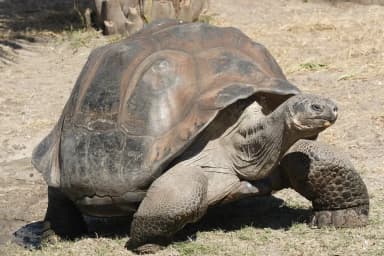 Mfield , Matthew Field, http://www.photography.mattfield.com · CC BY-SA 3.0
Galapagos Tortoise
 hug_78 · CC BY 2.0
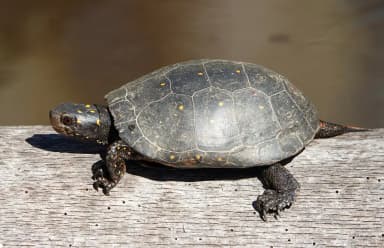
Spotted Turtle
 Yelles · CC BY-SA 3.0
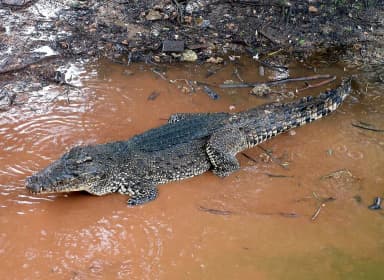
Cuban Crocodile
 Peter Paplanus from St. Louis, Missouri · CC BY 2.0
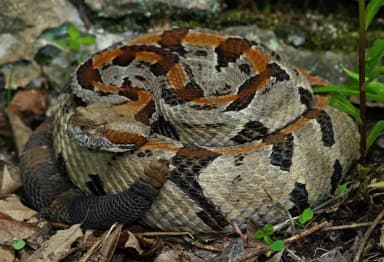
Timber Rattlesnake
 .RGB. · CC BY 2.0
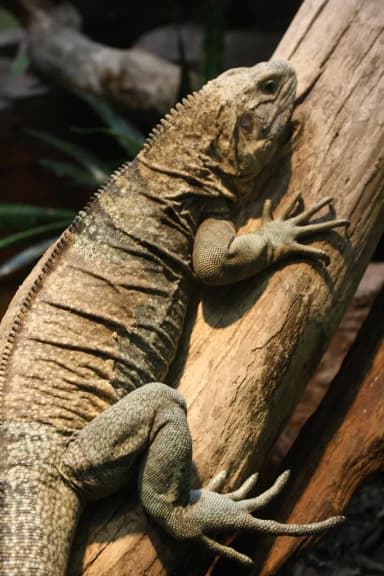
Jamaican Iguana
 Stavenn · CC BY 3.0
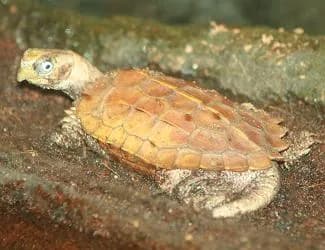
Black-breasted Leaf Turtle
 Blueag9 · CC BY-SA 3.0
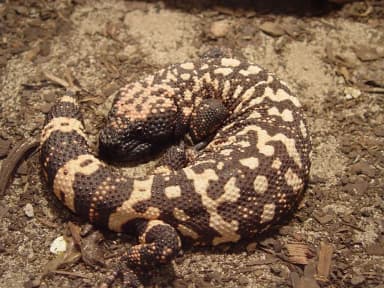
Gila Monster
 Hans Hillewaert · CC BY-SA 4.0
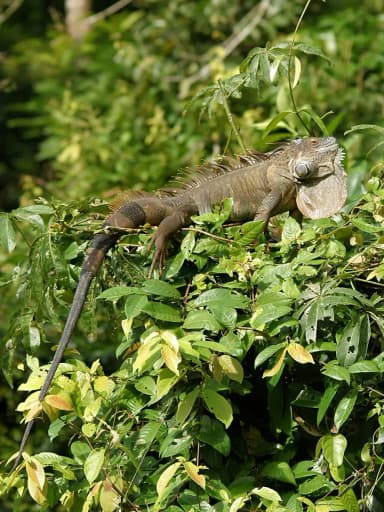
Green Iguana
 Michael Allen Smith from Seattle, USA · CC BY-SA 2.0
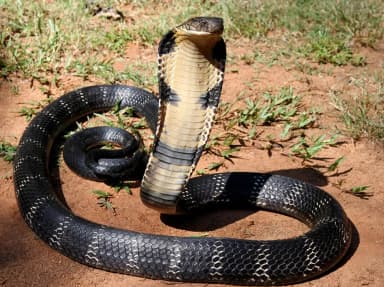
King Cobra
 Kaldari · Public domain
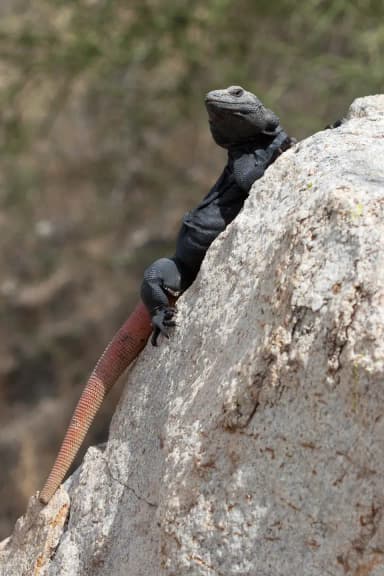
Chuckwalla
 Greg Hume · CC BY-SA 4.0
Chinese Crocodile Lizard
 Mtsackid at English Wikipedia · Public domain
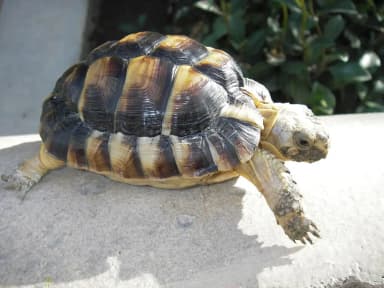
Egyptian Tortoise
Amphibians4
Feathers & Fangs from visitors
What people who've been to Sedgwick County Zoo say
A Feather is something this zoo does well; a Fang is something it gets wrong. Left by people who've been, and read by us before they appear.
Loading…
About Sedgwick County Zoo
Sedgwick County Zoo sits in Wichita, Kansas, and opened to the public on August 25, 1971, the result of a public-private partnership between Sedgwick County and the Sedgwick County Zoological Society. The society had formed in 1963, and by 1966 voters had approved $3.65 million in bonds to buy the land that became both the zoo and Sedgwick County Park. Richard Blakey, previously director of the Brookfield Zoo, was hired as the new zoo's first director. The zoo replaced a small, outdated exhibit that had stood in Central Riverside Park since the turn of the 20th century.
Today the zoo is AZA accredited and houses more than 3,000 animals representing nearly 400 species, at least according to the counts on record. That places it as the 13th largest zoo in the country by both species count and total number of animals, and 7th largest by total area. It has also become the number one outdoor tourist attraction in Kansas. The grounds cover 247 acres, of which 115 are developed.
The zoo is organized into regional and thematic areas built up over more than five decades, from the original American and Asian farm exhibits to large-scale habitats for gorillas, elephants, and big cats added far more recently. Alongside its exhibits, the zoo has built out visitor infrastructure including an animal hospital, a learning center, a train, and a boat ride, and it has become known nationally for a handful of conservation and breeding milestones described below.
History
The zoo's first exhibits were just two buildings, the American and Asian farms, when it opened in 1971. Growth came steadily afterward: the African Veldt exhibit opened in 1973, the Herpetarium (today called Amphibians & Reptiles) in 1974, and the Jungle, now known as Tropics, in 1977. The Australian Outback and South American Pampas exhibits, now combined as Australia/South America, opened in 1980, and the Apes & Man building, today the Koch Orangutan and Chimpanzee Habitat, opened in 1982, adding outdoor enclosures for both species in 1996.
The 1990s and 2000s brought larger habitats. The North American Prairie, now called North America, opened in 1993. Pride of the Plains followed on May 29, 2000, and Downing Gorilla Forest opened in 2004. Cessna Penguin Cove, the zoo's first marine exhibit, opened in 2007. The Slawson Family Tiger Trek opened in 2009 and was expanded and reopened as the Slawson Family Asian Big Cat Trek in 2021. On the infrastructure side, Oliver Animal Hospital opened in 2000 and the 15,000-square-foot Cargill Learning Center in 2006.
More recent additions include the Reed Family Elephants of the Zambezi River Valley, which opened in May 2016 after six African elephants arrived from Eswatini's Hlane Royal National Park to survive a drought, and Stingray Cove, which opened in April 2022. A new entrance opened on May 27, 2021, completing what the zoo calls Phase 1 of a 25-year master plan that also included the Asian Big Cat Trek expansion and a new electric train route.
Exhibits and habitats
Downing Gorilla Forest opens into a recreation of a small Congo village, with exhibits for colobus monkeys and white pelicans, then crosses a bridge to areas for saddle-billed storks, black crowned cranes, and okapis before reaching its main gorilla habitat, viewable indoors, through large windows, or across a moat. Pride of the Plains winds past lions, red river hogs, and two meerkat exhibits set among large boulders in a kopje theme, ending at an exhibit for African painted dogs.
The African Veldt, open since 1973, currently holds two reticulated giraffes, two Grévy's zebras, a black rhinoceros, two ring-tailed lemurs, marabou storks, and blue cranes; the zoo also kept a pair of Nile hippopotamuses, Pudgie and Sweetie Pie, for more than 50 years until their deaths in 2023 and 2025. The Reed Family Elephants of the Zambezi River Valley covers more than 5 acres, making it the third-largest elephant exhibit in the United States, and includes a 550,000-gallon pool separated from a boat canal by an underwater barrier so visitors appear to share the water with the elephants.
The Amphibians & Reptiles building, formerly the Herpetarium, opens with outdoor and indoor viewing for Aldabra tortoises and a riverbank tank of Kansas native turtles, fish, bullfrogs, and gars, then branches into terrariums holding a Chinese alligator, Jamaican iguanas, king cobras, black mambas, eastern green mambas, Indochinese spitting cobras, and Gaboon vipers. Tropics is a 28,000-square-foot indoor rainforest, the second-oldest of its kind in the country, with more than 300 species of live plants and roughly 50 species of free-flying birds alongside tropical fish, reptiles, bats, and invertebrates; a $3 million upgrade in 2015 replaced its roof for better light and humidity.
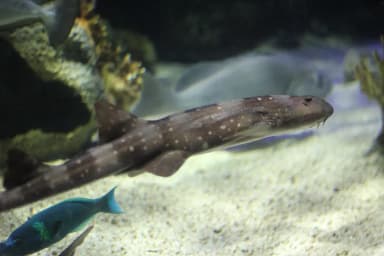
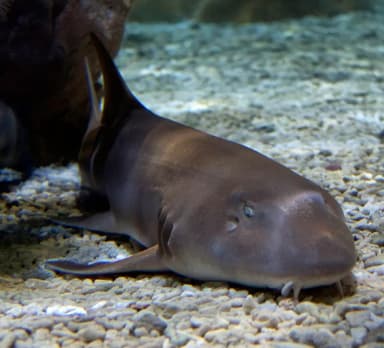
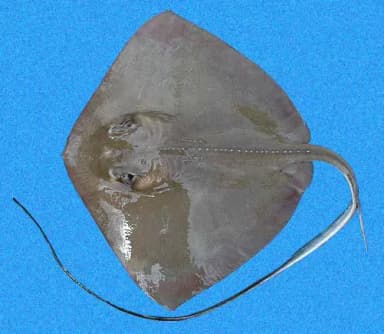
The Slawson Family Asian Big Cat Trek houses Amur and Malayan tigers, red pandas, brow-antlered deer, Amur leopards, and snow leopards, with a section where the leopards can be seen above guests' heads. North America, at 11 acres one of the zoo's largest sections, holds American bison, elk, black bears, grizzly bears, North American river otters, cougars, black-footed ferrets, Mexican wolves, and black-tailed prairie dogs. Australia/South America, joined exhibits forming one of the largest walk-through aviaries in the country, features emu, southern cassowary, wallaroo, and free-ranging tammar wallabies alongside capybara, Chacoan peccary, giant anteater, maned wolf, and Galapagos tortoises. The Koch Orangutan and Chimpanzee Habitat houses both species across multiple viewing levels, and the Children's Farms area, dating to the zoo's opening, includes more than 40 breeds of domestic animals that visitors can feed and pet. Stingray Cove, open seasonally from March through October, centers on a touch tank of stingrays and bamboo sharks.
Two rides move visitors through the grounds. The Martha C. Buford Safari Express, an electric train with two locomotives and four cars each, runs a 1.3-mile loop with stops near the entrance and near Downing Gorilla Forest, passing behind the scenes of several exhibits. A boat ride in the Africa section passes an island of eastern white pelicans, the Downing Gorilla Forest, and the North America exhibit before returning past the elephant pool.
Animal highlights
The zoo is home to nearly 400 species on record, comprising more than 3,000 individual animals. Notable residents include the zoo's gorilla troop, the elephant herd at the Reed Family exhibit, Amur and Malayan tigers, Amur and snow leopards, Sumatran orangutans and chimpanzees, reticulated giraffes, Grévy's zebras, a black rhinoceros, Mexican wolves, black-footed ferrets, king cobras, and Aldabra tortoises.
The elephant herd has drawn particular attention. A male, Ajani, joined the herd from Birmingham Zoo in 2018 for breeding before transferring to the Toledo Zoo; Callee joined from Omaha's Henry Doorly Zoo and Aquarium in 2023. In 2025 the herd produced its first calves: Simunye's calf Malaika was stillborn in March, but Talia gave birth in April to Bomani, the first surviving elephant calf in the zoo's history, followed within months by Xolani's calf Kijani, Arusi's calf Asali, and Zuberi's calf Dakari.
Conservation and programs
Sedgwick County Zoo has contributed to the Mexican wolf Species Survival Plan since the wolves arrived with the opening of the North America exhibit, and multiple pups born at the zoo have been released into the wild. In 2008, a female Komodo dragon at the zoo hatched two offspring through parthenogenesis, without any contact with a male since her arrival in 1993 — the first documented case of parthenogenetic reproduction in a Komodo dragon at a North American zoo, and only the third documented occurrence worldwide after hatchings at the London Zoo and Chester Zoo in 2006.
Planning your visit
The zoo is located at 5555 W Zoo Blvd in Wichita. Specific current hours, ticket prices, and parking details were not available in the sources used for this page, so check the official website before visiting. The grounds cover 247 developed acres across multiple themed sections, plus the Martha C. Buford Safari Express train and a boat ride through the Africa section, both of which add time to a visit beyond walking the exhibits themselves.
Given the size of the property — 115 developed acres among 247 total — and the number of major exhibit areas, from Downing Gorilla Forest to the Reed Family Elephants habitat to the Amphibians & Reptiles building, a full visit covering the main sections is likely to take a significant part of a day. As always, confirm hours, admission, parking, and accessibility details on the zoo's official website before you go.
What we haven't confirmed
Everything above came from public sources. These specifics we haven't stood behind yet:
- Hours
- Ticket prices
- Parking details
- Time needed for a visit
- Phone number
- Accessibility information
Sedgwick County Zoo compared with nearby zoos
How Sedgwick County Zoo lines up against the closest zoos we have details for — useful if you're deciding between them for the same day out.
| Zoo | Distance | Admission | Hours | Size | AZA |
|---|---|---|---|---|---|
| Sedgwick County ZooThis zooWichita, KS | — | $28–$33 | Daily 9:00 AM – 5:00 PM; onsite ticket sales end 4:00 PM. | — | Yes |
| Hutchinson ZooHutchinson, KS | 35 mi | Free | 10am – 4:45pm | 9 acres | Yes |
| Hedrick Exotic Animal FarmNickerson, KS | 46 mi | — | Open 7 days a week, January–December, guided tours by reservation only (call ahead). Tours ~1 hour walking. Office hours Mon–Fri 8:00 AM–12:00 PM and 1:00–5:00 PM. | — | No |
| Rolling Hills ZooSalina, KS | 81 mi | $16 | Open 7 days a week. Peak season 9:00 AM – 5:00 PM; off-season 10:00 AM – 4:00 PM (switches with daylight saving time). Closed Thanksgiving Day, Christmas Eve, Christmas Day, New Year's Day. | — | Yes |
Distances are straight-line. A dash means we haven't confirmed that detail yet, not that the zoo lacks it.
AZAThe Association of Zoos and Aquariums. Accredited members have passed an independent inspection of animal care and welfare, safety, conservation and education, repeated every five years. Many smaller facilities never apply, so “not accredited” isn't a verdict on its own. What accreditation means · How we check this
Sedgwick County Zoo: common questions
Is Sedgwick County Zoo AZA accredited?
Yes, it is an AZA-accredited zoo.
How big is Sedgwick County Zoo?
The zoo sits on 247 acres, with 115 acres currently developed.
When did Sedgwick County Zoo open?
It opened to the public on August 25, 1971.
How many animals and species does the zoo have?
The zoo houses more than 3,000 animals across nearly 400 species.
What animals can you see at Sedgwick County Zoo?
Gorillas, elephants, Amur and Malayan tigers, Amur and snow leopards, orangutans and chimpanzees, giraffes, zebras, a black rhinoceros, Mexican wolves, and reptiles including king cobras and Aldabra tortoises, among others.
Is there a train or boat ride at the zoo?
Yes. The Martha C. Buford Safari Express train runs a 1.3-mile loop, and a boat ride travels through the Africa section past the elephant exhibit.
Does the zoo have a children's area?
Yes, the Children's Farms section features more than 40 breeds of domestic animals that visitors can feed and pet.
Something wrong here? Tell us — we correct in place, with a dated note.