
Accreditation and the law
AZA accreditation
Also called AZA-accredited, Association of Zoos and Aquariums accreditation, AZA
Definition
AZA accreditation is a voluntary, independent review by the Association of Zoos and Aquariums that confirms a zoo or aquarium meets professional standards for animal welfare, veterinary care, conservation, education and safety. Accredited facilities are re-inspected every five years.
On this page
What AZA accreditation is
AZA accreditation is a seal of approval from the Association of Zoos and Aquariums (AZA), a nonprofit founded in 1924. It means independent experts have examined how a zoo or aquarium operates and found that it meets AZA's professional standards.
It is voluntary. No law requires it, and most places that exhibit animals in the U.S. don't have it. According to AZA, only about 10% of the nearly 2,150 animal exhibitors licensed by the USDA are accredited. As of September 2026, that was 241 zoos and aquariums, plus 14 accredited related facilities.
Since 1985, accreditation has been mandatory for AZA membership, so a zoo can't simply pay dues and call itself an AZA member.
What AZA inspectors check
The standards cover a zoo's whole operation, not just its exhibits:
- Animal welfare: habitats, social groups, diet and enrichment
- Veterinary care: medical programs, records and protocols
- Conservation and research: work to protect species in zoos and in the wild
- Education: what visitors learn about animals and conservation
- Safety: for animals, staff and guests
- Staffing, finances and governance: whether the zoo can keep meeting the standards
How a zoo becomes accredited
A zoo submits a detailed application, then hosts an in-person inspection by a team of three to five experts, always including a veterinarian. Its leaders then appear before AZA's Accreditation Commission, which decides whether to grant accreditation, table the application until problems are fixed, or deny it.
Accreditation isn't permanent. Every accredited facility repeats the full process, including a new inspection, every five years, and the Commission can withdraw accreditation in between.
AZA accreditation vs. a USDA license
A USDA license under the Animal Welfare Act is the legal minimum for exhibiting many kinds of animals. A large city zoo and a roadside attraction need the same license. AZA accreditation is a separate, much higher bar that a facility chooses to meet.
Why it matters for conservation
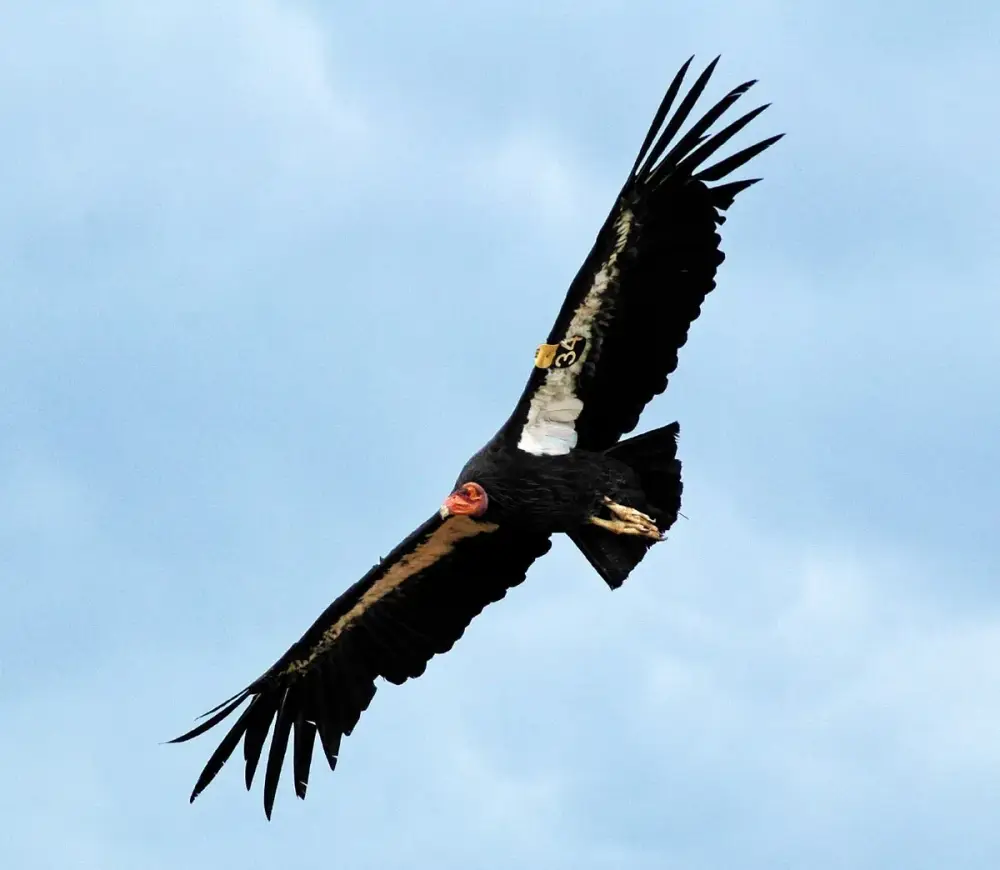
Accredited zoos manage their animals together through Species Survival Plans, which use shared studbooks to keep populations healthy and genetically diverse. AZA says there are nearly 300 SSP programs, covering animals such as the red panda. Some have helped return species like the California condor and black-footed ferret to the wild.
Other accreditations you may see
AZA isn't the only group that accredits animal facilities. The Global Federation of Animal Sanctuaries accredits sanctuaries and rescue centers, and the Zoological Association of America runs its own zoo accreditation program with different standards. For a longer walkthrough, see our guide to what AZA accreditation means for visitors, or browse the U.S. zoo directory.
Examples


Common questions
What does AZA stand for?
AZA stands for the Association of Zoos and Aquariums, a nonprofit founded in 1924. It sets professional standards for zoos and aquariums and accredits the ones that meet them.
Is AZA accreditation required by law?
No. The legal minimum to exhibit animals in the U.S. is a USDA license under the Animal Welfare Act. AZA accreditation is voluntary, and AZA says only about 10% of the nearly 2,150 USDA-licensed exhibitors hold it.
How many zoos are AZA-accredited?
As of September 2026, AZA listed 241 accredited zoos and aquariums, plus 14 accredited related facilities such as breeding and research centers that aren't regularly open to the public.
How often are AZA zoos inspected?
Every accredited zoo or aquarium goes through the full accreditation process again, including an in-person inspection, every five years. AZA can also remove accreditation in between if a facility stops meeting its standards.
Related terms
- Animal Welfare ActThe Animal Welfare Act is the main U.S. federal law setting minimum standards of care for animals that are exhibited to the public, sold as pets, used in research or transported commercially. It is enforced by the USDA, which licenses zoos and other animal exhibitors and inspects them.
- Species Survival Plan (SSP)A Species Survival Plan (SSP) is a cooperative breeding program run by the Association of Zoos and Aquariums (AZA). It manages one species across many zoos and aquariums as a single population, recommending which animals breed and which move so the population stays healthy and genetically diverse.
- AZA SAFEAZA SAFE: Saving Animals From Extinction is a program of the Association of Zoos and Aquariums that pools the work of many accredited zoos and aquariums on specific at-risk species, with a focus on conservation results in the wild.
- ZAA accreditationZAA accreditation is a voluntary certification from the Zoological Association of America, a nonprofit formed in 2005, showing that a zoo, aquarium or educational animal facility has passed ZAA's application, site inspection and committee review. Facilities repeat the full process every five years.
- GFAS accreditationGFAS accreditation is a certification from the Global Federation of Animal Sanctuaries, a nonprofit founded in 2007, showing that a sanctuary or rescue center meets its standards for humane care, with no breeding, no commercial trade and no public contact with wildlife.
Sources
- What Is Accreditation? (Association of Zoos and Aquariums)
- Association of Zoos and Aquariums (Wikipedia)
Last reviewed
Get the Feather & Fang newsletter
Zoo news, animal features and what's new in the directory. Occasional, never spammy.