
Rolling Hills Zoo
Salina, KS
- Admission
- $16
- Opened
- 1999
- Accreditation
- AZA
Association of Zoos and Aquariums
Everything below is directory information drawn from public sources and the zoo's own site.
Animals at Rolling Hills Zoo
44 of the ~100 species this zoo listsThis is a partial list — we only show species we've confirmed against the zoo's own pages, and their full collection is considerably larger.
Mammals26
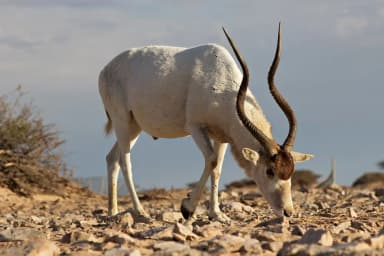 HaytemBouchri93 · CC BY-SA 4.0
Addax
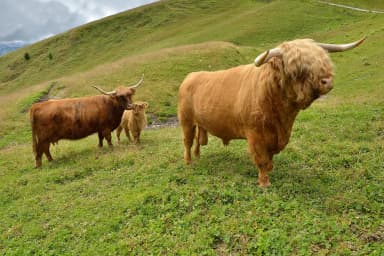 Wolfgang Moroder · CC BY-SA 3.0
Highland Cattle
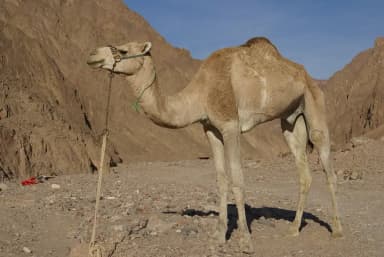 Florian Prischl · CC BY-SA 3.0
Dromedary Camel
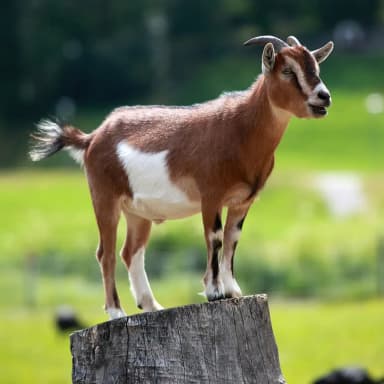 Kuebi = Armin Kübelbeck · CC BY-SA 3.0
Goat
 Giles Laurent · CC BY-SA 4.0
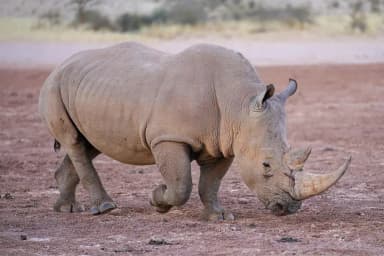
White Rhinoceros
 Dick Culbert from Gibsons, B.C., Canada · CC BY 2.0
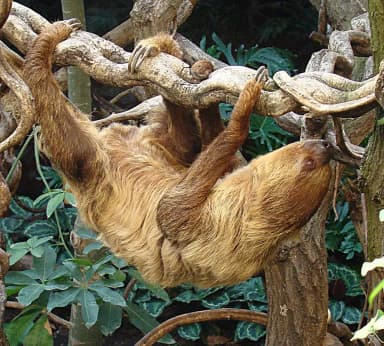
Linnaeus's Two-toed Sloth
 Jonathan Wilkins · CC BY-SA 3.0
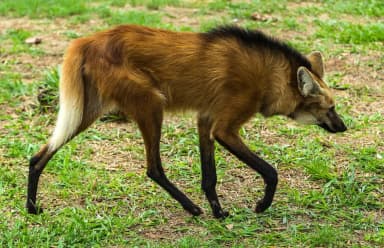
Maned Wolf
 Tuxyso · CC BY-SA 3.0
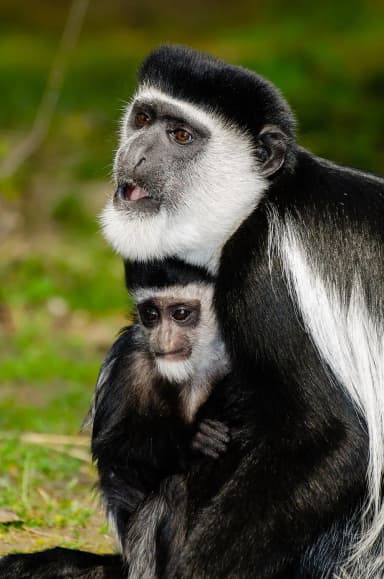
Black-and-white Colobus
 Charles J. Sharp · CC BY-SA 4.0
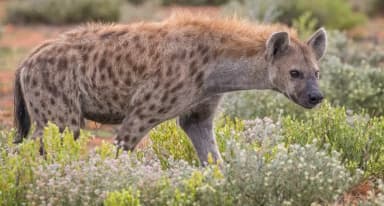
Spotted Hyena
 Joe Ravi · CC BY-SA 3.0
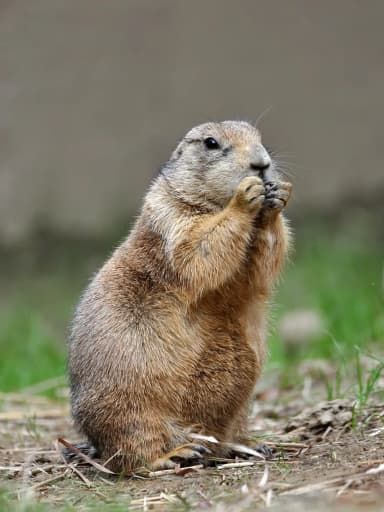
Prairie Dog
 Thomas Fuhrmann · CC BY-SA 4.0
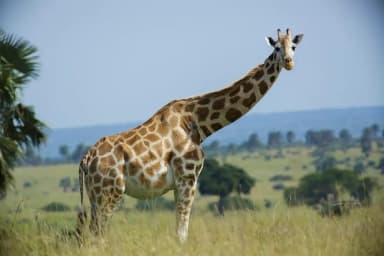
Giraffe
 Giles Laurent · CC BY-SA 4.0
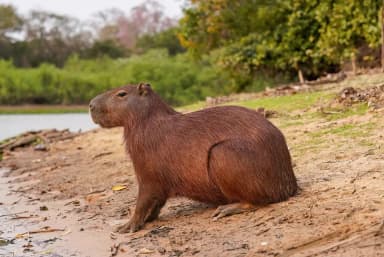
Capybara
 Charles J. Sharp · CC BY-SA 4.0
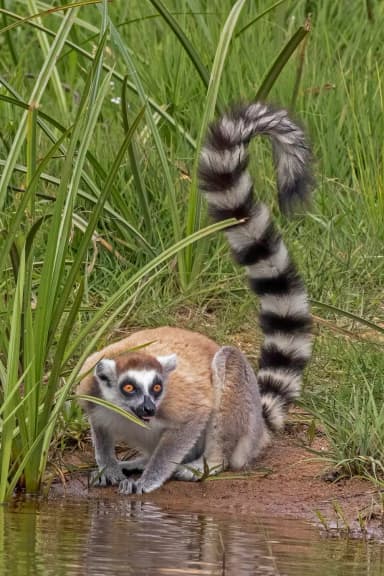
Ring-tailed Lemur
 AfricanConservation · CC BY-SA 4.0
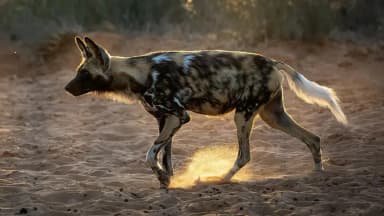
African Wild Dog
 Malene Thyssen · CC BY-SA 3.0
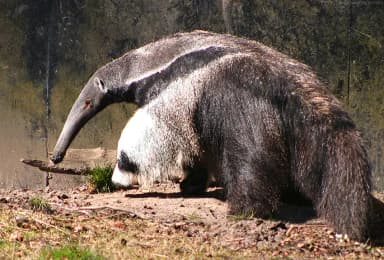
Giant Anteater
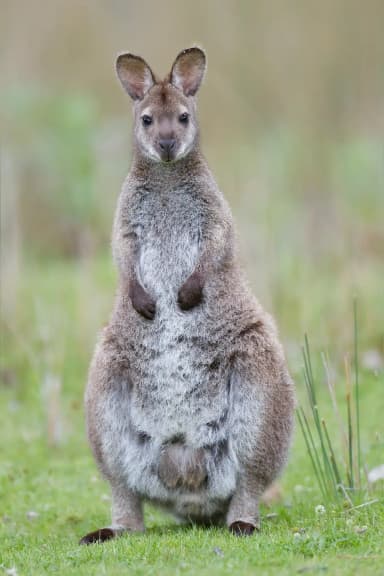 Noodle snacks ( https://www.jjharrison.com.au/)Bennett's Wallaby) · CC BY-SA 3.0
Bennett's Wallaby
 Albinfo · CC BY-SA 3.0
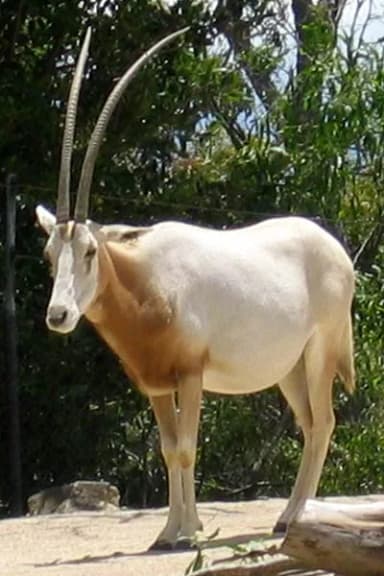
Scimitar-horned Oryx
 CharlesC · CC BY-SA 3.0
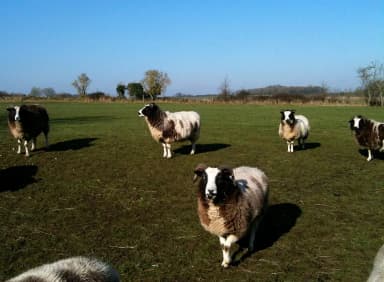
Jacob Sheep
 Giles Laurent · CC BY-SA 4.0
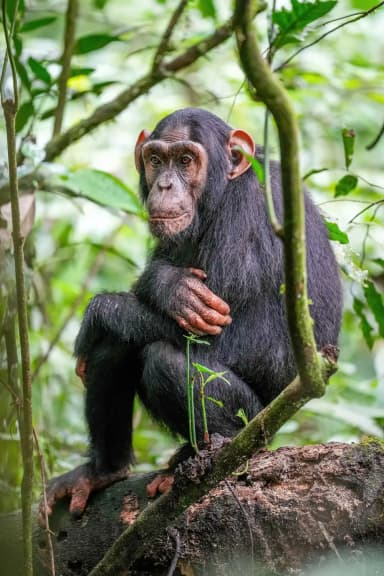
Chimpanzee
 Giles Laurent · CC BY-SA 4.0
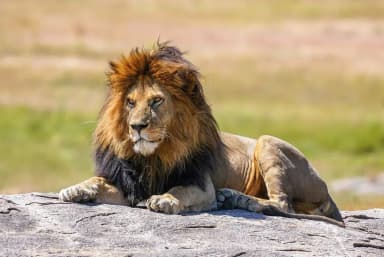
Lion
 Charles J. Sharp · CC BY-SA 4.0
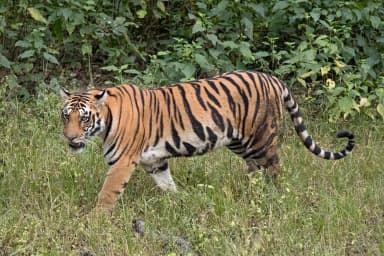
Amur tiger
 Irbis1983 · Public domain
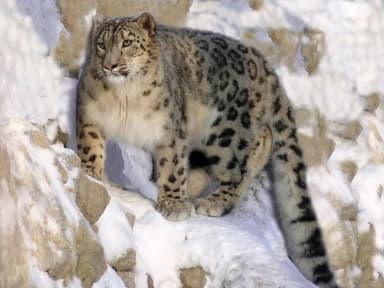
Snow Leopard
 Chensiyuan · CC BY-SA 4.0
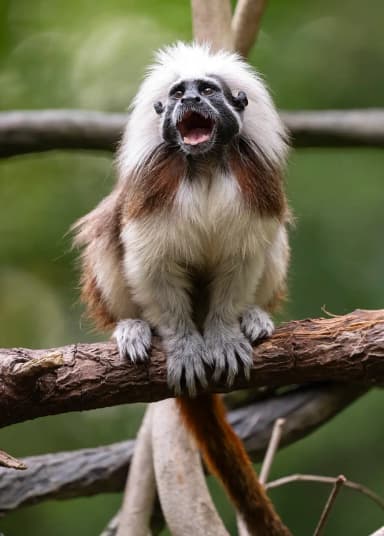
Cotton-top Tamarin
 Chensiyuan · CC BY-SA 4.0
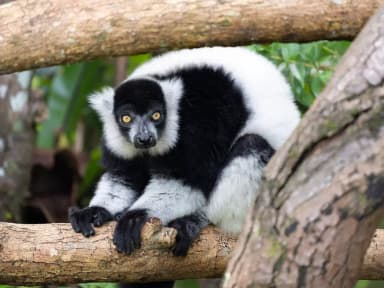
Black-and-white Ruffed Lemur
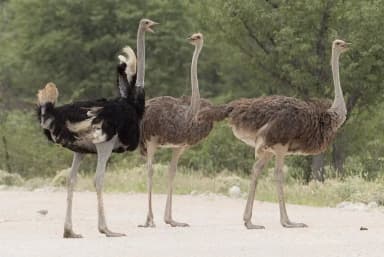
Birds6
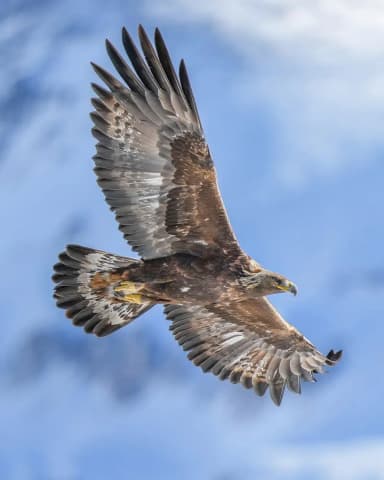
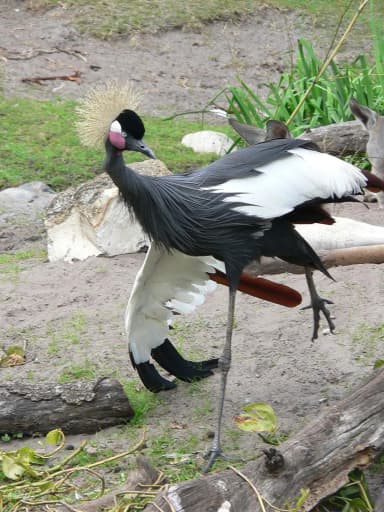
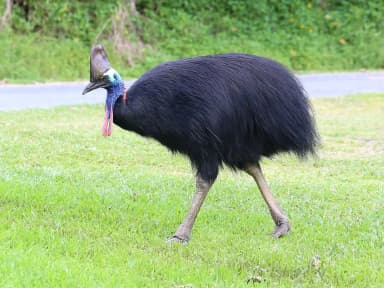

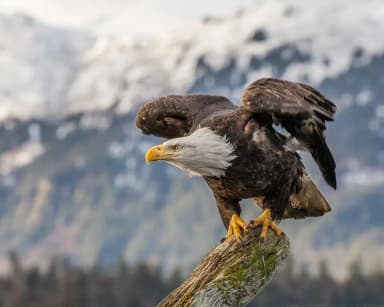
Reptiles9
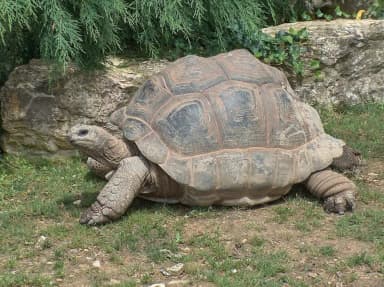 Yotcmdr · Public domain
Aldabra Tortoise
 Charles J. Sharp · CC BY-SA 4.0
Grand Cayman Blue Iguana
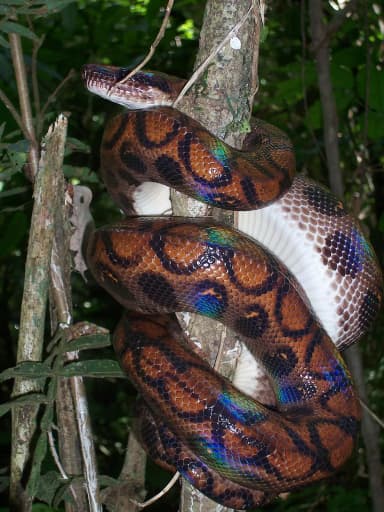 Damien Farrell · CC BY 3.0
Rainbow Boa
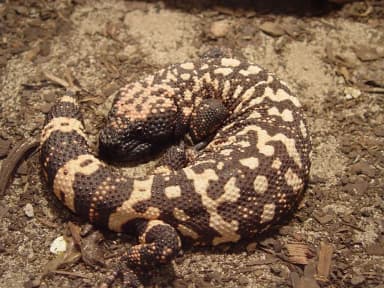 Blueag9 · CC BY-SA 3.0
Gila Monster
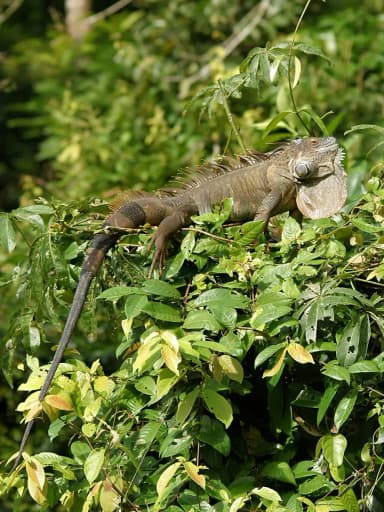 Hans Hillewaert · CC BY-SA 4.0
Green Iguana
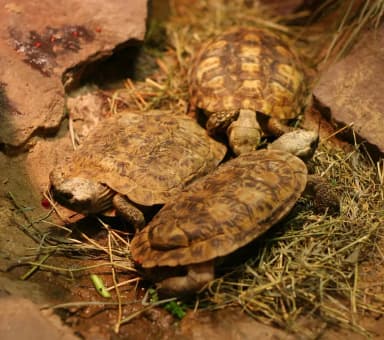 Dave Pape · Public domain
Pancake Tortoise
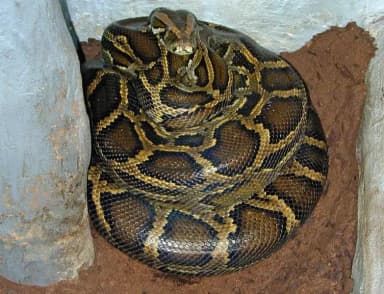 Tigerpython · CC BY 3.0
Burmese Python
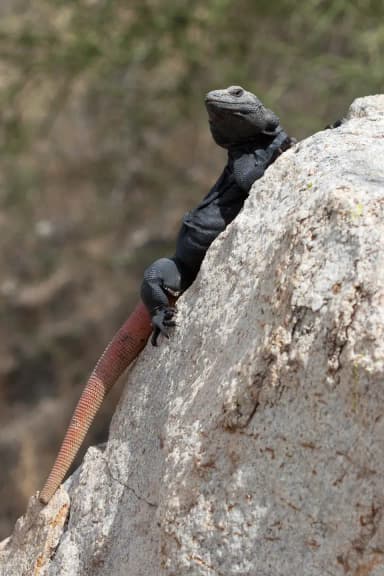 Kaldari · Public domain
Chuckwalla
 Mtsackid at English Wikipedia · Public domain
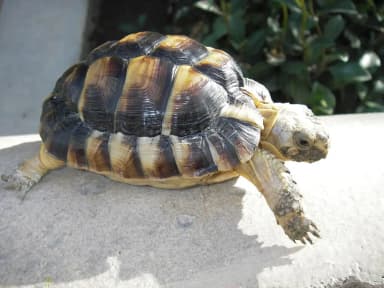
Egyptian Tortoise
Amphibians1
Feathers & Fangs from visitors
What people who've been to Rolling Hills Zoo say
A Feather is something this zoo does well; a Fang is something it gets wrong. Left by people who've been, and read by us before they appear.
Loading…
About Rolling Hills Zoo
Rolling Hills Zoo sits in rural Saline County, Kansas, about six miles west of the Interstate 70 and Interstate 135 interchange, through the unincorporated community of Hedville outside Salina. The zoo is run by a private, nonprofit foundation and opened to the public in the fall of 1999. It is an accredited member of the Association of Zoos and Aquariums, a distinction the zoo describes as the gold standard in animal care, and it houses more than 100 species of animals across its grounds.
Admission to Rolling Hills Zoo also covers a 64,000-square-foot wildlife museum on the same property, so a single ticket gets visitors into both the outdoor zoo and the indoor exhibits. The museum groups its displays by world region, taking guests on a tour past exhibits themed around the African Plains, the Arctic Tundra, rainforests, North America, the Middle East and the Far East. Visitors can expect to come face to face with animals such as a snow leopard, a white rhino, a chimpanzee and an anteater, among the many other species the zoo lists on its site. The organization frames its work around a three-part mission it calls "Touching Hearts, Igniting Passion, Saving Wildlife," combining animal care with conservation and education programs.
History
Rolling Hills began in the early 1980s not as a zoo but as a ranch. Salina businessman Charlie Walker bought a section of land in western Saline County and built a large barn to house Belgian draft horses, calling the property Rolling Hills Ranch. Schoolchildren toured the "Main Barn" each year to see the horses. By the late 1980s, Walker had added a handful of exotic animals to the mix, including two black bear cubs, several llamas and a lioness, and the tours started drawing family reunions and other groups beyond the original school visits.
In 1995, the exotic-animal side of the operation formally separated from Rolling Hills Ranch and became a private, nonprofit foundation dedicated to conserving and propagating rare and endangered species. The animal collection, land and equipment were donated into the new foundation, called the Rolling Hills Refuge Wildlife Conservation Center, and construction of a proper zoo began. After five years of building, the zoo opened to the public in the fall of 1999.
The vision expanded again in 2000 to include a wildlife museum. Construction on the 64,000-square-foot building included a conference center that could be rented for meetings, receptions or the zoo's own events; that space held its first event in April 2002. Work on the museum's interior galleries began in 2003, and the finished museum opened to the public in March 2005, offering a domed theater, a children's exploration room and a dedicated traveling-exhibit area.
In 2009, the park underwent an official name change to Rolling Hills Wildlife Adventure. Rolling Hills Zoo remains organized as a public, nonprofit institution.
Exhibits and habitats
The Wildlife Museum is arranged as a journey through several of the world's regions, with galleries devoted to the African Plains, the Arctic Tundra, rainforests, North America, the Middle East and the Far East. Inside, families can also visit the Helen L Graves Hideaway Hollow play area, a children's space built into the museum, and the Earl Bane gallery, which is set aside for rotating traveling exhibits rather than the zoo's permanent collection.
Outdoors, the zoo's Cat Loop is currently closed for construction as the zoo builds Tiger Falls, a new exhibit themed around an Asian setting; progress updates are posted on the zoo's website for visitors planning a trip. The zoo's Apes Building houses a coin collector where visitors can contribute change that is donated to the Jane Goodall Institute, the global nonprofit founded by the primatologist. Elsewhere on the grounds, Rolling Hills maintains a butterfly garden planted with milkweed to support migrating monarch butterflies, and zoo staff have taken part in tagging monarchs during migration season to help researchers track their routes.
Animal highlights
Rolling Hills Zoo lists at least 100 species on its website, a count the zoo itself describes as "100+." Animals named on the site and in its own materials include a snow leopard, a white rhino, a chimpanzee and an anteater, along with black-footed ferrets, African painted dogs and orangutans, several of which the zoo highlights through its conservation partnerships described below. The zoo's own marketing has at times put the number of animals in its care above 120, though the species count of 100-plus is the figure published consistently across its site.
Conservation and programs
As an AZA-accredited zoo, Rolling Hills is involved in a long list of conservation partnerships. It supports the Amphibian Ark, which maintains otherwise-doomed amphibian species in captivity until they can be secured in the wild, and the International Iguana Foundation, which works on threatened iguana species. The zoo has direct, hands-on involvement in Black-footed Ferret Connections, helping reintroduce black-footed ferrets to western Kansas after the species was rediscovered near Meeteetse, Wyoming, in 1981. It also backs the International Rhino Foundation and the Painted Dog Protection Initiative, and its keepers have traveled to the field for the cause: two of the zoo's African painted dog keepers went to Zimbabwe's Hwange National Park in November 2016 to work alongside researcher Dr. Greg Rasmussen and the Painted Dog Research Trust after he served as a keynote speaker at the zoo's Taste of Adventure event.
Additional partnerships include the Jane Goodall Institute, the Conservation Planning Specialist Group, the Sahara Conservation Fund, the Snow Leopard Trust and the Turtle Survival Alliance, along with Orangutan Outreach. On site, the zoo runs its monarch butterfly garden and tagging program as a local conservation effort tied to the migratory route that passes through central Kansas.
Planning your visit
Rolling Hills Zoo is open seven days a week, year-round, and closes only four days each year: Thanksgiving Day, Christmas Eve, Christmas Day and New Year's Day. As listed on the zoo's website, peak-season hours run 9 a.m. to 5 p.m. from early March through the end of October, switching to 10 a.m. to 4 p.m. from November through mid-March; inclement weather and special events can alter these hours, so confirm before visiting.
As listed on the zoo's website, admission runs $16 for adults ages 19 to 64, $15 for seniors 65 and older, and $12 for children ages 3 to 18, with children 2 and under admitted free. The zoo offers military and AAA discounts, and reciprocal discounts are available for members of other AZA-accredited zoos. A seasonal tram runs an all-day band for $5 per person, and private tram or golf cart tours can be booked in advance. Guests can rent electric scooters and wheelchairs, and wagons are available for $10; dog kenneling is offered free of charge in an air-conditioned area for visitors traveling with pets, since dogs other than trained service animals are not permitted inside the zoo or museum.
The Overlook Restaurant serves burgers, sandwiches, hot dogs and chicken strips, with seating for roughly 40 guests indoors and up to 200 on its outdoor patio; check current hours before planning a meal there, as its schedule shifts seasonally. Rolling Hills Zoo is KultureCity Sensory Inclusive certified, and free sensory bags are available for guests who need them. As with all details above, confirm hours, pricing and any closures on the zoo's official website before your visit.
What we haven't confirmed
Everything above came from public sources. These specifics we haven't stood behind yet:
- Total acreage of the zoo grounds
- Exact number of animals in the collection
- Annual visitor attendance
- Recommended time needed for a visit
- On-site parking details
Rolling Hills Zoo compared with nearby zoos
How Rolling Hills Zoo lines up against the closest zoos we have details for — useful if you're deciding between them for the same day out.
| Zoo | Distance | Admission | Hours | Size | AZA |
|---|---|---|---|---|---|
| Rolling Hills ZooThis zooSalina, KS | — | $16 | Open 7 days a week. Peak season 9:00 AM – 5:00 PM; off-season 10:00 AM – 4:00 PM (switches with daylight saving time). Closed Thanksgiving Day, Christmas Eve, Christmas Day, New Year's Day. | — | Yes |
| Clay Center ZooClay Center, KS | 50 mi | Free | Monday–Saturday 9:00 AM – 5:00 PM; Sunday 10:00 AM – 5:00 PM. | — | No |
| Hedrick Exotic Animal FarmNickerson, KS | 52 mi | — | Open 7 days a week, January–December, guided tours by reservation only (call ahead). Tours ~1 hour walking. Office hours Mon–Fri 8:00 AM–12:00 PM and 1:00–5:00 PM. | — | No |
| Hutchinson ZooHutchinson, KS | 58 mi | Free | 10am – 4:45pm | 9 acres | Yes |
Distances are straight-line. A dash means we haven't confirmed that detail yet, not that the zoo lacks it.
AZAThe Association of Zoos and Aquariums. Accredited members have passed an independent inspection of animal care and welfare, safety, conservation and education, repeated every five years. Many smaller facilities never apply, so “not accredited” isn't a verdict on its own. What accreditation means · How we check this
Rolling Hills Zoo: common questions
Is Rolling Hills Zoo accredited by the Association of Zoos and Aquariums?
Yes. Rolling Hills Zoo is an accredited member of the AZA.
When did Rolling Hills Zoo open?
The zoo opened to the public in the fall of 1999, after growing out of a private ranch that dated to the early 1980s.
How many species can visitors see?
The zoo lists more than 100 species on its website, spread across its outdoor exhibits and its wildlife museum.
Is there a museum in addition to the zoo?
Yes. Admission includes a 64,000-square-foot wildlife museum with regional galleries, a children's play area and a domed theater.
Does the zoo offer discounts or reciprocal admission?
Yes. Rolling Hills Zoo offers military and AAA discounts and participates in the AZA's reciprocal admission program for members of other accredited zoos.
Can I bring my dog to the zoo?
No, dogs that are not trained service animals are not allowed inside, but the zoo offers free kennel service during your visit.
Is the zoo open year-round?
Yes. It closes only four days a year: Thanksgiving, Christmas Eve, Christmas Day and New Year's Day.
Something wrong here? Tell us — we correct in place, with a dated note.