
Cincinnati Zoo and Botanical Garden
Cincinnati, OH
Original uploader was Mind meal at en.wikipedia · CC BY 2.0
- Admission
- $16–$27
- Size
- 64.5 acres
- Animals
- 1,800
- Opened
- 1875
- Accreditation
- AZA
set by date and demand
Association of Zoos and Aquariums
Everything below is directory information drawn from public sources and the zoo's own site.
Animals at Cincinnati Zoo and Botanical Garden
262 of the ~500 species this zoo listsMammals74
 AfricanConservation · CC BY-SA 4.0
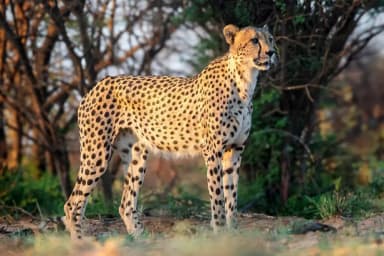
Cheetah
 Sunuwargr · CC BY-SA 4.0
Red panda
 Ryan E. Poplin · CC BY-SA 2.0
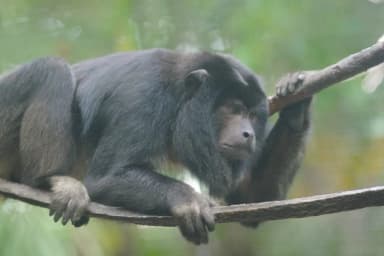
Black Howler Monkey
 Tassilo Rau · CC BY-SA 3.0
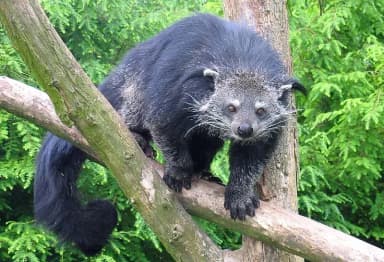
Binturong
 Cephas · CC BY-SA 3.0
Babirusa
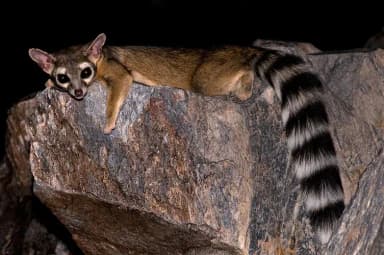 Robertbody at en.wikipedia · CC BY-SA 3.0
Ringtail
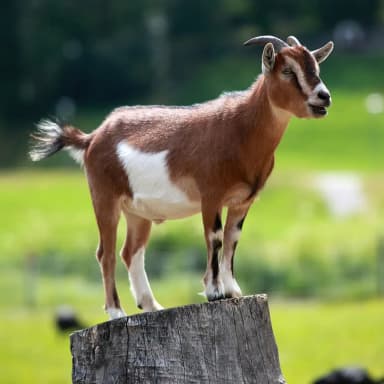 Kuebi = Armin Kübelbeck · CC BY-SA 3.0
Goat
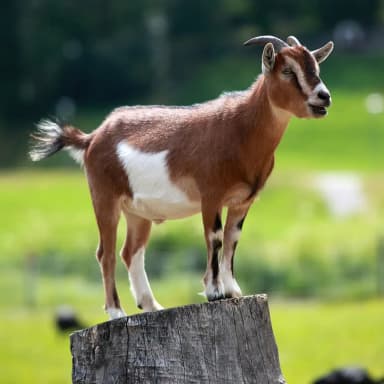 Kuebi = Armin Kübelbeck · CC BY-SA 3.0
Nigerian Dwarf Goat
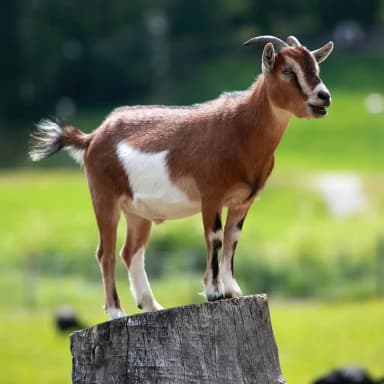 Kuebi = Armin Kübelbeck · CC BY-SA 3.0
Nubian Goat
 iNaturalist observer (CC0) · CC0
Screaming Hairy Armadillo
- Asian Small-clawed Otter
- Mexican Gray Wolf
- Mexican Wolf
- African Giant Pouched Rat
- Aye-aye
- Southern Sea Otter
- Plains Zebra
- Black-footed Cat
- Large-spotted Genet
- Masai Giraffe
- Western Lowland Gorilla
- Buff-cheeked Gibbon
- Garnett's Galago
- Malayan Tiger
- Potto
- Sumatran Orangutan
- Indian Flying Fox
- Domestic Pig
- Juliana Pig
- Eastern Bongo
- Lesser Kudu
- Florida Manatee
Show 42 more mammalsShow fewer mammals
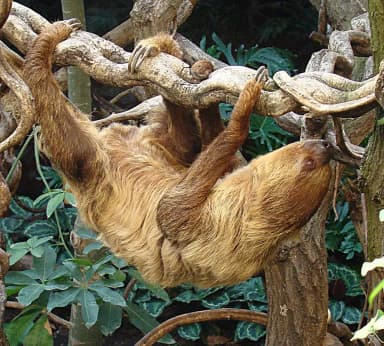 Dick Culbert from Gibsons, B.C., Canada · CC BY 2.0
Linnaeus's Two-toed Sloth
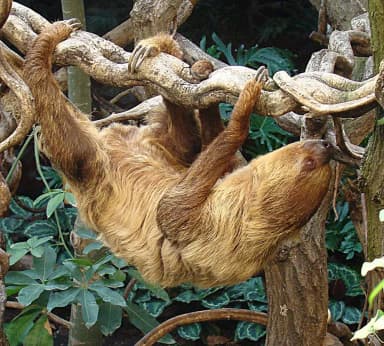 Dick Culbert from Gibsons, B.C., Canada · CC BY 2.0
Two-toed Sloth
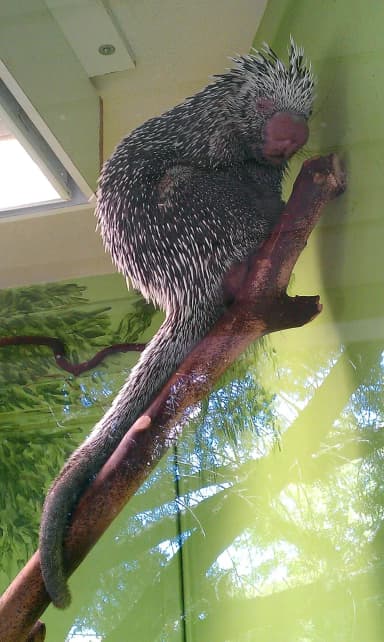 Wikinoobie1 · CC BY-SA 3.0
Prehensile-tailed Porcupine
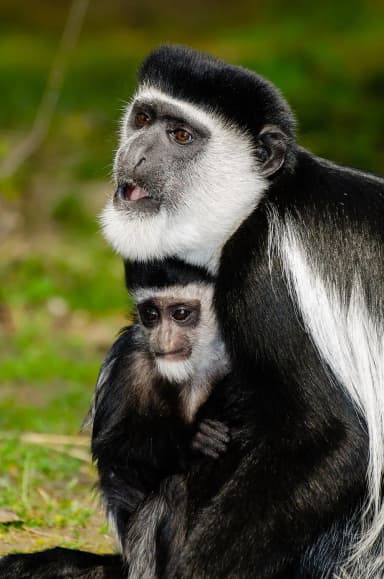 Tuxyso · CC BY-SA 3.0
Black-and-white Colobus
 Uwe Schmidt · CC BY-SA 4.0
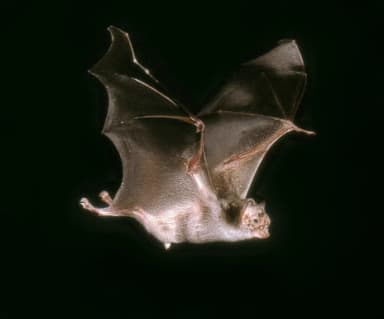
Vampire Bat
 Yathin S Krishnappa · CC BY-SA 3.0
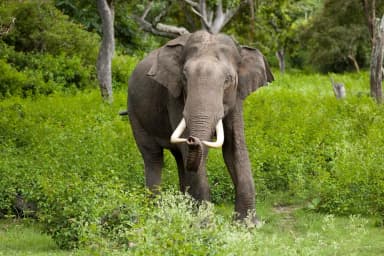
Asian Elephant
 Payman sazesh · CC BY-SA 3.0
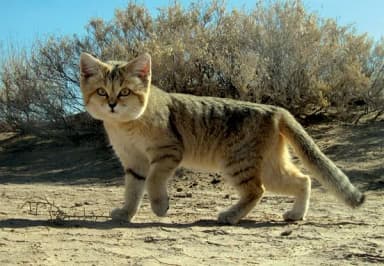
Sand Cat
 Kein keen · CC BY-SA 4.0
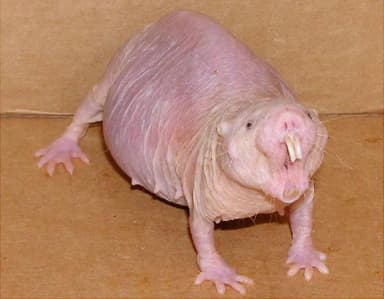
Naked Mole-rat
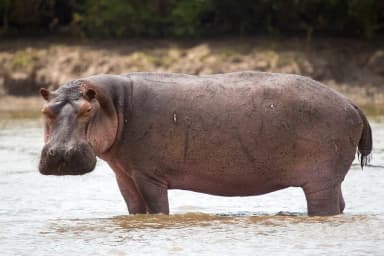 Muhammad Mahdi Karim · CC BY-SA 4.0
Hippopotamus
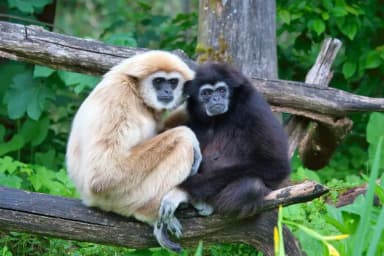 User:MatthiasKabel · CC BY 2.5
White-handed Gibbon
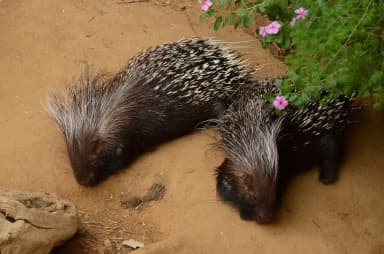 Steven Lek · CC BY-SA 4.0
Cape Porcupine
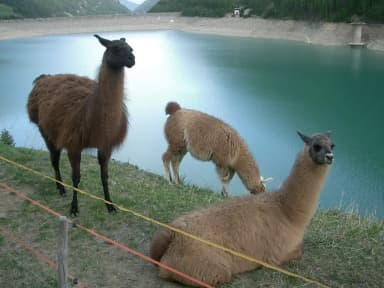 Andrija12345678 · CC BY-SA 4.0
Llama
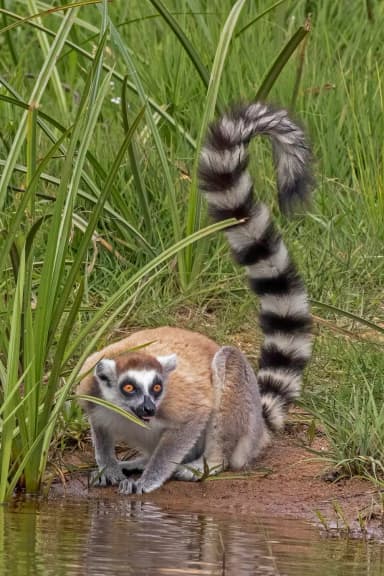 Charles J. Sharp · CC BY-SA 4.0
Ring-tailed Lemur
 Ltshears · CC BY-SA 3.0
Golden-headed Lion Tamarin
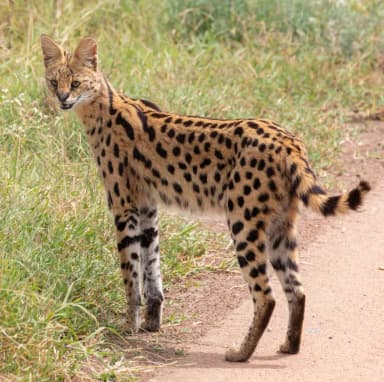 Diego Delso · CC BY-SA 4.0
Serval
 USFWS Mountain-Prairie · Public domain
North American River Otter
 AfricanConservation · CC BY-SA 4.0
African Wild Dog
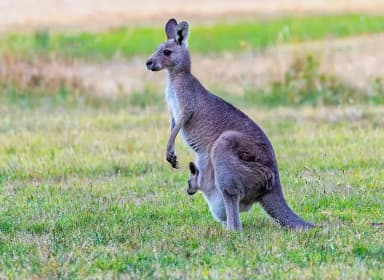 John Torcasio · CC BY-SA 4.0
Kangaroo
 Rushenb · CC BY-SA 4.0
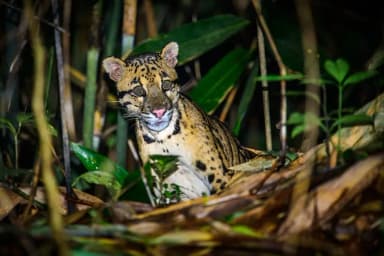
Clouded Leopard
 Hasekamp at Dutch Wikipedia · CC BY-SA 3.0
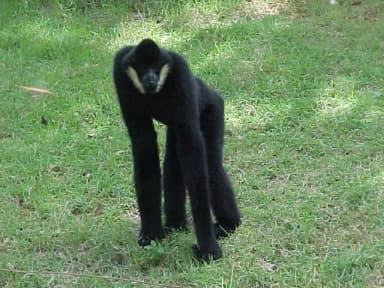
White-cheeked Gibbon
 Daniel Jolivet · CC BY 2.0
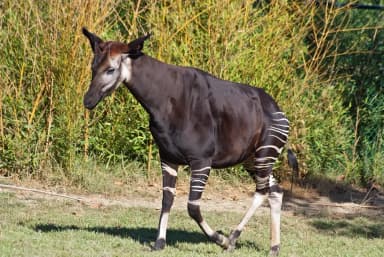
Okapi
 Kelly Abram · CC BY 4.0
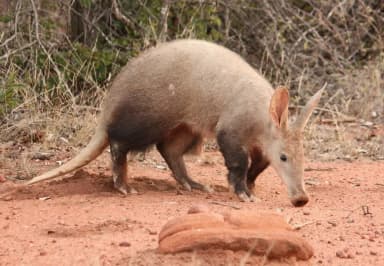
Aardvark
 Sander van der Wel · CC BY-SA 2.0
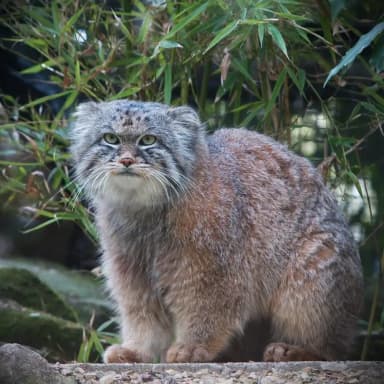
Pallas's Cat
 Yathin S Krishnappa · CC BY-SA 3.0
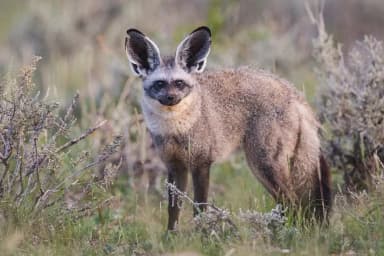
Bat-eared Fox
 Hans Hillewaert · CC BY-SA 4.0
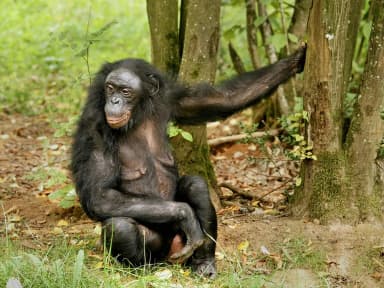
Bonobo
 Giles Laurent · CC BY-SA 4.0
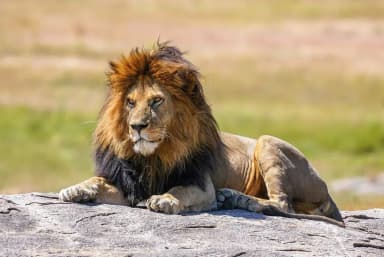
Lion
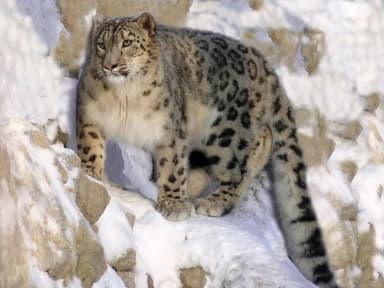 Irbis1983 · Public domain
Snow Leopard
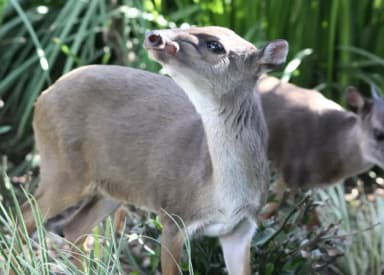 derekkeats · CC BY-SA 2.0
Blue Duiker
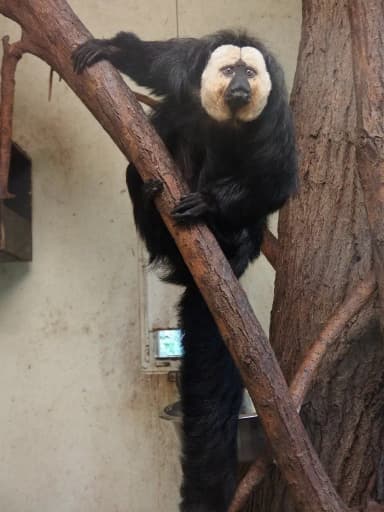 Jik jik · CC BY-SA 4.0
White-faced Saki
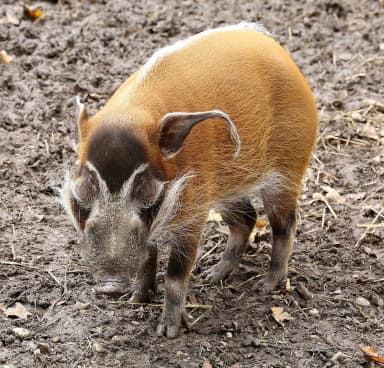 Rufus46 · CC BY-SA 3.0
Red River Hog
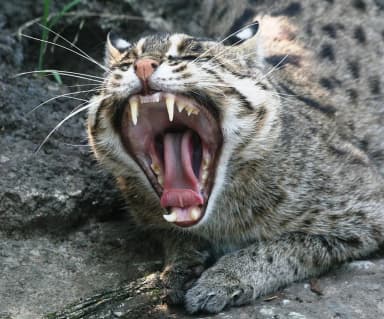 Becker1999 from Grove City, OH · CC BY 2.0
Fishing Cat
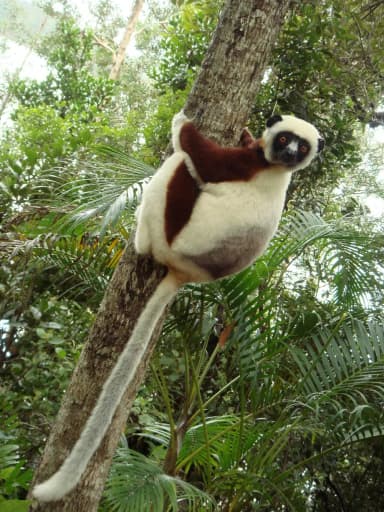 Olivier Lejade · CC BY-SA 2.0
Coquerel's Sifaka
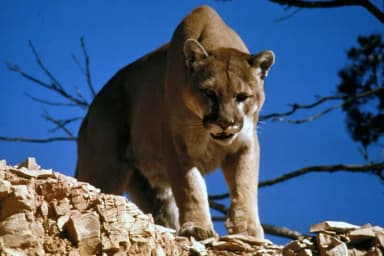 National Park Service · Public domain
Cougar
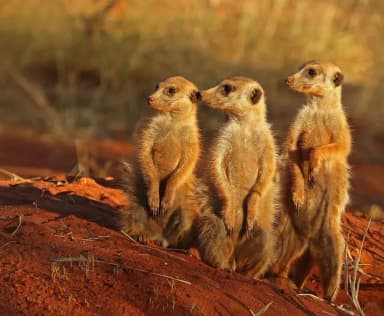 Charles J. Sharp · CC BY-SA 4.0
Meerkat
 Rufus46 · CC BY-SA 3.0
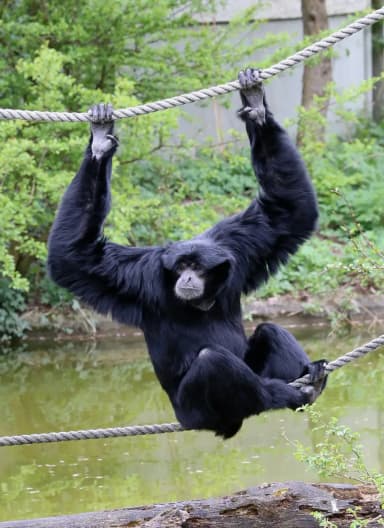
Siamang
 Sinara Conessa · CC BY 2.0
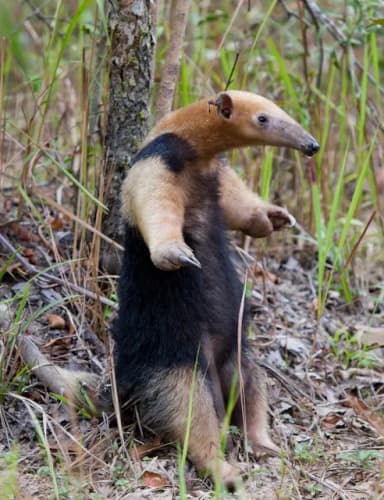
Southern Tamandua
 SouthernThreeBandedArmadillo065.jpg : Ltshears derivative work: WolfmanSF ( talk ) · CC BY-SA 3.0
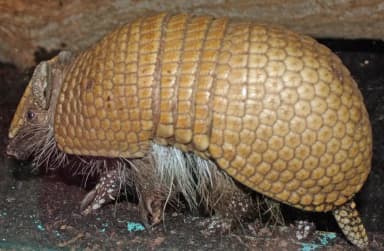
Three-banded Armadillo
 Charles Miller from Basingstoke, United Kingdom · CC BY 2.0
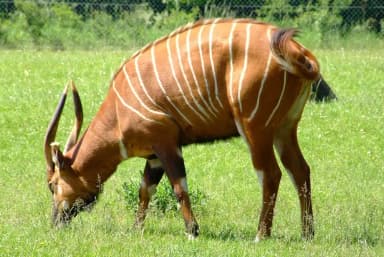
Bongo
 Charles J. Sharp · CC BY-SA 4.0
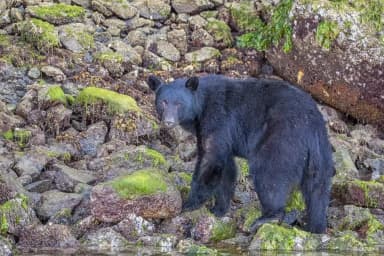
American Black Bear
 KKPCW · CC BY-SA 4.0
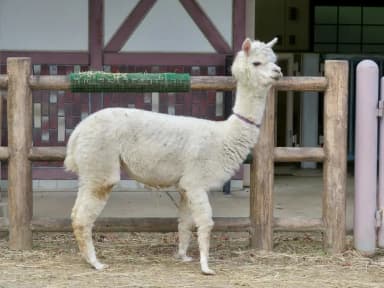
Alpaca
 Drew Avery · CC BY 2.0
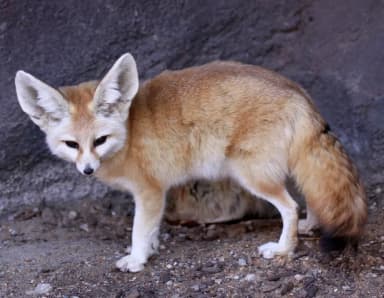
Fennec Fox
 David Haring / Duke Lemur Center · CC BY-SA 3.0
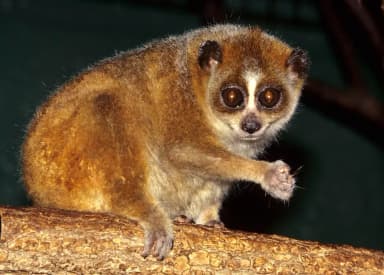
Pygmy Slow Loris
Birds74
 Chuck Homler d/b/a FocusOnwWildlife · CC BY-SA 4.0
Wood Duck
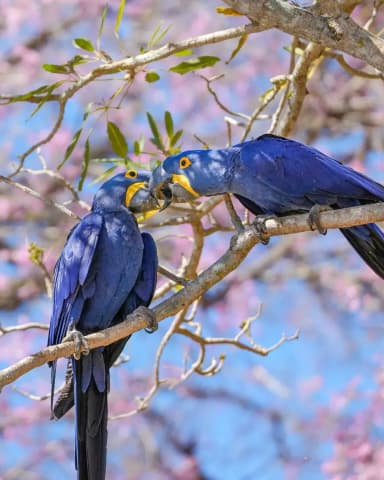 Giles Laurent · CC BY-SA 4.0
Hyacinth Macaw
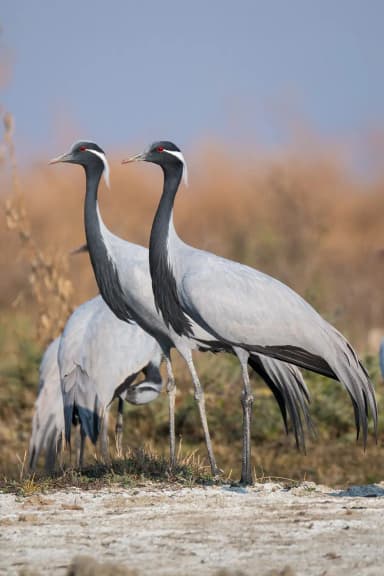 Sumeet Moghe · CC BY-SA 3.0
Demoiselle Crane
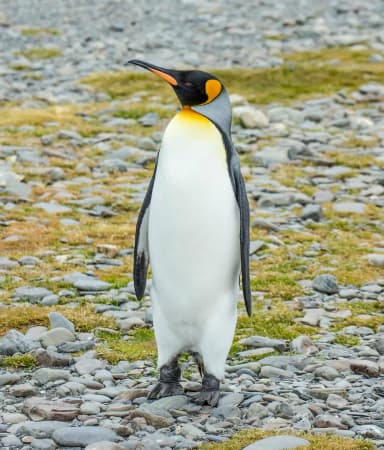 Godot13 · CC BY-SA 4.0
King Penguin
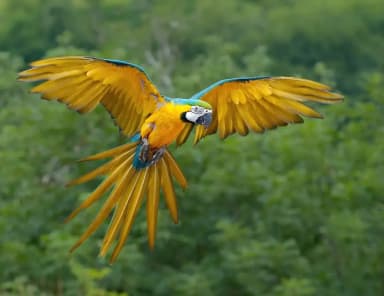 Luc Viatour · CC BY 2.0
Blue-and-gold Macaw
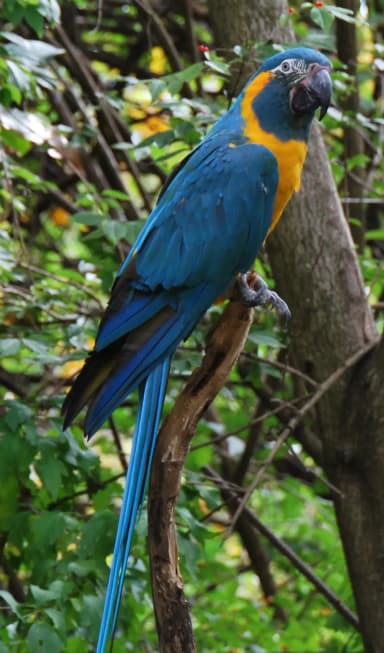 Ted · CC BY-SA 2.0
Blue-throated Macaw
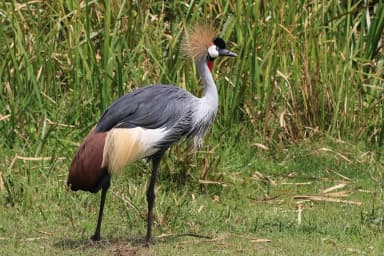 Charles J. Sharp · CC BY-SA 4.0
Grey Crowned Crane
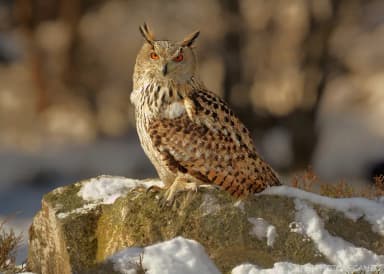 Martin Mecnarowski ( http://www.photomecan.eu/ ) · CC BY-SA 3.0
Eurasian Eagle-Owl
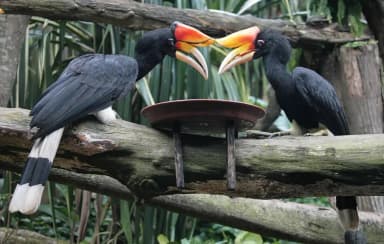 JP Bennett from Yamato, Japan · CC BY 2.0
Rhinoceros Hornbill
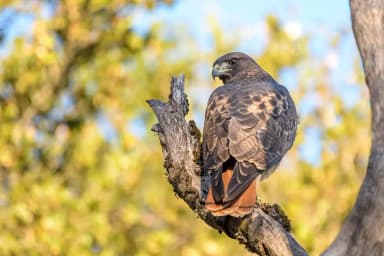 Becky Matsubara from El Sobrante, California · CC BY 2.0
Red-tailed Hawk
- Magpie Goose
- Verreaux's Eagle-owl
- Pigeon Guillemot
- Passenger Pigeon
- White Ibis
- Southern Rockhopper Penguin
- Little Blue Penguin
- Little Penguin
- Atlantic Puffin
- Horned Puffin
- Guam Rail
- Major Mitchell's Cockatoo
- Edwards's Pheasant
- Kea
- Red-crested Cardinal
- Red-capped Cardinal
- Pink-backed Pelican
- White-breasted Cormorant
- Greater Flamingo
- Spur-winged Goose
- Pygmy Falcon
- Blue-crowned Laughingthrush
- Saffron Finch
- Common Eider
Show 40 more birdsShow fewer birds
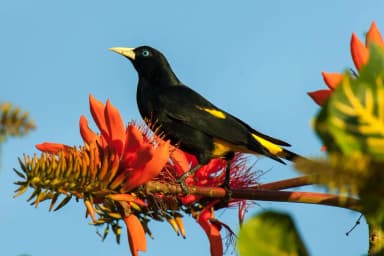 Francesco Veronesi from Italy · CC BY-SA 2.0
Yellow-rumped Cacique
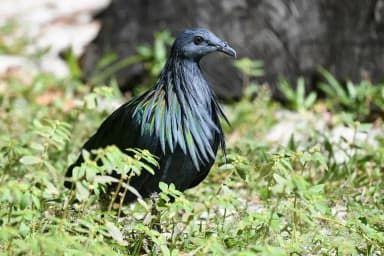 ziggypop74 · CC BY 4.0
Nicobar Pigeon
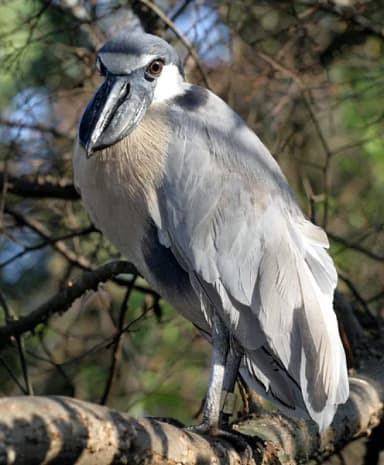 Patrick Coin ( Patrick Coin ) · CC BY-SA 2.5
Boat-billed Heron
 Jakub Fryš · CC BY-SA 4.0
Trumpeter Swan
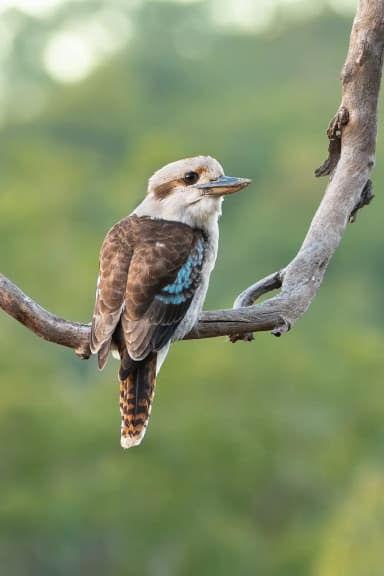 Photo by: Paulweberphoto - paulweberphoto.com · CC BY 4.0
Laughing Kookaburra
 Charles J. Sharp · CC BY-SA 4.0
White-headed Buffalo Weaver
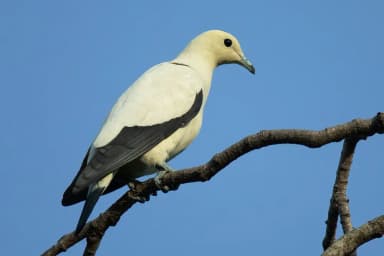 JJ Harrison ( https://tiny.jjharrison.com.au/t/awbKQM2Ekae0XKza ) · CC BY-SA 4.0
Pied Imperial Pigeon
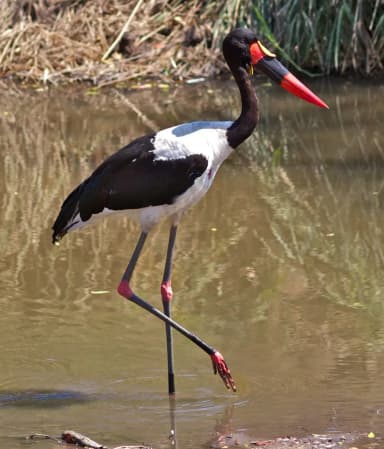 hyper7pro · CC BY 2.0
Saddle-billed Stork
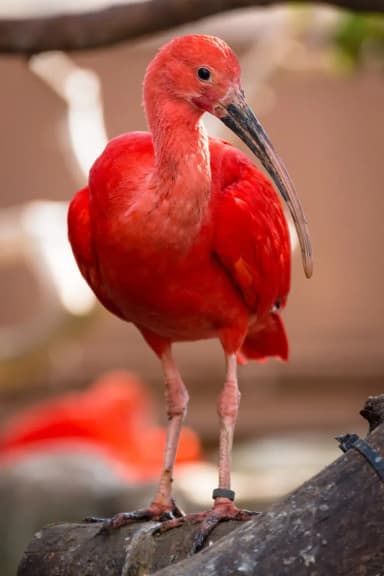 Rafa Esteve · CC BY-SA 4.0
Scarlet Ibis
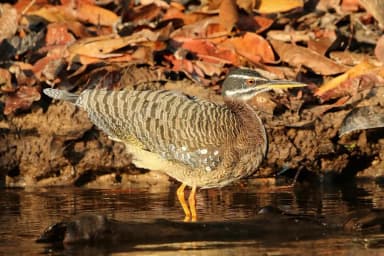 Charles J. Sharp · CC BY-SA 4.0
Sunbittern
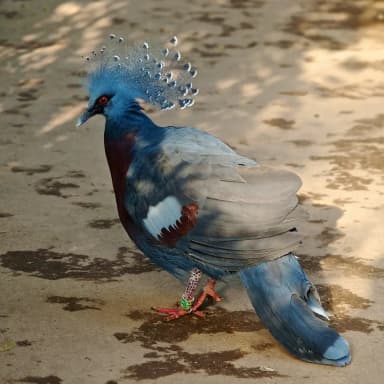 Jörg Hempel · CC BY-SA 3.0 de
Victoria Crowned Pigeon
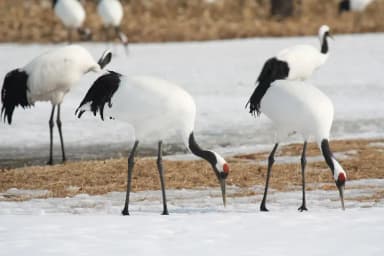 Alastair Rae from London, United Kingdom · CC BY-SA 2.0
Red-crowned Crane
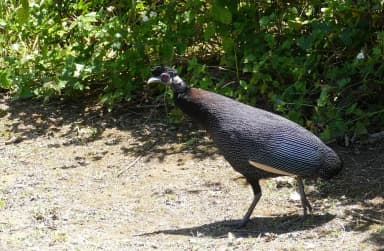 Bernard Dupont · CC BY-SA 2.0
Crested Guineafowl
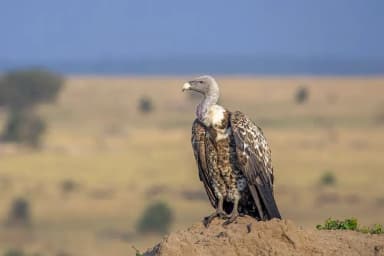 Charles J. Sharp · CC BY-SA 4.0
Ruppell's Griffon Vulture
 Andy Morffew from Itchen Abbas, Hampshire, UK · CC BY 2.0
Bald Eagle
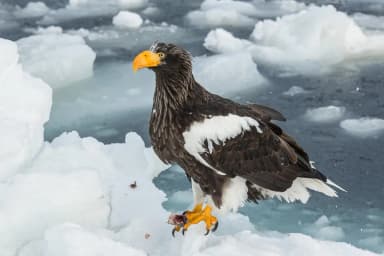 Michael Pinczolits · CC BY 2.0
Steller's Sea Eagle
 Photo by and (C)2007 Derek Ramsey ( Ram-Man ) · CC BY-SA 2.5
Golden-breasted Starling
 Cristóbal Alvarado Minic from Cagua, Venezuela · CC BY 2.0
Inca Tern
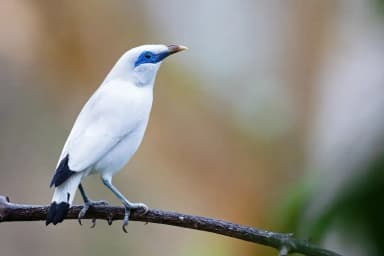 JJ Harrison · CC BY-SA 3.0
Bali Myna
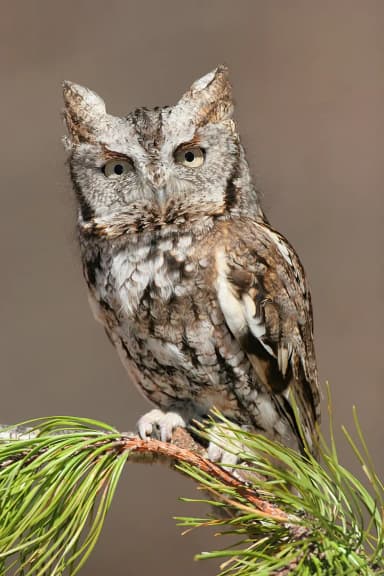 Wolfgang Wander · CC BY-SA 3.0
Eastern Screech-Owl
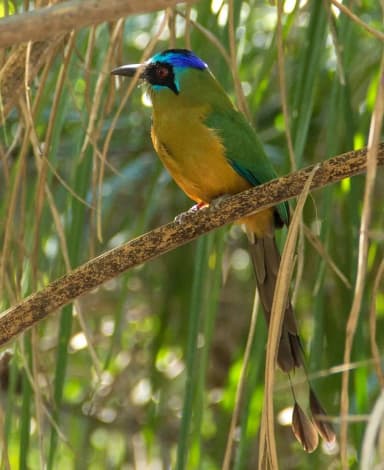 Paulo Antonio Santos · CC BY 3.0
Blue-crowned Motmot
 Ed Schipul from Houston, TX, US · CC BY-SA 2.0
Ross's Turaco
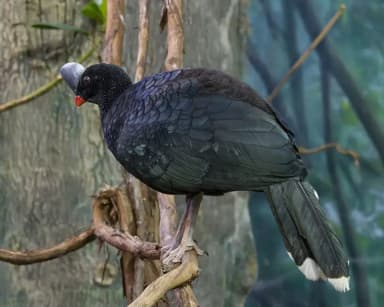 Greg Hume · CC BY-SA 3.0
Helmeted Curassow
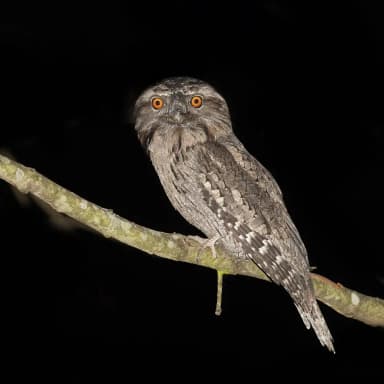 JJ Harrison ( https://www.jjharrison.com.au/ ) · CC BY-SA 4.0
Tawny Frogmouth
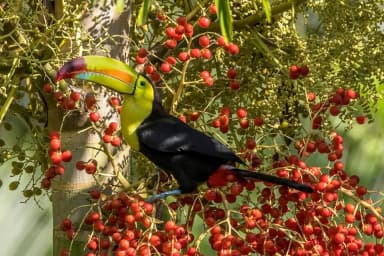 Charles J. Sharp · CC BY-SA 4.0
Keel-billed Toucan
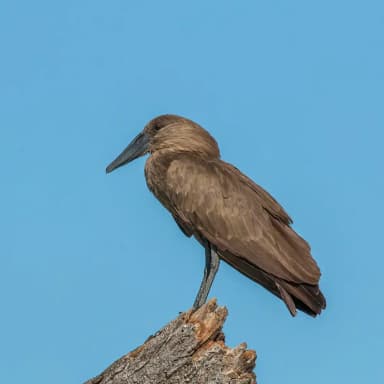 Charles J. Sharp · CC BY-SA 4.0
Hamerkop
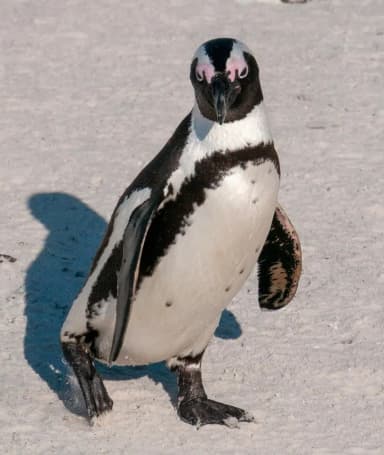 Matti Blume · CC BY-SA 4.0
African penguin
 Mdf · CC BY-SA 3.0
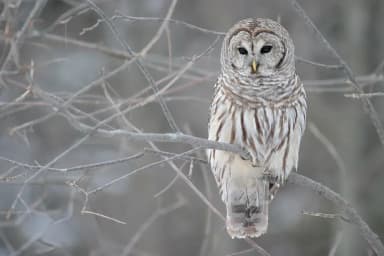
Barred Owl
 Yathin S Krishnappa · CC BY-SA 4.0
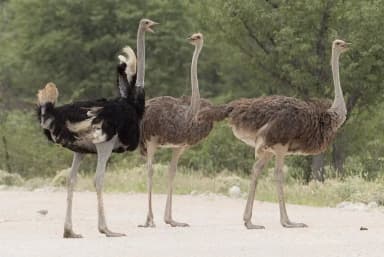
Ostrich
 MostlyDross · CC BY 2.0
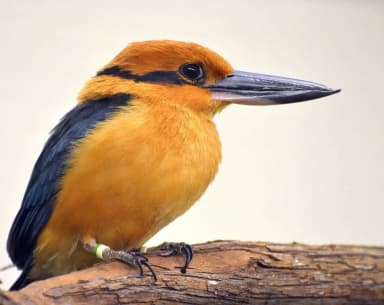
Guam Kingfisher
 Yathin sk · CC BY-SA 3.0
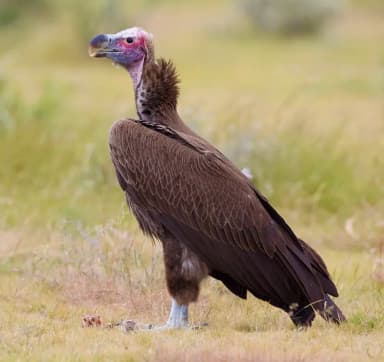
Lappet-faced Vulture
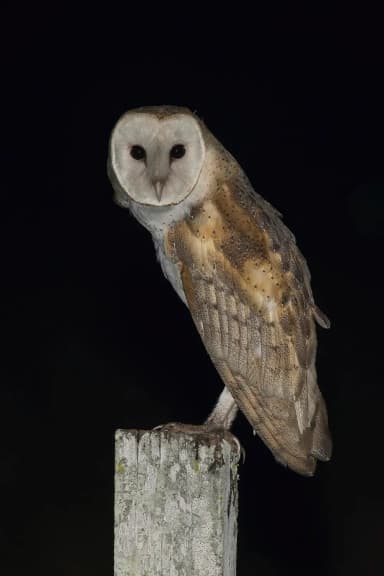 Charles J. Sharp · CC BY-SA 4.0
Barn Owl
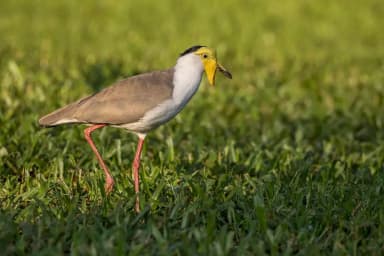 Charles J. Sharp · CC BY-SA 4.0
Masked Lapwing
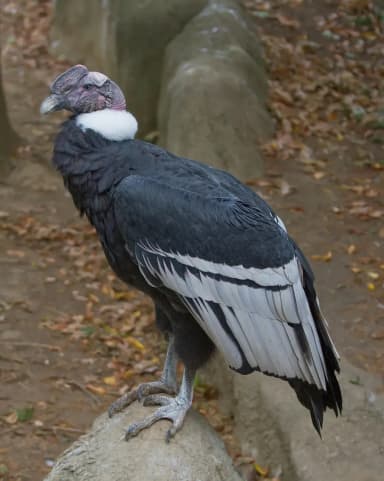 Greg Hume · CC BY-SA 3.0
Andean Condor
Reptiles49
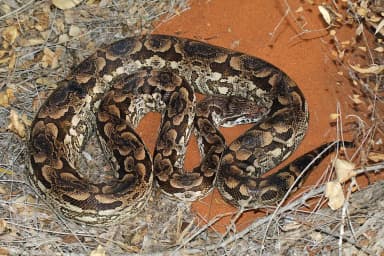 Charles J. Sharp · CC BY-SA 4.0
Dumeril's Boa
 Wikiologyrocks77 · CC BY-SA 4.0
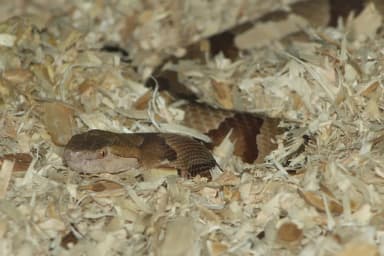
Copperhead
 User:Postdlf · CC BY-SA 3.0
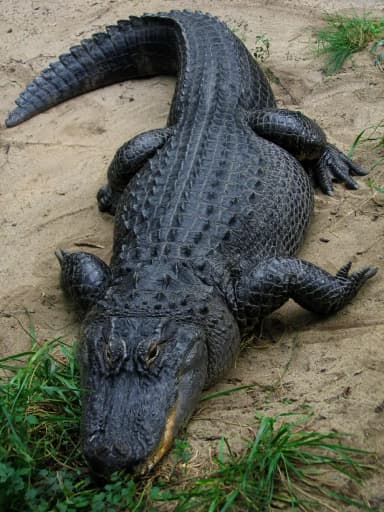
American Alligator
 Greg Hume · CC BY-SA 3.0
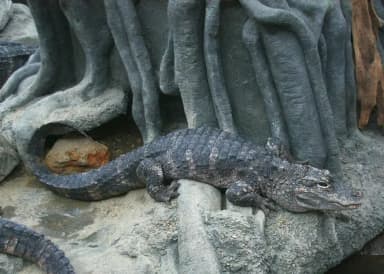
Chinese Alligator
 Charles J. Sharp · CC BY-SA 4.0
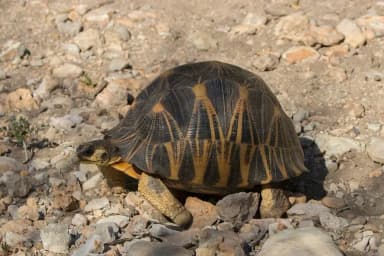
Radiated Tortoise
 Connor Long · CC BY-SA 4.0
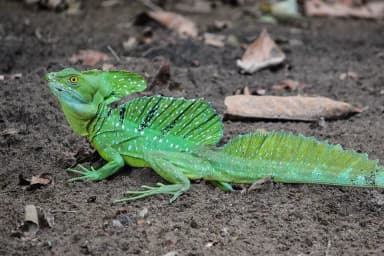
Green Basilisk
 Bjoertvedt · CC BY-SA 3.0
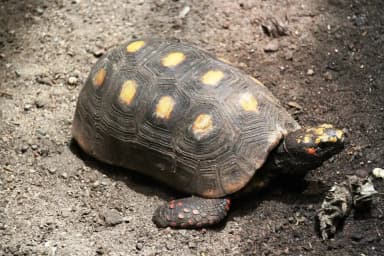
Red-footed Tortoise
 Mfield , Matthew Field, http://www.photography.mattfield.com · CC BY-SA 3.0
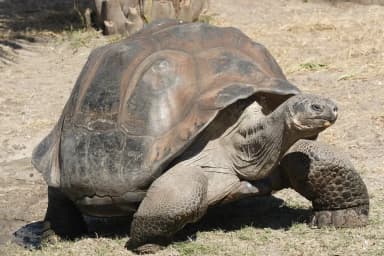
Galapagos Tortoise
 J. Patrick Fischer · CC BY-SA 3.0
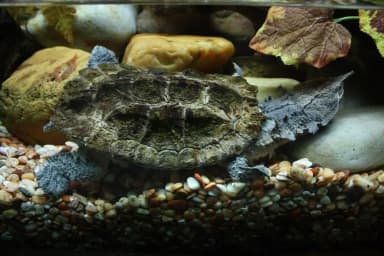
Matamata
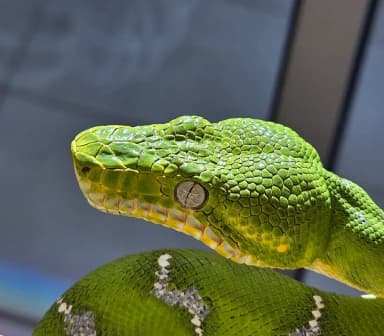 Edeag3 · CC BY-SA 4.0
Emerald Tree Boa
- Brown Anole
- American Crocodile
- Aruba Island Rattlesnake
- Pascagoula Map Turtle
- Apalachicola Kingsnake
- Eastern Kingsnake
- Asian Giant Tortoise
- Thorny Devil
- Indochinese Spitting Cobra
- Armadillo Lizard
- Eastern Ratsnake
- Florida Pine Snake
- Common Cooter
- Florida Cooter
- Indian Python
- Spider Tortoise
- Northern Spider Tortoise
- Gargoyle Gecko
- Loggerhead Musk Turtle
- Florida Box Turtle
Show 19 more reptilesShow fewer reptiles
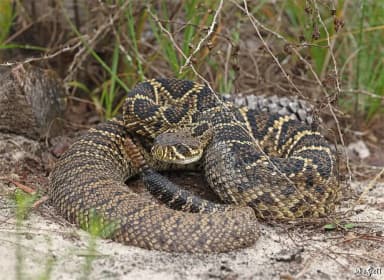 Caudatejake · CC BY-SA 4.0
Eastern Diamondback Rattlesnake
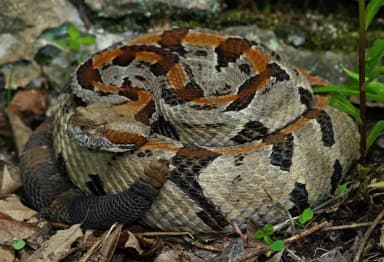 Peter Paplanus from St. Louis, Missouri · CC BY 2.0
Timber Rattlesnake
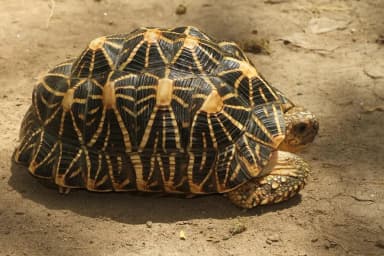 Davidvraju · CC BY-SA 4.0
Indian Star Tortoise
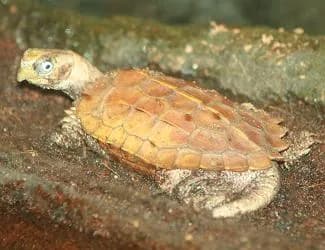 Stavenn · CC BY 3.0
Black-breasted Leaf Turtle
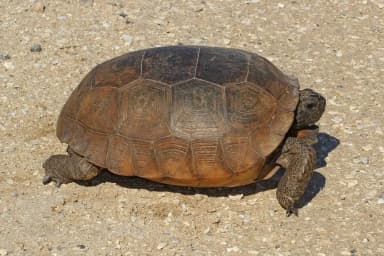 Judy Gallagher · CC BY 2.0
Gopher Tortoise
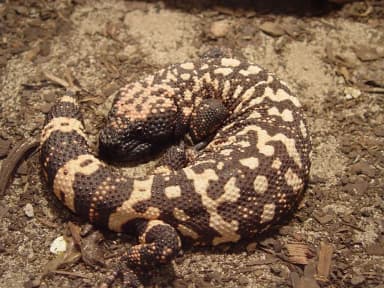 Blueag9 · CC BY-SA 3.0
Gila Monster
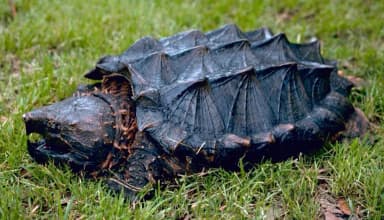 Gary M. Stolz/U.S. Fish and Wildlife Service · Public domain
Alligator Snapping Turtle
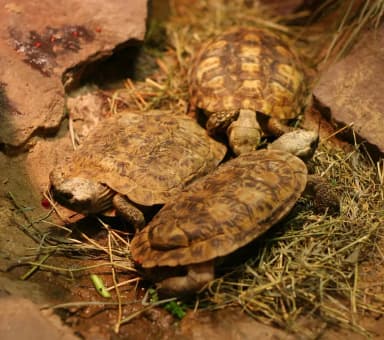 Dave Pape · Public domain
Pancake Tortoise
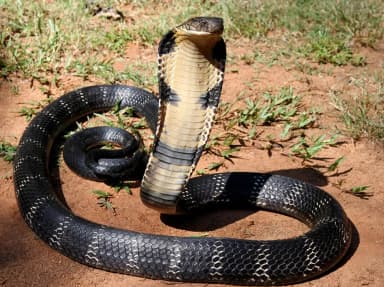 Michael Allen Smith from Seattle, USA · CC BY-SA 2.0
King Cobra
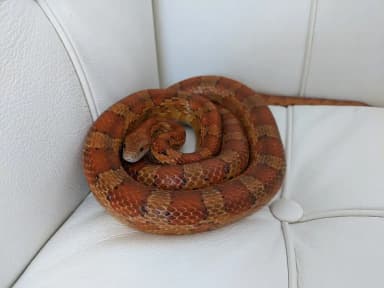 Ethan Porcaro · CC0
Corn Snake
 Wilafa · CC BY-SA 4.0
Black Rat Snake
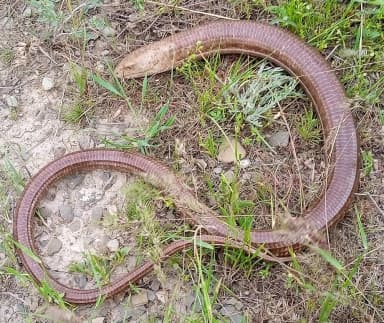 Igor Karyakin · CC BY 4.0
European Glass Lizard
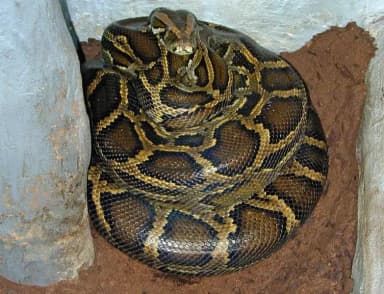 Tigerpython · CC BY 3.0
Burmese Python
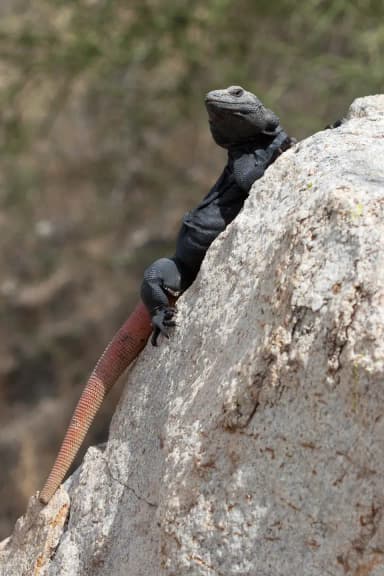 Kaldari · Public domain
Chuckwalla
 Greg Hume · CC BY-SA 4.0
Chinese Crocodile Lizard
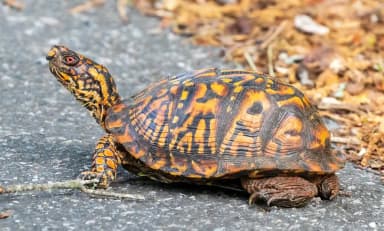 (c) Joshua Liverman, some rights reserved (CC BY) · CC BY 4.0
Eastern Box Turtle
 Diego Delso · CC BY-SA 4.0
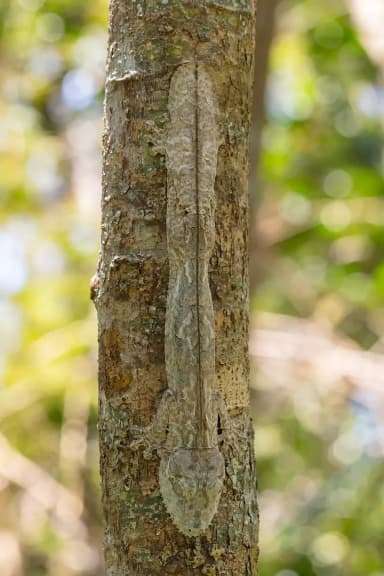
Henkel's Leaf-tailed Gecko
 James Jolokia ( james1203 ) · CC BY 4.0
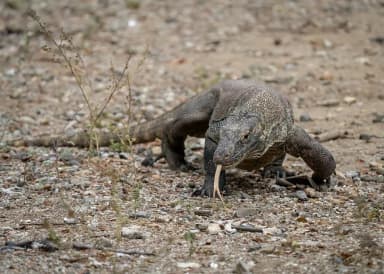
Komodo Dragon
 Hectonichus · CC BY-SA 4.0
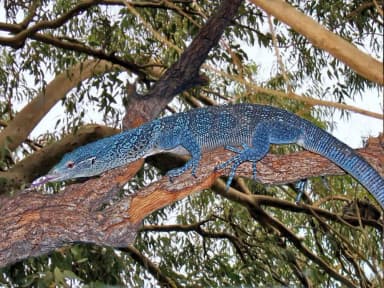
Blue Tree Monitor
Amphibians12
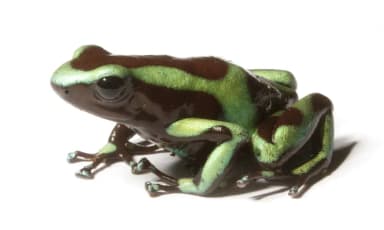
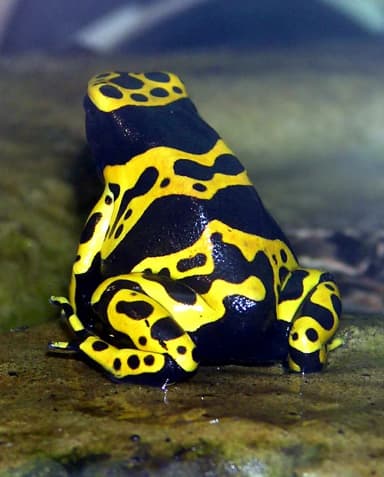
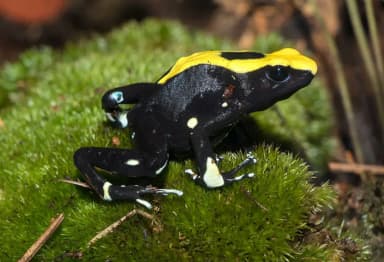
Invertebrates47
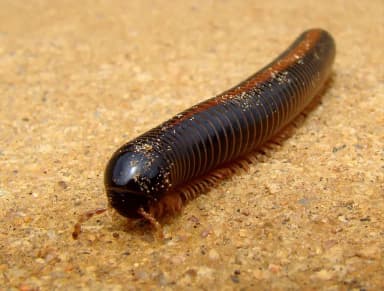 Bjørn Christian Tørrissen · CC BY-SA 3.0
Giant African Millipede
 JavAlvarezS · CC BY-SA 4.0
Blue Death-Feigning Beetle
 George Chernilevsky · Public domain
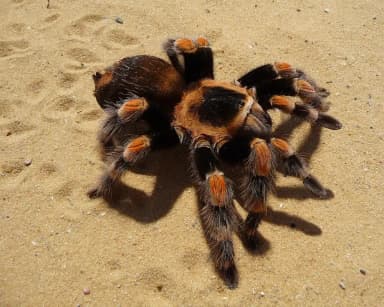
Mexican Red-knee Tarantula
 Rosa Pineda · CC BY-SA 3.0
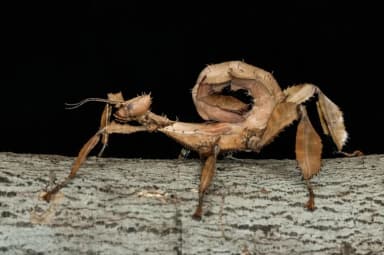
Giant Prickly Stick Insect
 Rosa Pineda · CC BY-SA 3.0
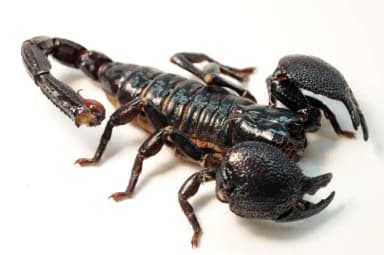
Emperor Scorpion
- Giant Water Bug
- Tailless Whip Scorpion
- Brazilian Whiteknee Tarantula
- Dumeril's Baboon Spider
- Common Water Strider
- Florida Orb Weaver Spider
- Giant Cave Cockroach
- Peppered Roach
- Leafcutter Ant
- Bat Cave Cockroach
- Mexican Fireleg Tarantula
- African Flower Beetle
- Emerald Beetle
- Yellow-bellied Beetle
- Millipede
- Orange-head Roach
- Giant Spiny Stick Insect
- Goliath Beetle
- Jungle Nymph
- Orchid Mantis
- Water Scorpion
- Brazilian Salmon Pink Birdeater
- Neoponera Ant
- American Burying Beetle
Show 18 more invertebratesShow fewer invertebrates
- Peruvian Fern Walking Stick
- Flower Beetle
- Baja Whipspider
- Black Beauty Stick Insect
- Giant Stick Insect
- Peruvian Jumping Stick
- Serrated-legged Stick Insect
- Two-spotted Assassin Bug
- White-eyed Assassin Bug
- African Assassin Bug
- Stick Grasshopper
- Eastern Lubber Grasshopper
- Magnificent Flower Beetle
- Smaragdestes Orzini
- Dragon-headed Katydid
- Domino Roach
- Sunburst Diving Beetle
- Golden Silk Spider
Feathers & Fangs from visitors
What people who've been to Cincinnati Zoo and Botanical Garden say
A Feather is something this zoo does well; a Fang is something it gets wrong. Left by people who've been, and read by us before they appear.
Loading…
About Cincinnati Zoo and Botanical Garden
Cincinnati Zoo and Botanical Garden sits at 3400 Vine Street in Cincinnati, Ohio, on 64.5 acres built on a hill overlooking the surrounding neighborhood. It opened in 1875, making it one of the oldest zoos in the nation, and has been an accredited member of the Association of Zoos and Aquariums since 1978. The zoo's own figures put its collection at roughly 1,800 animals representing about 500 species, and it draws an estimated 1.2 million visitors a year, making it one of the region's most visited attractions.
The zoo is internationally known for its record in the protection and propagation of endangered animals and plants, and it engages in research and conservation projects worldwide. Because the grounds were built on a hillside, paths throughout the zoo include a number of inclines, though benches and rest areas are placed along the way and staff can direct visitors to gentler routes.
Cincinnati Zoo's grounds combine themed animal habitats with a botanical garden component, plus rides, seasonal attractions, and a wide range of dining options spread across areas including Vine Street Village, Mai Thai's Marketplace, and The Grove. The zoo is perhaps best known in recent years for Fiona, a hippo born six weeks premature who was too small to stand or nurse and required around-the-clock hand-rearing by the zoo's care team before surviving against the odds.
History
Cincinnati Zoo opened in 1875, and it has held Association of Zoos and Aquariums accreditation continuously since 1978. Built on a hillside site, the zoo has grown over its history into a combined zoo and botanical garden now spanning 64.5 acres and housing close to 1,800 animals. The zoo has developed a particular reputation for hand-rearing challenges, most publicly with the premature hippo calf Fiona, whose survival story has become closely associated with the institution.
Exhibits and habitats
Cincinnati Zoo's grounds are organized into named habitat areas visitors move between on foot or via included rides. Roo Valley is home to free-ranging kangaroos and wallabies, while the Africa area includes Giraffe Ridge, where staff run scheduled giraffe feedings, and an Exercise Zone near the African lion habitat used for weather-permitting demonstrations. The Veldt houses African savanna species, with Rhino Reserve situated nearby.
The World of the Insect building includes a seasonal Butterfly Aviary, and the Children's Zoo features a Goat Yard along with Blakely's Barnyard Bonanza, a demonstration of barnyard animal behaviors. Elsewhere on the grounds, the Wings of Wonder Bird Experience runs a free-flight bird demonstration seasonally from Memorial Day through Labor Day, and the Elephant Trek area includes an overlook near the Trunk Stop snack stand. The Galapagos Tortoise Yard gives visitors close views of the zoo's giant tortoises. Dining and shopping cluster in Vine Street Village, Mai Thai's Marketplace, and The Grove, which sit alongside the animal habitats rather than apart from them.
Animal highlights
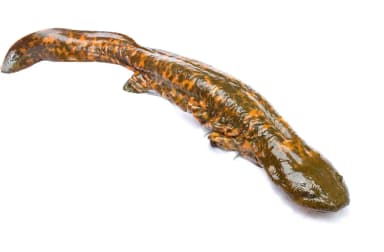
Cincinnati Zoo's published figures describe at least 500 species listed on the zoo's website, spread across roughly 1,800 individual animals. The collection ranges widely, from African elephants, western lowland gorillas, and bonobos to Sumatran orangutans, cheetahs, snow leopards, and Komodo dragons. Aquatic and semi-aquatic species include Florida manatees, American alligators, and hellbenders — the largest fully aquatic salamander species in the United States. Smaller and more unusual residents include aardvarks, aye-ayes, binturongs, fennec foxes, naked mole-rats, and a wide range of birds such as hamerkops, named for the hammer-like shape of their bill and head crest, and multiple penguin species including African, king, and little penguins. The zoo's cheetah-focused programming also involves ambassador servals, a red river hog, and a crested porcupine used alongside the cheetahs in public demonstrations. The zoo highlights a handful of specific animal facts in its own materials: hippos can open their mouths about three times wider than a person can, red pandas spend up to 13 hours a day foraging for bamboo and eat only the youngest, most tender leaves, and hellbenders — found on-site — are the largest fully aquatic salamander in the United States.
Conservation and programs
Conservation sits at the center of the zoo's stated mission, and the zoo describes itself as internationally recognized for its work protecting and propagating endangered animals and plants through research and conservation projects carried out around the world. As an AZA-accredited institution, it takes part in the accreditation body's broader emphasis on conservation science across its member zoos and aquariums.
Planning your visit
As listed on the zoo's website, Cincinnati Zoo is open from 10:00 a.m. to 5:00 p.m. for most of the year, spanning January 5 through November 18 in 2026, with member early entry beginning at 9 a.m. on select dates. Parking is $10 per vehicle, payable by QR code or at ticketing windows, and the zoo offers electric vehicle charging with 20 ports in its Euclid Street lot and 8 in the Vine Street main lot. Members receive free parking as a benefit.
Rides including the train and carousel are included for Gold, Platinum, and Donor members, and available to other visitors for a per-ride fee, typically $4–$5 depending on the ride. Dining options are spread throughout the grounds, from Hops and Base Camp Café to LaRosa's pizza, Taco Caja, Trunk Stop, and several ice cream and snack stands serving Graeter's ice cream and Skyline Chili; outside food, drinks, and coolers are permitted, with the exception of alcohol and glass containers. Guests can also purchase Zoo Bucks, a gift-certificate system usable for admission, food, and merchandise anywhere on the grounds except the Zoo's website, and the zoo has phased out plastic bags as part of a sustainability push, encouraging reusable totes.
The zoo's Zoo Access for All program offers discounted general admission, ride, and membership pricing to SNAP/EBT cardholders — general admission for eligible visitors is listed at $3 for children and seniors, with an unlimited rides add-on at $4 — along with reduced-price single and double strollers, manual wheelchairs, and electric wheelchairs, available at the Welcome Center on a first-come, first-served basis. Active and veteran military members receive a 10% discount on all membership levels, and visitors holding membership at a reciprocal AZA institution can also receive discounted admission with proof of membership and photo ID. The zoo also provides two dedicated nursing nests, six calming rooms including a dedicated Vine Street Village Calming Room, sensory bags, and sensory-friendly social narratives for guests with developmental disabilities or sensory sensitivities; service animals are permitted under ADA guidelines, though emotional support animals are not recognized as service animals. Same-day re-entry is allowed with a ticket stamp at the turnstiles, and lost and found can be reached through the ticketing windows, Welcome Center, or the zoo's Visitor Experience line. Because pricing, hours, and animal viewing depend on the season and weather, confirm current details on the official Cincinnati Zoo website before visiting.
What we haven't confirmed
Everything above came from public sources. These specifics we haven't stood behind yet:
- General adult and child ticket prices (only SNAP-discounted rates were listed)
- Time needed for a typical visit
- Phone number for general visitor questions
Cincinnati Zoo and Botanical Garden compared with nearby zoos
How Cincinnati Zoo and Botanical Garden lines up against the closest zoos we have details for — useful if you're deciding between them for the same day out.
| Zoo | Distance | Admission | Hours | Size | AZA |
|---|---|---|---|---|---|
| Cincinnati Zoo and Botanical GardenThis zooCincinnati, OH | — | $16–$27 | 10:00am – 5:00pm | 64.5 acres | Yes |
| Ararat Ridge ZooWilliamstown, KY | 36 mi | from $54.99 | Zoo is inside Ark Encounter. Ark hours Sep 13 – Oct 24, 2026: Mon–Sat 9:00 AM – 5:30 PM, Sunday closed. Oct 25, 2026 – Jan 2, 2027: Mon–Sat 10:00 AM – 5:00 PM, Sunday closed. Eastern Time. Closed Sundays; Thanksgiving (Nov 26, 2026); Dec 24–25, 2026. | — | No |
| Boonshoft Museum of DiscoveryDayton, OH | 47 mi | $16 | Mon–Sat 9:00 AM – 5:00 PM; Sun 12:00 PM – 5:00 PM. Closed Easter, Thanksgiving, Christmas Eve, Christmas Day, New Year's Day. | — | Yes |
| Louisville ZooLouisville, KY | 92 mi | $15.75–$31 | 10 am – 5 pm | 134 acres | Yes |
Distances are straight-line. A dash means we haven't confirmed that detail yet, not that the zoo lacks it.
AZAThe Association of Zoos and Aquariums. Accredited members have passed an independent inspection of animal care and welfare, safety, conservation and education, repeated every five years. Many smaller facilities never apply, so “not accredited” isn't a verdict on its own. What accreditation means · How we check this
Cincinnati Zoo and Botanical Garden: common questions
Is Cincinnati Zoo AZA accredited?
Yes, it has been accredited by the Association of Zoos and Aquariums since 1978.
How big is the zoo?
It covers 64.5 acres.
When did it open?
In 1875, making it one of the oldest zoos in the country.
How many animals and species can you see?
The zoo describes roughly 1,800 animals representing about 500 species.
Is there parking?
Yes, for $10 per vehicle, with free parking for members.
Is the zoo stroller and wheelchair accessible?
Yes. Strollers, manual wheelchairs, and electric wheelchairs can be rented at the Welcome Center, with discounted rates for SNAP/EBT cardholders.
Is there food inside the zoo?
Yes, with multiple dining locations spread across Vine Street Village, Mai Thai's Marketplace, The Grove, and elsewhere on the grounds.
Something wrong here? Tell us — we correct in place, with a dated note.