
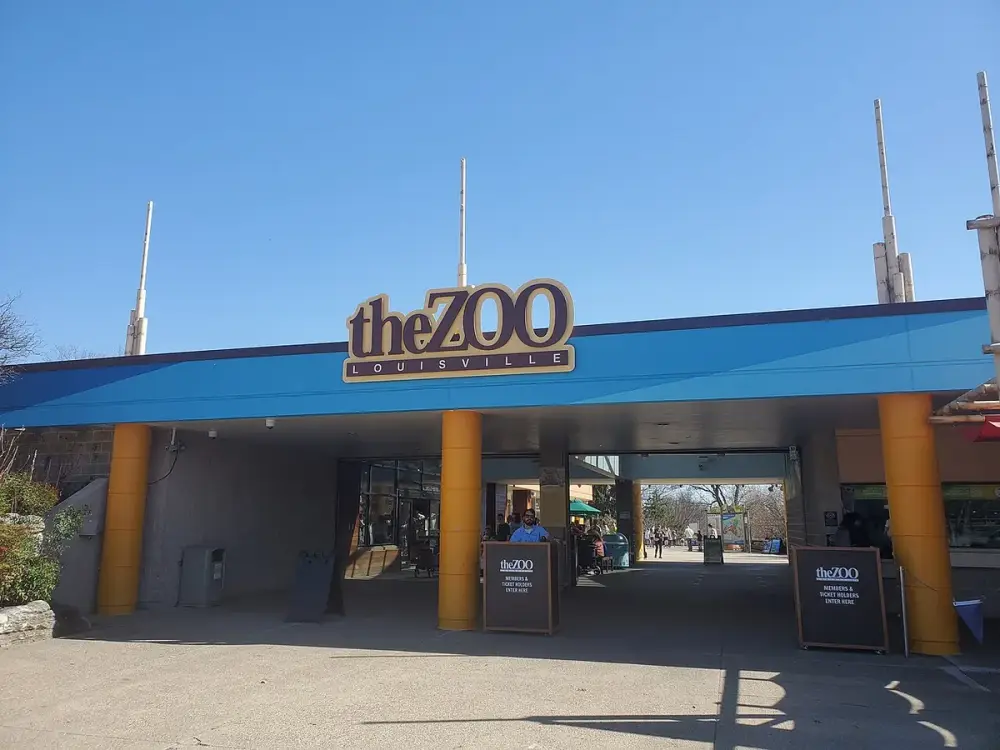
- Admission
- $15.75–$31
- Size
- 134 acres
- Animals
- 1,200
- Opened
- 1969
- Accreditation
- AZA
varies by day of the week
Association of Zoos and Aquariums
Everything below is directory information drawn from public sources and the zoo's own site.
Animals at Louisville Zoo
144 confirmedMammals43
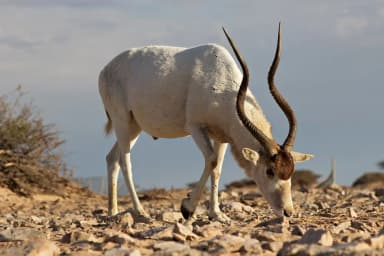 HaytemBouchri93 · CC BY-SA 4.0
Addax
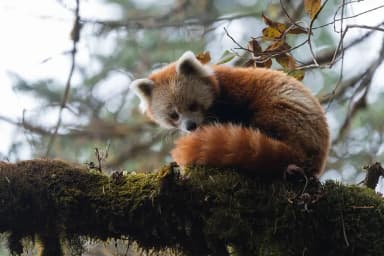 Sunuwargr · CC BY-SA 4.0
Red panda
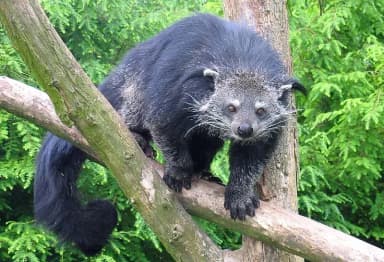 Tassilo Rau · CC BY-SA 3.0
Binturong
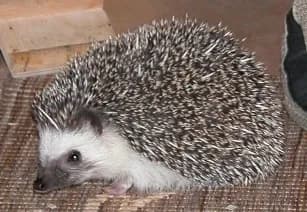 Jkasvi ( talk · contribs ) · CC BY-SA 3.0
Hedgehog
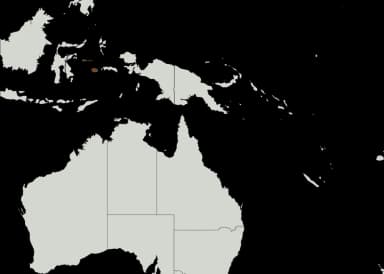 Cephas · CC BY-SA 3.0
Babirusa
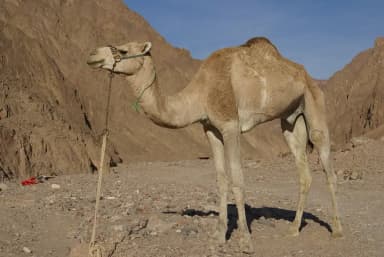 Florian Prischl · CC BY-SA 3.0
Dromedary Camel
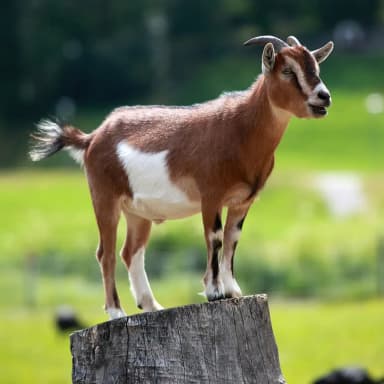 Kuebi = Armin Kübelbeck · CC BY-SA 3.0
Goat
 Steve from Washington, DC, USA · CC BY-SA 2.0
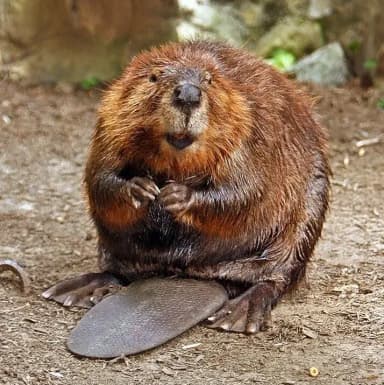
American Beaver
 Giles Laurent · CC BY-SA 4.0
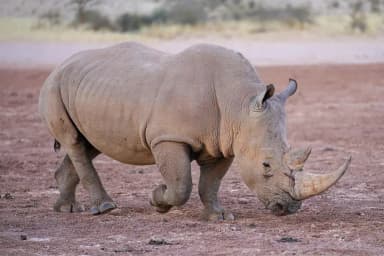
White Rhinoceros
 Guérin Nicolas ( messages ) · CC BY-SA 3.0
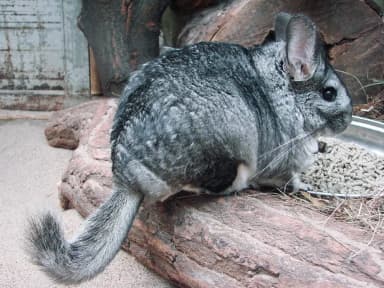
Chinchilla
Show 32 more mammalsShow fewer mammals
 Bardrock · CC BY-SA 3.0
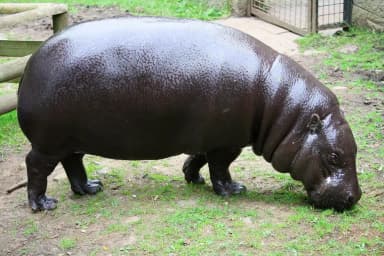
Pygmy Hippopotamus
 Jonathan Wilkins · CC BY-SA 3.0
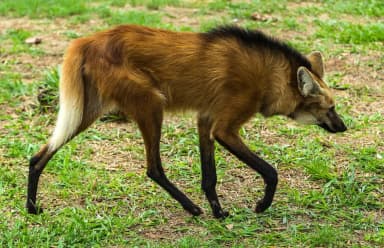
Maned Wolf
 Tuxyso · CC BY-SA 3.0
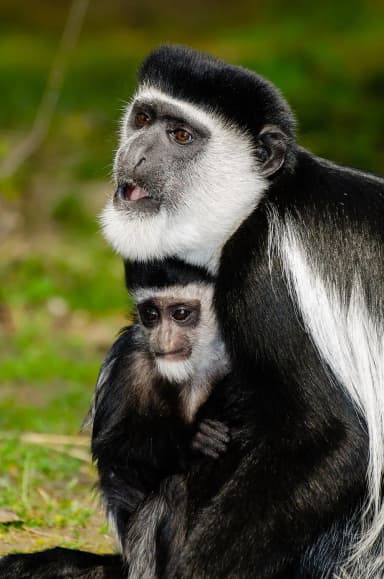
Black-and-white Colobus
 Uwe Schmidt · CC BY-SA 4.0
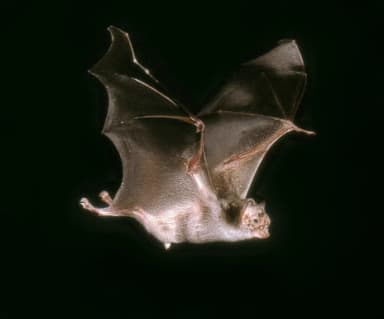
Vampire Bat
 Cody Pope · CC BY-SA 2.5
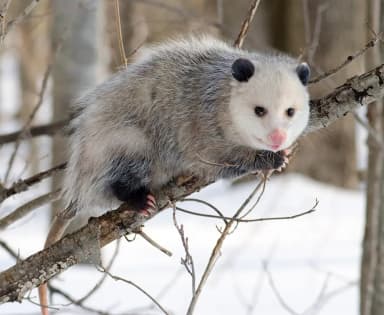
Virginia Opossum
 Brocken Inaglory · CC BY-SA 3.0
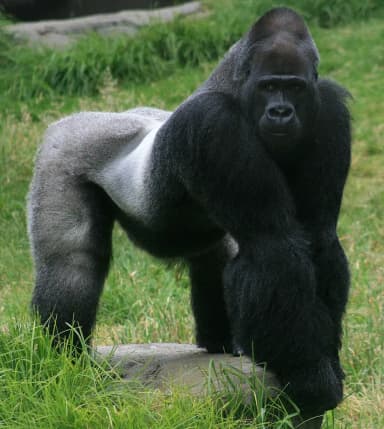
Gorilla
 Kein keen · CC BY-SA 4.0
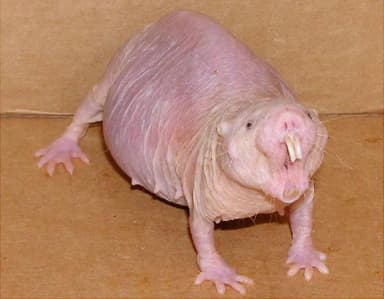
Naked Mole-rat
 Charles J. Sharp · CC BY-SA 4.0
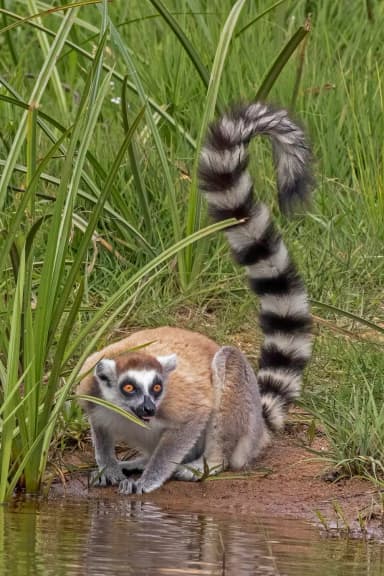
Ring-tailed Lemur
 Michael Zahra · CC BY-SA 3.0
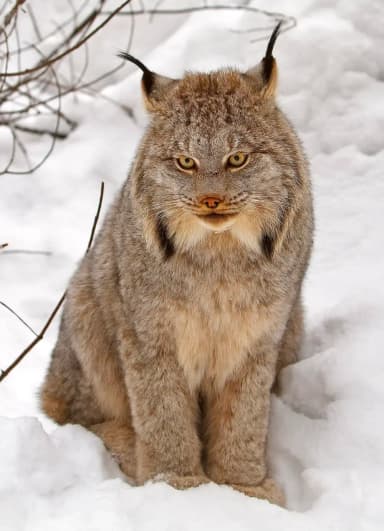
Canada Lynx
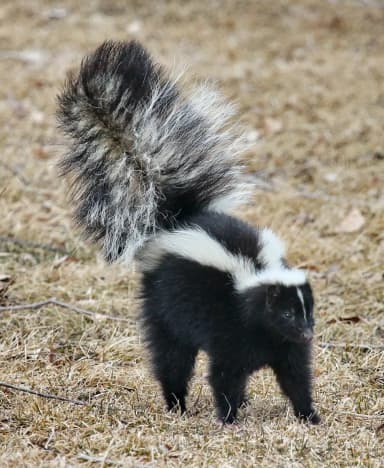 Wallace Keck · Public domain
Striped Skunk
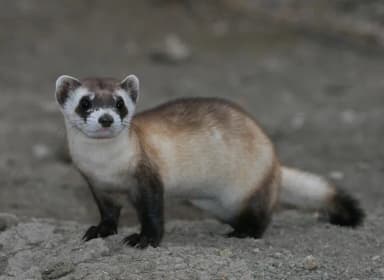 USFWS Mountain Prairie · Public domain
Black-footed Ferret
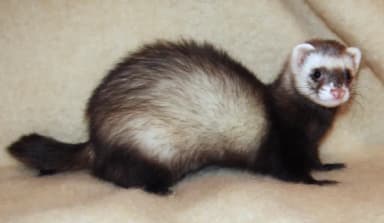 Alfredo Gutiérrez · CC BY-SA 4.0
Domestic Ferret
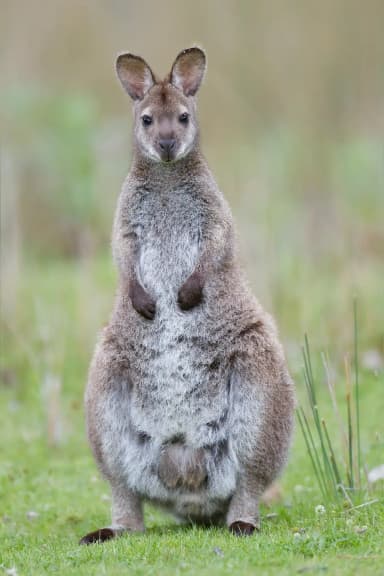 Noodle snacks ( https://www.jjharrison.com.au/)Bennett's Wallaby) · CC BY-SA 3.0
Bennett's Wallaby
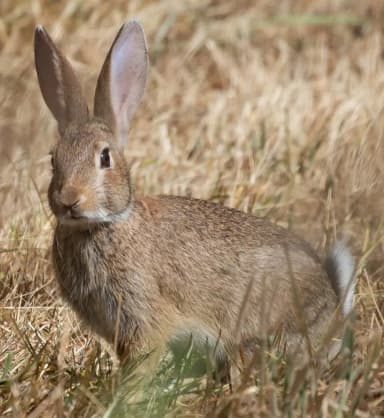 euqirneto · CC BY 4.0
Domestic Rabbit
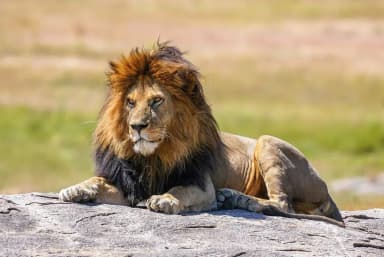 Giles Laurent · CC BY-SA 4.0
Lion
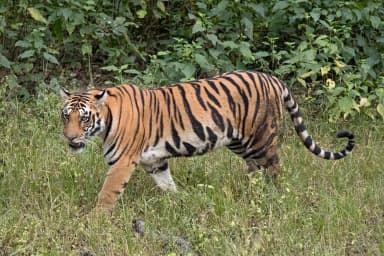 Charles J. Sharp · CC BY-SA 4.0
Amur tiger
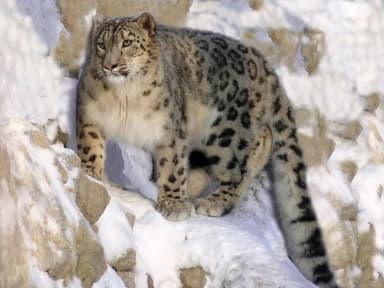 Irbis1983 · Public domain
Snow Leopard
 Charles J. Sharp · CC BY-SA 4.0
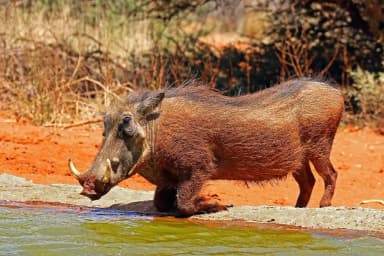
Warthog
 Diliff · CC BY-SA 3.0
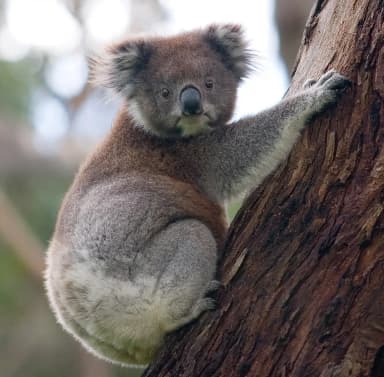
Koala
 Charles J. Sharp · CC BY-SA 4.0
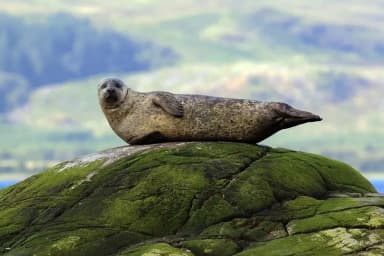
Harbor Seal
 Nanosanchez · CC BY-SA 4.0
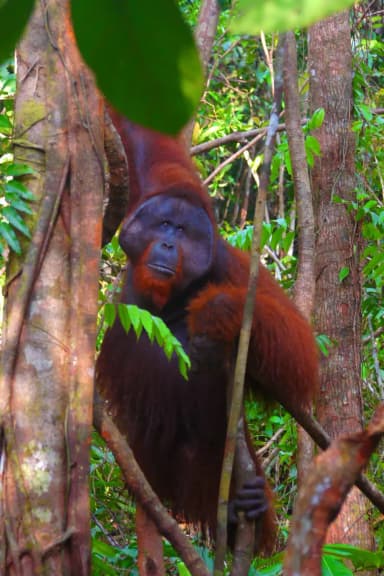
Orangutan
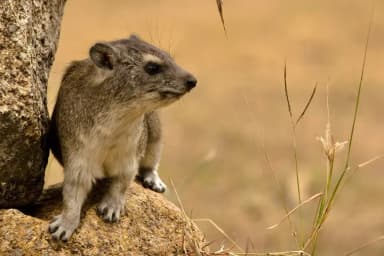 Naturedata · CC0
Rock Hyrax
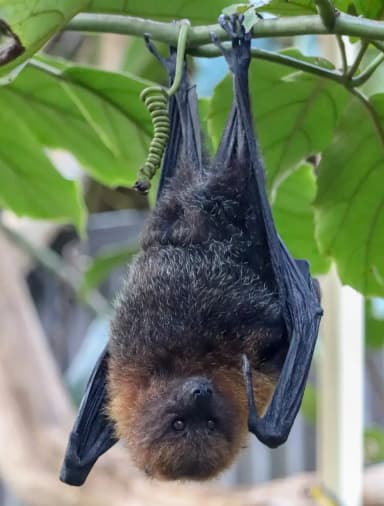 Vauxford · CC BY-SA 4.0
Rodrigues Flying Fox
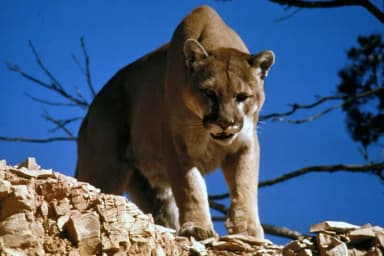 National Park Service · Public domain
Cougar
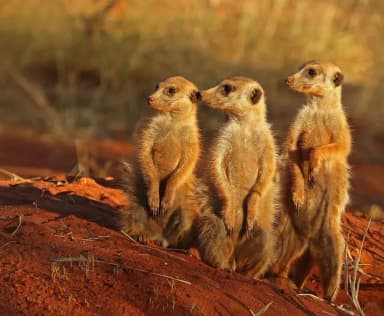 Charles J. Sharp · CC BY-SA 4.0
Meerkat
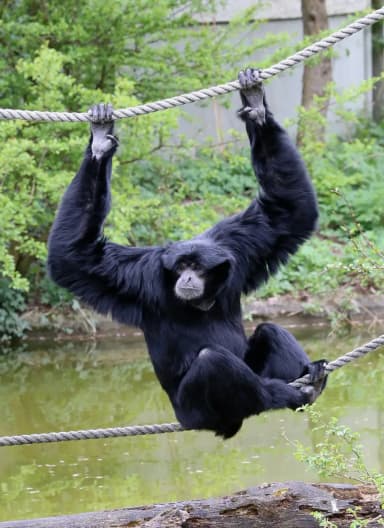 Rufus46 · CC BY-SA 3.0
Siamang
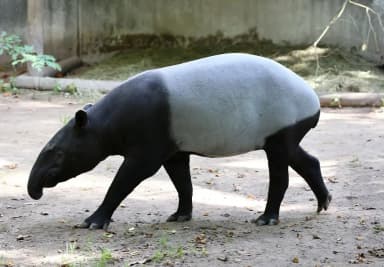 Rufus46 · CC BY-SA 3.0
Malayan Tapir
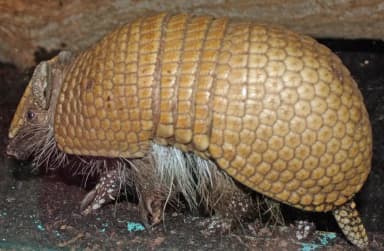 SouthernThreeBandedArmadillo065.jpg : Ltshears derivative work: WolfmanSF ( talk ) · CC BY-SA 3.0
Three-banded Armadillo
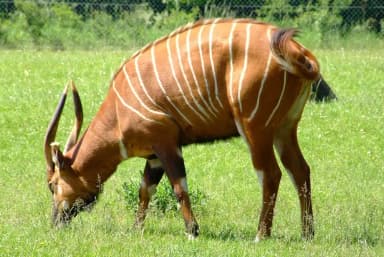 Charles Miller from Basingstoke, United Kingdom · CC BY 2.0
Bongo
 Yathin S Krishnappa · CC BY-SA 3.0
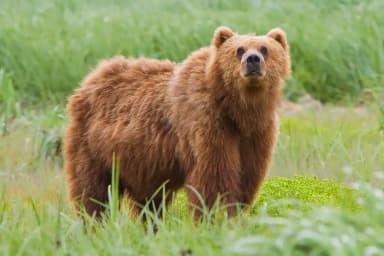
Brown Bear
 Alan Wilson · CC BY-SA 3.0
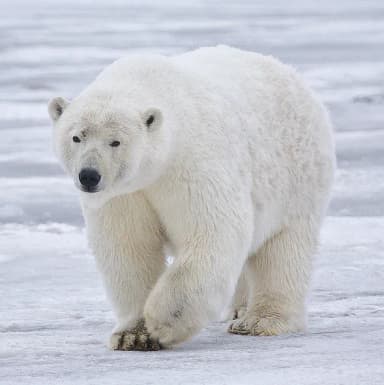
Polar Bear
 (c) Jonathan Eisen, some rights reserved (CC BY) · CC BY 4.0
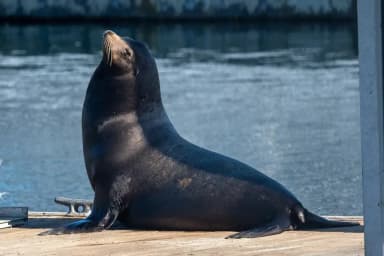
California Sea Lion
Birds58
 Francis C. Franklin · CC BY-SA 3.0
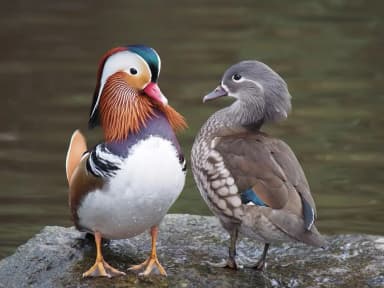
Mandarin Duck
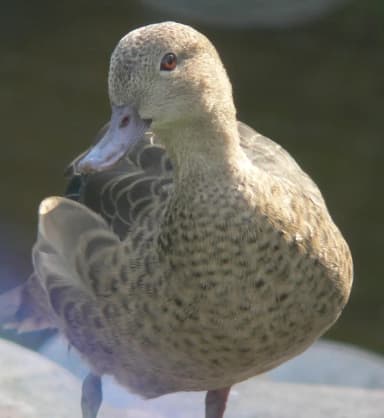 Wikimedia Commons contributor · CC BY-SA 3.0
Madagascar Teal
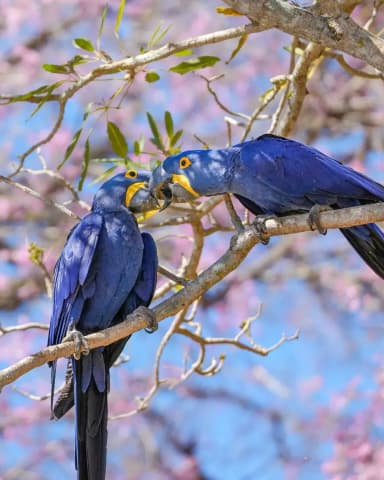 Giles Laurent · CC BY-SA 4.0
Hyacinth Macaw
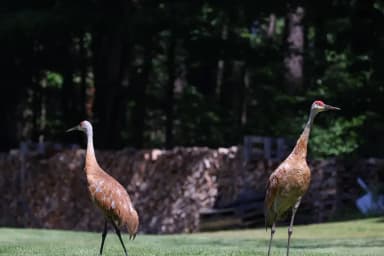 HappiestFish · CC BY 4.0
Sandhill Crane
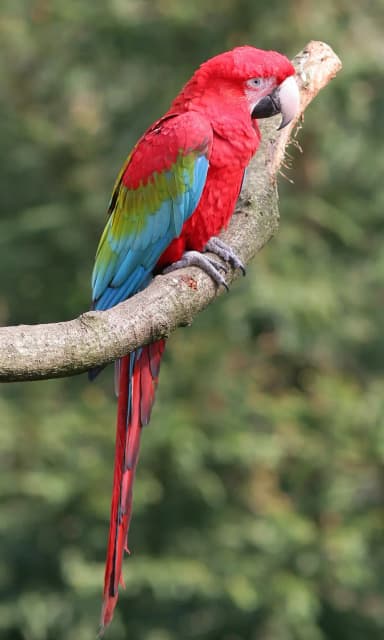 Arjan Haverkamp · CC BY 2.0
Green-winged Macaw
 Sun Jiao (Interaccoonale) · CC BY 4.0
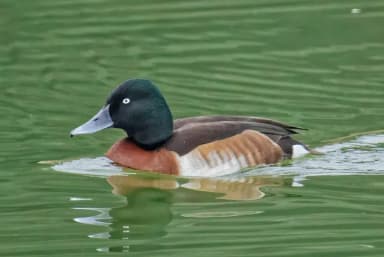
Baer's Pochard
 Adrian Pingstone ( Arpingstone ) · Public domain
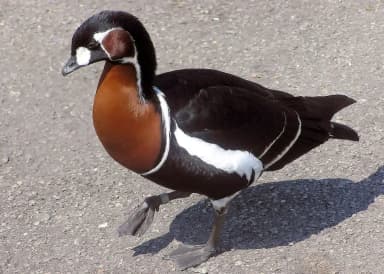
Red-breasted Goose
 Greg Hume · CC BY-SA 3.0
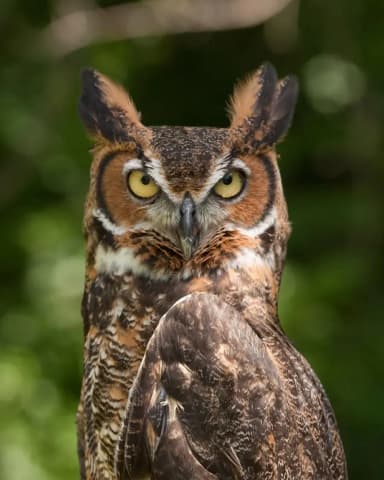
Great Horned Owl
 http://www.birdphotos.com · CC BY 3.0
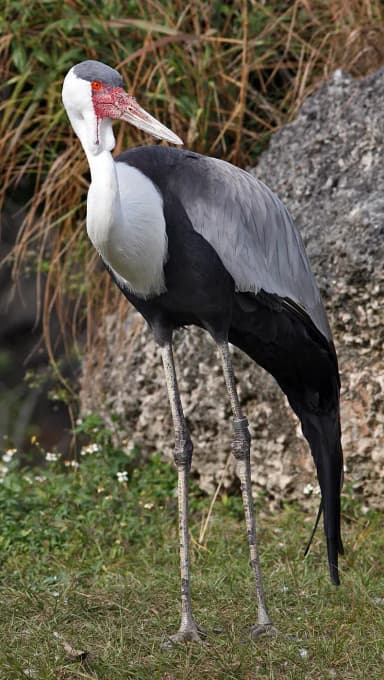
Wattled Crane
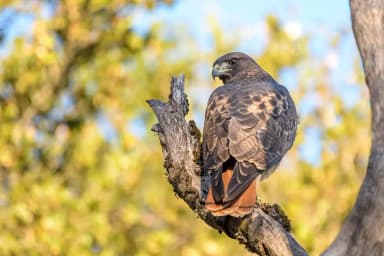 Becky Matsubara from El Sobrante, California · CC BY 2.0
Red-tailed Hawk
- White-throated Ground Dove
- Grey-capped Emerald Dove
- Spotted Whistling Duck
- Red Lory
- Red-billed Leiothrix
- Yellow-billed Stork
- Red-capped Cardinal
- Dalmatian Pelican
- Mariana Fruit Dove
- Silver-beaked Tanager
- Saffron Finch
- Blue-gray Tanager
Show 36 more birdsShow fewer birds
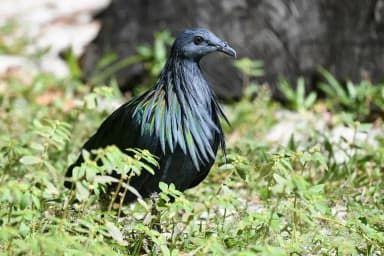 ziggypop74 · CC BY 4.0
Nicobar Pigeon
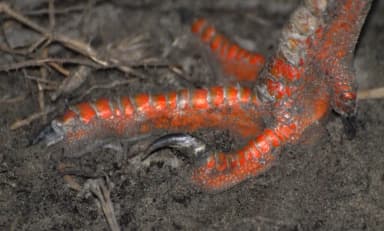 Matt Edmonds · CC BY-SA 3.0
Red-legged Seriema
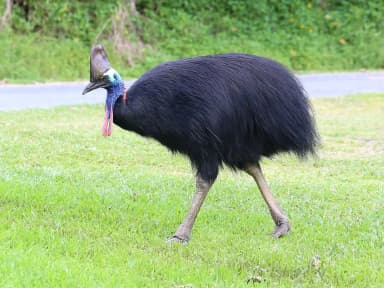 Summerdrought · CC BY-SA 4.0
Southern Cassowary
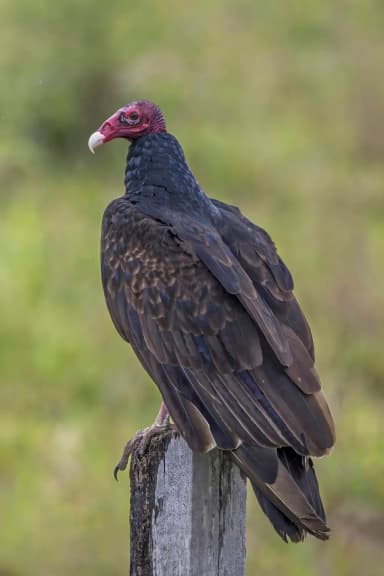 Charles J. Sharp · CC BY-SA 4.0
Turkey Vulture
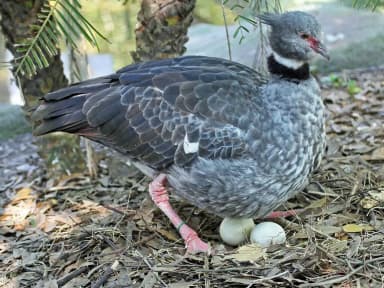 Dick Daniels · CC BY-SA 3.0
Southern Screamer
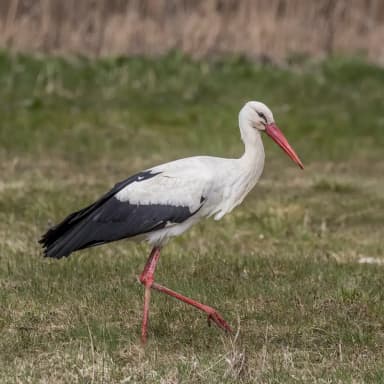 Charles J. Sharp · CC BY-SA 4.0
White Stork
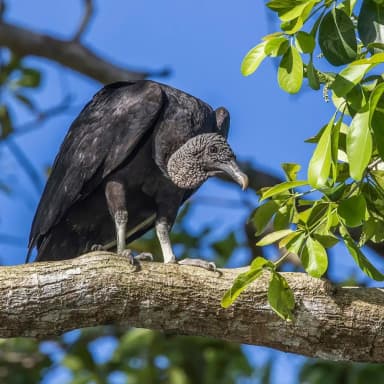 Charles J. Sharp · CC BY-SA 4.0
Black Vulture
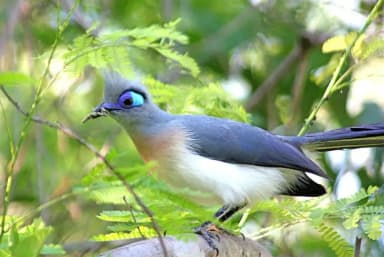 Charles J. Sharp · CC BY-SA 3.0
Crested Coua
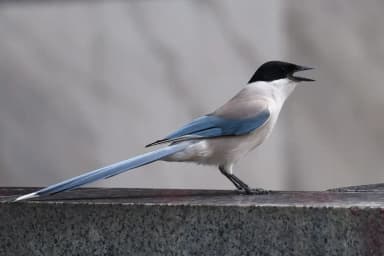 zinogre · CC BY-SA 4.0
Azure-winged Magpie
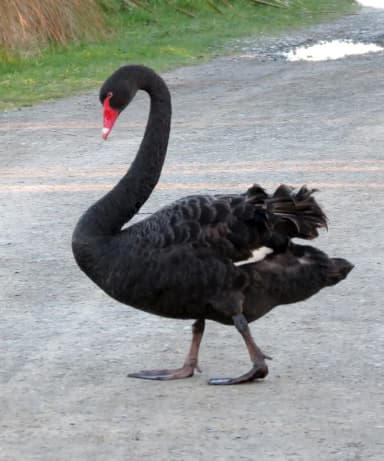 Katja Schulz · CC BY 4.0
Black Swan
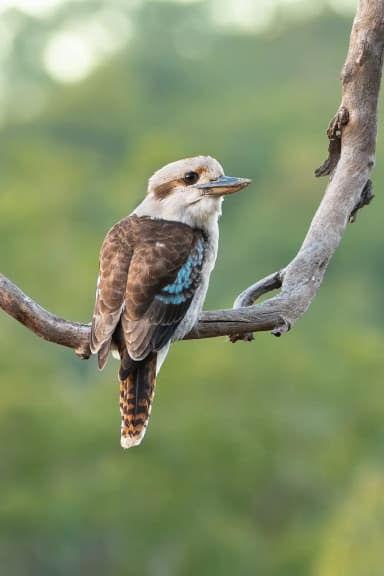 Photo by: Paulweberphoto - paulweberphoto.com · CC BY 4.0
Laughing Kookaburra
 JJ Harrison ( https://www.jjharrison.com.au/ ) · CC BY-SA 4.0
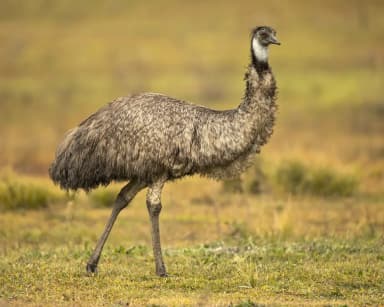
Emu
 JJ Harrison ( https://tiny.jjharrison.com.au/t/awbKQM2Ekae0XKza ) · CC BY-SA 4.0
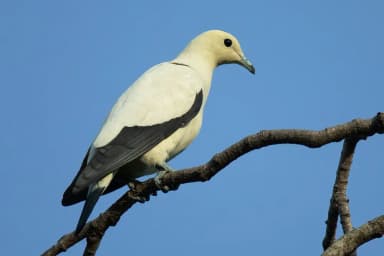
Pied Imperial Pigeon
 JJ Harrison · CC BY-SA 4.0
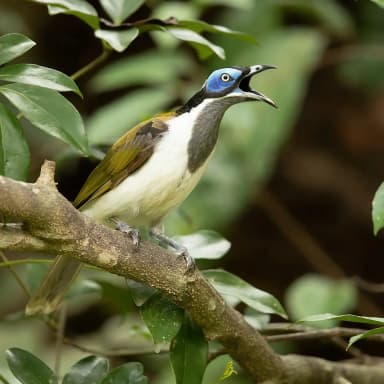
Blue-faced Honeyeater
 Charles J. Sharp · CC BY-SA 4.0
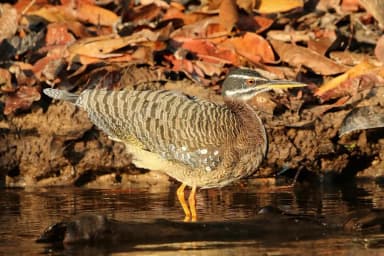
Sunbittern
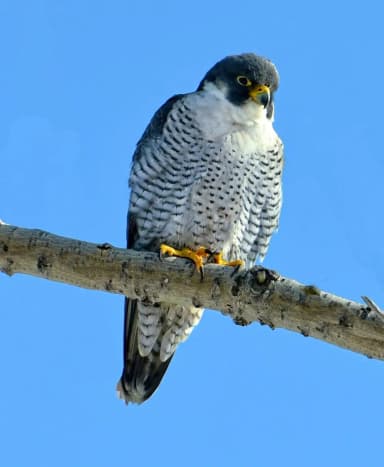 Mykola Swarnyk · CC BY-SA 3.0
Peregrine Falcon
 JJ Harrison · CC BY-SA 4.0
White-crested Laughingthrush
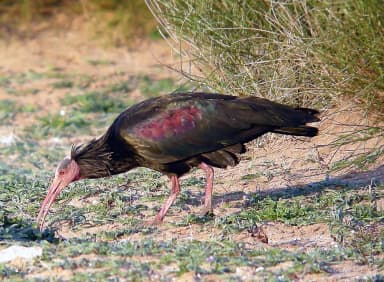 Len Worthington · CC BY-SA 2.0
Northern Bald Ibis
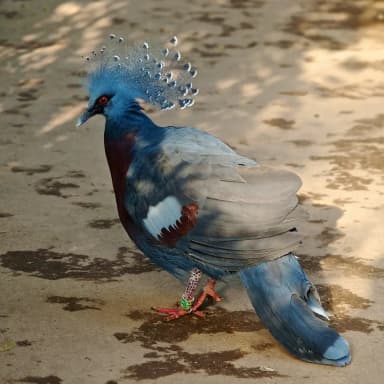 Jörg Hempel · CC BY-SA 3.0 de
Victoria Crowned Pigeon
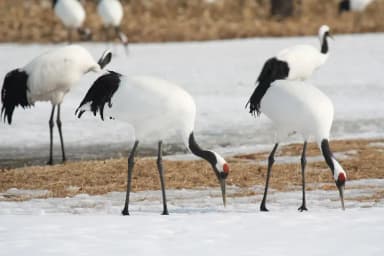 Alastair Rae from London, United Kingdom · CC BY-SA 2.0
Red-crowned Crane
 Andy Morffew from Itchen Abbas, Hampshire, UK · CC BY 2.0
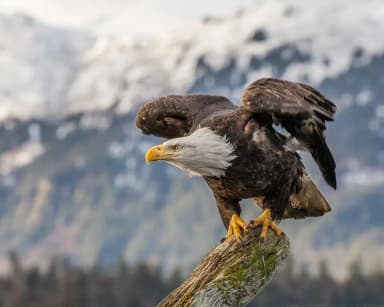
Bald Eagle
 Michael Pinczolits · CC BY 2.0
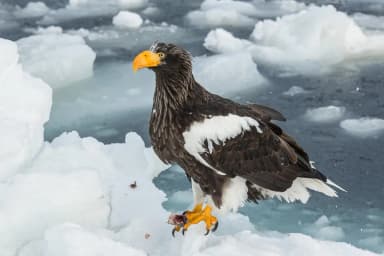
Steller's Sea Eagle
 Photo by and (C)2007 Derek Ramsey ( Ram-Man ) · CC BY-SA 2.5
Golden-breasted Starling
 Cristóbal Alvarado Minic from Cagua, Venezuela · CC BY 2.0
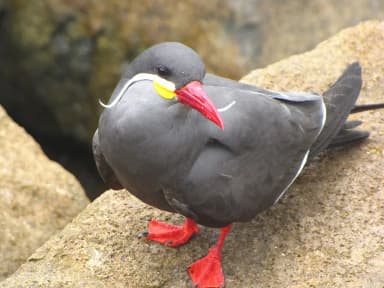
Inca Tern
 JJ Harrison · CC BY-SA 3.0
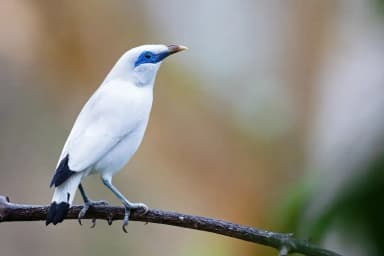
Bali Myna
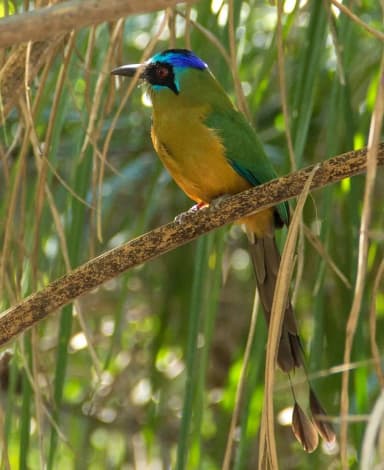 Paulo Antonio Santos · CC BY 3.0
Blue-crowned Motmot
 Mark Dumont · CC BY 2.0
Green-naped Pheasant Pigeon
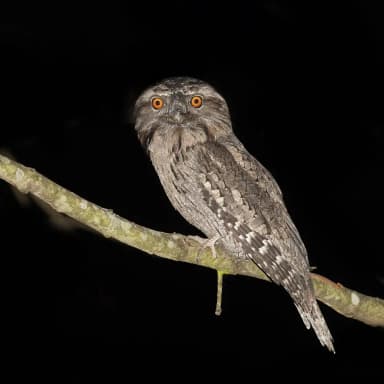 JJ Harrison ( https://www.jjharrison.com.au/ ) · CC BY-SA 4.0
Tawny Frogmouth
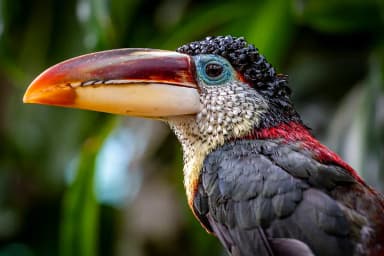 Tom Maher · CC0
Curl-crested Aracari
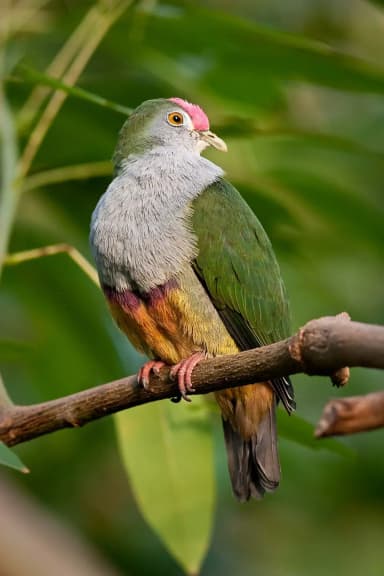 Arjan Haverkamp · CC BY 2.0
Beautiful Fruit Dove
 Giles Laurent · CC BY-SA 4.0
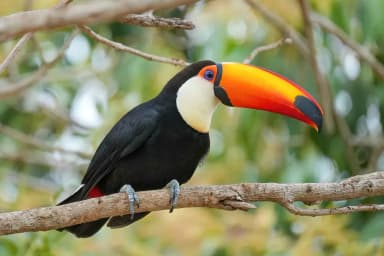
Toco Toucan
 tcager · CC0
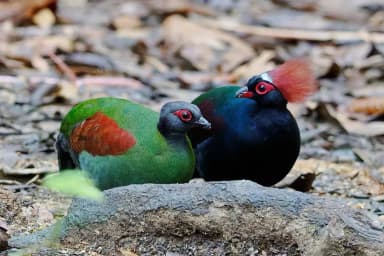
Crested Wood Partridge
 Matti Blume · CC BY-SA 4.0
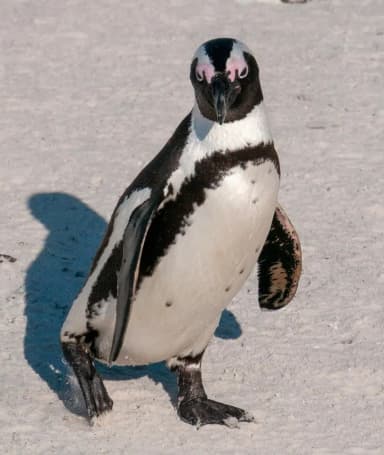
African penguin
 Sun Jiao (Interaccoonale) · CC BY 4.0
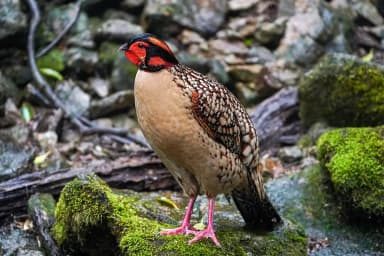
Cabot's Tragopan
 Allen, Edgar W.; Erxleben, J.; Hanhart, Michael; Hanhart, N; Keulemans, J. G.; Mintern Bros.; Rowley, George Dawson; Smi · Public domain
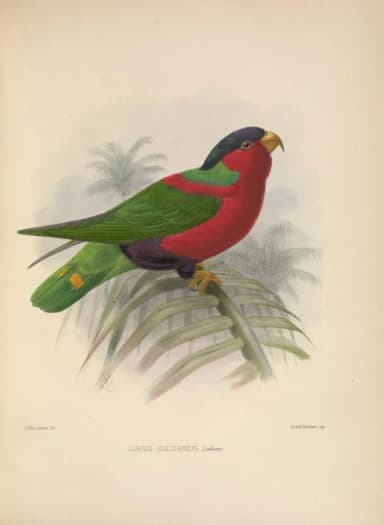
Lorikeet
 Charles J. Sharp · CC BY-SA 4.0
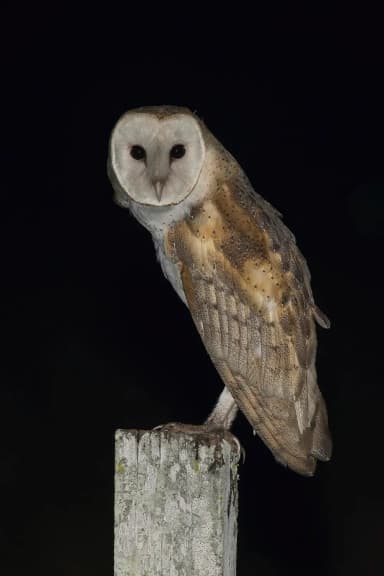
Barn Owl
Reptiles36
 Wikiologyrocks77 · CC BY-SA 4.0
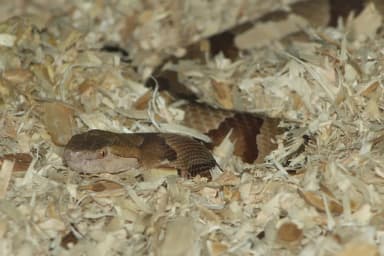
Copperhead
 CDC/ Edward J. Wozniak D.V.M., Ph.D., John Willson at the University of Georgia, at the Savannah River Ecology Laborator · Public domain
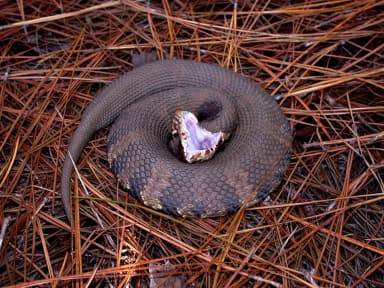
Cottonmouth
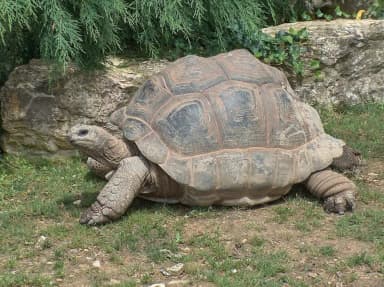 Yotcmdr · Public domain
Aldabra Tortoise
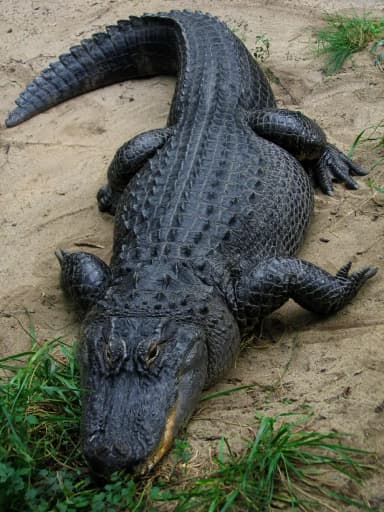 User:Postdlf · CC BY-SA 3.0
American Alligator
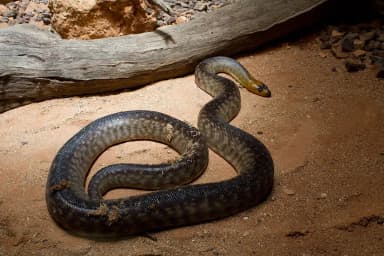 Brian Gratwicke · CC BY 2.0
Woma Python
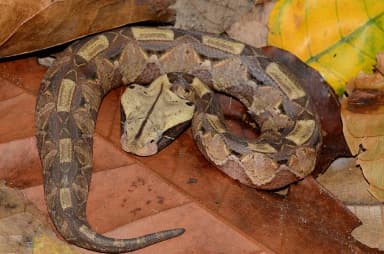 Marius Burger · CC0
Gaboon Viper
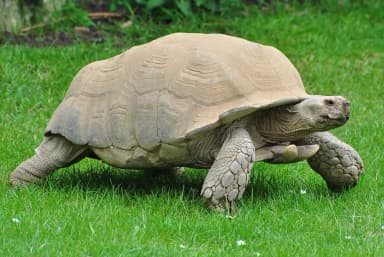 John5199 · CC BY 2.0
African Spurred Tortoise
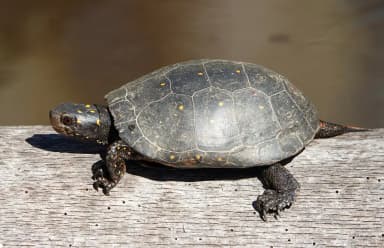 hug_78 · CC BY 2.0
Spotted Turtle
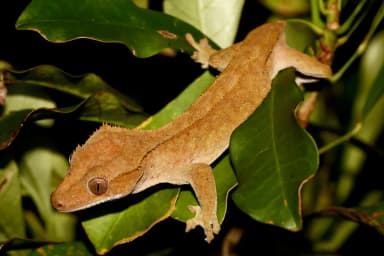 Lennart Hudel · CC BY 4.0
Crested Gecko
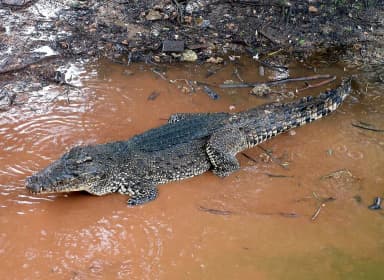 Yelles · CC BY-SA 3.0
Cuban Crocodile
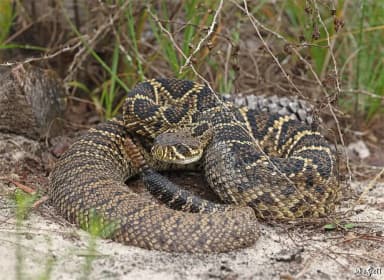 Caudatejake · CC BY-SA 4.0
Eastern Diamondback Rattlesnake
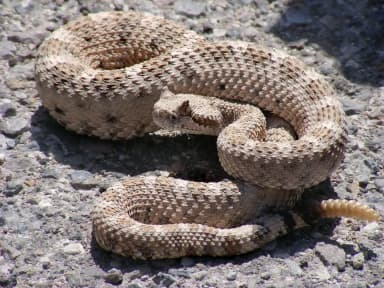 derivative work: Victorrocha ( talk · contribs ) Crotalus_cerastes_mesquite_springs_CA.JPG : Tigerhawkvok ( talk · contr · CC BY-SA 3.0
Sidewinder
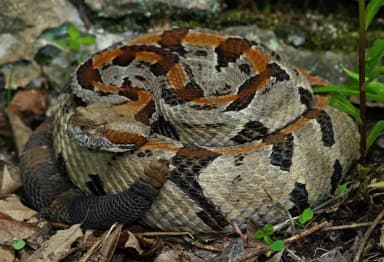 Peter Paplanus from St. Louis, Missouri · CC BY 2.0
Timber Rattlesnake
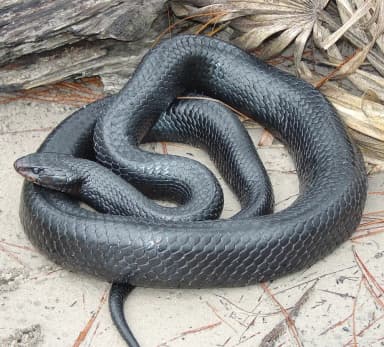 Dirk Stevenson · Public domain
Eastern Indigo Snake
 Damien Farrell · CC BY 3.0
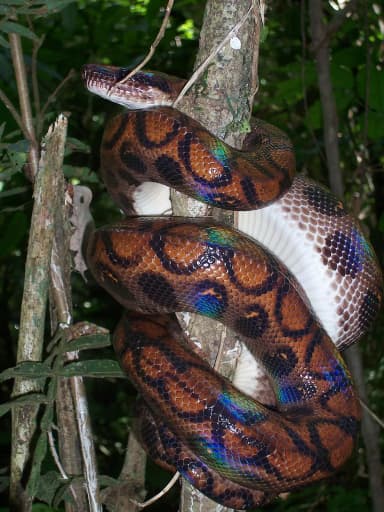
Rainbow Boa
 Judy Gallagher · CC BY 2.0
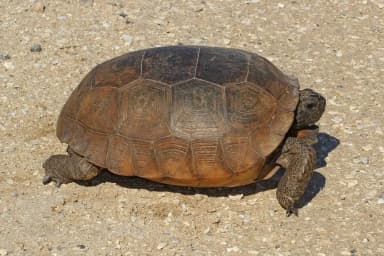
Gopher Tortoise
 Blueag9 · CC BY-SA 3.0
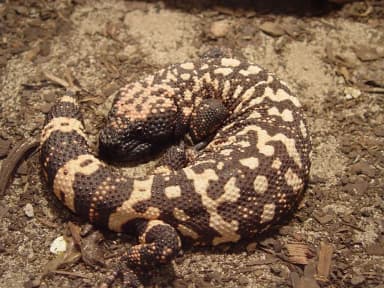
Gila Monster
 The original uploader was Dawson at English Wikipedia . · CC BY-SA 2.5
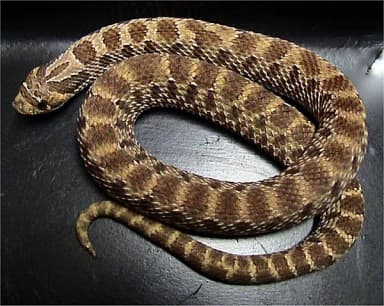
Western Hognose Snake
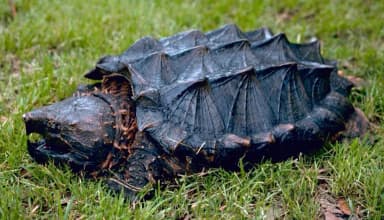 Gary M. Stolz/U.S. Fish and Wildlife Service · Public domain
Alligator Snapping Turtle
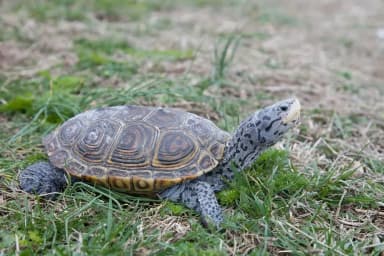 Ryan Hagerty · Public domain
Diamondback Terrapin
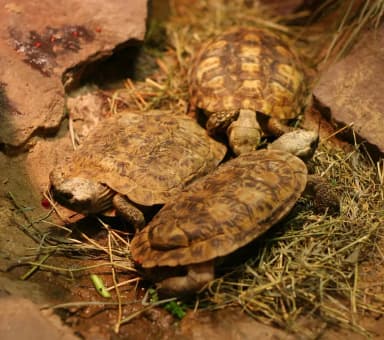 Dave Pape · Public domain
Pancake Tortoise
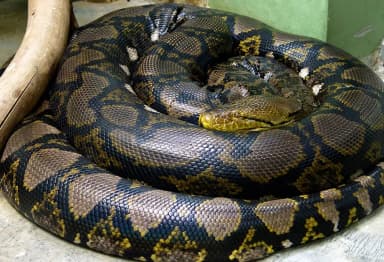 This photography was created by Mariluna . Other photos see here . · CC BY-SA 3.0
Reticulated Python
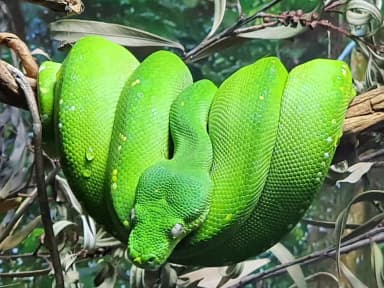 TarnishedPath · CC BY-SA 4.0
Green Tree Python
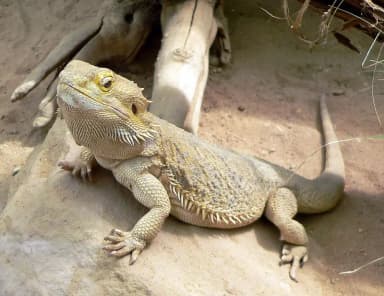 Photograph: Frank C. Müller , Baden-Baden · CC BY-SA 2.5
Bearded Dragon
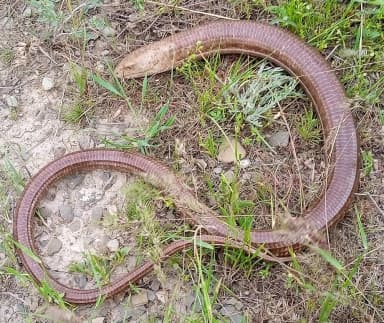 Igor Karyakin · CC BY 4.0
European Glass Lizard
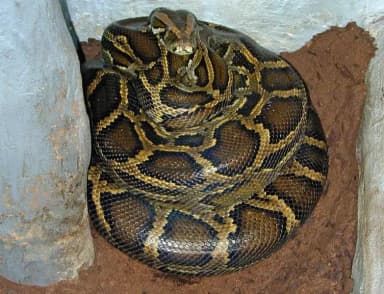 Tigerpython · CC BY 3.0
Burmese Python
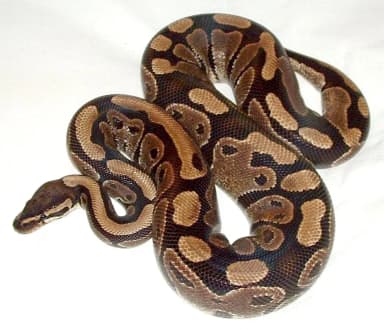 HCA ( talk ) · CC BY-SA 3.0
Ball Python
 Charles J. Sharp · CC BY-SA 4.0
Argentine Black and White Tegu
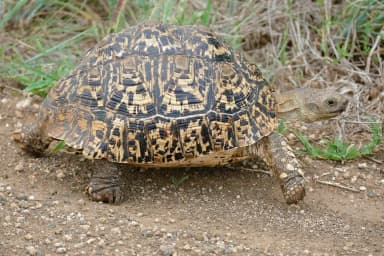 Bernard DUPONT from FRANCE · CC BY-SA 2.0
Leopard Tortoise
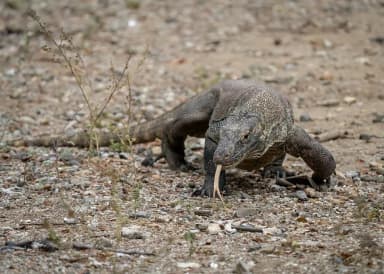 James Jolokia ( james1203 ) · CC BY 4.0
Komodo Dragon
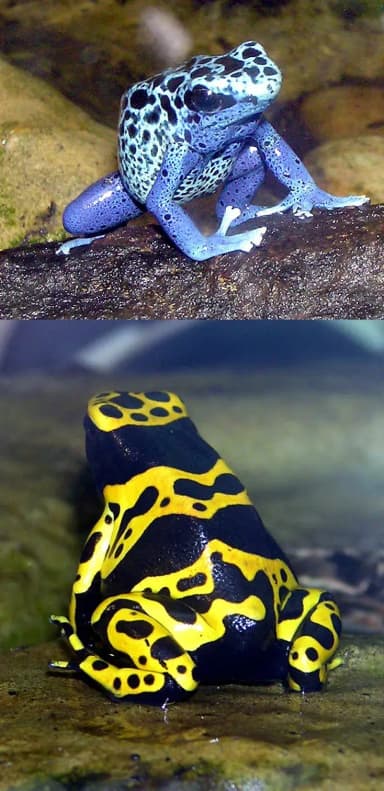
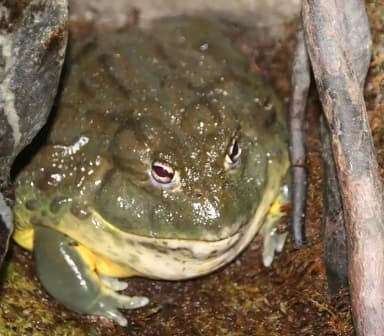
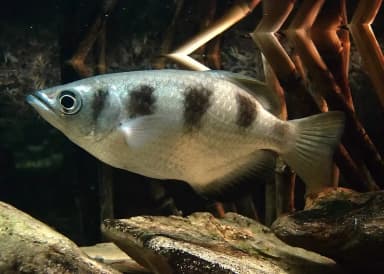
Feathers & Fangs from visitors
What people who've been to Louisville Zoo say
A Feather is something this zoo does well; a Fang is something it gets wrong. Left by people who've been, and read by us before they appear.
Loading…
About Louisville Zoo
The Louisville Zoological Gardens, known as the Louisville Zoo, is at 1100 Trevilian Way in Louisville, Kentucky. The zoo's website describes it as a nonprofit organization and the state zoo of Kentucky, and says it is also an agency of Louisville Metro Government. Its stated mission is to "Better the Bond Between People and Our Planet" by providing excellent care for animals, a great experience for visitors, and leadership in conservation education. The zoo's collections, which include botanical gardens, are accredited by the Association of Zoos and Aquariums.
The zoo's about page says it opened in 1969 and currently exhibits more than 1,100 animals on 130 acres, organized into zoogeographic areas and habitat types. The areas it names are Glacier Run, Africa, Islands, the New World exhibits of North, Central, and South America, the Australian Outback, the HerpAquarium, and the Metazoo Education Center. The zoo's visitor FAQ gives the collection as over 1,200 animals, and Wikipedia gives the size as 134 acres in the Poplar Level neighborhood.
The about page also says the Islands, Gorilla Forest, and Glacier Run exhibits have been recognized by AZA for excellence and innovation, and Wikipedia records that Gorilla Forest received the 2003 AZA Exhibit Award.
History
Wikipedia reports that the zoo opened on May 1, 1969, with 250 animals on exhibit. It was built on land the City of Louisville acquired in the 1960s from the estate of Ben Collins, and much of the initial funding came from the local philanthropist James Graham Brown. Opening-day exhibits were mostly four-legged animals such as elephants and giraffes. The zoo also ran a train past several exhibits until 2019, and the trains were sold in 2021.
Later additions recorded by Wikipedia include a restored Philadelphia Toboggan Company carousel in 1997, the Glacier Run Splash Park in May 2007 as the first phase of the Glacier Run area, and the Wallaroo Walkabout, also opened in 2007. Glacier Run was finished in early 2011 and is described by Wikipedia as a 4.3-acre area themed on an old gold-mining town bordered by a glacier.
Wikipedia adds that the zoo was one of the last to exhibit African and Asian elephants together. Its two elephants, the Asian elephant Punch and the African elephant Mikki, left for The Elephant Sanctuary in Tennessee, which records Punch's arrival there with Mikki on June 3, 2025. Wikipedia also describes a planned Kentucky Trails area for native animals from the Appalachian and Cumberland Gap regions, being developed in partnership with Kentucky Fish and Wildlife. Louisville Tourism reported in July 2026 that groundbreaking was planned for early 2027, with construction expected to take three years and finish in summer 2029.
Exhibits and habitats
The zoo's exhibit zones page introduces each area. In Africa, it names giraffes, the addax, which it calls one of the world's rarest antelopes, Hartmann's zebras, Gorilla Forest, and colobus monkeys at Colobus Crossing. Wikipedia lists African lions, dromedary camels, southern white rhinoceroses, common warthogs, addaxes, meerkats, naked mole-rats, Hartmann's mountain zebras, Masai giraffes, wattled cranes, eastern bongos, Nigerian dwarf goats in a boma petting yard, ring-tailed lemurs, and colobus monkeys. The zoo's plan page separately mentions camels near the lions and zebras in the Africa zone.
Gorilla Forest, which Wikipedia describes as a 4-acre exhibit, houses western lowland gorillas and pygmy hippopotamuses, and the zoo says its gorillas rotate between the sanctuary and outdoor habitat spaces. The zoo's new-arrivals page reports that two western lowland gorillas, Obi and Andi, joined a silverback named Kicho.
The Islands zone is described by the zoo as home to a multi-species exhibit that simulates how the animals live in the wild. Wikipedia lists Sumatran tigers, orangutans, siamangs, North Sulawesi babirusas, Malayan tapirs, Aldabra giant tortoises, and little penguins, with animals rotating through the space. The Islands Pavilion holds birds, plus Komodo dragons and Cuban crocodiles, according to Wikipedia. The zoo reports that the orangutans Sumagu and her daughter Kera, its first new orangutans in 28 years, are beginning rotation in the Islands.
Glacier Run is themed on an imaginary gold-mining town at the edge of the arctic, according to the zoo, with polar and grizzly bears, seals, and sea lions. Wikipedia lists the seals as harbor and grey seals, the sea lions as California sea lions, and adds Steller's sea eagles. The zoo's Snow Leopard Pass is home to three snow leopards.
The HerpAquarium features King Louie, a male albino American alligator, according to both the zoo and Wikipedia. The Americas zone includes Canada lynx, a flock of Chilean flamingos, and three sloths, according to the zoo, and Wikipedia adds maned wolves, red pandas, toco toucans, and a Cats of the Americas area with lynxes, bald eagles, and cougars. The zoo's new-arrivals page reports a female maned wolf, Ayla, joining the male Chrys. In the Australia zone, the zoo describes walking among wallabies and wallaroos and feeding nectar to lorikeets; Wikipedia names these areas the Wallaroo Walkabout and Lorikeet Landing.
Conservation and programs
The zoo's about page says it works with AZA Species Survival Plan programs and is one of a handful of institutions in the world to house a captive breeding population of black-footed ferrets. The zoo's conservation pages note the 25th anniversary of its Black-Footed Ferret Conservation Center, and that a black-footed ferret named Rigatoni is back on exhibit.
Other conservation items posted on the zoo's site include the hatching of two critically endangered Baer's pochard ducklings, participation in an AZA SAFE monarch butterfly habitat project with community partners, staff contributions to a published conservation action plan for the timber rattlesnake, and a recycling program. The plan page states that part of every general admission ticket and every membership is contributed to the zoo's conservation partners. The zoo's new-arrivals page reports births that include three endangered Amur tiger cubs, the first tiger birth at the zoo in 22 years, a Masai giraffe calf, a colobus monkey, and a Steller's sea eagle chick.
The about page lists more than 50 special event days a year, including Earth Month activities in April, weekend movie nights, character appearances, holiday events, the Throo the Zoo 5K, and Boo at the Zoo. The zoo's plan page also describes field trips, group discounts, and camp visits. Attractions listed include the splash park, Conservation Carousel, tram, ropes courses, camel rides, and the BOMA African Petting Zoo.
Planning your visit
As listed on the zoo's website, the zoo is open daily year round, rain or shine, and is closed on Thanksgiving, Christmas, and New Year's Day. Hours through March 19, 2027, are 10 a.m. to 4 p.m., with exit by 5 p.m., and from March 20, 2027, the listed hours are 10 a.m. to 5 p.m., with exit by 6 p.m. On Wednesdays through Sundays in October, last entry moves to 3 p.m. so staff can prepare for Boo at the Zoo. A winter discount period called Kroger Wild Winter Days is listed for the start of November through the end of February.
General admission pricing is based on demand, capacity, and other factors, according to the zoo, so current prices are on its ticket page. A per-vehicle parking fee applies in the zoo lot, and the FAQ says a processing fee applies to online orders. Active duty military personnel receive free general admission with a valid military ID at the ticket windows, and dependents receive a discount.
The FAQ says food and coolers are welcome and picnic areas are first come, first served, while alcoholic beverages, glass containers, and straws are prohibited. Anyone under 11 must be supervised. Service dogs are permitted, and other animals are not. Strollers, wagons, wheelchairs, and electric wheelchairs can be rented, and a free tram shuttle is available. The zoo says its animal viewing schedule is updated before opening each morning and that animals may be off exhibit for maintenance, health care, weather, or breeding.
What we haven't confirmed
Everything above came from public sources. These specifics we haven't stood behind yet:
- Current ticket prices and parking fee
- Kentucky Trails construction progress
- Whether koalas are currently in the collection
- Current animal count and acreage, since the zoo's pages and Wikipedia differ
- Phone number
Louisville Zoo compared with nearby zoos
How Louisville Zoo lines up against the closest zoos we have details for — useful if you're deciding between them for the same day out.
| Zoo | Distance | Admission | Hours | Size | AZA |
|---|---|---|---|---|---|
| Louisville ZooThis zooLouisville, KY | — | $15.75–$31 | 10 am – 5 pm | 134 acres | Yes |
| Ararat Ridge ZooWilliamstown, KY | 67 mi | from $54.99 | Zoo is inside Ark Encounter. Ark hours Sep 13 – Oct 24, 2026: Mon–Sat 9:00 AM – 5:30 PM, Sunday closed. Oct 25, 2026 – Jan 2, 2027: Mon–Sat 10:00 AM – 5:00 PM, Sunday closed. Eastern Time. Closed Sundays; Thanksgiving (Nov 26, 2026); Dec 24–25, 2026. | — | No |
| Kentucky Down Under Adventure ZooHorse Cave, KY | 70 mi | $25.95 | Daily 9:00 AM – 5:00 PM Central. Closed Thanksgiving, Christmas. | — | No |
| Cincinnati Zoo and Botanical GardenCincinnati, OH | 92 mi | $16–$27 | 10:00am – 5:00pm | 64.5 acres | Yes |
Distances are straight-line. A dash means we haven't confirmed that detail yet, not that the zoo lacks it.
AZAThe Association of Zoos and Aquariums. Accredited members have passed an independent inspection of animal care and welfare, safety, conservation and education, repeated every five years. Many smaller facilities never apply, so “not accredited” isn't a verdict on its own. What accreditation means · How we check this
Louisville Zoo: common questions
Is Louisville Zoo AZA accredited?
Yes. The zoo's website says its collections are accredited by the Association of Zoos and Aquariums.
Does the zoo still have elephants?
No. Its two elephants, Punch and Mikki, moved to The Elephant Sanctuary in Tennessee in 2025.
When did the zoo open?
Wikipedia reports it opened on May 1, 1969.
Is Louisville Zoo the state zoo of Kentucky?
The zoo's website calls itself the state zoo of Kentucky and says it is an agency of Louisville Metro Government.
Which animals are at Louisville Zoo?
The zoo names gorillas, lions, tigers, penguins, grizzly and polar bears, seals and sea lions, giraffes, pygmy hippos, orangutans, reptiles, and birds among its favorites.
Can visitors bring food?
Yes, food and coolers are welcome, but glass containers, alcohol, and straws are prohibited.
Are pets allowed?
No. Service dogs are permitted, and emotional-support and companion animals are not.
Something wrong here? Tell us — we correct in place, with a dated note.