- Where to see one
- 3 U.S. zoos in our directory hold pink-backed pelican, confirmed against each zoo's own animal list.
Conservation status
Not Evaluated
This species has not been assessed for the IUCN Red List, so it sits outside the threat scale entirely.
About the pink-backed pelican
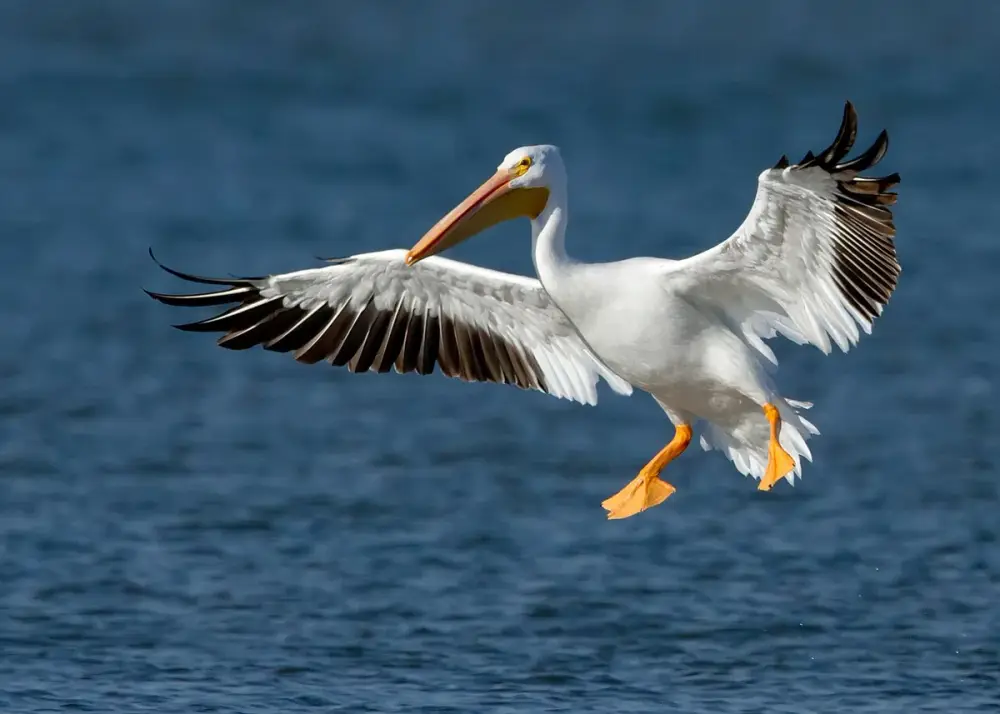
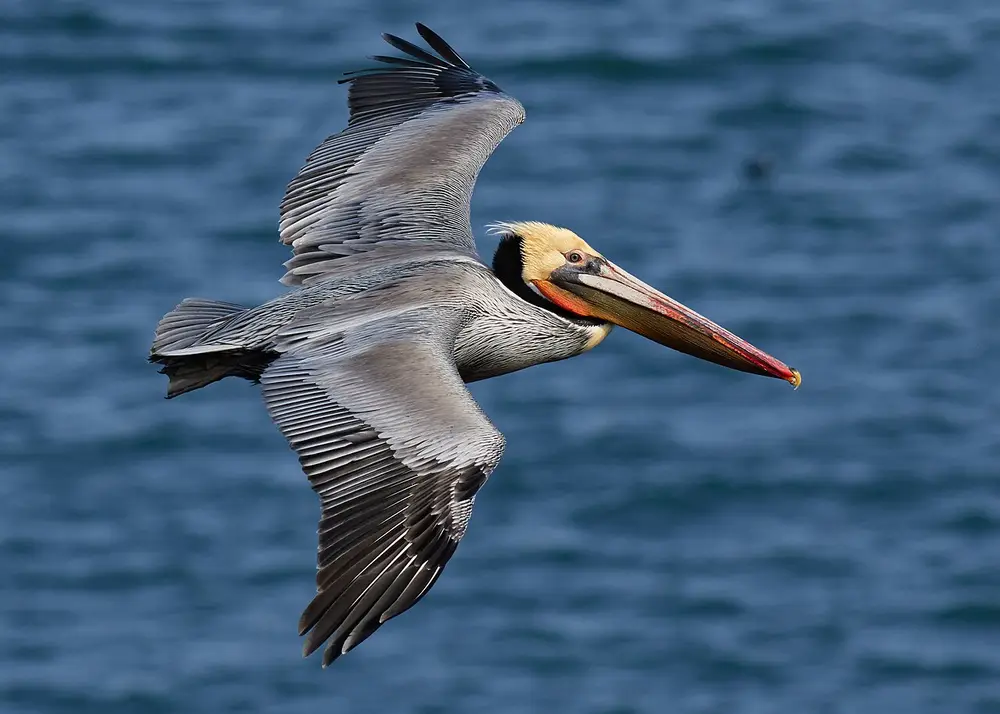
The pink-backed pelican is a relatively small pelican that breeds in the swamps and shallow lakes of Africa and southern Arabia. Adults are 125 to 155 cm long with a wingspan of 2.15 to 2.9 m, grey and white with an occasional pinkish hue on the back, a yellow upper bill and usually a greyish pouch. It prefers quiet, shallow backwaters and feeds mostly on fish, often fishing in groups. Colonies roost and nest in trees such as mangroves, building large stick nests that are reused each year until the trees collapse. Chicks feed by pushing their heads deep into the adult's pouch to take regurgitated fish.
Pink-backed Pelican facts
- Nests can sit 10 to 50 m above the ground and are reused each year until the trees collapse.
- The species has been extirpated from Madagascar.
- The pinkish tint on the back is never as deep as a flamingo's.
- Its species name rufescens is Latin for reddish; Gmelin described it in 1789.
Where to see pink-backed pelican in the U.S.
3 zoos across 3 states
Find the closest one
Rank the 3 zoos holding pink-backed pelican by how far they are from you. Your location is used in your browser to sort this list and is never sent to us.
AZAThe Association of Zoos and Aquariums. Accredited members have passed an independent inspection of animal care and welfare, safety, conservation and education, repeated every five years. Many smaller facilities never apply, so “not accredited” isn't a verdict on its own. What accreditation means · How we check this
Built from each zoo's own published animal list.