
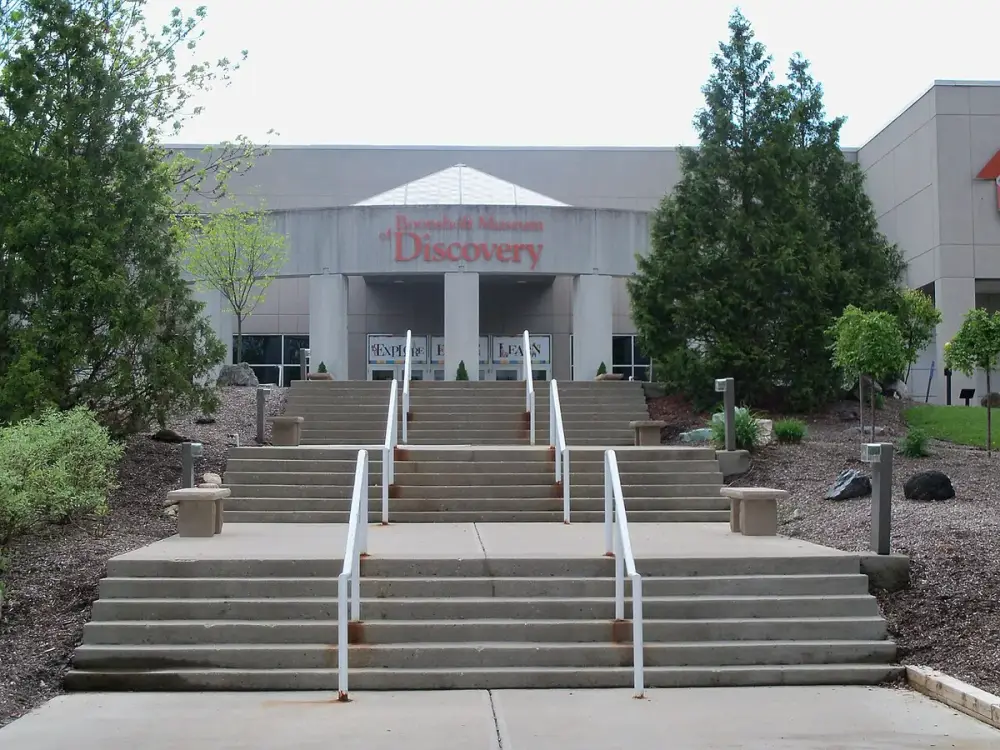
- Admission
- $16
- Opened
- 1893
- Accreditation
- AZA
Association of Zoos and Aquariums
Everything below is directory information drawn from public sources and the zoo's own site.
Animals at Boonshoft Museum of Discovery
6 confirmedMammals5
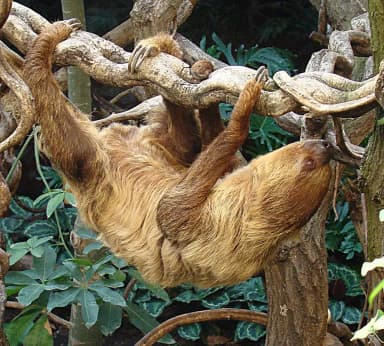 Dick Culbert from Gibsons, B.C., Canada · CC BY 2.0
Linnaeus's Two-toed Sloth
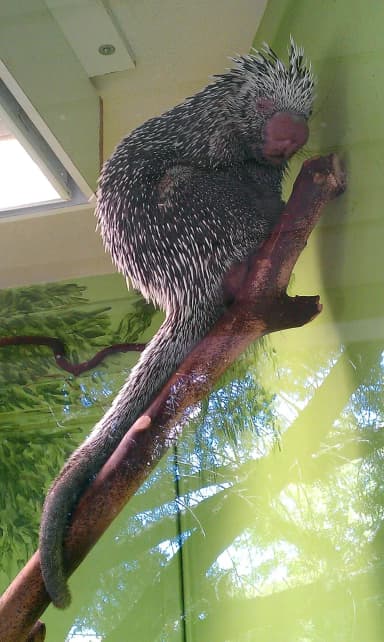 Wikinoobie1 · CC BY-SA 3.0
Prehensile-tailed Porcupine
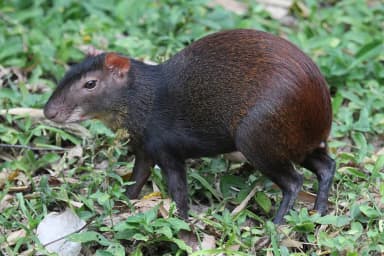 Alastair Rae from London, United Kingdom · CC BY-SA 2.0
Red-rumped Agouti
 euqirneto · CC BY 4.0
Domestic Rabbit
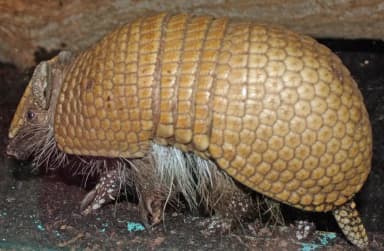 SouthernThreeBandedArmadillo065.jpg : Ltshears derivative work: WolfmanSF ( talk ) · CC BY-SA 3.0
Three-banded Armadillo
Feathers & Fangs from visitors
What people who've been to Boonshoft Museum of Discovery say
A Feather is something this zoo does well; a Fang is something it gets wrong. Left by people who've been, and read by us before they appear.
Loading…
About Boonshoft Museum of Discovery
The Boonshoft Museum of Discovery is a science and natural history museum in Dayton, Ohio, at 2600 Deweese Parkway, run by the nonprofit Dayton Society of Natural History. Rather than a standalone zoo, it combines several institutions under one roof and one sister site: exhibit halls on natural history and archaeology, a planetarium, and a Discovery Zoo located on the museum's second floor, which is fully accredited by the Association of Zoos and Aquariums. The museum overall is accredited by the American Alliance of Museums and is affiliated with the Association of Children's Museums and the Association of Science-Technology Centers.
The museum's roots trace to 1893, when the Dayton Museum of Natural History began as part of the Dayton Public Library and Museum. Today the museum's mission is to create meaningful and entertaining learning experiences around natural history, science, and nature while preserving its collections. Tracey Tomme has led the organization as its visionary leader since 2018. The Dayton Society of Natural History also operates SunWatch Village, a reconstructed 12th-century Fort Ancient Native American settlement and National Historic Landmark, as a sister site to the museum.
History
The Dayton Museum of Natural History began in 1893 as part of the Dayton Public Library and Museum, built from collections gathered by prominent Dayton citizens on their travels and from local natural history finds. In 1952, a group of citizens organized the Dayton Society of Natural History to take over the collections and formally establish the Dayton Museum of Natural History, whose main building on Ridge Avenue was completed in 1958. A new planetarium and expanded exhibit space were added in 1991.
Separately, in 1993 community leaders formed a steering committee to explore a Children's Museum of Dayton aimed at reaching children ages two through twelve. By 1996, talks between the Children's Museum board and the Dayton Society of Natural History resulted in a full merger of the two organizations, creating the Dayton Museum of Discovery. The museum took its current name, the Boonshoft Museum of Discovery, in January 1999, honoring Oscar Boonshoft, a longtime supporter, and completed the first two phases of a professionally developed exhibits master plan by May of that year.
The museum's SunWatch site has its own long history: originally called the Incinerator Site, it was first excavated by amateur archaeologists in the 1960s. When the City of Dayton's planned sewage treatment plant expansion threatened the site in the early 1970s, museum curator James Heilman led salvage excavations beginning in 1971, uncovering a stockaded 13th-century village occupied for roughly 20 years and preserving fragile artifacts including crayfish pincers and turkey egg shell fragments. After 17 years of excavation and research, SunWatch opened to the public on July 29, 1988. The site was placed on the National Register of Historic Places in 1975 and became a National Historic Landmark in 1990. Its Heilman-Kettering Interpretive Center reopened in June 2006 after a renovation that added more than 6,000 square feet.
Exhibits and habitats
The museum is organized around three main draws alongside its natural history galleries: SunWatch Village, the Discovery Zoo, and the Planetarium. SunWatch Village is a reconstructed Fort Ancient settlement whose exhibits include five lath-and-daub structures with grass thatch roofs, portions of a stockade, and a native garden and prairie planted with period-appropriate species; a complex of posts at the village's center is understood to have carried inferred astronomical alignments and has been reconstructed as well. The Discovery Zoo is described by the museum as home to engaging animal exhibits with daily keeper talks and hands-on wildlife education. The Caryl D. Philips Space Theater houses the museum's planetarium, offering immersive digital astronomy shows under a dome.
The museum is also in the midst of a transformation project centered on Dayton's natural history, reimagining gallery space around the region's rivers and aquifer and adding life-sized Ice Age fossil recreations drawn from finds on an Ohio farm.
Animal highlights
No published species list or animal count is available for the Discovery Zoo, so no specific figures can be given here. The zoo is described in the museum's own materials as offering engaging animal exhibits and daily keeper talks, and Donna Harrison, who joined the team in 2020 after working at Disney's Animal Kingdom, oversees animal care, zoo operations, and community engagement for the Discovery Zoo. One individually named resident mentioned by the museum is Patience, a sloth available for private animal encounters.
Conservation and programs
The museum offers Conservation Conversations, private encounters that let guests meet Discovery Zoo residents such as Patience the sloth or take part in themed sessions like "Slimy and Scales," focused on amphibians, reptiles, and invertebrates up close. Ten percent of each Conservation Conversation purchase is donated to local and global conservation organizations. The museum's broader affiliations with the Association of Zoos and Aquariums, alongside the Association of Science-Technology Centers and the Association of Children's Museums, also extend reciprocal membership benefits to guests visiting other accredited institutions.
Planning your visit
As listed on the museum's website, hours are Monday through Saturday from 9:00 a.m. to 5:00 p.m. and Sunday from 12:00 p.m. to 5:00 p.m. The museum and SunWatch Village are closed on Easter, Thanksgiving, Christmas Eve, Christmas Day, and New Year's Day, and also close for an annual fundraising event and occasional training days.
Free parking is available at the museum, with a driveway to the right of the lot for drop-offs and pick-ups. The building is accessible via elevators connecting its two floors, and a limited number of wheelchairs are available at no cost on a first-come, first-served basis. A universal changing station is located on the first floor near the Hall of the Universe, and a quiet room sits outside the Beiser Room of Wonders; sensory bags can be borrowed for the day at the front desk. The museum's Sensory Sunday program offers extended hours with adjusted lighting and sound for families who benefit from a less stimulating environment. Group rates begin at $157.50 for up to 15 people, with each additional person costing $10.50, and groups must call ahead to receive the rate. The Eco-Eatery, on the second floor, offers food and drink for purchase during a visit; light snacks are otherwise permitted inside.
Discounted admission is available through several programs, including reciprocal memberships with other Association of Science-Technology Centers, Association of Zoos & Aquariums, and Association of Children's Museums institutions, as well as discounts for AAA and State Farm members and for military ID holders. Check the museum's official website for current hours, admission prices, and any schedule changes before visiting.
What we haven't confirmed
Everything above came from public sources. These specifics we haven't stood behind yet:
- Ticket prices for general admission
- Discovery Zoo species and animal count
- Total facility acreage
- Time needed for a visit
- Phone number for general admissions
Boonshoft Museum of Discovery compared with nearby zoos
How Boonshoft Museum of Discovery lines up against the closest zoos we have details for — useful if you're deciding between them for the same day out.
| Zoo | Distance | Admission | Hours | Size | AZA |
|---|---|---|---|---|---|
| Boonshoft Museum of DiscoveryThis zooDayton, OH | — | $16 | Mon–Sat 9:00 AM – 5:00 PM; Sun 12:00 PM – 5:00 PM. Closed Easter, Thanksgiving, Christmas Eve, Christmas Day, New Year's Day. | — | Yes |
| Cincinnati Zoo and Botanical GardenCincinnati, OH | 47 mi | $16–$27 | 10:00am – 5:00pm | 64.5 acres | Yes |
| Ararat Ridge ZooWilliamstown, KY | 83 mi | from $54.99 | Zoo is inside Ark Encounter. Ark hours Sep 13 – Oct 24, 2026: Mon–Sat 9:00 AM – 5:30 PM, Sunday closed. Oct 25, 2026 – Jan 2, 2027: Mon–Sat 10:00 AM – 5:00 PM, Sunday closed. Eastern Time. Closed Sundays; Thanksgiving (Nov 26, 2026); Dec 24–25, 2026. | — | No |
| Fort Wayne ZooFort Wayne, IN | 104 mi | $24 | 6:00 pm – 9:30 pm | 40 acres | Yes |
Distances are straight-line. A dash means we haven't confirmed that detail yet, not that the zoo lacks it.
AZAThe Association of Zoos and Aquariums. Accredited members have passed an independent inspection of animal care and welfare, safety, conservation and education, repeated every five years. Many smaller facilities never apply, so “not accredited” isn't a verdict on its own. What accreditation means · How we check this
Boonshoft Museum of Discovery: common questions
Is the Discovery Zoo AZA accredited?
Yes, the Discovery Zoo, located on the museum's second floor, is fully accredited by the Association of Zoos and Aquariums.
When did the museum open?
Its predecessor, the Dayton Museum of Natural History, began in 1893; the museum took its current name, Boonshoft Museum of Discovery, in January 1999.
Is there parking?
Yes, free parking is available at the museum.
Is the museum wheelchair accessible?
Yes. The building is fully accessible with elevators between floors, and a limited number of free wheelchairs are available on a first-come, first-served basis.
Is there food inside?
Yes, the Eco-Eatery on the second floor offers drinks, snacks, and meals during a visit.
What else is at the Boonshoft Museum besides the zoo?
The museum also includes natural history exhibits, a planetarium in the Caryl D. Philips Space Theater, and its affiliated SunWatch Village archaeological site.
Does the museum offer sensory-friendly hours?
Yes, its Sensory Sunday program offers extended hours with adjusted lighting and sound, along with trained volunteers and additional staff.
Something wrong here? Tell us — we correct in place, with a dated note.