
- Admission
- $12
- Size
- 8 acres
- Opened
- 1936
- Accreditation
- AZA
Association of Zoos and Aquariums
Everything below is directory information drawn from public sources and the zoo's own site.
Animals at Staten Island Zoo
185 confirmedMammals34
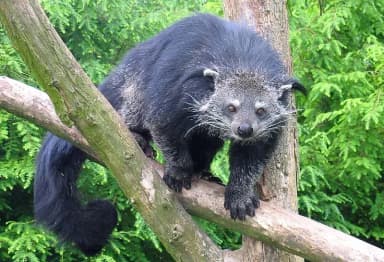 Tassilo Rau · CC BY-SA 3.0
Binturong
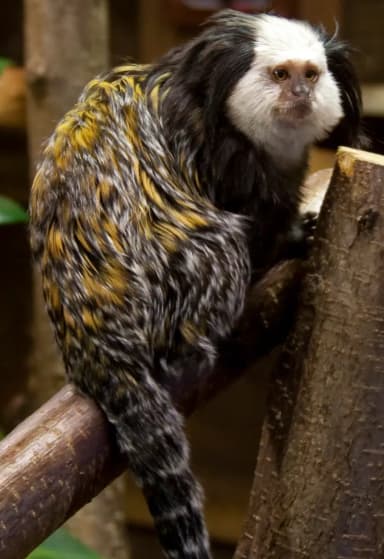 Tony Hisgett · CC BY 2.0
Geoffroy's Marmoset
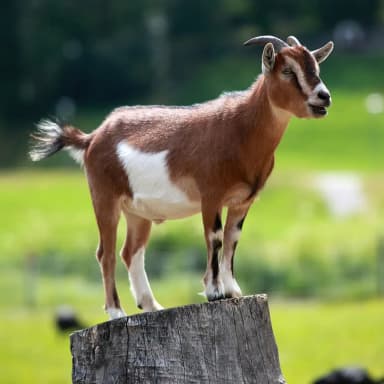 Kuebi = Armin Kübelbeck · CC BY-SA 3.0
Goat
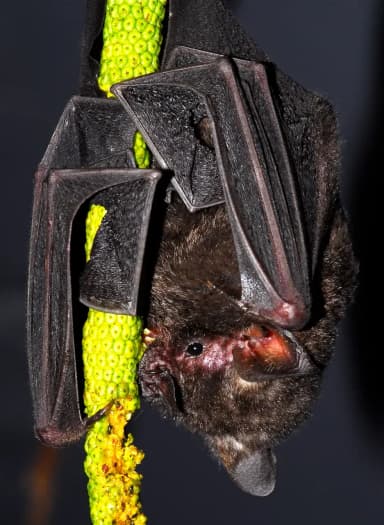 Desmodus · CC BY-SA 3.0
Seba's Short-tailed Bat
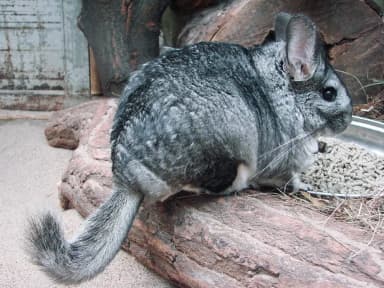 Guérin Nicolas ( messages ) · CC BY-SA 3.0
Chinchilla
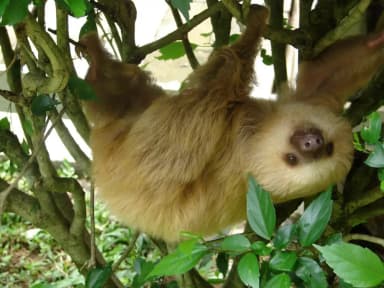 Jsfouche · CC BY-SA 3.0
Hoffmann's Two-toed Sloth
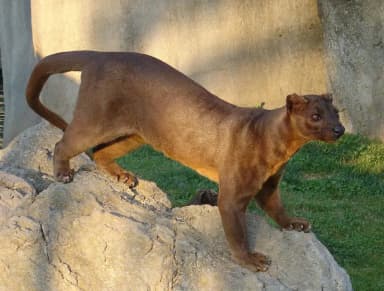 Ran Kirlian · CC BY-SA 4.0
Fossa
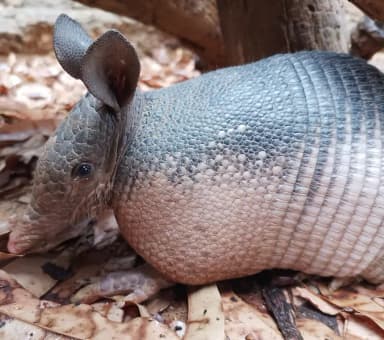 Aramburu Carlos · CC BY 4.0
Nine-banded Armadillo
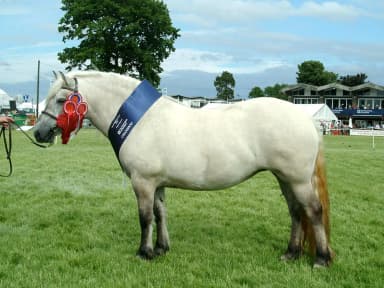 Confuslefu at English Wikipedia · Public domain
Pony
 Wikimedia Commons · Public domain
North American Porcupine
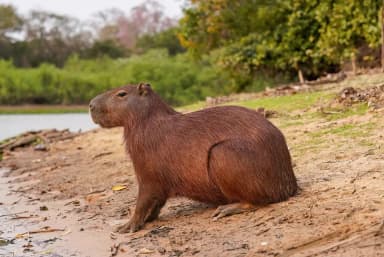 Giles Laurent · CC BY-SA 4.0
Capybara
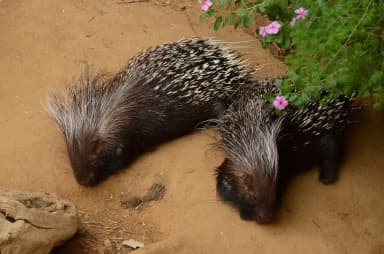 Steven Lek · CC BY-SA 4.0
Cape Porcupine
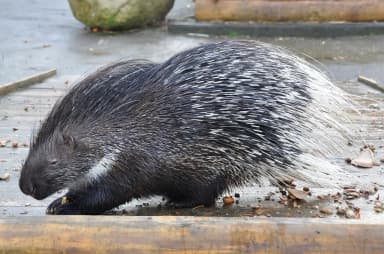 Quartl · CC BY-SA 3.0
African Crested Porcupine
 Charles J. Sharp · CC BY-SA 4.0
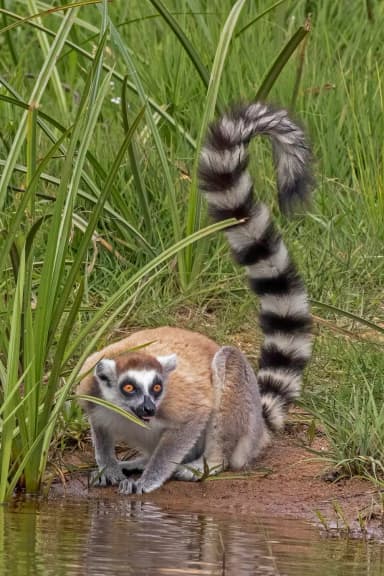
Ring-tailed Lemur
 euqirneto · CC BY 4.0
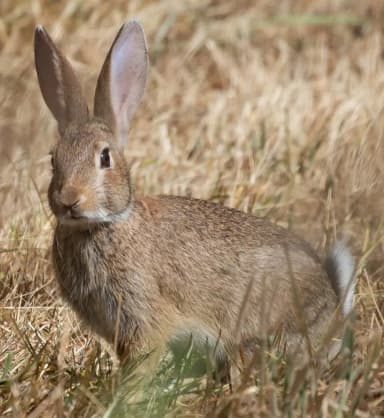
Domestic Rabbit
 Jack Hynes · CC BY-SA 3.0
Bolivian Gray Titi Monkey
 Vauxford · CC BY-SA 4.0
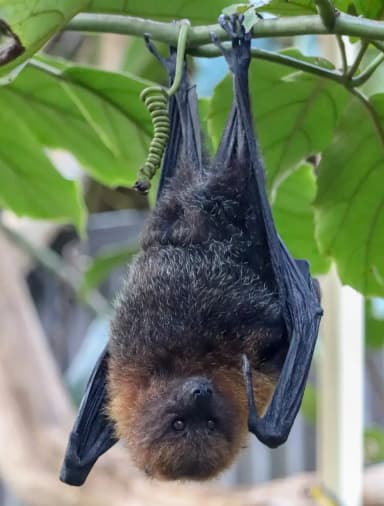
Rodrigues Flying Fox
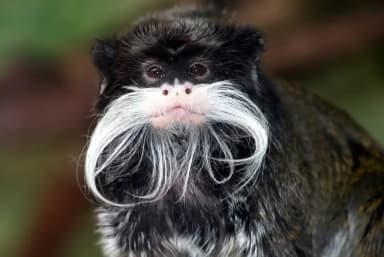 Brocken Inaglory · CC BY-SA 3.0
Emperor Tamarin
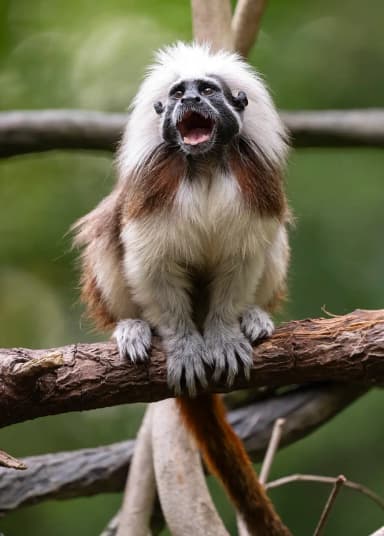 Chensiyuan · CC BY-SA 4.0
Cotton-top Tamarin
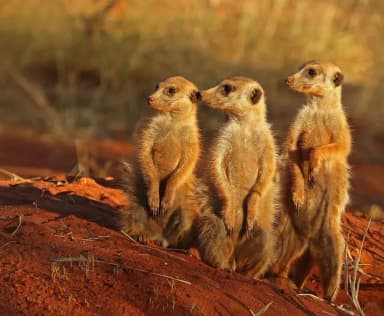 Charles J. Sharp · CC BY-SA 4.0
Meerkat
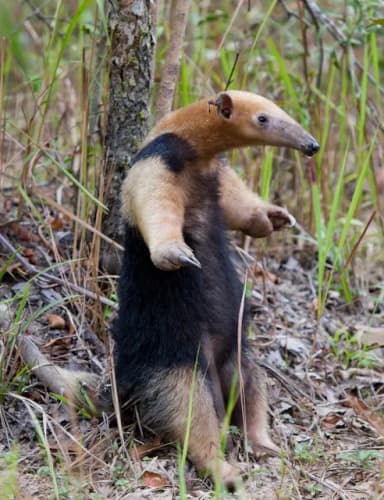 Sinara Conessa · CC BY 2.0
Southern Tamandua
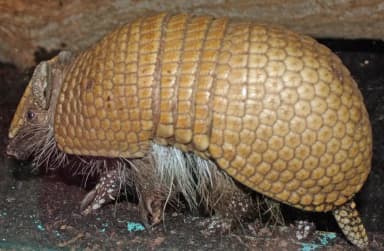 SouthernThreeBandedArmadillo065.jpg : Ltshears derivative work: WolfmanSF ( talk ) · CC BY-SA 3.0
Three-banded Armadillo
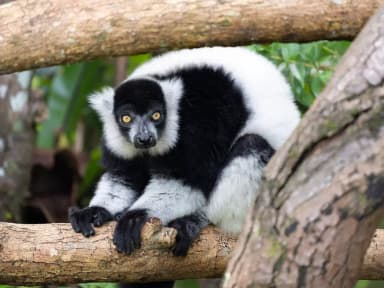 Chensiyuan · CC BY-SA 4.0
Black-and-white Ruffed Lemur
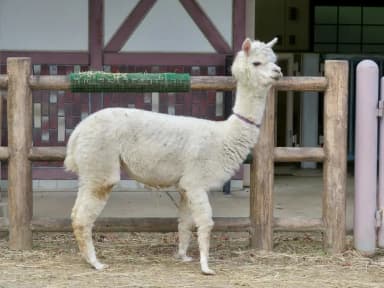 KKPCW · CC BY-SA 4.0
Alpaca
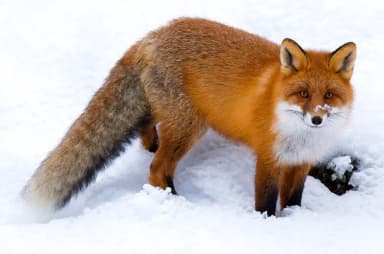 ClaudiaTen · CC BY-SA 4.0
Red Fox
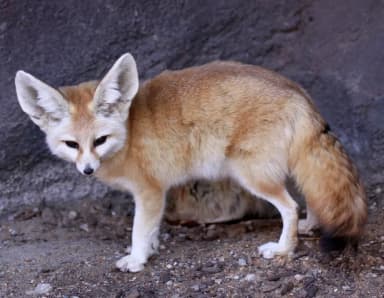 Drew Avery · CC BY 2.0
Fennec Fox
Birds27
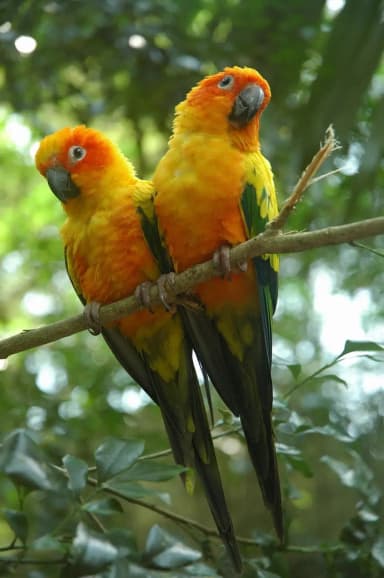 Wayne Deeker · CC BY 3.0
Sun Conure
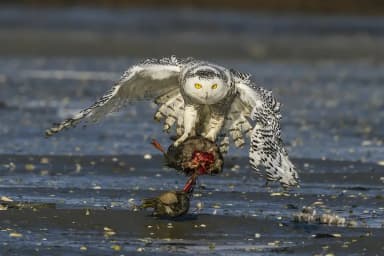 Chuck Homler d/b/a Focus On Wildlife · CC BY-SA 3.0
Snowy Owl
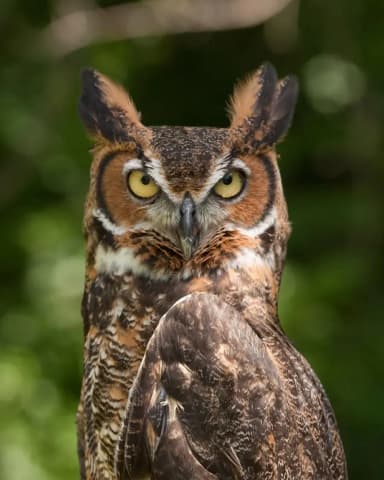 Greg Hume · CC BY-SA 3.0
Great Horned Owl
 Kora27 · CC BY-SA 4.0
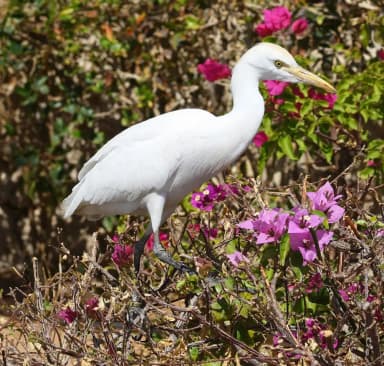
Cattle Egret
 Becky Matsubara from El Sobrante, California · CC BY 2.0
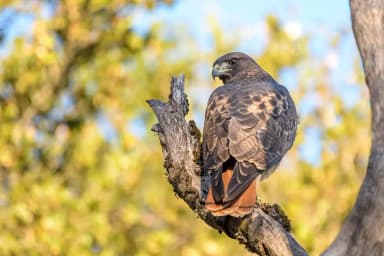
Red-tailed Hawk
 Wikimedia Commons · CC BY-SA 3.0
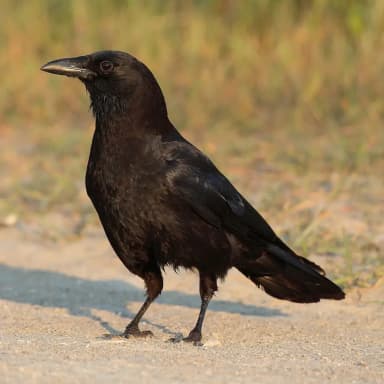
American Crow
 Charles J. Sharp · CC BY-SA 4.0
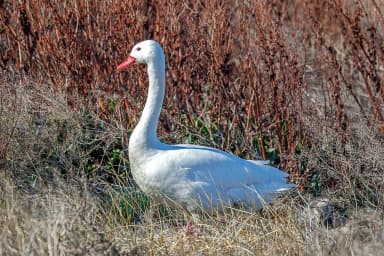
Coscoroba Swan
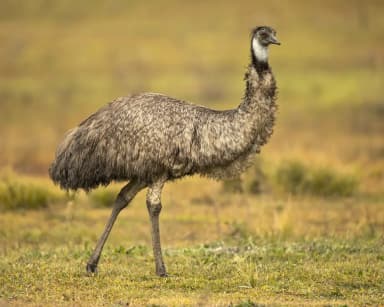 JJ Harrison ( https://www.jjharrison.com.au/ ) · CC BY-SA 4.0
Emu
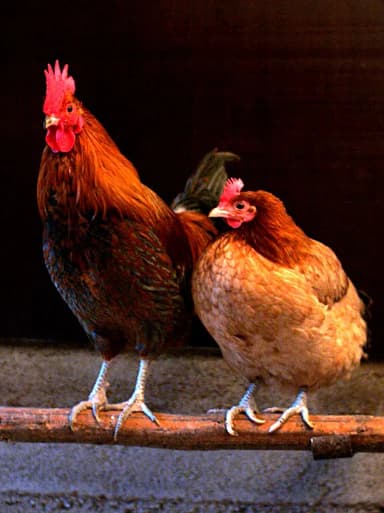 Andrei Niemimäki from Turku, Finland · CC BY-SA 2.0
Chicken
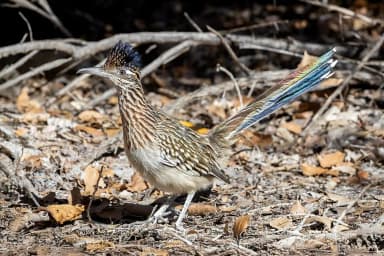 Polinova · CC BY-SA 4.0
Roadrunner
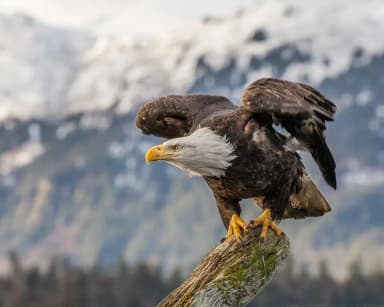 Andy Morffew from Itchen Abbas, Hampshire, UK · CC BY 2.0
Bald Eagle
 Diliff · CC BY-SA 3.0
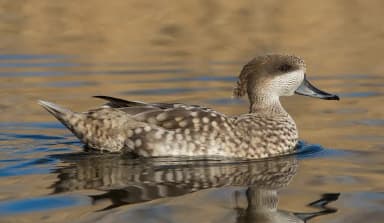
Marbled Teal
 Paulo Antonio Santos · CC BY 3.0
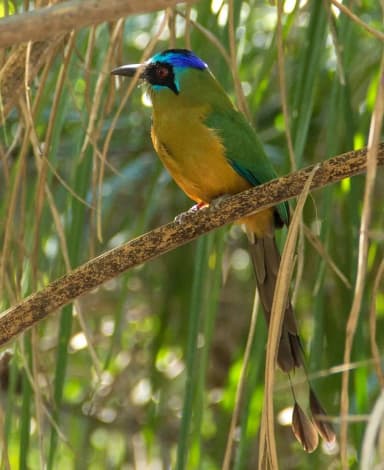
Blue-crowned Motmot
 Dick Daniels ( http://carolinabirds.org/ ) · CC BY-SA 3.0
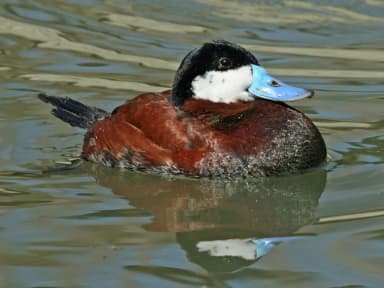
Ruddy Duck
 Kandukuru Nagarjun from Bangalore, India · CC BY 2.0
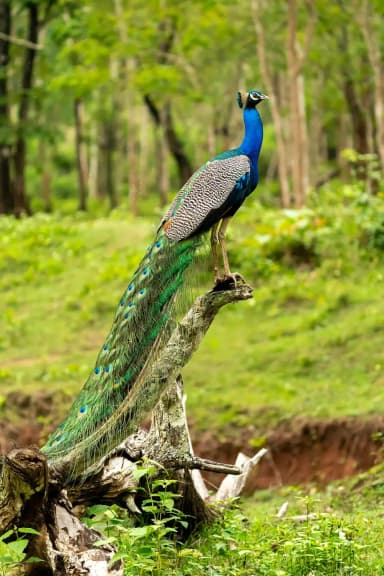
Peafowl
 JJ Harrison ( https://www.jjharrison.com.au/ ) · CC BY-SA 4.0
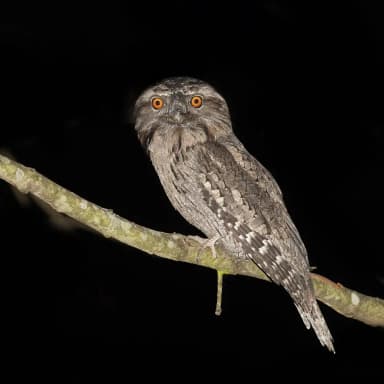
Tawny Frogmouth
 Jim Capaldi from Springfield, USA · CC BY 2.0
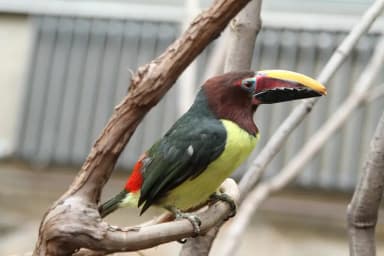
Green Aracari
 Charles J. Sharp · CC BY-SA 4.0
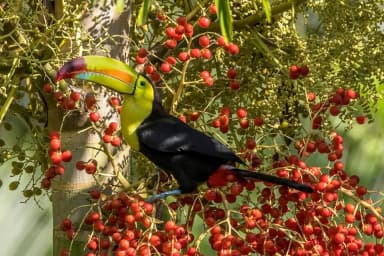
Keel-billed Toucan
 Yathin S Krishnappa · CC BY-SA 4.0
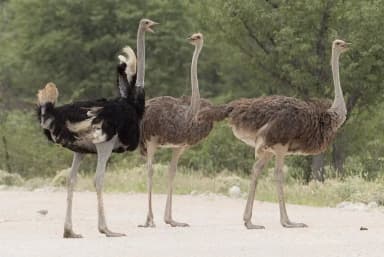
Ostrich
Reptiles60
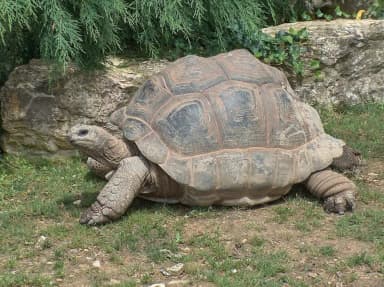 Yotcmdr · Public domain
Aldabra Tortoise
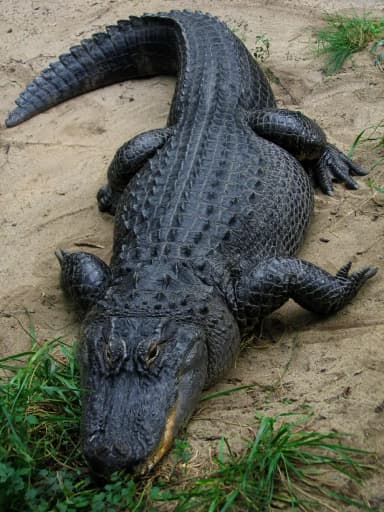 User:Postdlf · CC BY-SA 3.0
American Alligator
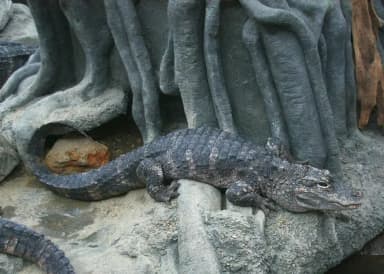 Greg Hume · CC BY-SA 3.0
Chinese Alligator
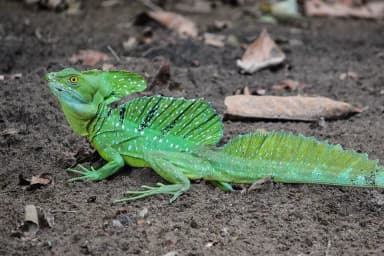 Connor Long · CC BY-SA 4.0
Green Basilisk
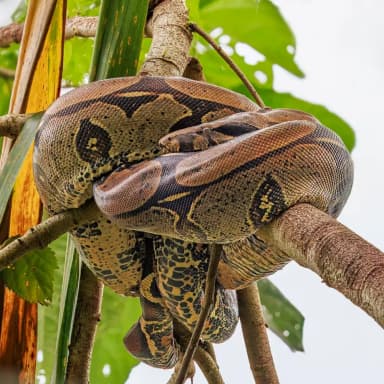 Charles J. Sharp · CC BY-SA 4.0
Boa Constrictor
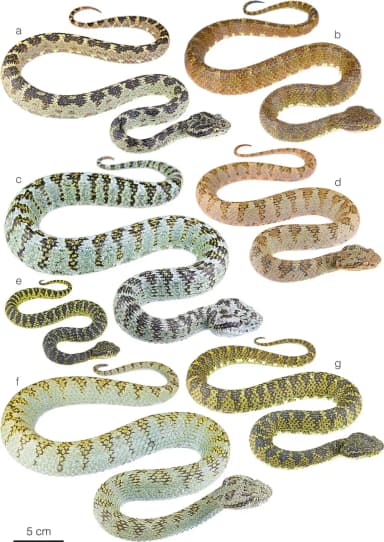 Alejandro Arteaga, R. Alexander Pyron, Abel Batista, Jose Vieira, Elson Meneses Pelayo, Eric N. Smith, César L. Barrio A · CC BY 4.0
Eyelash Viper
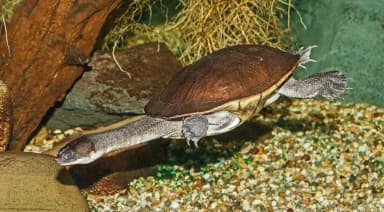 H. Zell · CC BY-SA 3.0
McCord's Snake-necked Turtle
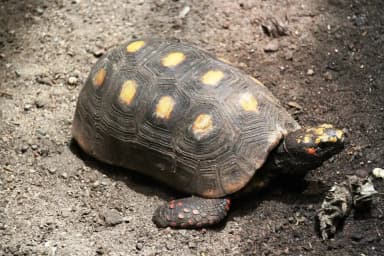 Bjoertvedt · CC BY-SA 3.0
Red-footed Tortoise
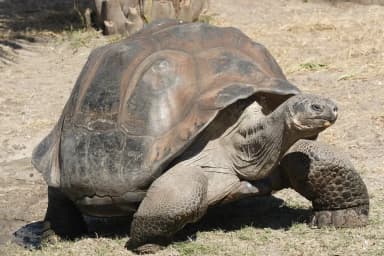 Mfield , Matthew Field, http://www.photography.mattfield.com · CC BY-SA 3.0
Galapagos Tortoise
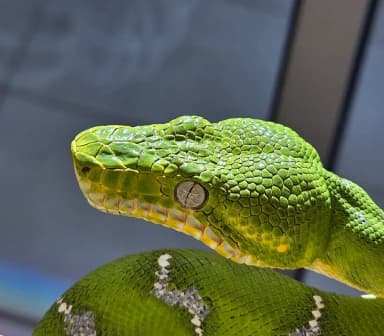 Edeag3 · CC BY-SA 4.0
Emerald Tree Boa
- Cuban Knight Anole
- West African Gaboon Viper
- Brazilian Lancehead
- Australian Snake-necked Turtle
- Cascabel Rattlesnake
- Tamaulipan Rock Rattlesnake
- Southwestern Speckled Rattlesnake
- Dusky Rattlesnake
- Uracoan Rattlesnake
- Southeast Asian Box Turtle
- Yellow-margined Box Turtle
- Pink-bellied Side-neck Turtle
- Burmese Star Tortoise
- Philippine Sailfin Lizard
- Carpet Python
- Samar Spitting Cobra
- Madagascar Day Gecko
- Rufous Beaked Snake
- Sri Lankan Pit Viper
- Beautiful Pitviper
- Sudanese Uromastyx
- Eyed Dab Lizard
Show 28 more reptilesShow fewer reptiles
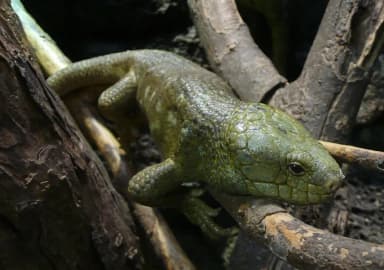 TimVickers · Public domain
Prehensile-tailed Skink
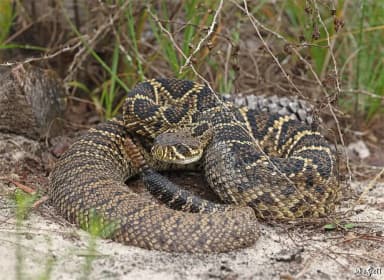 Caudatejake · CC BY-SA 4.0
Eastern Diamondback Rattlesnake
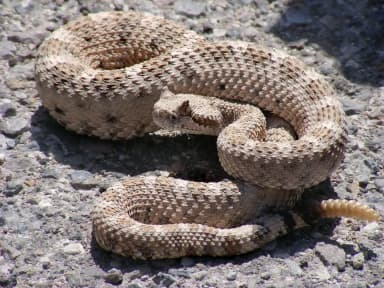 derivative work: Victorrocha ( talk · contribs ) Crotalus_cerastes_mesquite_springs_CA.JPG : Tigerhawkvok ( talk · contr · CC BY-SA 3.0
Sidewinder
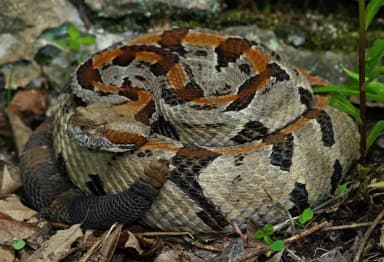 Peter Paplanus from St. Louis, Missouri · CC BY 2.0
Timber Rattlesnake
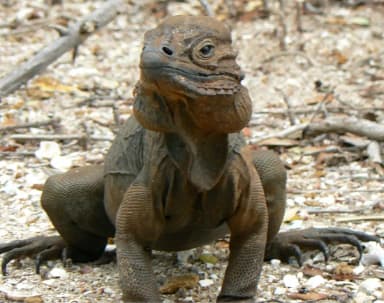 Tim Ross · Public domain
Rhinoceros Iguana
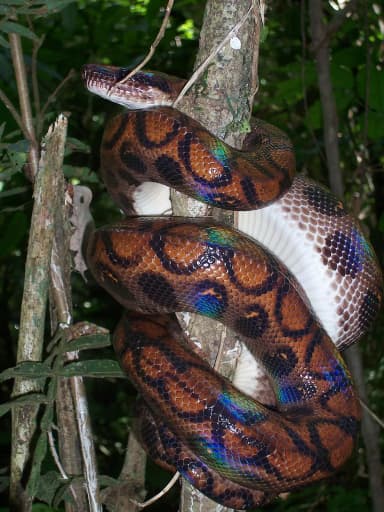 Damien Farrell · CC BY 3.0
Rainbow Boa
 The Reptilarium · CC BY-SA 2.0
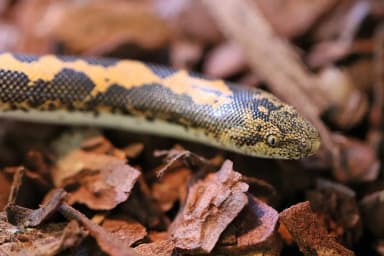
Kenyan Sand Boa
 MKAMPIS · CC BY-SA 4.0
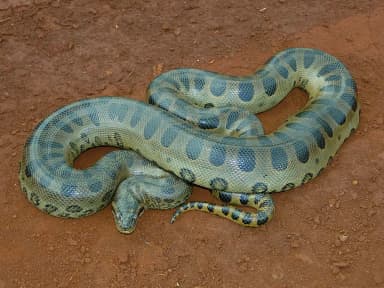
Green Anaconda
 Davidvraju · CC BY-SA 4.0
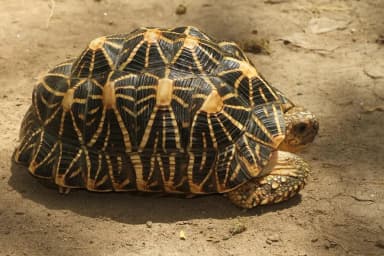
Indian Star Tortoise
 Ltshears · Public domain
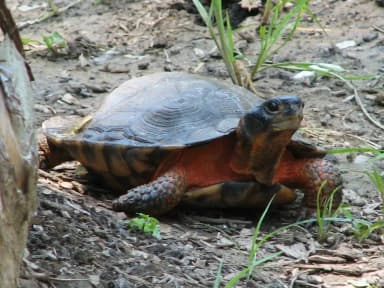
Wood Turtle
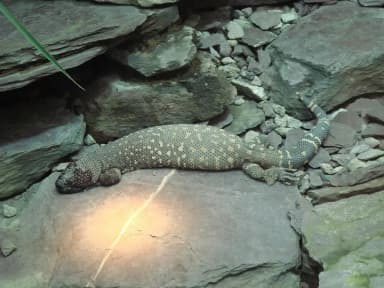 David Rubin · CC BY 2.0
Mexican Beaded Lizard
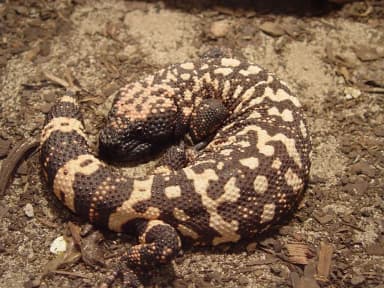 Blueag9 · CC BY-SA 3.0
Gila Monster
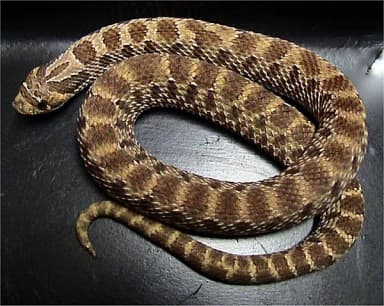 The original uploader was Dawson at English Wikipedia . · CC BY-SA 2.5
Western Hognose Snake
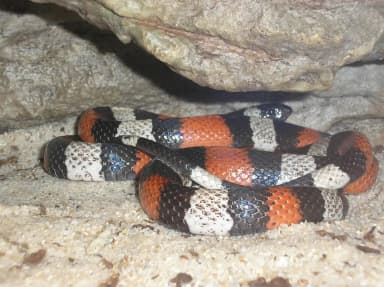 Wikimedia Commons · Attribution
Pueblan Milk Snake
 Dave Pape · Public domain
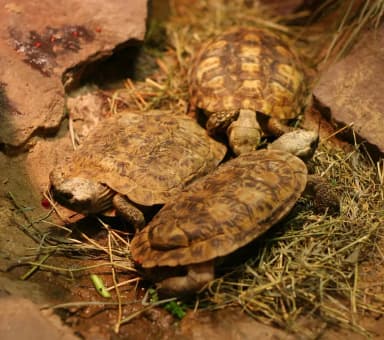
Pancake Tortoise
 This photography was created by Mariluna . Other photos see here . · CC BY-SA 3.0
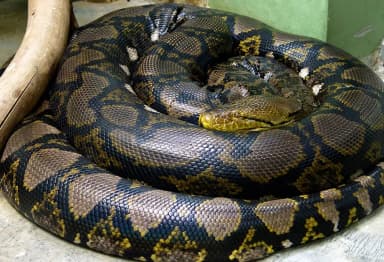
Reticulated Python
 TarnishedPath · CC BY-SA 4.0
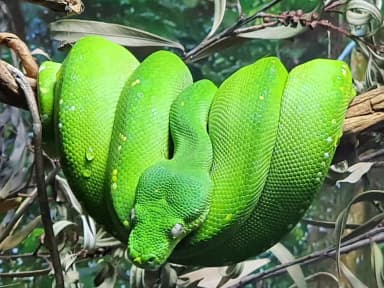
Green Tree Python
 Michael Allen Smith from Seattle, USA · CC BY-SA 2.0
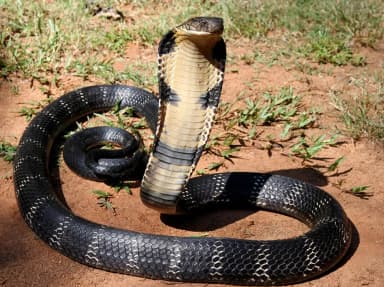
King Cobra
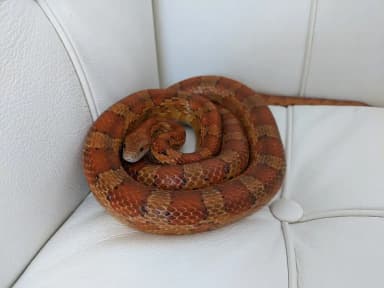 Ethan Porcaro · CC0
Corn Snake
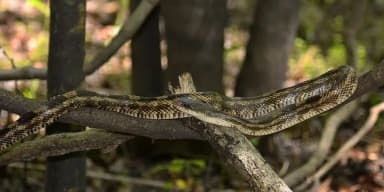 Wilafa · CC BY-SA 4.0
Black Rat Snake
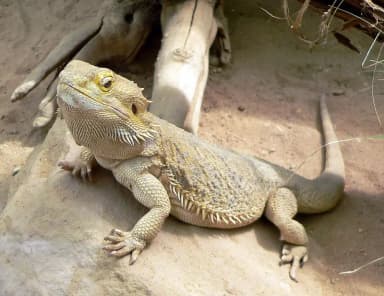 Photograph: Frank C. Müller , Baden-Baden · CC BY-SA 2.5
Bearded Dragon
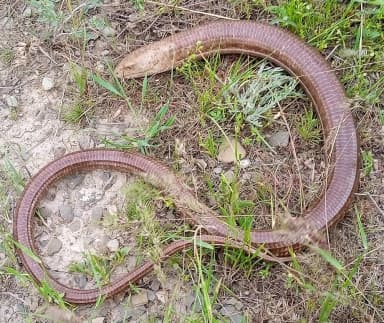 Igor Karyakin · CC BY 4.0
European Glass Lizard
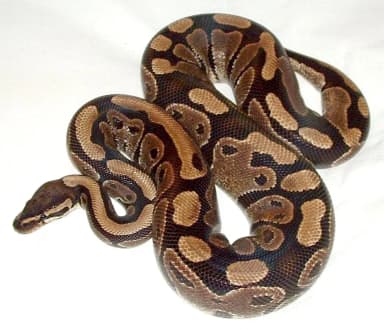 HCA ( talk ) · CC BY-SA 3.0
Ball Python
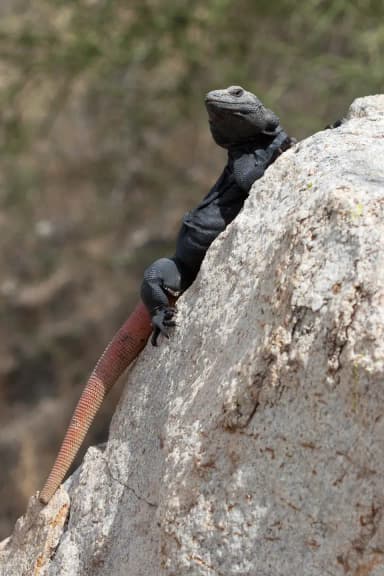 Kaldari · Public domain
Chuckwalla
 Greg Hume · CC BY-SA 4.0
Chinese Crocodile Lizard
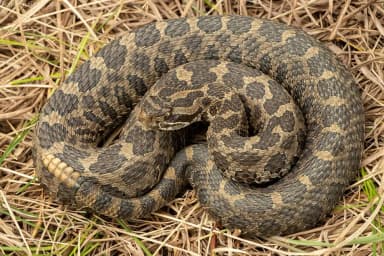 Benjamin Genter · CC0
Eastern Massasauga
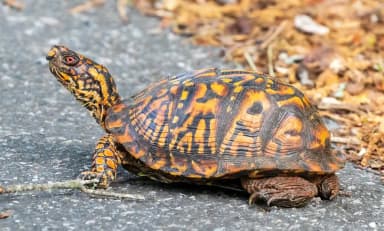 (c) Joshua Liverman, some rights reserved (CC BY) · CC BY 4.0
Eastern Box Turtle
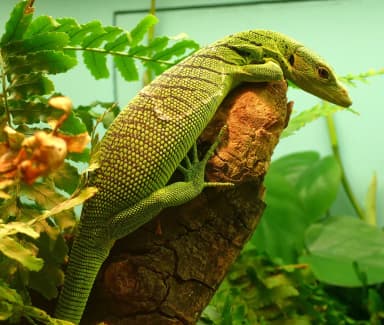 TimVickers · Public domain
Green Tree Monitor
Amphibians11
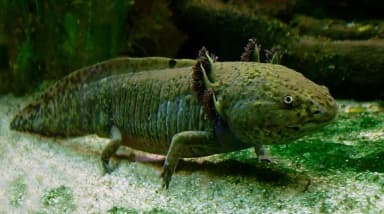
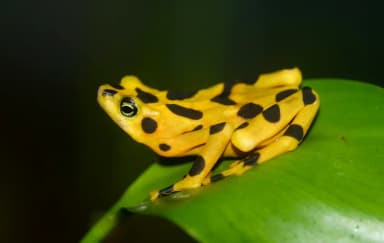
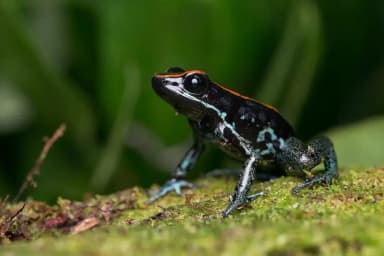
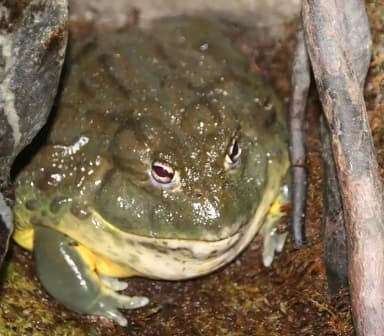
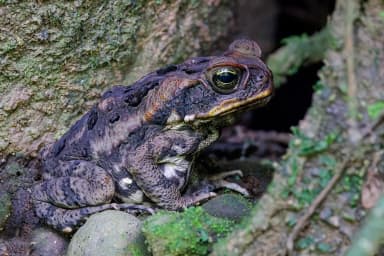
Fish46
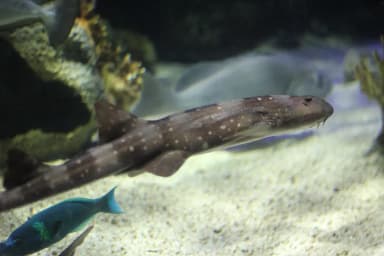 Bennett Graff · CC BY-SA 4.0
White-spotted Bamboo Shark
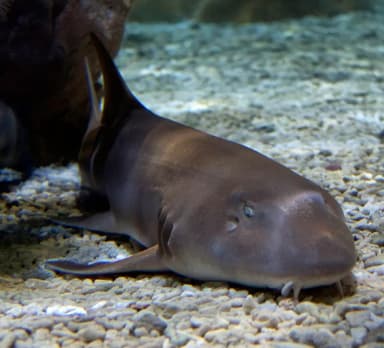 Tony Hisgett from Birmingham, UK · CC BY 2.0
Bamboo Shark
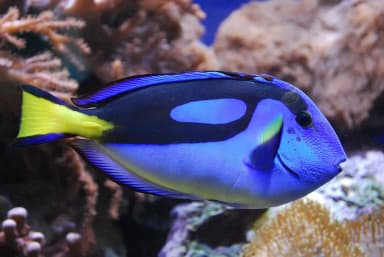 DerHans04 · CC BY-SA 3.0
Blue Tang
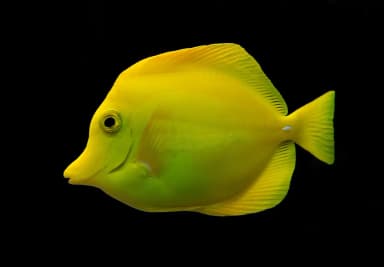 Luc Viatour · CC BY-SA 3.0
Yellow Tang
- Convict Surgeonfish
- Spotted Raphael Catfish
- Bowtie Damselfish
- Yellowtail Clownfish
- Sheepshead
- Blind Cave Fish
- Tricolor Sharkminnow
- Red-tailed Tinfoil Barb
- Redbelly Yellowtail Fusilier
- Saddled Puffer
- Flame Angelfish
- Spadefish
- Atoll Butterflyfish
- Dot-and-Dash Butterflyfish
- Latticed Butterflyfish
- Copperband Butterflyfish
- Striped Burrfish
- Bluegreen Chromis
- Clown Loach
- Yellowtail Blue Damselfish
- Horseshoe Hawkfish
- Loach
- Domino Damselfish
- Black Surfperch
Feathers & Fangs from visitors
What people who've been to Staten Island Zoo say
A Feather is something this zoo does well; a Fang is something it gets wrong. Left by people who've been, and read by us before they appear.
Loading…
About Staten Island Zoo
Staten Island Zoo is an 8-acre urban zoo at 614 Broadway in West New Brighton, Staten Island, part of New York City. It has been accredited by the Association of Zoos and Aquariums since 1988 and is open year-round except on Thanksgiving, Christmas, and New Year's Day. Unlike the other New York City zoos, which are run by the Wildlife Conservation Society, Staten Island Zoo is operated independently by the Staten Island Zoological Society, formed in August 1933 and officially incorporated in July 1934.
The zoo occupies what was once the estate of Colonel Edward Harden, a Spanish-American War veteran who moved to the property in 1908; his wife Julia Harden willed the land to the city on the condition that it be named for her brother-in-law, Civil War Major Clarence Barrett, and the site is still officially recorded as "Barrett Park" in city planning records. The Harden Mansion still stands on the north side of the zoo and is used for offices. Construction began in 1933 as part of a Federal Government works program, and the zoo opened to the public on June 10, 1936, billed at the time as the first U.S. "educational zoo."
Today the zoo's current collection comprises more than 1,550 animals across over 360 species, spanning mammals, birds, reptiles, amphibians, and fish. The zoo's website lists at least 187 species, and its scope has broadened well past its original focus, though reptiles — especially rattlesnakes — remain a defining part of the collection.
History
The Staten Island Zoo's roots trace to three Staten Island military figures of the 1800s: Colonel Edward Harden, Colonel Richard Penn Smith, and Major Clarence Barrett, whose estates sat across from each other on Clove Road. Following Julia Harden's death in 1930, her land was transferred to the city, and it wasn't until the 1960s that "Staten Island Zoo" became the site's popular name over the official "Barrett Park." On March 25, 1935, the New York State Senate passed the Egbert-Robillard Bill to have the city fund zoo maintenance, and on May 7, 1935, the governor signed an agreement allocating public funds for operations while the Zoological Society ran the exhibits, animal care, and education programs. Construction proceeded through 1933 to 1936, converting the 8-acre estate into a zoo.
From 1942 to 1966, Patricia O'Connor served as the zoo's chief animal caretaker, reported to be the only woman veterinarian working at any zoo in the country at the time. By 1949, the zoo held over 1,200 animals, a 400-seat auditorium, and drew 500,000 visitors a year, and was described as "spotless, modern, and odorless." The zoo's parking lot, built in 1968 on a plot once belonging to Colonel Richard Penn Smith's estate, was acquired jointly by the Zoological Society and Saint Peter's Cemetery.
In 1971, several zoo animals died of lead poisoning, including a black leopard, Mr. Leo Pard, who suffered severe nerve damage; the source was traced to tetraethyl lead, a gasoline additive, and the incident contributed to the eventual U.S. phase-out of leaded gasoline. In 2024, the city's Public Design Commission announced plans for a new decorative entrance for the zoo on Clove Road.
Exhibits and habitats
The zoo's original focus was reptiles, and its Serpentarium collection of rattlesnakes is still regarded as among the largest and most complete in North America. As the collection broadened, exhibits came to include the African Savannah at Twilight and the Tropical Forest wing, which underwent a modular update adding humidity-controlled environments for the green anaconda and Chinese alligator.
Animals have arrived over the decades through purchases, transfers from other zoological parks, staff collecting expeditions — including a 1936 rattlesnake-collecting trip by curator Carl Kauffeld and a 1965 trip by zookeeper Bob Zappalorti — and donations, such as a pair of solenodons given by the Dominican Republic's Rafael Trujillo and a marine fish collection donated by the Staten Island Aquarium Society in the late 1950s. The zoo's education building houses four classrooms, a small basement lecture auditorium, and a classroom and private library on the second floor alongside the Zoological Society's administrative offices, supporting an extensive internship program for veterinary students working alongside the zoo's on-site veterinary clinic.
Animal highlights
Staten Island Zoo lists at least 187 species on its website, spanning reptiles, mammals, birds, amphibians, fish, and invertebrates, from the Amur leopard and fossa to Gila monsters and a large run of rattlesnake species including the eastern diamondback, timber, and sidewinder. The zoo's current overall collection is described as comprising more than 1,550 animals across over 360 species.
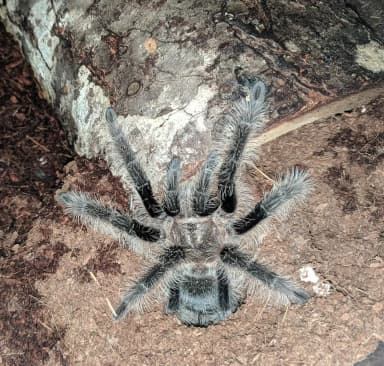
Two animals stand out for local recognition: Staten Island Chuck, a groundhog who serves as the official Groundhog Day forecaster for New York City, and Grandpa, a black-handed spider monkey who made local news for accurately "predicting" the outcome of six of nine matches during the U.S. Open Tennis Championship. The zoo's broader roster includes fennec foxes, capybaras, meerkats, binturongs, ring-tailed lemurs, cotton-top tamarins, a fossa, an Amur leopard, chinchillas, tarantulas, and a wide range of snakes, tortoises, and reef and freshwater fish for its aquarium exhibits.
Conservation and programs
The Staten Island Zoological Society was founded on the principle that the zoo be an educational institution, and that mission continues today through on-site and in-school lessons. The Society held monthly evening lectures at the zoo from its early years, provided school lessons and tours for children, and later expanded its education programs under zoo veterinarian Patricia O'Connor to include programming for hospitalized children as well as courses for teachers and lectures for educators and wildlife clubs. The zoo continues to run a lecture auditorium, classrooms, and a fully operational on-site veterinary clinic that supports an internship program for college students pursuing careers as veterinary technicians and veterinarians.
Planning your visit
The zoo is listed as open all year except Thanksgiving, Christmas Day, and New Year's Day, with hours listed at 10 a.m. to 4:45 p.m. It offers free admission on Wednesdays after 2:00 p.m. Free parking is available in the zoo's own lot at the corner of Martling Avenue and Clove Road, with additional street parking on Broadway; the zoo is also reachable by the S-53 bus from Bay Ridge and the S-48 bus from the Staten Island Ferry Terminal, both listed as stopping near the Clove Road entrance.
The Zoo Café on the grounds serves snacks like pretzels and popcorn along with meals such as hamburgers, hot dogs, and grilled cheese sandwiches, plus vegetarian options including veggie burgers and plant-based chicken nuggets. Visitors are also welcome to bring their own food to eat at picnic tables under a covered pavilion or at outdoor tables and benches, and water refill stations are available throughout the grounds.
For guests with sensory processing needs, the zoo has partnered with KultureCity and offers training-based accommodations and resources. The zoo also publishes tiered visitor's guides for parents and teachers preparing children for a visit, available as handouts or presentation slides. Children under 14 must be supervised, and items such as rollerblades, skateboards, bikes, scooters, balloons, and balls are not permitted on the grounds for safety reasons. As with any listed details, confirm current hours, admission, and rules on the zoo's official website before your visit.
What we haven't confirmed
Everything above came from public sources. These specifics we haven't stood behind yet:
- Ticket prices
- Total acreage confirmation beyond the historic 8-acre estate figure
- Annual visitor numbers
- Time needed for a typical visit
- Phone number
- Wheelchair/stroller accessibility details
Staten Island Zoo compared with nearby zoos
How Staten Island Zoo lines up against the closest zoos we have details for — useful if you're deciding between them for the same day out.
| Zoo | Distance | Admission | Hours | Size | AZA |
|---|---|---|---|---|---|
| Staten Island ZooThis zooNew York City, NY | — | $12 | 10AM – 4:45PM | 8 acres | Yes |
| Liberty Science CenterJersey City, NJ | 7 mi | — | Hours vary by date. Oct 1: 10–6; Oct 2: 10–4; Oct 3–4: 10–5; Oct 5–7: closed; Oct 8–9: 10–4; Oct 10–11: 10–5; Oct 12: 10–4. Closed Oct 5–7, 2026. | — | No |
| Prospect Park ZooNew York City, NY | 8 mi | $10.95 | 10:00 AM – 5:00 PM | 12 acres | Yes |
| Central Park ZooNew York City, NY | 12 mi | $22.95 | 10:00 AM – 5:00 PM | 6.5 acres | Yes |
Distances are straight-line. A dash means we haven't confirmed that detail yet, not that the zoo lacks it.
AZAThe Association of Zoos and Aquariums. Accredited members have passed an independent inspection of animal care and welfare, safety, conservation and education, repeated every five years. Many smaller facilities never apply, so “not accredited” isn't a verdict on its own. What accreditation means · How we check this
Staten Island Zoo: common questions
Is Staten Island Zoo AZA accredited?
Yes, it has been accredited by the Association of Zoos and Aquariums since 1988.
How big is Staten Island Zoo?
It covers 8 acres in West New Brighton, Staten Island.
When did it open?
It opened to the public on June 10, 1936, after construction that began in 1933.
How many species can you see?
The zoo's website lists at least 187 species, out of a current collection described as more than 1,550 animals across over 360 species.
Is there free admission at any time?
Yes, admission is free on Wednesdays after 2:00 p.m., as listed on the zoo's website.
Is there parking?
Yes, the zoo has a free parking lot at Martling Avenue and Clove Road, plus street parking on Broadway.
Is there food inside?
Yes, the Zoo Café offers snacks and meals, including vegetarian options, and outside food is also permitted at the zoo's picnic areas.
Something wrong here? Tell us — we correct in place, with a dated note.