- Where to see one
- 5 U.S. zoos in our directory hold black-necked swan, confirmed against each zoo's own animal list.
Conservation status
Not Evaluated
This species has not been assessed for the IUCN Red List, so it sits outside the threat scale entirely.
About the black-necked swan
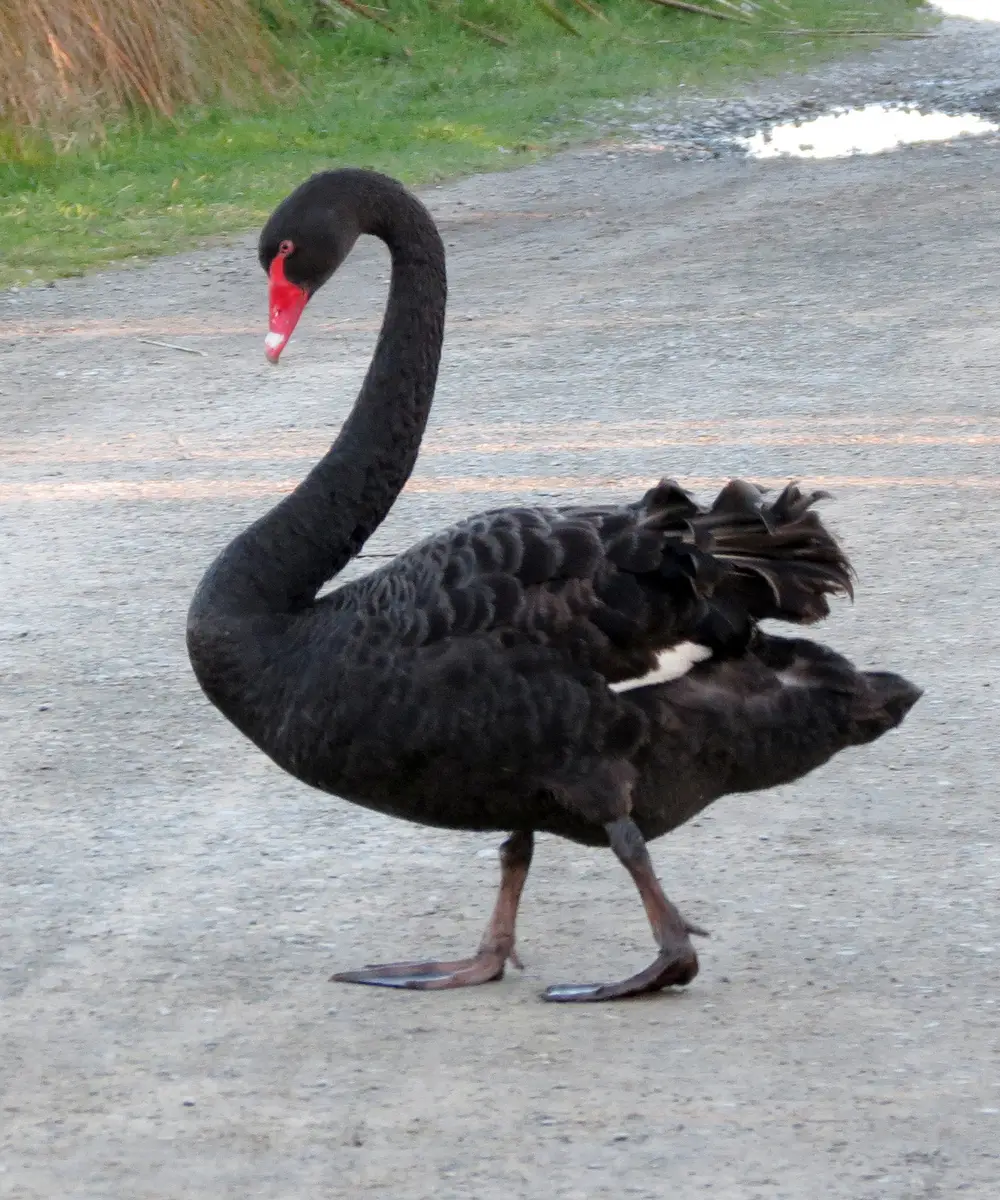
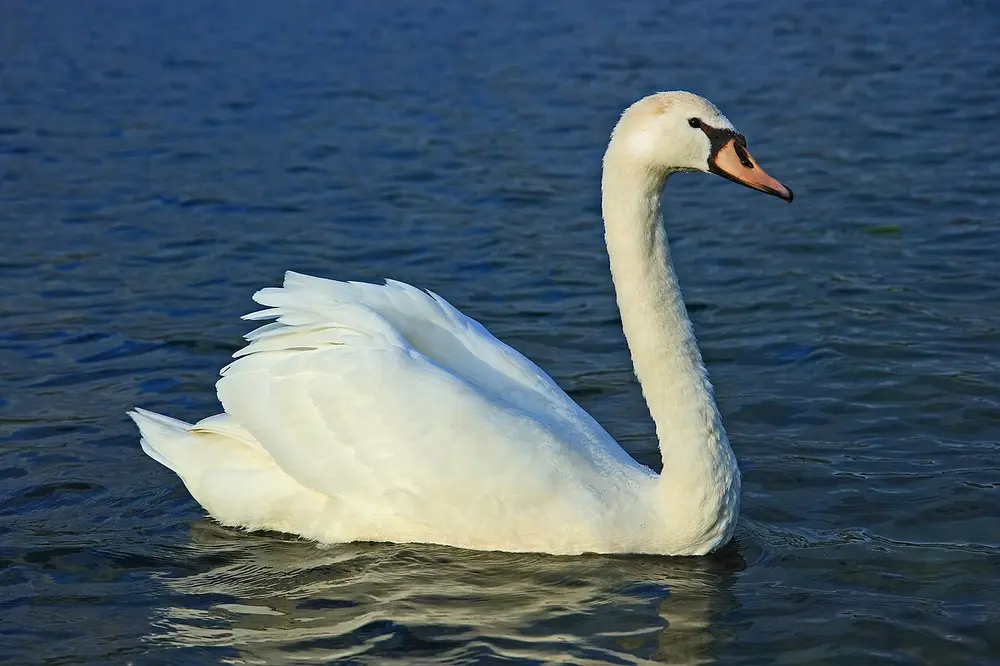
The black-necked swan is a South American waterfowl found in Argentina, Brazil, Chile, Uruguay and the Falkland Islands. It is the largest waterfowl native to South America, though the lightest true swan on average, with adults 102 to 126 cm (40 to 50 in) long. The body is white, the head and neck black, with a white stripe behind the eye and a prominent red knob at the base of the bill. It lives in freshwater marshes, shallow lakes, brackish lagoons and sheltered coasts, feeding almost entirely on aquatic plants. Pairs are believed to bond long term and build a mound nest of vegetation, laying four to eight eggs.
Black-necked Swan facts
- Juveniles are grayish rather than white and lack the red bill knob until their third or fourth year.
- A sanctuary population on Chile's Cruces River peaked at 22,419 in May 2020, then fell to 2,782 by May 2022.
- Wetlands created by Chile's 1960 Valdivia earthquake became important population centers.
- Vagrants have reached the Antarctic Peninsula and the South Shetland Islands.
Where to see black-necked swan in the U.S.
5 zoos across 4 states
Find the closest one
Rank the 5 zoos holding black-necked swan by how far they are from you. Your location is used in your browser to sort this list and is never sent to us.
Louisiana· 1
Mississippi· 1
New York· 2
Texas· 1
AZAThe Association of Zoos and Aquariums. Accredited members have passed an independent inspection of animal care and welfare, safety, conservation and education, repeated every five years. Many smaller facilities never apply, so “not accredited” isn't a verdict on its own. What accreditation means · How we check this
Built from each zoo's own published animal list.