
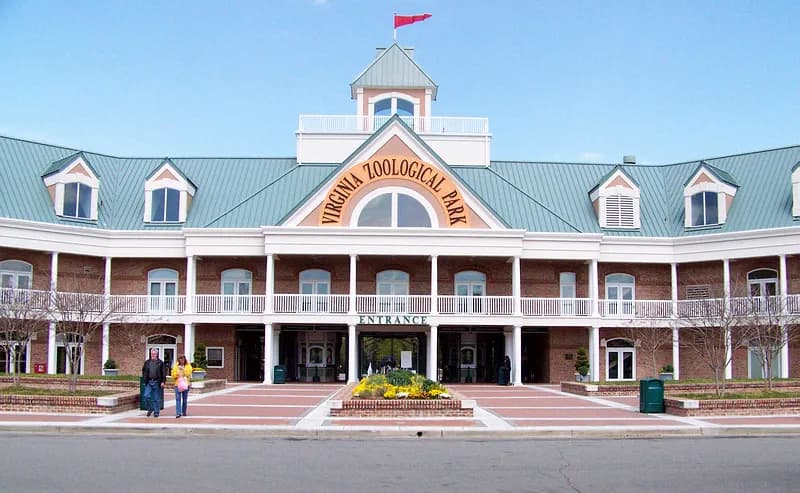
- Admission
- $20
- Size
- 53 acres
- Opened
- 1900
- Accreditation
- AZA
Association of Zoos and Aquariums
Everything below is directory information drawn from public sources and the zoo's own site.
Animals at Virginia Zoological Park
152 confirmedMammals35
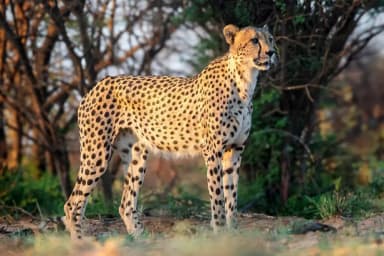 AfricanConservation · CC BY-SA 4.0
Cheetah
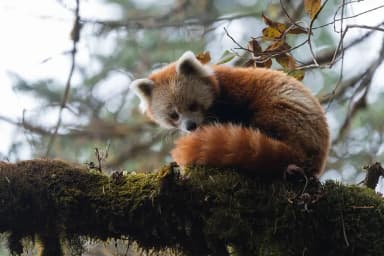 Sunuwargr · CC BY-SA 4.0
Red panda
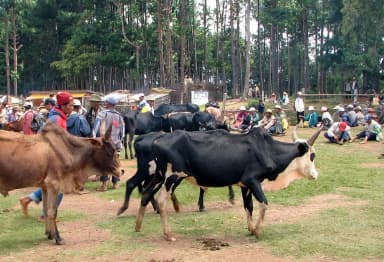 Bernard Gagnon · CC BY-SA 3.0
Zebu
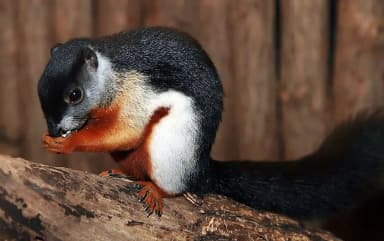 David J. Stang · CC BY-SA 4.0
Prevost's Squirrel
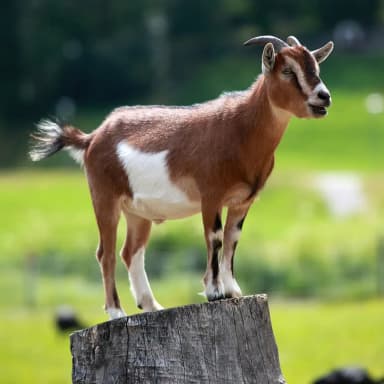 Kuebi = Armin Kübelbeck · CC BY-SA 3.0
Nigerian Dwarf Goat
 iNaturalist observer (CC0) · CC0
Screaming Hairy Armadillo
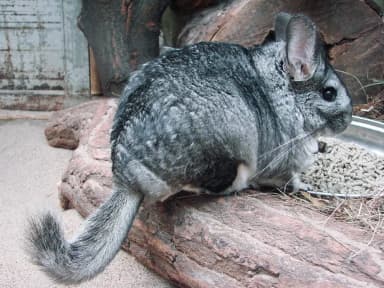 Guérin Nicolas ( messages ) · CC BY-SA 3.0
Chinchilla
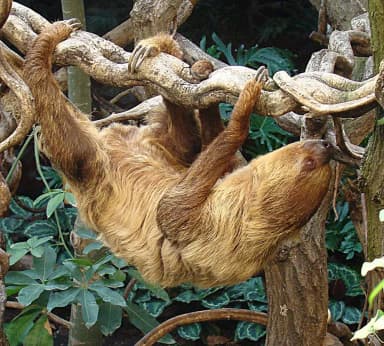 Dick Culbert from Gibsons, B.C., Canada · CC BY 2.0
Two-toed Sloth
 Cody Pope · CC BY-SA 2.5
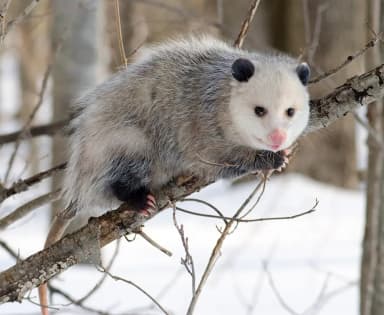
Virginia Opossum
 Hugo Hulsberg · CC0
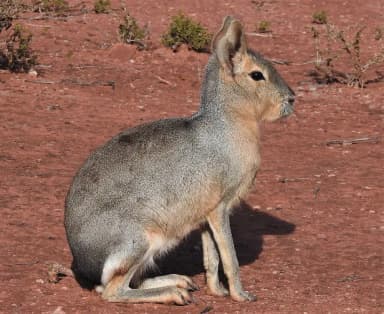
Patagonian Mara
 Steven Lek · CC BY-SA 4.0
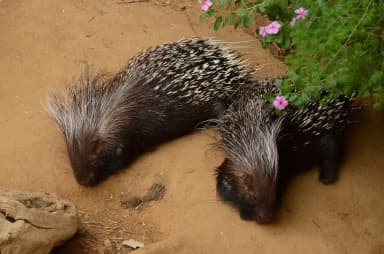
Cape Porcupine
 AfricanConservation · CC BY-SA 4.0
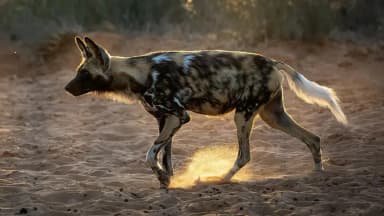
African Wild Dog
 Wallace Keck · Public domain
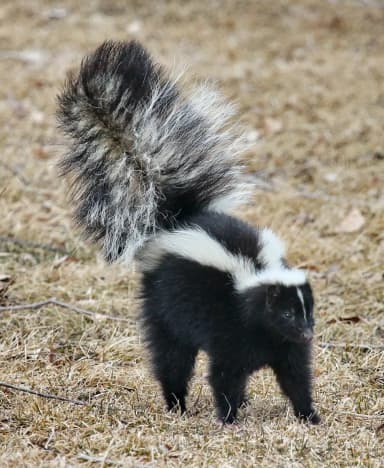
Striped Skunk
 Hasekamp at Dutch Wikipedia · CC BY-SA 3.0
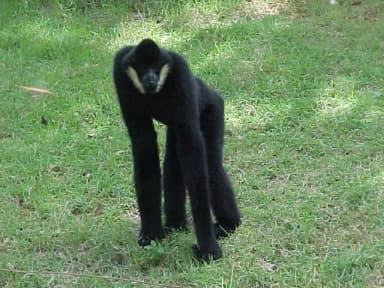
White-cheeked Gibbon
 Giles Laurent · CC BY-SA 4.0
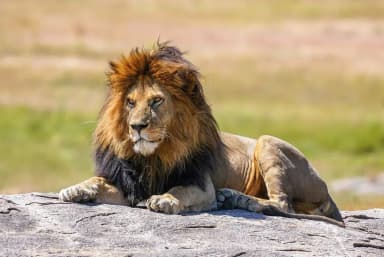
Lion
 Jik jik · CC BY-SA 4.0
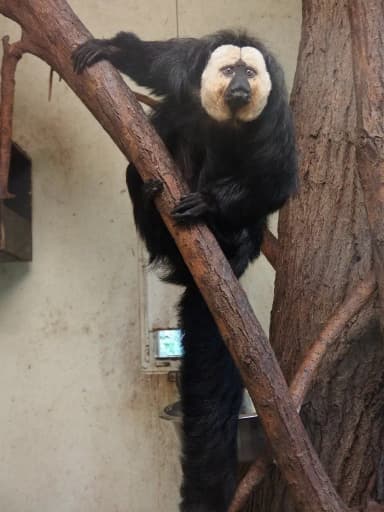
White-faced Saki
 Naturedata · CC0
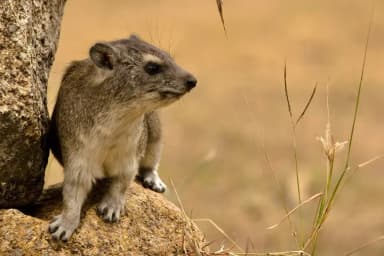
Rock Hyrax
 Charles J. Sharp · CC BY-SA 4.0
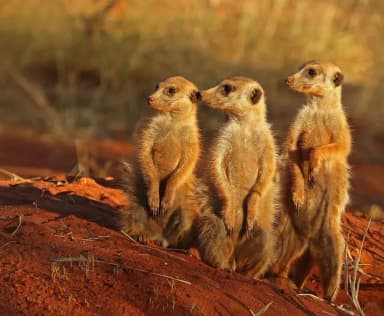
Meerkat
 Rufus46 · CC BY-SA 3.0
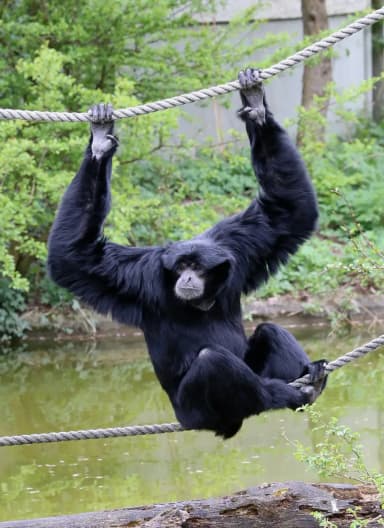
Siamang
 Rufus46 · CC BY-SA 3.0
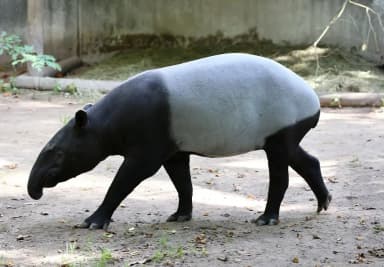
Malayan Tapir
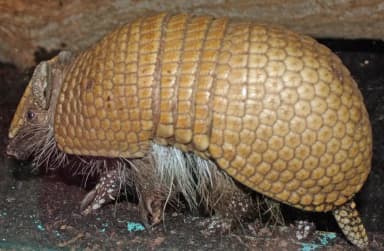 SouthernThreeBandedArmadillo065.jpg : Ltshears derivative work: WolfmanSF ( talk ) · CC BY-SA 3.0
Three-banded Armadillo
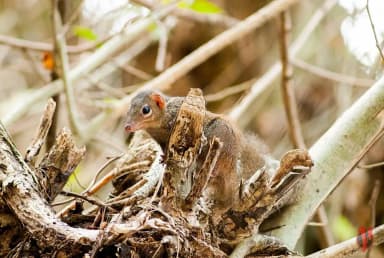 Long Vu · CC BY 4.0
Northern Tree Shrew
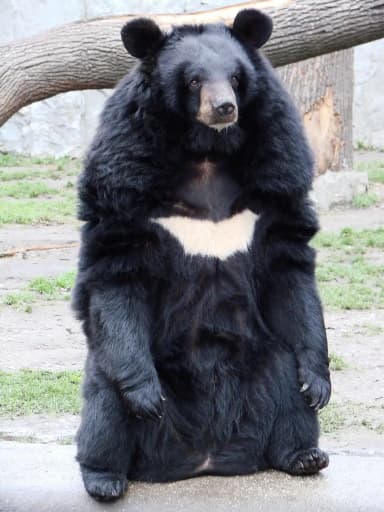 Guérin Nicolas ( messages ) · CC BY-SA 3.0
Asiatic Black Bear
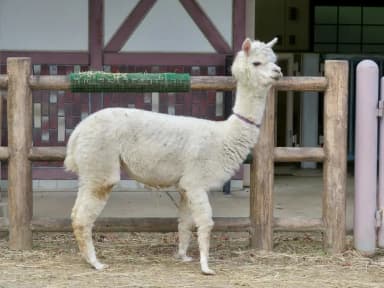 KKPCW · CC BY-SA 4.0
Alpaca
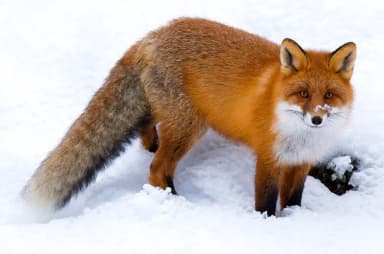 ClaudiaTen · CC BY-SA 4.0
Red Fox
Birds28
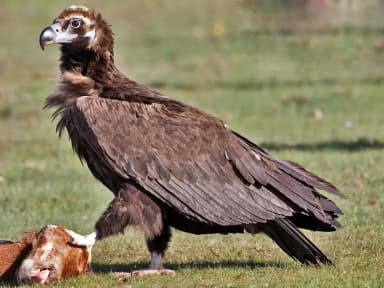 Juan Lacruz · CC BY-SA 3.0
Cinereous Vulture
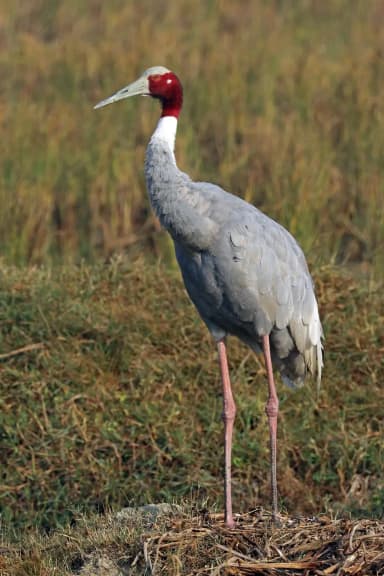 Charles J. Sharp · CC BY-SA 4.0
Sarus Crane
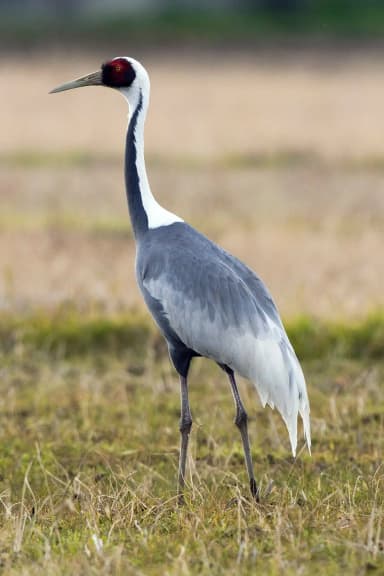 Spaceaero2 · CC BY-SA 3.0
White-naped Crane
 Arjan Haverkamp · CC BY 2.0
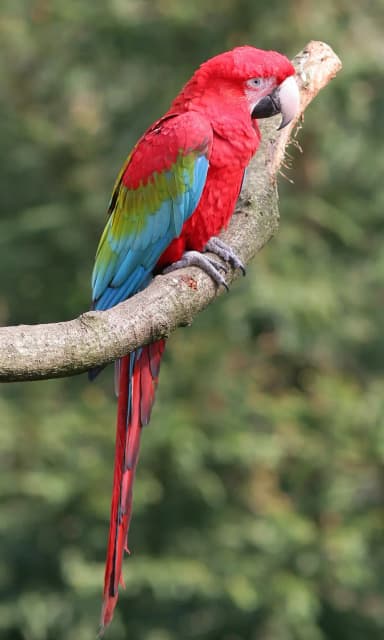
Green-winged Macaw
 Martin Mecnarowski ( http://www.photomecan.eu/ ) · CC BY-SA 3.0
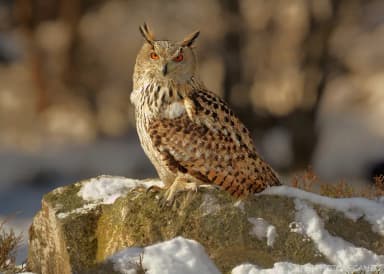
Eurasian Eagle-Owl
 JP Bennett from Yamato, Japan · CC BY 2.0
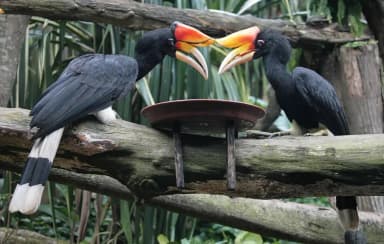
Rhinoceros Hornbill
 Bernard DUPONT from FRANCE · CC BY-SA 2.0
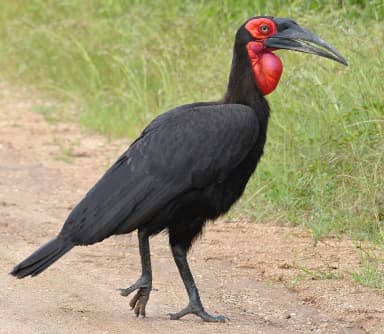
Southern Ground Hornbill
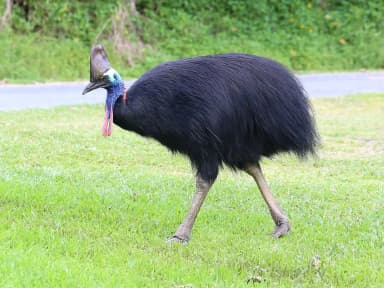 Summerdrought · CC BY-SA 4.0
Southern Cassowary
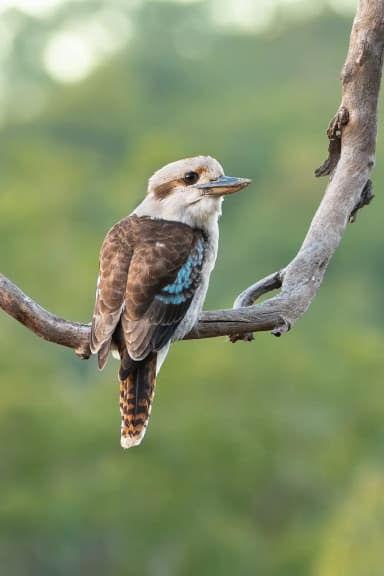 Photo by: Paulweberphoto - paulweberphoto.com · CC BY 4.0
Laughing Kookaburra
 Charles J. Sharp · CC BY-SA 4.0
White-headed Buffalo Weaver
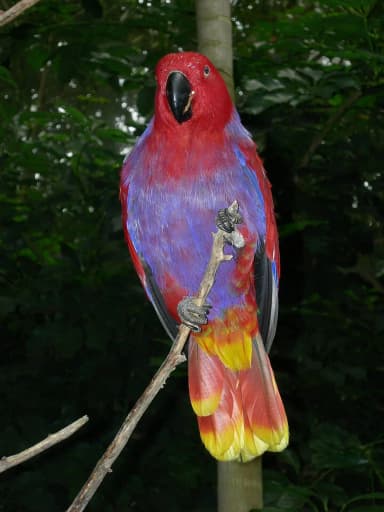 Selena N. B. H. from Carrboro, USA · CC BY 2.0
Eclectus Parrot
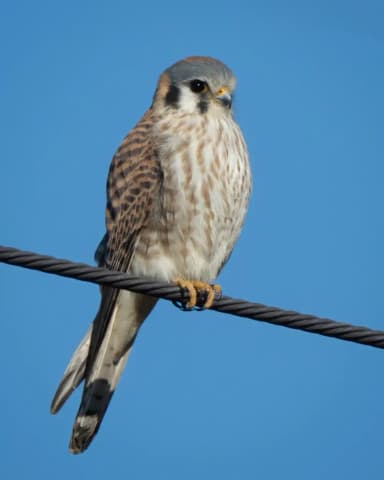 Channel City Camera Club from Santa Barbara, US · CC BY 2.0
American Kestrel
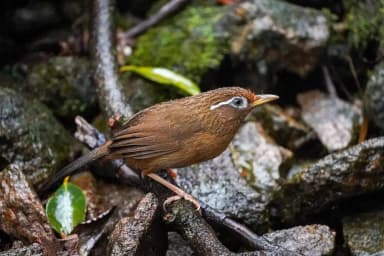 Sun Jiao (Interaccoonale) · CC BY 4.0
Chinese Hwamei
 JJ Harrison · CC BY-SA 4.0
White-crested Laughingthrush
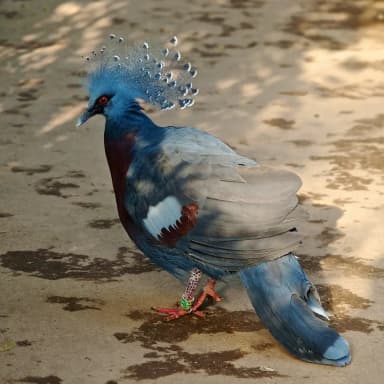 Jörg Hempel · CC BY-SA 3.0 de
Victoria Crowned Pigeon
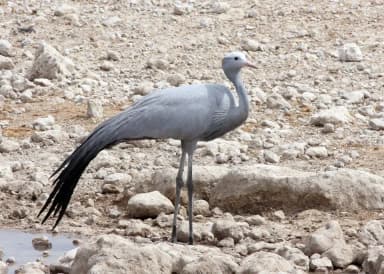 Ron Knight from Seaford, East Sussex, United Kingdom · CC BY 2.0
Blue Crane
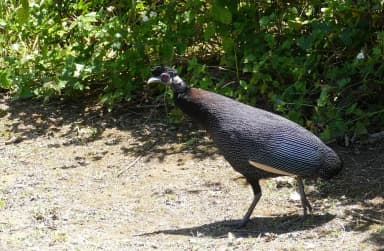 Bernard Dupont · CC BY-SA 2.0
Crested Guineafowl
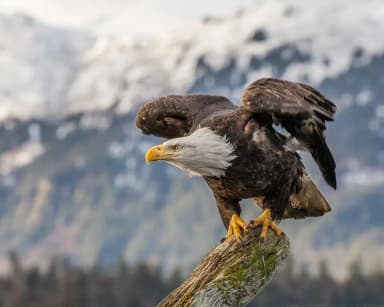 Andy Morffew from Itchen Abbas, Hampshire, UK · CC BY 2.0
Bald Eagle
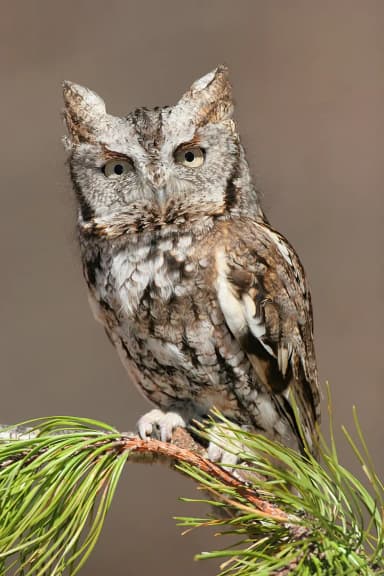 Wolfgang Wander · CC BY-SA 3.0
Eastern Screech-Owl
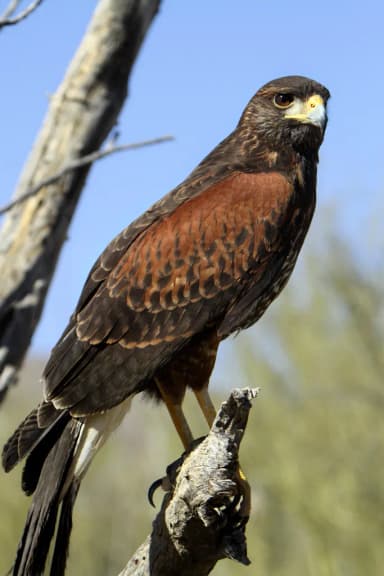 Alan Vernon · CC BY 2.0
Harris's Hawk
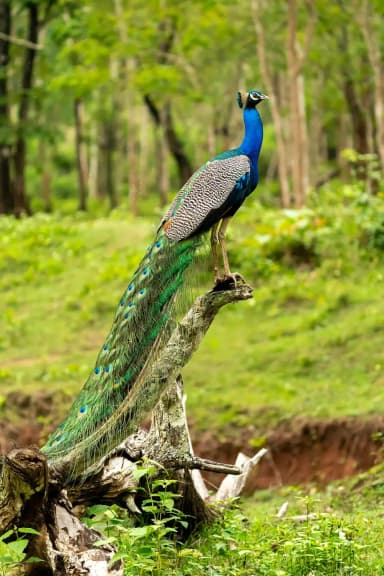 Kandukuru Nagarjun from Bangalore, India · CC BY 2.0
Peafowl
 Devin Morris · CC BY-SA 4.0
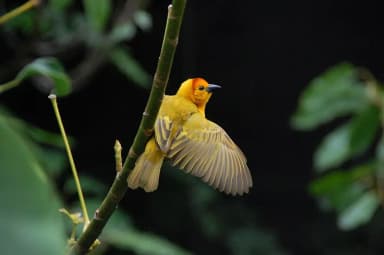
Taveta Golden Weaver
 JJ Harrison ( https://www.jjharrison.com.au/ ) · CC BY-SA 4.0
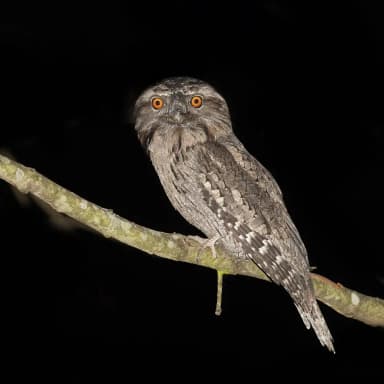
Tawny Frogmouth
 Giles Laurent · CC BY-SA 4.0
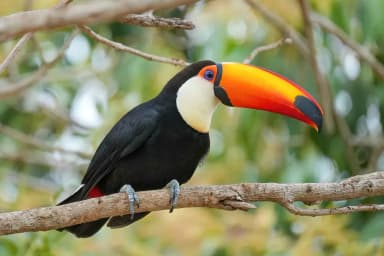
Toco Toucan
 Yoky · CC BY-SA 3.0
Von der Decken's Hornbill
Reptiles67
 CDC/ Edward J. Wozniak D.V.M., Ph.D., John Willson at the University of Georgia, at the Savannah River Ecology Laborator · Public domain
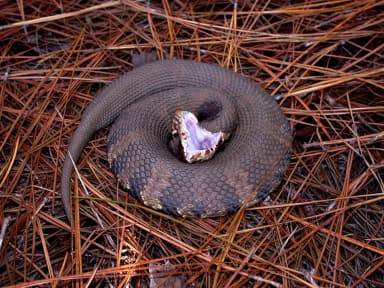
Cottonmouth
 Yotcmdr · Public domain
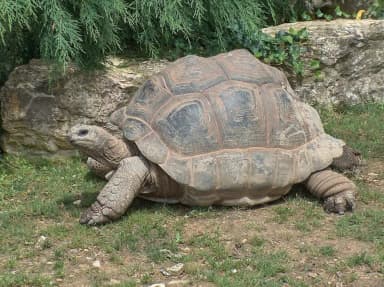
Aldabra Tortoise
 Charles J. Sharp · CC BY-SA 4.0
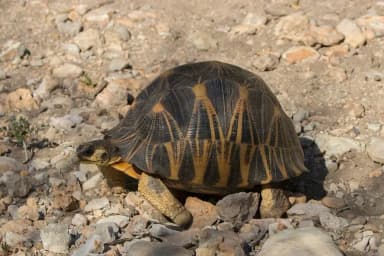
Radiated Tortoise
 Alejandro Arteaga, R. Alexander Pyron, Abel Batista, Jose Vieira, Elson Meneses Pelayo, Eric N. Smith, César L. Barrio A · CC BY 4.0
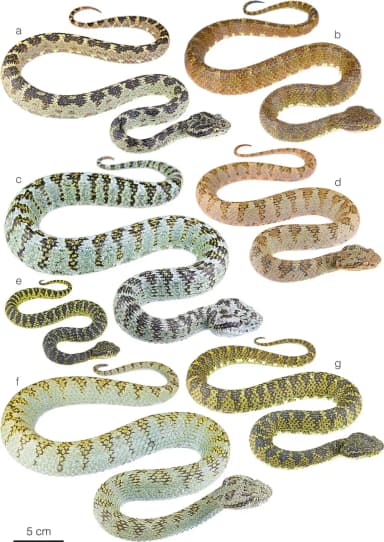
Eyelash Viper
 H. Zell · CC BY-SA 3.0
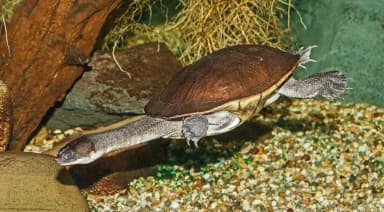
McCord's Snake-necked Turtle
 Casey Klebba · CC BY-SA 4.0
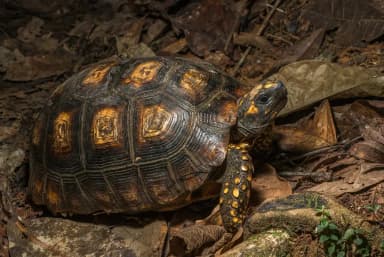
Yellow-footed Tortoise
 J. Patrick Fischer · CC BY-SA 3.0
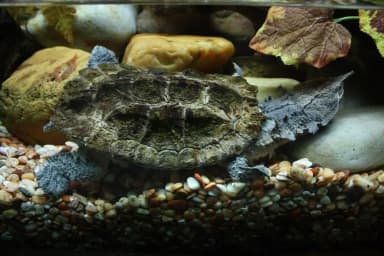
Matamata
 TimVickers · Public domain
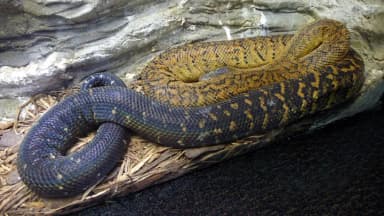
Jamaican Boa
 hug_78 · CC BY 2.0
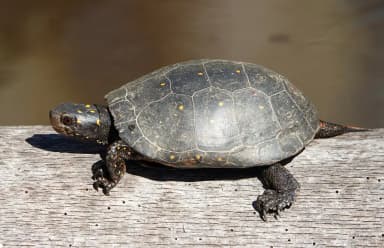
Spotted Turtle
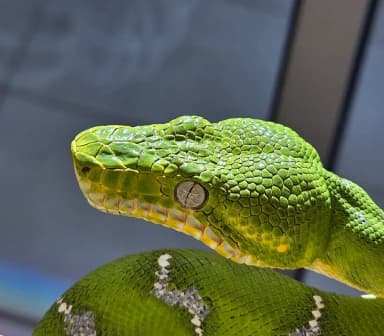 Edeag3 · CC BY-SA 4.0
Emerald Tree Boa
- Arboreal Alligator Lizard
- Legless Lizard
- Smallwood's Anole
- Rhinoceros Viper
- Red-tailed Boa
- Mangrove Snake
- Fiji Banded Iguana
- Frilled Lizard
- Siamese Crocodile
- Banded Rock Rattlesnake
- Speckled Rattlesnake
- Black-tailed Cribo
- Tentacled Snake
- Sailfin Dragon
- Bamboo Ratsnake
- Eastern Ratsnake
- Baron's Green Racer
- Giant Horned Lizard
- Orange-tailed Skink
- Angolan Python
- Timor Python
- Shingleback Skink
- Egyptian Spiny-tailed Lizard
- Ornate Uromastyx
Show 33 more reptilesShow fewer reptiles
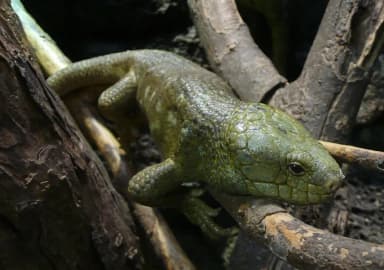 TimVickers · Public domain
Prehensile-tailed Skink
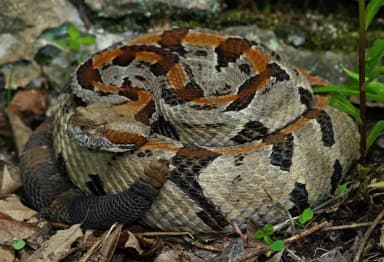 Peter Paplanus from St. Louis, Missouri · CC BY 2.0
Timber Rattlesnake
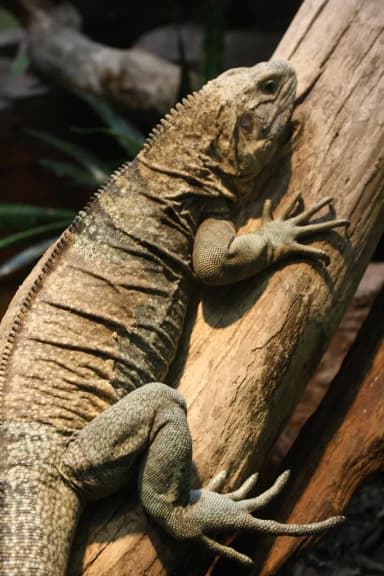 .RGB. · CC BY 2.0
Jamaican Iguana
 Brett Weinstein · CC BY-SA 3.0
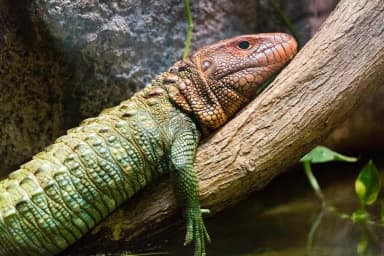
Caiman Lizard
 Andrew C · CC BY 2.0
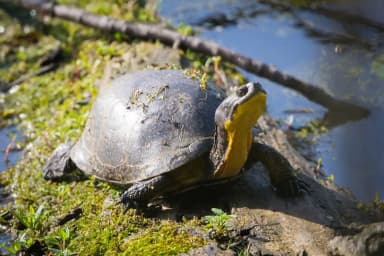
Blanding's Turtle
 George Chernilevsky · Public domain
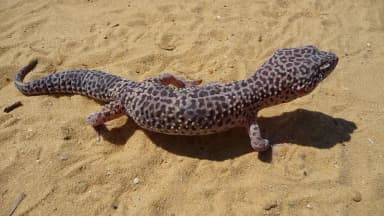
Leopard Gecko
 MKAMPIS · CC BY-SA 4.0
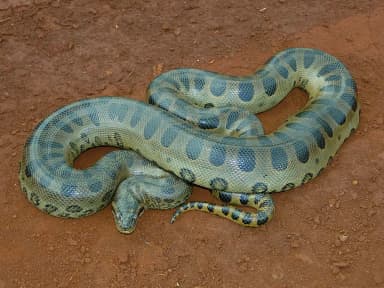
Green Anaconda
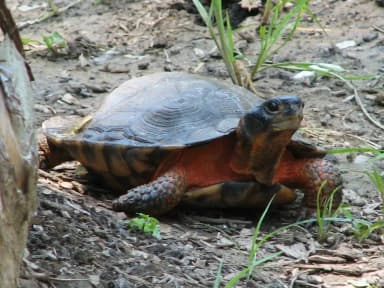 Ltshears · Public domain
Wood Turtle
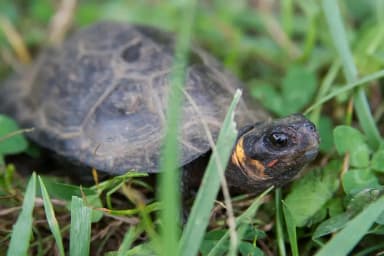 U.S. Fish and Wildlife Service Southeast Region · Public domain
Bog Turtle
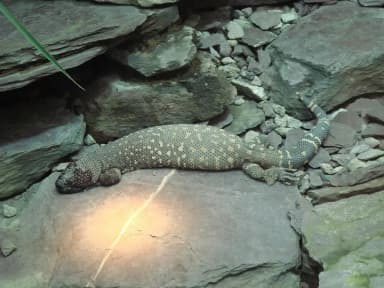 David Rubin · CC BY 2.0
Mexican Beaded Lizard
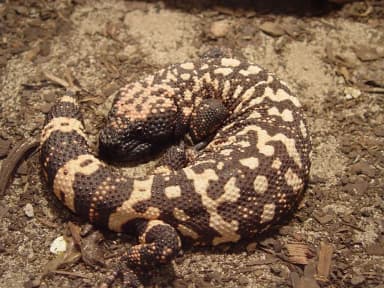 Blueag9 · CC BY-SA 3.0
Gila Monster
 Frank Vassen · CC BY 2.0
Madagascar Giant Hognose Snake
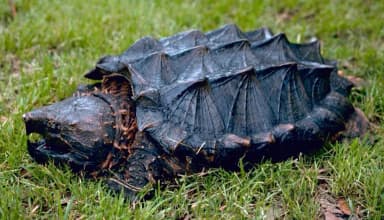 Gary M. Stolz/U.S. Fish and Wildlife Service · Public domain
Alligator Snapping Turtle
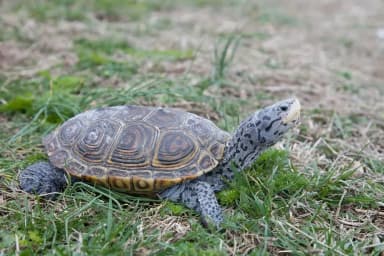 Ryan Hagerty · Public domain
Diamondback Terrapin
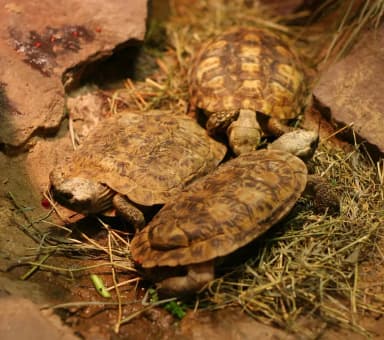 Dave Pape · Public domain
Pancake Tortoise
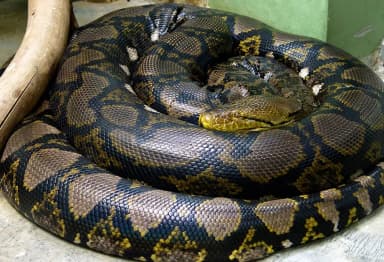 This photography was created by Mariluna . Other photos see here . · CC BY-SA 3.0
Reticulated Python
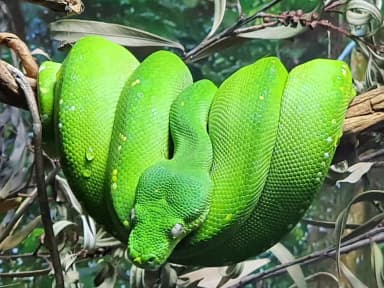 TarnishedPath · CC BY-SA 4.0
Green Tree Python
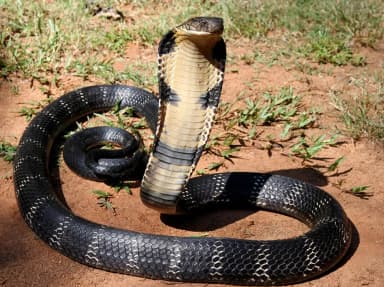 Michael Allen Smith from Seattle, USA · CC BY-SA 2.0
King Cobra
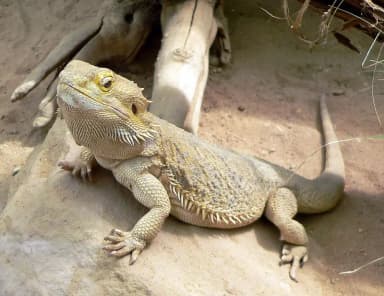 Photograph: Frank C. Müller , Baden-Baden · CC BY-SA 2.5
Bearded Dragon
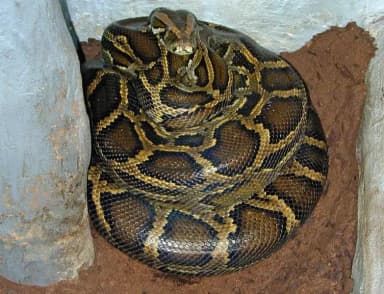 Tigerpython · CC BY 3.0
Burmese Python
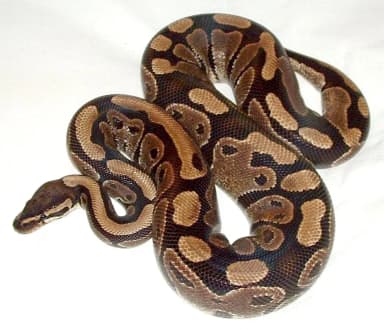 HCA ( talk ) · CC BY-SA 3.0
Ball Python
 Greg Hume · CC BY-SA 4.0
Chinese Crocodile Lizard
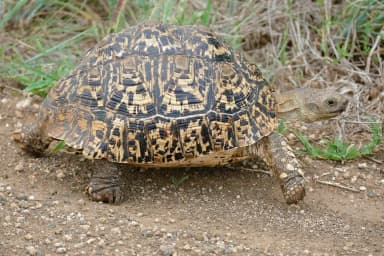 Bernard DUPONT from FRANCE · CC BY-SA 2.0
Leopard Tortoise
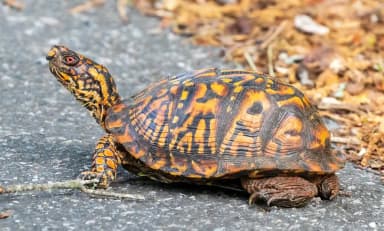 (c) Joshua Liverman, some rights reserved (CC BY) · CC BY 4.0
Eastern Box Turtle
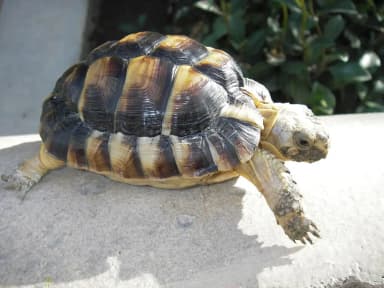 Mtsackid at English Wikipedia · Public domain
Egyptian Tortoise
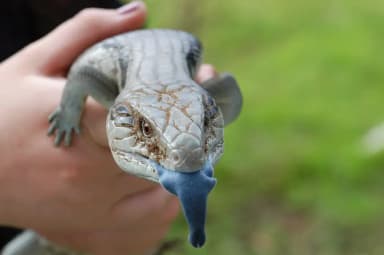 Doug Beckers · CC BY-SA 2.0
Blue-tongued Skink
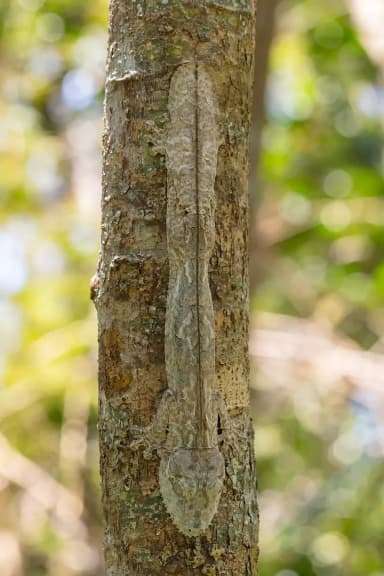 Diego Delso · CC BY-SA 4.0
Henkel's Leaf-tailed Gecko
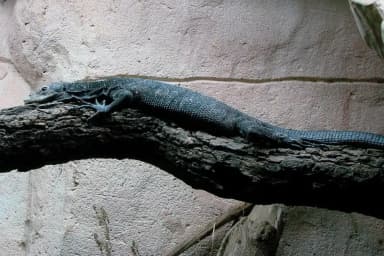 Vassil · Public domain
Black Tree Monitor
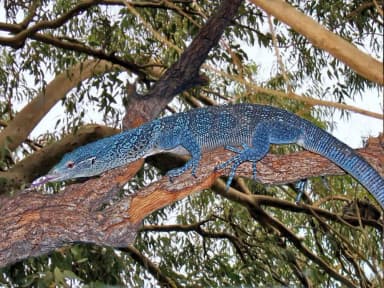 Hectonichus · CC BY-SA 4.0
Blue Tree Monitor
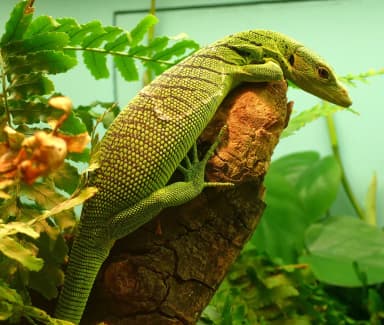 TimVickers · Public domain
Green Tree Monitor
Amphibians16
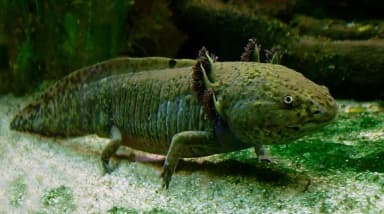 LoKiLeCh · CC BY-SA 3.0
Axolotl
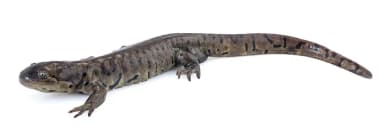 USFWS Mountain Prairie · Public domain
Tiger Salamander
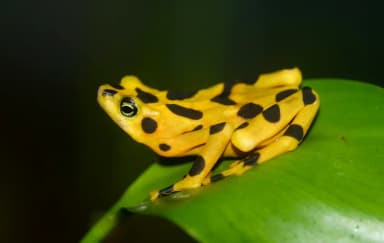 Brian Gratwicke · CC BY 2.0
Panamanian Golden Frog
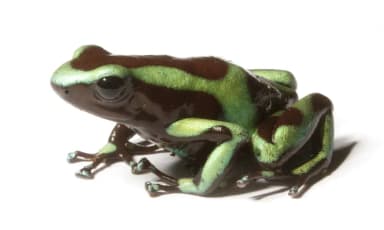 Brian Gratwicke · CC BY 2.0
Green-and-Black Poison Dart Frog
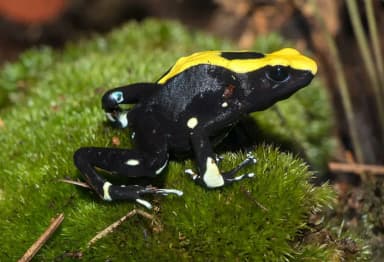 H. Zell · CC BY-SA 3.0
Blue Poison Dart Frog
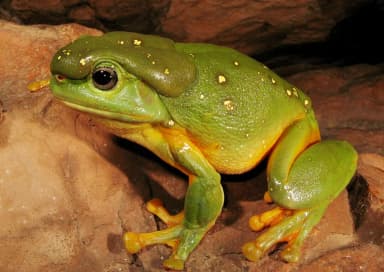 Evan Pickett · CC BY-SA 4.0
Magnificent Tree Frog
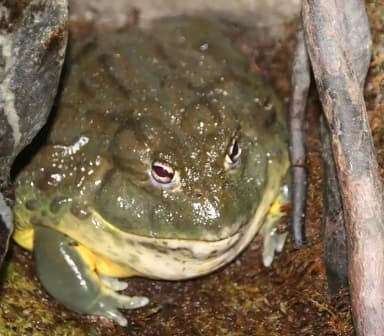 Photo by David J. Stang · CC BY-SA 4.0
African Bullfrog
Feathers & Fangs from visitors
What people who've been to Virginia Zoological Park say
A Feather is something this zoo does well; a Fang is something it gets wrong. Left by people who've been, and read by us before they appear.
Loading…
About Virginia Zoological Park
Virginia Zoological Park sits on 53 acres in Norfolk, Virginia, bordered by Lafayette Park and the Lafayette River, at 3500 Granby Street. The Zoo traces its opening to 1900, and by 1901 it was acquiring its first animals under the name Lafayette Zoological Park — a year the Zoo marks in its own "125 years" anniversary framing. It is the only zoo in Virginia accredited by the Association of Zoos and Aquariums, a status it has held since 1974.
The Zoo is run jointly by the City of Norfolk and the Virginia Zoological Society: the Society handles education, membership, marketing, fundraising, and special events, while the City covers animal care, horticulture, maintenance, and day-to-day operations. Together they employ roughly 100 full- and part-time staff. More than 700 animals live at the Zoo, representing at least 153 species according to its website, and roughly 500,000 guests visit each year.
The collection is organized geographically, walking visitors through regions of the world rather than by animal type, with newer buildings added over the last decade to house reptiles, tigers, and rhinos in expanded space.
History
The City of Norfolk began developing what became the Virginia Zoo around 1900, and animal acquisitions started in 1901 under the name Lafayette Zoological Park. The Zoo achieved AZA accreditation in 1974 and remains the only AZA-accredited zoo in Virginia.
Recent decades have brought a steady run of new exhibit openings. A World of Reptiles and Friends building opened in June 2018, adding large lizards, venomous snakes, and rare frogs to the collection. The Zoo opened a white rhinoceros exhibit in 2017, added the Run Wild! Nature Discovery Zone in 2019, remodeled its Asia: Trail of the Tiger area in 2023, and opened the Turtle Oasis exhibit — home to rehabilitated turtle species — in 2024. A new education building, the Macon & Joan Brock EdVenture & Exploration Campus, was under construction as of the Zoo's most recent published updates.
Exhibits and habitats
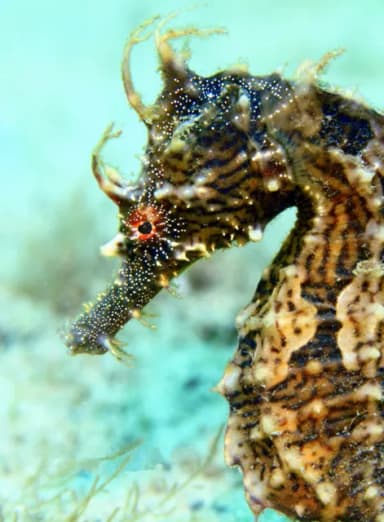
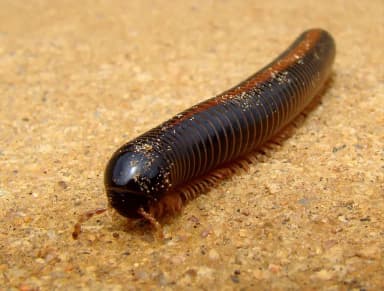
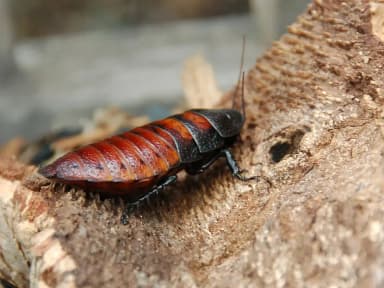
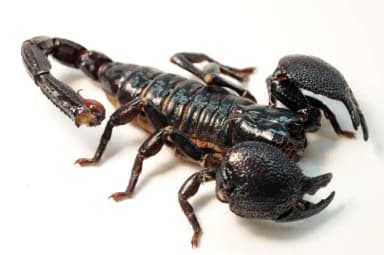
The African Safari Trail groups animals native to regions across Africa, while Asia: Trail of the Tiger, remodeled in 2023, covers species from throughout Asia. The World of Reptiles & Friends Conservatory houses reptiles and birds from humid habitats worldwide, and the adjoining World of Reptiles & Friends building adds reptiles, amphibians, fish, and invertebrates from around the globe.
Flora Point is built around the Zoo's American bison and includes gardens, a wedding gazebo, and a garden tent used for private events. Turtle Oasis holds a variety of turtle species that arrived from rehabilitation centers. The ZooFarm gathers farm animals from around the world, and the Zoo's Animal Wellness Campus is a combined medical and diet facility serving the more than 700 animals in the collection, with public-facing elements that let visitors learn about animal nutrition and care. A Zoo Express train and seasonal fountains, running from Memorial Day to Labor Day, round out the grounds.
The Zoo also runs guided, one-hour tours of the grounds for school and community groups, aligned to Virginia's Standards of Learning, as well as self-guided unguided walks for groups that prefer their own pace. Separate behind-the-scenes tours give small groups closer access to specific animals: a rhino tour with Bora, Zina, or Sibindi; a giraffe tour with Billy, Imara, Kylie, Noelle, Teddy Acacia, or Tiana; a tapir tour with Rosco, Haddie, or Luther; and tours built around the Zoo's sloth, moon bear, bison, and Aldabra tortoise.
Animal highlights
At least 153 species are listed on the Zoo's website, spanning mammals, reptiles, amphibians, birds, and invertebrates. Large mammals include the Southern white rhinoceros, Bornean orangutan, Malayan tiger, Masai giraffe, African wild dog, cheetah, lion, red panda, Malayan tapir, and Asiatic black bear. Smaller and more unusual residents include meerkats, two-toed sloths, siamangs, white-cheeked gibbons, and a range of hornbills, cranes, and macaws.
The reptile and amphibian collection is extensive for a zoo this size, with king cobras, green anacondas, Gila monsters, Jamaican iguanas, Egyptian tortoises, and multiple species of poison dart frogs among the more than 700 animals on site. Guided behind-the-scenes tours give visitors closer access to specific animals, including the Zoo's rhinos, giraffes, tapirs, a moon bear named Chai, a bison named Lily, and an Aldabra tortoise named AJ.
Conservation and programs
The Virginia Zoo runs a Conservation Youth Team (CYT) program, a high school volunteer and development track for teens aged 13 to 17 interested in animals and conservation. Participants complete a summer training focused on zoo operations, conservation basics, and education techniques, then work across three annual semesters educating guests, supporting summer camp programs, and taking part in community service projects. A portion of every ticket's Conservation and Technology fee is directed to the Zoo's Conservation Fund, which the Zoo says supports research, education, and breeding programs for wildlife locally and internationally.
Planning your visit
As listed on the Zoo's website, hours run from 9:30 a.m. to 4 p.m., with last paid admission at 3 p.m. General admission is listed at $20 for adults and $17 for children; discounts of $2 apply for military, first responders, teachers, and Norfolk residents and city employees with valid ID, and the Norfolk PowerUp! program offers $6 tickets to Medicaid cardholders. The average visitor spends about two hours inside the park.
Strollers and wheelchairs can be rented for the day at the Gift Shop or the Stroller Shack just outside it, at listed rates of $12 to $14 for a wheelchair and up to $40 for larger equipment for the full day. The Zoo is a certified Sensory Inclusive facility through KultureCity, with sensory backpacks, weighted lap pads, and braille guides available to borrow at the Membership Office; Bluetooth beacon technology for audio descriptions was also listed as a planned accessibility feature. Individuals with an ADA-recognized disability and one companion receive free admission. Dining options inside the Zoo include the African Village Café, the Beastro, Mini Melts, and the Snack Shack; outside food and drink aren't permitted, though Lafayette Park next door allows picnics. The Zoo Express train runs for an additional $3 per person age 2 and up. The Zoo shares reciprocal membership benefits with more than 150 zoos and aquariums nationwide, and accepts Visa, MasterCard, Discover, American Express, and cash at the gate. Check current hours, prices, and any special-event schedule on the Zoo's official website before you go.
What we haven't confirmed
Everything above came from public sources. These specifics we haven't stood behind yet:
- Total annual attendance beyond the roughly 500,000 figure cited
- Current train and add-on ticket pricing
- Phone hours for group and program bookings beyond what's listed
Virginia Zoological Park compared with nearby zoos
How Virginia Zoological Park lines up against the closest zoos we have details for — useful if you're deciding between them for the same day out.
| Zoo | Distance | Admission | Hours | Size | AZA |
|---|---|---|---|---|---|
| Virginia Zoological ParkThis zooNorfolk, VA | — | $20 | 9:30 am – 4 pm | 53 acres | Yes |
| Bluebird Gap FarmHampton, VA | 12 mi | Free | 9:00am – 6:00pm | — | No |
| Virginia Living MuseumNewport News, VA | 17 mi | $18–$21.95 | 9am – 5pm | — | Yes |
| Busch Gardens WilliamsburgWilliamsburg, VA | 32 mi | $61.99–$121.99 | — | 422 acres | No |
Distances are straight-line. A dash means we haven't confirmed that detail yet, not that the zoo lacks it.
AZAThe Association of Zoos and Aquariums. Accredited members have passed an independent inspection of animal care and welfare, safety, conservation and education, repeated every five years. Many smaller facilities never apply, so “not accredited” isn't a verdict on its own. What accreditation means · How we check this
Virginia Zoological Park: common questions
Is Virginia Zoological Park AZA accredited?
Yes, since 1974 — it's the only AZA-accredited zoo in Virginia.
How big is the Zoo?
It covers 53 acres bordered by Lafayette Park and the Lafayette River in Norfolk.
How many animals and species does the Zoo have?
More than 700 animals live at the Zoo, representing at least 153 species listed on its website.
How long does a visit take?
On average, guests spend around two hours inside the park.
Is the Zoo accessible, and can I rent a stroller or wheelchair?
Yes. The Zoo is a certified Sensory Inclusive facility, with wheelchair and stroller rentals available and free admission for ADA-recognized disabilities plus one companion.
Is there food inside the Zoo?
Yes — the African Village Café, the Beastro, Mini Melts, and the Snack Shack all operate inside the grounds; outside food isn't allowed.
What are the newest exhibits?
Recent additions include the 2018 World of Reptiles and Friends building, the 2019 Run Wild! Nature Discovery Zone, a 2023 remodel of Asia: Trail of the Tiger, and the 2024 Turtle Oasis exhibit.
Something wrong here? Tell us — we correct in place, with a dated note.