
- Admission
- $18–$21.95
- Opened
- 1966
- Accreditation
- AZA
unverified
Association of Zoos and Aquariums
Everything below is directory information drawn from public sources and the zoo's own site.
Animals at Virginia Living Museum
64 confirmedMammals12
 Yathin S Krishnappa · CC BY-SA 3.0
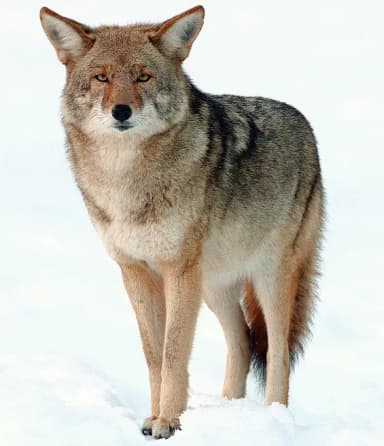
Coyote
 LaggedOnUser · CC BY-SA 2.0
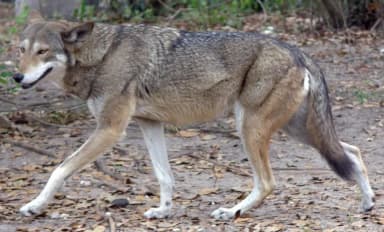
Red Wolf
 Steve from Washington, DC, USA · CC BY-SA 2.0
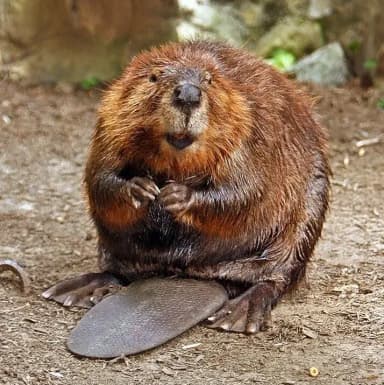
American Beaver
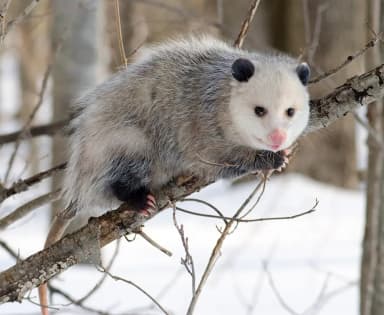 Cody Pope · CC BY-SA 2.5
Virginia Opossum
 Wikimedia Commons · Public domain
North American Porcupine
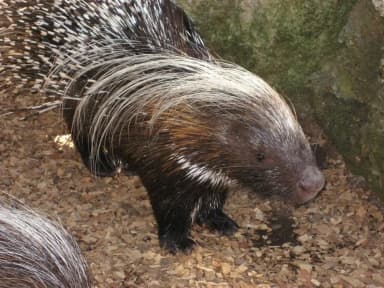 Liné1 · CC BY-SA 3.0
Porcupine
 Becker1999 (Paul and Cathy) · CC BY 2.0
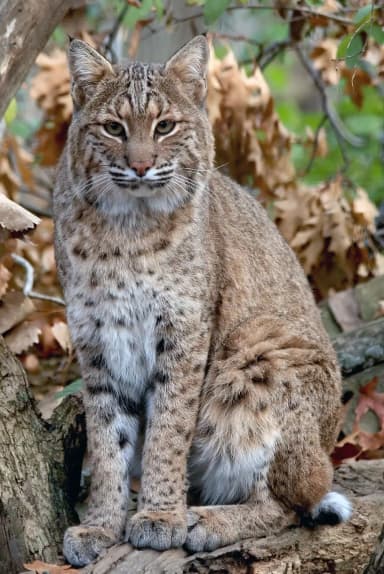
Bobcat
 Wallace Keck · Public domain
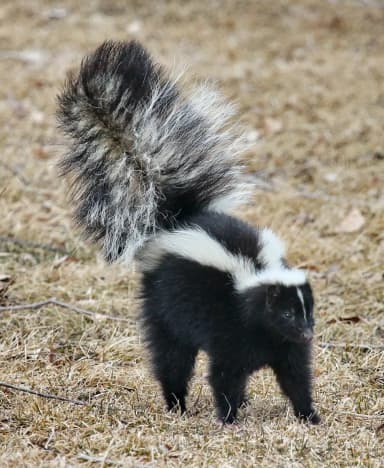
Striped Skunk
 USDA photo by Scott Bauer · Public domain
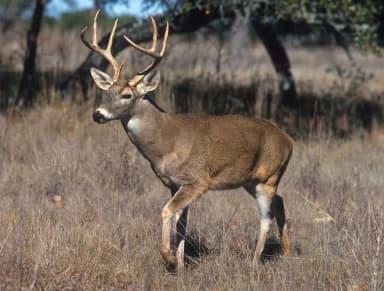
White-tailed Deer
 Rhododendrites · CC BY-SA 4.0
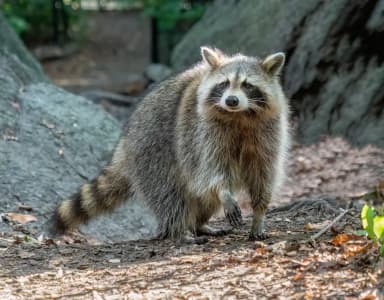
Raccoon
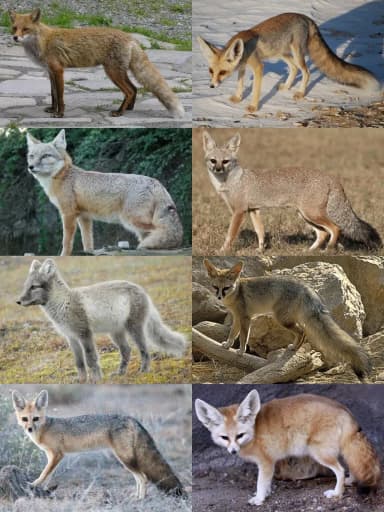 菅野温泉(かんのおんせん)玄関のキタキツネP6270365.jpg : Snake Head 1995 Rüppell's_fox.jpg : HelmutBoehm Vulpes corsac 2010.JPG : 4028mdk09 A · CC BY 2.0
Fox
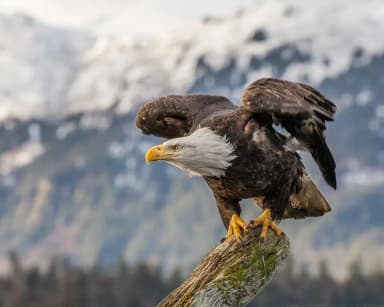
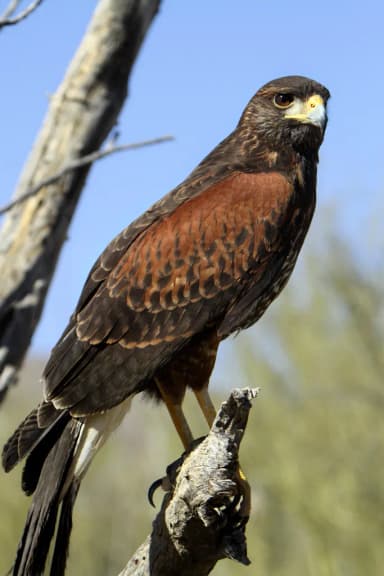
Birds3
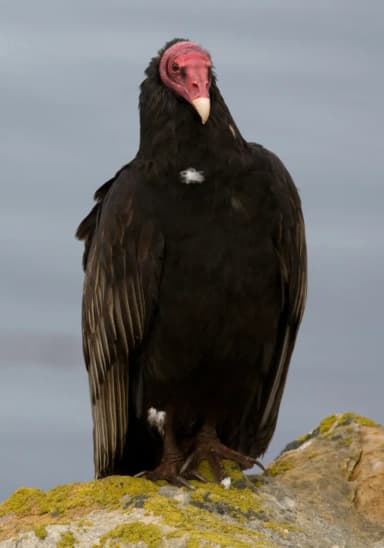
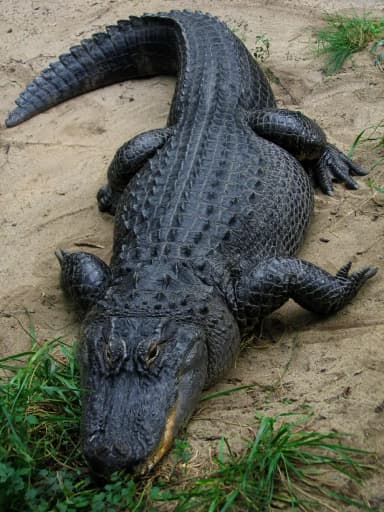
Reptiles7
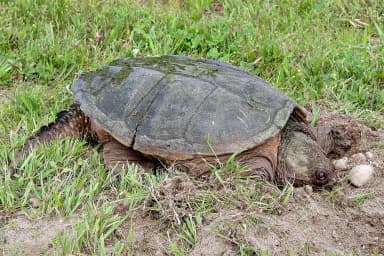
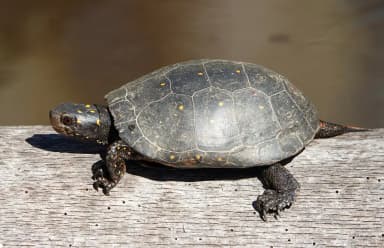
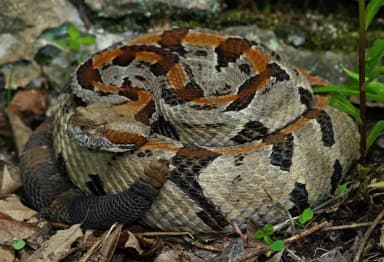
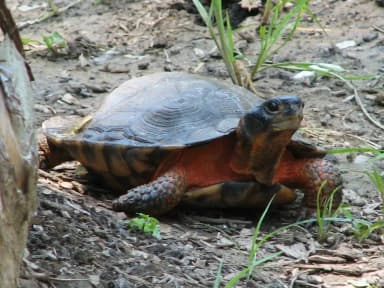
Amphibians5
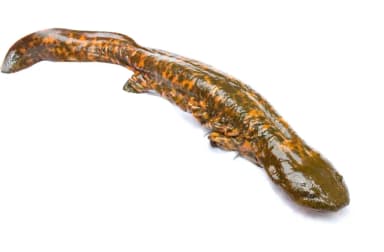
Fish34
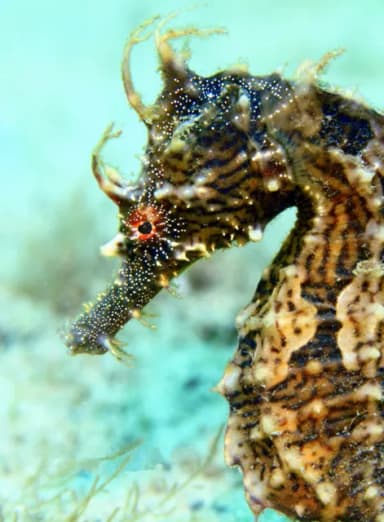
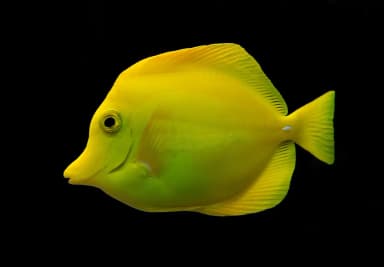
- Ocean Surgeonfish
- Shortnose Sturgeon
- Rock Bass
- Bullhead Catfish
- Bowfin
- Crevalle Jack
- White Sucker
- Flame Angelfish
- Spadefish
- Yellowtail Blue Damselfish
- Common Carp
- Snubnose Darter
- Channel Catfish
- Longnose Gar
- Grey Snapper
- Atlantic Croaker
- Smallmouth Bass
- Largemouth Bass
- Striped Bass
- Gag Grouper
- Rainbow Trout
- Summer Flounder
- Yellow Perch
- Black Drum
- Bluefish
- Cobia
- Brown Trout
- Brook Trout
- Red Drum
- Windowpane Flounder
- Chain Catshark
- Lookdown
Invertebrates3
Feathers & Fangs from visitors
What people who've been to Virginia Living Museum say
A Feather is something this zoo does well; a Fang is something it gets wrong. Left by people who've been, and read by us before they appear.
Loading…
About Virginia Living Museum
The Virginia Living Museum sits in Newport News, Virginia, at 524 J Clyde Morris Boulevard. It opened in 1966 and has grown from a small nature museum into a combination zoo, aquarium, science center, aviary, botanical preserve, and planetarium, all built around the plants and animals native to Virginia. The Museum is accredited by the Association of Zoos and Aquariums and operates as a nonprofit, and it describes its mission as connecting people to nature through educational experiences that promote conservation.
Unlike most zoos, the VLM's collection isn't drawn from around the world — it's built entirely around Virginia's own coastal plain, Piedmont, and mountain habitats, plus the marine life of the Chesapeake Bay. The Museum's own materials say it introduces visitors to more than 250 living species native to Virginia across its indoor exhibits, discovery centers, and hands-on stations, though the species list on its website currently names at least 64 of them by common name.
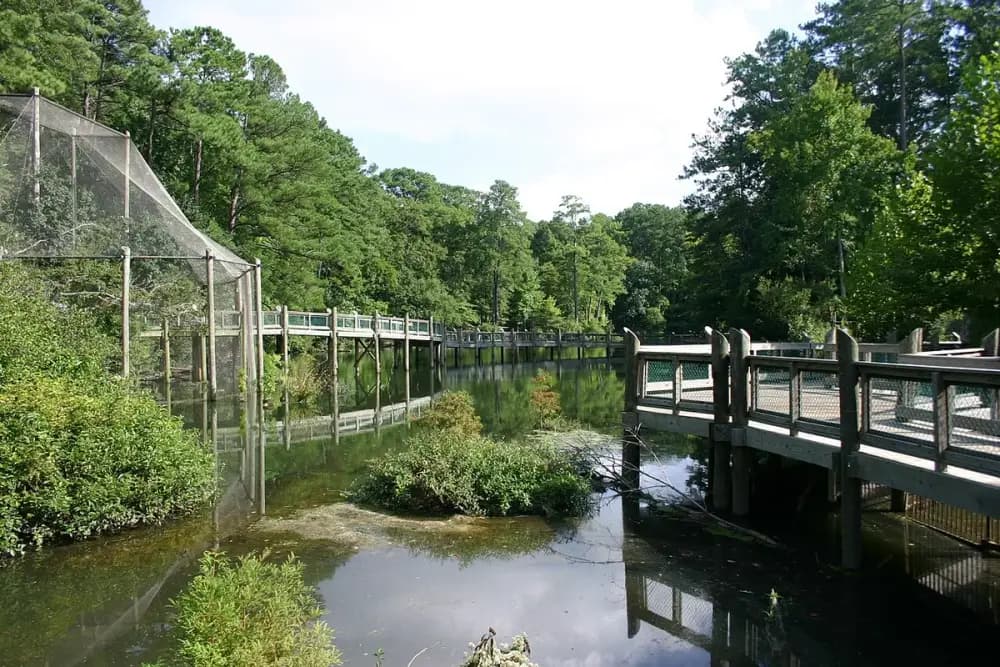
The site combines an indoor exhibition building with an outdoor boardwalk and aviary, so a visit moves between climate-controlled galleries and open-air trails depending on the section.
History
The Museum's roots go back to November 1966, when Virginia Governor Mills E. Godwin Jr. presided over the opening of the Junior Nature Museum and Planetarium, a project of the Warwick Rotary Club and the Junior League of Hampton Roads. In 1976 the facility expanded and was renamed the Peninsula Nature and Science Center, adding physical and applied science exhibits alongside its original natural-science focus.
The turning point came in 1983, when the Board of Trustees approved a "living museum" concept modeled on the Arizona-Sonora Desert Museum, aiming to become the first museum of its kind east of the Mississippi River. The facility reopened as the Virginia Living Museum in May 1987 under Governor Gerald L. Baliles. Expansion continued through the 1990s and 2000s: the Outdoor Wetlands Aviary opened, the Coastal Plain Aviary followed in 2001 with 16 species of coastal birds, and a new 62,000-square-foot exhibition building opened in March 2004 along with an additional quarter-mile of elevated boardwalk.
The Museum became the first institution in Virginia — and the 12th in the country — to hold accreditation from both the American Association of Museums and the Association of Zoos and Aquariums. Its red wolf exhibit, opened as part of a federal Species Survival Plan, was the first permanent public display of red wolves in Virginia, and the Museum has since recorded multiple red wolf pups born on site. More recent milestones include a renovated planetarium, a dedicated Wild Care Center for animal care and nutrition, and the Museum's first free-flight aviary enclosure.
Exhibits and habitats
Inside the main building, exhibits are organized around Virginia's own regions: the coastal plain, a 30,000-gallon Chesapeake Bay tank, the Piedmont, an Appalachian Mountain cove, a cypress swamp, an underground and cave exhibit, and a gallery devoted to nocturnal life. A dinosaur discovery trail runs outdoors as a permanent feature.
Outdoors, the Museum's 5,500-square-foot aviary and a three-quarter-mile boardwalk carry visitors past animals living in naturalistic outdoor habitats, including bobcats, river otters, beavers, raccoons, foxes, coyotes, white-tailed deer, and red wolves. A waterfall trail and butterfly garden run alongside the boardwalk, and the grounds also include the Holt Native Plant Conservatory, a Native Plant Teaching Garden, a Children's Garden, and a Natural Playground.
The Changing Exhibit Gallery hosts temporary installations, while the Wild Care Center gives visitors a view into the Museum's veterinary hospital and nutrition operations.
Animal highlights
At least 64 species are listed on the Museum's website, spanning fish, reptiles, amphibians, birds, and mammals native to Virginia and the Chesapeake Bay region. Freshwater and marine fish on the list include striped bass, largemouth bass, longnose gar, cobia, red drum, and summer flounder, alongside reef species like yellow tang and flame angelfish in the aquarium exhibits. Reptiles and amphibians include the American alligator, eastern hellbender, timber rattlesnake, snapping turtle, and greater siren.
The mammal collection focuses on animals visitors would actually encounter in Virginia's woods and wetlands: bobcats, red wolves, beavers, river otters, coyotes, foxes, raccoons, opossums, striped skunks, and North American porcupines, including a porcupine that arrived as the Museum's first animal ambassador in its new free-flight enclosure. Bald eagles, Harris's hawks, and vultures represent the bird collection alongside the coastal species housed in the aviary.
Conservation and programs
The Virginia Living Museum is a certified Virginia Green attraction and participates in several ongoing citizen-science and conservation projects. Staff and volunteers have reared and tagged migrating Monarch butterflies since 1988, releasing more than 1,400 tagged adults since 1996. The Museum also runs a FrogWatch USA chapter, the AZA's citizen-science program for monitoring wetland amphibians, and participates in Project FeederWatch with the Cornell Lab of Ornithology to track winter bird populations.
Closer to home, an ongoing Salamander Survey that began in 2022 monitors terrestrial salamander populations at sample sites on Museum property, and Museum staff have run a multi-year turtle census tracking freshwater turtle populations in a local watershed. Volunteers and staff also take part in the Chesapeake Bay Foundation's Clean the Bay Day and the Ocean Conservancy's International Coastal Cleanup each year, and the Museum promotes the Seafood Watch program for sustainable seafood choices.
Planning your visit
As listed on the Museum's website, general hours run from 9 a.m. to 5 p.m., with the outdoor boardwalk closing earlier at 4:30 p.m. The Museum is closed on Thanksgiving, December 24 and 25, and January 1. Parking is free in the lots adjacent to the Museum, including a secondary lot for buses.
Wheelchairs and strollers are available at no charge from the Admissions Desk on a first-come, first-served basis, and all public areas and restrooms are wheelchair accessible. The Museum is a KultureCity Certified Sensory Inclusive location, with sensory bags and weighted lap pads available for checkout at the front desk. Service dogs are the only animals permitted on the grounds.
Sate Café, inside the Museum, serves food from 10 a.m. to 3 p.m. Wednesday through Sunday. Discounted admission is available for active military and veterans, seniors 65 and older, AAA members, and — through the Museums for All program — visitors receiving SNAP or WIC benefits, who can enter for $5 with valid ID. Prices and specific hours change, so check current admission costs and hours on the Museum's official website before visiting.
What we haven't confirmed
Everything above came from public sources. These specifics we haven't stood behind yet:
- Current ticket prices
- Total acreage
- Total animal count
- Time needed for a typical visit
- Phone number for general inquiries
Virginia Living Museum compared with nearby zoos
How Virginia Living Museum lines up against the closest zoos we have details for — useful if you're deciding between them for the same day out.
| Zoo | Distance | Admission | Hours | Size | AZA |
|---|---|---|---|---|---|
| Virginia Living MuseumThis zooNewport News, VA | — | $18–$21.95 | 9am – 5pm | — | Yes |
| Bluebird Gap FarmHampton, VA | 6 mi | Free | 9:00am – 6:00pm | — | No |
| Busch Gardens WilliamsburgWilliamsburg, VA | 15 mi | $61.99–$121.99 | — | 422 acres | No |
| Virginia Zoological ParkNorfolk, VA | 17 mi | $20 | 9:30 am – 4 pm | 53 acres | Yes |
Distances are straight-line. A dash means we haven't confirmed that detail yet, not that the zoo lacks it.
AZAThe Association of Zoos and Aquariums. Accredited members have passed an independent inspection of animal care and welfare, safety, conservation and education, repeated every five years. Many smaller facilities never apply, so “not accredited” isn't a verdict on its own. What accreditation means · How we check this
Virginia Living Museum: common questions
Is the Virginia Living Museum AZA accredited?
Yes. It holds accreditation from the Association of Zoos and Aquariums, one of a small number of institutions accredited by both AZA and the American Association of Museums.
When did it open?
It opened in November 1966 as the Junior Nature Museum and Planetarium and took its current name in 1987.
How many species can I see?
The Museum's website lists at least 64 species, though it states it introduces visitors to more than 250 living species native to Virginia overall.
Is parking free?
Yes, free parking is available in lots adjacent to the Museum, including space for buses.
Is the Museum stroller and wheelchair accessible?
Yes. Wheelchairs and strollers are available free of charge at the Admissions Desk, and all public areas are wheelchair accessible.
Is there food inside?
Yes, Sate Café is open inside the Museum from 10 a.m. to 3 p.m., Wednesday through Sunday.
What can I see on the outdoor boardwalk?
The three-quarter-mile boardwalk passes naturalistic habitats for bobcats, river otters, beavers, raccoons, foxes, coyotes, deer, and red wolves.
Something wrong here? Tell us — we correct in place, with a dated note.