Madagascar Giant Hognose Snake
Leioheterodon madagascariensis
Also known as Madagascar Hognose Snake
- Where to see one
- 6 U.S. zoos in our directory hold madagascar giant hognose snake, confirmed against each zoo's own animal list.
- Native range
- Madagascar and its offshore islands of Nosy Be, Nosy Mangabe and Nosy Sakatia; also the Comoros
- Size
- 130–180 cm (about 4 to nearly 6 ft) long, about as thick as an adult's arm
- Fangs
- Rear-fanged; its paralyzing saliva only irritates human skin
- Defense
- Cobra-like threat display
Conservation status
Least Concernassessed 2011
IUCN Red List category LC — step 1 of 7.
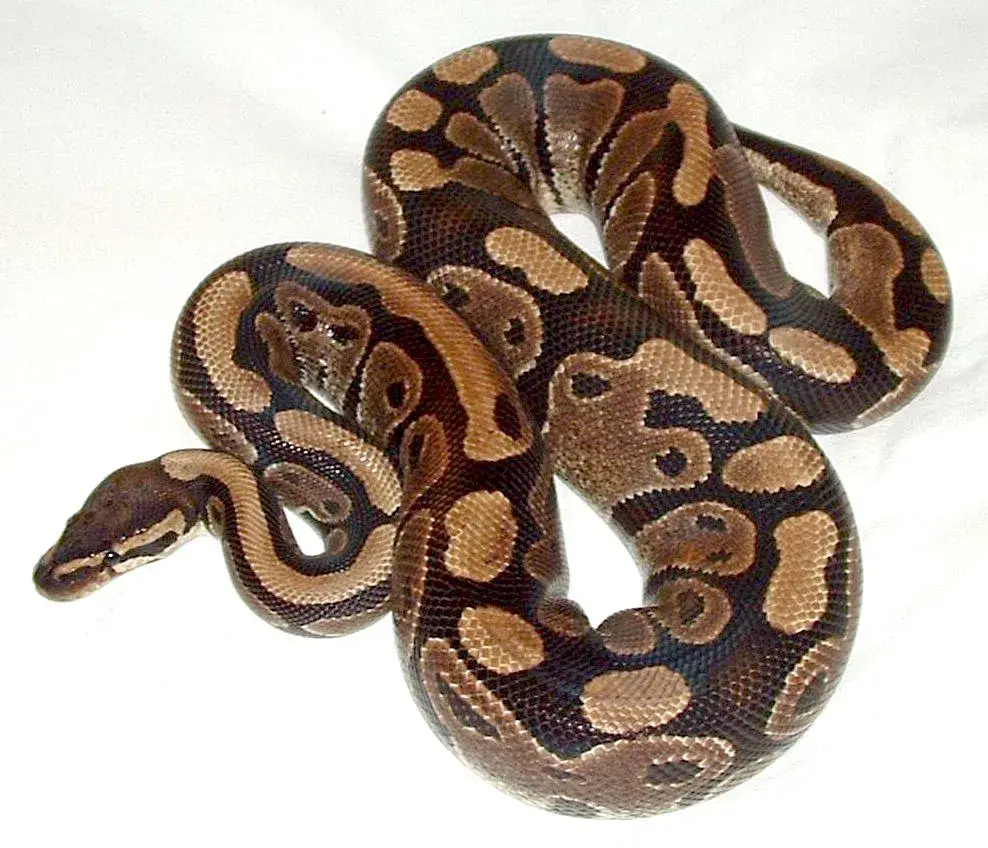
The Madagascar giant hognose is a harmless pseudoxyrhophiid snake endemic to Madagascar, also found on smaller islands such as Nosy Be and on the Comoros. Adults measure 130 to 180 cm and are about as thick as an adult human's arm. When threatened it raises its head, opens its mouth and inflates the skin around its neck, superficially mimicking a cobra. It is rear-fanged, and its toxic saliva helps control wriggling prey, though it relies mainly on constriction. It eats small reptiles, frogs, toads, birds and their nestlings and eggs, and sometimes small mammals such as rodents, tenrecs and mouse lemurs. The saliva only irritates human skin.
About the Madagascar giant hognose snake
The Madagascar giant hognose snake is a large, harmless snake found only on Madagascar, its small offshore islands, and the Comoros. It belongs to the family Pseudoxyrhophiidae and the Malagasy genus Leioheterodon, not to North America's hognose snakes, which it resembles in name and behavior. Adults reach 130 to 180 cm (4–6 ft) long.
Its scientific name is Leioheterodon madagascariensis, and it is also called the Malagasy or Madagascan giant hognose. Its genus has three recognized species, and they go by names such as Malagasy hognose snakes, Malagasy brown snakes and menarana snakes.
Size sets it apart. Mature snakes measure 130 to 180 cm, which is roughly 4 feet to just under 6 feet, and an adult is about as thick as an adult human's arm. That bulk sets it apart from the much smaller North American hognoses, which top out at about 120 cm (47 in).
The second notable feature is inside the mouth. The Madagascar giant hognose is opisthoglyphous, or rear-fanged. It has a pair of pin-like, widely spaced teeth at the back of the mouth, attached to the upper jaw. Through a funnel-like formation in each tooth, it can deliver a paralyzing saliva into prey. Whether the snake actually has a Duvernoy's gland is still unclear.
Behavior and diet
Diet
Carnivore: small reptiles, frogs, toads, birds and their eggs, small snakes and small mammals
The Madagascar giant hognose is a constrictor first. Studies show that it does not use its rear-fang saliva to kill prey outright. Instead it relies mainly on constriction, and the saliva helps it control wriggling prey that would take longer to die by squeezing alone. This is a very different strategy from the single lethal bite of a highly venomous snake.
Its menu is broad. Typical prey includes small reptiles, frogs and toads, and birds along with their nestlings and eggs. It occasionally eats smaller snakes and small mammals, including rodents, tenrecs, and mouse lemurs and their young.
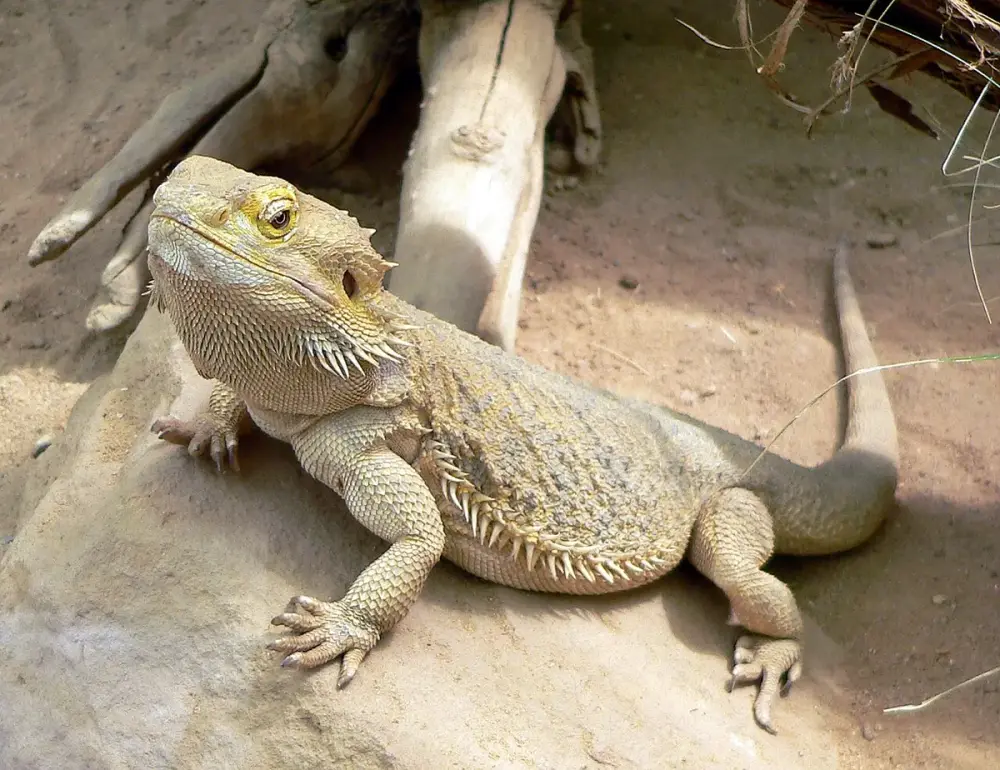
When threatened, the snake puts on a bluff. It raises its head, opens its mouth, and inflates the skin around its neck and chin. The result looks a little like a cobra's hood, or even a bearded dragon's display, and makes the snake appear larger and more dangerous than it is. North America's hognose snakes in the genus Heterodon use a similar trick.
Most hognose snakes are not prone to biting large mammals, including people. Their teeth sit so far back in the mouth that a bite takes more effort than it does for front-fanged snakes such as vipers and elapids. The Madagascar giant hognose's toxic saliva only irritates human skin and is not deadly.
Its natural predators are birds of prey and other snake-eating birds. Some mongooses also eat snakes, and so may the fossa, Madagascar's largest mammalian carnivore. The fossa is an opportunistic eater, though its specialty is hunting lemurs.
Range and habitat
This snake is endemic to Madagascar. It also lives on the smaller islands of Nosy Be, Nosy Mangabe and Nosy Sakatia, and on the Comoros archipelago in the Mozambique Channel. Some researchers think it was introduced to Grande Comore rather than arriving there naturally.
The genus Leioheterodon as a whole is found only on Madagascar, where three species are currently recognized.
Madagascar giant hognose vs North American hognose snakes
The shared name "hognose" causes confusion. The Madagascar species and North America's hognose snakes, such as the western hognose snake, belong to different snake families, but they share a rear-fanged bite and a cobra-style threat display.
| Feature | Madagascar giant hognose | North American hognoses |
|---|---|---|
| Scientific name | Leioheterodon madagascariensis | Genus Heterodon (three species) |
| Family | Pseudoxyrhophiidae | Colubridae |
| Range | Madagascar, nearby islands and the Comoros | North America |
| Adult length | 130–180 cm (4–6 ft) | 30–120 cm (12–47 in) |
| Main prey | Small reptiles, frogs, birds, eggs, small mammals | Chiefly toads |
| Threat display | Raises head, opens mouth, inflates neck and chin | Flattens neck, hisses, then often plays dead |
| Bite | Rear fangs; saliva only irritates skin | Enlarged rear teeth; mildly toxic saliva, generally harmless |
The North American species have a distinctly upturned snout, thought to help them dig in sandy soil, and they are famous for rolling over and playing dead if their bluff fails. They share one misfortune with their Malagasy namesake: because of their looks and dramatic display, North American hognoses are commonly mistaken for copperheads and killed, especially in the southeastern United States.
Conservation status
The Madagascar giant hognose snake is listed as Least Concern on the IUCN Red List (2011).
Its biggest threat is people. Superstition and fear of evil spirits make the snake almost universally disliked in Madagascar, and it is commonly killed on sight, often by beheading or dismemberment, even though it poses no danger to human life. This persecution, rather than any natural predator, is the main pressure the species faces.
Where to see madagascar giant hognose snake in the U.S.
6 zoos across 5 states
Find the closest one
Rank the 6 zoos holding madagascar giant hognose snake by how far they are from you. Your location is used in your browser to sort this list and is never sent to us.
California· 2
Florida· 1
Louisiana· 1
Michigan· 1
Virginia· 1
AZAThe Association of Zoos and Aquariums. Accredited members have passed an independent inspection of animal care and welfare, safety, conservation and education, repeated every five years. Many smaller facilities never apply, so “not accredited” isn't a verdict on its own. What accreditation means · How we check this
Built from each zoo's own published animal list.
Madagascar Giant Hognose Snake: common questions
Is the Madagascar giant hognose snake venomous?
Mildly. It is rear-fanged and has a paralyzing saliva for subduing prey, but the saliva only irritates human skin and is not deadly. The species is considered harmless.
Are Madagascar giant hognose snakes dangerous?
No. They pose no threat to human life. Like most hognose snakes, they are not prone to biting large animals and rely instead on a bluffing threat display.
How big do Madagascar giant hognose snakes get?
Adults reach 130–180 cm (about 4 to nearly 6 ft) long and are roughly as thick as an adult human's arm.
What do Madagascar giant hognose snakes eat?
Small reptiles, frogs, toads, birds and their eggs, plus occasional small snakes, rodents, tenrecs and mouse lemurs. They kill mainly by constriction.
Where do Madagascar giant hognose snakes live?
Only on Madagascar, its offshore islands of Nosy Be, Nosy Mangabe and Nosy Sakatia, and the Comoros.
Is it related to the western hognose snake?
Not closely. North American hognoses are colubrids in the genus Heterodon, while the Madagascar giant hognose is a pseudoxyrhophiid in the genus Leioheterodon. They share a similar threat display.
What eats Madagascar giant hognose snakes?
Birds of prey and other snake-eating birds are the main natural predators. Some mongooses and the fossa may also eat them.
Why do people kill Madagascar giant hognose snakes?
Superstition. Many people in Madagascar fear the snake and kill it on sight, even though it is harmless to humans.