- Where to see one
- 4 U.S. zoos in our directory hold miniature pig, confirmed against each zoo's own animal list.
Conservation status
Not Evaluated
This species has not been assessed for the IUCN Red List, so it sits outside the threat scale entirely.
About the miniature pig
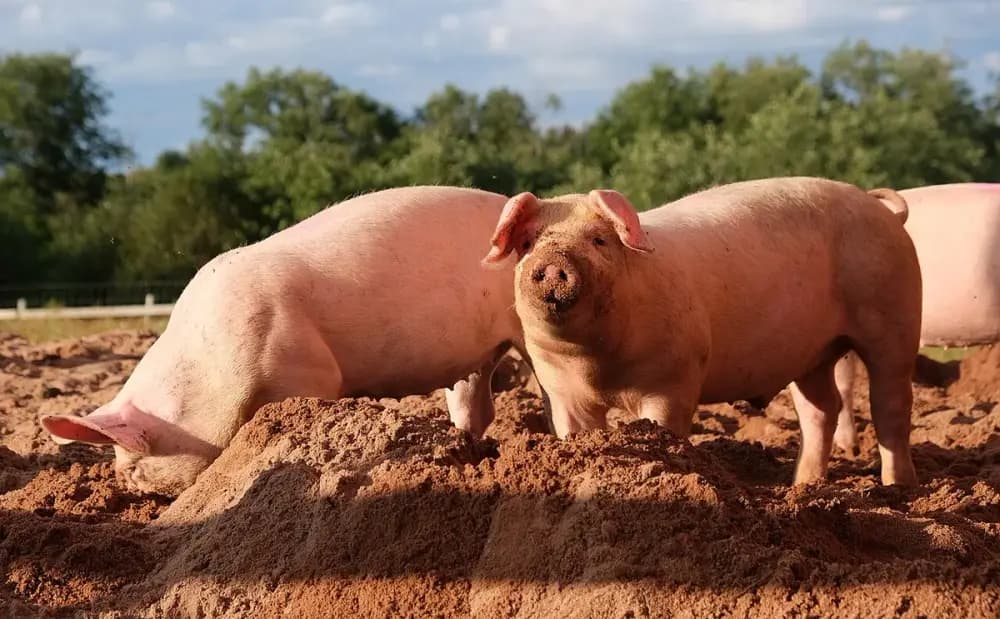
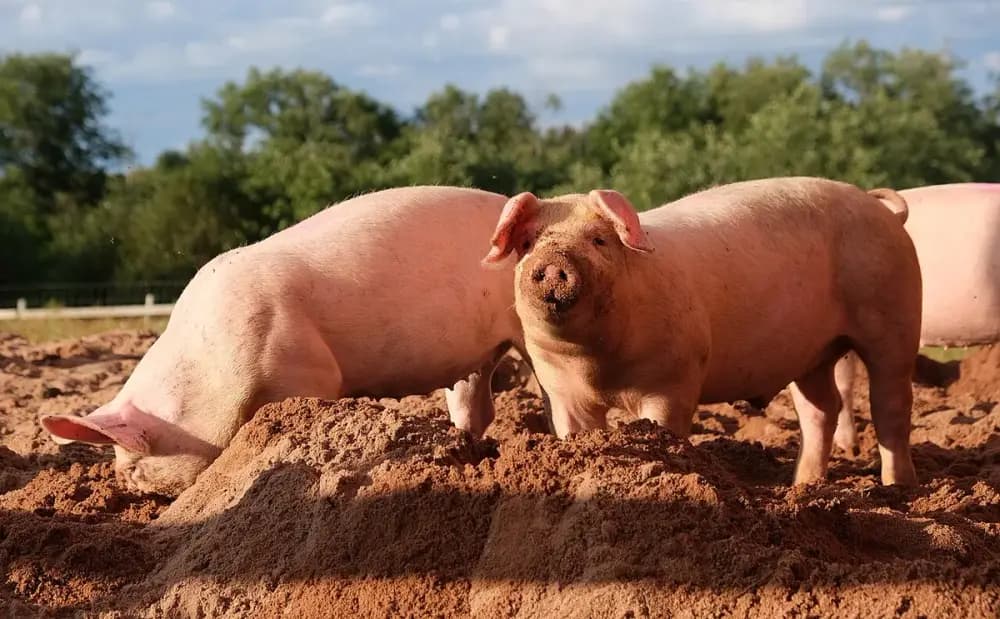
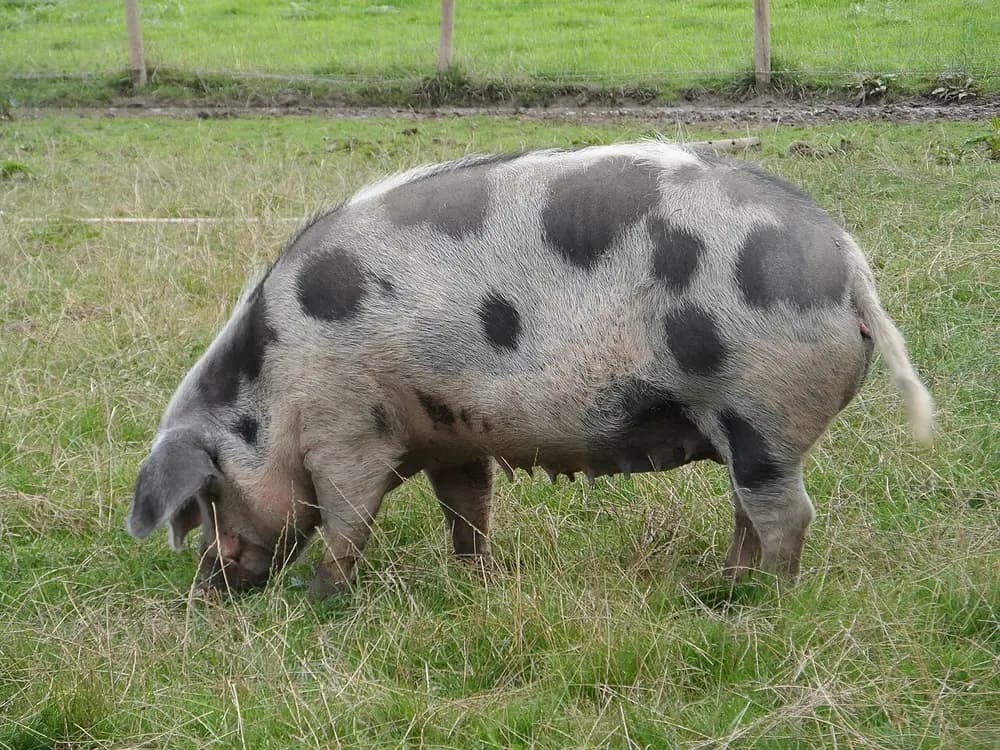
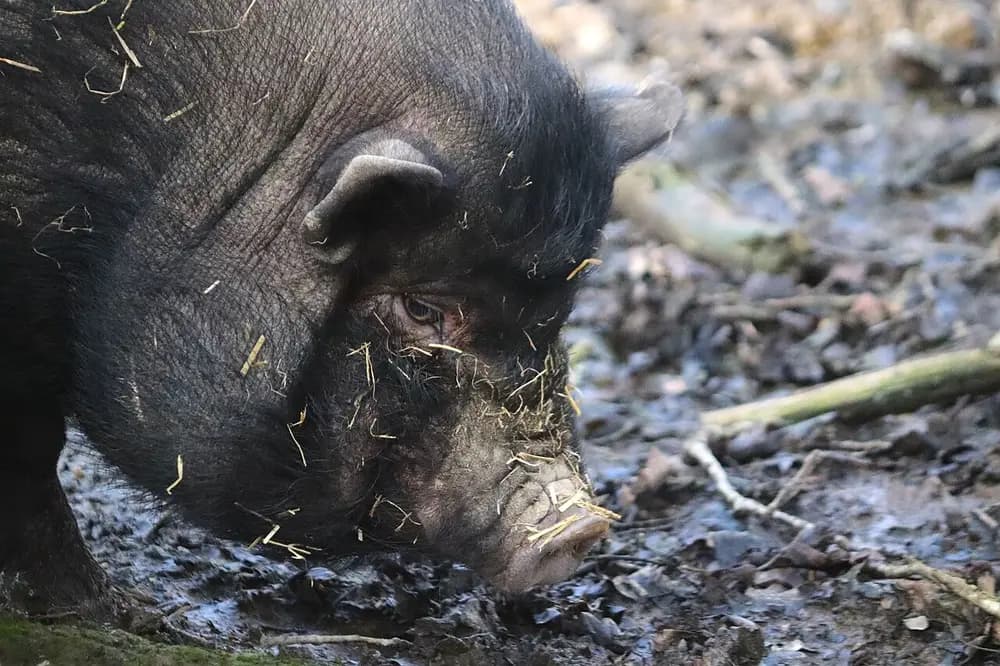
A miniature pig, or minipig, is a domestic pig noted for its unusually small size when fully grown. Some breeds, such as the Cerdo Cuino of Mexico, the Lon I of Vietnam and the Wuzhishan of Hainan Island in China, are traditional breeds of their regions, while many others have been bred since the mid-twentieth century for laboratory research. Some may reach 50 cm (20 in) at the shoulder and 100 cm (40 in) in body length. Miniature pigs generally reach full size in about four years and may live up to fifteen. Because their biochemistry, anatomy and physiology resemble those of humans, they are used in medical research, and some are kept as companion animals.
Miniature Pig facts
- More than 60,000 pigs are used in scientific research today.
- The Minnesota Miniature, now extinct, was bred at the Hormel Institute from 1949.
- The Göttingen Minipig was produced by crossing Vietnamese pigs with Minnesota Miniature and German Landrace stock.
- Researchers are studying whether pig hearts could be used for human heart transplants.
Where to see miniature pig in the U.S.
4 zoos across 4 states
Find the closest one
Rank the 2 zoos holding miniature pig by how far they are from you. Your location is used in your browser to sort this list and is never sent to us.
2 more zoos hold miniature pig but have no coordinates on file yet, so they aren't ranked here. They're in the full list below.
Delaware· 1
Florida· 1
Oklahoma· 1
Virginia· 1
AZAThe Association of Zoos and Aquariums. Accredited members have passed an independent inspection of animal care and welfare, safety, conservation and education, repeated every five years. Many smaller facilities never apply, so “not accredited” isn't a verdict on its own. What accreditation means · How we check this
Built from each zoo's own published animal list.