- Where to see one
- 3 U.S. zoos in our directory hold goliath birdeater, confirmed against each zoo's own animal list.
Conservation status
Not Evaluated
This species has not been assessed for the IUCN Red List, so it sits outside the threat scale entirely.
About the goliath birdeater
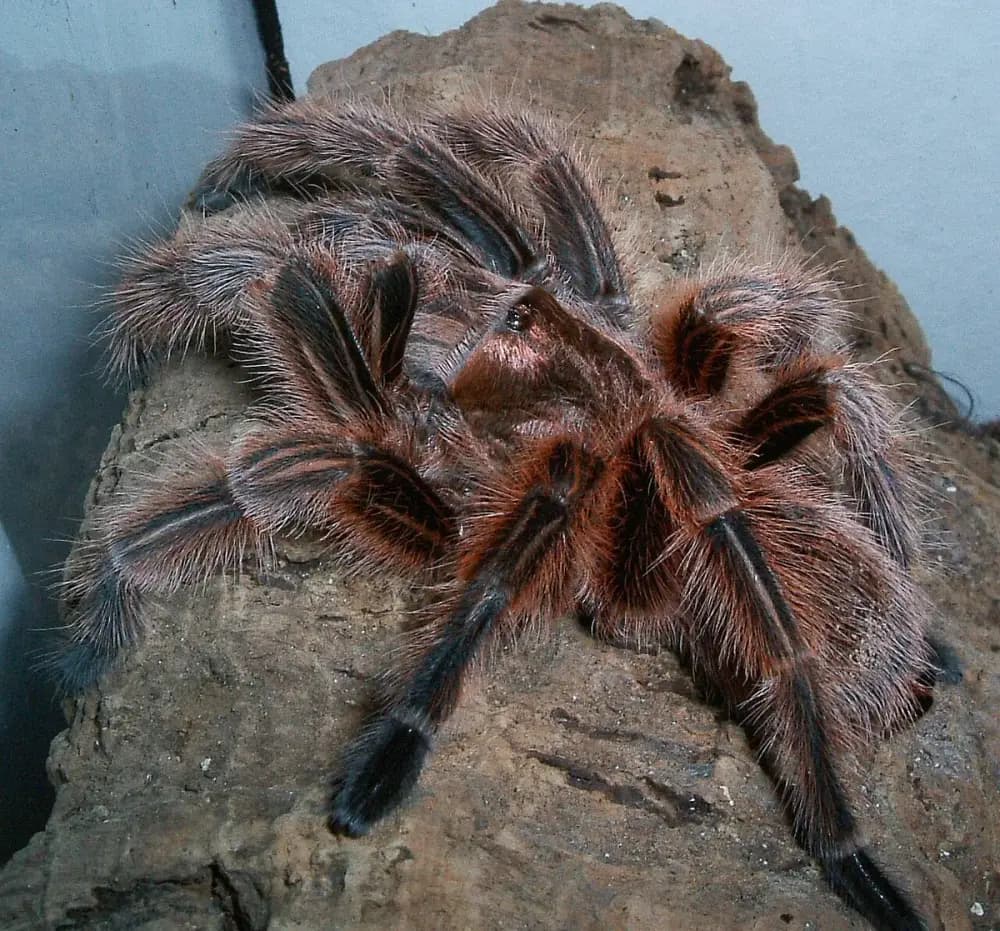
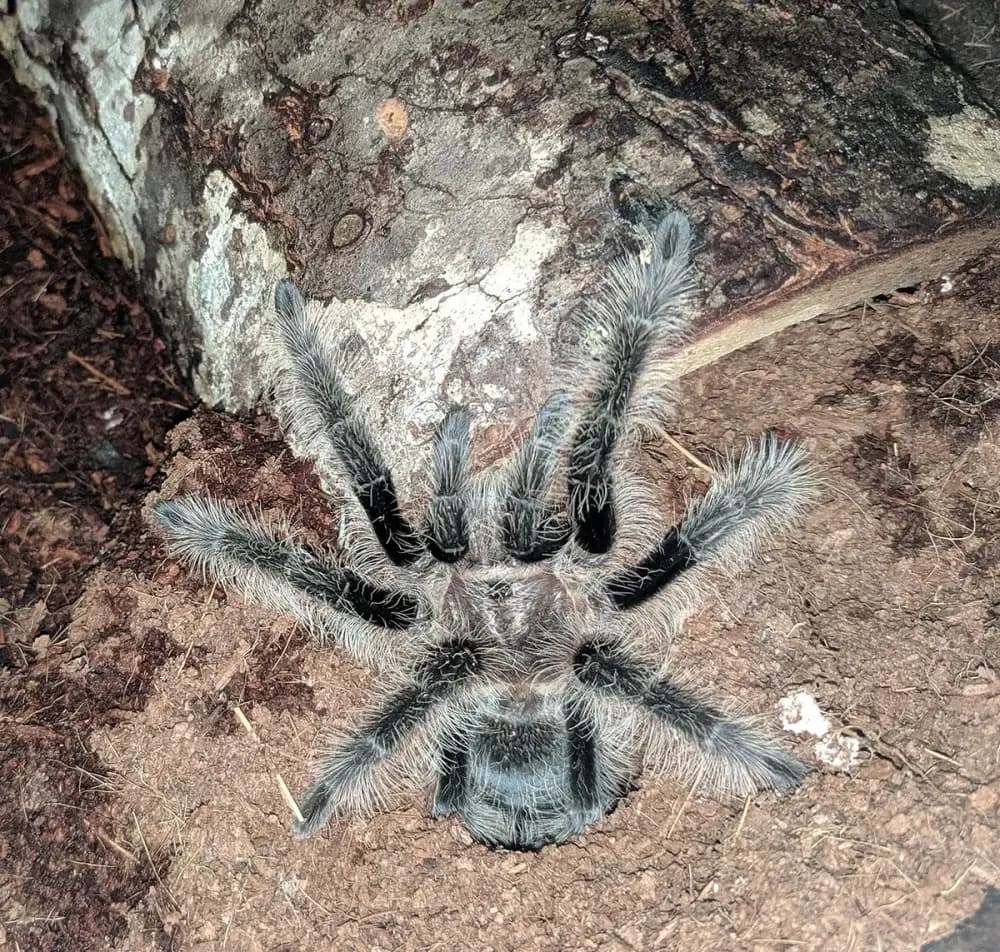
The Goliath birdeater is a tarantula of the upland rainforests of northern South America, with a range covering Suriname, Guyana, French Guiana, northern Brazil, eastern Colombia and southern Venezuela. It is the largest spider in the world by mass, at up to 175 g, and by body length, at up to 13 cm, with a leg span reaching 30 cm. Despite its name it rarely eats birds. This nocturnal, burrow-dwelling hunter feeds mainly on large arthropods, worms and amphibians, and has been seen taking rodents, lizards and even snakes. When threatened it rubs its abdomen with its hind legs to release irritating hairs.
Goliath Birdeater facts
- The name comes from an early 18th-century engraving by Maria Sibylla Merian showing one of these spiders eating a hummingbird.
- Its fangs measure 2-4 cm, long enough to break human skin, though its venom is comparable to a wasp sting.
- Females live an average of 15 to 25 years, while males live only three to six.
- It is eaten in parts of northeastern South America, roasted in banana leaves after the hairs are singed off.
Where to see goliath birdeater in the U.S.
3 zoos across 3 states
Find the closest one
Rank the 3 zoos holding goliath birdeater by how far they are from you. Your location is used in your browser to sort this list and is never sent to us.
Missouri· 1
Ohio· 1
Virginia· 1
AZAThe Association of Zoos and Aquariums. Accredited members have passed an independent inspection of animal care and welfare, safety, conservation and education, repeated every five years. Many smaller facilities never apply, so “not accredited” isn't a verdict on its own. What accreditation means · How we check this
Built from each zoo's own published animal list.