
- Admission
- $34
- Size
- 140 acres
- Animals
- 750
- Opened
- 1926
- Accreditation
- AZA
Association of Zoos and Aquariums
Everything below is directory information drawn from public sources and the zoo's own site.
Animals at Cheyenne Mountain Zoo
166 of the ~170 species this zoo listsMammals59
 Sunuwargr · CC BY-SA 4.0
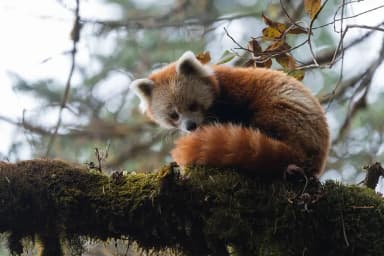
Red panda
 Jkasvi ( talk · contribs ) · CC BY-SA 3.0
Hedgehog
 Kuebi = Armin Kübelbeck · CC BY-SA 3.0
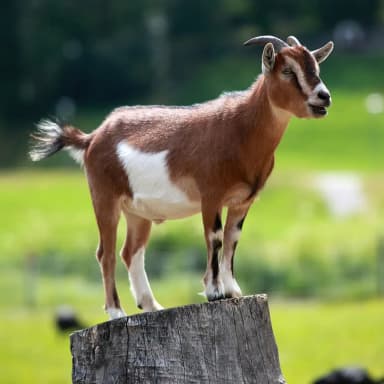
Goat
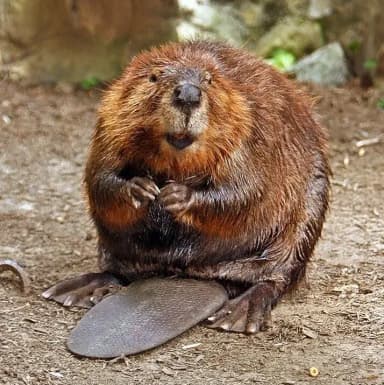 Steve from Washington, DC, USA · CC BY-SA 2.0
American Beaver
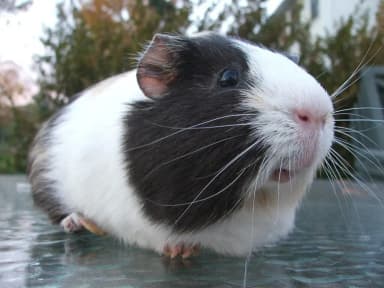 Wikimedia Commons · CC BY-SA 3.0
Guinea Pig
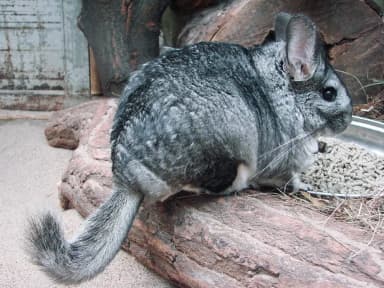 Guérin Nicolas ( messages ) · CC BY-SA 3.0
Chinchilla
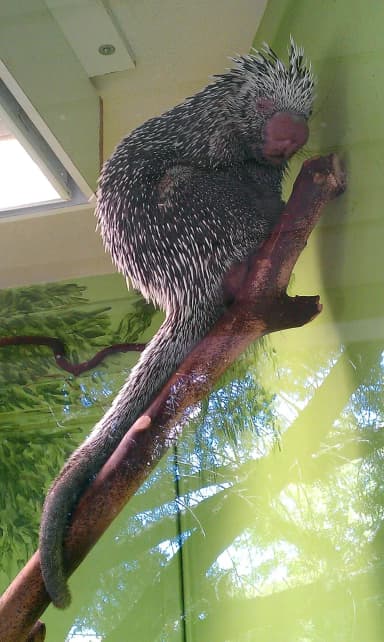 Wikinoobie1 · CC BY-SA 3.0
Prehensile-tailed Porcupine
 Tuxyso · CC BY-SA 3.0
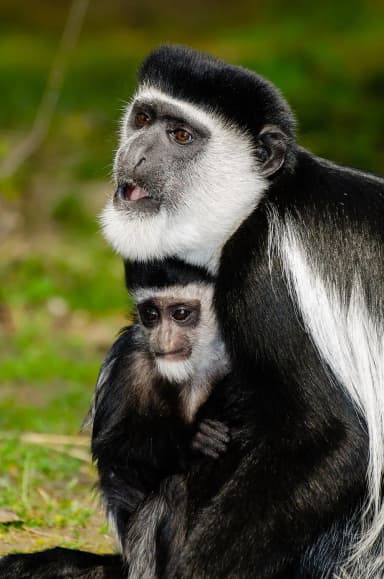
Black-and-white Colobus
 Postdlf · CC BY-SA 3.0
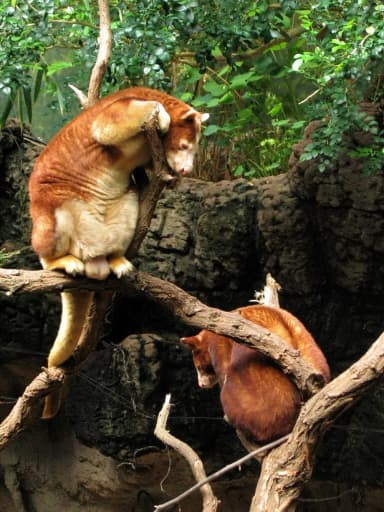
Matschie's Tree Kangaroo
 AfricanConservation · CC BY-SA 4.0
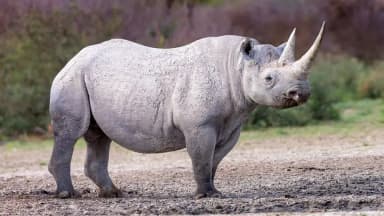
Black Rhinoceros
- Moose
- Howler Monkey
- Goeldi's Monkey
- Mexican Gray Wolf
- Mangabey
- Wolf's Guenon
- Amur Leopard
- Sumatran Orangutan
- Bornean Orangutan
- Flying Squirrel
- Domestic Rat
Show 38 more mammalsShow fewer mammals
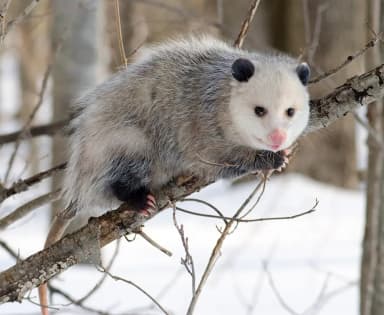 Cody Pope · CC BY-SA 2.5
Virginia Opossum
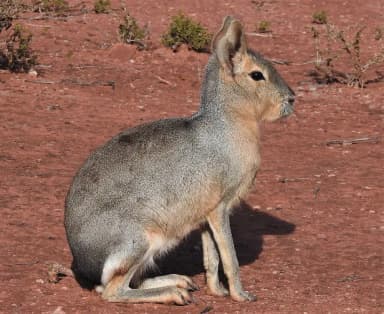 Hugo Hulsberg · CC0
Patagonian Mara
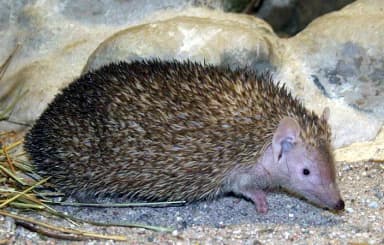 Wilfried Berns www.Tierdoku.com · CC BY-SA 2.0 de
Lesser Hedgehog Tenrec
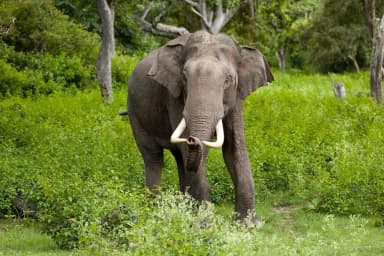 Yathin S Krishnappa · CC BY-SA 3.0
Elephant
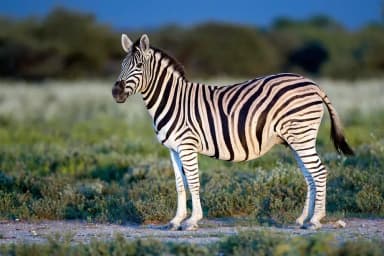 Yathin S Krishnappa · CC BY-SA 3.0
Zebra
 Daniella Maraschiello · CC BY-SA 4.0
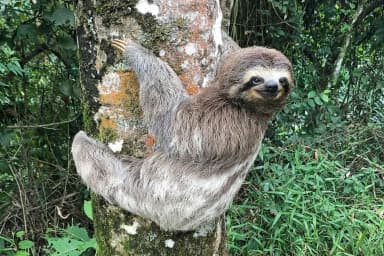
Sloth
 Thomas Fuhrmann · CC BY-SA 4.0
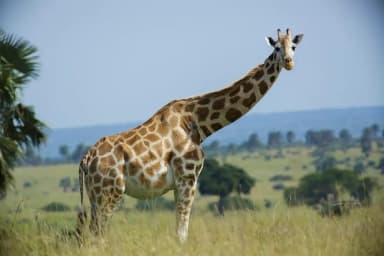
Giraffe
 Brocken Inaglory · CC BY-SA 3.0
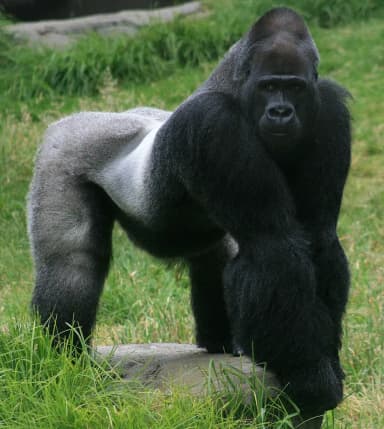
Gorilla
 Kein keen · CC BY-SA 4.0
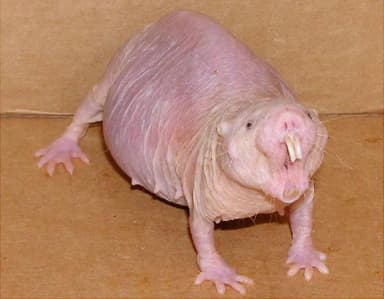
Naked Mole-rat
 Muhammad Mahdi Karim · CC BY-SA 4.0
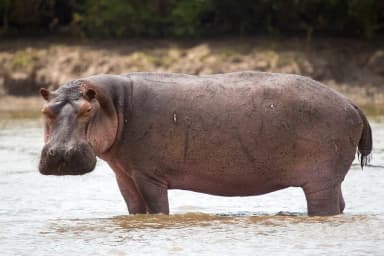
Hippopotamus
 User:MatthiasKabel · CC BY 2.5
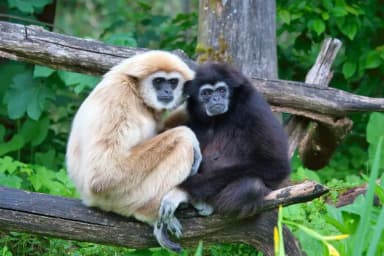
White-handed Gibbon
 Liné1 · CC BY-SA 3.0
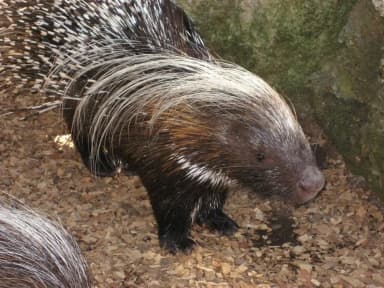
Porcupine
 Steven Lek · CC BY-SA 4.0
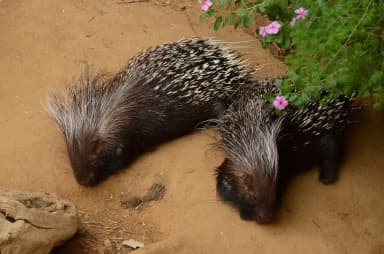
Cape Porcupine
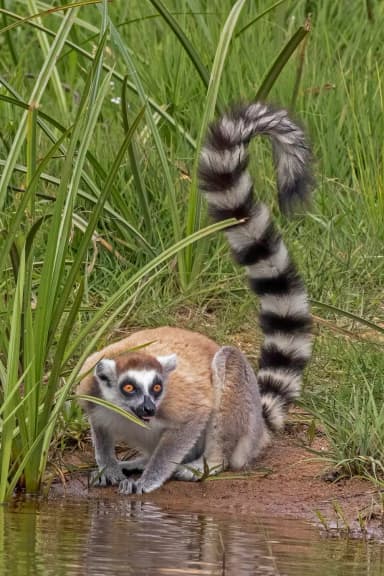 Charles J. Sharp · CC BY-SA 4.0
Ring-tailed Lemur
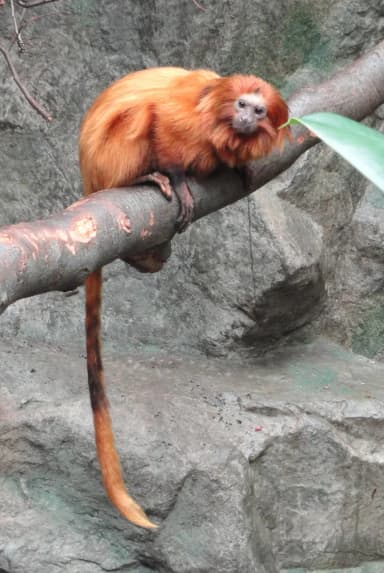 Daderot · CC0
Golden Lion Tamarin
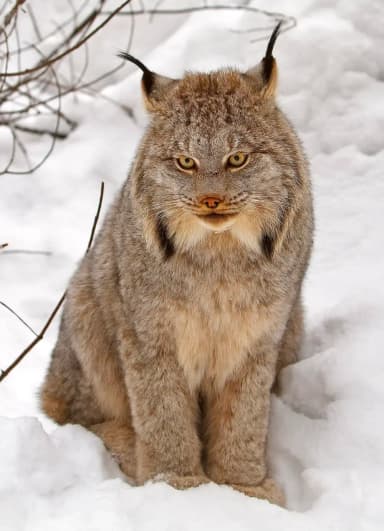 Michael Zahra · CC BY-SA 3.0
Canada Lynx
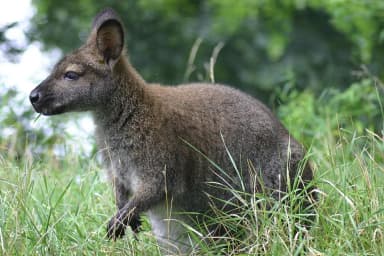 Grendelkhan · CC BY-SA 3.0
Wallaby
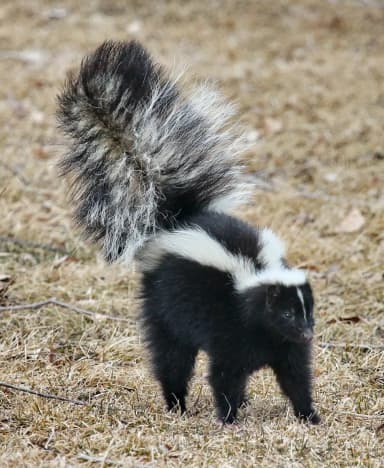 Wallace Keck · Public domain
Striped Skunk
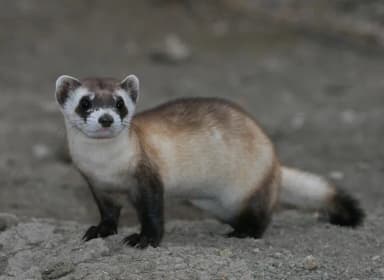 USFWS Mountain Prairie · Public domain
Black-footed Ferret
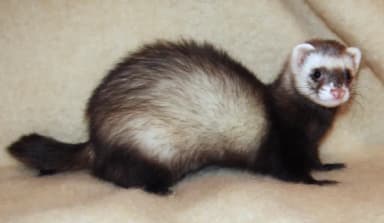 Alfredo Gutiérrez · CC BY-SA 4.0
Domestic Ferret
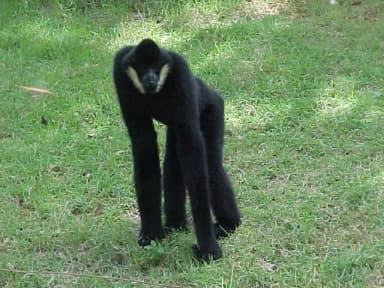 Hasekamp at Dutch Wikipedia · CC BY-SA 3.0
White-cheeked Gibbon
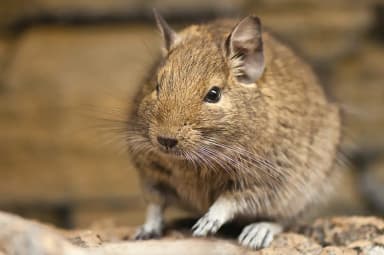 Markus · CC BY-SA 2.0
Degu
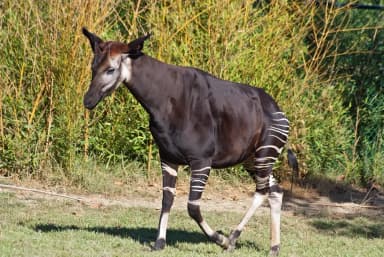 Daniel Jolivet · CC BY 2.0
Okapi
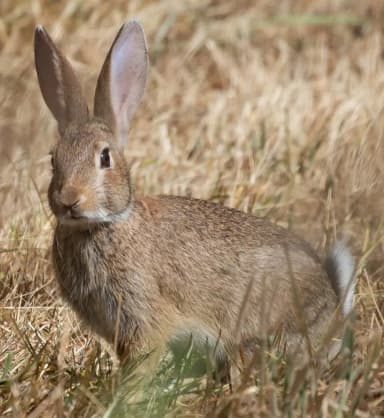 euqirneto · CC BY 4.0
Domestic Rabbit
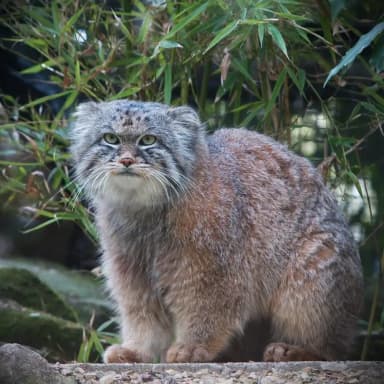 Sander van der Wel · CC BY-SA 2.0
Pallas's Cat
 Giles Laurent · CC BY-SA 4.0
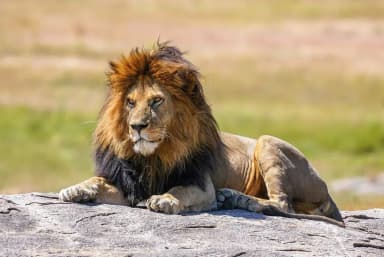
Lion
 Charles J. Sharp · CC BY-SA 4.0
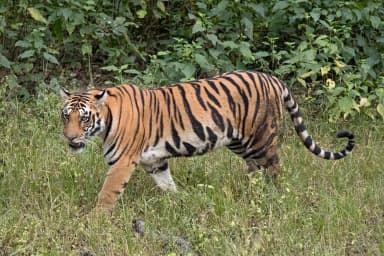
Amur tiger
 Irbis1983 · Public domain
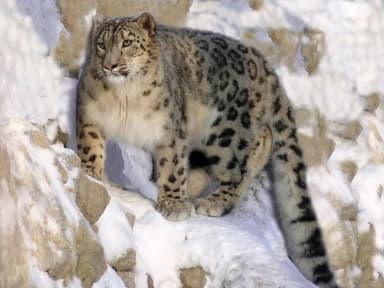
Snow Leopard
 Charles J. Sharp · CC BY-SA 4.0
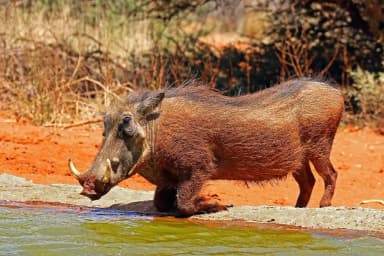
Warthog
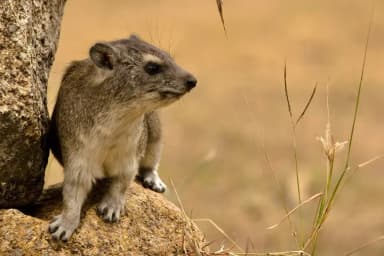 Naturedata · CC0
Rock Hyrax
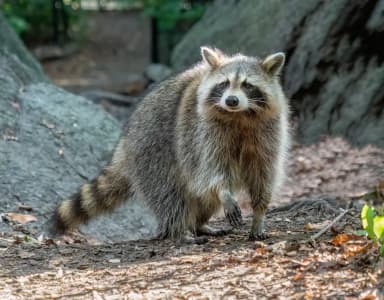 Rhododendrites · CC BY-SA 4.0
Raccoon
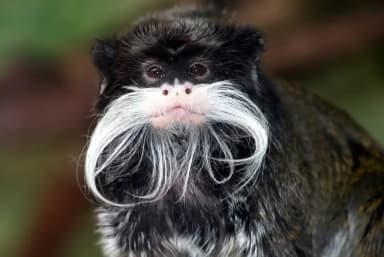 Brocken Inaglory · CC BY-SA 3.0
Emperor Tamarin
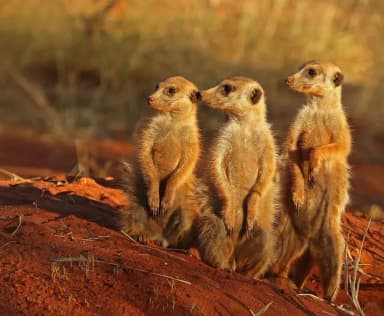 Charles J. Sharp · CC BY-SA 4.0
Meerkat
 Rufus46 · CC BY-SA 3.0
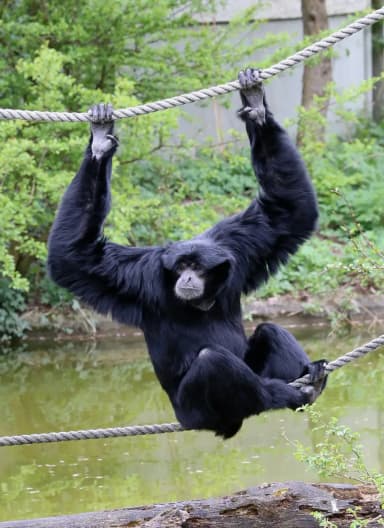
Siamang
 SouthernThreeBandedArmadillo065.jpg : Ltshears derivative work: WolfmanSF ( talk ) · CC BY-SA 3.0
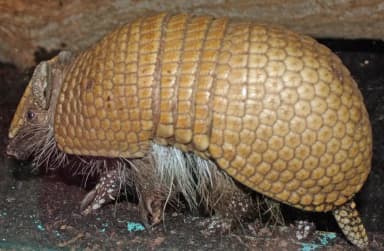
Three-banded Armadillo
 Yathin S Krishnappa · CC BY-SA 3.0
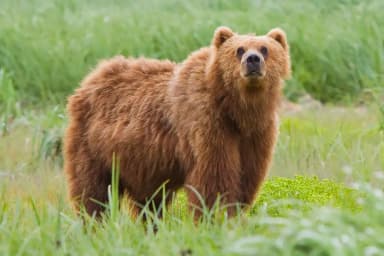
Grizzly bear
 Guérin Nicolas ( messages ) · CC BY-SA 3.0
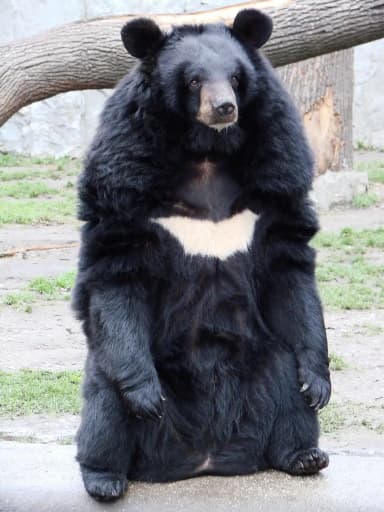
Asiatic Black Bear
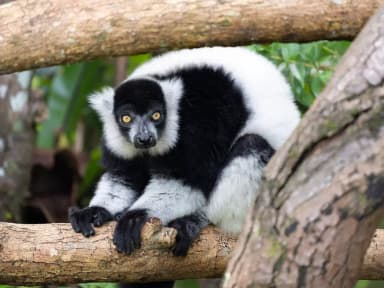 Chensiyuan · CC BY-SA 4.0
Black-and-white Ruffed Lemur
Birds26
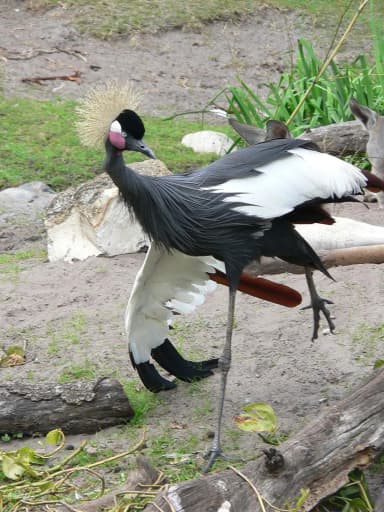 Wikimedia Commons · CC BY-SA 3.0
Black Crowned Crane
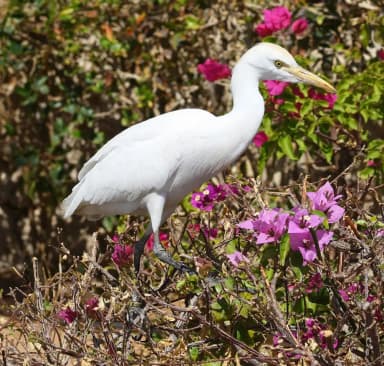 Kora27 · CC BY-SA 4.0
Cattle Egret
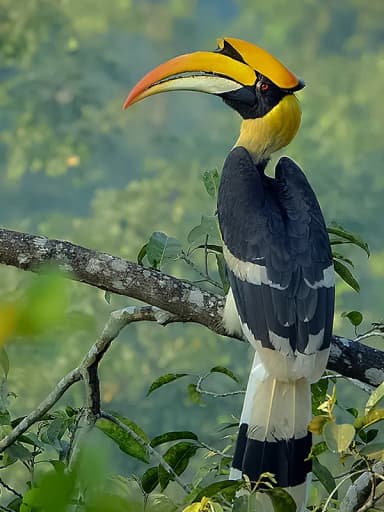 Shantanu Kuveskar · CC BY-SA 4.0
Hornbill
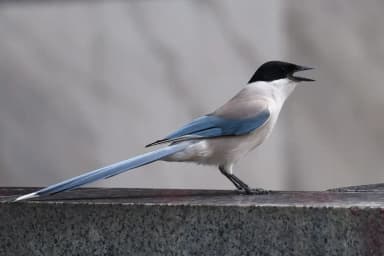 zinogre · CC BY-SA 4.0
Azure-winged Magpie
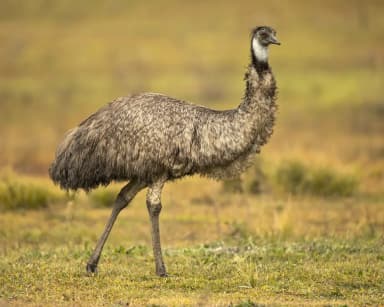 JJ Harrison ( https://www.jjharrison.com.au/ ) · CC BY-SA 4.0
Emu
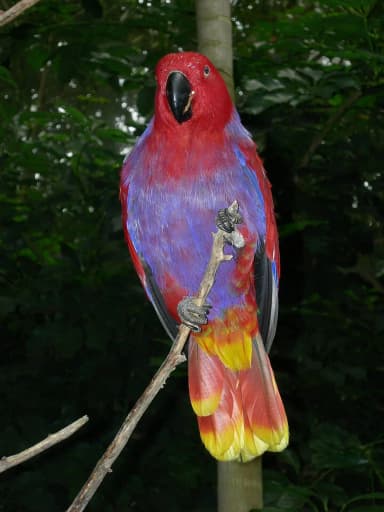 Selena N. B. H. from Carrboro, USA · CC BY 2.0
Eclectus Parrot
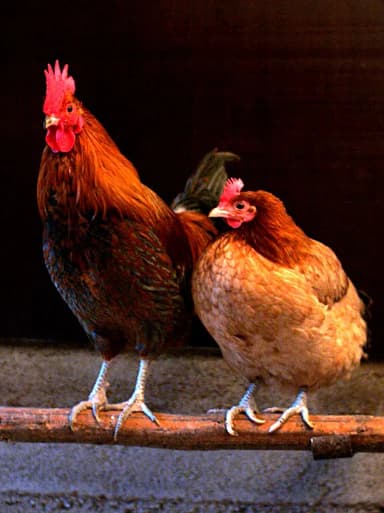 Andrei Niemimäki from Turku, Finland · CC BY-SA 2.0
Chicken
 Bernard Dupont · CC BY-SA 2.0
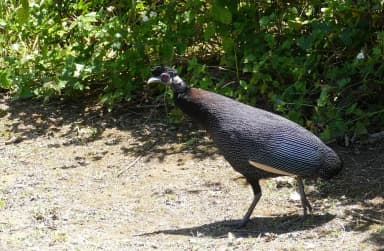
Crested Guineafowl
 Andy Morffew from Itchen Abbas, Hampshire, UK · CC BY 2.0
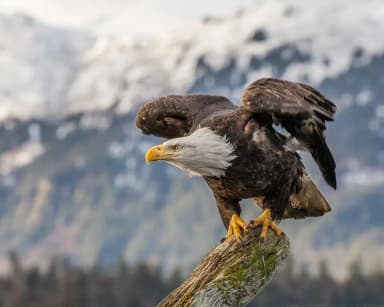
Bald Eagle
 Ken-ichi Ueda · CC BY 4.0
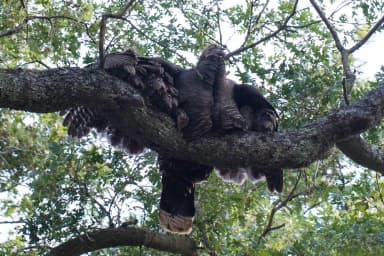
Turkey
 Charles J. Sharp · CC BY-SA 4.0
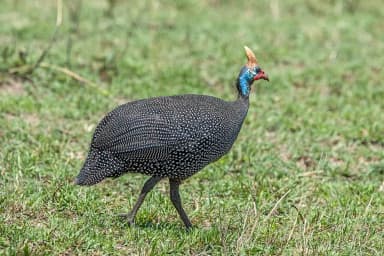
Helmeted Guineafowl
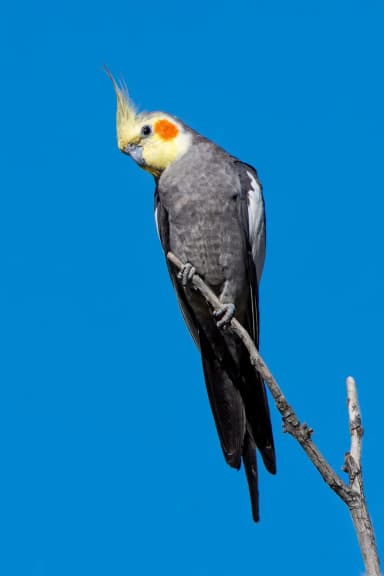 Ganatron · CC BY-SA 4.0
Cockatiel
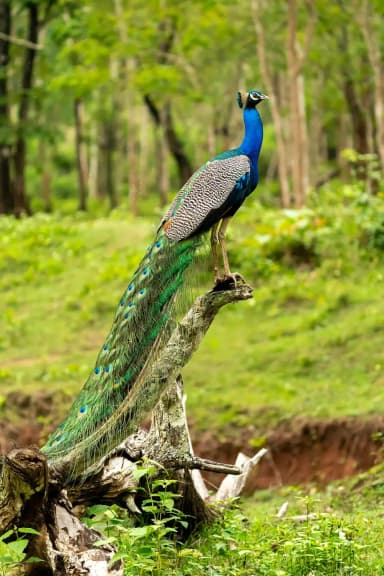 Kandukuru Nagarjun from Bangalore, India · CC BY 2.0
Peafowl
 Florettesokeng · CC BY-SA 4.0
African Grey Parrot
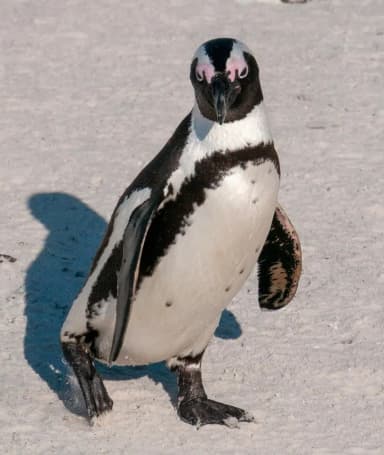 Matti Blume · CC BY-SA 4.0
African penguin
 Yoky · CC BY-SA 3.0
Von der Decken's Hornbill
Reptiles51
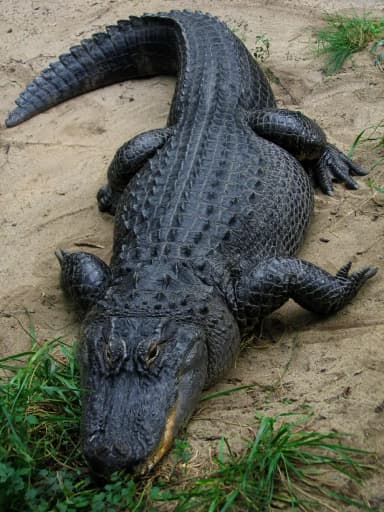 User:Postdlf · CC BY-SA 3.0
American Alligator
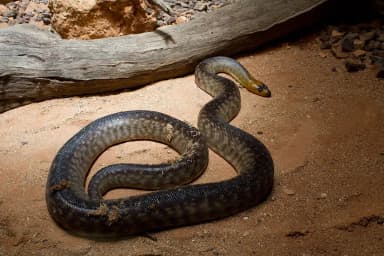 Brian Gratwicke · CC BY 2.0
Woma Python
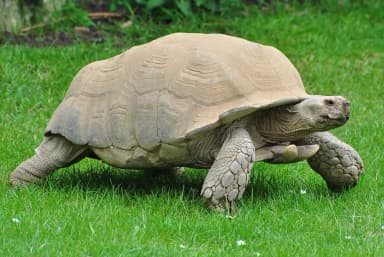 John5199 · CC BY 2.0
African Spurred Tortoise
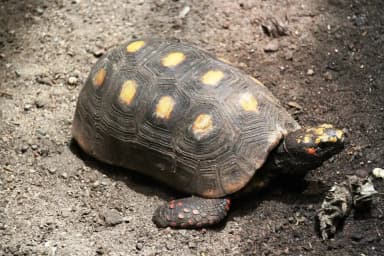 Bjoertvedt · CC BY-SA 3.0
Red-footed Tortoise
 Lennart Hudel · CC BY 4.0
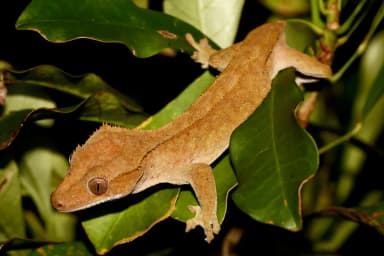
Crested Gecko
 TimVickers · Public domain
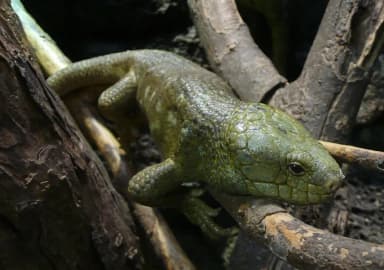
Prehensile-tailed Skink
 The Reptilarium · CC BY-SA 2.0
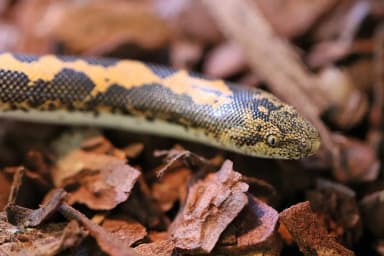
Kenyan Sand Boa
 George Chernilevsky · Public domain
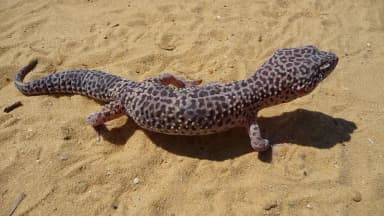
Leopard Gecko
 Gerard Chartier · CC BY 4.0
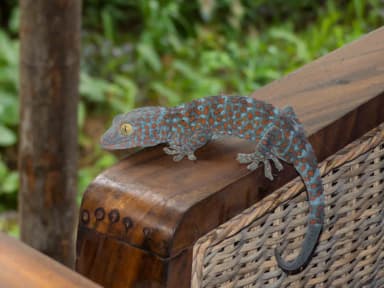
Tokay Gecko
 Davidvraju · CC BY-SA 4.0
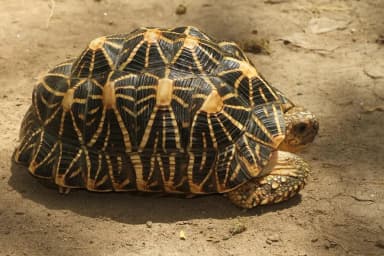
Indian Star Tortoise
- Agama
- Spotted Python
- Stimson's Python
- Veiled Chameleon
- Rainbow Whiptail Lizard
- Flower Snake
- Ridley's Cave Snake
- Collared Lizard
- Black-tailed Cribo
- Mandarin Rat Snake
- Kingsnake
- Grey-banded Kingsnake
- Andean Milksnake
- Desert Kingsnake
- Nelson's Milksnake
- Fire Skink
- Baja Blue Rock Lizard
- Bornean Short-tailed Python
- Bavay's Giant Gecko
- Argentine Red Tegu
- Blue Spiny Lizard
- Mali Uromastyx
- Moroccan Spiny-tailed Lizard
- Quince Monitor
Show 17 more reptilesShow fewer reptiles
 Blueag9 · CC BY-SA 3.0
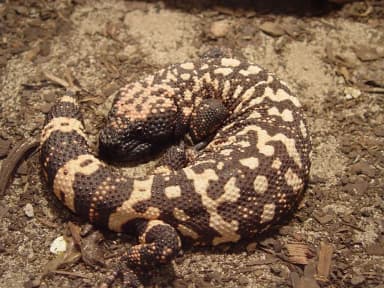
Gila Monster
 The original uploader was Dawson at English Wikipedia . · CC BY-SA 2.5
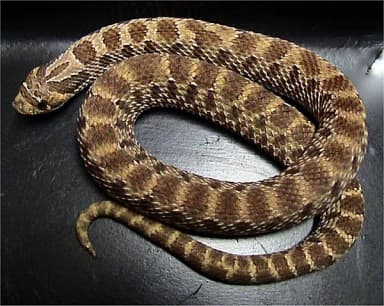
Western Hognose Snake
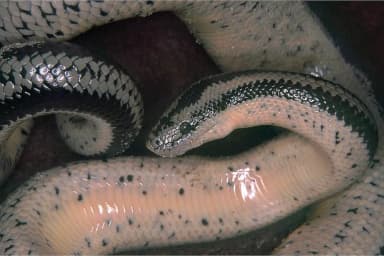 5snake5 · CC0
Rosy Boa
 Dave Pape · Public domain
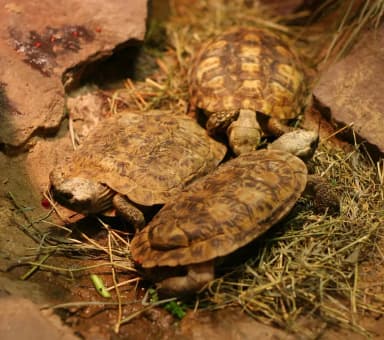
Pancake Tortoise
 Ethan Porcaro · CC0
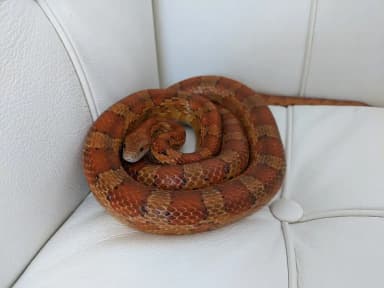
Corn Snake
 Peter Paplanus from St. Louis, Missouri · CC BY 2.0
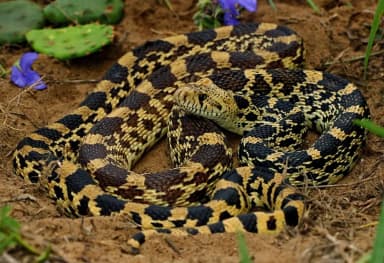
Bullsnake
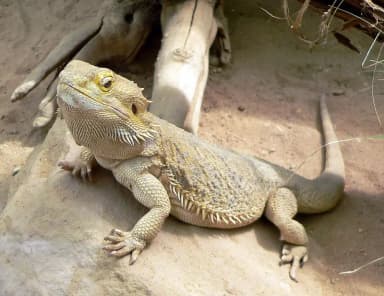 Photograph: Frank C. Müller , Baden-Baden · CC BY-SA 2.5
Bearded Dragon
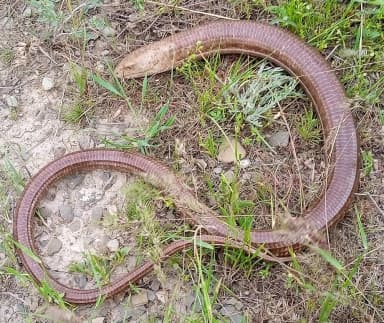 Igor Karyakin · CC BY 4.0
European Glass Lizard
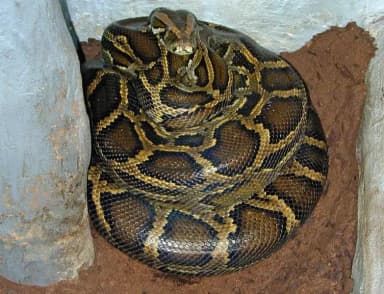 Tigerpython · CC BY 3.0
Burmese Python
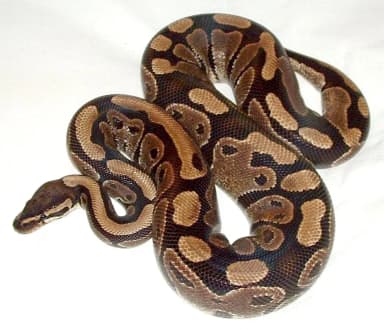 HCA ( talk ) · CC BY-SA 3.0
Ball Python
 Kaldari · Public domain
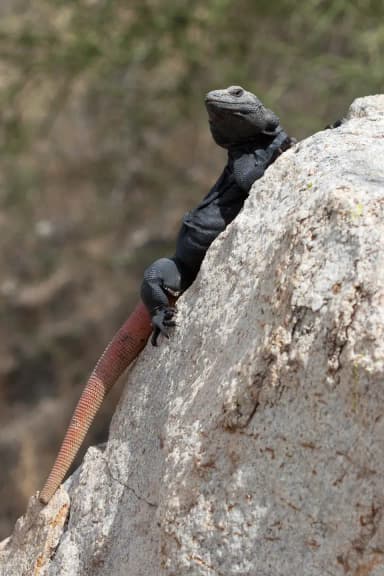
Chuckwalla
 (c) Joshua Liverman, some rights reserved (CC BY) · CC BY 4.0
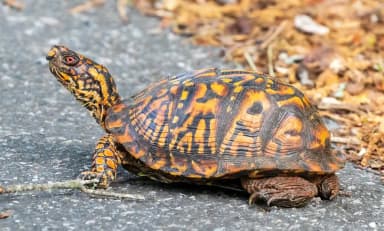
Eastern Box Turtle
 Peter Paplanus · CC BY 2.0
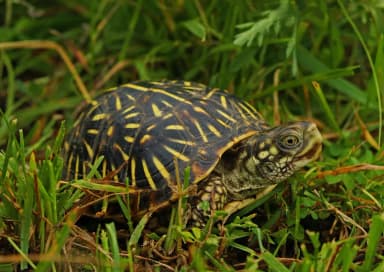
Ornate Box Turtle
 Mtsackid at English Wikipedia · Public domain
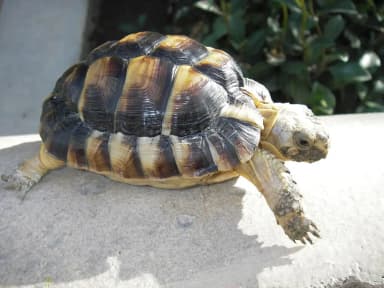
Egyptian Tortoise
 Doug Beckers · CC BY-SA 2.0
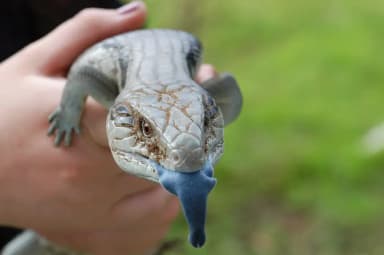
Blue-tongued Skink
 Greg Hume · CC BY-SA 3.0
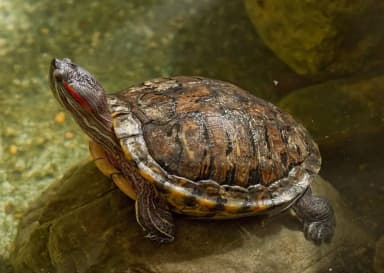
Red-eared Slider
 Hectonichus · CC BY-SA 4.0
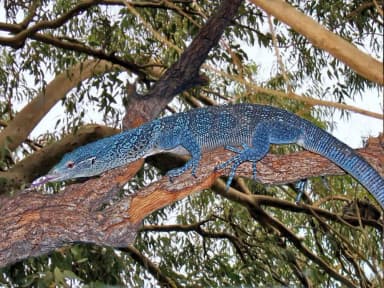
Blue Tree Monitor
Amphibians13
 Charles J. Sharp · CC BY-SA 3.0
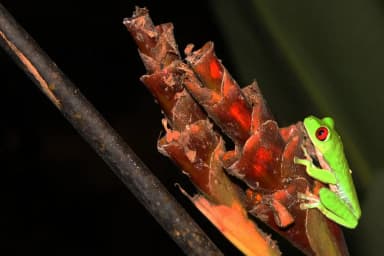
Red-eyed Tree Frog
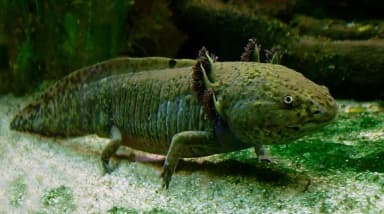 LoKiLeCh · CC BY-SA 3.0
Axolotl
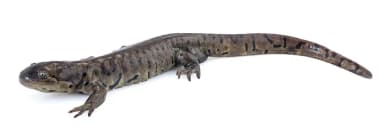 USFWS Mountain Prairie · Public domain
Tiger Salamander
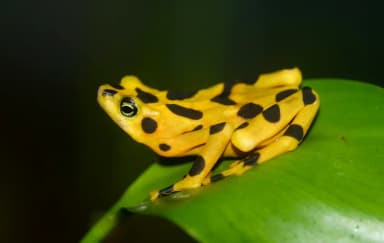 Brian Gratwicke · CC BY 2.0
Panamanian Golden Frog
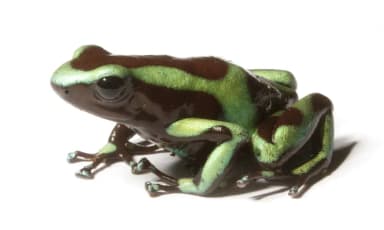 Brian Gratwicke · CC BY 2.0
Green-and-Black Poison Dart Frog
 LiquidGhoul · Public domain
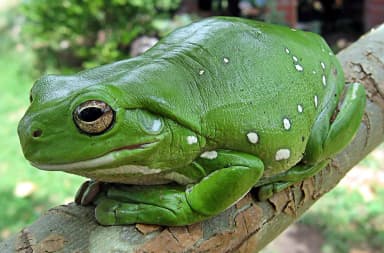
White's Tree Frog
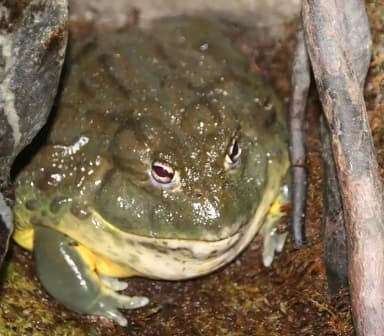 Photo by David J. Stang · CC BY-SA 4.0
African Bullfrog
 Charles J. Sharp · CC BY-SA 4.0
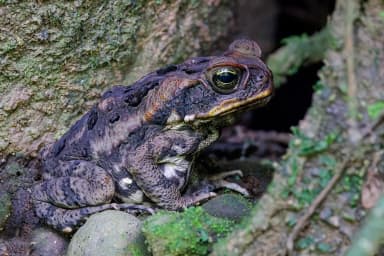
Cane Toad

Feathers & Fangs from visitors
What people who've been to Cheyenne Mountain Zoo say
A Feather is something this zoo does well; a Fang is something it gets wrong. Left by people who've been, and read by us before they appear.
Loading…
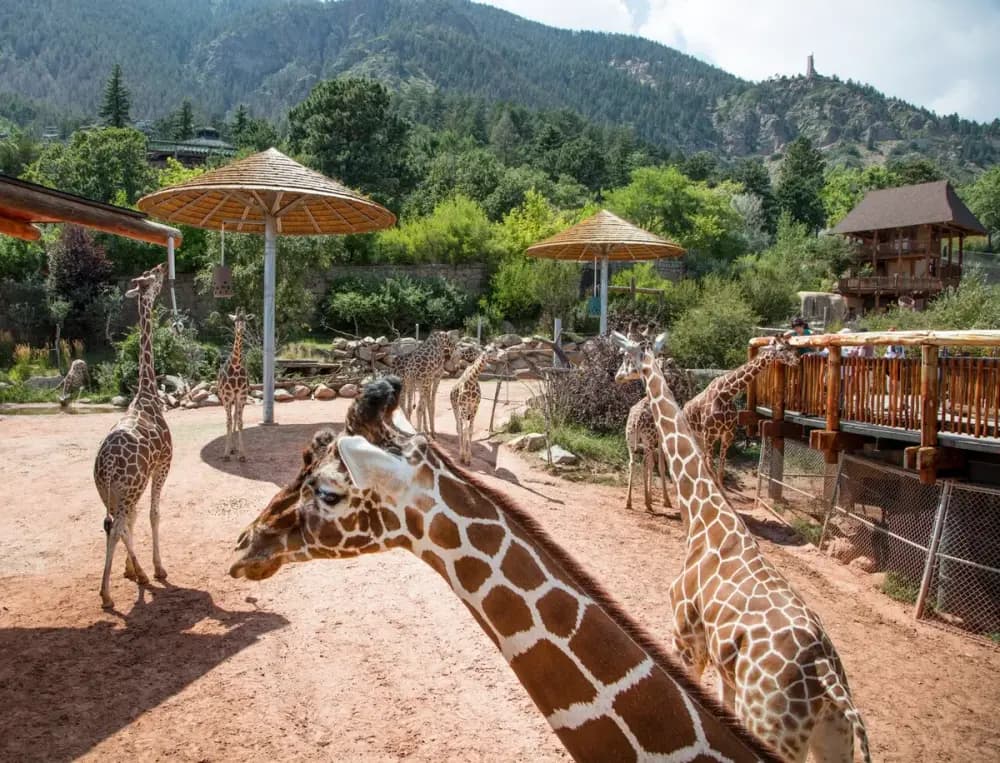
Cheyenne Mountain Zoo sits on the eastern slope of Cheyenne Mountain above Colorado Springs, at roughly 6,800 feet, which makes it the highest-elevation zoo in the United States. It opened in 1926 and occupies about 140 acres of hillside, and the terrain is the defining fact of a visit here: exhibits are arranged in tiers connected by switchback paths and staircases rather than a flat loop, and the climb between the lower and upper zoo is genuine. The zoo is best known for its giraffe herd, one of the largest in any North American institution, and for a feeding platform that brings visitors level with the animals. Other significant areas include Rocky Mountain Wild, which houses North American montane species including moose, grizzly bears and Mexican wolves, and Australia Walkabout. The Will Rogers Shrine of the Sun sits above the zoo and is reachable by road from the upper parking area.
About Cheyenne Mountain Zoo
Cheyenne Mountain Zoo occupies 140 acres on Cheyenne Mountain southwest of downtown Colorado Springs, Colorado, at 4250 Cheyenne Mountain Zoo Road. At an elevation of 6,714 feet above sea level, it is the highest zoo in the country. Of its full acreage, about 40 acres are currently developed for exhibits. The zoo houses more than 750 animals representing nearly 170 different species, including more than 30 endangered species, and is accredited by the Association of Zoos and Aquariums.
The zoo is a non-profit 501(c)(3) organization that receives no local or regional public tax support, a distinction it shares with only a handful of accredited zoos nationally. In USA Today's 2026 10Best Readers' Choice Awards, Cheyenne Mountain Zoo was voted the #2 Best Zoo in the country, matching its highest-ever ranking for a second consecutive year. The zoo turns 100 in 2026, and it recently opened the International Center for the Care and Conservation of Giraffe.
The zoo is organized into distinct thematic areas — African, Asian, Australian, and Rocky Mountain habitats among them — built up over successive expansions funded largely through admissions, memberships, and donor campaigns rather than tax dollars. It is especially known for its giraffe program, which has produced more than 200 calves since the 1950s and now anchors a national resource center for giraffe care.
History
Businessman Spencer Penrose received a bear as a gift in 1916, an event that sparked a growing menagerie he kept at his Broadmoor Hotel until a monkey bit a guest. That collection became the basis for Cheyenne Mountain Zoo, founded in 1926. In 1938, Penrose incorporated the zoo as a non-profit public trust for the people of Colorado Springs, dedicated to recreation, education, conservation, and scientific work in zoology.
The zoo's Master Plan, created in 1989, has guided more than $30 million in exhibit replacements and improvements over the following decades, funded by individuals, foundations, and corporations. On August 6, 2018, the zoo was struck by a sudden, severe hailstorm with baseball-sized hail; staff were praised nationally for evacuating animals and guests using an incident command system, though three employees were hospitalized and five animals — two peafowl, a Cape vulture, a Muscovy duck, and a young meerkat pup — died of their injuries.
Giraffes have been central to the zoo's identity since 1954, when the first of what is now more than 200 calves born on-site arrived. The zoo maintains a bank of giraffe plasma for use by other facilities; when a giraffe calf named Dobby was born at the Denver Zoo in 2017 without the antibodies needed to survive, Cheyenne Mountain sent banked plasma that made a successful transfusion possible. In 2022, the zoo established the International Center for the Care and Conservation of Giraffe, which hosts workshops and consulting services aimed at improving giraffe care industry-wide, and the Center's building held its grand opening in September 2026.
Exhibits and habitats
Cheyenne Mountain Zoo's exhibits are grouped by region and climate across its mountainside grounds. African Rift Valley, an $11 million savanna-themed exhibit, houses African lions, African spurred tortoises, colobus monkeys, Cape vultures, meerkats, red river hogs, reticulated giraffes, and rock hyrax. Encounter Africa, built at a cost of $13.5 million and recognized at the 2014 AZA Honors and Awards event, holds African cape porcupines, African elephants, eastern black rhinoceros, and additional meerkats.
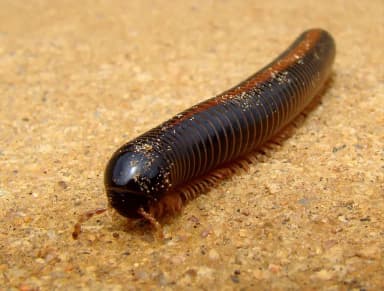
Australia Walkabout includes a walk-through red-necked wallaby yard, a budgie aviary, emus, American alligators, shelducks, White's tree frogs, and Matschie's tree kangaroos. Scutes Family Gallery, originally built in the early 1940s as the Bird and Reptile House and later renovated using Encounter Africa campaign funds, contains more than 40 reptile species including Burmese pythons, sloths, lizards, and tortoises. Nearby Tapir and Okapi exhibits house mountain tapirs and okapis, an area popular with the zoo's free-roaming Indian peafowl.
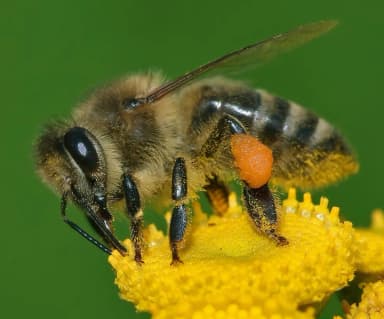
Asian Highlands exhibits Amur tigers, Amur leopards, snow leopards, and red pandas in naturalistic mountainside habitats. Rocky Mountain Wild, an $8.2 million exhibit, houses bald eagles, Canada lynx, greenback cutthroat trout, grizzly bears, Mexican gray wolves, moose, cougars, porcupines, river otters, and rainbow trout. Primate World holds Sumatran and Bornean orangutans, western lowland gorillas, golden lion tamarins, siamangs, and naked mole rats, while Rocky Cliffs highlights native Rocky Mountain goats. Water's Edge: Africa, opened in 2020, houses Nile hippopotamuses and African penguins alongside ring-tailed lemurs, warthogs, and Kenya crested guineafowl. The Loft and My Big Backyard round out the collection with smaller species — goats, beavers, black-footed ferrets, chinchillas, tortoises, chickens, honey bees, and rabbits among them — used largely for education.
Animal highlights
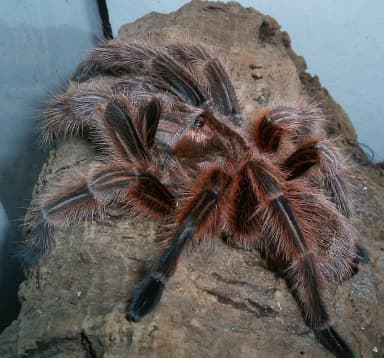
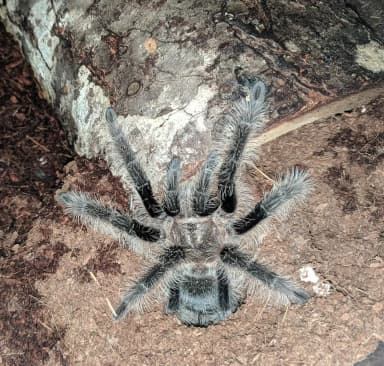
The zoo's published figures put the collection at more than 750 animals representing nearly 170 species, with at least 166 species listed on the zoo's website. Notable residents include big cats such as Amur tigers, Amur leopards, and snow leopards; a large giraffe herd descended from a breeding program running since 1954; African elephants, black rhinoceros, and hippopotamuses in the African exhibits; orangutans and western lowland gorillas in Primate World; and species central to the zoo's conservation programs, including black-footed ferrets, Wyoming toads, and Mexican gray wolves. Other species on view range from red pandas and okapis to Gila monsters, axolotls, and a range of tortoises and tarantulas housed in the zoo's smaller exhibit buildings.
Conservation and programs
Cheyenne Mountain Zoo breeds several endangered species as part of its conservation work, including black-footed ferrets, Wyoming toads, and Mexican gray wolves, and it participates in more than 30 Species Survival Plan programs overall. Its black-footed ferret program has been especially productive, with 647 kits born on the mountain as of 2024. The zoo also participates in the Panama Amphibian Rescue and Conservation project alongside the Houston Zoo, the Smithsonian Tropical Research Institute, the Smithsonian Conservation Biology Institute, and Zoo New England, working to protect amphibian species threatened by a fast-moving chytrid fungus.
Funding for field conservation runs through the zoo's Quarters for Conservation (Q4C) program, launched in 2008, which allocates 75 cents from every admission fee — plus set contributions from memberships — to conservation projects that guests vote to support. The program raised more than $2 million in its first decade and has since passed $6 million total. Recent guest-voted projects have funded giraffe field research with the Giraffe Conservation Foundation, pollinator tracking in Colorado, anti-poaching and coexistence work with Kenyan lion populations, okapi conservation in the Democratic Republic of the Congo, and African penguin ranger support in South Africa. Membership dues alone contribute $100,000 annually to the zoo's field conservation efforts.
Planning your visit
As listed on the zoo's website, Cheyenne Mountain Zoo is open from 9 a.m. to 5 p.m. Advance timed tickets are required for both members and non-members. The zoo's other attractions include a carousel dating to around 1925 that has operated at the zoo since 1937, the Mountaineer Sky Ride — an open-air, ski-lift-style ride above the Rocky Mountain goat, grizzly bear, and Amur tiger exhibits — and access to the Cheyenne Mountain Highway and the Will Rogers Shrine of the Sun, both included with zoo admission.
The zoo runs periodic discount events, including a Military Appreciation Week (Sept. 14–20, 2026) offering 50% off admission for active-duty, veteran, and retired military personnel and their household dependents. Giraffe feeding is available for a small per-bundle fee, and various animal demonstrations run throughout the day, weather and animal participation permitting. Because ticket prices, ride fees, and discount schedules change, confirm current details on the official Cheyenne Mountain Zoo website before visiting.
What we haven't confirmed
Everything above came from public sources. These specifics we haven't stood behind yet:
- Current ticket prices
- Parking details and fees
- Time needed for a typical visit
- Phone number
- Stroller and wheelchair accessibility details
Cheyenne Mountain Zoo compared with nearby zoos
How Cheyenne Mountain Zoo lines up against the closest zoos we have details for — useful if you're deciding between them for the same day out.
| Zoo | Distance | Admission | Hours | Size | AZA |
|---|---|---|---|---|---|
| Cheyenne Mountain ZooThis zooColorado Springs, CO | — | $34 | 9 am – 5 pm | 140 acres | Yes |
| Nature and Wildlife Discovery CenterPueblo, CO | 36 mi | Free | River Campus (5200 Nature Center Rd, Pueblo): Wed–Sun 9:00 AM – 4:00 PM. Raptor Center not open for walk-ins (scheduled tours only). | 611 acres | No |
| Pueblo ZooPueblo, CO | 37 mi | $15.25 | 9am – 4pm | 25 acres | Yes |
| Denver ZooDenver, CO | 68 mi | $27 | 9 am – 4 pm | 80 acres | Yes |
Distances are straight-line. A dash means we haven't confirmed that detail yet, not that the zoo lacks it.
AZAThe Association of Zoos and Aquariums. Accredited members have passed an independent inspection of animal care and welfare, safety, conservation and education, repeated every five years. Many smaller facilities never apply, so “not accredited” isn't a verdict on its own. What accreditation means · How we check this
Cheyenne Mountain Zoo: common questions
Is Cheyenne Mountain Zoo AZA accredited?
Yes, it is accredited by the Association of Zoos and Aquariums.
How big is the zoo?
It covers 140 acres on Cheyenne Mountain, with about 40 acres currently developed for exhibits.
When did it open?
The zoo was founded in 1926 by Spencer Penrose and became a nonprofit public trust in 1938.
How many animals and species live there?
More than 750 animals representing nearly 170 species, with at least 166 species listed on the zoo's website.
Is it really the highest zoo in the country?
Yes — at 6,714 feet above sea level, it holds that distinction.
Do I need a timed ticket?
Yes, advance tickets are required for both members and non-members.
Is there a ride above the animal habitats?
Yes, the Mountaineer Sky Ride carries guests above the Rocky Mountain goat, grizzly bear, and Amur tiger exhibits.
Something wrong here? Tell us — we correct in place, with a dated note.