
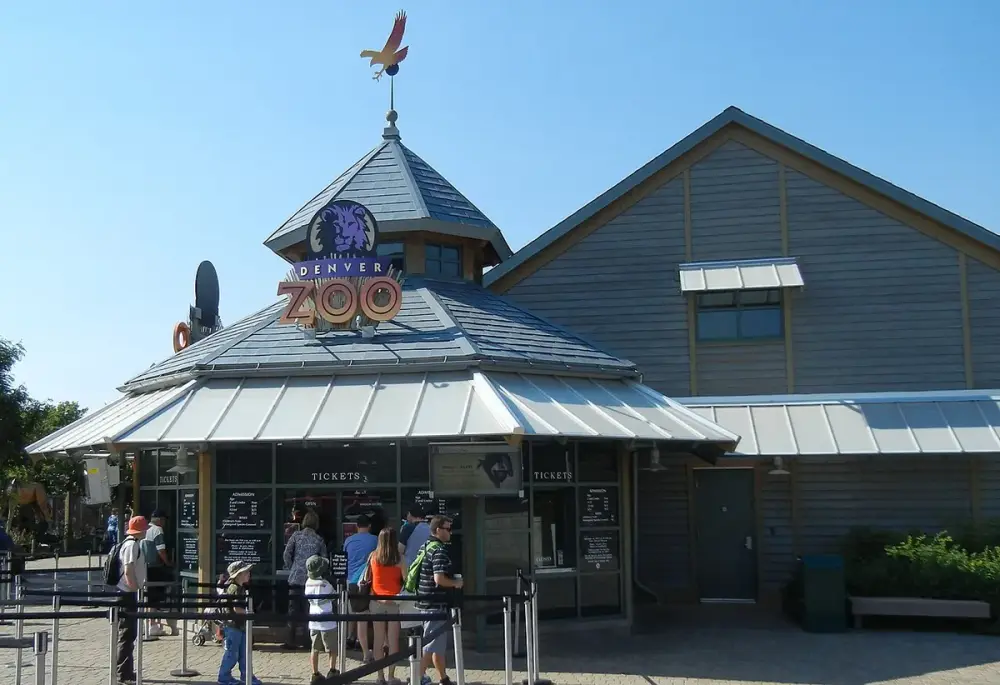
- Admission
- $27
- Size
- 80 acres
- Opened
- 1896
- Accreditation
- AZA
Association of Zoos and Aquariums
Everything below is directory information drawn from public sources and the zoo's own site.
Animals at Denver Zoo
42 confirmedMammals28
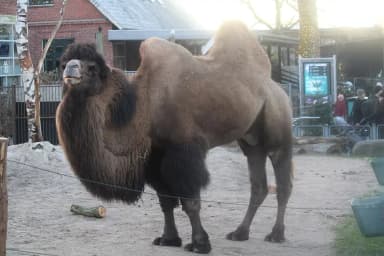 Christian Ursilva from Copenhagen, Denmark · CC BY-SA 4.0
Bactrian Camel
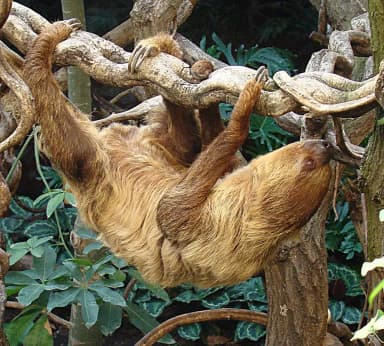 Dick Culbert from Gibsons, B.C., Canada · CC BY 2.0
Linnaeus's Two-toed Sloth
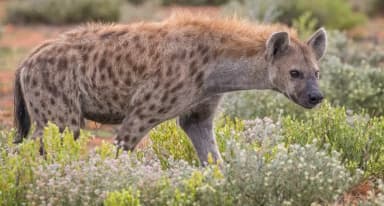 Charles J. Sharp · CC BY-SA 4.0
Spotted Hyena
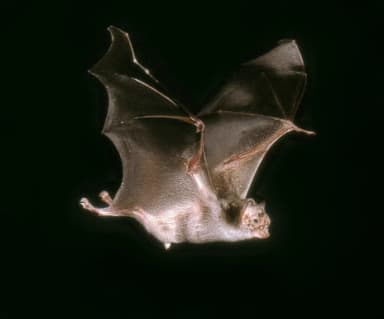 Uwe Schmidt · CC BY-SA 4.0
Vampire Bat
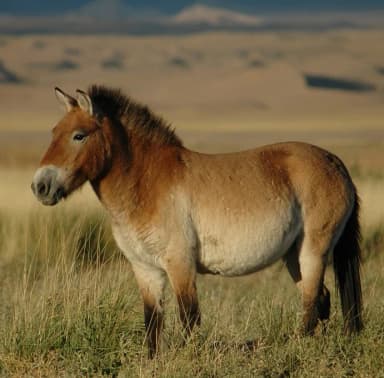 Claudia Feh · CC BY-SA 4.0
Przewalski's Horse
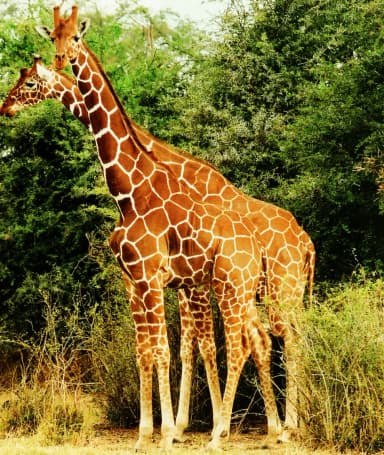 Relative of Brandt Luke Zorn, most likely his father. · CC BY-SA 2.0
Reticulated giraffe
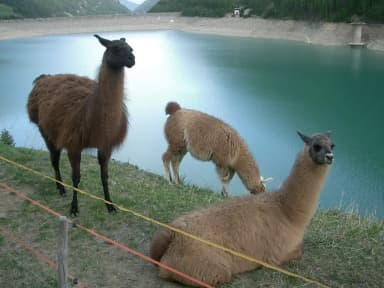 Andrija12345678 · CC BY-SA 4.0
Llama
 Charles J. Sharp · CC BY-SA 4.0
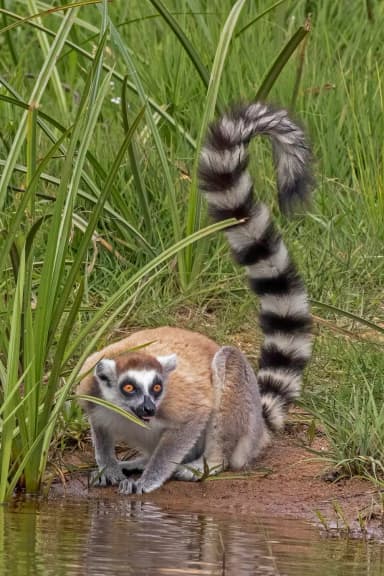
Ring-tailed Lemur
 Daderot · CC0
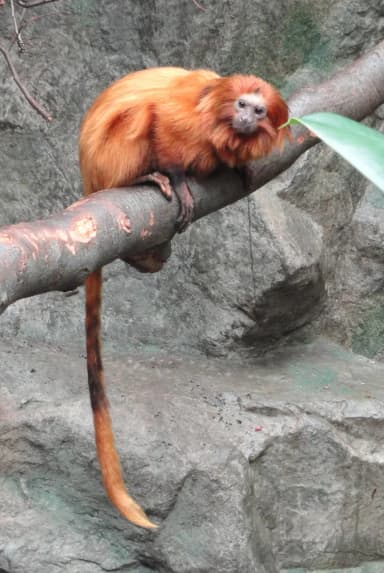
Golden Lion Tamarin
 Katma0601 · CC BY-SA 4.0
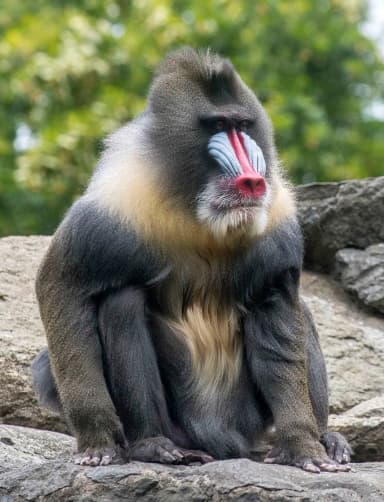
Mandrill
 Hasekamp at Dutch Wikipedia · CC BY-SA 3.0
White-cheeked Gibbon
 Daniel Jolivet · CC BY 2.0
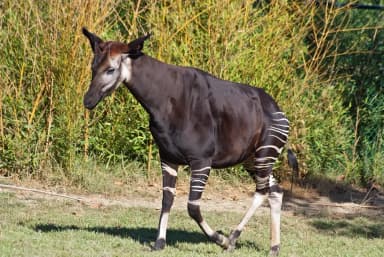
Okapi
 Giles Laurent · CC BY-SA 4.0
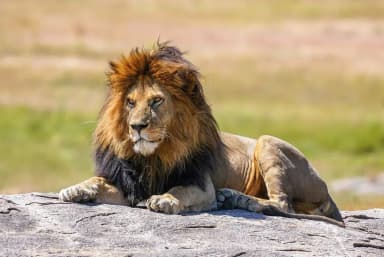
Lion
 Becker1999 from Grove City, OH · CC BY 2.0
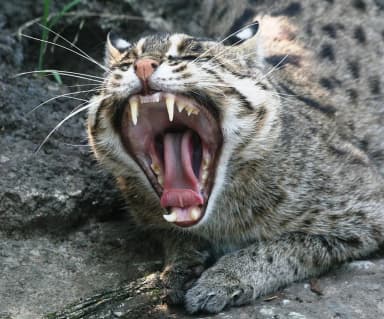
Fishing Cat
 Mayank1704 · CC BY-SA 4.0
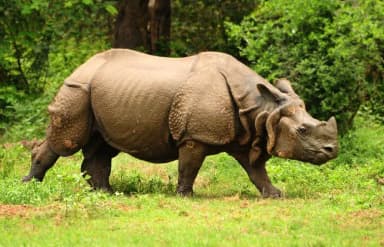
Greater One-horned Rhinoceros
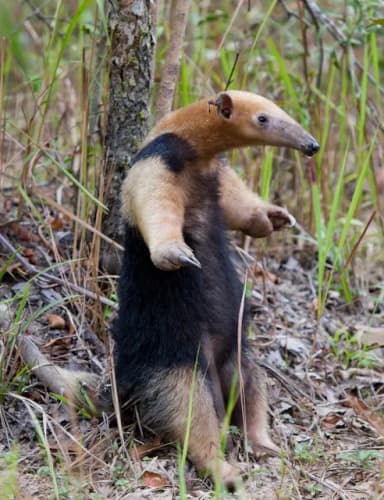 Sinara Conessa · CC BY 2.0
Southern Tamandua
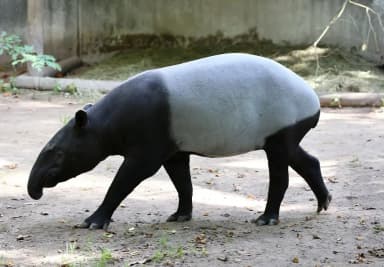 Rufus46 · CC BY-SA 3.0
Malayan Tapir
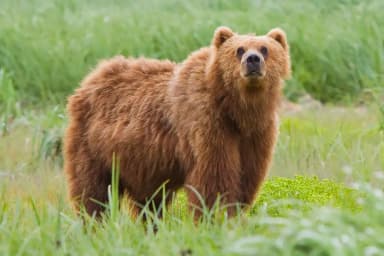 Yathin S Krishnappa · CC BY-SA 3.0
Grizzly bear
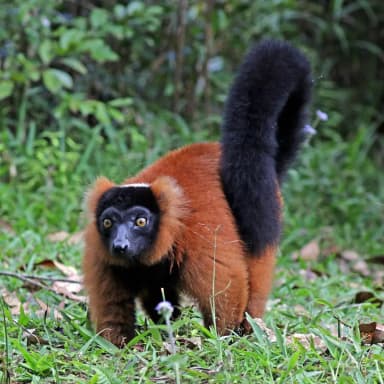 Charles J. Sharp · CC BY-SA 4.0
Red Ruffed Lemur
Birds5
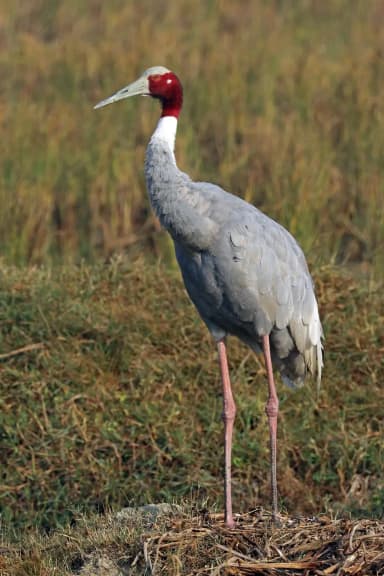
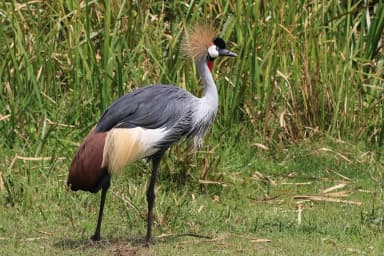
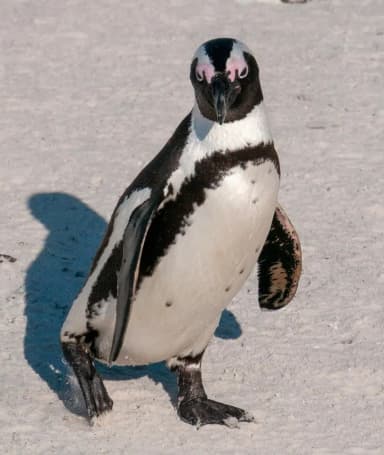
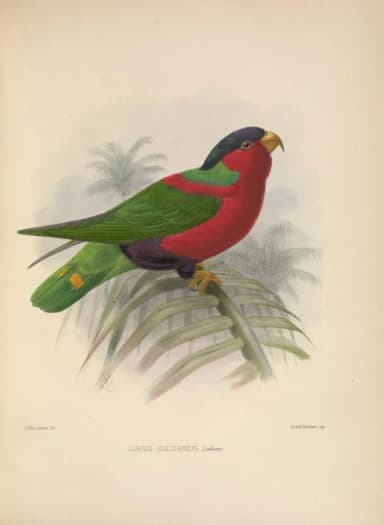
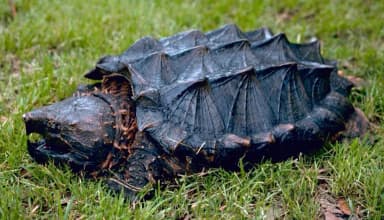
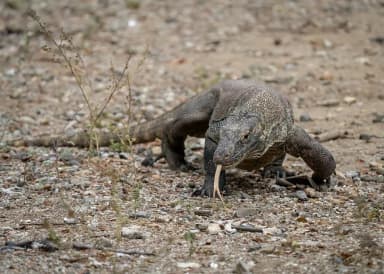
Reptiles3
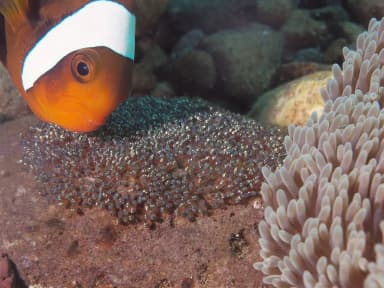
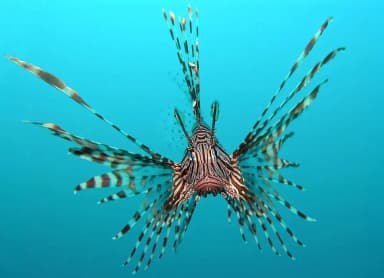
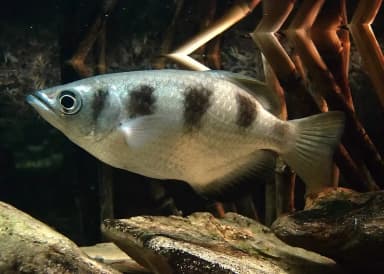
Fish5
Invertebrates1
Feathers & Fangs from visitors
What people who've been to Denver Zoo say
A Feather is something this zoo does well; a Fang is something it gets wrong. Left by people who've been, and read by us before they appear.
Loading…
About Denver Zoo
Denver Zoo Conservation Alliance is an 80-acre nonprofit zoological garden and conservation organization located in City Park in Denver, Colorado. Founded in 1896, it is operated by the Denver Zoological Foundation and funded in part by ticket sales, private donations and the Scientific and Cultural Facilities District. It is the most visited paid attraction in Denver, drawing more than 1.5 million visitors annually and housing over 2,500 animals.
The zoo is accredited by the Association of Zoos and Aquariums and American Humane, and is a member of the World Association of Zoos and Aquariums. It achieved ISO 14001 environmental certification in 2009, received the first AZA Green Award in 2011, and was named "Greenest Zoo in the Country" at the World Renewable Energy Forum in 2012; in 2015 it added OHSAS 18001 certification, becoming only the fourth zoo in the world to hold both. In 2024, the organization rebranded from Denver Zoo to Denver Zoo Conservation Alliance to reflect its ongoing focus on conservation and education.
The zoo is organized loosely by geography and rotational habitat concepts. Primate Panorama groups apes and monkeys in open-air mesh tents; Predator Ridge and Toyota Elephant Passage use rotating habitat systems that let multiple species share space at different times, an approach the zoo pioneered and that has since been copied by other zoos worldwide. Denver Zoo was also the first zoo in the United States to use naturalistic enclosures rather than barred cages, a legacy that traces back to the 1918 Bear Mountain exhibit.
History
Denver Zoo began in 1896 when an orphaned American black bear cub, gifted to Mayor Thomas S. McMurray and named Billy Bryan, was given to City Park keeper Alexander J. Graham, who used the animal to start the zoo. Early additions included native waterfowl, prairie dogs, pronghorn antelope and Chinese pheasants. A 1905 population boom in red squirrels decimated the bird population at Duck Lake; when citizens protested a plan to shoot the squirrels, the zoo relocated as many as it could catch instead.
In 1906, Mayor Robert W. Speer ordered the zoo's cage bars replaced with naturalistic features, hiring landscape architect Saco R. DeBoer and appointing Victor H. Borcherdt as director. Borcherdt designed Bear Mountain, which opened in 1918: a 43-foot-tall, 185-foot-long structure of dyed, textured concrete cast from Dinosaur Mountain near Morrison, Colorado, using hidden moats instead of bars. It housed polar bears and grizzly bears and established Denver as one of America's foremost zoos — the Saint Louis Zoo later hired Borcherdt after seeing it. Monkey Island followed in 1937, funded by the Works Progress Administration.
The Denver Zoological Foundation was created in 1950, the same year the zoo acquired its first elephant, Cookie. A perimeter fence went up in 1957, and automobile traffic was eliminated from the zoo grounds in 1959. The Feline House opened in 1964, a Giraffe House in 1966, Bird World in 1975, Northern Shores in 1987, and Wolf Pack Woods in 1988.
The 1990s brought Tropical Discovery, an $11.5 million indoor aquarium and herpetarium that opened in 1993 and doubled the number of species and animals at the zoo on its own. In 2007, a jaguar fatally mauled zookeeper Ashlee Pfaff, and the zoo has not kept jaguars since 2010. Denver Zoo achieved ISO 14001 certification in 2009 — the first U.S. zoo to do so. The $50 million Toyota Elephant Passage opened in 2012 as the largest bull elephant habitat in the world. More recent additions include The Edge in 2017, Harmony Hill in 2019, and Down Under in 2024. That same year, the zoo also announced acquisition of 570 acres in Weld County — the Lembke Family Preserve — its first expansion beyond the 80-acre main campus in its history.
Exhibits and habitats
Primate Panorama spans 7 acres and includes open-air mesh tents housing Wolf's guenons, black-and-white colobus, siamangs and spider monkeys, plus western lowland gorillas and Sumatran orangutans with their own outdoor habitats. The Emerald Forest pavilion houses smaller primates including aye-ayes and golden lion tamarins, connecting to a rotating lemur island exhibit. The Shamba features red river hogs, mandrills and cape porcupines, and the Forest Aviary is a 7,500-square-foot walk-through space with waldrapp ibises and Indian peafowl.
Predator Ridge, completed in 2004, represents the African savanna with a rotation system for Southern African lions and spotted hyenas. African hoofed mammal yards include Grevy's zebras, reticulated giraffes, okapis and antelope species like eastern bongo and lesser kudu. A penguin habitat with a 10,000-gallon pool opened in 2021 near the front entrance.
Toyota Elephant Passage is a $50 million, 10-acre complex designed to house up to 12 Asian elephants, including bull elephants that form loose bachelor herds — a behavioral discovery the exhibit was designed to study. It includes greater one-horned rhinoceros, Malayan tapirs, babirusas, and Northern white-cheeked gibbons that swing over a visitor boardwalk. The exhibit earned LEED Platinum certification. The Edge, opened in 2017, replaced Wolf Pack Woods with a pine-forest habitat for Amur tigers.
Tropical Discovery, opened in 1993, is the zoo's aquarium and herpetarium, moving visitors from a South American river exhibit through a bat cave, a snake exhibit inside a Mayan temple, a rainforest area and a coral reef tank. Dragons of Komodo, inside the same building, opened in 1999 and remains one of the largest Komodo dragon exhibits in the country. Stingray Cove, a seasonal touch-tank exhibit, opened in 2020, and a Flamingo Habitat opened just outside Tropical Discovery in 2023. The Sea Lion Habitat, unveiled in 2025, replaced the 1987 Northern Shores sea lion exhibit.
Into the Wild includes the historic Bear Mountain structure, preserved on the National Register of Historic Places though no longer housing animals, the Mountain Sheep Habitat for bighorn sheep, and Lorikeet Adventure, an interactive mesh-tent aviary. Down Under, opened in May 2024, is a walk-through habitat for red kangaroos and red-necked wallabies alongside Huon tree kangaroos and Southern cassowaries. Harmony Hill, opened in 2019 in the former polar bear exhibit, now houses grizzly bears and two rescued leucistic raccoons.
Animal highlights
Denver Zoo lists at least 43 species on its website, part of a collection the zoo describes as more than 2,500 animals overall. Named species include African penguins, Komodo dragons, Grevy's zebras, reticulated giraffes, okapis, Malayan tapirs, western lowland gorillas, Sumatran orangutans, Amur tigers, spotted hyenas, greater one-horned rhinoceros, red kangaroos, lemurs and vampire bats.
The zoo has particular breeding history with Lake Titicaca frogs, having become the first zoo outside South America to breed the species after receiving 20 individuals from Peru's Huachipa Zoo in 2015. It manages the entire AZA population of lichenose leaf-tailed geckos, native to Madagascar, and continues to work with boreal toads, having released hundreds of young toads in Utah and thousands of tadpoles in Colorado.
Conservation and programs
Denver Zoo Conservation Alliance has participated in more than 600 conservation projects across 62 countries on six continents since 1996, coordinated through its Department of Conservation Biology. Amphibian work includes partnerships in Peru to protect the Lake Titicaca frog and Lake Junin giant frog, and a joint program with Colorado Parks and Wildlife launched in 2021 to increase the state's boreal toad population.
The zoo has a long history with the American bison, having received a breeding herd of five in 1899 as one of the first zoos to help save the species from extinction. It no longer exhibits bison but manages a herd on the Rio Mora National Wildlife Refuge in New Mexico and has contributed animals to herds near Denver and Lamar, Colorado. The 570-acre Lembke Family Preserve, donated in 2024, will expand the zoo's breeding and reintroduction capacity sevenfold once complete.
In March 2023, Denver Zoo became the first zoo in Colorado to earn Certified Autism Center designation. The Helen and Arthur E. Johnson Animal Hospital, completed in 2021, includes one of the few CT scanners on any American zoo campus.
Planning your visit
Online timed ticket reservations are required for entry, as listed on the zoo's website; general admission tickets go on sale 10 days in advance and are non-refundable. Members may enter early, from 8 to 9 a.m., between Memorial Day and Labor Day. Hours checked on the zoo's website showed 9 a.m. to 4 p.m., though these vary seasonally — confirm before you go. The zoo is closed on Thanksgiving and Christmas Day.
Parking is free in the lots adjacent to the zoo and in the four-level parking garage, along 23rd Avenue between York Street and Colorado Boulevard. Denver CityPASS bundles zoo admission with other Denver attractions for a discount, and the zoo offers seven Community Free Days each year through a lottery, along with reduced admission for SNAP/EBT Explorer cardholders.
Wheelchairs and Electric Convenience Scooters can be rented first-come, first-served, and reservations are recommended. The zoo is a Certified Autism Center and offers Sensory Kits for checkout, plus a Wellness Room near Primate Panorama for quiet breaks. Dining options include Kamala Snacks & Sips, Cup and Cone coffee, and Samburu Grille. Most visitors spend one to three hours at the zoo. Check the official website for current tickets, hours and any closures before visiting.
What we haven't confirmed
Everything above came from public sources. These specifics we haven't stood behind yet:
- Current admission ticket prices
- Time needed for a full visit
- Phone number confirmation for guest services beyond what's listed
- Exact current species and animal counts
Denver Zoo compared with nearby zoos
How Denver Zoo lines up against the closest zoos we have details for — useful if you're deciding between them for the same day out.
| Zoo | Distance | Admission | Hours | Size | AZA |
|---|---|---|---|---|---|
| Denver ZooThis zooDenver, CO | — | $27 | 9 am – 4 pm | 80 acres | Yes |
| Cheyenne Mountain ZooColorado Springs, CO | 68 mi | $34 | 9 am – 5 pm | 140 acres | Yes |
| Nature and Wildlife Discovery CenterPueblo, CO | 103 mi | Free | River Campus (5200 Nature Center Rd, Pueblo): Wed–Sun 9:00 AM – 4:00 PM. Raptor Center not open for walk-ins (scheduled tours only). | 611 acres | No |
| Pueblo ZooPueblo, CO | 104 mi | $15.25 | 9am – 4pm | 25 acres | Yes |
Distances are straight-line. A dash means we haven't confirmed that detail yet, not that the zoo lacks it.
AZAThe Association of Zoos and Aquariums. Accredited members have passed an independent inspection of animal care and welfare, safety, conservation and education, repeated every five years. Many smaller facilities never apply, so “not accredited” isn't a verdict on its own. What accreditation means · How we check this
Denver Zoo: common questions
Is Denver Zoo AZA accredited?
Yes, it is accredited by the AZA and American Humane, and is a member of the World Association of Zoos and Aquariums.
How big is Denver Zoo?
The main campus covers 80 acres in City Park, with a separate 570-acre conservation property, the Lembke Family Preserve, added in 2024.
When did Denver Zoo open?
It was founded in 1896 with the donation of an orphaned black bear cub.
How many animals does Denver Zoo have?
The zoo lists at least 43 species on its website, part of a collection of more than 2,500 animals overall.
Do I need a reservation to visit?
Yes, online timed ticket reservations are required for non-members.
Is parking free?
Yes, parking is free in the adjacent lots and the four-level garage.
Is the zoo wheelchair and stroller accessible?
Yes, wheelchairs and electric scooters are available to rent, and the zoo recommends reserving them in advance.
Something wrong here? Tell us — we correct in place, with a dated note.