
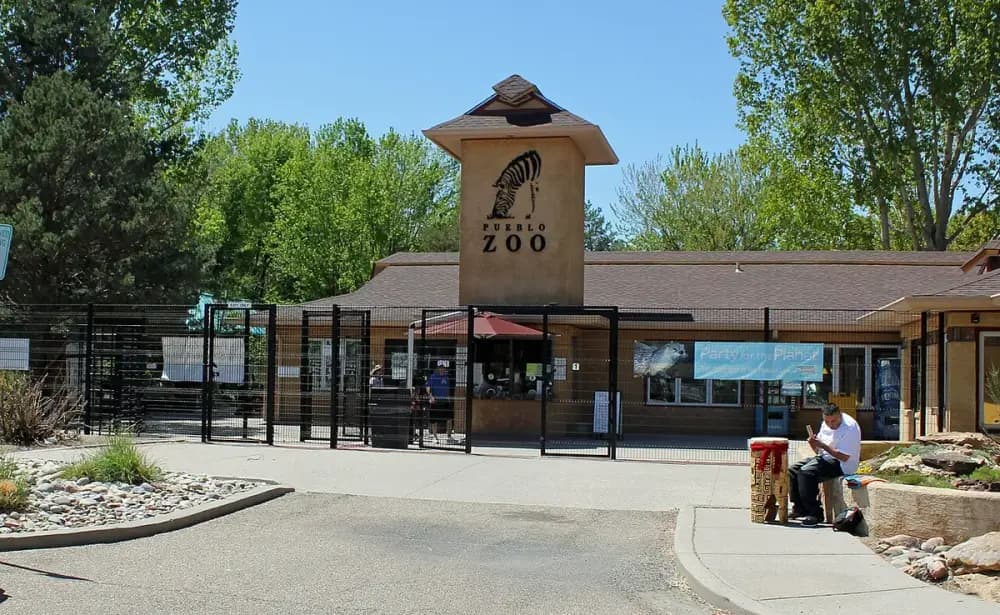
- Admission
- $15.25
- Size
- 25 acres
- Animals
- 500
- Opened
- 1933
- Accreditation
- AZA
Association of Zoos and Aquariums
Everything below is directory information drawn from public sources and the zoo's own site.
Animals at Pueblo Zoo
70 of the ~125 species this zoo listsMammals22
 Jack Dykinga · Public domain
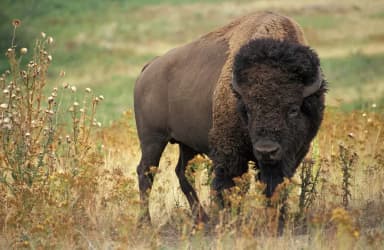
American Bison
 Wolfgang Moroder · CC BY-SA 3.0
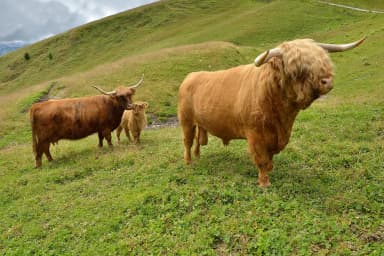
Highland Cattle
 Christian Ursilva from Copenhagen, Denmark · CC BY-SA 4.0
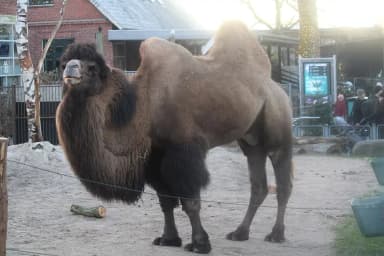
Bactrian Camel
 Kuebi = Armin Kübelbeck · CC BY-SA 3.0
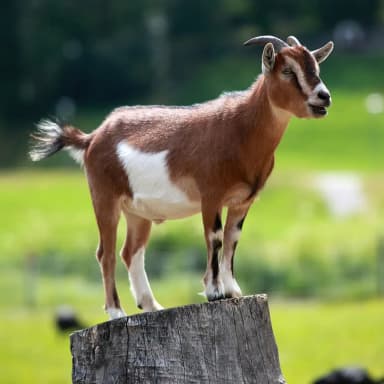
Goat
 su neko · CC BY 2.0
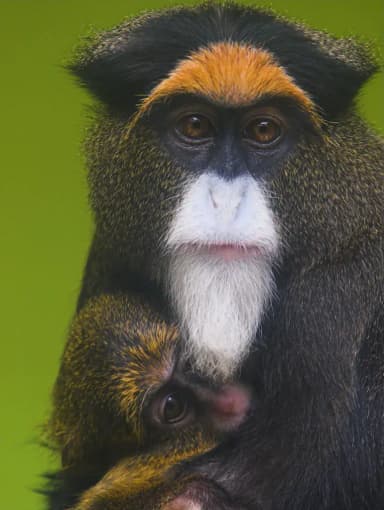
De Brazza's Monkey
 Jsfouche · CC BY-SA 3.0
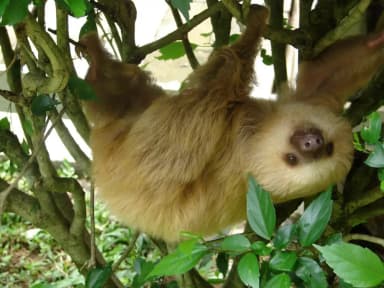
Hoffmann's Two-toed Sloth
 Jonathan Wilkins · CC BY-SA 3.0
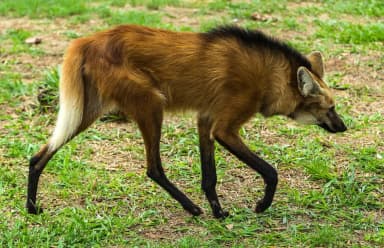
Maned Wolf
 Christian Ursilva from København, Danmark · CC BY-SA 4.0
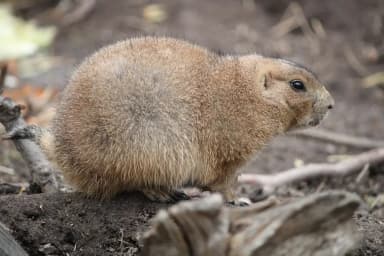
Black-tailed Prairie Dog
 Adrian Pingstone · Public domain
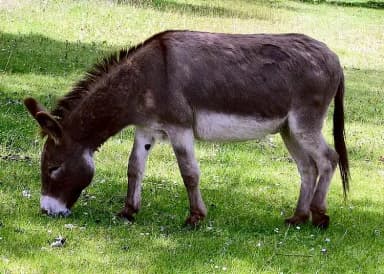
Miniature Donkey
 Wikimedia Commons · Public domain
North American Porcupine
 Kein keen · CC BY-SA 4.0
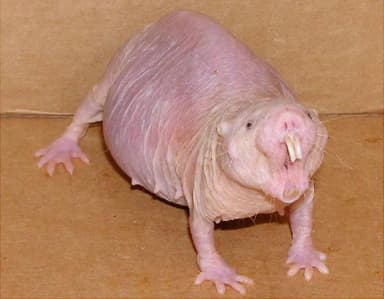
Naked Mole-rat
 User:MatthiasKabel · CC BY 2.5
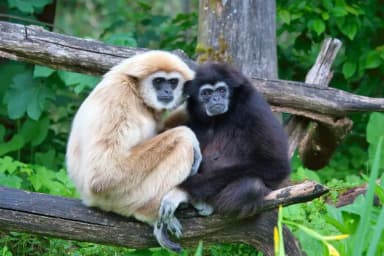
White-handed Gibbon
 Quartl · CC BY-SA 3.0
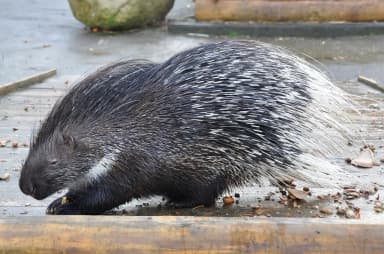
African Crested Porcupine
 Andrija12345678 · CC BY-SA 4.0
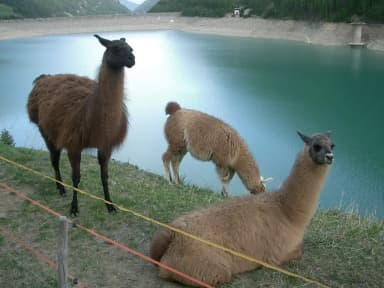
Llama
 USFWS Mountain-Prairie · Public domain
North American River Otter
 AfricanConservation · CC BY-SA 4.0
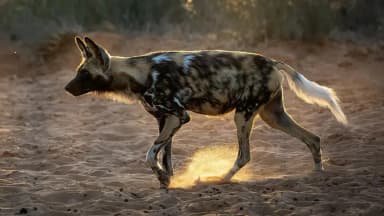
African Wild Dog
 Sander van der Wel · CC BY-SA 2.0
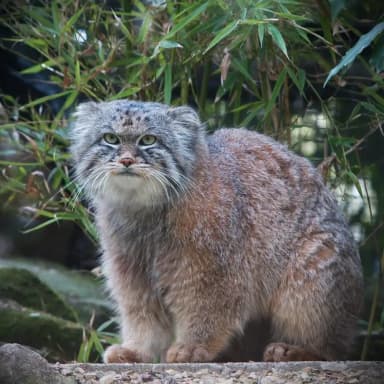
Pallas's Cat
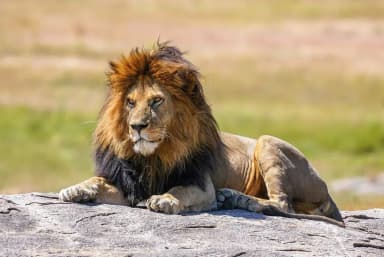 Giles Laurent · CC BY-SA 4.0
Lion
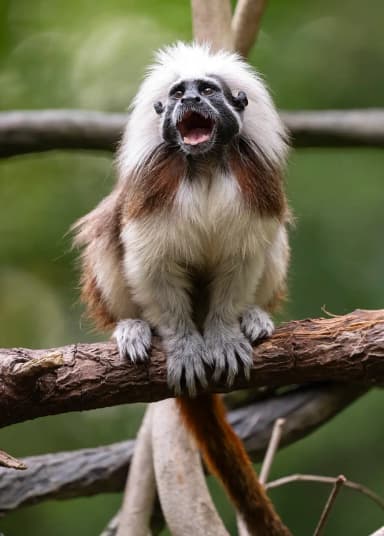 Chensiyuan · CC BY-SA 4.0
Cotton-top Tamarin
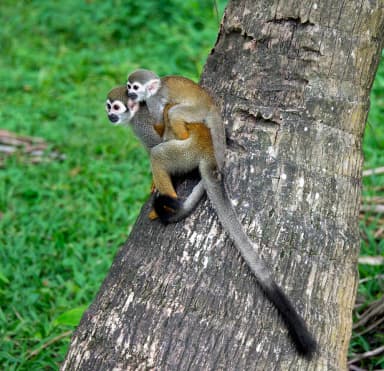 Cayambe · CC BY-SA 3.0
Squirrel Monkey
 kallerna · CC BY-SA 4.0
Guinea Hog
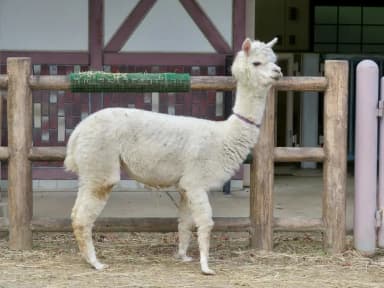 KKPCW · CC BY-SA 4.0
Alpaca
Birds21
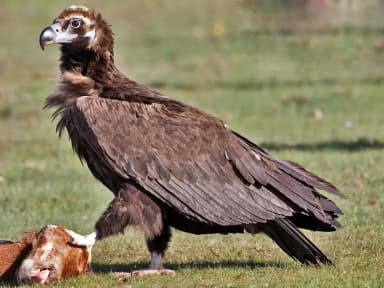 Juan Lacruz · CC BY-SA 3.0
Cinereous Vulture
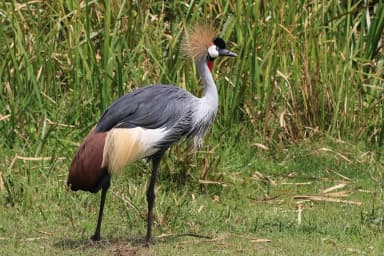 Charles J. Sharp · CC BY-SA 4.0
Grey Crowned Crane
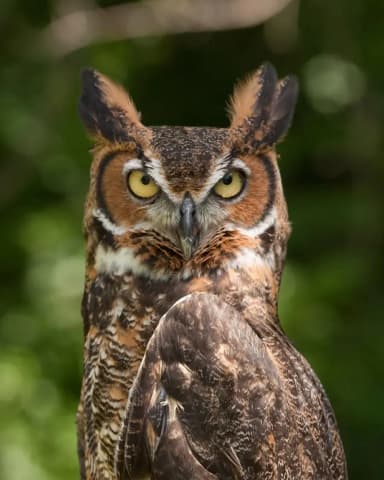 Greg Hume · CC BY-SA 3.0
Great Horned Owl
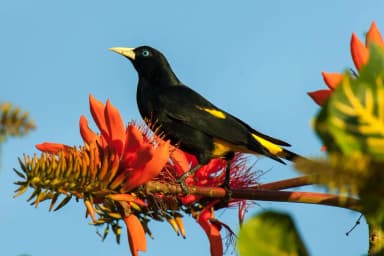 Francesco Veronesi from Italy · CC BY-SA 2.0
Yellow-rumped Cacique
 ziggypop74 · CC BY 4.0
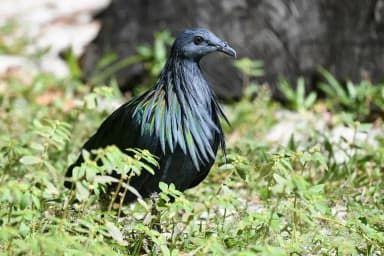
Nicobar Pigeon
 Charles J. Sharp · CC BY-SA 4.0
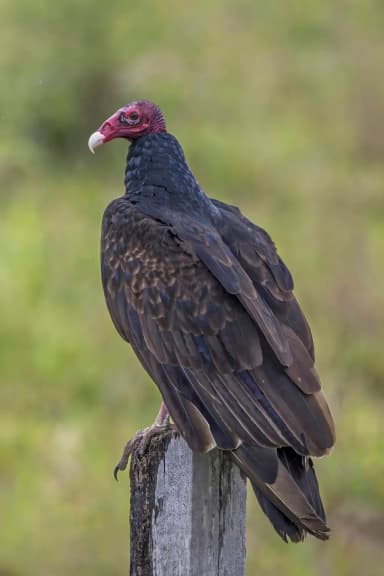
Turkey Vulture
 Charles J. Sharp · CC BY-SA 4.0
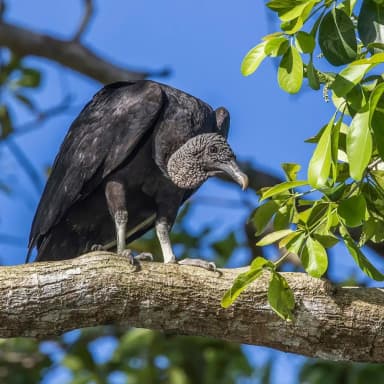
Black Vulture
 JJ Harrison ( https://www.jjharrison.com.au/ ) · CC BY-SA 4.0
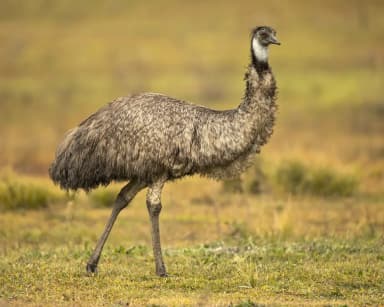
Emu
 Andrei Niemimäki from Turku, Finland · CC BY-SA 2.0
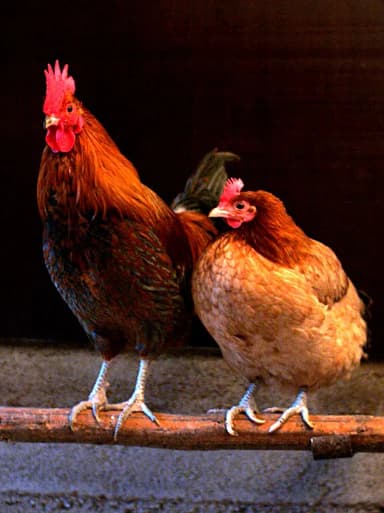
Chicken
 Andy Morffew from Itchen Abbas, Hampshire, UK · CC BY 2.0
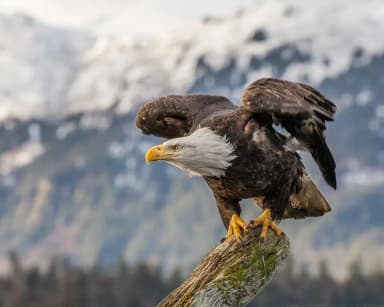
Bald Eagle
 JJ Harrison · CC BY-SA 3.0
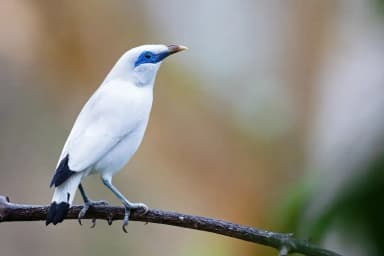
Bali Myna
 Paul Danese · CC BY-SA 4.0
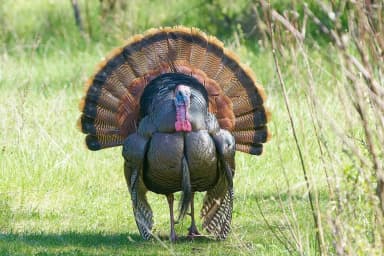
Wild Turkey
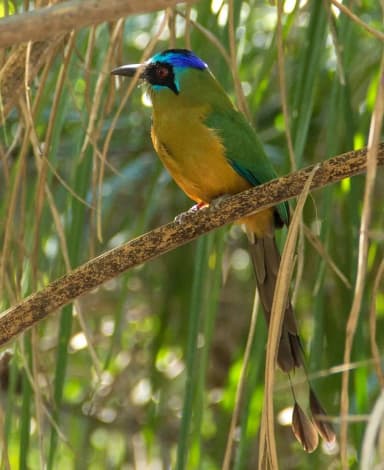 Paulo Antonio Santos · CC BY 3.0
Blue-crowned Motmot
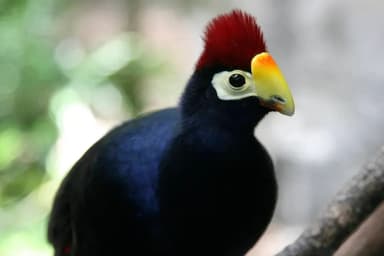 Ed Schipul from Houston, TX, US · CC BY-SA 2.0
Ross's Turaco
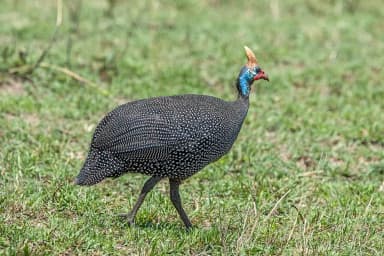 Charles J. Sharp · CC BY-SA 4.0
Helmeted Guineafowl
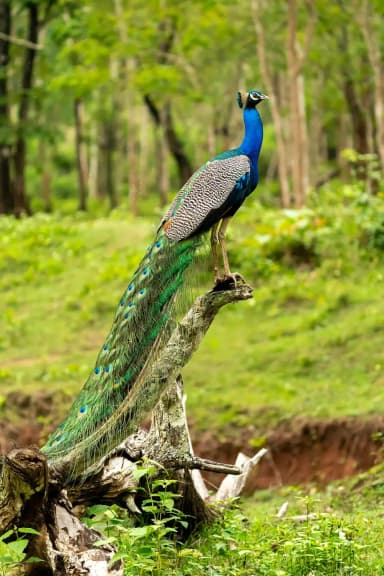 Kandukuru Nagarjun from Bangalore, India · CC BY 2.0
Peafowl
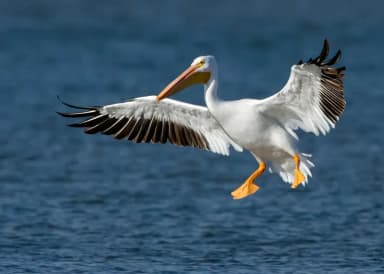 Manjith Kainickara · CC BY-SA 2.0
American White Pelican
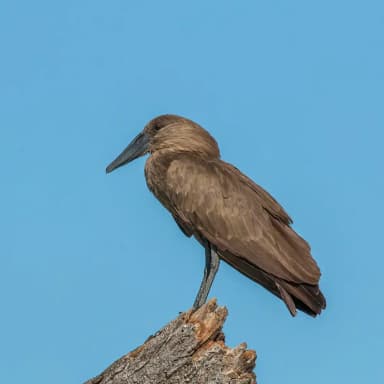 Charles J. Sharp · CC BY-SA 4.0
Hamerkop
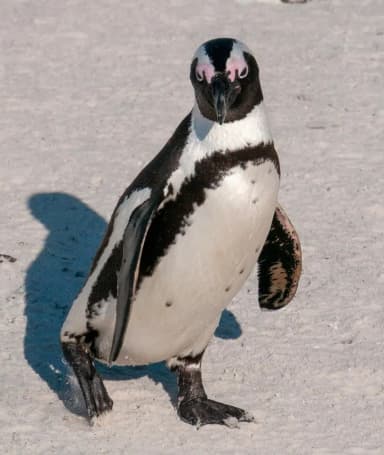 Matti Blume · CC BY-SA 4.0
African penguin
Reptiles16
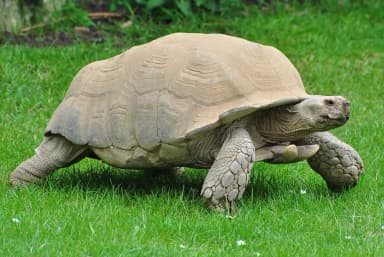 John5199 · CC BY 2.0
African Spurred Tortoise
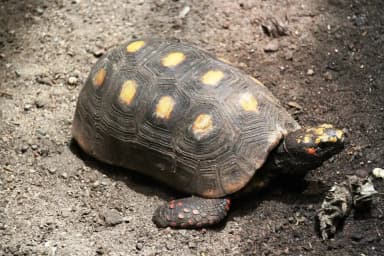 Bjoertvedt · CC BY-SA 3.0
Red-footed Tortoise
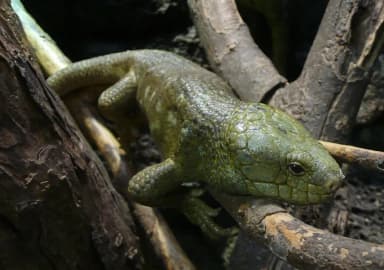 TimVickers · Public domain
Prehensile-tailed Skink
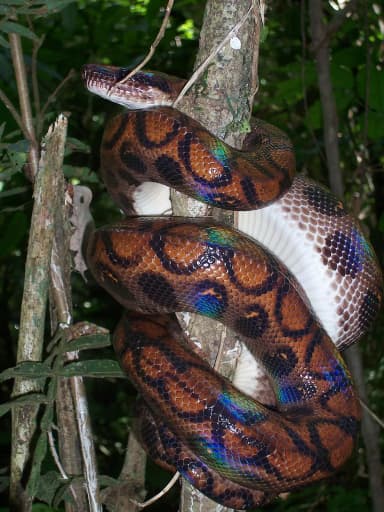 Damien Farrell · CC BY 3.0
Rainbow Boa
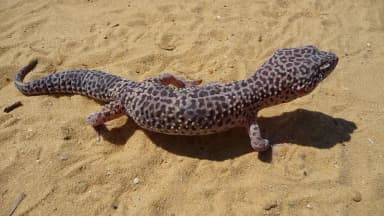 George Chernilevsky · Public domain
Leopard Gecko
 Tigerhawkvok · CC BY-SA 3.0
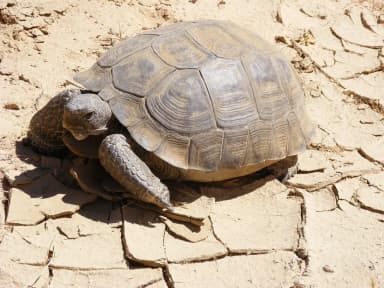
Desert Tortoise
 Blueag9 · CC BY-SA 3.0
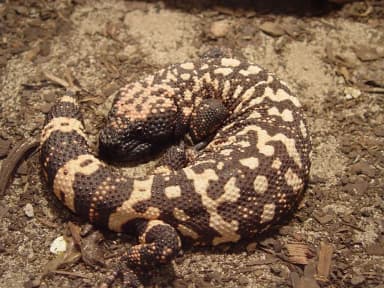
Gila Monster
 Dave Pape · Public domain
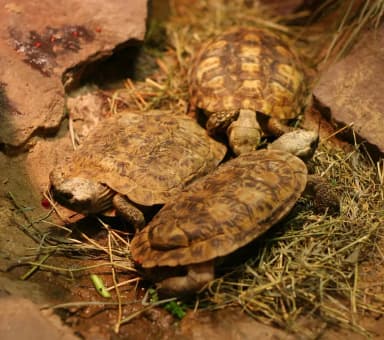
Pancake Tortoise
 Peter Paplanus from St. Louis, Missouri · CC BY 2.0
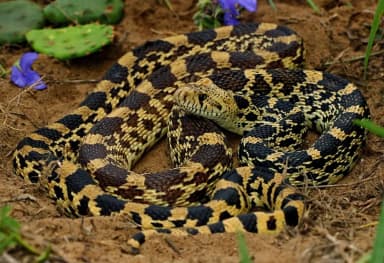
Bullsnake
 HCA ( talk ) · CC BY-SA 3.0
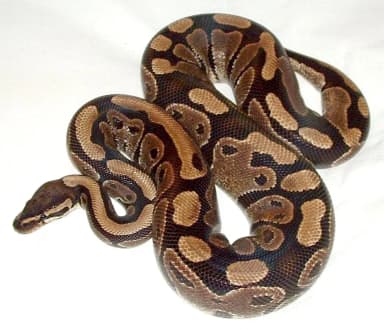
Ball Python
 Kaldari · Public domain
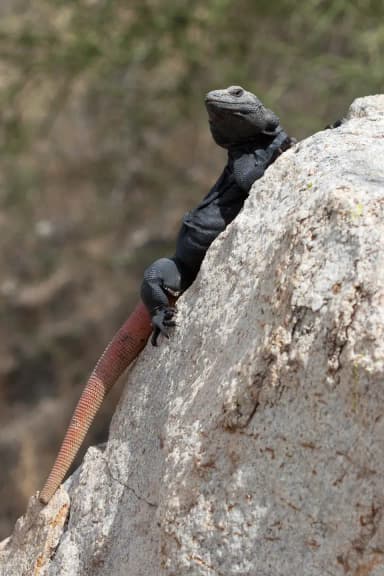
Chuckwalla
 Peter Paplanus · CC BY 2.0
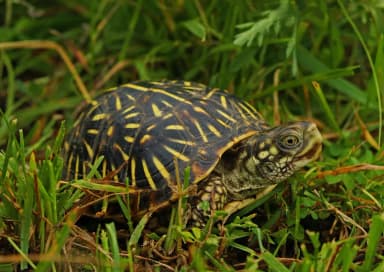
Ornate Box Turtle
 Greg Hume · CC BY-SA 3.0
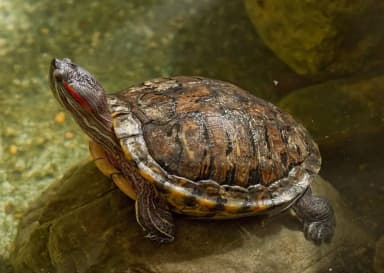
Red-eared Slider
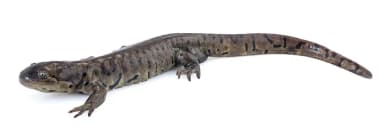
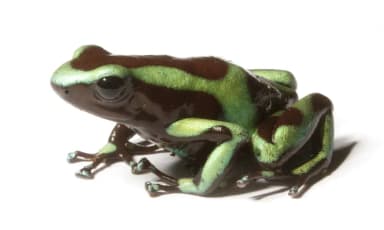
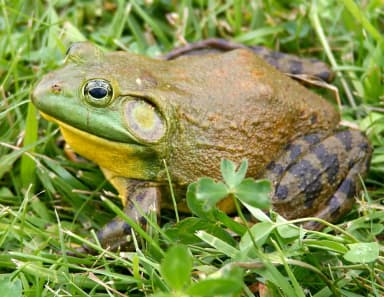
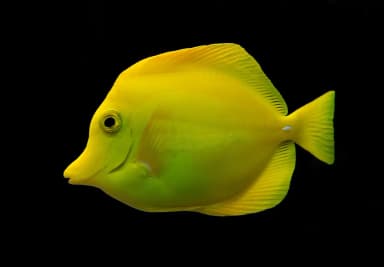

Feathers & Fangs from visitors
What people who've been to Pueblo Zoo say
A Feather is something this zoo does well; a Fang is something it gets wrong. Left by people who've been, and read by us before they appear.
Loading…
About Pueblo Zoo
Pueblo Zoo covers 25 acres within Pueblo City Park in Pueblo, Colorado, and is managed by the nonprofit Pueblo Zoological Society. It is accredited by the Association of Zoos and Aquariums and is open year-round. The zoo is home to more than 500 animals representing about 125 species, and it attracts roughly 90,000 visitors a year. Its stated mission is to empower people to engage in the conservation of animals and their natural habitat.
The zoo runs education outreach programs that reach nearly every elementary school in Pueblo County, along with camps, on-site programming, and volunteer opportunities for youth, and it partners with the local library and area businesses to provide free or reduced admission for people who cannot otherwise afford a visit. The Pueblo Zoo has also earned a 2020 Platinum Seal of Transparency for publicly sharing its key metrics and impact, and it participates in Coloradogives.org, a platform supporting online giving to nonprofits.
The zoo's grounds are organized into named exhibit areas, including Serengeti Safari, North American Grasslands, Colorado Wetlands, the Australian Outback, World of Color, Asian Adventure, the Ecocenter, Islands of Life, and Pioneer Ranch.
History
The City of Pueblo has maintained a zoo in some form since the early 1900s, but the original core of the current zoo was built between 1933 and 1940 by the Public Works Administration, the Civilian Conservation Corps, and the Works Progress Administration. That work is recognized today: the site is listed on the National Register of Historic Places as the Pueblo City Park Zoo. The current Islands of Life and World of Color buildings, along with the zoo's eagle exhibits, date to this same 1930s construction period, and the zoo notes that visitors can still see the influence of that architectural style throughout the grounds.
Exhibits and habitats
Serengeti Safari is home to lions, Grevy's zebras, plains zebras, topi antelopes, nyalas, ostriches, Thomson's gazelles, East African crowned cranes, lappet-faced vultures, white storks, and waterbucks, and now also includes African wild dogs. The Australian Outback holds emus and red kangaroos alongside the maned wolf, a South American species housed in the same area. Asian Adventure features Przewalski's horses, white-handed gibbons, yaks, binturongs, kulans, Reeves's muntjac, and Malayan sun bears.
Colorado Wetlands is built around regional and native species, including Rocky Mountain elk, plains bison, white pelicans, trumpeter swans, North American wood ducks, black-tailed prairie dogs, and swift foxes. World of Color, formerly known as the Herpetarium, and the Ecocenter round out the zoo's indoor exhibit spaces. At Pioneer Ranch, visitors can see animals associated with ranch life, including cows, donkeys, miniature horses, alpacas, both dromedary and Bactrian camels, goats, hogs, sheep, llamas, owls, snakes, turkeys, chickens, rabbits, geese, ducks, and tortoises; a Pioneer Ranch feeding session runs daily from 10:30 a.m. to noon.
Animal highlights
Pueblo Zoo is home to more than 500 animals representing about 125 species, according to the zoo's own figures. Notable species named across its exhibit areas include lions, Grevy's zebras, African wild dogs, and topi antelopes in Serengeti Safari; Przewalski's horses, white-handed gibbons, and Malayan sun bears in Asian Adventure; Rocky Mountain elk, plains bison, and swift foxes in Colorado Wetlands; and red kangaroos and the maned wolf in the Australian Outback. Pioneer Ranch adds a working-farm collection of camels, alpacas, llamas, and smaller domestic animals.
Conservation and programs
As of 2009, Pueblo Zoo participated in AZA Species Survival Plans for 16 species and in Population Management Plans for 18 species. The zoo supports several outside conservation partners directly, including the Lemur Conservation Foundation, which maintains a nine-acre forested lemur enclosure in Myakka City, Florida; the Mauritian Wildlife Foundation, credited with helping save the Mauritius kestrel, echo parakeet, and pink pigeon from the brink of extinction; a bison restoration partnership on Colorado's shortgrass prairie; and Rocky Mountain Wild, which works to protect and restore wildlife habitat in the Southern Rocky Mountain region. The zoo describes red pandas and North American bison as two of its global conservation focuses.
Pueblo Zoo was a founding member of AZA SAFE (Saving Animals From Extinction) when the program launched in 2016, and it has contributed to the AZA SAFE African Penguin Project, which has installed hundreds of artificial nest boxes in South African penguin colonies after natural guano nesting sites declined sharply over the past century. A quarter of every zoo ticket, and 10 percent of every Behind the Scenes experience ticket, goes toward conservation efforts, and purchases marked with a special symbol in the gift shop direct 2 percent of revenue to conservation programs as well.
Planning your visit
As listed on the zoo's website, Pueblo Zoo is open daily, with spring and summer hours of 9 a.m. to 5 p.m. and last admission at 4 p.m. As listed, adult admission is $15.25, child admission is $11.25, and senior admission is $12.25; children age 2 and under are free. Group rates of $13.25 for adults and $9.25 for children apply to parties of 15 or more purchasing together, and up to four guests with an EBT card can receive Museums for All discounted admission at $5 per person. Active military members receive a discount with valid ID.
Wagon and wheelchair rentals are available for the length of a visit. Visitors can also check out zoo passes through their local Pueblo City/County library branch, subject to availability, for up to seven days. Picnics are welcome throughout the grounds, though glass containers are not permitted, and a seasonal café operates limited hours from spring break through Labor Day; alcoholic beverages are sold at The Den to guests with ID, limited to one drink per person, and outside alcohol is not allowed. The zoo's dress code requires shirts and shoes and prohibits costumes or clothing that conceals identity. Members of reciprocal AZA zoos receive 50 percent off admission. Confirm current hours, admission prices, and any special-event closures on the zoo's official website before visiting.
What we haven't confirmed
Everything above came from public sources. These specifics we haven't stood behind yet:
- Parking details
- Time needed for a typical visit
- Exact current animal count and phone number
- Off-season and holiday hours
Pueblo Zoo compared with nearby zoos
How Pueblo Zoo lines up against the closest zoos we have details for — useful if you're deciding between them for the same day out.
| Zoo | Distance | Admission | Hours | Size | AZA |
|---|---|---|---|---|---|
| Pueblo ZooThis zooPueblo, CO | — | $15.25 | 9am – 4pm | 25 acres | Yes |
| Nature and Wildlife Discovery CenterPueblo, CO | 1 mi | Free | River Campus (5200 Nature Center Rd, Pueblo): Wed–Sun 9:00 AM – 4:00 PM. Raptor Center not open for walk-ins (scheduled tours only). | 611 acres | No |
| Cheyenne Mountain ZooColorado Springs, CO | 37 mi | $34 | 9 am – 5 pm | 140 acres | Yes |
| Denver ZooDenver, CO | 104 mi | $27 | 9 am – 4 pm | 80 acres | Yes |
Distances are straight-line. A dash means we haven't confirmed that detail yet, not that the zoo lacks it.
AZAThe Association of Zoos and Aquariums. Accredited members have passed an independent inspection of animal care and welfare, safety, conservation and education, repeated every five years. Many smaller facilities never apply, so “not accredited” isn't a verdict on its own. What accreditation means · How we check this
Pueblo Zoo: common questions
Is Pueblo Zoo AZA accredited?
Yes, it is accredited by the Association of Zoos and Aquariums.
How big is Pueblo Zoo?
It covers 25 acres within Pueblo City Park.
When did Pueblo Zoo open?
The core of the current zoo was built between 1933 and 1940 by Depression-era public works programs, and it is listed on the National Register of Historic Places.
How many animals and species does the zoo have?
The zoo lists more than 500 animals representing about 125 species.
Is there parking or transportation help available?
Wagon and wheelchair rentals are offered for the length of a visit; specific parking details are not covered in the source material for this page.
Can you feed animals at Pueblo Zoo?
Yes, at Pioneer Ranch, which holds a daily feeding session from 10:30 a.m. to noon.
Is there food inside the zoo?
Yes, at a seasonal café that operates limited hours from spring break through Labor Day, and picnics are also permitted.
Something wrong here? Tell us — we correct in place, with a dated note.