
- Admission
- Free
- Size
- 611 acres
- Accreditation
- None listed
not accredited by the Association of Zoos and Aquariums
Everything below is directory information drawn from public sources and the zoo's own site.
Animals at Nature and Wildlife Discovery Center
We haven't confirmed this zoo's animal list yet.
Feathers & Fangs from visitors
What people who've been to Nature and Wildlife Discovery Center say
A Feather is something this zoo does well; a Fang is something it gets wrong. Left by people who've been, and read by us before they appear.
Loading…
About Nature and Wildlife Discovery Center
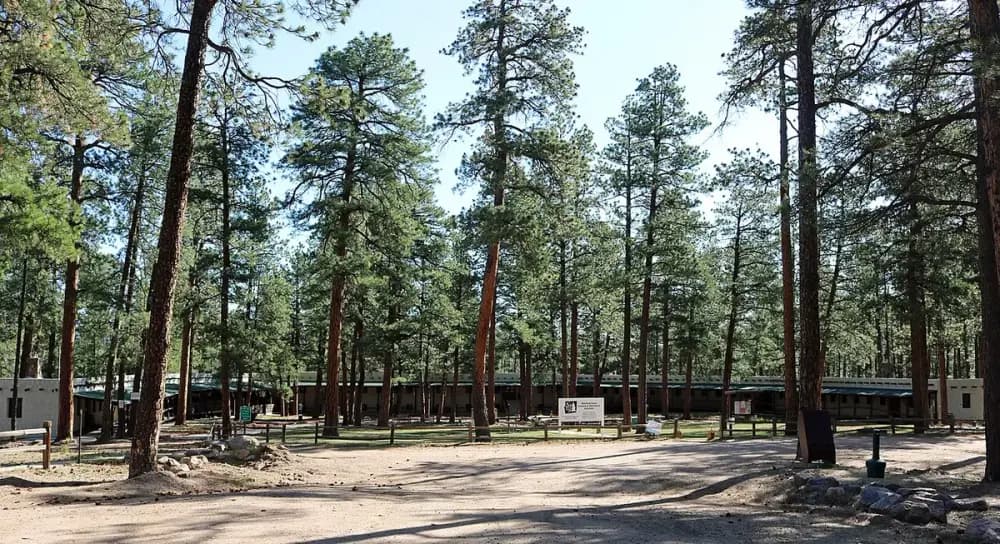
The Nature and Wildlife Discovery Center (NWDC) is a multi-campus nature preserve and educational center in Pueblo County, Colorado, organized as a 501(c)(3) tax-exempt corporation. It is not a traditional zoo but a combination of a mountain park, a raptor rehabilitation facility, and educational centers spread across two sites. The River Campus sits in Rock Canyon on the banks of the Arkansas River at 5200 Nature Center Road, with aquatic, riparian, transition, and semi-arid shortgrass prairie habitats, plus the adjacent Raptor Center. The Mountain Campus, located in Beulah, Colorado, covers 611 acres of ponderosa pine and mixed fir forest, foothills, and transition habitat, bordering the San Isabel National Forest, and includes a lodge, gift shop, and small museum.
The organization formed in 2018, when the Mountain Park Environmental Center merged with the Nature and Raptor Center of Pueblo. Since then, it reaches an estimated 7,500 people a year through raptor-focused education, alongside broader wildlife and nature programming across both campuses.
History
The organization's river-side roots go back to 1979, when the Arkansas Valley Audubon Society established the Audubon River Trails Nature Center to preserve a public-use area along the Arkansas River. A Raptor Center was added in 1981, and by 1983 the nature center incorporated as "The Greenway and Nature Center of Pueblo," a name later changed to the "Nature and Raptor Center of Pueblo" in 2008.
The mountain side of the organization traces to Pueblo Mountain Park, acquired by the City of Pueblo in 1920 after advocacy from the San Isabel Public Recreation Association and inspiration from U.S. Forest Service official Arthur Carhart. During the Great Depression, the Works Progress Administration and Civilian Conservation Corps built several of the park's original structures, including the Horseshoe Lodge, the Pavilion, and the Ballfield, along with roads and bridges. The park saw periods of disuse over the following decades, and the City of Pueblo at times considered selling it. In 1999, Pueblo citizens formed the Mountain Park Environmental Association to develop programs and improve access to the park, and beginning in 2000 the resulting Mountain Park Environmental Center managed the site on the city's behalf. The two organizations merged in 2018 to create the current Nature and Wildlife Discovery Center, which continues to manage the mountain park while the City of Pueblo retains ownership of the land.
Exhibits and habitats
The River Campus offers picnicking, wildlife viewing, fishing, kayaking, and nature walks, with access to several connected trails and parks, including the Pueblo River Trail System, Honor Farm Open Space Park, Pueblo Motorsports Park, Pueblo Whitewater Park, Valco Ponds, and Lake Pueblo State Park. The adjoining Raptor Center, established in 1981, focuses on rehabilitating injured and orphaned birds of prey from southeastern Colorado with the goal of releasing them back into the wild; some non-releasable birds are housed in partnership with the nearby Pueblo Zoo, giving the public a chance to see them while ensuring the birds a good quality of life.
The Mountain Park Campus offers extensive trails through its 611 acres and onto adjacent San Isabel National Forest land managed by the U.S. Forest Service. Structures from the Works Progress Administration era remain in use, including the renovated Horseshoe Lodge, which houses a small museum, gift shop, and overnight accommodations. The property spans forests of ponderosa pine, Douglas fir, white fir, and juniper, along with oak shrublands in its foothills transition zone. The Carhart Trail, built by NWDC and Southern Colorado Trail Builders and named for Arthur Carhart, connects to the Squirrel Creek campground and trail system in San Isabel National Forest and is the first trail at the Mountain Campus open to mountain bikers as well as pedestrians and horseback riders.
Animal highlights
No formal species count is published for NWDC, since it operates primarily as a raptor rehabilitation and nature education center rather than a display collection. Its Raptor Center admits, rehabilitates, and releases hundreds of injured, orphaned, or otherwise compromised birds of prey each year, including eagles, hawks, owls, falcons, and vultures, drawing thousands of visitors, out-of-town guests, college students, and K-12 groups annually.
Conservation and programs
Conservation work centers on the Raptor Center's rehabilitation efforts and on habitat restoration around both campuses. NWDC hosts annual river cleanups at the River Campus, coordinating volunteers to clean the banks of the Arkansas River through Rock Canyon. On the education side, staff run an environmental science program called Earth Studies, which uses both campuses to teach natural science concepts across the seasons; the program won a "Best New Program Award" from the Colorado Alliance for Environmental Education in 2003. NWDC also operates Earthkeeper Nature School, an early-childhood preschool program with a nature-based curriculum for children ages 4 to 7, and hosts Weekend Raptor Talks at the River Campus on Saturdays and Sundays, a monthly Birdwalk led by Arkansas Valley Audubon Society members, and full-day Summer Nature Camps for children from kindergarten through 12th grade.
Annual events include the Colorado Owl Festival each fall, combining education with fundraising for rehabilitation programs, and Eagle Days in February, run jointly with Colorado Parks and Wildlife and the Pueblo Zoo. The center also hosts Earth Day events in April and an annual fundraising breakfast in November. A long-running Raptor Resolution Run, a 5-mile run and 2.5-mile walk through Rock Canyon that opened with the release of a live raptor each December, held its final event on January 20, 2024, its twelfth year, with 128 participants.
Planning your visit
Current hours, ticket prices, and parking details for either campus were not available in the sources used for this page. NWDC is a nonprofit organization spanning two distinct sites in Pueblo County — the River Campus along the Arkansas River and the Mountain Campus in Beulah — so visitors planning a trip should decide which campus matches their interests, whether that's raptor viewing and river trails or forest hiking and the historic Horseshoe Lodge. Check the official website before visiting to confirm current admission costs and seasonal hours for the campus you plan to see.
What we haven't confirmed
Everything above came from public sources. These specifics we haven't stood behind yet:
- Hours for both campuses
- Ticket or admission prices
- Parking details
- Total animal count
- Accessibility information
- Phone number
- Year the organization considers its official founding date
Nature and Wildlife Discovery Center compared with nearby zoos
How Nature and Wildlife Discovery Center lines up against the closest zoos we have details for — useful if you're deciding between them for the same day out.
| Zoo | Distance | Admission | Hours | Size | AZA |
|---|---|---|---|---|---|
| Nature and Wildlife Discovery CenterThis zooPueblo, CO | — | Free | River Campus (5200 Nature Center Rd, Pueblo): Wed–Sun 9:00 AM – 4:00 PM. Raptor Center not open for walk-ins (scheduled tours only). | 611 acres | No |
| Pueblo ZooPueblo, CO | 1 mi | $15.25 | 9am – 4pm | 25 acres | Yes |
| Cheyenne Mountain ZooColorado Springs, CO | 36 mi | $34 | 9 am – 5 pm | 140 acres | Yes |
| Denver ZooDenver, CO | 103 mi | $27 | 9 am – 4 pm | 80 acres | Yes |
Distances are straight-line. A dash means we haven't confirmed that detail yet, not that the zoo lacks it.
AZAThe Association of Zoos and Aquariums. Accredited members have passed an independent inspection of animal care and welfare, safety, conservation and education, repeated every five years. Many smaller facilities never apply, so “not accredited” isn't a verdict on its own. What accreditation means · How we check this
Nature and Wildlife Discovery Center: common questions
Is the Nature and Wildlife Discovery Center a traditional zoo?
No. It is a nature preserve and educational center spread across a river-based raptor rehabilitation site and a 611-acre mountain park.
When was it founded?
Its river-side predecessor began in 1979, and its current form dates to 2018, when the Mountain Park Environmental Center merged with the Nature and Raptor Center of Pueblo.
What can visitors see at the Raptor Center?
Injured and orphaned birds of prey undergoing rehabilitation, plus some non-releasable birds housed for educational viewing in partnership with the Pueblo Zoo.
How big is the Mountain Park Campus?
It covers 611 acres in Beulah, Colorado, bordering the San Isabel National Forest.
Does the center offer educational programs?
Yes, including Earth Studies for schools, Earthkeeper Nature School for young children, Weekend Raptor Talks, and Summer Nature Camps.
Something wrong here? Tell us — we correct in place, with a dated note.