- Where to see one
- 3 U.S. zoos in our directory hold desert kingsnake, confirmed against each zoo's own animal list.
Conservation status
Not Evaluated
This species has not been assessed for the IUCN Red List, so it sits outside the threat scale entirely.
About the desert kingsnake
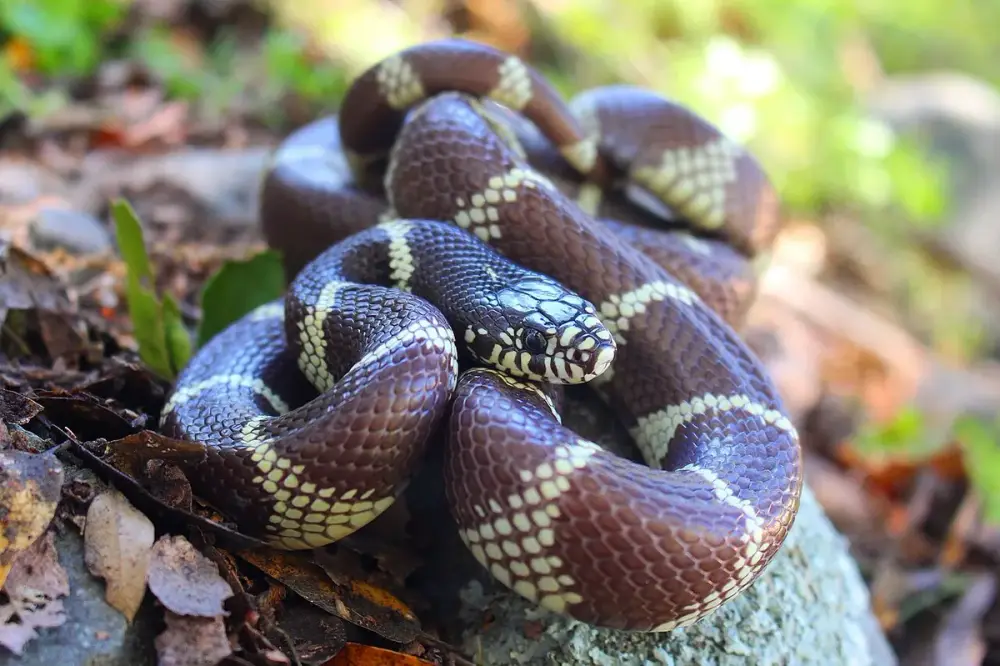
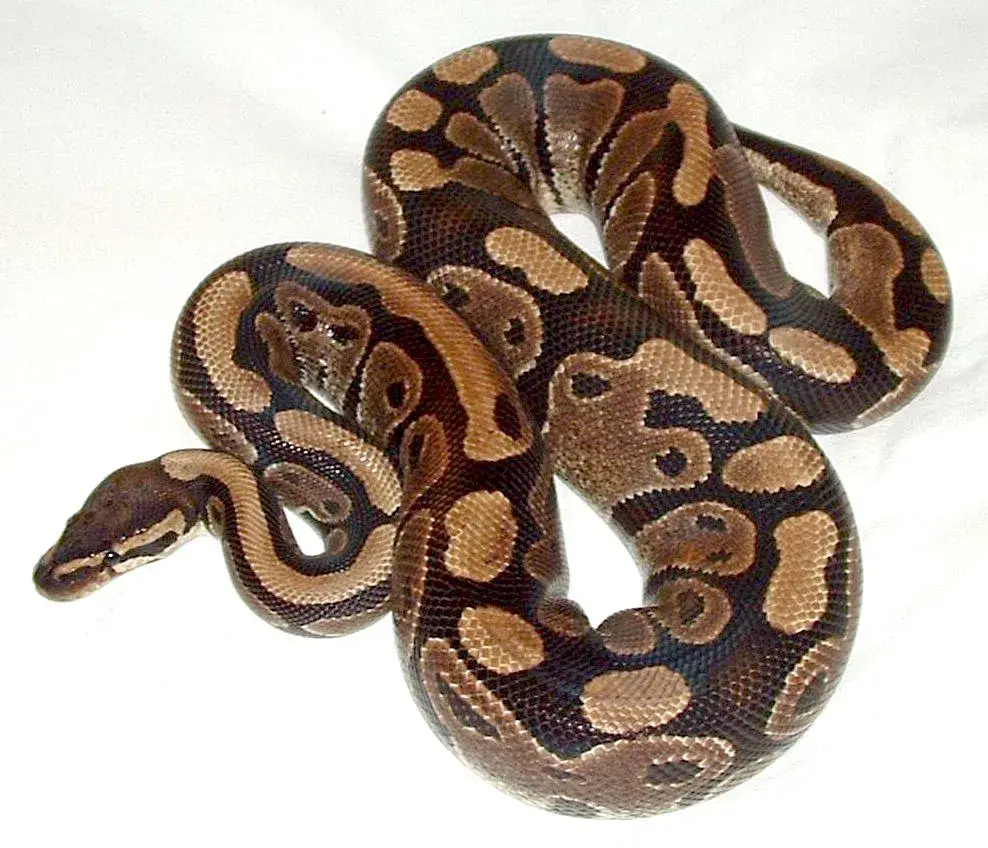
The desert kingsnake is a non-venomous snake native to Texas, Arizona and New Mexico. Its glossy black or very dark brown body is finely speckled with off-white or yellow. Adults normally grow 3-4 ft long, though some reach 6.8 ft. Despite the name it is most likely found in damp areas, especially near water tanks or along riparian corridors. A powerful constrictor, it eats rodents, lizards and smaller snakes, and can detect reptile eggs under the surface by smell. It is docile with humans and, if it does not escape, often plays dead by flipping onto its back and lying motionless.
Desert Kingsnake facts
- It eats rattlesnakes, partly because of its resistance to pitviper venom.
- It was previously considered a subspecies of the common kingsnake.
- Clutches of 5 to 12 adhesive eggs are laid in late June or July, sometimes buried as deep as a foot.
- Hatchlings emerge after about 60 days of incubation.
Where to see desert kingsnake in the U.S.
3 zoos across 3 states
Find the closest one
Rank the 3 zoos holding desert kingsnake by how far they are from you. Your location is used in your browser to sort this list and is never sent to us.
Colorado· 1
Mississippi· 1
Pennsylvania· 1
AZAThe Association of Zoos and Aquariums. Accredited members have passed an independent inspection of animal care and welfare, safety, conservation and education, repeated every five years. Many smaller facilities never apply, so “not accredited” isn't a verdict on its own. What accreditation means · How we check this
Built from each zoo's own published animal list.