
- Admission
- $25.95
- Size
- 23.5 acres
- Opened
- 1875
- Accreditation
- AZA
Association of Zoos and Aquariums
Everything below is directory information drawn from public sources and the zoo's own site.
Animals at Buffalo Zoo
137 of the ~320 species this zoo listsThis is a partial list — we only show species we've confirmed against the zoo's own pages, and their full collection is considerably larger.
Mammals47
 HaytemBouchri93 · CC BY-SA 4.0
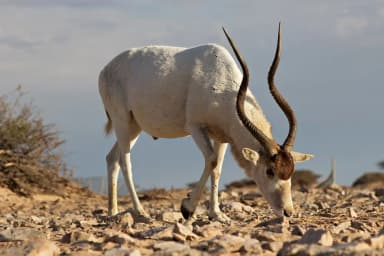
Addax
 Sunuwargr · CC BY-SA 4.0
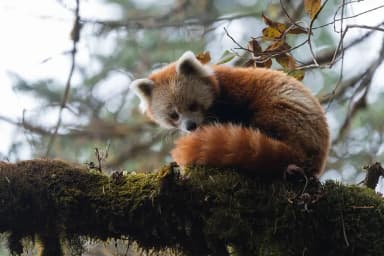
Red panda
 Ryan E. Poplin · CC BY-SA 2.0
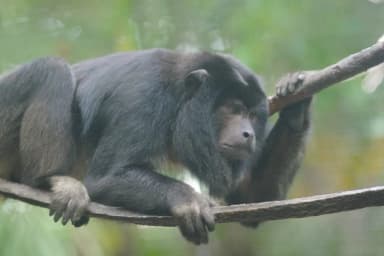
Black Howler Monkey
 Giles Laurent · CC BY-SA 4.0
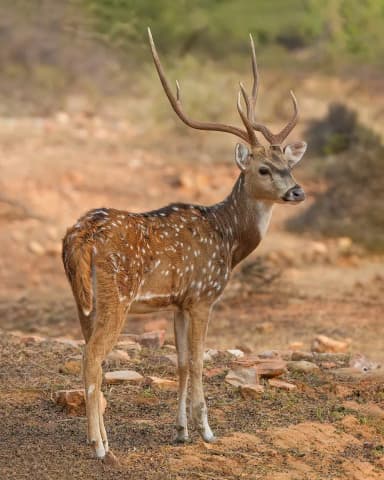
Axis Deer
 Jack Dykinga · Public domain
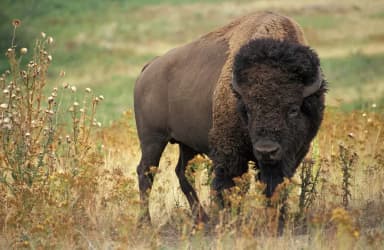
American Bison
 Guérin Nicolas ( messages ) · CC BY-SA 3.0
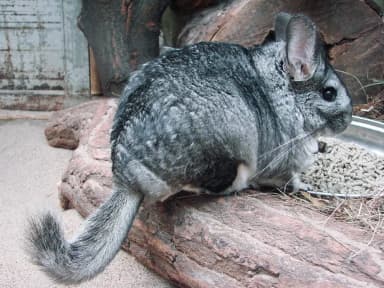
Chinchilla
 Dick Culbert from Gibsons, B.C., Canada · CC BY 2.0
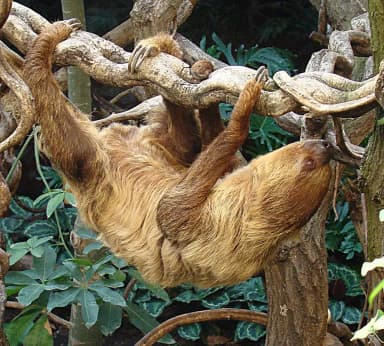
Linnaeus's Two-toed Sloth
 Charles J. Sharp · CC BY-SA 4.0
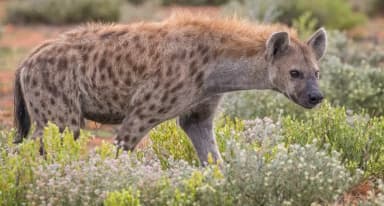
Spotted Hyena
 Alastair Rae from London, United Kingdom · CC BY-SA 2.0
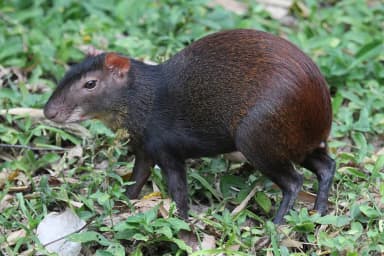
Red-rumped Agouti
 Uwe Schmidt · CC BY-SA 4.0
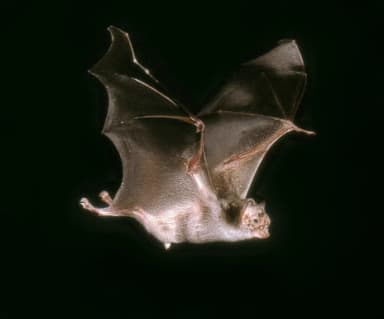
Vampire Bat
- Devon Cattle
- Milking Devon
- Mule
- Plains Zebra
- Western Lowland Gorilla
- Angolan Roan Antelope
- Roan Antelope
- Gemsbok
- Babydoll Southdown Sheep
- Southdown Sheep
- Black-capped Squirrel Monkey
- Black-capped Capuchin
- Desert Cottontail
Show 24 more mammalsShow fewer mammals
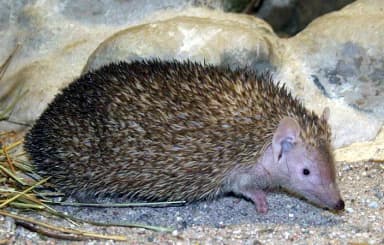 Wilfried Berns www.Tierdoku.com · CC BY-SA 2.0 de
Lesser Hedgehog Tenrec
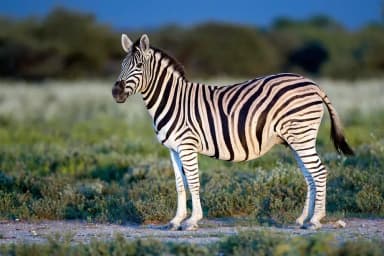 Yathin S Krishnappa · CC BY-SA 3.0
Zebra
 Wikimedia Commons · Public domain
North American Porcupine
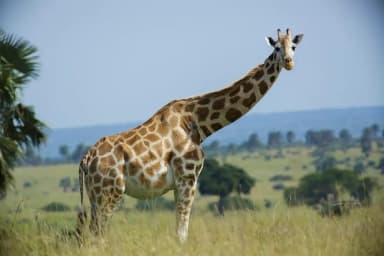 Thomas Fuhrmann · CC BY-SA 4.0
Giraffe
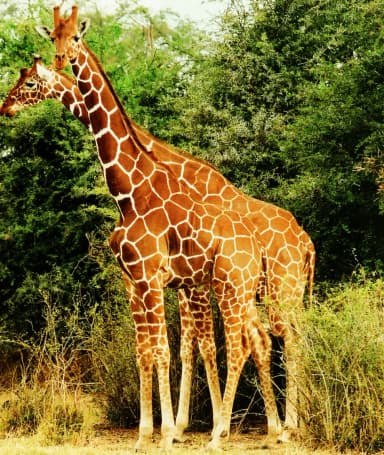 Relative of Brandt Luke Zorn, most likely his father. · CC BY-SA 2.0
Reticulated giraffe
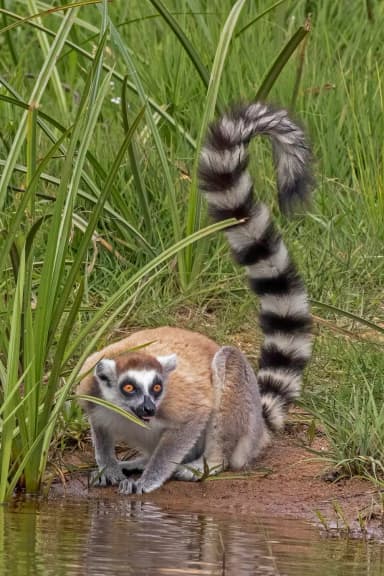 Charles J. Sharp · CC BY-SA 4.0
Ring-tailed Lemur
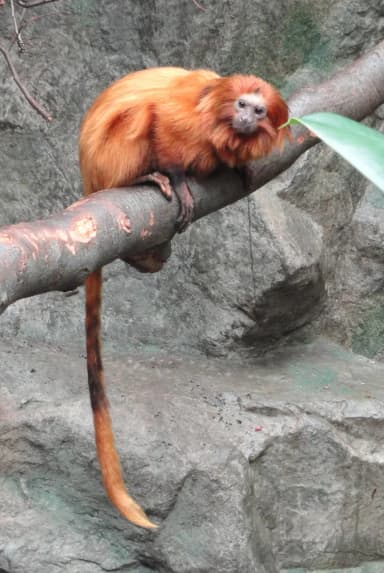 Daderot · CC0
Golden Lion Tamarin
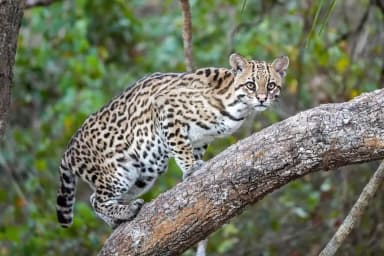 Giles Laurent · CC BY-SA 4.0
Ocelot
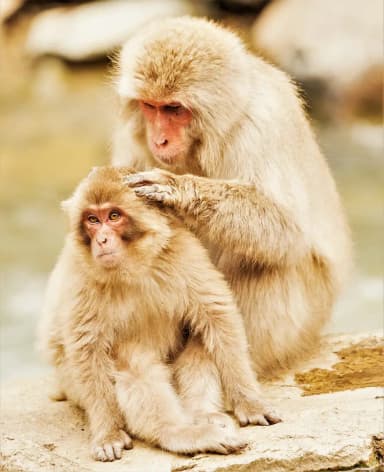 Rocktendo & Adam Gman · CC BY-SA 4.0
Japanese Macaque
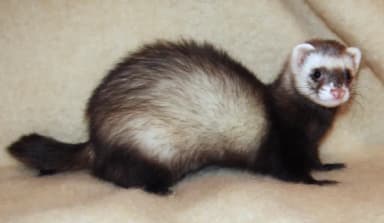 Alfredo Gutiérrez · CC BY-SA 4.0
Domestic Ferret
 Malene Thyssen · CC BY-SA 3.0
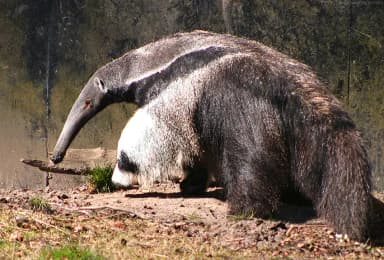
Giant Anteater
 Matthew Wakefield · CC BY-SA 2.0
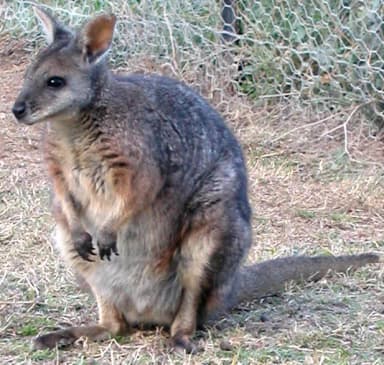
Tammar Wallaby
 Noodle snacks ( https://www.jjharrison.com.au/)Bennett's Wallaby) · CC BY-SA 3.0
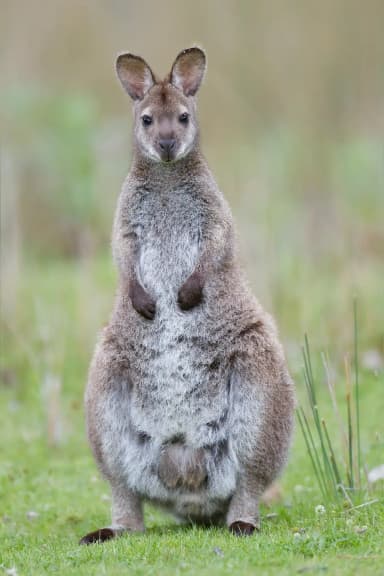
Bennett's Wallaby
 Giles Laurent · CC BY-SA 4.0
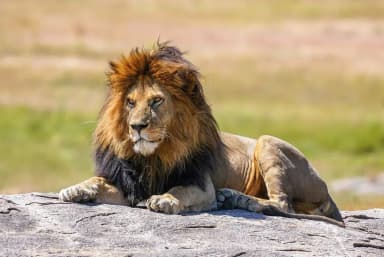
Lion
 Charles J. Sharp · CC BY-SA 4.0
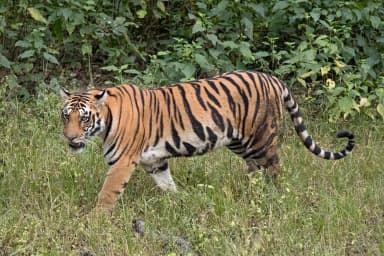
Amur tiger
 Irbis1983 · Public domain
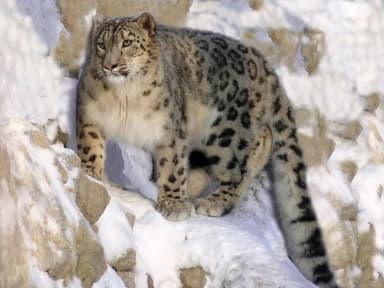
Snow Leopard
 Jik jik · CC BY-SA 4.0
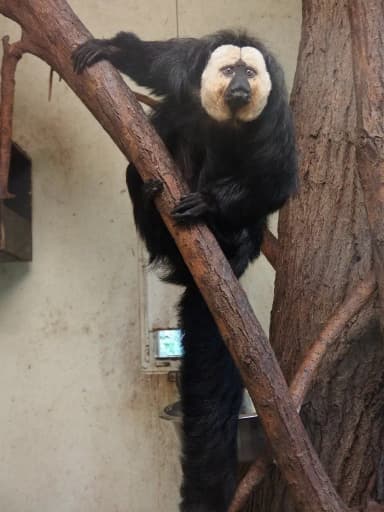
White-faced Saki
 Mayank1704 · CC BY-SA 4.0
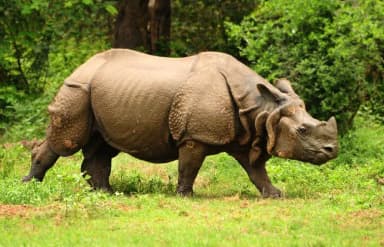
Greater One-horned Rhinoceros
 Cayambe · CC BY-SA 3.0
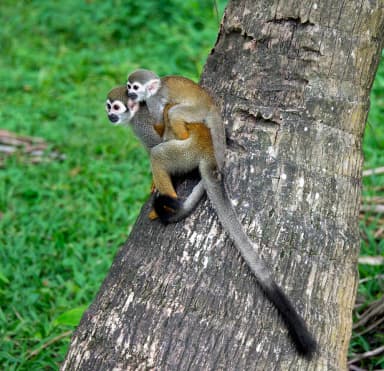
Squirrel Monkey
 Charles J. Sharp · CC BY-SA 4.0
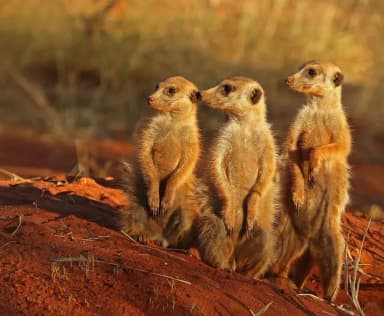
Meerkat
 SouthernThreeBandedArmadillo065.jpg : Ltshears derivative work: WolfmanSF ( talk ) · CC BY-SA 3.0
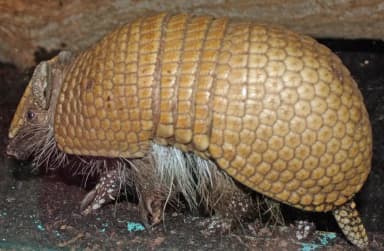
Three-banded Armadillo
 Alan Wilson · CC BY-SA 3.0
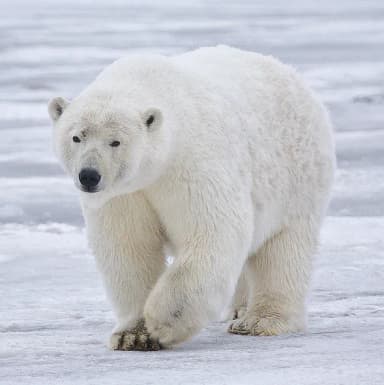
Polar Bear
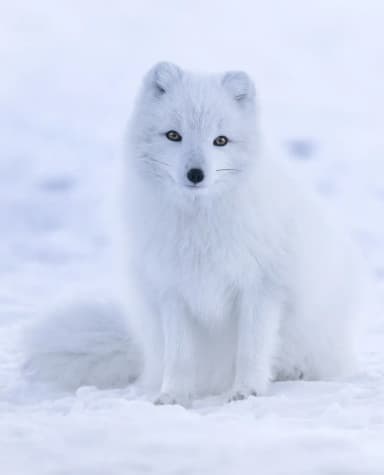 Jonatan Pie ( unsplash.com/@r3dmax ) · CC0
Arctic Fox
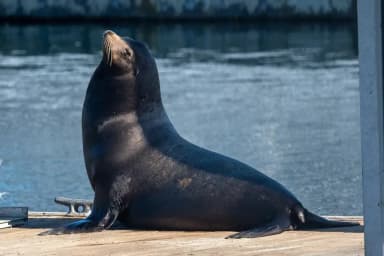 (c) Jonathan Eisen, some rights reserved (CC BY) · CC BY 4.0
California Sea Lion
Birds35
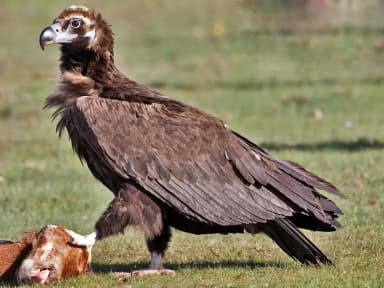 Juan Lacruz · CC BY-SA 3.0
Cinereous Vulture
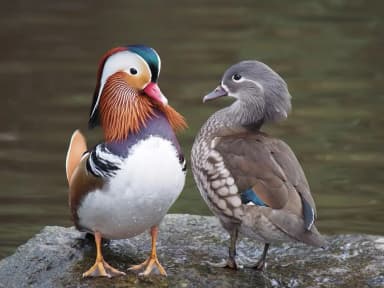 Francis C. Franklin · CC BY-SA 3.0
Mandarin Duck
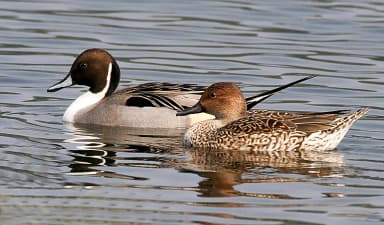 J.M.Garg · CC BY-SA 3.0
Northern Pintail
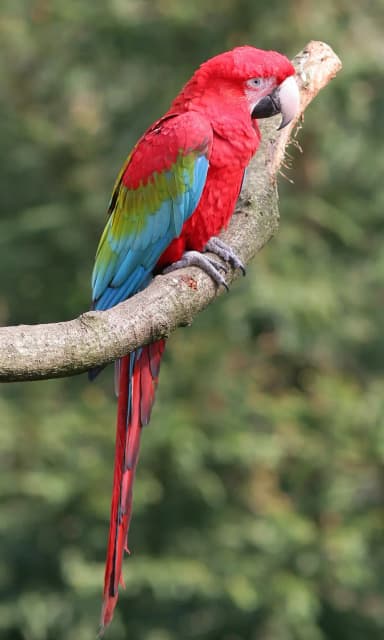 Arjan Haverkamp · CC BY 2.0
Green-winged Macaw
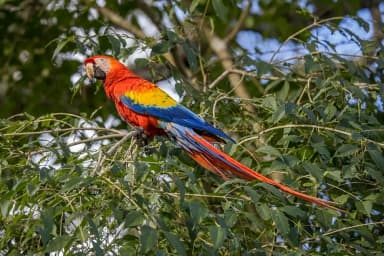 Charles J. Sharp · CC BY-SA 4.0
Scarlet Macaw
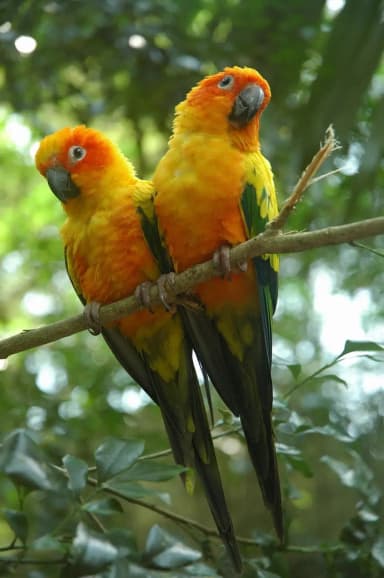 Wayne Deeker · CC BY 3.0
Sun Conure
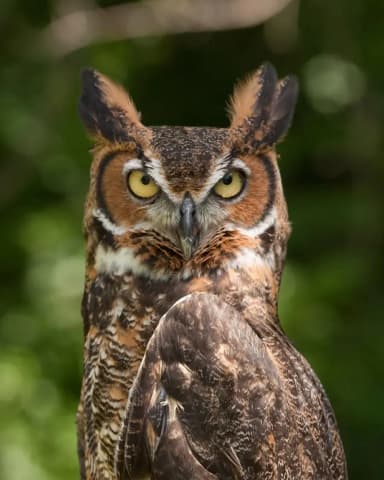 Greg Hume · CC BY-SA 3.0
Great Horned Owl
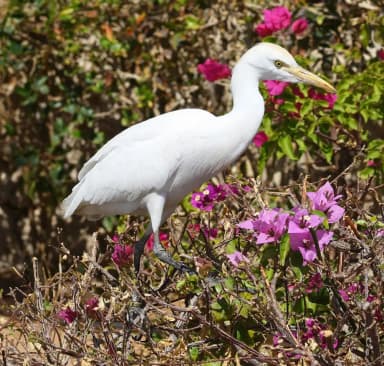 Kora27 · CC BY-SA 4.0
Cattle Egret
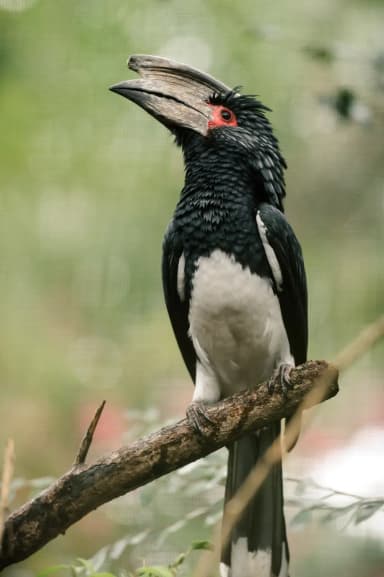 Eric Kilby from Somerville, MA, USA · CC BY-SA 2.0
Trumpeter Hornbill
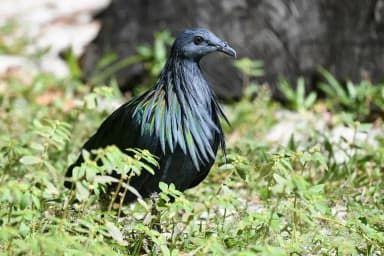 ziggypop74 · CC BY 4.0
Nicobar Pigeon
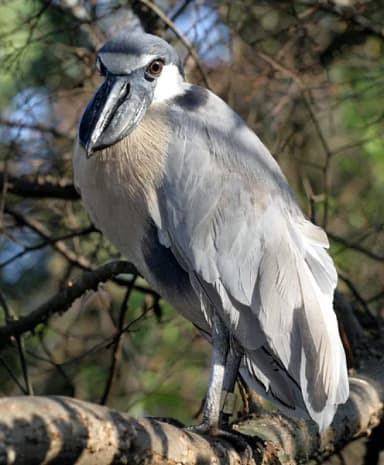 Patrick Coin ( Patrick Coin ) · CC BY-SA 2.5
Boat-billed Heron
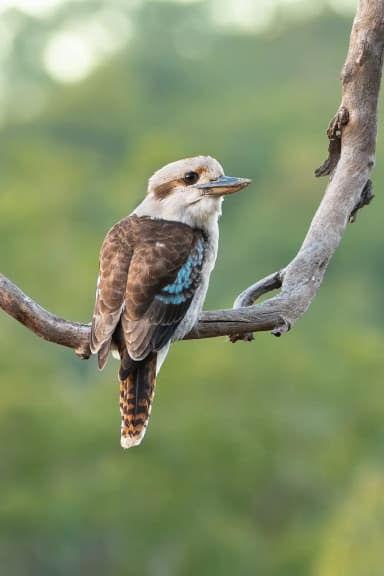 Photo by: Paulweberphoto - paulweberphoto.com · CC BY 4.0
Laughing Kookaburra
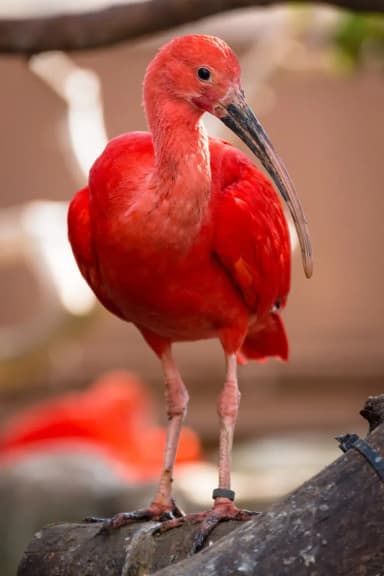 Rafa Esteve · CC BY-SA 4.0
Scarlet Ibis
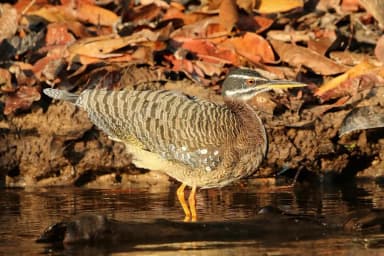 Charles J. Sharp · CC BY-SA 4.0
Sunbittern
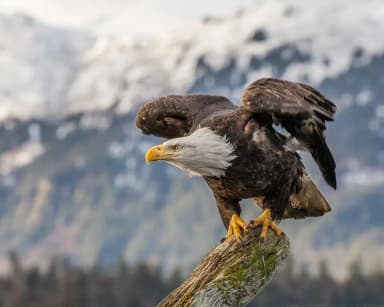 Andy Morffew from Itchen Abbas, Hampshire, UK · CC BY 2.0
Bald Eagle
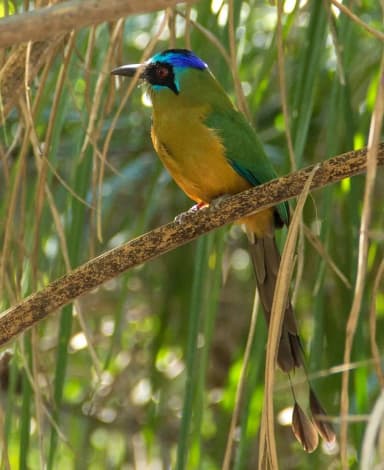 Paulo Antonio Santos · CC BY 3.0
Blue-crowned Motmot
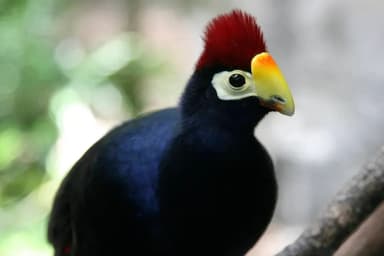 Ed Schipul from Houston, TX, US · CC BY-SA 2.0
Ross's Turaco
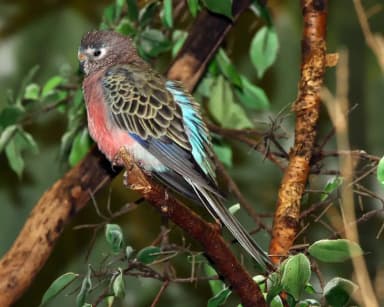 Greg5030 · CC BY-SA 3.0
Bourke's Parrot
 ramidos · CC BY 4.0
Black-crowned Night Heron
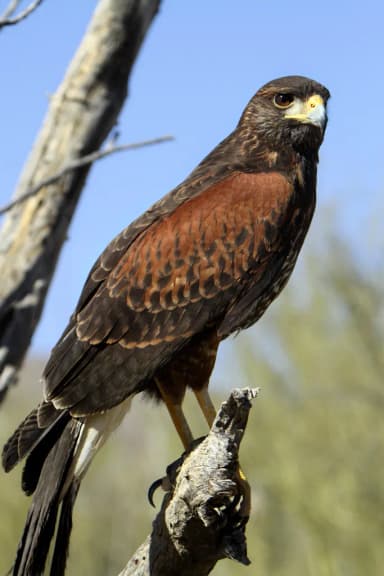 Alan Vernon · CC BY 2.0
Harris's Hawk
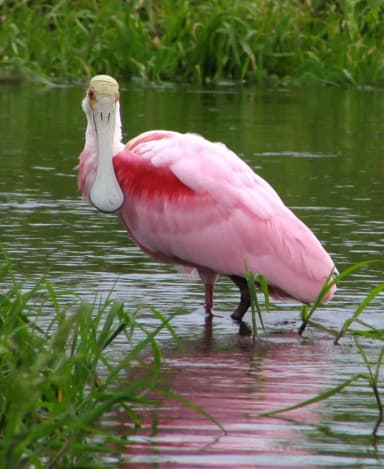 User:Mwanner · CC BY-SA 3.0
Roseate Spoonbill
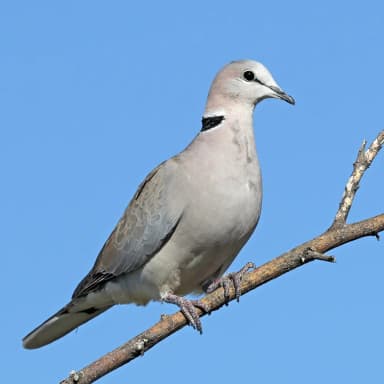 Charles J. Sharp · CC BY-SA 4.0
Ring-necked Dove
Reptiles34
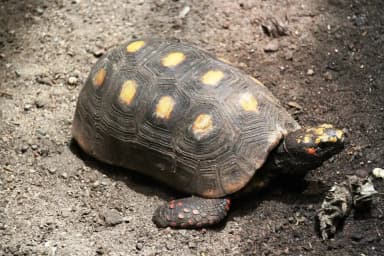 Bjoertvedt · CC BY-SA 3.0
Red-footed Tortoise
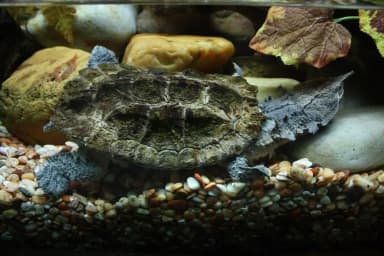 J. Patrick Fischer · CC BY-SA 3.0
Matamata
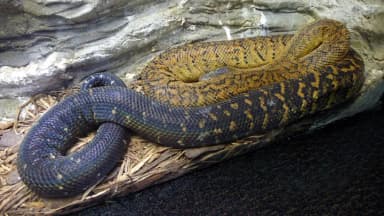 TimVickers · Public domain
Jamaican Boa
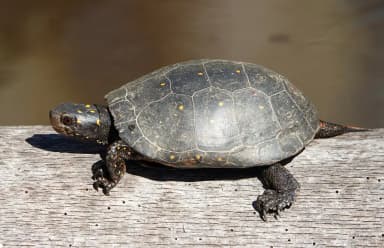 hug_78 · CC BY 2.0
Spotted Turtle
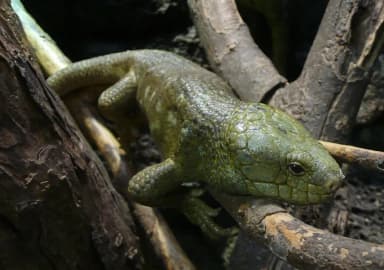 TimVickers · Public domain
Prehensile-tailed Skink
 Caudatejake · CC BY-SA 4.0
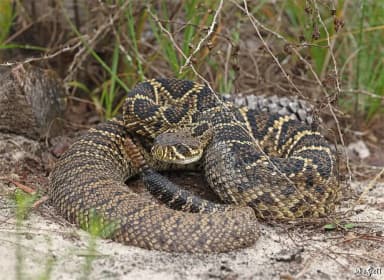
Eastern Diamondback Rattlesnake
 derivative work: Victorrocha ( talk · contribs ) Crotalus_cerastes_mesquite_springs_CA.JPG : Tigerhawkvok ( talk · contr · CC BY-SA 3.0
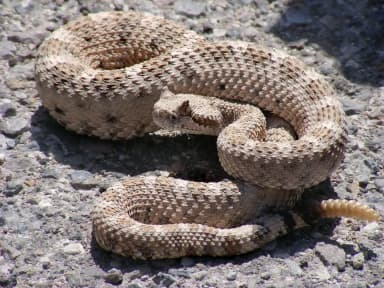
Sidewinder
 Dirk Stevenson · Public domain
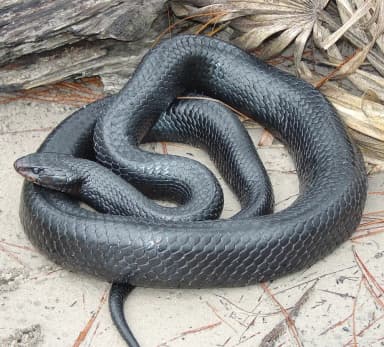
Eastern Indigo Snake
 Damien Farrell · CC BY 3.0
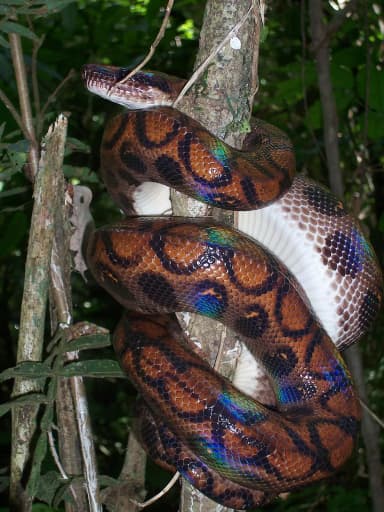
Rainbow Boa
 George Chernilevsky · Public domain
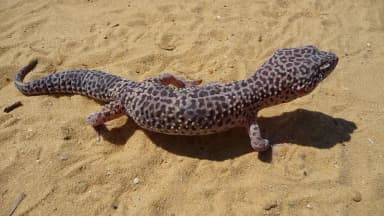
Leopard Gecko
 MKAMPIS · CC BY-SA 4.0
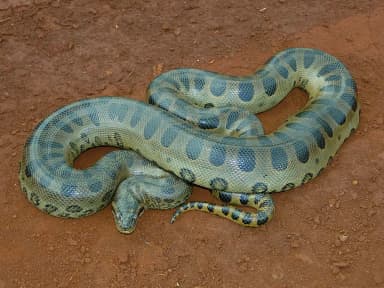
Green Anaconda
 Judy Gallagher · CC BY 2.0
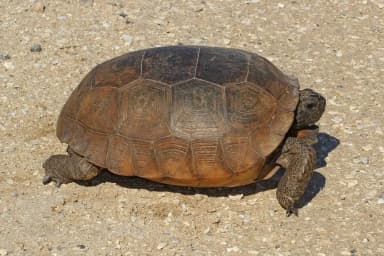
Gopher Tortoise
 David Rubin · CC BY 2.0
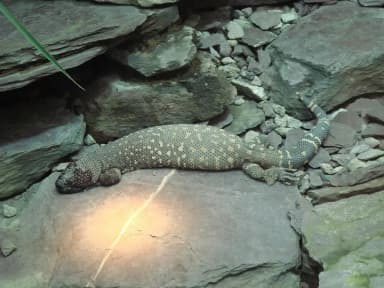
Mexican Beaded Lizard
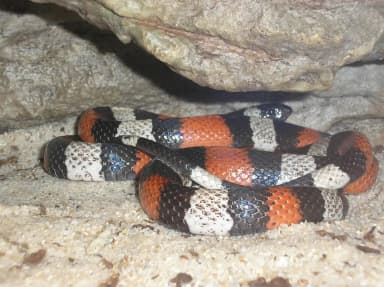 Wikimedia Commons · Attribution
Pueblan Milk Snake
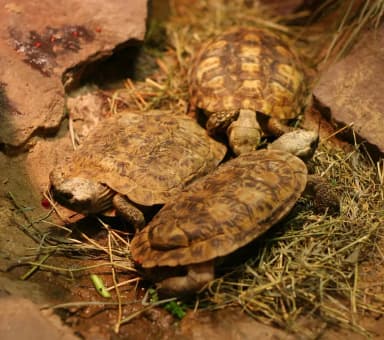 Dave Pape · Public domain
Pancake Tortoise
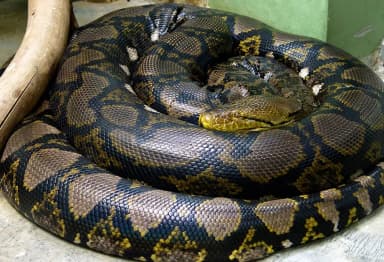 This photography was created by Mariluna . Other photos see here . · CC BY-SA 3.0
Reticulated Python
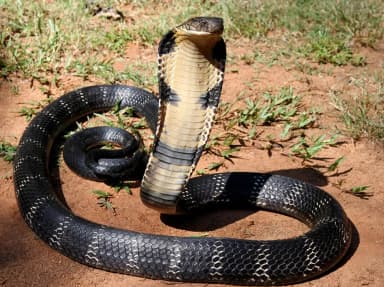 Michael Allen Smith from Seattle, USA · CC BY-SA 2.0
King Cobra
 Igor Karyakin · CC BY 4.0
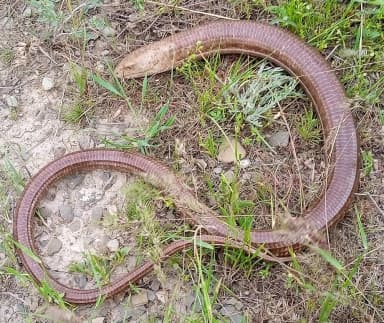
European Glass Lizard
 HCA ( talk ) · CC BY-SA 3.0
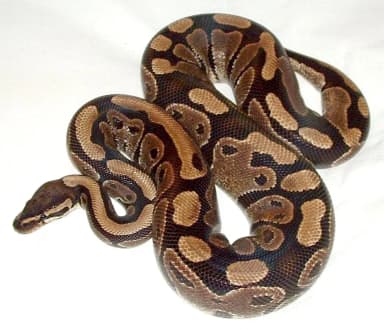
Ball Python
 Greg Hume · CC BY-SA 4.0
Chinese Crocodile Lizard
 Benjamin Genter · CC0
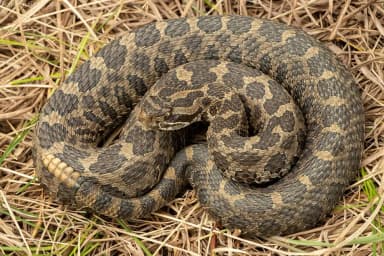
Eastern Massasauga
 (c) Joshua Liverman, some rights reserved (CC BY) · CC BY 4.0
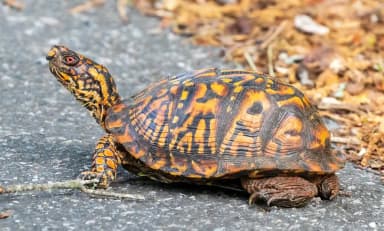
Eastern Box Turtle
Amphibians10
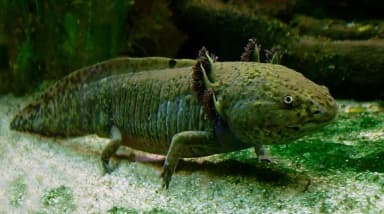 LoKiLeCh · CC BY-SA 3.0
Axolotl
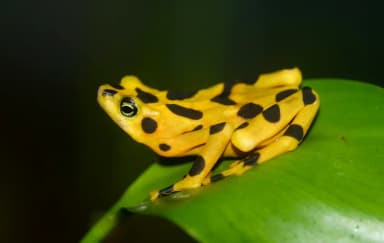 Brian Gratwicke · CC BY 2.0
Panamanian Golden Frog
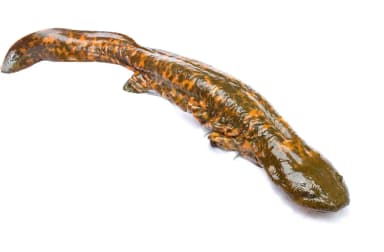 Brian Gratwicke · CC BY 2.0
Hellbender
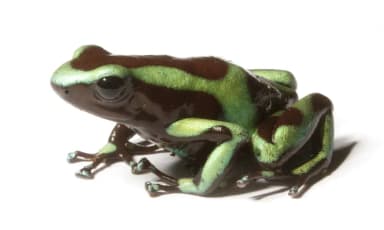 Brian Gratwicke · CC BY 2.0
Green-and-Black Poison Dart Frog
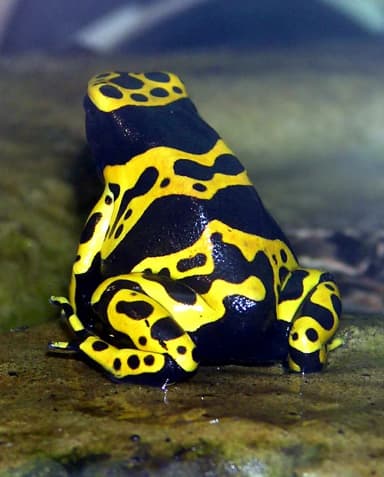 Arpingstone · Public domain
Yellow-banded Poison Dart Frog
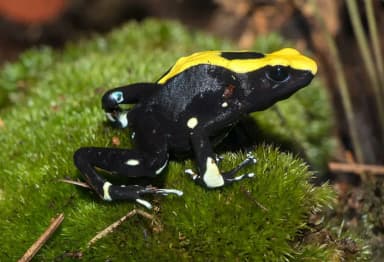 H. Zell · CC BY-SA 3.0
Blue Poison Dart Frog
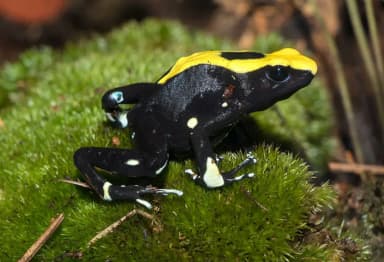 H. Zell · CC BY-SA 3.0
Dyeing Poison Dart Frog
 Jan P. Zegarra, U.S. Fish and Wildlife Service · Public domain
Puerto Rican Crested Toad
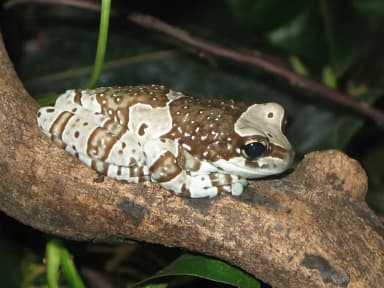 Crusier · CC BY 3.0
Amazon Milk Frog
Fish5
Feathers & Fangs from visitors
What people who've been to Buffalo Zoo say
A Feather is something this zoo does well; a Fang is something it gets wrong. Left by people who've been, and read by us before they appear.
Loading…
About Buffalo Zoo
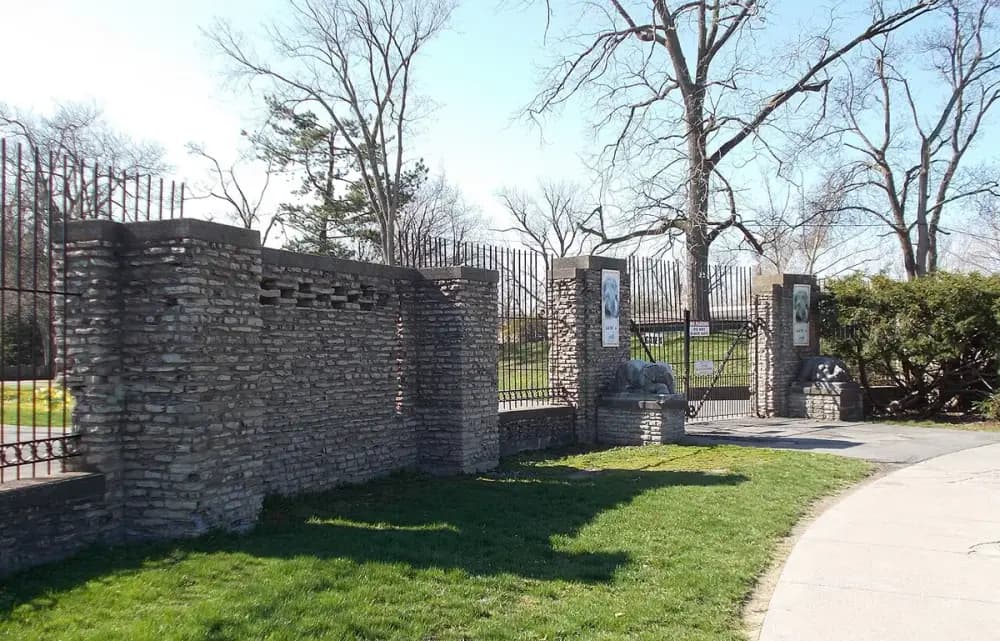
The Buffalo Zoo sits at 300 Parkside Ave in Delaware Park, in North Buffalo, New York, on 23.5 acres. It describes itself as the third oldest zoological institution in the United States, established in 1875, and is accredited by the Association of Zoos and Aquariums. The zoo is operated by the Zoological Society of Buffalo, Inc., a 501(c)(3) nonprofit that took over day-to-day operations from the City of Buffalo in 1973 and today lists Lisa Smith as President and CEO. The zoo's website lists 320 published species across its collection of mammals, birds, reptiles, amphibians, and fish.
The zoo states its mission as providing an educationally, culturally, and recreationally significant community resource, achieved through the advancement of the science of zoology, the conservation of the world's wildlife, and the exhibition of diverse species. Its stated philosophy today is to display animals and plants within ecological habitats and geographical groupings that represent the biomes of the world, rather than by species type alone, with current programming aimed at helping visitors understand how animals relate to their environments and to people.
The zoo relies heavily on volunteers, with more than 200 supporting education, animal care, and fundraising efforts. The zoo says it is celebrating its 150th year with a "Wild Impact" vision outlining proposed future development, including a Big Cat Ridge lion and tiger expansion, a covered carousel, an indoor dining space, and a VR theater dome, among other proposed Phase I projects.
History
The Buffalo Zoo traces its origin to 1870, when local furrier Jacob E. Bergtold presented a pair of deer to the City of Buffalo, which were housed on a small piece of land in Frederick Law Olmsted's Delaware Park. Five years later, in 1875, the first permanent building was erected, marking the formal establishment of the Buffalo Zoological Gardens. A flock of sheep, a pair of bison, and eight elk were added over the following fifteen years, and in 1890 the zoo built a bear exhibit and larger animal house; growing public interest led the city to hire Frank J. Thompson as the zoo's first curator in 1895. An elephant house followed in 1912, and the zoo says an estimated 20,000 to 30,000 people visited on a good day in the early 1900s.
After nearly two decades without city-funded improvements, area citizens pushed for a zoological society, which was incorporated in 1931 as the Zoological Society of Buffalo. Redevelopment under the Works Progress Administration followed, including the roughly $1.5 million Main Animal Building; Marlin Perkins, hired as curator in 1938 from the St. Louis Zoo, helped revive the collection, and the zoo's Reptile House opened in 1942 with more than 400 specimens. A train ride and concessions were added in the early 1950s, and after a 1958 closure for $300,000 in repairs, the Children's Zoo broke ground in 1965 with funding from the Rotary Club of Buffalo, helping push attendance above one million visitors in 1965-66. The Giraffe House and an animal hospital opened in 1967.
Operation of the zoo passed to the Zoological Society in January 1973, alongside a new $350,000 city and county budget and the introduction of an admission fee. Emphasis shifted in the 1980s and 1990s toward breeding and reproducing rare and endangered species, alongside a wave of new exhibits: the Gorilla Habitat in 1981, the Children's Resource Center and Boehm Porcelain Gallery in 1984, the Lion and Tiger Habitat in 1988, the Parkside Entrance, Zootique, and Diversity of Life Hallway in 1992, the Elephant Yard renovation and World of Wildlife Interpretive Center in 1993, a hyena exhibit in 1996, and a Children's Zoo renovation in 1997. A 2002 master plan brought Vanishing Animals and The Bone Zone that year, Ecostation in 2003, and Otter Creek in 2004, followed by M&T Bank Rainforest Falls in 2008, the Delta Sonic Heritage Farm in 2010, and a new entrance in 2013.
Exhibits and habitats
M&T Bank Rainforest Falls, opened in 2008, is a fully enclosed South American habitat that visitors move through via ramps and overlooks among trees, encountering squirrel monkeys, white-faced sakis, piranhas, roseate spoonbills, scarlet ibis, toucans, boat-billed herons, tamanduas, and vampire bats at different levels, with capybaras, ocelots, giant anteaters, armadillos, giant river turtles, dwarf caimans, and anacondas on the forest floor. The Wild Explorer VR Experience runs year-round inside the same building.
The Delta Sonic Heritage Farm, opened in 2010 as the zoo's year-round children's zoo, recreates a 19th-century Erie Canal-era homestead using a genuine heritage barn, complete with a garden, wetlands, and a replica canal lock; it is home to Berkshire pigs, a Devon cow, Southdown sheep, Dominique chickens, turkey, and a mule similar to those once used to tow canal boats, and lets visitors have hands-on contact with some of its animals. Arctic Edge, a planned walk-through habitat, is designed around a polar bear complex with underwater viewing, alongside enclosures for Arctic wolves, lynx, and bald eagles. Other named exhibits include the Gorilla Habitat, the Lion and Tiger Habitat, and the Reptile House, and the Zootique gift shop occupies a renovated, 3,000-square-foot former children's barn near the main entrance.
Animal highlights
Buffalo Zoo lists at least 143 species by name on its website, out of 320 species published overall, spanning mammals, birds, reptiles, amphibians, fish, and invertebrates. Large mammals in the collection include the polar bear, greater one-horned rhinoceros, giraffe, American bison, Amur tiger, snow leopard, spotted hyena, and Western lowland gorilla, alongside smaller species such as the red panda, meerkat, ring-tailed lemur, and long-tailed chinchilla. Its bird collection includes the bald eagle, scarlet macaw, roseate spoonbill, laughing kookaburra, and trumpeter hornbill, and its reptile and amphibian holdings include the king cobra, green anaconda, axolotl, and several poison dart frog species. The zoo also keeps a range of heritage farm breeds, including Southdown sheep, Dominique chickens, and Devon cattle, at its Delta Sonic Heritage Farm.
Conservation and programs
The Buffalo Zoo describes a shift, beginning in the 1980s and 1990s, toward emphasizing the breeding and reproduction of rare and endangered species as animal numbers in its general collection were reduced. Its stated vision, "Collaborating for Change," frames the zoo as aiming to be a center of conservation excellence that provides leadership toward a future where wildlife thrives. The zoo's rhino encounter program specifically references conservation efforts in the wild as part of what guests learn about during behind-the-scenes visits with its rhinos. The zoo's Education Department also runs programming for schools both on site and in the community through its mobile Zoomobile service, along with a summer Zoo Camp for young visitors, aimed at building conservation awareness.
Planning your visit
As listed on the zoo's website, the Buffalo Zoo is open seven days a week from 10 a.m. to 5 p.m., with last entry at 4 p.m., and it operates rain or shine; holiday hours differ on Christmas Eve and New Year's Eve. General admission tickets are non-refundable but valid for 365 days from purchase, and walk-up admission is accepted, though online reservations are encouraged. Zoo members do not need to purchase an admission ticket. Parking is available for a fee, listed at $6 for the first two hours and $2 per additional hour up to a $12 maximum, though prices may vary during events. Group tickets are available for parties of 15 or more, with school groups qualifying for a $15 per-person rate.
Wheelchairs are available to rent free of charge, and strollers and motorized scooters can also be rented, though motorized scooters are unavailable from November through March or on days with rain in the forecast; all rentals require photo ID or a deposit. The zoo is a partner of KultureCity and offers free sensory bags, including noise-reducing headphones, sunglasses, fidgets, and visual cue cards, in exchange for a license at admissions. Certified service dogs are welcome throughout most of the zoo, though they may be restricted from areas such as the Giraffe House, the Rainforest Falls building, Goat Island, and the Delta Sonic Heritage Farm. Seasonal train and carousel rides cost $5 each, and food options include the Wild Burger and Slice restaurants. Confirm current hours, prices, and any closures on the official website before visiting.
What we haven't confirmed
Everything above came from public sources. These specifics we haven't stood behind yet:
- Exact current animal count
- Time needed for a typical visit
- Current general admission ticket prices
- Holiday hours specifics for Christmas Eve and New Year's Eve
- Annual visitor attendance figures
Buffalo Zoo compared with nearby zoos
How Buffalo Zoo lines up against the closest zoos we have details for — useful if you're deciding between them for the same day out.
| Zoo | Distance | Admission | Hours | Size | AZA |
|---|---|---|---|---|---|
| Buffalo ZooThis zooBuffalo, NY | — | $25.95 | 10:00 am – 5:00 pm | 23.5 acres | Yes |
| Seneca Park ZooRochester, NY | 65 mi | — | April 1 – October 31: daily 10:00 AM – 5:00 PM (last entry 4:00 PM). November 1 – March 31: daily 10:00 AM – 4:00 PM (last entry 3:00 PM). Members early entry 9:30 AM. Closed Thanksgiving Day, Christmas Day, New Year's Day. | 20 acres | Yes |
| Erie ZooErie, PA | 85 mi | $12–$13 | 10 am – 5pm | 15 acres | No |
| Pymatuning Deer ParkJamestown, PA | 129 mi | $12 | Closed for the season (closed October through April). Closed October through April. | — | No |
Distances are straight-line. A dash means we haven't confirmed that detail yet, not that the zoo lacks it.
AZAThe Association of Zoos and Aquariums. Accredited members have passed an independent inspection of animal care and welfare, safety, conservation and education, repeated every five years. Many smaller facilities never apply, so “not accredited” isn't a verdict on its own. What accreditation means · How we check this
Buffalo Zoo: common questions
Is the Buffalo Zoo AZA accredited?
Yes, the Buffalo Zoo is accredited by the Association of Zoos and Aquariums.
When did the Buffalo Zoo open?
It traces its origins to 1870 and was formally established in 1875, making it, by its own description, the third oldest zoo in the United States.
How big is the Buffalo Zoo?
The zoo covers 23.5 acres in Buffalo's Delaware Park.
How many species can you see at the Buffalo Zoo?
The zoo lists 320 published species, with at least 143 named on its website, including polar bears, giraffes, Amur tigers, and Western lowland gorillas.
Is there parking at the Buffalo Zoo?
Yes, in a fee-based lot, listed at $6 for the first two hours and $2 per hour after that, up to $12.
Is the Buffalo Zoo stroller and wheelchair accessible?
Yes. Wheelchairs are free to rent, and strollers and motorized scooters are also available, though scooters are not rented from November through March.
Is there food inside the zoo?
Yes, including the Wild Burger and Slice restaurants, both open daily.
Something wrong here? Tell us — we correct in place, with a dated note.