
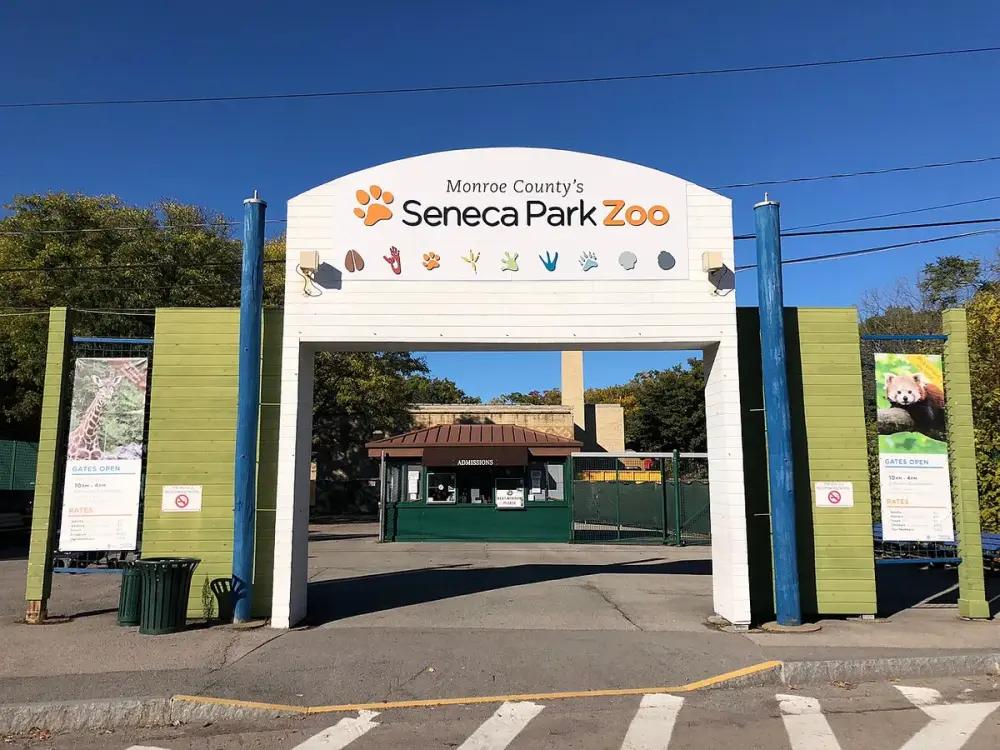
- Admission
- —
- Size
- 20 acres
- Opened
- 1894
- Accreditation
- AZA
Association of Zoos and Aquariums
Everything below is directory information drawn from public sources and the zoo's own site.
Animals at Seneca Park Zoo
39 of the ~90 species this zoo listsThis is a partial list — we only show species we've confirmed against the zoo's own pages, and their full collection is considerably larger.
Mammals14
 Sunuwargr · CC BY-SA 4.0
Red panda
 User:Mas3cf · CC BY-SA 4.0
Gray Wolf
 Kuebi = Armin Kübelbeck · CC BY-SA 3.0
Goat
 Giles Laurent · CC BY-SA 4.0
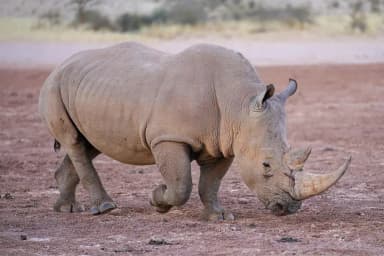
White Rhinoceros
 Kein keen · CC BY-SA 4.0
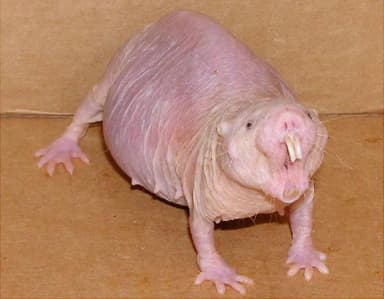
Naked Mole-rat
 Giles Laurent · CC BY-SA 4.0
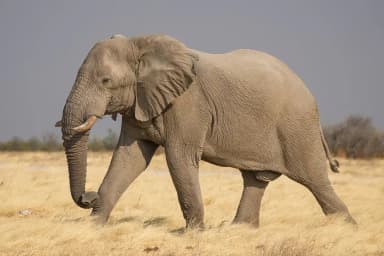
African Elephant
 Michael Zahra · CC BY-SA 3.0
Canada Lynx
 Giles Laurent · CC BY-SA 4.0
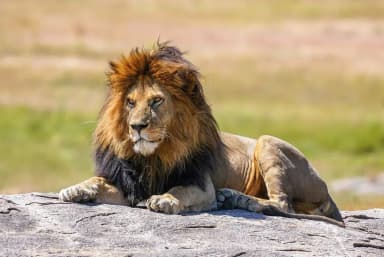
Lion
 Irbis1983 · Public domain
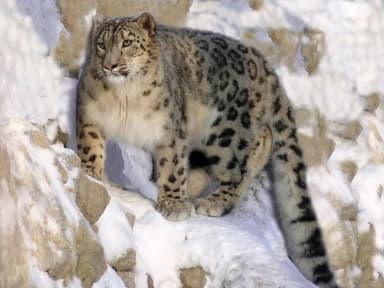
Snow Leopard
 Alan Wilson · CC BY-SA 3.0
Polar Bear
 KKPCW · CC BY-SA 4.0
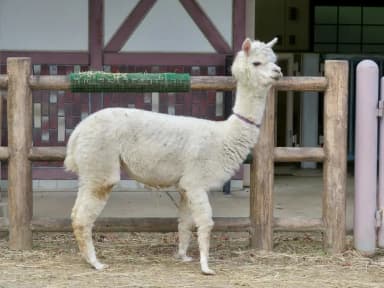
Alpaca
 (c) Jonathan Eisen, some rights reserved (CC BY) · CC BY 4.0
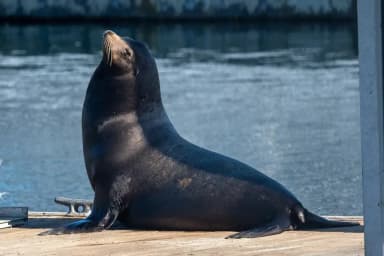
California Sea Lion
Birds11
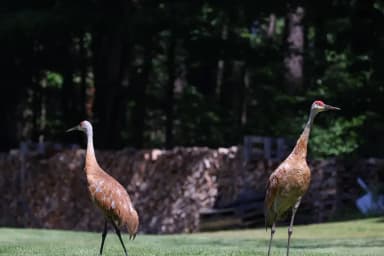 HappiestFish · CC BY 4.0
Sandhill Crane
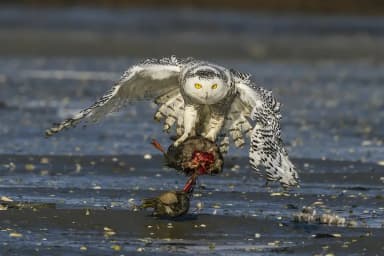 Chuck Homler d/b/a Focus On Wildlife · CC BY-SA 3.0
Snowy Owl
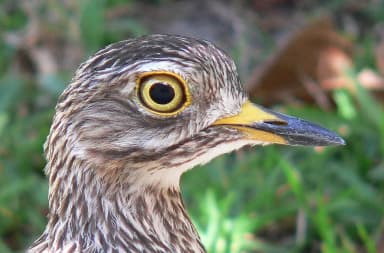 Maciej · CC BY-SA 3.0
Cape Thick-knee
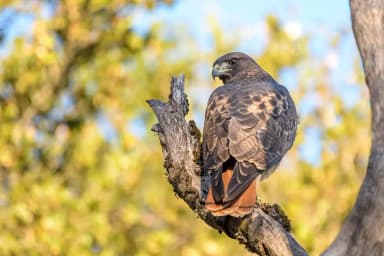 Becky Matsubara from El Sobrante, California · CC BY 2.0
Red-tailed Hawk
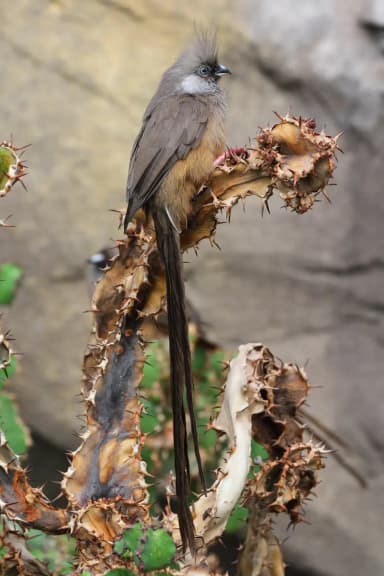 spacebirdy (also known as geimfyglið (:> )=| made with Sternenlaus -spirit) · CC BY-SA 3.0
Speckled Mousebird
 Andy Morffew from Itchen Abbas, Hampshire, UK · CC BY 2.0
Bald Eagle
 Photo by and (C)2007 Derek Ramsey ( Ram-Man ) · CC BY-SA 2.5
Golden-breasted Starling
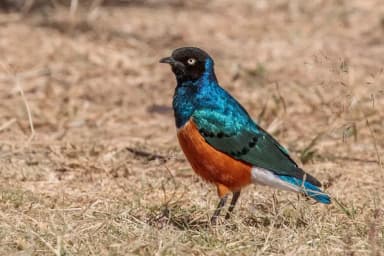 Charles J. Sharp · CC BY-SA 4.0
Superb Starling
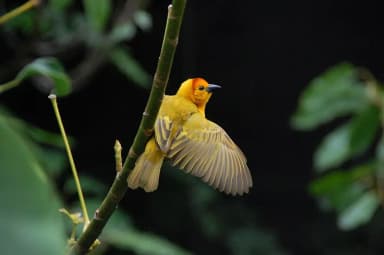 Devin Morris · CC BY-SA 4.0
Taveta Golden Weaver
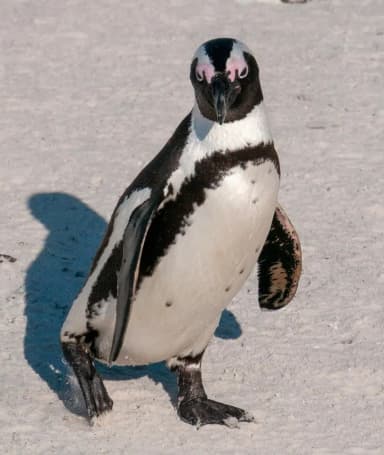 Matti Blume · CC BY-SA 4.0
African penguin
Reptiles7
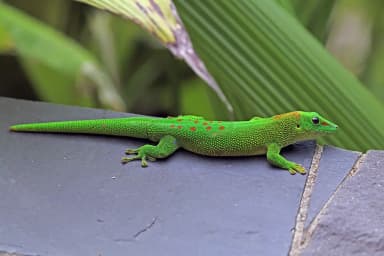
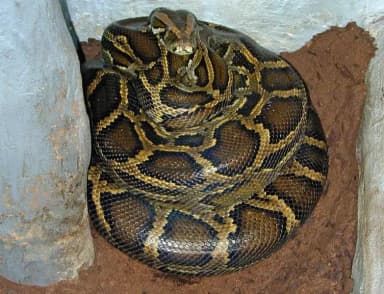
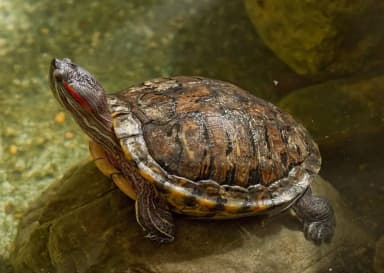
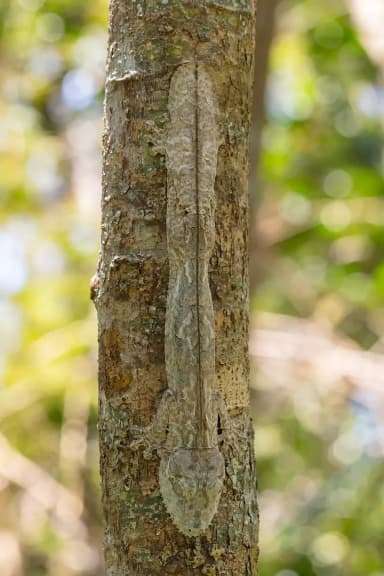
Amphibians5
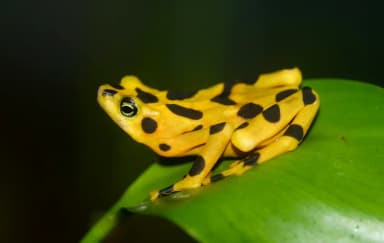
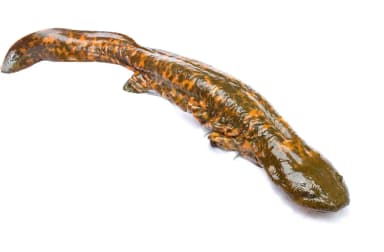
Fish1
Invertebrates1
Feathers & Fangs from visitors
What people who've been to Seneca Park Zoo say
A Feather is something this zoo does well; a Fang is something it gets wrong. Left by people who've been, and read by us before they appear.
Loading…
About Seneca Park Zoo
Seneca Park Zoo sits at 2222 Saint Paul St. in Rochester, New York, on about 20 acres of grounds. It has been open since 1894, which makes it one of the older zoos still operating in the state, and it holds accreditation from the Association of Zoos and Aquariums. The zoo is operated as a partnership between the Seneca Park Zoo Society, a nonprofit, and Monroe County, with the Society raising funds for operations, programs, and capital improvements while the county partnership keeps the grounds running day to day.
The zoo's stated mission is to inspire its community to connect with, care for, and conserve wildlife and wild places, with a stated goal of becoming a national leader in education and conservation action for species survival. That goal is currently taking physical shape through a capital campaign called A Wilder Vision, which is reimagining the entrance experience along with new animal habitats inside the gates. The Society also describes a broader set of organizational goals: developing programs that meet best practices for animal care and conservation, building partnerships that extend the zoo's mission, and using data to understand its audiences and improve its programming over time.
Seneca Park Zoo's website lists at least 90 species in its collection, spanning mammals, birds, reptiles, amphibians, and fish. The zoo frames every visit as a small act of conservation participation: according to its own materials, a guest begins contributing to conservation science, animal welfare, and programming the moment they walk through the front gate.
History
Seneca Park Zoo opened in 1894, giving it more than a century of continuous operation in Rochester. The sources available for this page do not include a detailed year-by-year history of exhibit openings or expansions, but the zoo's current era is defined by the Wilder Vision capital campaign, which is rebuilding the entrance and expanding animal habitats within the existing footprint. The zoo describes this campaign as pushing it toward becoming a more prominent destination for education and conservation work in the region.
Exhibits and habitats
The zoo is organized into named areas, including Animals of the Savanna, which is home to the Savanna Outpost gift shop and is also where giraffe feeding experiences are offered seasonally. A walking trail called the Genesee Trail runs through part of the grounds and includes a crossing stream that is open to visitors when conditions allow.
Beyond the animal habitats, Seneca Park Zoo runs the Butterfly Beltway program, which has worked since 2002 to conserve pollinator habitat connected to the multi-generational migration of monarch butterflies through western New York. The program is Zoo-led but extends well past the gates: it plants pollinator gardens for schools, organizations, and private property owners around the region, in sizes ranging from as small as 50 square feet to as large as 10,000 square feet, and sells native seed mixes formulated for different uses, including one mix developed for a New York State solar field. One of the zoo's mixes alone is associated with over 500 identified insect species in New York that are drawn to the plants it contains.
Animal highlights
Seneca Park Zoo lists at least 90 species on its website, a number that functions as a floor rather than a full inventory. The publicly listed roster spans large mammals such as the African elephant, Masai giraffe, lion, white rhinoceros, and polar bear, alongside snow leopard, red panda, gray wolf, Canada lynx, and olive baboon. Marine and aquatic life on site includes the California sea lion, largemouth bass, and red-eared slider, and the bird collection includes the bald eagle, snowy owl, red-tailed hawk, sandhill crane, African penguin, and several starling and weaver species, including the golden-breasted starling and superb starling. Smaller and more unusual residents include the naked mole-rat, hellbender, Burmese python, African bush viper, and a rotating cast of frogs and geckos such as the Panamanian golden frog and Henkel's leaf-tailed gecko. Giraffe feeding is offered as a paid add-on experience during applicable seasons, giving visitors a chance to interact directly with one of the zoo's more prominent species.
Conservation and programs
Conservation runs through nearly everything Seneca Park Zoo publishes about itself. The zoo participates in Species Survival Plans and the AZA's SAFE (Saving Animals From Extinction) initiative, and its Zoo Society describes fieldwork, grantmaking, advocacy, and awareness efforts that have reached from the Arctic Circle to Madagascar. Locally, the zoo runs biosurveys and citizen science projects, partners with the iNaturalist platform so visitors and community members can log wildlife observations, and has organized community clean-up events with volunteers taking part since 2017. It also reports having delivered education programs continuously since 2019. The Butterfly Beltway pollinator restoration work described above is one of its most visible community-facing conservation programs, pairing garden installation with citizen science training and habitat monitoring for participants.
Planning your visit
Seneca Park Zoo is open 362 days a year, closing only for Thanksgiving Day, Christmas Day, and New Year's Day, as listed on the zoo's website. Regular admission hours run 10 a.m. to 5 p.m., with members admitted starting at 9:30 a.m.; seasonal admission-gate cutoff times vary through the year. The zoo does not publish specific ticket prices in the material reviewed for this page, but it offers a $2 per-ticket discount for buying online, discounted group rates for parties of 10 or more, reduced pricing for veterans and active-duty military (with valid ID), and reduced admission through the Museums for All program for guests enrolled in SNAP.
For accessibility, wheelchairs are available free of charge at the ZooShop on a first-come, first-served basis, with no reservations accepted. Motorized ECVs rent for $25 plus tax and are available from April 1 through October 31 to guests 16 and older. Strollers can be rented at the ZooShop for $7 (single) or $9 (double), plus tax. Sensory bags with noise-cancelling headphones and fidget tools are available on loan at the ZooShop, and quiet areas and headphone zones are located throughout the grounds. Service animals are welcome under ADA guidelines, though therapy and emotional-support animals are not permitted.
Guided experiences include a 90-minute walking tour led by a Zoo Naturalist, a seasonal early-morning golf cart tour that runs from 8 to 9:30 a.m., and a seasonal ZooTram that has operated from the North station near the Savanna Outpost. Food options include Eagle's Landing Café, which is open year-round, along with the seasonal Crater Canteen and Savanna Outpost grab-and-go stand. Zoo members receive a 10% discount and can call 585-565-1547 for membership information. Because hours, tour schedules, and pricing change seasonally, visitors should confirm current details on the zoo's official website before planning a trip.
What we haven't confirmed
Everything above came from public sources. These specifics we haven't stood behind yet:
- Ticket prices
- Parking details
- Total animal count
- Time needed for a typical visit
Seneca Park Zoo compared with nearby zoos
How Seneca Park Zoo lines up against the closest zoos we have details for — useful if you're deciding between them for the same day out.
| Zoo | Distance | Admission | Hours | Size | AZA |
|---|---|---|---|---|---|
| Seneca Park ZooThis zooRochester, NY | — | — | April 1 – October 31: daily 10:00 AM – 5:00 PM (last entry 4:00 PM). November 1 – March 31: daily 10:00 AM – 4:00 PM (last entry 3:00 PM). Members early entry 9:30 AM. Closed Thanksgiving Day, Christmas Day, New Year's Day. | 20 acres | Yes |
| Buffalo ZooBuffalo, NY | 65 mi | $25.95 | 10:00 am – 5:00 pm | 23.5 acres | Yes |
| Rosamond Gifford ZooSyracuse, NY | 74 mi | from $9 | 10am – 4:30pm | 43 acres | Yes |
| Zoo New YorkWatertown, NY | 101 mi | $12 | Open daily 10:00 AM – 5:00 PM; last ticket sold 4:30 PM. | — | No |
Distances are straight-line. A dash means we haven't confirmed that detail yet, not that the zoo lacks it.
AZAThe Association of Zoos and Aquariums. Accredited members have passed an independent inspection of animal care and welfare, safety, conservation and education, repeated every five years. Many smaller facilities never apply, so “not accredited” isn't a verdict on its own. What accreditation means · How we check this
Seneca Park Zoo: common questions
Is Seneca Park Zoo AZA accredited?
Yes, it is accredited by the Association of Zoos and Aquariums.
How big is Seneca Park Zoo?
It covers about 20 acres in Rochester, New York.
When did Seneca Park Zoo open?
It opened in 1894.
How many animals can you see at Seneca Park Zoo?
The zoo's website lists at least 90 species, ranging from African elephants and lions to red pandas, snow leopards, and a variety of birds, reptiles, and amphibians.
Can you feed the giraffes?
Yes, giraffe feeding tickets are sold separately and are offered seasonally in the Animals of the Savanna area.
Is Seneca Park Zoo wheelchair accessible?
Yes. Free wheelchairs are available at the ZooShop on a first-come, first-served basis, and motorized ECVs can be rented seasonally.
Is there food inside the zoo?
Yes, Eagle's Landing Café operates year-round, with the Crater Canteen and Savanna Outpost open seasonally.
Something wrong here? Tell us — we correct in place, with a dated note.