
Hoofed mammals in U.S. zoos
Hoofed mammals, or ungulates, are mostly large plant-eating mammals that stand on the hoofed tips of their toes. They fall into two living orders: odd-toed ungulates such as horses, rhinoceroses and tapirs, and even-toed ungulates such as cattle, antelope, deer, pigs, giraffes, camels and hippos. Together they include most large land mammals.
Most widely held
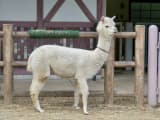 AlpacaVicugna pacosAt 71 zoos
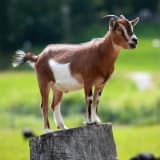 GoatCapra hircusAt 69 zoos
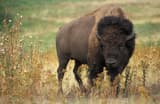 American BisonBison bisonAt 61 zoos · Near Threatened
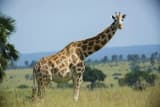 GiraffeGiraffa camelopardalisAt 57 zoos · Near Threatened
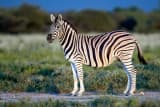 ZebraEquus quaggaAt 48 zoos
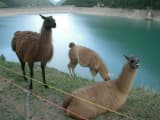 LlamaLama glamaAt 40 zoos
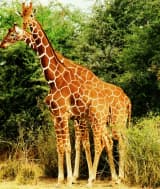 Reticulated giraffeGiraffa reticulataAt 39 zoos · Endangered
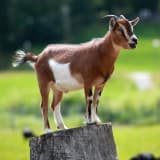 Nigerian Dwarf GoatCapra hircusAt 37 zoos
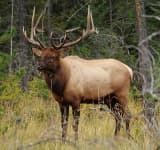 ElkCervus canadensisAt 36 zoos · Least Concern
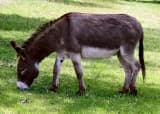 Miniature DonkeyEquus asinusAt 35 zoos
 Bactrian CamelCamelus bactrianusAt 34 zoos
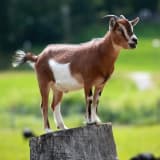 Pygmy GoatCapra hircusAt 31 zoos
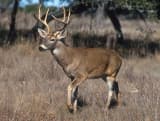 White-tailed DeerOdocoileus virginianusAt 30 zoos · Least Concern
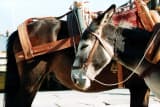 DonkeyEquus asinusAt 27 zoos
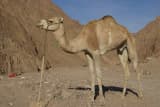 Dromedary CamelCamelus dromedariusAt 27 zoos
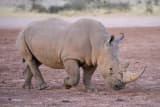 White RhinocerosCeratotherium simumAt 26 zoos · Near Threatened
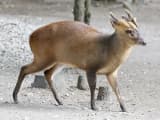 Reeve's MuntjacMuntiacus reevesiAt 24 zoos · Least Concern
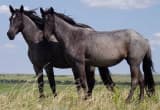 Miniature HorseEquus caballusAt 23 zoos
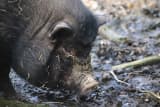 Pot-bellied PigSus scrofa domesticusAt 23 zoos
- SheepOvis ariesAt 21 zoos
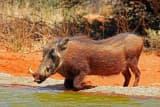 WarthogPhacochoerus africanusAt 21 zoos · Least Concern
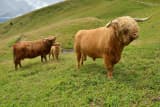 Highland CattleBos taurusAt 20 zoos
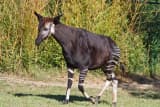 OkapiOkapia johnstoniAt 20 zoos · Endangered
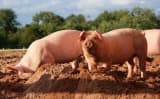 Kunekune PigSus scrofa domesticusAt 19 zoos
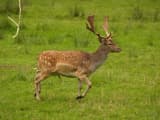 Fallow DeerDama damaAt 18 zoos · Least Concern
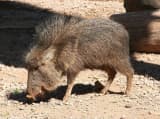 Chacoan PeccaryCatagonus wagneriAt 17 zoos · Endangered
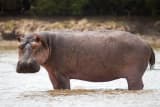 HippopotamusHippopotamus amphibiusAt 17 zoos · Vulnerable
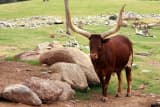 Watusi CattleBos taurusAt 17 zoos
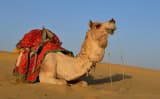 CamelCamelusAt 16 zoos
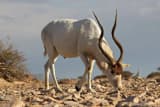 AddaxAddax nasomaculatusAt 15 zoos · Critically Endangered
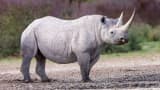 Black RhinocerosDiceros bicornisAt 15 zoos · Critically Endangered
 Greater One-horned RhinocerosRhinoceros unicornisAt 15 zoos · Vulnerable
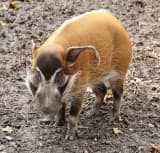 Red River HogPotamochoerus porcusAt 15 zoos · Least Concern
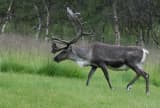 ReindeerRangifer tarandusAt 15 zoos · Vulnerable
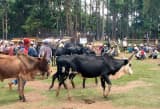 ZebuBos indicusAt 15 zoos
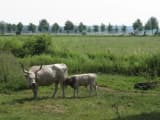 CowBos taurusAt 14 zoos
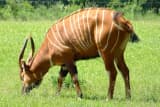 BongoTragelaphus eurycerusAt 13 zoos · Near Threatened
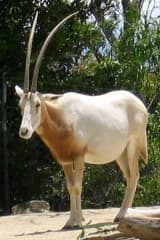 Scimitar-horned OryxOryx dammahAt 13 zoos · Endangered
- AoudadAmmotragus lerviaAt 12 zoos · Vulnerable
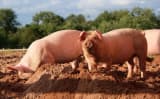 Guinea HogSus scrofa domesticusAt 12 zoos
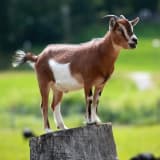 Nubian GoatCapra hircusAt 12 zoos
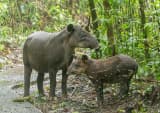 Baird's TapirTapirus bairdiiAt 11 zoos · Endangered
 Blue DuikerPhilantomba monticolaAt 11 zoos · Least Concern
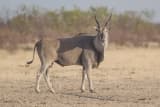 Common ElandTaurotragus oryxAt 10 zoos · Least Concern
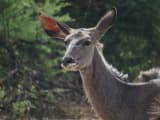 Greater KuduTragelaphus strepsicerosAt 10 zoos · Least Concern
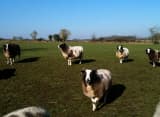 Jacob SheepOvis ariesAt 10 zoos
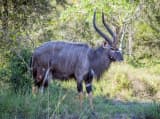 NyalaTragelaphus angasiiAt 10 zoos · Least Concern
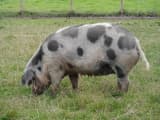 PigSus scrofa domesticusAt 10 zoos
More animals in this collection, A–Z
- Axis DeerAxis axis
- BabirusaBabyrousa babyrussa
- Bighorn SheepOvis canadensis
- BontebokDamaliscus pygargus pygargus
- HorseEquus caballus
- ImpalaAepyceros melampus
- KlipspringerOreotragus oreotragus
- Malayan TapirTapirus indicus
- Mule DeerOdocoileus hemionus
- Père David's DeerElaphurus davidianus
- PonyEquus caballus
- PronghornAntilocapra americana
- Przewalski's HorseEquus przewalskii
- Pygmy HippopotamusChoeropsis liberiensis
- RhinocerosRhinocerotidae
- Sika DeerCervus nippon
- SitatungaTragelaphus spekii
- Somali Wild AssEquus africanus somaliensis
- Southern PuduPudu puda
- TakinBudorcas taxicolor
- Texas LonghornBos taurus
- WaterbuckKobus ellipsiprymnus
- WildebeestConnochaetes taurinus
What makes an ungulate
The word ungulate means roughly "hoofed animal." A hoof is the tip of a toe covered in thick keratin, and most land ungulates stand and move on these hoofed toe tips. The group is mostly herbivorous, and many species depend on gut bacteria to break down cellulose. Ungulates have spread from mountains to deserts and, in the case of whales, into the ocean, and some have been domesticated by people.
Odd-toed and even-toed
The odd-toed ungulates are the horses and their relatives, rhinoceroses and tapirs. Their weight rests on the third toe of each foot. Przewalski's horse of the Central Asian steppes is genetically distinct from the domestic horse, with 33 chromosome pairs to its 32. The Malayan tapir shows why toe counts can mislead: it has four toes on each front foot and three on each back foot.
The even-toed ungulates carry their weight on the third and fourth toes. They include cattle, antelope, deer, pigs, giraffes, camels and hippos, and, surprisingly, whales and dolphins. The hippopotamus looks pig-like, but its closest living relatives are cetaceans, and its relative the pygmy hippopotamus has narrower, less webbed feet suited to the forest floor. Most even-toed ungulates other than pigs, peccaries and hippos can ruminate, bringing food back up to chew it again.
Horns, antlers and ossicones
Headgear is one of the best ways to tell groups apart. Cattle and antelope have unbranched horns of bone in a permanent keratin sheath. Deer grow antlers, which are shed and regrown and grow faster than any other mammal bone. The black rhinoceros carries two horns made only of keratin. The okapi, which shares the giraffe family, Giraffidae, with the giraffe alone despite its zebra-striped legs, carries short, skin-covered ossicones on the males. The pronghorn of North America is not a true antelope at all, and its horn sheaths are branched.
Conservation picture
The two orders hold most of the world's large land mammals, and many of them are in trouble. The black rhinoceros is Critically Endangered, as is the Somali wild ass, with an estimated 600 left in the wild. The okapi and Malayan tapir are Endangered. Przewalski's horse once vanished from the wild entirely and has been reintroduced to its native Mongolia since the 1990s.
Common questions
What are hoofed mammals called?
Hoofed mammals are called ungulates, from the Late Latin ungulatus, meaning hoofed. The two living orders are the Perissodactyla, or odd-toed ungulates, and the Artiodactyla, or even-toed ungulates.
What is the difference between odd-toed and even-toed ungulates?
It is about where the weight falls. Odd-toed ungulates carry their weight on the third toe of each foot, while even-toed ungulates carry it on the third and fourth toes, though the toe counts themselves are not a perfect guide.
Are whales hoofed mammals?
Whales, dolphins and porpoises are classified within the even-toed ungulates even though they have flippers instead of hooves. The hippopotamus is their closest living relative.
What is a hoof made of?
A hoof is the tip of a toe strengthened by a thick covering of keratin, with a hard wall formed by a nail rolled around the toe. Hooves grow continuously and are worn down by use.
What is the difference between horns and antlers?
Horns of cattle and antelope are permanent bony cores in a keratin sheath, while antlers belong only to deer and are shed and regrown. Rhino horn is different again, made entirely of keratin.
What do ungulates eat?
Most ungulates are herbivores, and many rely on specialized gut bacteria to digest cellulose. Some pigs are omnivorous, and cetaceans are the only modern ungulates with a carnivorous diet.
Sources
Last reviewed