
Conservation in zoos
Reintroduction
Also called Species reintroduction, Conservation translocation, Release to the wild, Reestablishment
Definition
Reintroduction is the deliberate release of animals into part of their native range where the species has disappeared, with the goal of establishing a healthy, self-sustaining wild population. Released animals can come from zoos, breeding centers or other wild populations.
On this page
What reintroduction is
Reintroduction is putting a species back into the wild in a place where it used to live but has disappeared. The aim is not just to release animals, but to build a wild population that can sustain itself without ongoing releases.
It's one of several kinds of conservation translocation described by the International Union for Conservation of Nature (IUCN). A closely related approach, reinforcement, adds animals to a wild population that still exists but is too small.
Where the animals come from
Released animals can come from:
- Zoos and breeding centers, often through Species Survival Plans
- Other wild populations, moved from a healthy area to an empty one
Animals born in human care often need preparation first. Programs may use pre-release pens, teach young animals to find natural food, or minimize human contact during rearing.
What makes a reintroduction work
The IUCN's 2013 guidelines stress careful planning before any release. Key questions include:
- Is there enough suitable habitat at the release site?
- Has the original cause of decline (hunting, disease, habitat loss) been dealt with?
- Are there enough animals, with enough genetic diversity, to start a population?
- Will local people and land managers support it?
- How will the animals be monitored after release?
Without good answers, released animals often die or wander away, which is why many reintroductions take decades of repeated effort.
Famous examples
- California condor: Every wild condor was taken into human care by 1987. Releases began in California in 1991 and later expanded to Arizona.
- Black-footed ferret: Reintroduced from 1991, starting in Shirley Basin, Wyoming.
- Red wolf: Zoo-bred wolves were released in eastern North Carolina in 1987.
- Przewalski's horse: Returned to Mongolia in the 1990s after surviving only in zoos.
- Arabian oryx: Reintroductions began in 1980.
- Scimitar-horned oryx: Released in Chad from 2016. In 2023 it moved from Extinct in the Wild to Endangered on the IUCN Red List.
Why it matters at the zoo
Reintroduction is often the end goal of zoo breeding programs, but it depends on protected wild habitat. Until that exists, zoos keep an insurance population ready. Read more in how zoos help conservation.
Examples
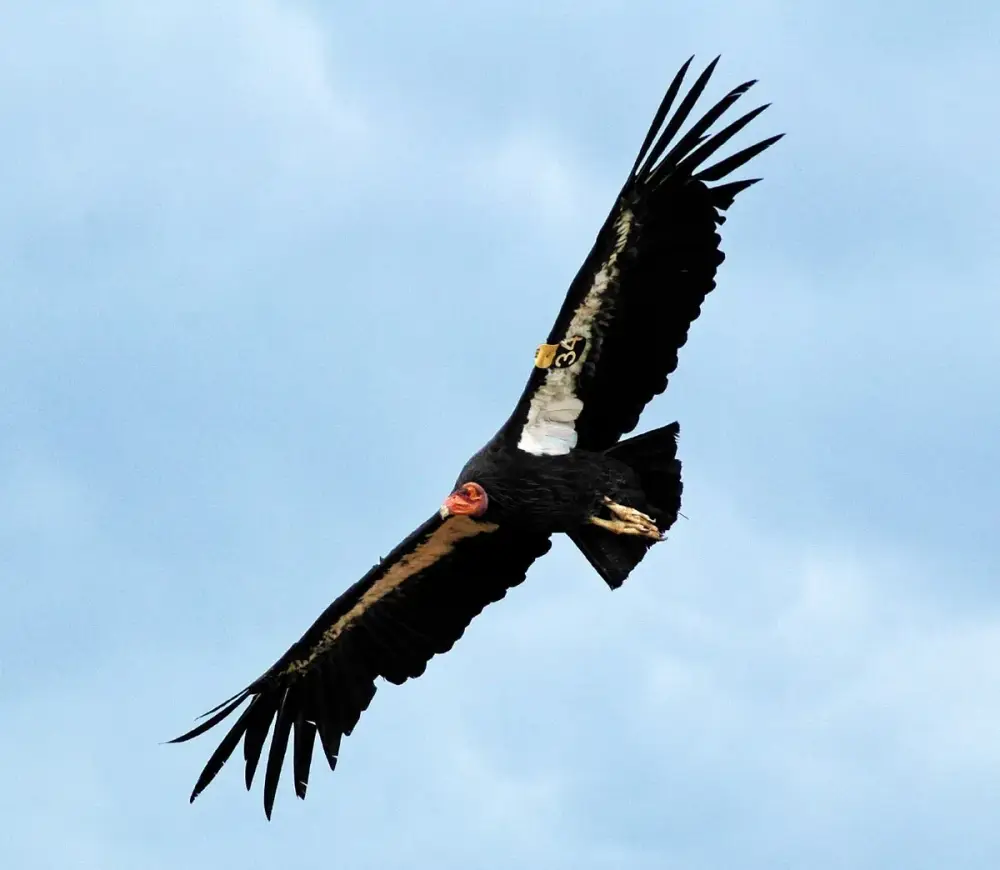 Don Graham from Redlands, CA, USA - God bless it! · CC BY-SA 2.0
California Condor
Gymnogyps californianus
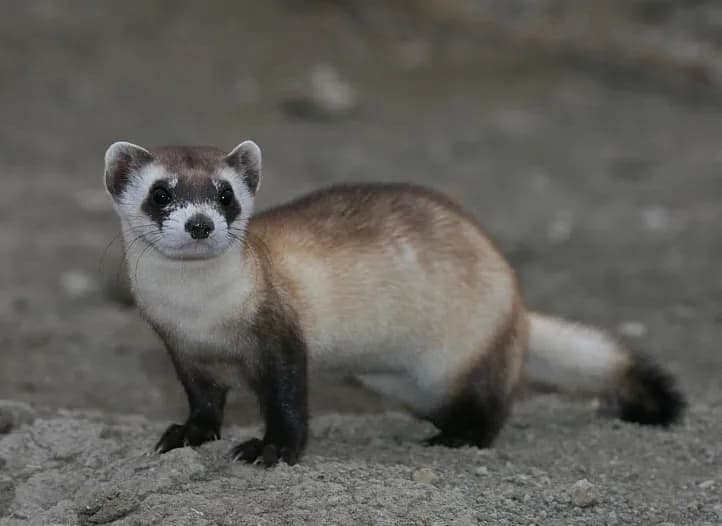 USFWS Mountain Prairie · Public domain
Black-footed Ferret
Mustela nigripes
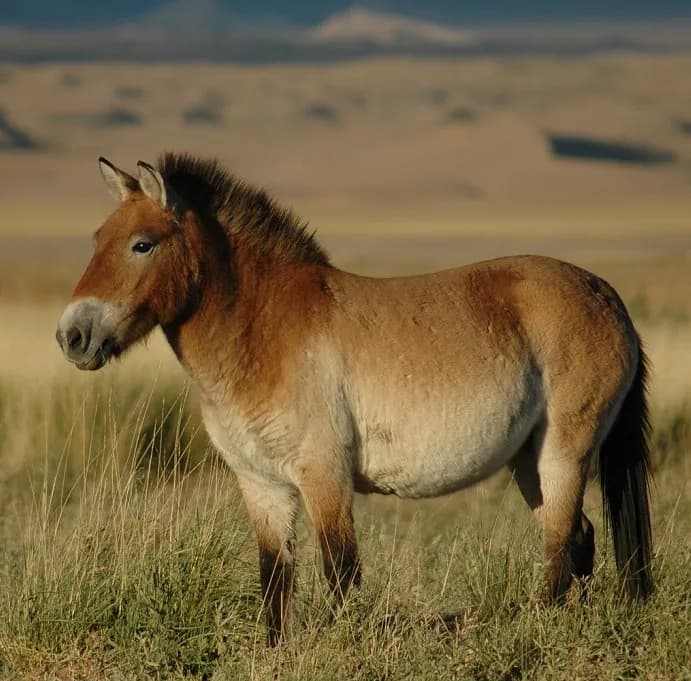 Claudia Feh · CC BY-SA 4.0
Przewalski's Horse
Equus przewalskii
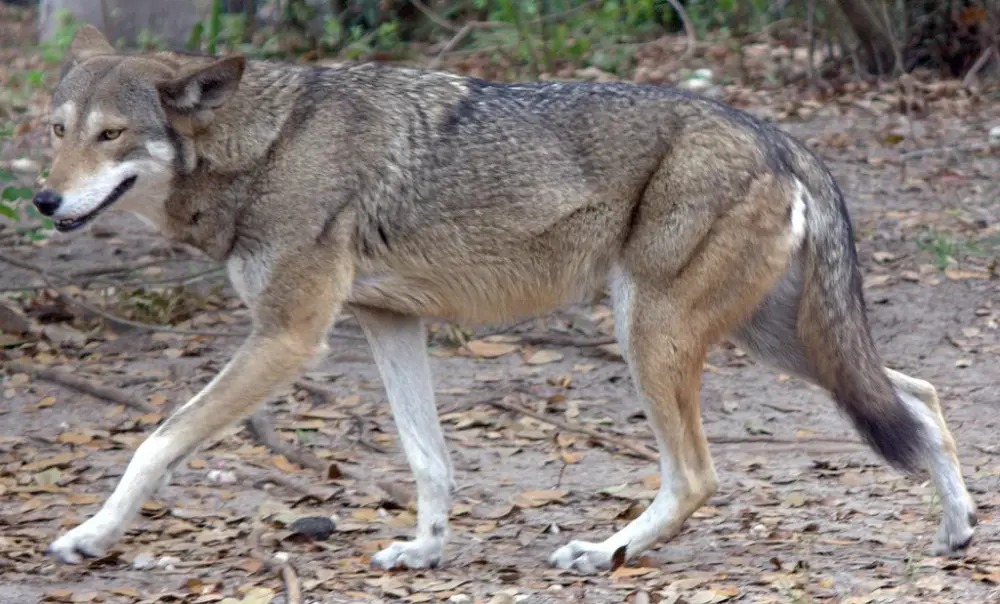 LaggedOnUser · CC BY-SA 2.0
Red Wolf
Canis rufus
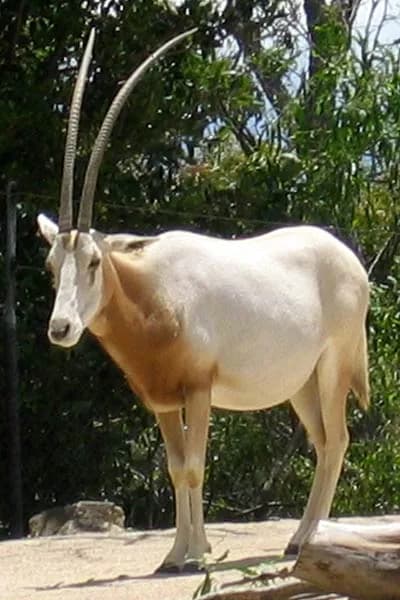 Albinfo · CC BY-SA 3.0
Scimitar-horned Oryx
Oryx dammah
Common questions
What is an example of a successful reintroduction?
The Arabian oryx is one of the best-known examples. It was extinct in the wild by the early 1970s, reintroductions began in 1980, and in 2011 it became the first animal to improve from Extinct in the Wild to Vulnerable on the IUCN Red List.
Do zoos release animals into the wild?
Sometimes. Zoo-bred animals have been released for species such as the California condor, black-footed ferret, Przewalski's horse and red wolf. It only happens through planned programs with wildlife agencies, and only when there is safe habitat to return to.
Why do some reintroductions fail?
Common reasons include habitat that is still unsafe, the original threat still being present, predators, disease, and animals raised in human care lacking survival skills. That's why IUCN guidelines stress assessing the habitat and the causes of decline before any release.
What is the difference between reintroduction and reinforcement?
Under IUCN guidelines, reintroduction returns a species to an area where it has disappeared. Reinforcement adds animals to a wild population that still exists, to boost its numbers or genetic diversity.
Related terms
- Ex situ conservationEx situ conservation means protecting a species outside its natural habitat, for example by breeding it in zoos, aquariums or botanical gardens, or by storing seeds and frozen cells. In situ conservation is the opposite: protecting species where they live in the wild.
- Insurance populationAn insurance population is a group of animals kept in human care as a backup for a species that is at risk in the wild. If the wild population crashes, the insurance population keeps the species alive and can supply animals for reintroduction.
- Species Survival Plan (SSP)A Species Survival Plan (SSP) is a cooperative breeding program run by the Association of Zoos and Aquariums (AZA). It manages one species across many zoos and aquariums as a single population, recommending which animals breed and which move so the population stays healthy and genetically diverse.
- Extinct in the WildExtinct in the Wild (EW) is the IUCN Red List category for species that survive only in human care, in cultivation, or as a naturalized population well outside their historic range. It is the last category before Extinct.
- IUCN Red ListThe IUCN Red List of Threatened Species is the world's most widely used inventory of extinction risk. Run by the International Union for Conservation of Nature, it sorts assessed species into categories from Least Concern to Extinct using measurable scientific criteria.
Sources
- IUCN Guidelines for Reintroductions and Other Conservation Translocations (2013)
- Species reintroduction (Wikipedia)
- Species Survival Plan (Wikipedia)
Last reviewed
Get the Feather & Fang newsletter
Zoo news, animal features and what's new in the directory. Occasional, never spammy.