
Conservation status
Critically Endangered
Also called CR, IUCN Critically Endangered, critically endangered species
Definition
Critically Endangered (CR) is the IUCN Red List category for species facing an extremely high risk of extinction in the wild. It is the most severe of the three 'threatened' categories, one step below Extinct in the Wild.
On this page
What "Critically Endangered" means
Critically Endangered is the highest-risk category for species still living in the wild on the IUCN Red List, the global inventory of extinction risk run by the International Union for Conservation of Nature.
A species is Critically Endangered when the evidence shows it faces an extremely high risk of extinction in the wild. It's the most severe of the three "threatened" categories:
- Vulnerable: high risk
- Endangered: very high risk
- Critically Endangered: extremely high risk
The next step up is Extinct in the Wild. The official abbreviation is CR. As of 2026, more than 10,000 species on the Red List are Critically Endangered.
How a species qualifies
A species qualifies as Critically Endangered if it meets any one of five criteria. In simplified form:
- A: Rapid decline. The population has fallen, or is expected to fall, by 80% to 90% or more over 10 years or three generations, whichever is longer.
- B: Tiny, shrinking range. An extent of occurrence under 100 km², or an area of occupancy under 10 km², that is fragmented or declining.
- C: Small, declining population. Fewer than 250 mature individuals, and still declining.
- D: Extremely small population. Fewer than 50 mature individuals.
- E: Modeling. At least a 50% chance of extinction in the wild within 10 years or three generations.
A species doesn't have to be tiny in number to qualify. The African penguin still had roughly 19,800 mature birds in 2024 when it was listed as Critically Endangered, because its population is falling so fast.
"Possibly extinct"
IUCN won't declare a species extinct until thorough, targeted surveys have failed to find it. Until then, a species that may already be gone stays Critically Endangered with a "Possibly Extinct" or "Possibly Extinct in the Wild" tag. These tags are not separate categories.
Critically Endangered vs. the Endangered Species Act
The U.S. Endangered Species Act has no "critically endangered" listing. It uses only "endangered" and "threatened," decided by U.S. agencies. The two systems are separate, so the IUCN and ESA status of the same animal can differ.
Critically Endangered animals at the zoo
Accredited U.S. zoos care for many Critically Endangered species, including the western gorilla, orangutan, black rhinoceros, California condor and red wolf. For species this rare, zoo populations managed through Species Survival Plans can be a lifeline. The California condor is the classic example: every remaining wild bird was brought into human care in 1987, and captive-bred condors have been released back into the wild since the early 1990s through reintroduction.
Critically Endangered animals you can see in U.S. zoos
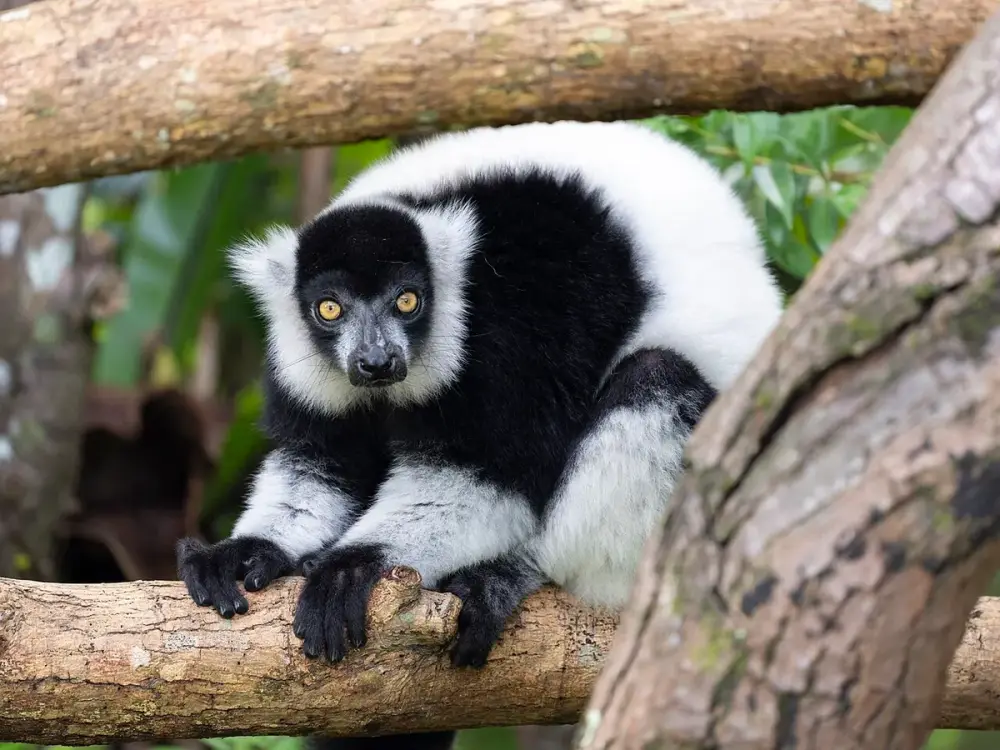 Chensiyuan · CC BY-SA 4.0
Black-and-white Ruffed Lemur
Varecia variegata
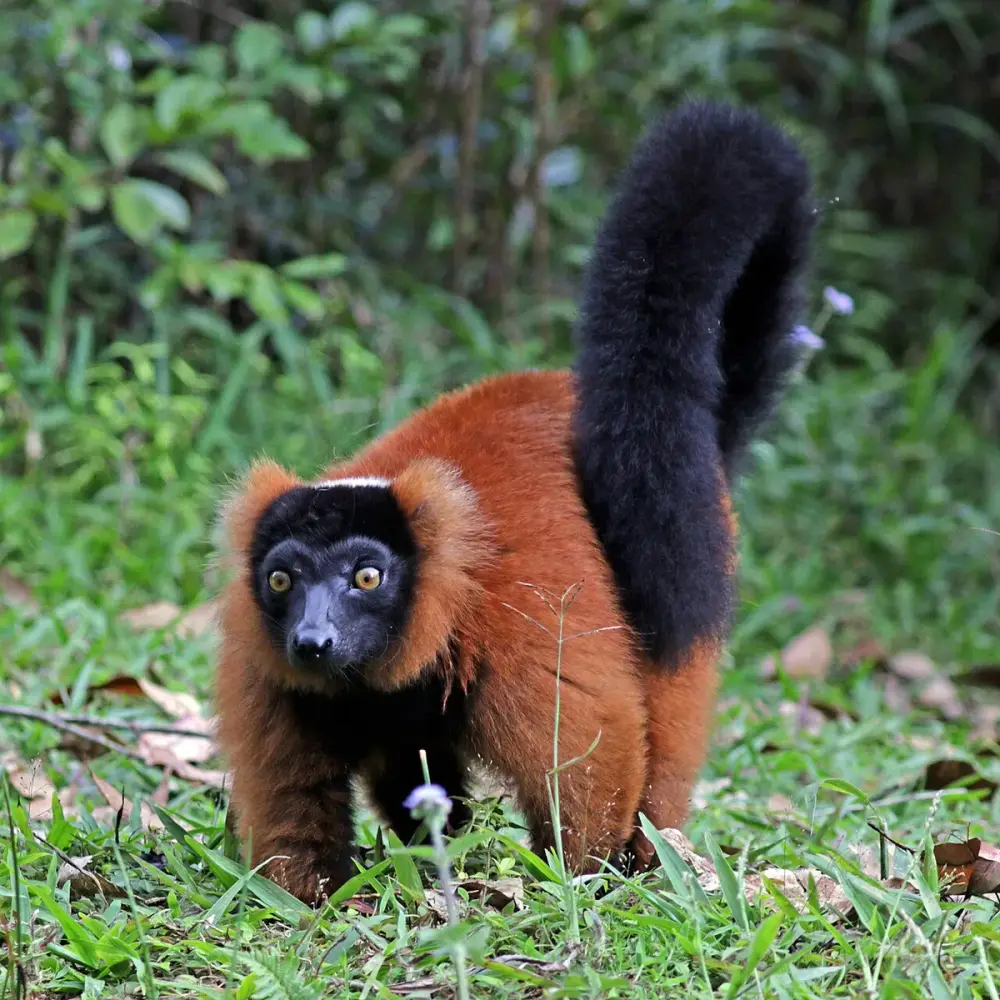 Charles J. Sharp · CC BY-SA 4.0
Red Ruffed Lemur
Varecia rubra
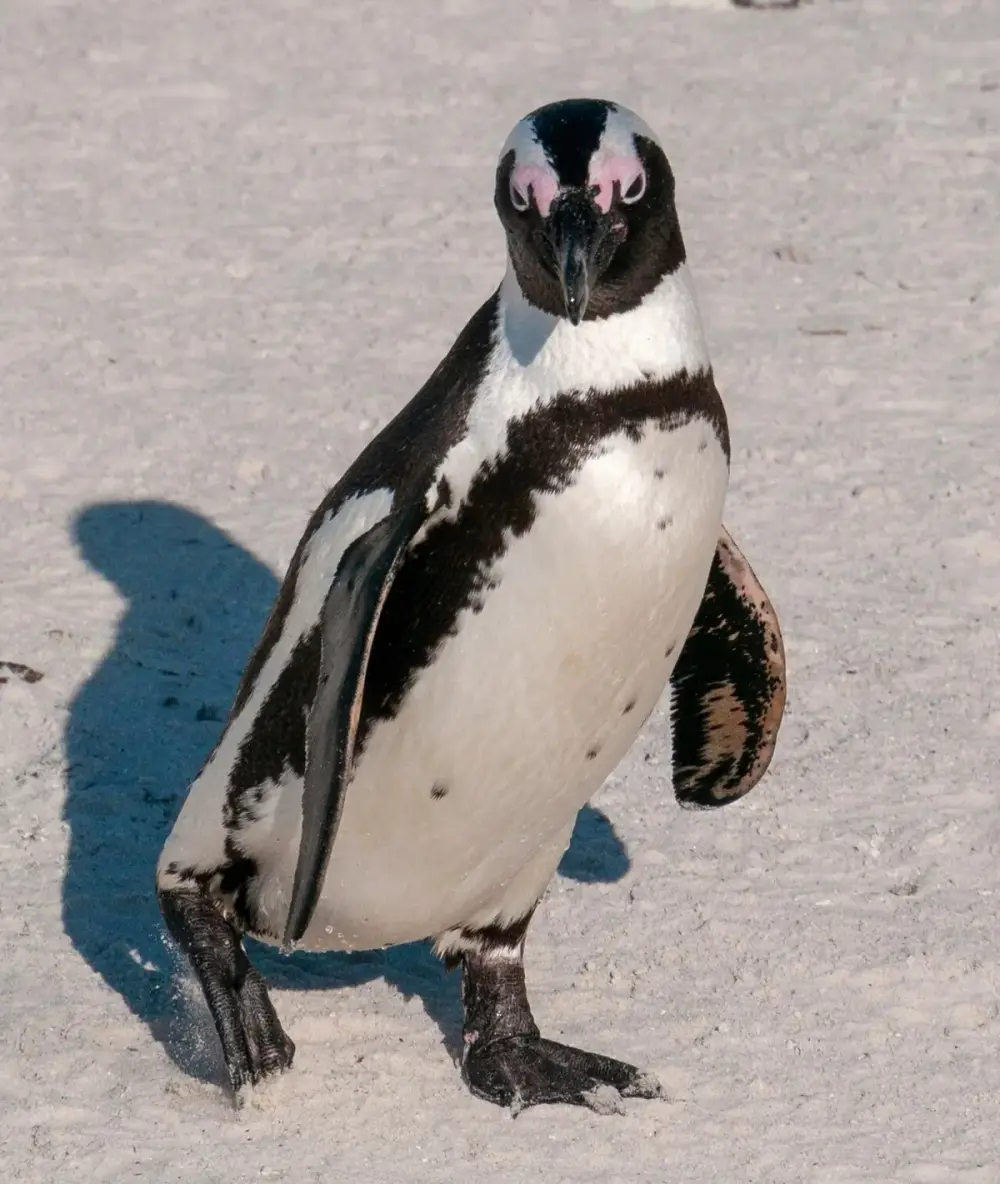 Matti Blume · CC BY-SA 4.0
African penguin
Spheniscus demersus
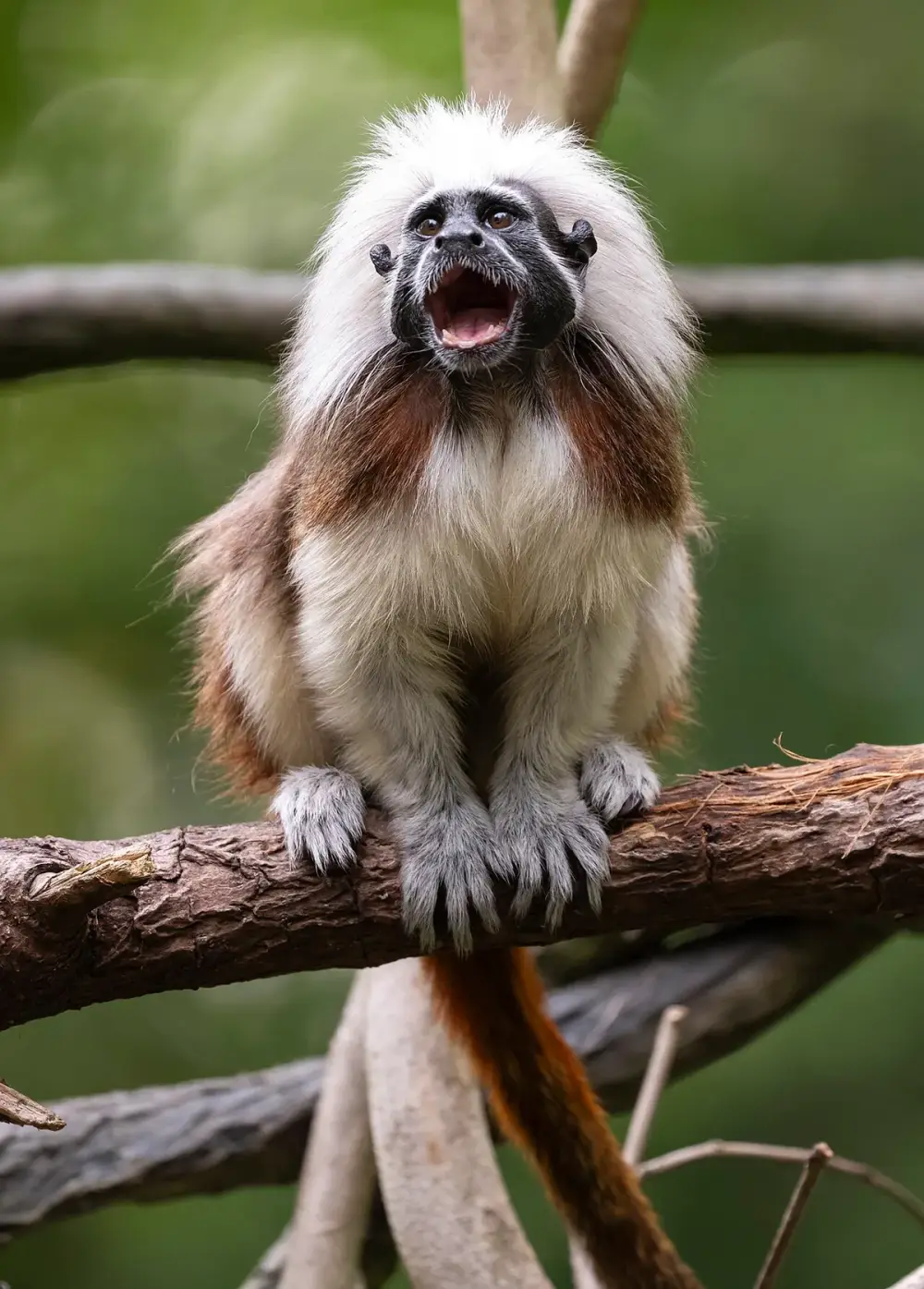 Chensiyuan · CC BY-SA 4.0
Cotton-top Tamarin
Saguinus oedipus
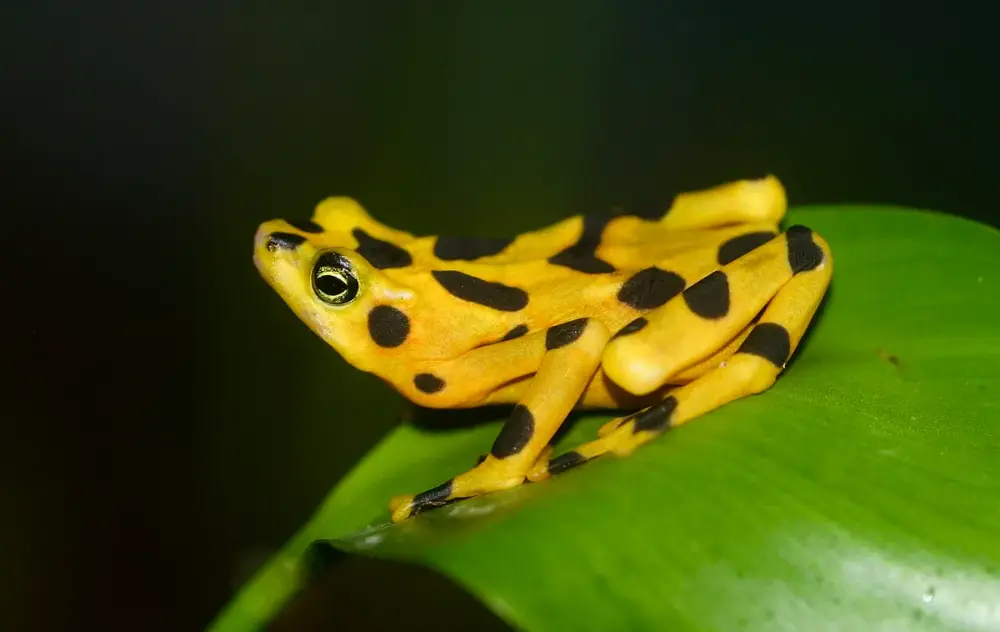 Brian Gratwicke · CC BY 2.0
Panamanian Golden Frog
Atelopus zeteki
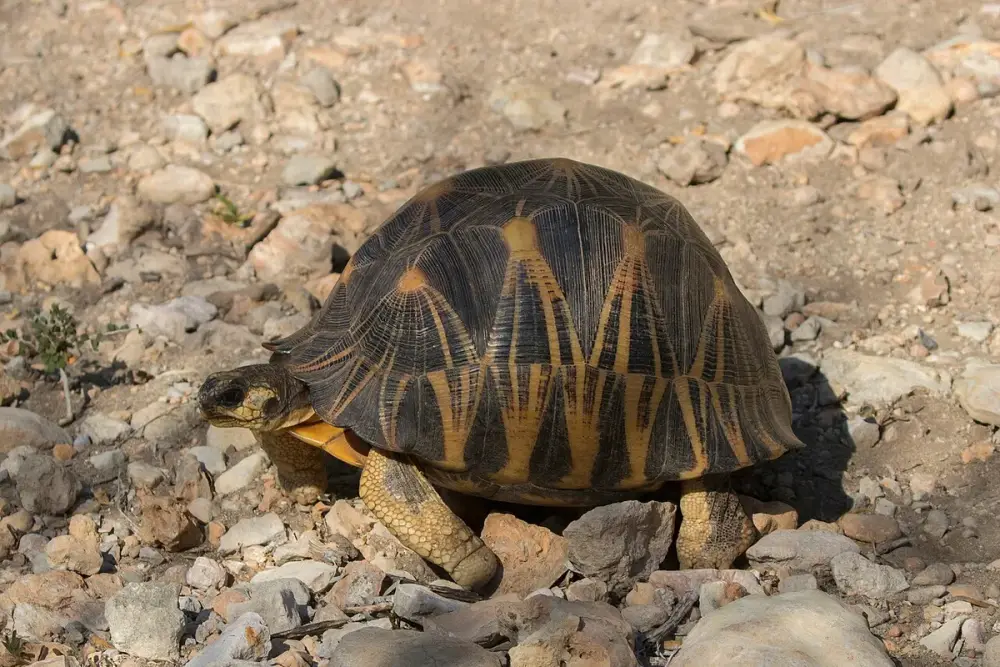 Charles J. Sharp · CC BY-SA 4.0
Radiated Tortoise
Astrochelys radiata
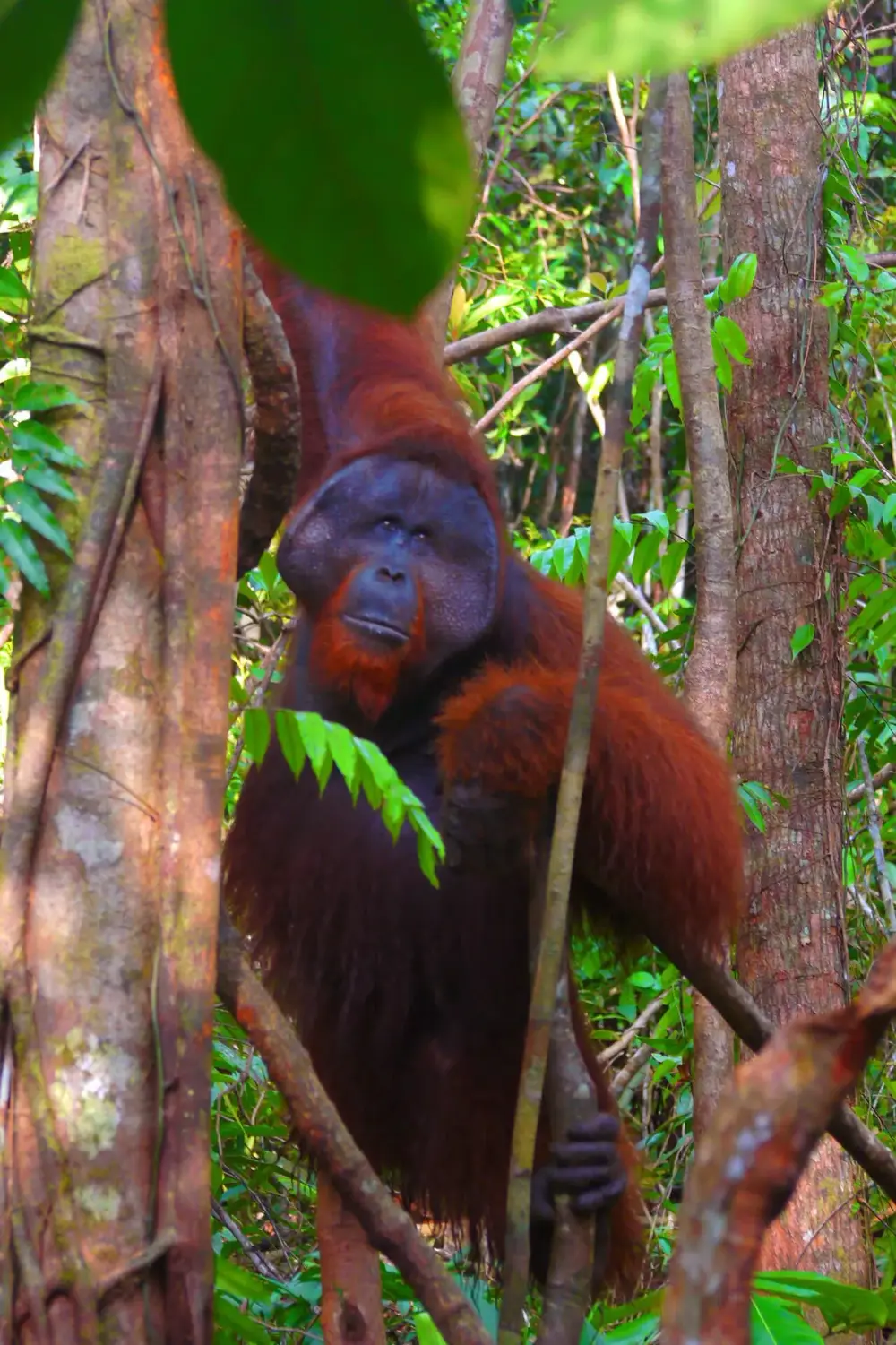 Nanosanchez · CC BY-SA 4.0
Orangutan
Pongo pygmaeus
 LoKiLeCh · CC BY-SA 3.0
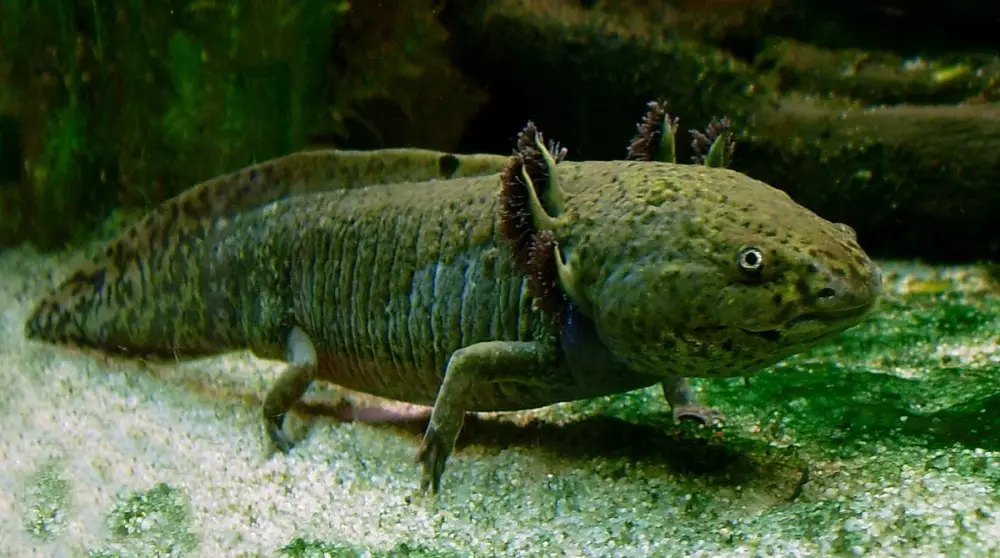
Axolotl
Ambystoma mexicanum
 LaggedOnUser · CC BY-SA 2.0
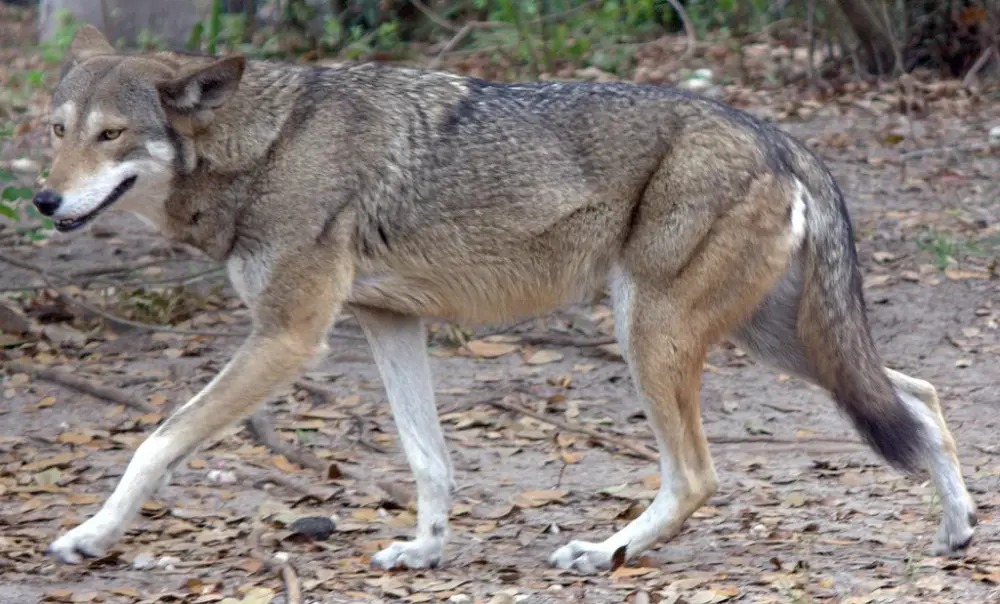
Red Wolf
Canis rufus
 Tigerhawkvok · CC BY-SA 3.0
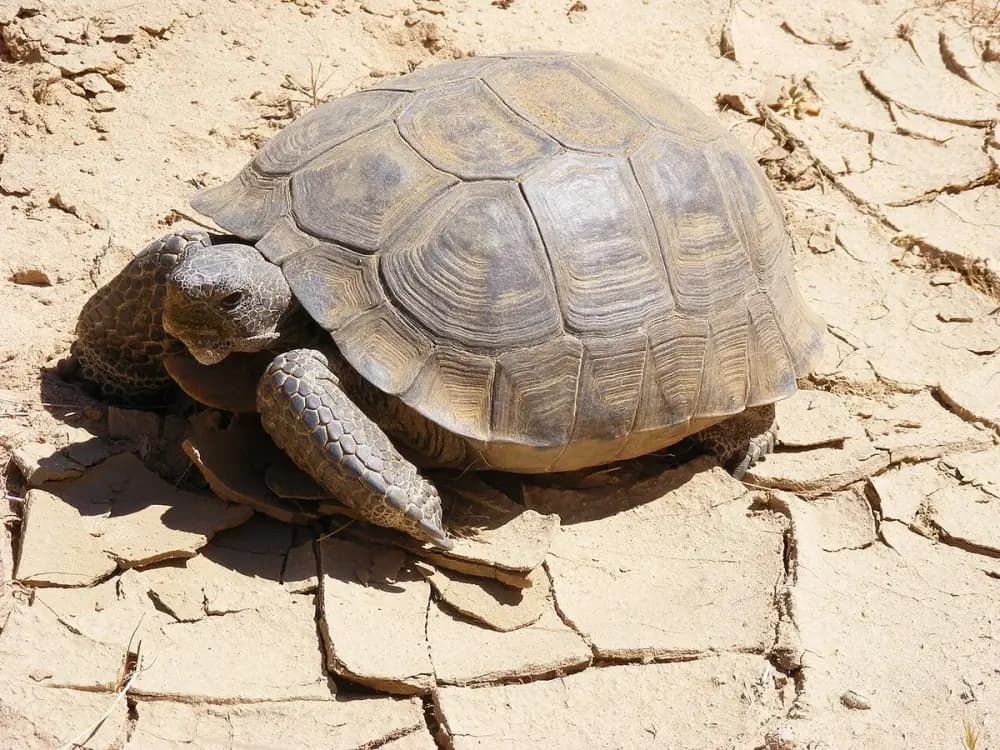
Desert Tortoise
Gopherus agassizii
 Dave Pape · Public domain
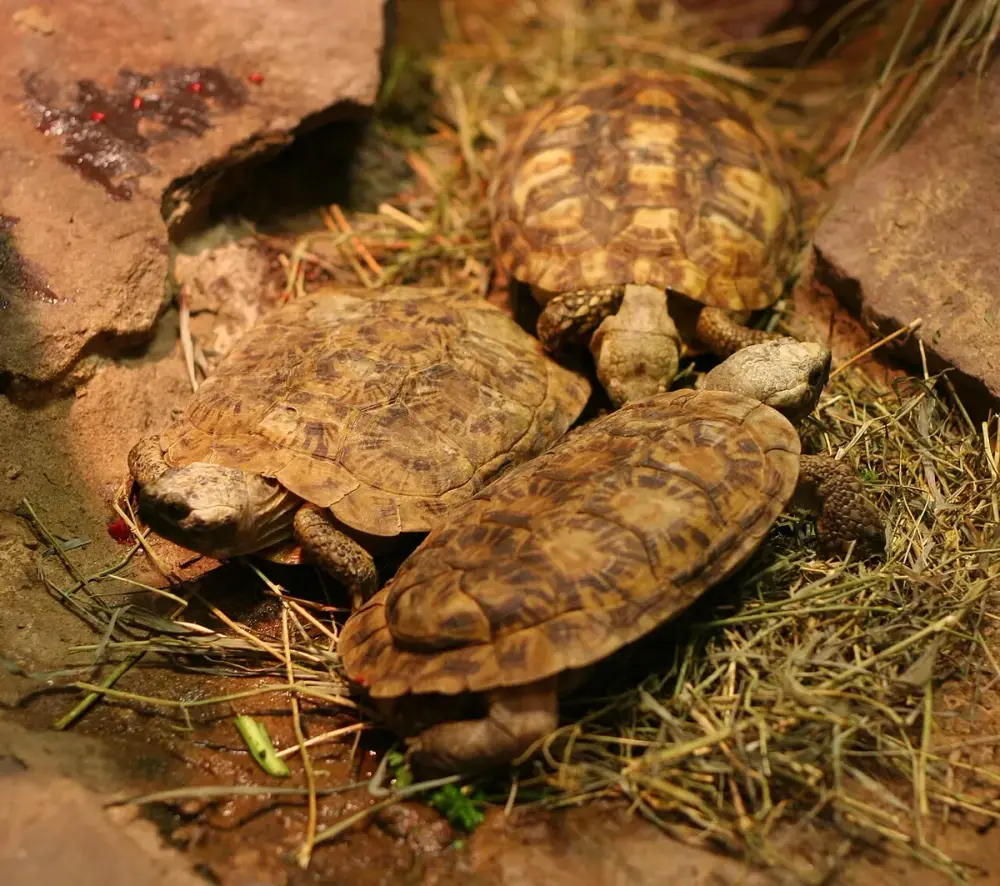
Pancake Tortoise
Malacochersus tornieri
 JJ Harrison · CC BY-SA 3.0
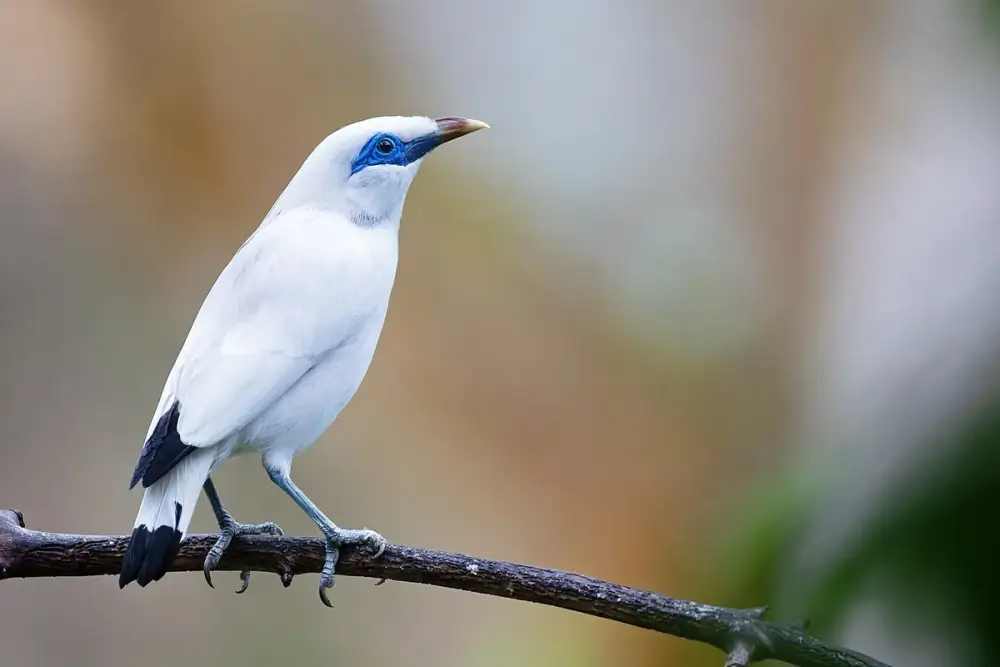
Bali Myna
Leucopsar rothschildi
See all critically endangered animals in U.S. zoos →
Common questions
What does critically endangered mean for an animal?
On the IUCN Red List, a critically endangered species faces an extremely high risk of extinction in the wild. It qualifies through evidence such as a population decline of 80% or more, fewer than 250 mature individuals that are still declining, or fewer than 50 mature individuals in total.
What is the difference between endangered and critically endangered?
Both are threatened categories, but Critically Endangered is the more severe. Its thresholds are stricter: for example, fewer than 250 mature individuals instead of fewer than 2,500, or a decline of at least 80% instead of at least 50%.
What comes after critically endangered?
The next categories are Extinct in the Wild, when a species survives only in human care or outside its native range, and Extinct, when no individuals remain.
What does 'possibly extinct' mean?
It's a tag IUCN adds to some Critically Endangered species that may already be gone but haven't been confirmed extinct through thorough surveys. It is not a separate category.
Related terms
- IUCN Red ListThe IUCN Red List of Threatened Species is the world's most widely used inventory of extinction risk. Run by the International Union for Conservation of Nature, it sorts assessed species into categories from Least Concern to Extinct using measurable scientific criteria.
- EndangeredEndangered (EN) is an IUCN Red List category for species facing a very high risk of extinction in the wild. It is the middle of the three 'threatened' categories, above Vulnerable and below Critically Endangered.
- Extinct in the WildExtinct in the Wild (EW) is the IUCN Red List category for species that survive only in human care, in cultivation, or as a naturalized population well outside their historic range. It is the last category before Extinct.
- Species Survival Plan (SSP)A Species Survival Plan (SSP) is a cooperative breeding program run by the Association of Zoos and Aquariums (AZA). It manages one species across many zoos and aquariums as a single population, recommending which animals breed and which move so the population stays healthy and genetically diverse.
- ReintroductionReintroduction is the deliberate release of animals into part of their native range where the species has disappeared, with the goal of establishing a healthy, self-sustaining wild population. Released animals can come from zoos, breeding centers or other wild populations.
Sources
- IUCN Red List Categories and Criteria, Version 3.1
- IUCN Red List of Threatened Species
- Critically endangered (Wikipedia)
Last reviewed
Get the Feather & Fang newsletter
Zoo news, animal features and what's new in the directory. Occasional, never spammy.