
Conservation status
Endangered
Also called EN, IUCN Endangered
Definition
Endangered (EN) is an IUCN Red List category for species facing a very high risk of extinction in the wild. It is the middle of the three 'threatened' categories, above Vulnerable and below Critically Endangered.
On this page
What "Endangered" means
Endangered is one of the categories on the IUCN Red List of Threatened Species, the most widely used global assessment of extinction risk. It's run by the International Union for Conservation of Nature (IUCN).
A species is listed as Endangered when the evidence shows it faces a very high risk of extinction in the wild. Endangered sits in the middle of the three "threatened" categories:
- Vulnerable: high risk
- Endangered: very high risk
- Critically Endangered: extremely high risk
Its official abbreviation is EN.
How a species qualifies
The IUCN doesn't use opinion or popularity. A species is assessed against five sets of measurable criteria, and it qualifies as Endangered if it meets any one of them. In simplified form:
- A: Rapid decline. The population has fallen, or is expected to fall, by 50% to 70% or more over 10 years or three generations, whichever is longer.
- B: Small, shrinking range. The species lives in a very small area (an extent of occurrence under 5,000 km², or an area of occupancy under 500 km²) that is fragmented or declining.
- C: Small, declining population. Fewer than 2,500 mature individuals, and still declining.
- D: Very small population. Fewer than 250 mature individuals.
- E: Modeling. Analysis shows at least a 20% chance of extinction in the wild within 20 years or five generations.
Experts review the evidence, and assessments are updated as new data comes in. A species can move up or down the scale over time.
Endangered vs. the Endangered Species Act
The word "endangered" means two different things in the U.S.:
- On the IUCN Red List, it's a global scientific category.
- Under the Endangered Species Act, it's a legal listing made by U.S. agencies that triggers legal protections.
The two are decided separately, so a species can be "endangered" under one and not the other. On Feather & Fang, animal pages show the IUCN Red List category.
Why it matters at the zoo
Many species you can see in U.S. zoos are Endangered in the wild. Accredited zoos often manage these animals through Species Survival Plans, cooperative breeding programs that keep a healthy, genetically diverse population in human care. Some of those programs also support conservation in the wild or return animals to their native habitat.
Endangered animals you can see in U.S. zoos
 Charles J. Sharp · CC BY-SA 4.0
Ring-tailed Lemur
Lemur catta
 Sunuwargr · CC BY-SA 4.0
Red panda
Ailurus fulgens
 John5199 · CC BY 2.0
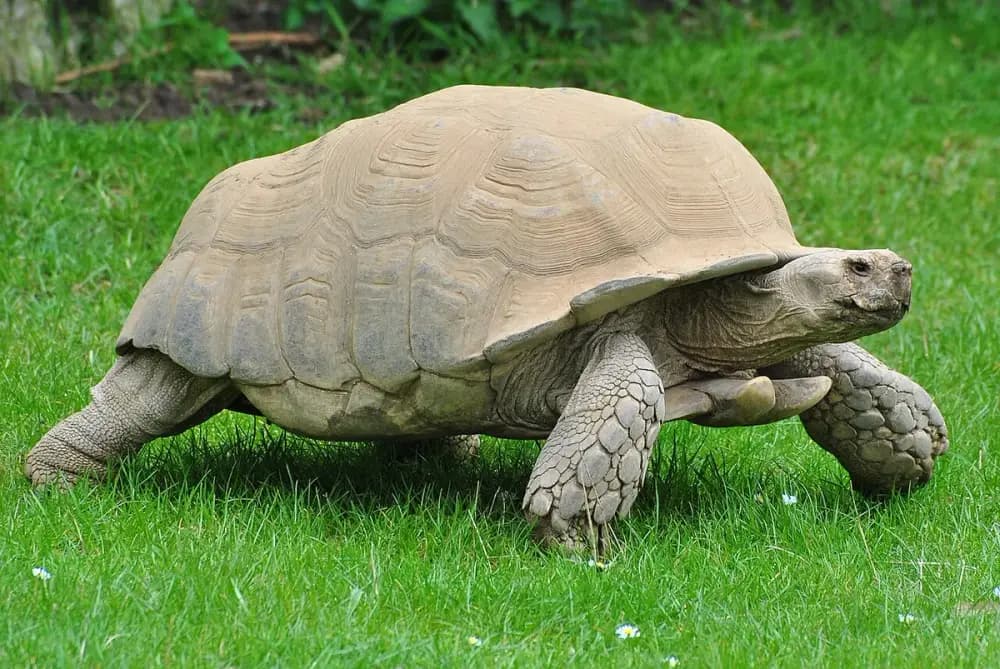
African Spurred Tortoise
Centrochelys sulcata
 Charles J. Sharp · CC BY-SA 4.0
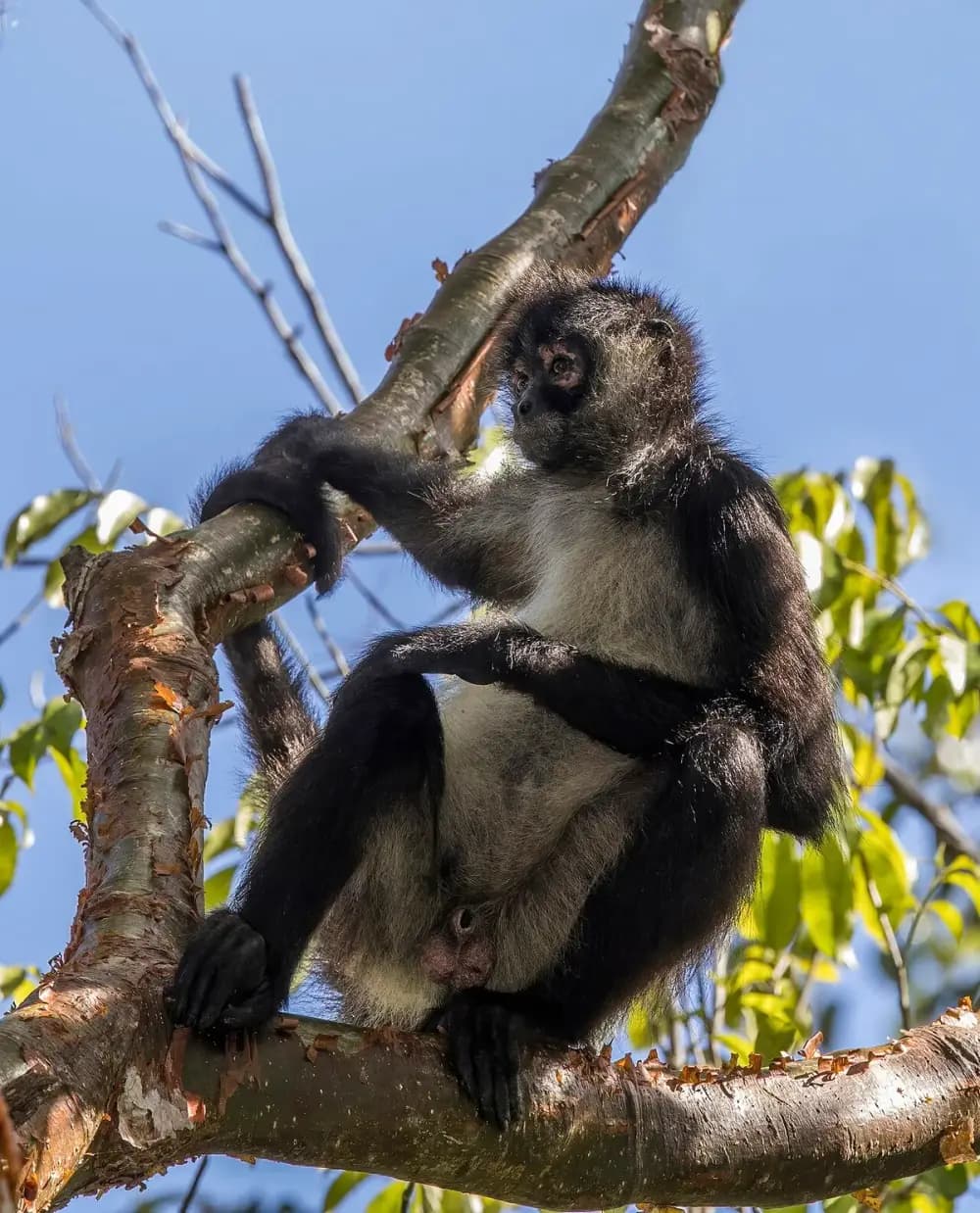
Black-handed Spider Monkey
Ateles geoffroyi
 Guérin Nicolas ( messages ) · CC BY-SA 3.0
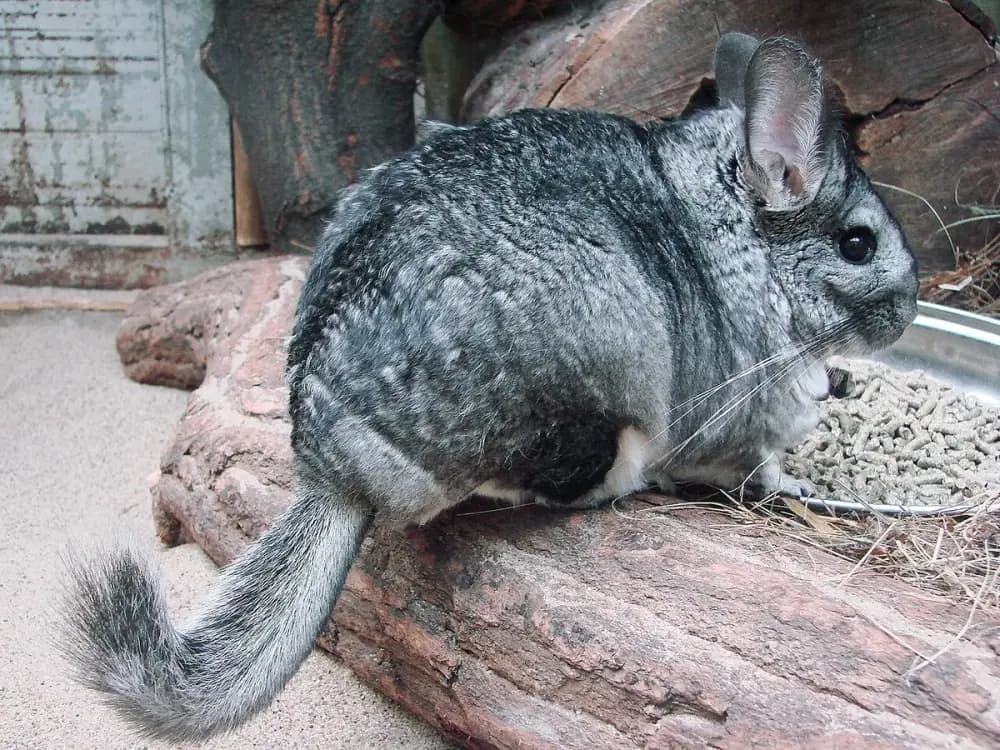
Chinchilla
Chinchilla lanigera
 Relative of Brandt Luke Zorn, most likely his father. · CC BY-SA 2.0
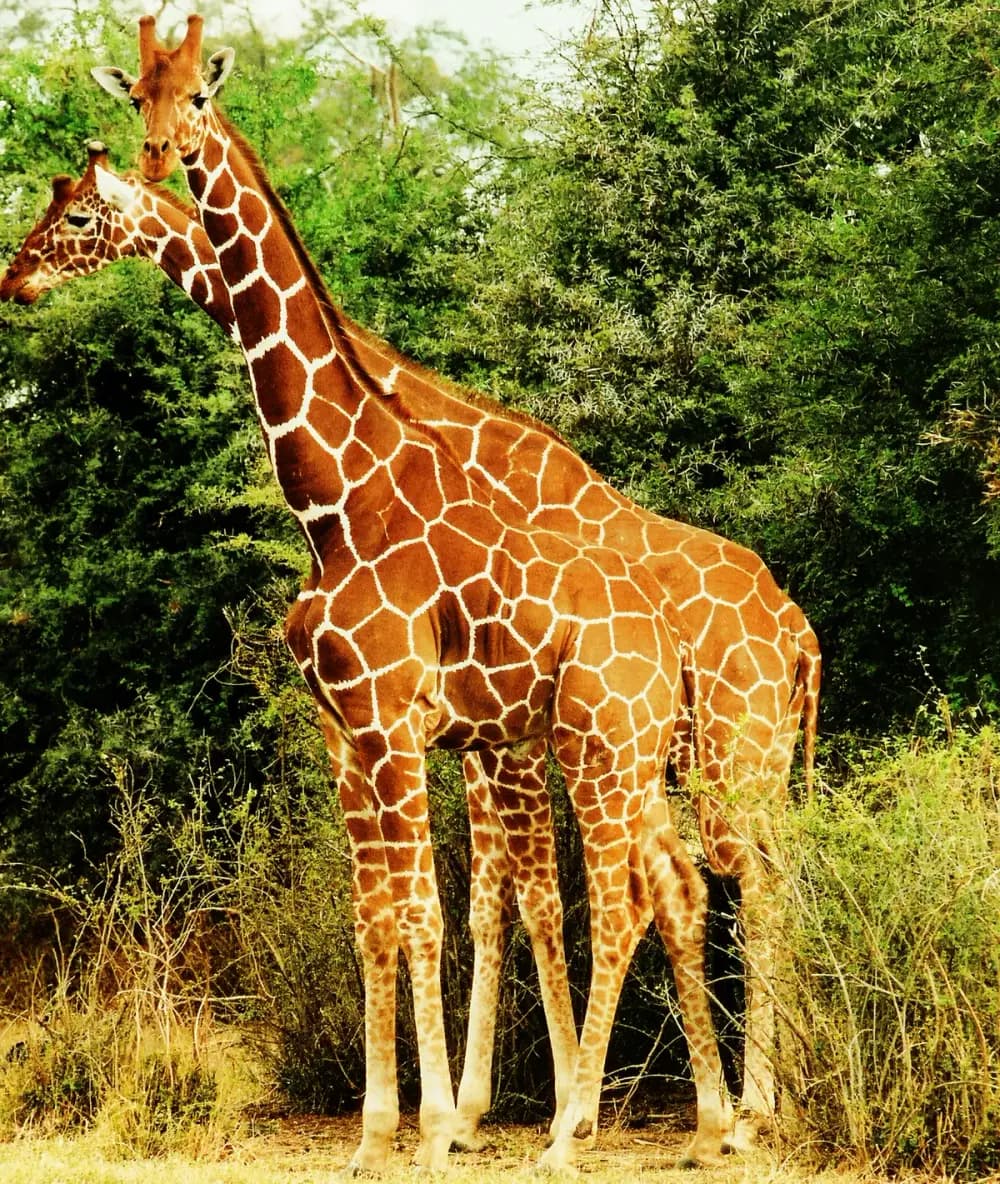
Reticulated giraffe
Giraffa reticulata
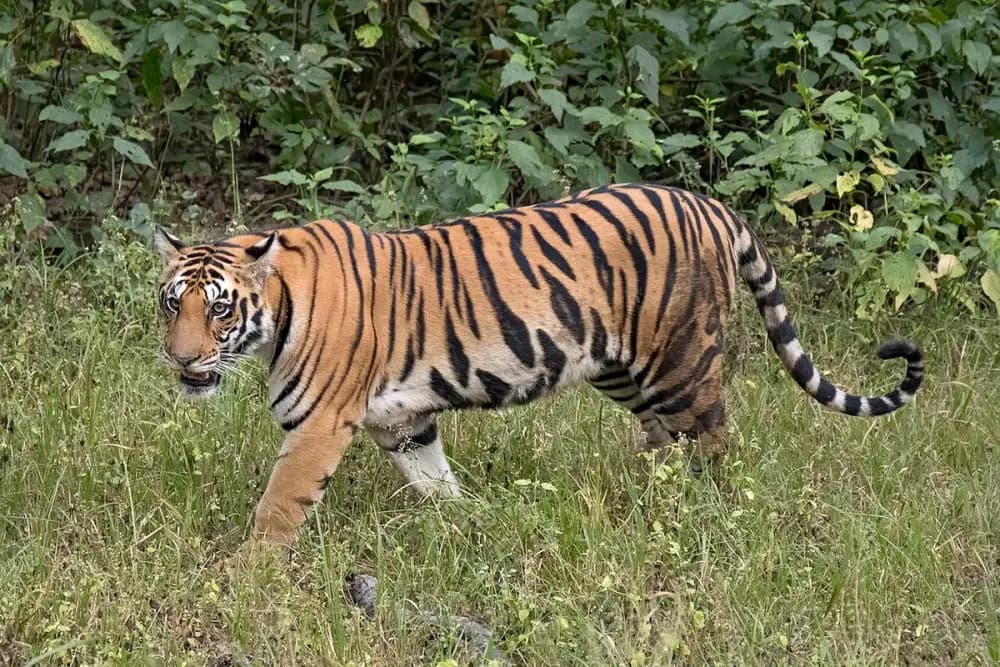 Charles J. Sharp · CC BY-SA 4.0
Tiger
Panthera tigris
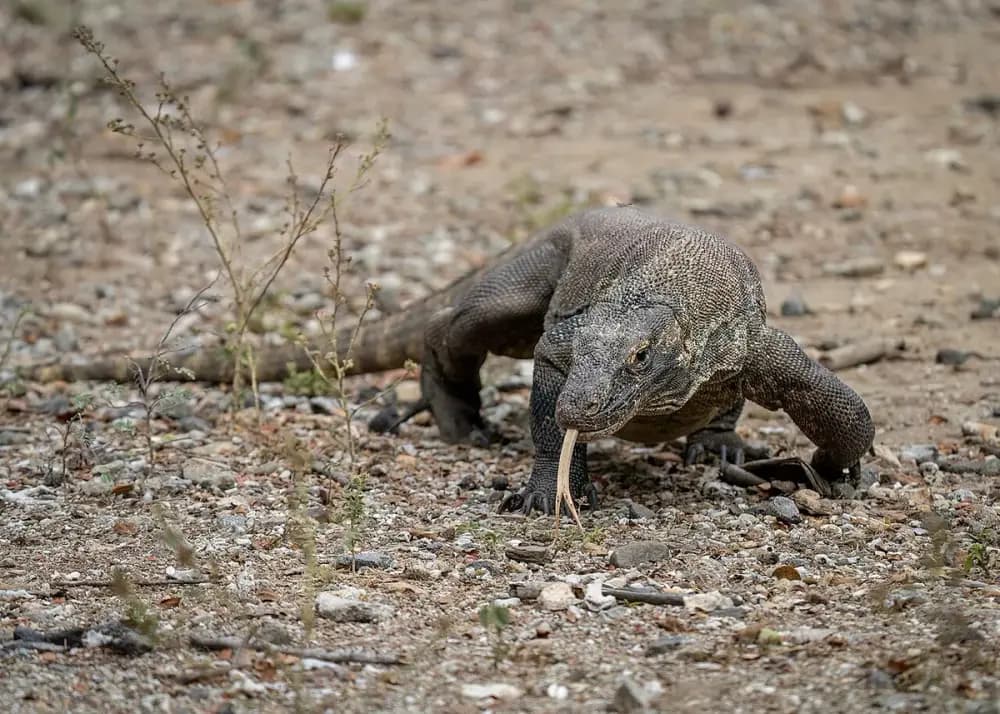 James Jolokia ( james1203 ) · CC BY 4.0
Komodo Dragon
Varanus komodoensis
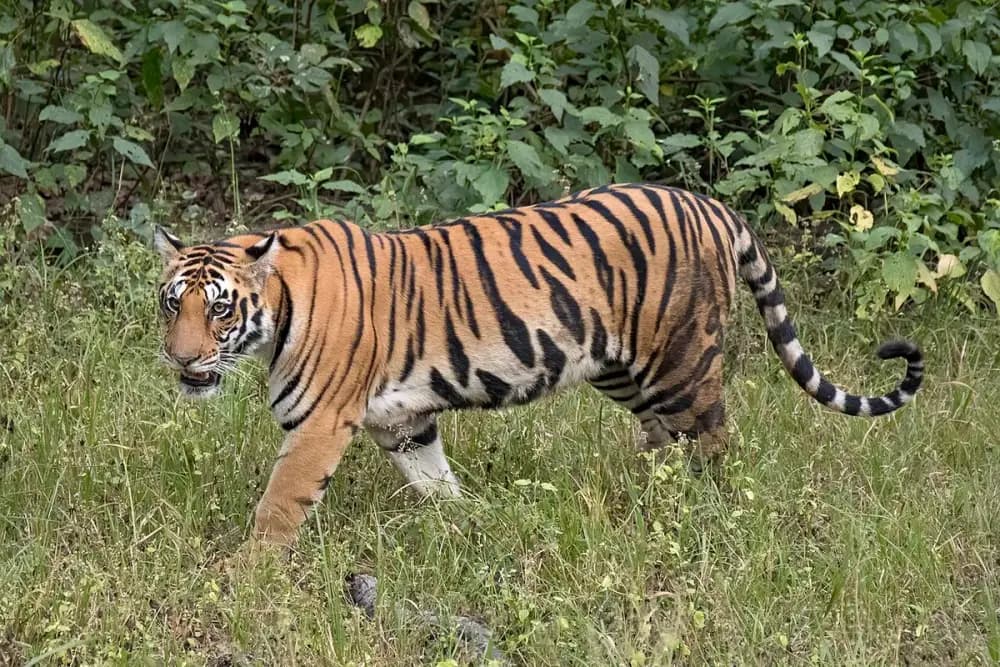 Charles J. Sharp · CC BY-SA 4.0
Amur tiger
Panthera tigris
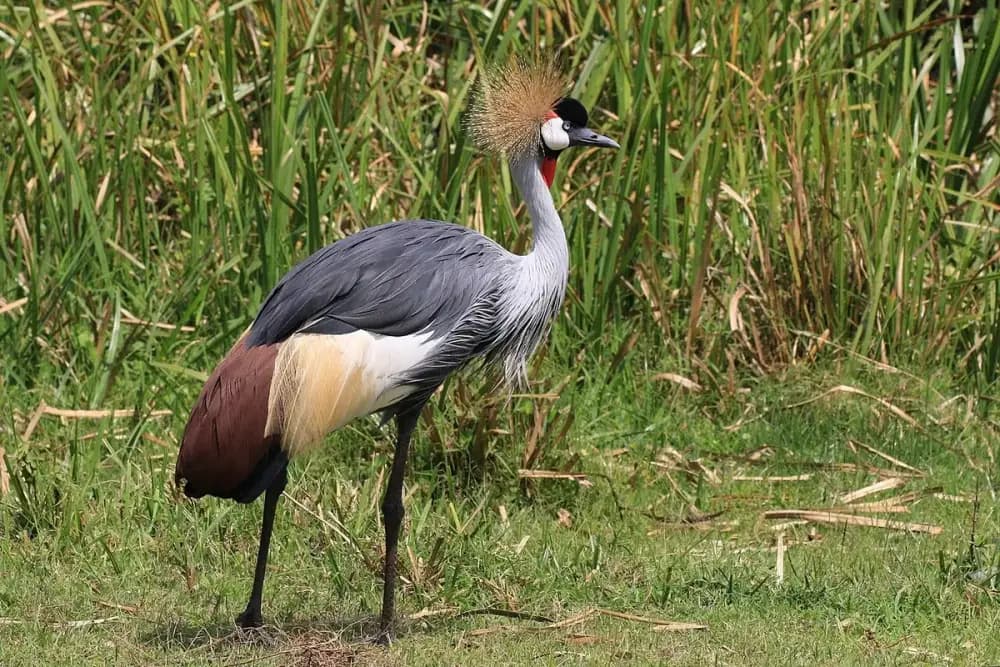 Charles J. Sharp · CC BY-SA 4.0
Grey Crowned Crane
Balearica regulorum
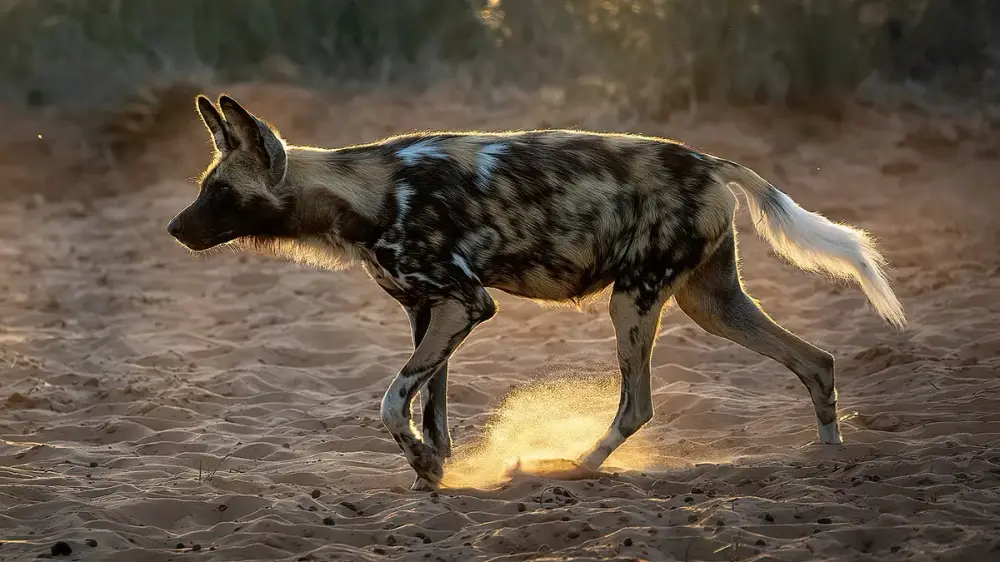 AfricanConservation · CC BY-SA 4.0
African Wild Dog
Lycaon pictus
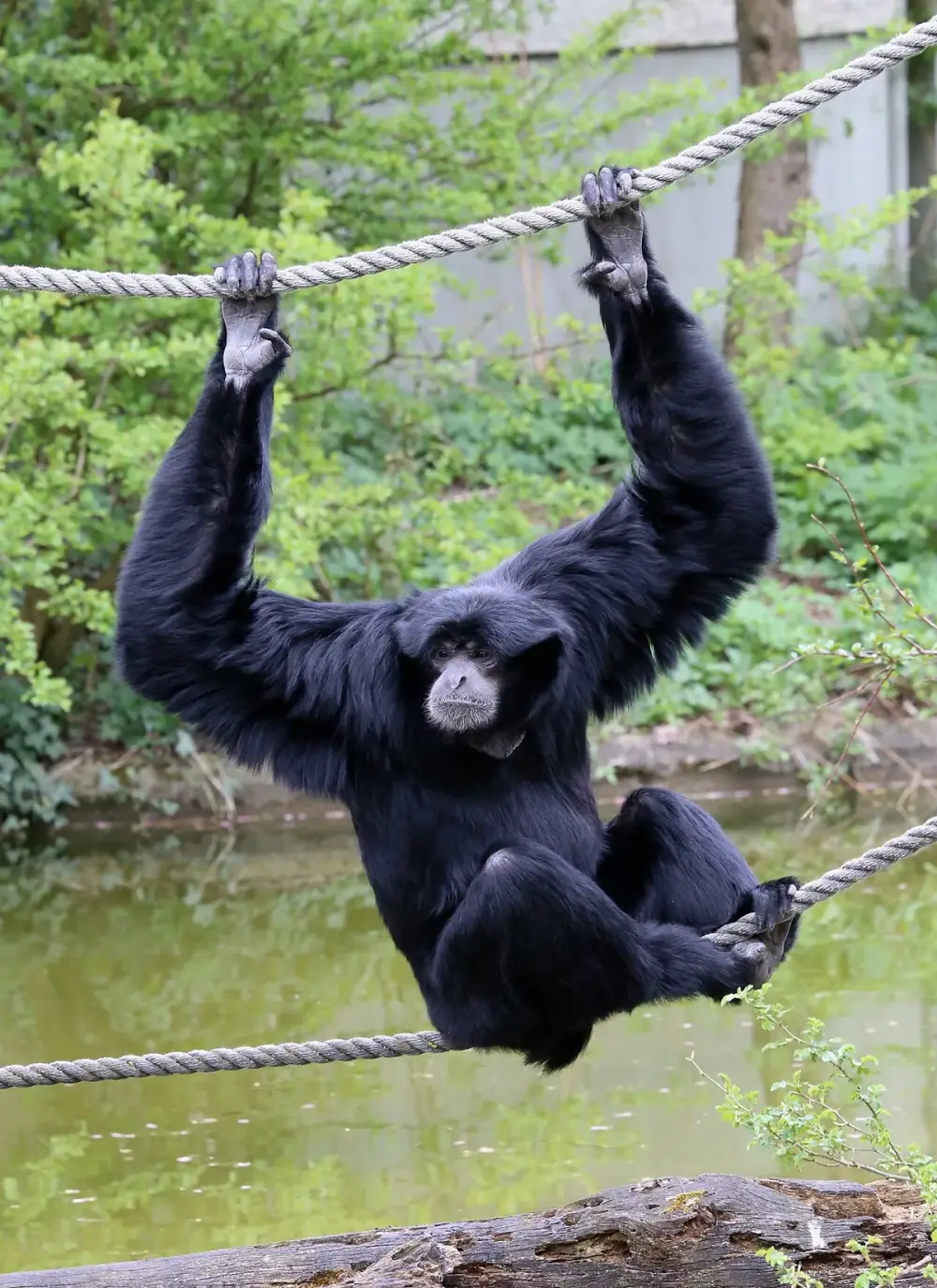 Rufus46 · CC BY-SA 3.0
Siamang
Symphalangus syndactylus
See all endangered animals in U.S. zoos →
Common questions
What does endangered mean for an animal?
On the IUCN Red List, an endangered species is one facing a very high risk of extinction in the wild, based on measurable evidence such as a steep population decline, a very small population, or a very small and shrinking range.
What is the difference between endangered and critically endangered?
Both are threatened categories on the IUCN Red List. Critically Endangered means an extremely high risk of extinction in the wild, the most severe category before Extinct in the Wild. Endangered means a very high risk. The thresholds for Critically Endangered are stricter, for example fewer than 250 mature individuals instead of fewer than 2,500 under one of the criteria.
Is 'endangered' on the IUCN Red List the same as under the Endangered Species Act?
No. The IUCN Red List is a global scientific assessment. The U.S. Endangered Species Act is a law with its own 'endangered' and 'threatened' listings, decided by U.S. agencies. A species can be listed under one and not the other, or in different categories.
Can you see endangered animals at zoos?
Yes. Many accredited zoos keep endangered species as part of cooperative breeding programs, such as AZA Species Survival Plans, that maintain healthy backup populations and sometimes return animals to the wild.
Related terms
- IUCN Red ListThe IUCN Red List of Threatened Species is the world's most widely used inventory of extinction risk. Run by the International Union for Conservation of Nature, it sorts assessed species into categories from Least Concern to Extinct using measurable scientific criteria.
- VulnerableVulnerable (VU) is an IUCN Red List category for species facing a high risk of extinction in the wild. It is the lowest of the three 'threatened' categories, above Near Threatened and below Endangered.
- Critically EndangeredCritically Endangered (CR) is the IUCN Red List category for species facing an extremely high risk of extinction in the wild. It is the most severe of the three 'threatened' categories, one step below Extinct in the Wild.
- Endangered Species ActThe Endangered Species Act (ESA) is a U.S. law, signed in 1973, that protects plants and animals listed as endangered or threatened and aims to recover them. It is administered by the U.S. Fish and Wildlife Service and NOAA's National Marine Fisheries Service.
- Species Survival Plan (SSP)A Species Survival Plan (SSP) is a cooperative breeding program run by the Association of Zoos and Aquariums (AZA). It manages one species across many zoos and aquariums as a single population, recommending which animals breed and which move so the population stays healthy and genetically diverse.
Sources
Last reviewed
Get the Feather & Fang newsletter
Zoo news, animal features and what's new in the directory. Occasional, never spammy.