
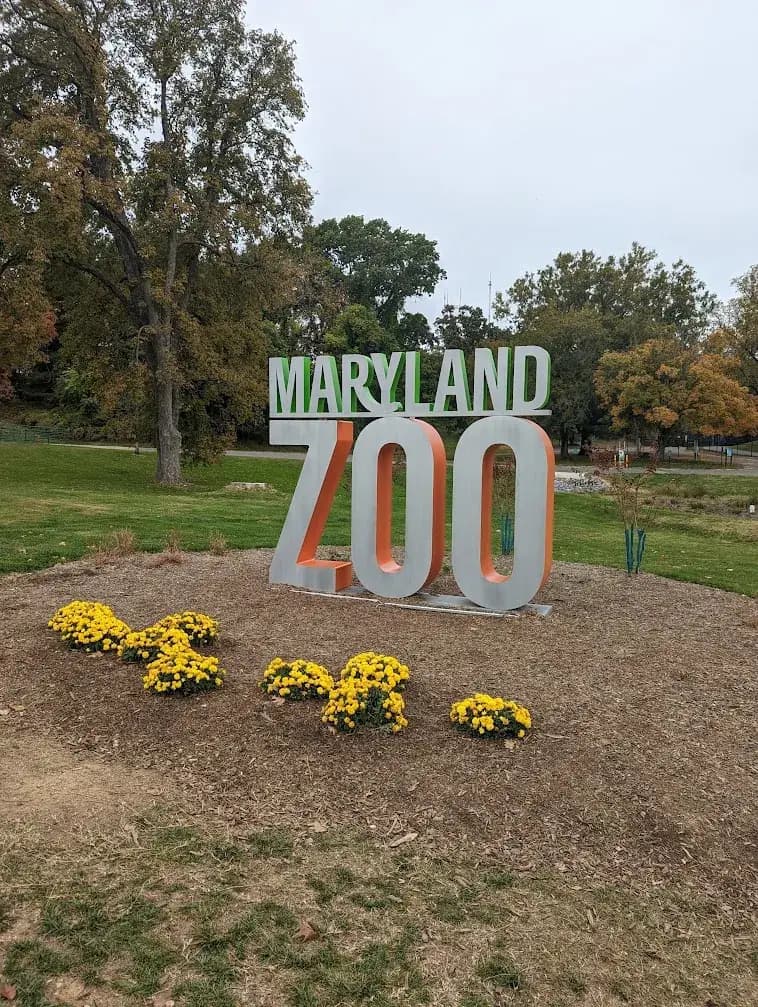
- Admission
- $33
- Size
- 160.6 acres
- Animals
- 1,500
- Opened
- 1876
- Accreditation
- AZA
Association of Zoos and Aquariums
Everything below is directory information drawn from public sources and the zoo's own site.
Animals at The Maryland Zoo in Baltimore
98 confirmedMammals34
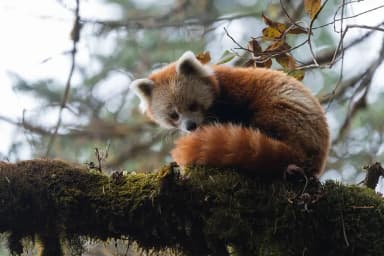 Sunuwargr · CC BY-SA 4.0
Red panda
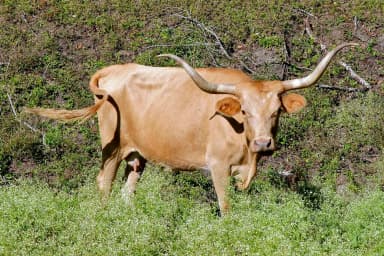 Ed Schipul from Houston, TX, US · CC BY-SA 2.0
Texas Longhorn
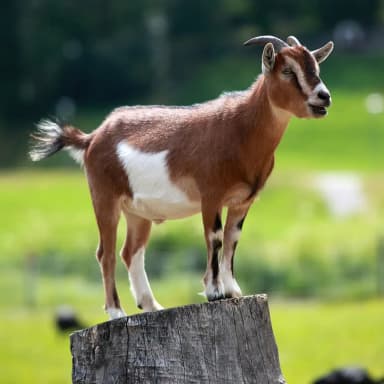 Kuebi = Armin Kübelbeck · CC BY-SA 3.0
Nigerian Dwarf Goat
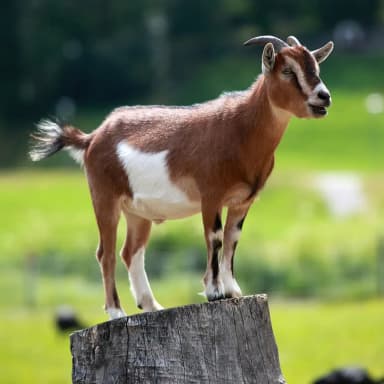 Kuebi = Armin Kübelbeck · CC BY-SA 3.0
Pygmy Goat
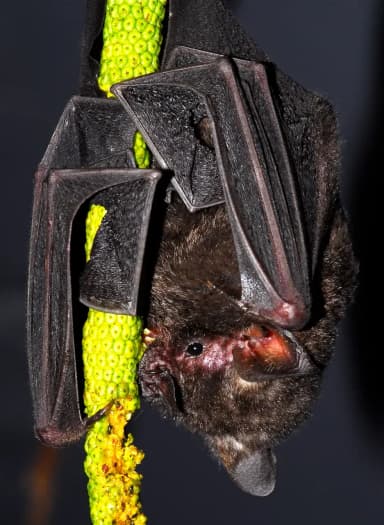 Desmodus · CC BY-SA 3.0
Seba's Short-tailed Bat
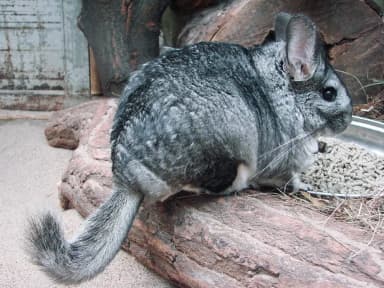 Guérin Nicolas ( messages ) · CC BY-SA 3.0
Chinchilla
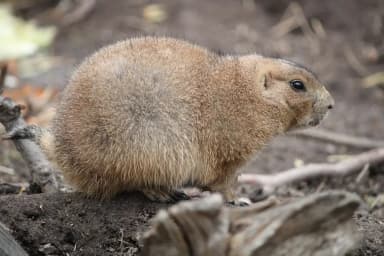 Christian Ursilva from København, Danmark · CC BY-SA 4.0
Black-tailed Prairie Dog
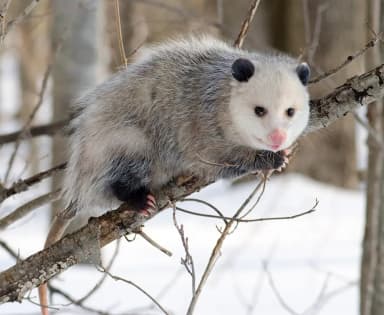 Cody Pope · CC BY-SA 2.5
Virginia Opossum
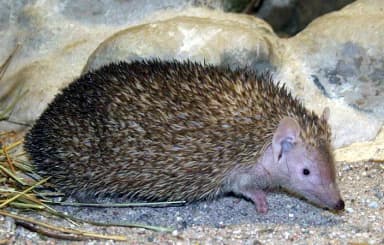 Wilfried Berns www.Tierdoku.com · CC BY-SA 2.0 de
Lesser Hedgehog Tenrec
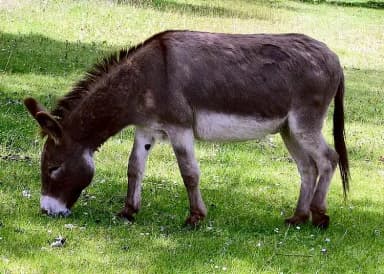 Adrian Pingstone · Public domain
Miniature Donkey
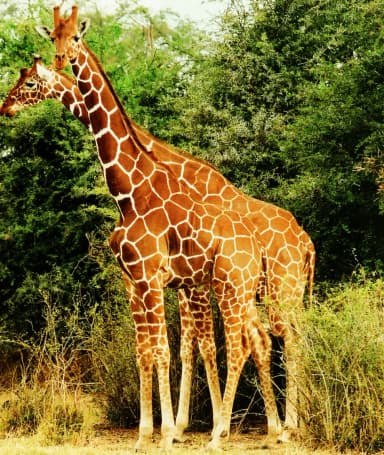 Relative of Brandt Luke Zorn, most likely his father. · CC BY-SA 2.0
Reticulated giraffe
 Steven Lek · CC BY-SA 4.0
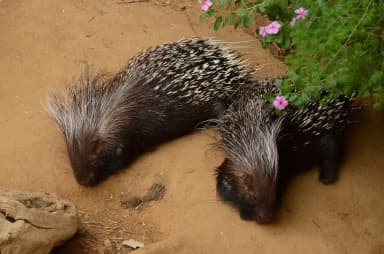
Cape Porcupine
 Giles Laurent · CC BY-SA 4.0
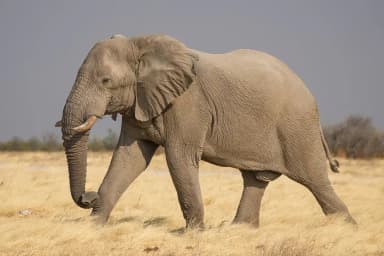
African Elephant
 Becker1999 (Paul and Cathy) · CC BY 2.0
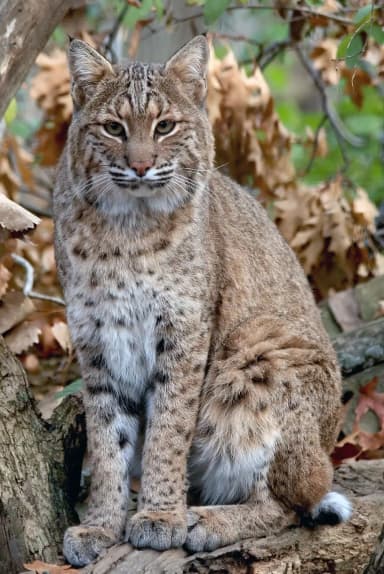
Bobcat
 Rufus46 · CC BY-SA 3.0
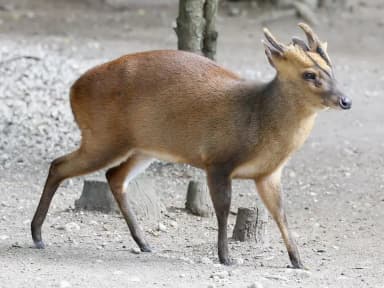
Reeve's Muntjac
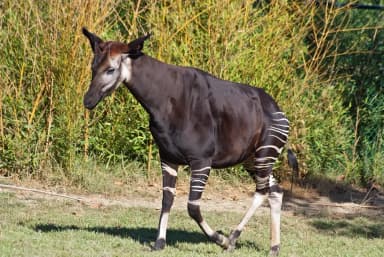 Daniel Jolivet · CC BY 2.0
Okapi
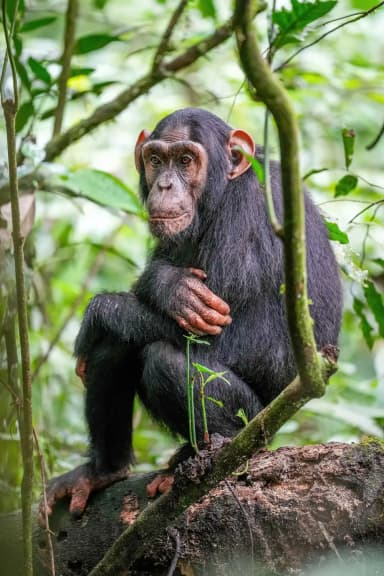 Giles Laurent · CC BY-SA 4.0
Chimpanzee
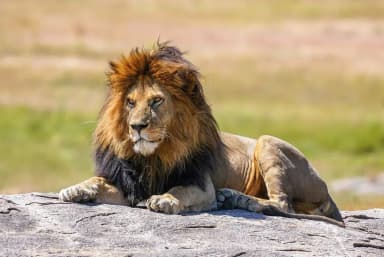 Giles Laurent · CC BY-SA 4.0
Lion
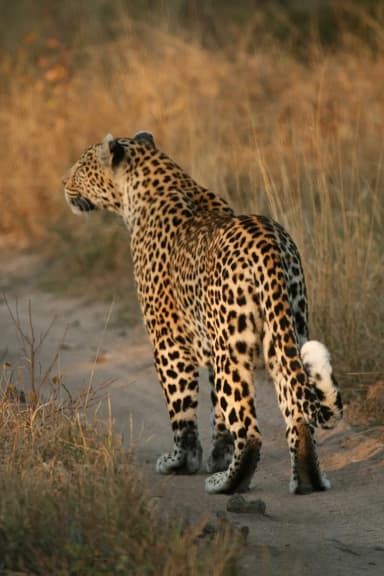 Profberger · CC BY-SA 3.0
Leopard
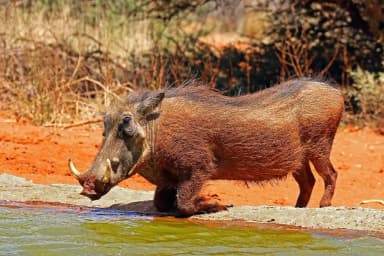 Charles J. Sharp · CC BY-SA 4.0
Warthog
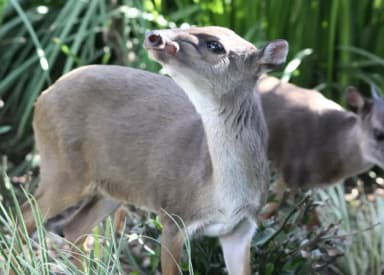 derekkeats · CC BY-SA 2.0
Blue Duiker
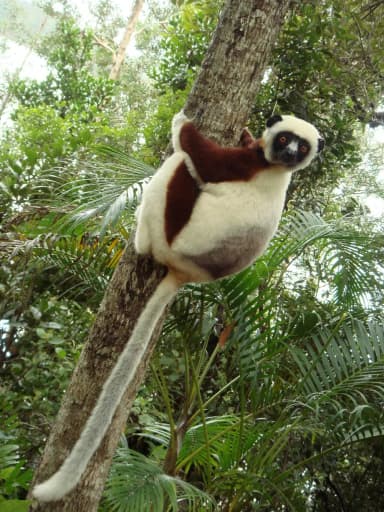 Olivier Lejade · CC BY-SA 2.0
Coquerel's Sifaka
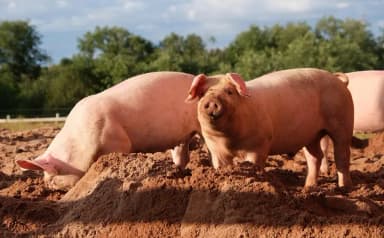 kallerna · CC BY-SA 4.0
Kunekune Pig
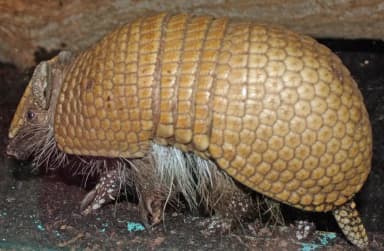 SouthernThreeBandedArmadillo065.jpg : Ltshears derivative work: WolfmanSF ( talk ) · CC BY-SA 3.0
Three-banded Armadillo
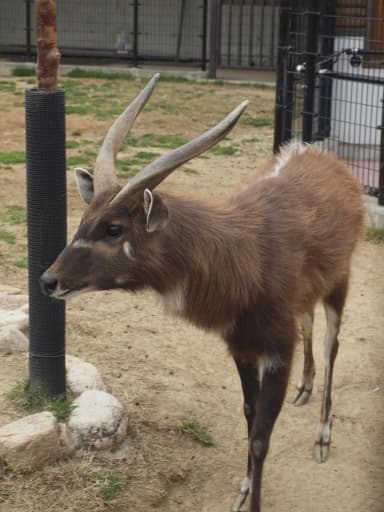 Løken · CC BY-SA 3.0
Sitatunga
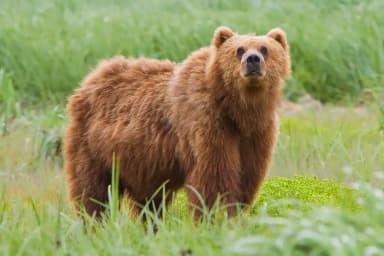 Yathin S Krishnappa · CC BY-SA 3.0
Brown Bear
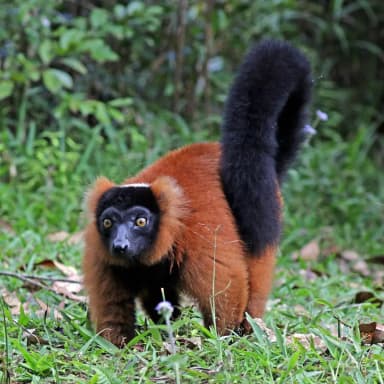 Charles J. Sharp · CC BY-SA 4.0
Red Ruffed Lemur
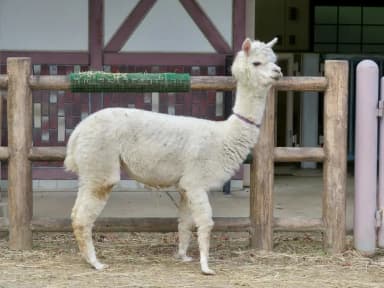 KKPCW · CC BY-SA 4.0
Alpaca
Birds35
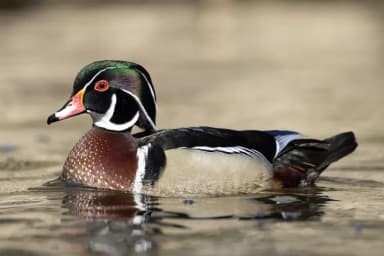 Chuck Homler d/b/a FocusOnwWildlife · CC BY-SA 4.0
Wood Duck
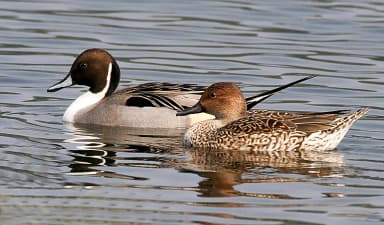 J.M.Garg · CC BY-SA 3.0
Northern Pintail
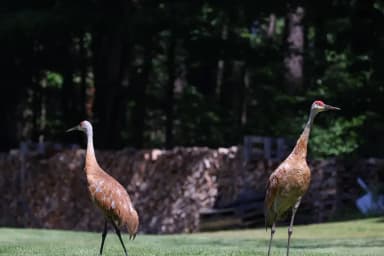 HappiestFish · CC BY 4.0
Sandhill Crane
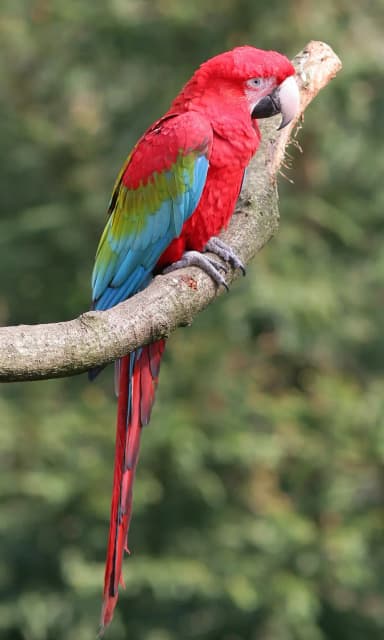 Arjan Haverkamp · CC BY 2.0
Green-winged Macaw
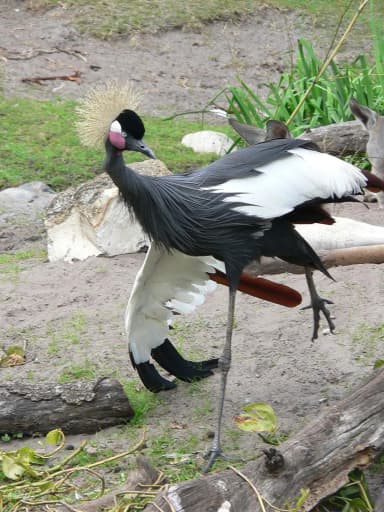 Wikimedia Commons · CC BY-SA 3.0
Black Crowned Crane
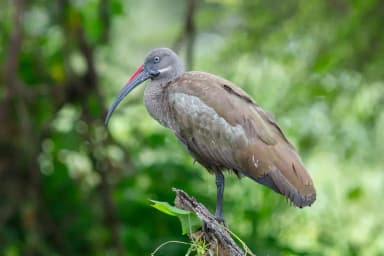 Diego Delso · CC BY-SA 4.0
Hadada Ibis
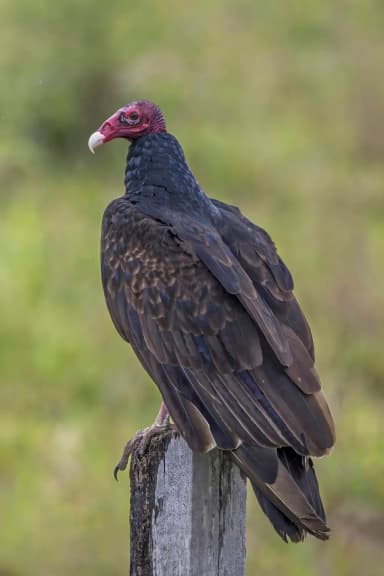 Charles J. Sharp · CC BY-SA 4.0
Turkey Vulture
 Charles J. Sharp · CC BY-SA 4.0
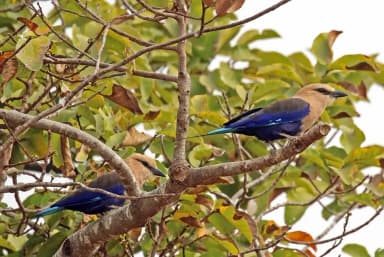
Blue-bellied Roller
 Frank Schulenburg · CC BY-SA 4.0
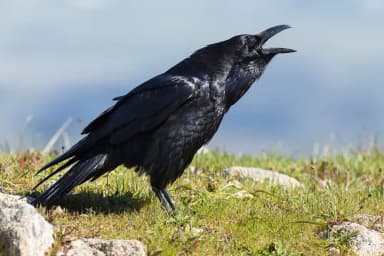
Common Raven
 Jakub Fryš · CC BY-SA 4.0
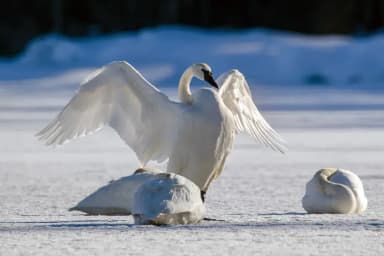
Trumpeter Swan
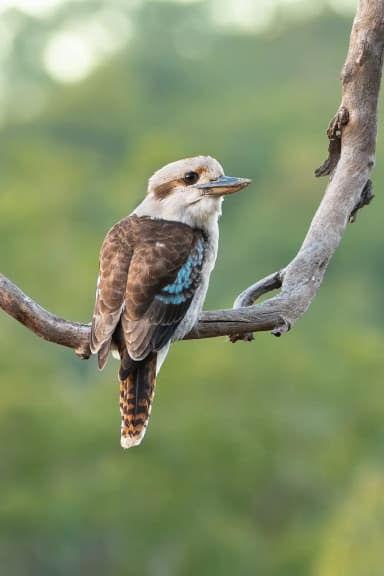 Photo by: Paulweberphoto - paulweberphoto.com · CC BY 4.0
Laughing Kookaburra
 hyper7pro · CC BY 2.0
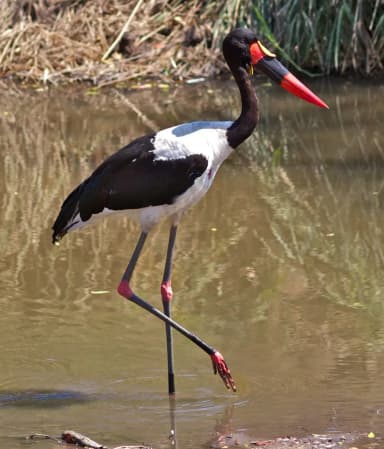
Saddle-billed Stork
 Andy Morffew from Itchen Abbas, Hampshire, UK · CC BY 2.0
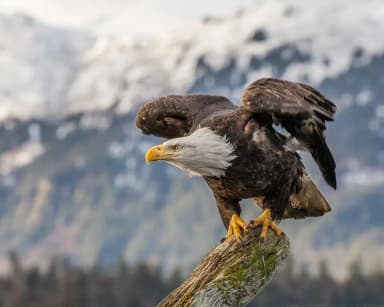
Bald Eagle
 Rhododendrites · CC BY-SA 4.0
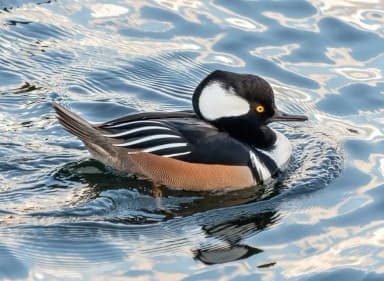
Hooded Merganser
 Diliff · CC BY-SA 3.0
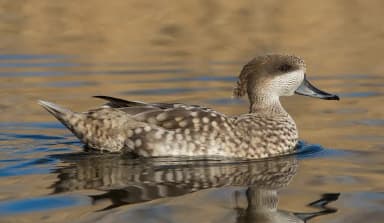
Marbled Teal
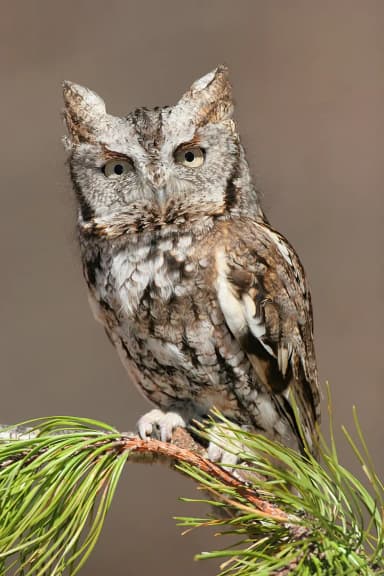 Wolfgang Wander · CC BY-SA 3.0
Eastern Screech-Owl
 ramidos · CC BY 4.0
Black-crowned Night Heron
 Dick Daniels ( http://carolinabirds.org/ ) · CC BY-SA 3.0
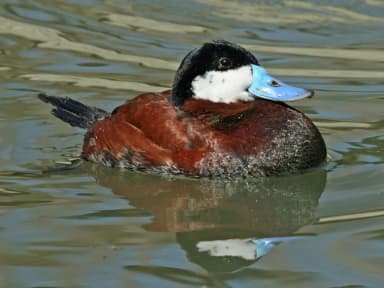
Ruddy Duck
 Alan Vernon · CC BY 2.0
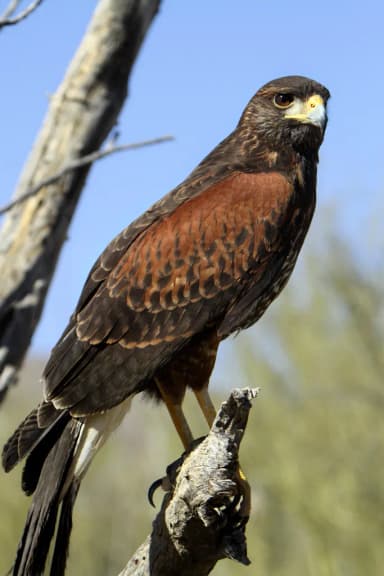
Harris's Hawk
 Kandukuru Nagarjun from Bangalore, India · CC BY 2.0
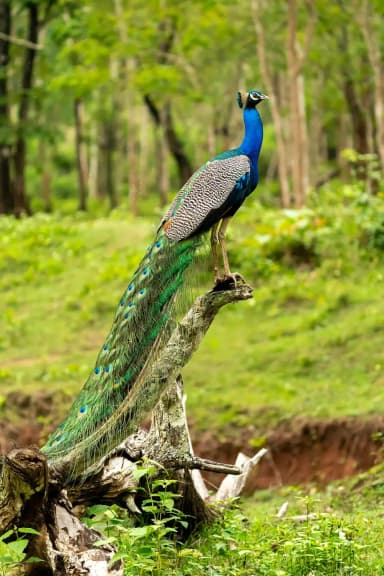
Peafowl
 JeffreyGammon · CC BY 4.0
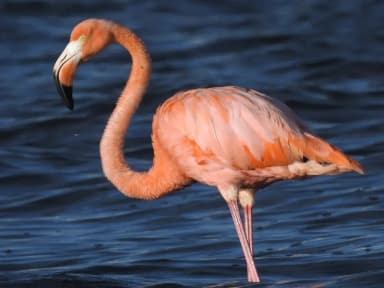
Caribbean Flamingo
 Charles J. Sharp · CC BY-SA 4.0
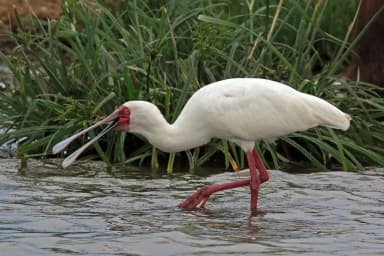
African Spoonbill
 Florettesokeng · CC BY-SA 4.0
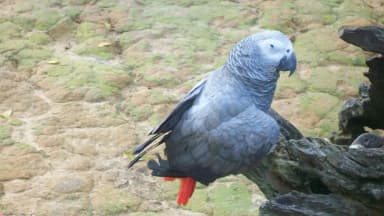
African Grey Parrot
 Charles J. Sharp · CC BY-SA 4.0
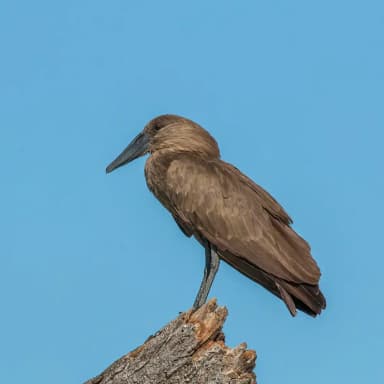
Hamerkop
 Charles J. Sharp · CC BY-SA 4.0
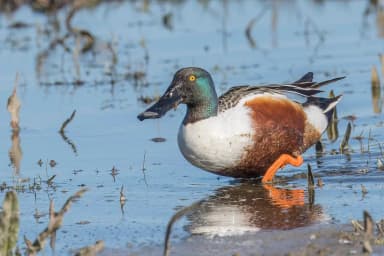
Northern Shoveler
 Matti Blume · CC BY-SA 4.0
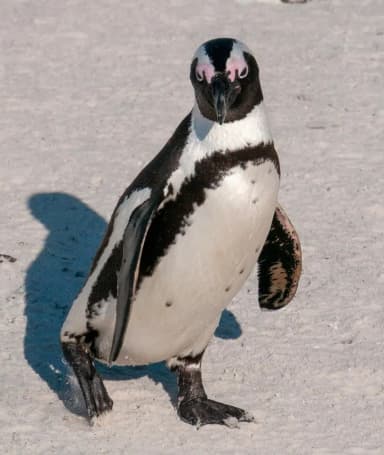
African penguin
 Yathin S Krishnappa · CC BY-SA 4.0
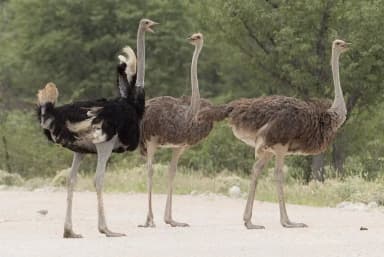
Ostrich
 Yoky · CC BY-SA 3.0
Von der Decken's Hornbill
 Yathin sk · CC BY-SA 3.0
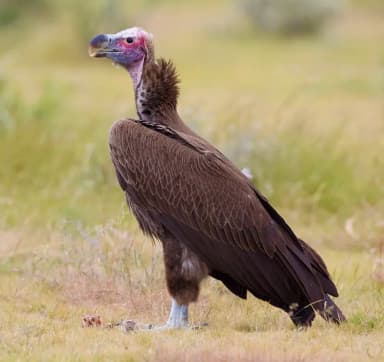
Lappet-faced Vulture
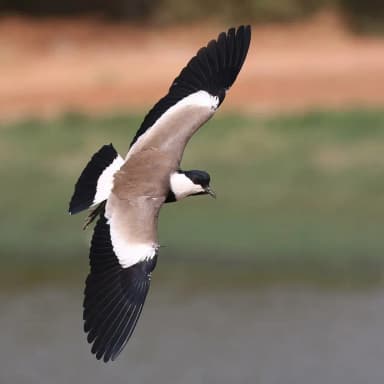 Charles J. Sharp · CC BY-SA 4.0
Spur-winged Lapwing
Reptiles22
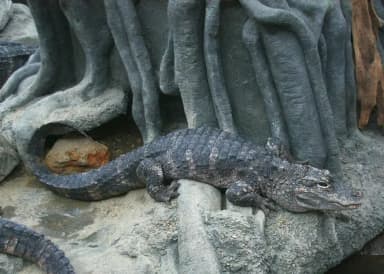 Greg Hume · CC BY-SA 3.0
Chinese Alligator
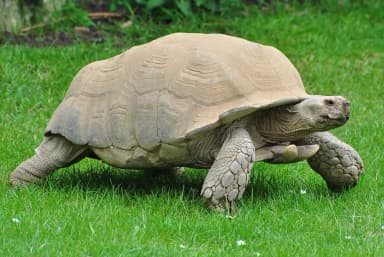 John5199 · CC BY 2.0
African Spurred Tortoise
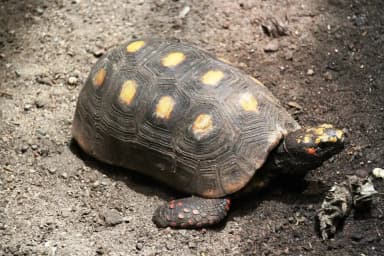 Bjoertvedt · CC BY-SA 3.0
Red-footed Tortoise
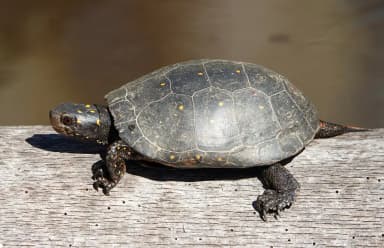 hug_78 · CC BY 2.0
Spotted Turtle
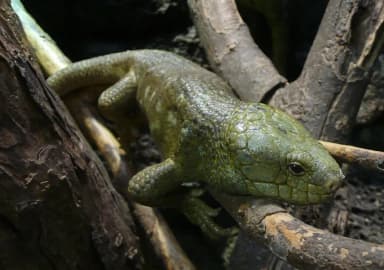 TimVickers · Public domain
Prehensile-tailed Skink
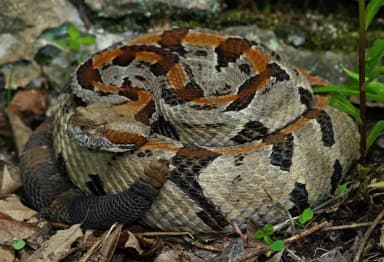 Peter Paplanus from St. Louis, Missouri · CC BY 2.0
Timber Rattlesnake
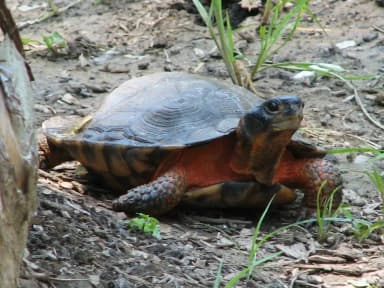 Ltshears · Public domain
Wood Turtle
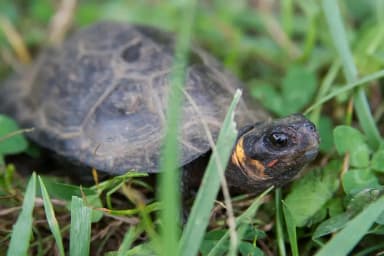 U.S. Fish and Wildlife Service Southeast Region · Public domain
Bog Turtle
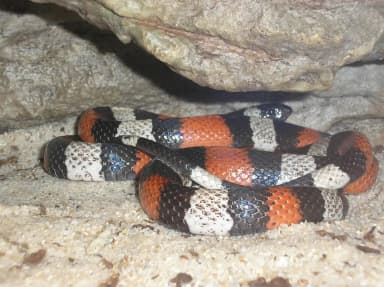 Wikimedia Commons · Attribution
Pueblan Milk Snake
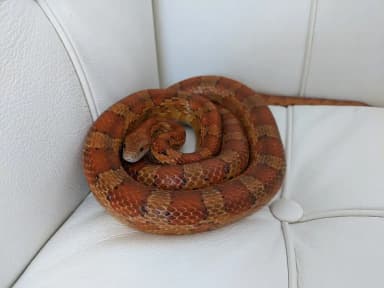 Ethan Porcaro · CC0
Corn Snake
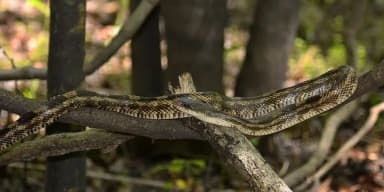 Wilafa · CC BY-SA 4.0
Black Rat Snake
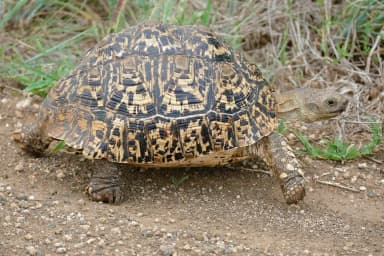 Bernard DUPONT from FRANCE · CC BY-SA 2.0
Leopard Tortoise
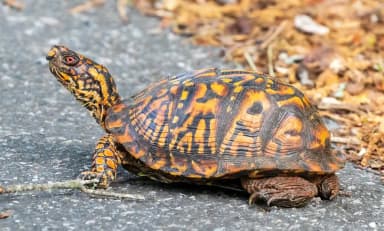 (c) Joshua Liverman, some rights reserved (CC BY) · CC BY 4.0
Eastern Box Turtle
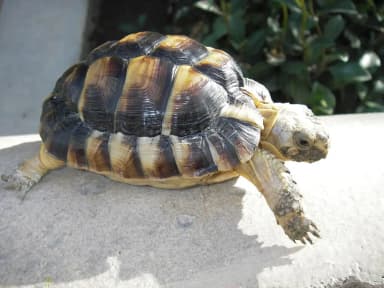 Mtsackid at English Wikipedia · Public domain
Egyptian Tortoise
Amphibians5
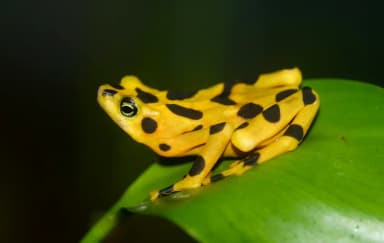
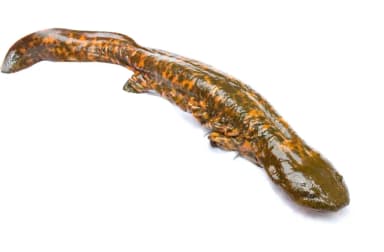
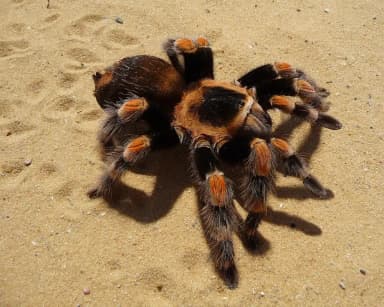
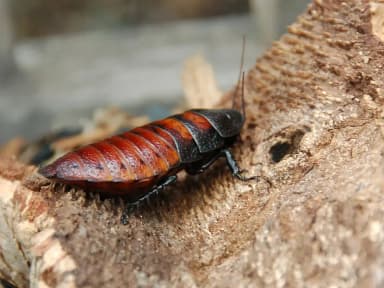
Feathers & Fangs from visitors
What people who've been to The Maryland Zoo in Baltimore say
A Feather is something this zoo does well; a Fang is something it gets wrong. Left by people who've been, and read by us before they appear.
Loading…
About The Maryland Zoo in Baltimore
The Maryland Zoo in Baltimore — formerly the Baltimore City Zoo, then the Baltimore Zoo — sits on more than 135 acres inside historic Druid Hill Park in northwestern Baltimore, at 1876 Mansion House Drive. Druid Hill Park opened in 1876 as the city's first major park purchase under Mayor Thomas Swann, designed by landscaper Frederick Law Olmsted. The zoo opened that same year and is generally considered the third — by some counts the second — oldest zoological park in the United States.
The Maryland Zoological Society, established in 1967, operates the zoo under a lease agreement with the state, having assumed full management from the City's Division of Parks and Recreation in 1984. The zoo is accredited by the Association of Zoos and Aquariums and is home to more than 1,500 animals, with the zoo's own materials describing its collection as representing nearly 200 species — its website lists at least 98. The zoo's mission is "to engage people in the wonders of the living world through personal encounters with animals, fostering empathy and lifelong support for conservation of wildlife and wild places." The grounds are organized into five main areas: Schaefer Plaza, Zoo Central, Maryland Wilderness, Northern Passage, and African Journey.
History
Henry Bishop, an animal dealer known locally as the "Bird Man," is credited as the "Father of the Baltimore Zoo" for establishing a zoological garden in Druid Hill Park and donating many of the animals that formed its founding collection. For much of the 20th century the zoo was operated by the Baltimore City Board of Park Commissioners and later the city's Department of Parks and Recreation, assisted by the Baltimore City Zoological Society. In the late 1960s, increased crime and harassment incidents around Druid Hill Park led to a protective fence being erected around the zoo and ticketed gates replacing what had previously been open access from the surrounding park.
From the 1950s to the 1970s, longtime zoo director Dr. Arthur Watson made the zoo locally famous through television programs and promotions. By 2004, a new arrangement between the city and the Zoological Society created a semi-private operation with its own board of trustees and increased private, state, and county funding, and the zoo was renamed "The Maryland Zoo in Baltimore." That same year, financial problems forced the zoo to temporarily reduce its collection, closing the aging Main Valley and the Reptile House and sending its reptiles, along with gibbons, tigers, and snow leopards, to other institutions. By 2008 the zoo was named to "America's Best Zoos."
On September 28, 2021, the zoo reopened the historic Main Valley to guests as a walking path highlighting the zoo's history, though its old cages and stone enclosures remain empty. On August 23, 2022, the zoo unveiled a ten-year master plan for new habitats, the first of which — a red panda exhibit — began construction in May 2025 and was completed in June 2026.
Exhibits and habitats
Visitors enter through Schaefer Plaza, named for former Baltimore Mayor and Maryland Governor William Donald Schaefer, which includes a gift shop, the "Celebration Hill" playground, the zoo's original lion statues, and a black-tailed prairie dog exhibit. From there, the historic Main Valley connects to the main zoo; while its original enclosures sit empty, the adjoining Crane Barn houses an Abyssinian ground hornbill and lappet-faced vultures, and in June 2026 the zoo completed a red panda exhibit sharing space with a Reeve's muntjac and Indian peafowl. A free shuttle connects visitors onward to Zoo Central, with concessions, a carousel, and a children's train ride skirting African Journey.
African Journey is the zoo's largest area, spanning several main exhibits: the African Aviary, home to the blue-bellied roller, hadada ibis, and hamerkop; the African Watering Hole, with dama gazelle, lesser kudu, saddle-billed stork, Southern white rhinoceros, Grant's zebra, and common ostrich, plus flamingos and Amur leopard along its boardwalk; the African Overlook, home to the lion exhibit and a reticulated giraffe viewing area; Chimpanzee Forest, with chimpanzees and slender-snouted crocodiles; Elephant Savannah, for African bush elephants; Giraffe Crossing, home to the Giraffe House and okapi; and Lemur Lane, for red ruffed lemurs, ring-tailed lemurs, and colobus monkeys.
Maryland Wilderness, featuring the Children's Zoo, displays animals found in Maryland across connected habitats: the Marsh Aviary and Lily Pads surrounds a man-made stream with the turkey vulture, black-crowned night heron, and sandhill crane; the Stream lets visitors watch river otters swim overhead near a submerged archway, next to a bobcat exhibit built from the former red fox exhibit; the Cave holds small exhibits including Seba's short-tailed bats; the Meadow houses eastern box turtles and American toads; and the Farmyard offers a petting area called the Goat Corral, alongside Cotswold sheep, a miniature donkey, alpaca, trumpeter swan, and Kunekune pigs.
Northern Passage currently features grizzly bears and a rescued bald eagle; it opened in 2003 as the Polar Bear Watch, later shifting in 2017 to two rescued orphaned grizzly cubs, Nova and Nita, with polar bears fully removed by November 2021. Penguin Coast, opened September 27, 2014, won the AZA's 2016 Award for Exhibit Design and brings guests close to nearly 60 African black-footed penguins, white-breasted cormorants, and great white pelicans, with an underwater viewing window.
Animal highlights
The zoo's website lists at least 98 species, while the zoo describes its overall collection as more than 1,500 animals representing nearly 200 species of birds, mammals, amphibians, and reptiles. It maintains the largest and most successful African penguin breeding colony in North America, with more than 90 African penguins on grounds, one of the zoo's Signature Animal Programs. Other notable residents include Southern white rhinoceros, African elephants, reticulated giraffes, okapi, chimpanzees, grizzly bears, red pandas, and Amur leopards, alongside native Maryland wildlife such as river otters and bobcats. Past animals no longer at the zoo include snow leopards, gibbons, a Siberian tiger, hippopotamus, spider monkey, and polar bear.
The zoo has recorded several animal births as milestones: Samson, born March 19, 2008, was the first elephant born in the zoo's history; and Willow, a giraffe calf born in February 2017 to parents Juma and Caesar, was the zoo's first giraffe birth in over 20 years.
Conservation and programs
The Maryland Zoo has been active in conservation programs including Polar Bears International, Project Golden Frog, and its African black-footed penguin breeding work, tying husbandry, medical care, research, and education to field conservation through its Signature Animal Programs, Conservation Action Programs, and a Wildlife Response Fund for urgent field needs. The zoo also rehabilitates local wildlife, particularly birds of prey, and has partnered on a Woodrat Captive Breeding Program to rebuild wild populations. In 2026, the zoo returned Panamanian golden frogs to outdoor habitat, a milestone described as a first step toward eventual release into the wild. The zoo is a 501(c)(3) nonprofit that relies substantially on donations.
Planning your visit
Regular season hours (March through December) run 10:00 a.m. to 4:00 p.m., with last entry at 3:30 p.m.; winter season hours (January and February) run Friday through Monday, 10 a.m. to 4 p.m. The zoo is open rain or shine and closed only on Thanksgiving and Christmas Day. Parking is free. A $24 winter-season rate applies for 2027; admission and membership include unlimited train and carousel rides, and tickets expire 30 days from purchase and cannot be refunded, including for weather.
Discounts are available for active-duty military through base ticket programs, and a Maryland State Department of Education grant provides free admission for qualified Maryland school, daycare, Head Start, and home school students; groups of 20 or more also receive a discount with advance reservation. The zoo does not participate in the Museums for All program or offer EBT discounts.
For accessibility, free accessible parking sits to the left of the front gate, restrooms are accessible with baby-changing stations, and ADA-compliant shuttles run visitors into Zoo Central. Manual wheelchairs rent for $10, single strollers for $6, double strollers for $9, and electric convenience vehicles for $35 in limited quantities, first-come, first-served; all rides and attractions are wheelchair accessible. The zoo has been a KultureCity sensory-inclusive certified venue since 2019, offering sensory bags at the Main Gate.
Food service is provided by Service Systems Associates, with the Whistle Stop Grille in Zoo Central serving burgers, hot dogs, and salads year-round, plus seasonal spots including Sidetrack for ice cream and the Roost food truck. Guests may also bring their own food, aside from glass containers and alcohol. As always, confirm current hours, prices, and closures on the zoo's official website before visiting.
What we haven't confirmed
Everything above came from public sources. These specifics we haven't stood behind yet:
- Current adult and child ticket prices
- Annual visitor numbers
- Time needed for a typical visit
- Phone number for general inquiries
The Maryland Zoo in Baltimore compared with nearby zoos
How The Maryland Zoo in Baltimore lines up against the closest zoos we have details for — useful if you're deciding between them for the same day out.
| Zoo | Distance | Admission | Hours | Size | AZA |
|---|---|---|---|---|---|
| The Maryland Zoo in BaltimoreThis zooBaltimore, MD | — | $33 | 10:00AM – 4:00PM | 160.6 acres | Yes |
| National Zoological ParkWashington, DC | 35 mi | Free | 8 am – 4 pm | 163.1 acres | Yes |
| NOVA WildReston, VA | 43 mi | — | Open daily 10:00 AM – 5:00 PM from Aug 24 onward (summer hours were daily 9:00 AM – 6:00 PM). | 30 acres | No |
| Plumpton Park ZooRising Sun, MD | 43 mi | $21.95 | Daily 10:00 AM – 5:00 PM (last admission 4 PM); summer (Memorial Day–Labor Day) daily 9:00 AM – 6:00 PM (last admission 5 PM). Closed Thanksgiving Day; Christmas Day. | — | No |
Distances are straight-line. A dash means we haven't confirmed that detail yet, not that the zoo lacks it.
AZAThe Association of Zoos and Aquariums. Accredited members have passed an independent inspection of animal care and welfare, safety, conservation and education, repeated every five years. Many smaller facilities never apply, so “not accredited” isn't a verdict on its own. What accreditation means · How we check this
The Maryland Zoo in Baltimore: common questions
Is The Maryland Zoo AZA accredited?
Yes, it is accredited by the Association of Zoos and Aquariums.
How big is the zoo?
It covers more than 135 acres in Druid Hill Park in Baltimore.
When did it open?
It opened in 1876, the same year Druid Hill Park itself opened to the public.
How many animals and species does it have?
The zoo describes its collection as more than 1,500 animals representing nearly 200 species; its website lists at least 98 species.
Is it wheelchair accessible?
Yes. All rides and attractions are wheelchair accessible, with ADA shuttles, accessible restrooms, and wheelchair and stroller rentals available.
Is there parking?
Yes, and it is free.
Is there food inside?
Yes, with the Whistle Stop Grille open year-round and several seasonal food spots around the grounds.
Something wrong here? Tell us — we correct in place, with a dated note.