
Lake Superior Zoo
Duluth, MN
- Admission
- —
- Size
- 19 acres
- Animals
- 400
- Opened
- 1923
- Accreditation
- AZA
Association of Zoos and Aquariums
Everything below is directory information drawn from public sources and the zoo's own site.
Animals at Lake Superior Zoo
91 of the ~140 species this zoo listsMammals37
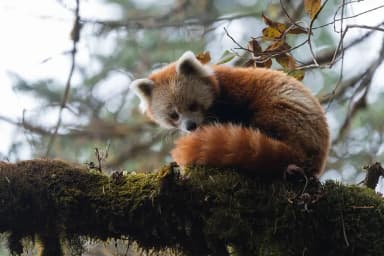 Sunuwargr · CC BY-SA 4.0
Red panda
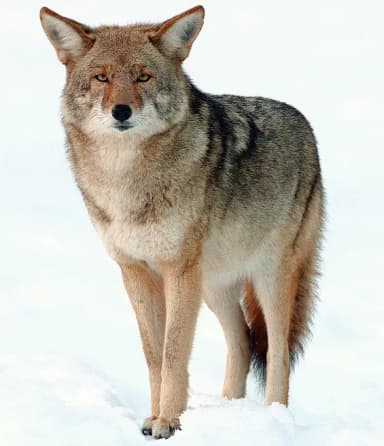 Yathin S Krishnappa · CC BY-SA 3.0
Coyote
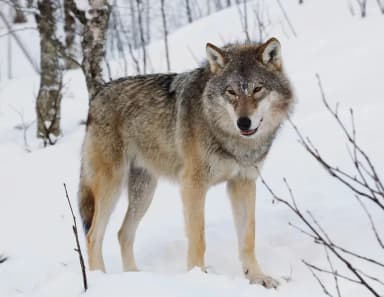 User:Mas3cf · CC BY-SA 4.0
Gray Wolf
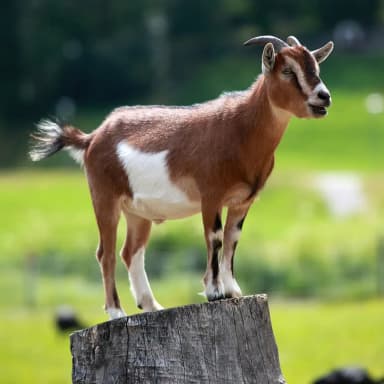 Kuebi = Armin Kübelbeck · CC BY-SA 3.0
Nigerian Dwarf Goat
 Wikimedia Commons · CC BY-SA 3.0
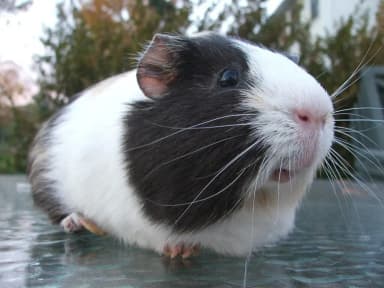
Guinea Pig
 Dick Culbert from Gibsons, B.C., Canada · CC BY 2.0
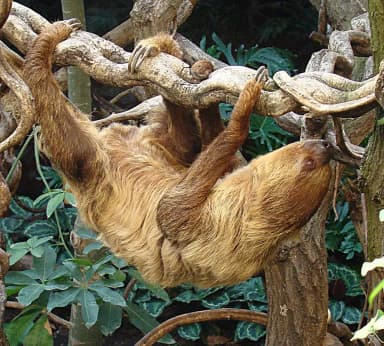
Linnaeus's Two-toed Sloth
 Wikinoobie1 · CC BY-SA 3.0
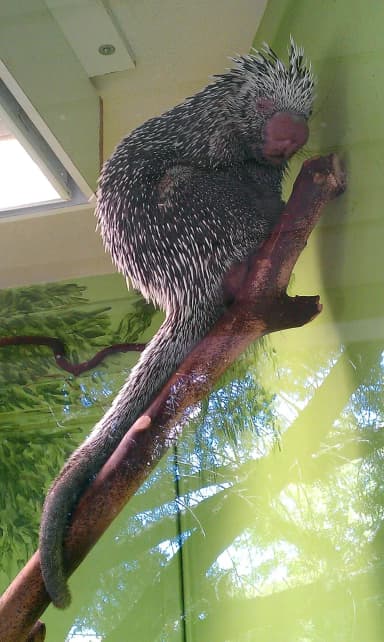
Prehensile-tailed Porcupine
 Christian Ursilva from København, Danmark · CC BY-SA 4.0
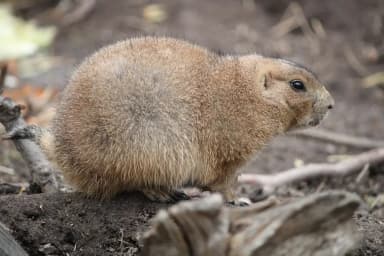
Black-tailed Prairie Dog
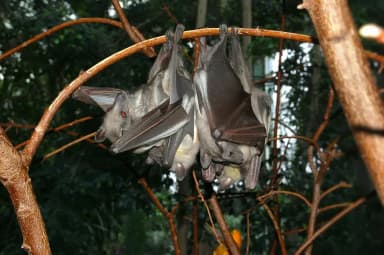 Fritz Geller-Grimm · CC BY-SA 2.5
Straw-colored Fruit Bat
 Wikimedia Commons · Public domain
North American Porcupine
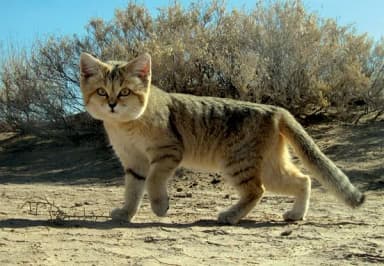 Payman sazesh · CC BY-SA 3.0
Sand Cat
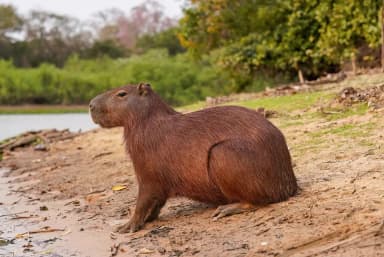 Giles Laurent · CC BY-SA 4.0
Capybara
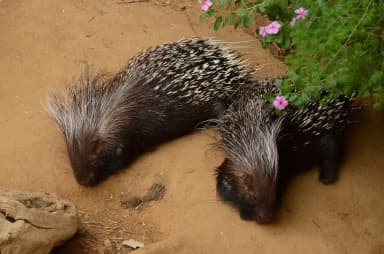 Steven Lek · CC BY-SA 4.0
Cape Porcupine
 Charles J. Sharp · CC BY-SA 4.0
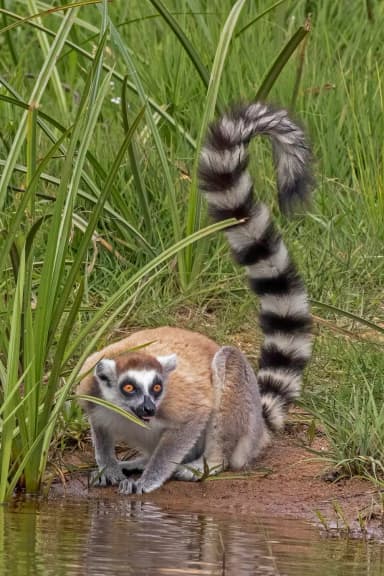
Ring-tailed Lemur
 USFWS Mountain-Prairie · Public domain
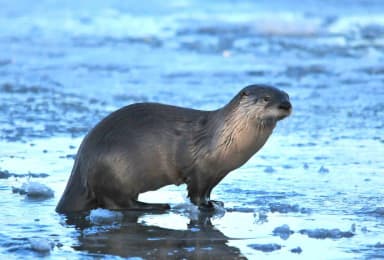
North American River Otter
 Michael Zahra · CC BY-SA 3.0
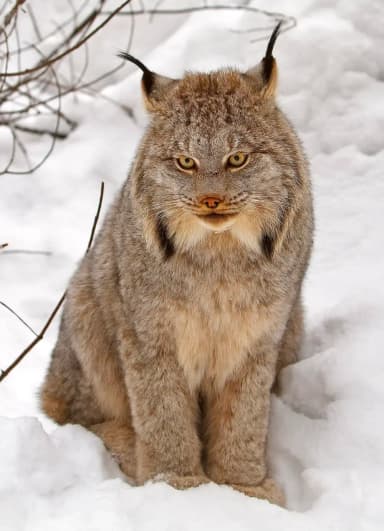
Canada Lynx
 Noodle snacks ( https://www.jjharrison.com.au/)Bennett's Wallaby) · CC BY-SA 3.0
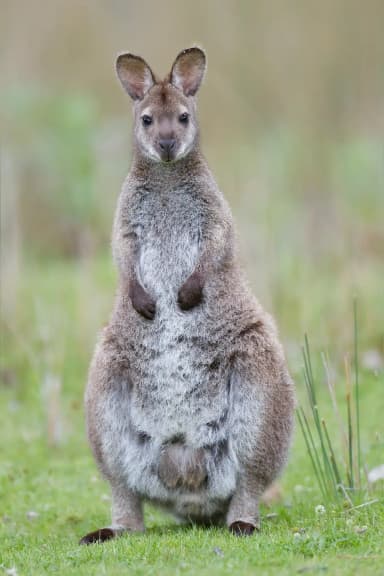
Bennett's Wallaby
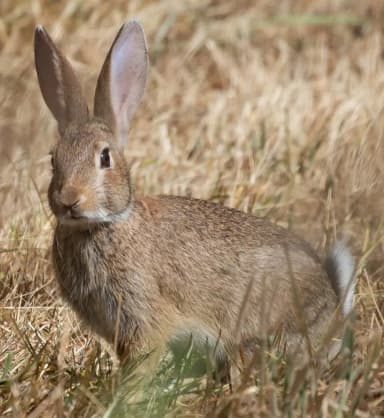 euqirneto · CC BY 4.0
Domestic Rabbit
 Sander van der Wel · CC BY-SA 2.0
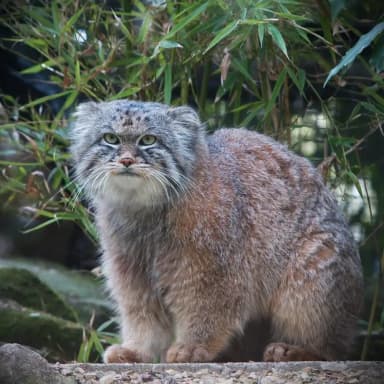
Pallas's Cat
 Giles Laurent · CC BY-SA 4.0
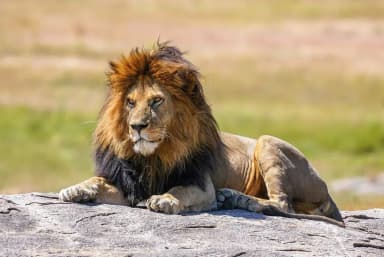
Lion
 Charles J. Sharp · CC BY-SA 4.0
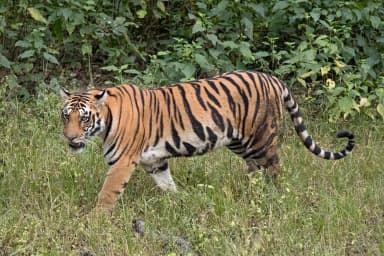
Amur tiger
 Irbis1983 · Public domain
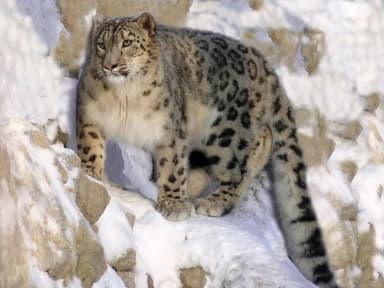
Snow Leopard
 National Park Service · Public domain
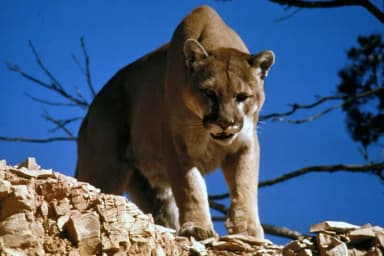
Cougar
 Are G Nilsen · CC BY-SA 3.0
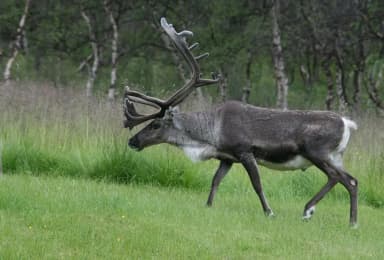
Reindeer
 Chensiyuan · CC BY-SA 4.0
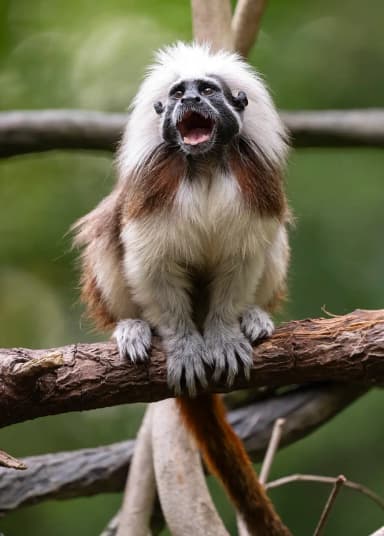
Cotton-top Tamarin
 kallerna · CC BY-SA 4.0
Kunekune Pig
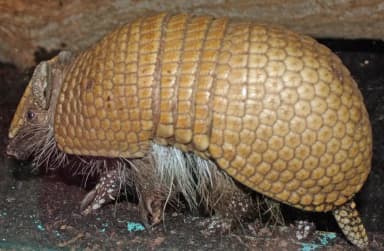 SouthernThreeBandedArmadillo065.jpg : Ltshears derivative work: WolfmanSF ( talk ) · CC BY-SA 3.0
Three-banded Armadillo
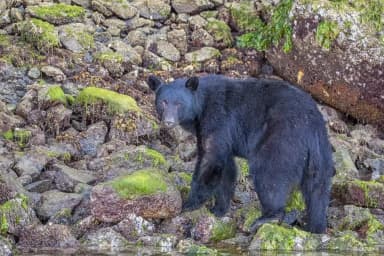 Charles J. Sharp · CC BY-SA 4.0
American Black Bear
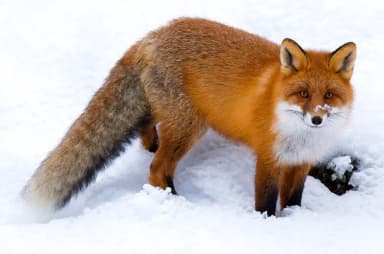 ClaudiaTen · CC BY-SA 4.0
Red Fox
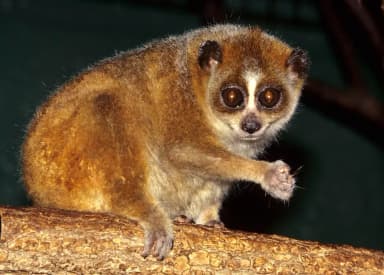 David Haring / Duke Lemur Center · CC BY-SA 3.0
Pygmy Slow Loris
Birds20
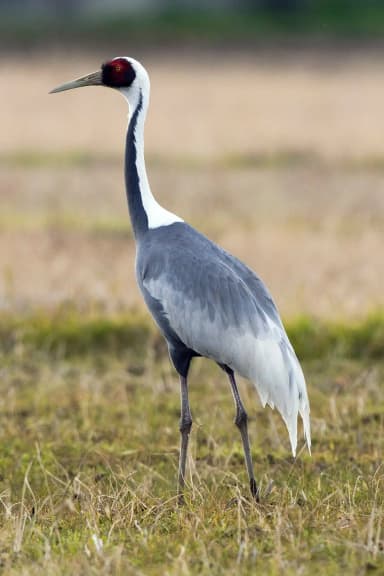 Spaceaero2 · CC BY-SA 3.0
White-naped Crane
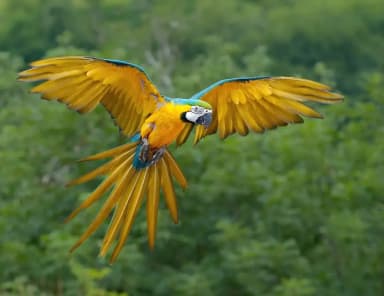 Luc Viatour · CC BY 2.0
Blue-and-gold Macaw
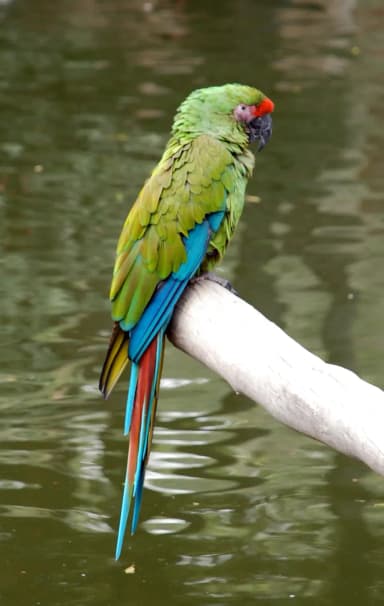 Justin Wright · CC BY-SA 2.0
Military Macaw
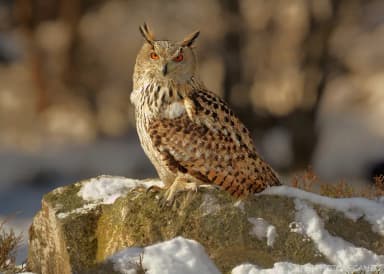 Martin Mecnarowski ( http://www.photomecan.eu/ ) · CC BY-SA 3.0
Eurasian Eagle-Owl
 Greg Hume · CC BY-SA 3.0
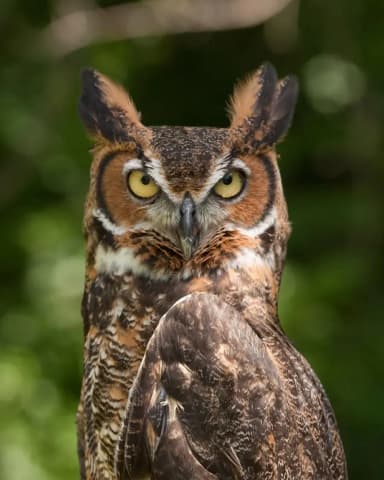
Great Horned Owl
 Becky Matsubara from El Sobrante, California · CC BY 2.0
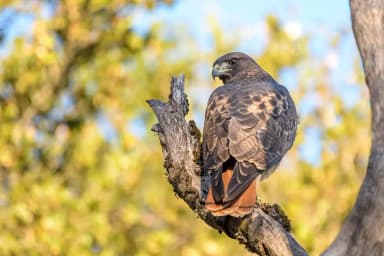
Red-tailed Hawk
 Len Charnoff from Sherwood, Oregon, US · CC BY 2.0
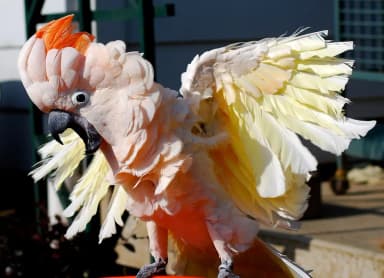
Moluccan Cockatoo
 Charles J. Sharp · CC BY-SA 4.0
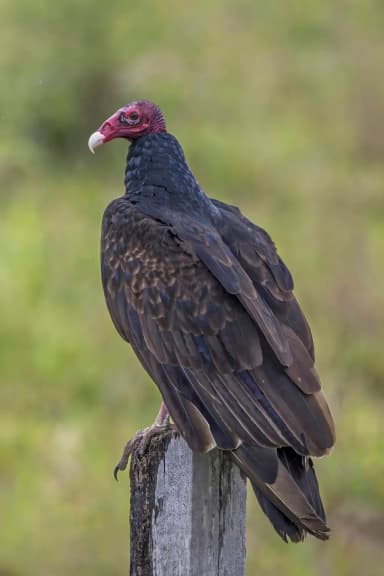
Turkey Vulture
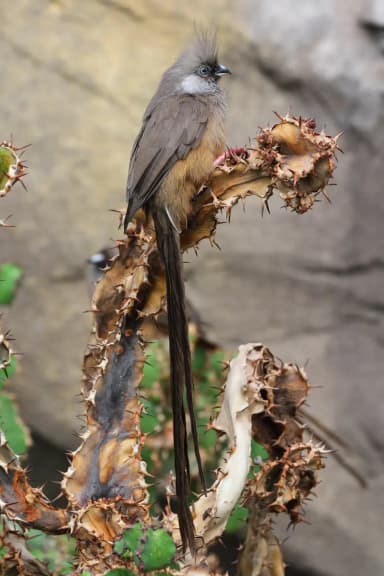 spacebirdy (also known as geimfyglið (:> )=| made with Sternenlaus -spirit) · CC BY-SA 3.0
Speckled Mousebird
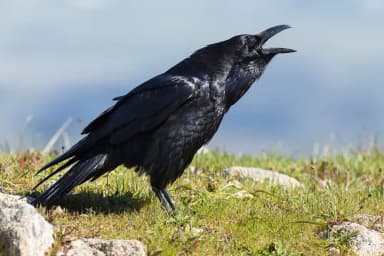 Frank Schulenburg · CC BY-SA 4.0
Common Raven
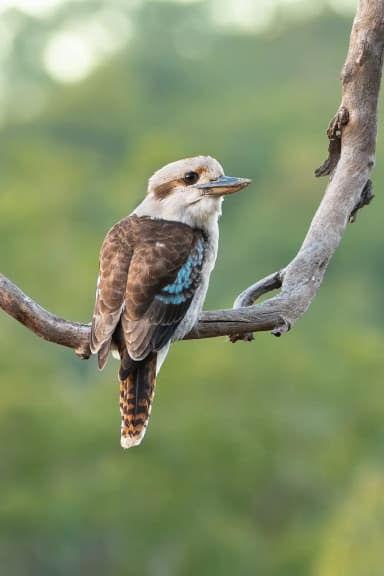 Photo by: Paulweberphoto - paulweberphoto.com · CC BY 4.0
Laughing Kookaburra
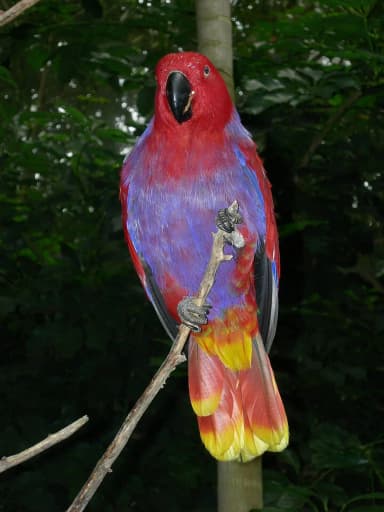 Selena N. B. H. from Carrboro, USA · CC BY 2.0
Eclectus Parrot
 Channel City Camera Club from Santa Barbara, US · CC BY 2.0
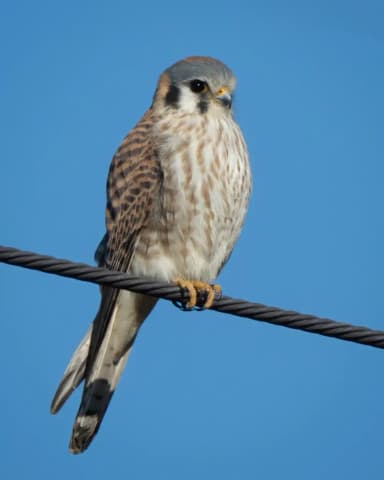
American Kestrel
 Andy Morffew from Itchen Abbas, Hampshire, UK · CC BY 2.0
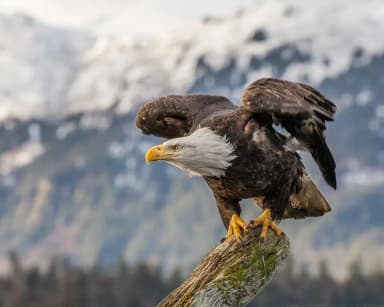
Bald Eagle
 Wolfgang Wander · CC BY-SA 3.0
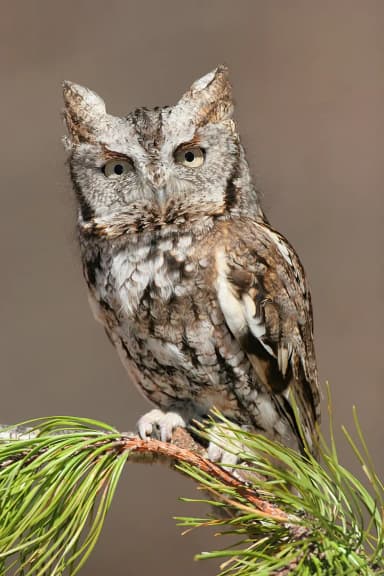
Eastern Screech-Owl
 Kandukuru Nagarjun from Bangalore, India · CC BY 2.0
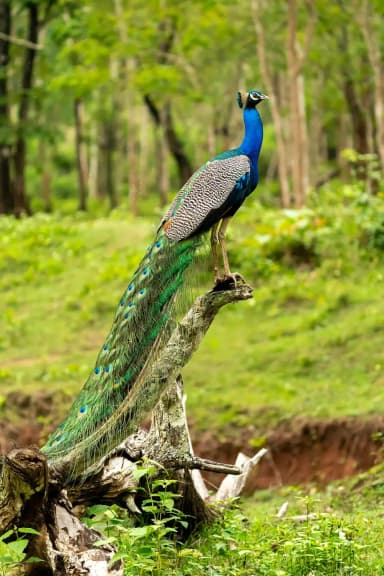
Peafowl
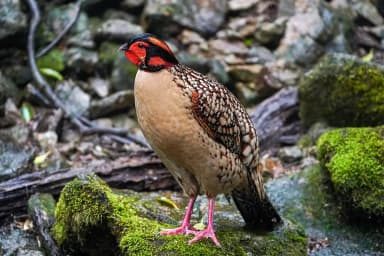 Sun Jiao (Interaccoonale) · CC BY 4.0
Cabot's Tragopan
Reptiles23
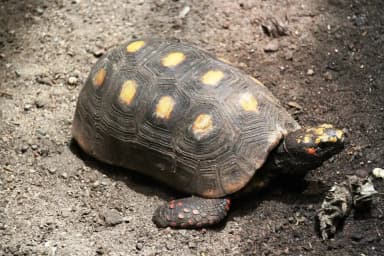 Bjoertvedt · CC BY-SA 3.0
Red-footed Tortoise
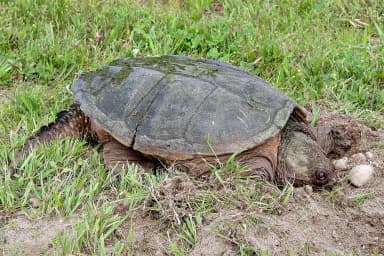 Moondigger · CC BY-SA 2.5
Snapping Turtle
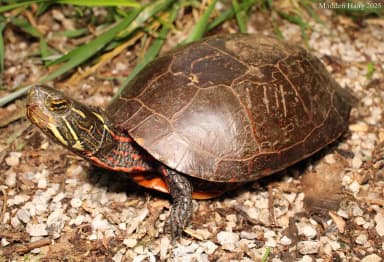 MH Herpetology · CC BY-SA 4.0
Painted Turtle
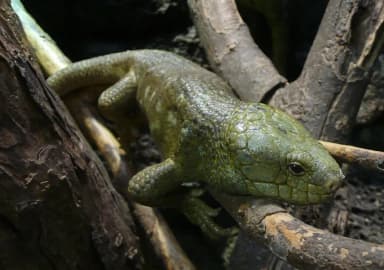 TimVickers · Public domain
Prehensile-tailed Skink
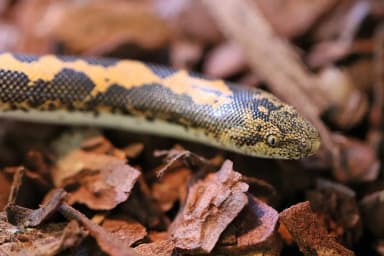 The Reptilarium · CC BY-SA 2.0
Kenyan Sand Boa
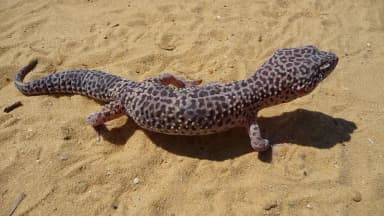 George Chernilevsky · Public domain
Leopard Gecko
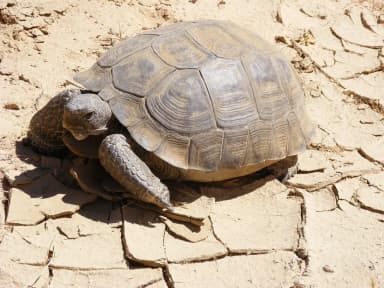 Tigerhawkvok · CC BY-SA 3.0
Desert Tortoise
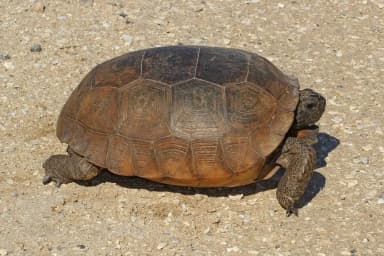 Judy Gallagher · CC BY 2.0
Gopher Tortoise
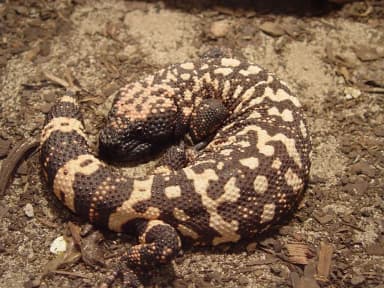 Blueag9 · CC BY-SA 3.0
Gila Monster
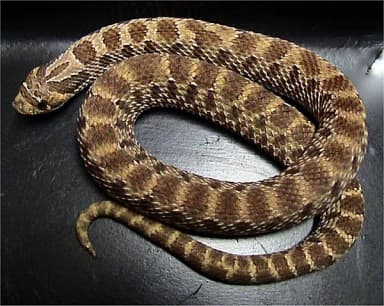 The original uploader was Dawson at English Wikipedia . · CC BY-SA 2.5
Western Hognose Snake
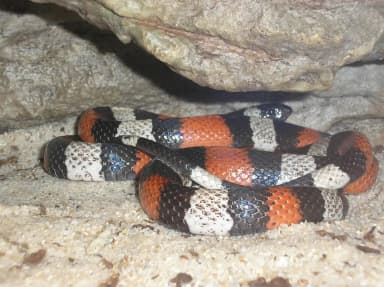 Wikimedia Commons · Attribution
Pueblan Milk Snake
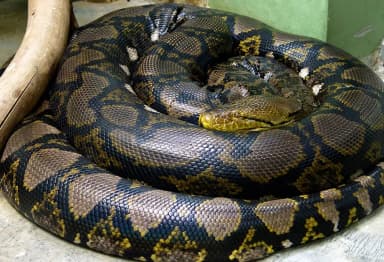 This photography was created by Mariluna . Other photos see here . · CC BY-SA 3.0
Reticulated Python
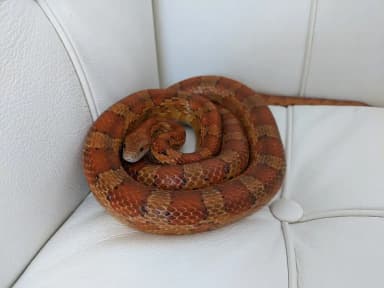 Ethan Porcaro · CC0
Corn Snake
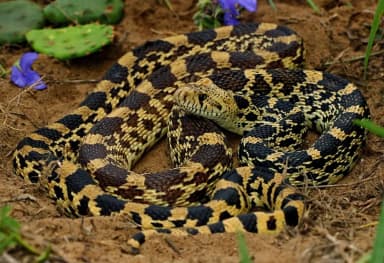 Peter Paplanus from St. Louis, Missouri · CC BY 2.0
Bullsnake
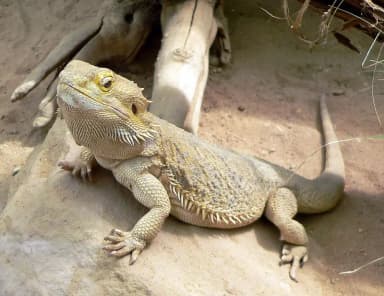 Photograph: Frank C. Müller , Baden-Baden · CC BY-SA 2.5
Bearded Dragon
 Igor Karyakin · CC BY 4.0
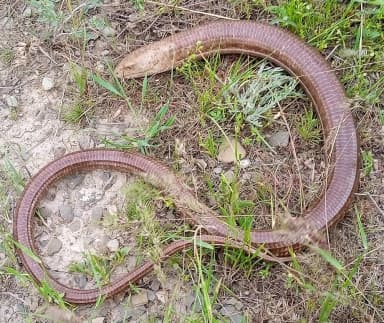
European Glass Lizard
 Tigerpython · CC BY 3.0
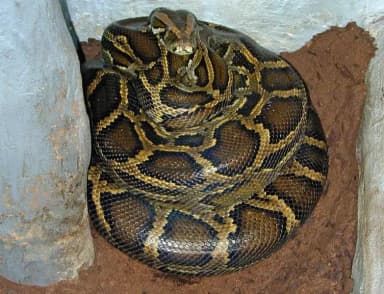
Burmese Python
 HCA ( talk ) · CC BY-SA 3.0
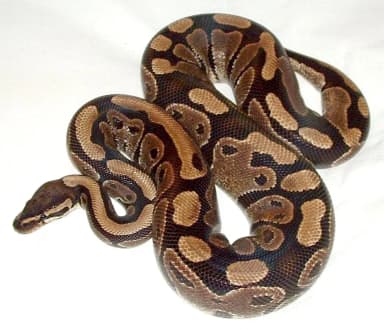
Ball Python
 Charles J. Sharp · CC BY-SA 4.0
Argentine Black and White Tegu
 (c) Joshua Liverman, some rights reserved (CC BY) · CC BY 4.0
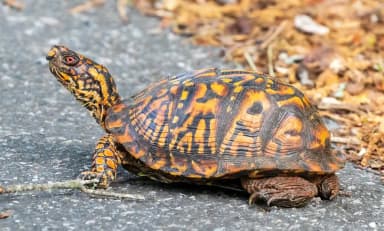
Eastern Box Turtle
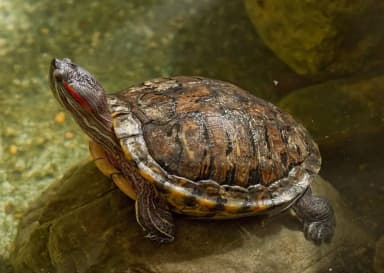 Greg Hume · CC BY-SA 3.0
Red-eared Slider

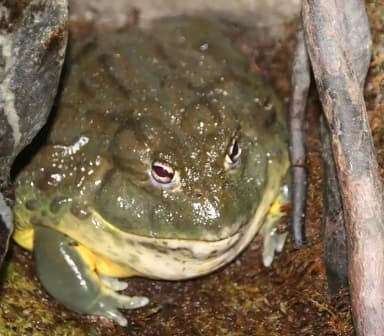
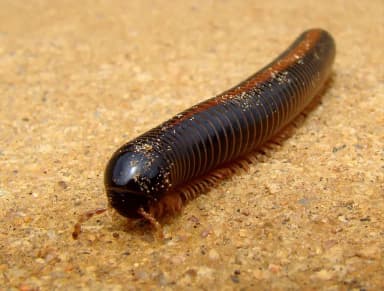
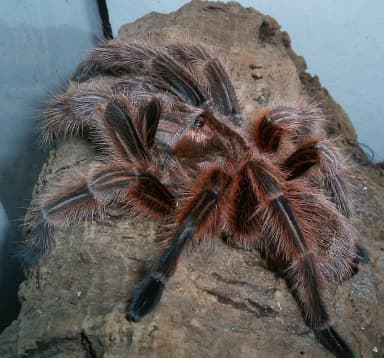
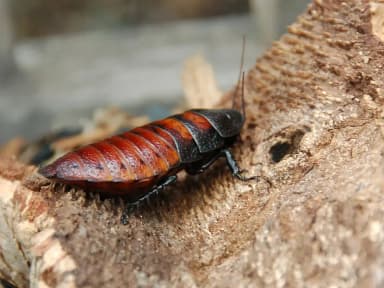
Feathers & Fangs from visitors
What people who've been to Lake Superior Zoo say
A Feather is something this zoo does well; a Fang is something it gets wrong. Left by people who've been, and read by us before they appear.
Loading…
About Lake Superior Zoo
Lake Superior Zoo, formerly known as the Duluth Zoo, sits on roughly 19 acres in the Fairmount neighborhood of West Duluth, Minnesota, at the base of Spirit Mountain. It is the only zoo in northeastern Minnesota and northwestern Wisconsin, and it is accredited by the Association of Zoos and Aquariums. The grounds and buildings belong to the City of Duluth, while daily operations, animal care, and staffing are managed by the non-profit Lake Superior Zoological Society under a community board of directors.
The zoo houses more than 400 animals representing over 140 species. Kingsbury Creek, a state-designated trout stream, runs directly through the grounds, which include more than a mile of paved walking trails. The zoo organizes its collection into geographic and thematic zones, mixing large carnivores and bears with primates, reptiles, and Australian and Oceanic species, and it takes part in the AZA's cooperative Species Survival Plan breeding programs for several species in its care.
Operating costs and habitat projects are funded through a mix of municipal tourism-tax support, state bonding, grants, and private donations. In 2020, the city reported providing the zoo about $510,000 in tourism-tax support, with an additional $150,000 from the state. The zoo's leadership has changed several times in recent years, particularly following a major flood in 2012 and the COVID-19 pandemic, and it marked its centennial during Haley Hedstrom's tenure as executive director.
History
Bert Onsgard, a West Duluth businessman, founded the zoo in 1923 after building a pen in Fairmount Park for his rescued white-tailed deer, Billy, with permission from Mayor Samuel Frisby Snively. The idea drew broad community backing: the Pittsburgh Steel Company donated a rail car of fencing, citizens gave exotic pets, and local schoolchildren raised money for the zoo's first pair of lion cubs. By 1928 the collection had grown past 200 animals, with Onsgard at times paying for their feed himself. During the Great Depression, the Works Progress Administration invested heavily in the site, building pedestrian bridges over Kingsbury Creek and several enclosures, including a bear den completed in 1940; some of these structures are still in use. An elephant house opened in 1937. The Arrowhead Zoological Society ran the facility until 1959, when the city took ownership.
Through the 1960s and 1970s the zoo operated as a polar bear breeding facility. In the 1980s, an AZA-led shift toward natural habitats and enrichment pushed the zoo to expand its environmental education and conservation focus, and it earned its first AZA accreditation in 1985, taking the name Lake Superior Zoo around the same time. In 1987, the state legislature, the City of Duluth, and local citizens put $7 million into major renovations — $4 million from the state and $3 million from the city — funding naturalistic habitats for large cats and bears and a new Australian exhibit building. The 1990s brought the Willard Munger Animal Care Center for veterinary care, a renovated primate exhibit in 1998, and the conversion of the original 1937 elephant house into Polar Shores, a home for polar bears and harbor seals, in 1990. The zoo lost its AZA accreditation in 2006 and regained it in 2011, after the city transferred daily operations to the Lake Superior Zoological Society.
On June 20, 2012, roughly nine inches of rain caused Kingsbury Creek to overflow and flood parts of the zoo. Fourteen animals died, mostly barnyard residents including sheep, goats, a donkey, a raven, a turkey vulture, and a snowy owl. A polar bear named Berlin and two harbor seals escaped their enclosures but were recovered safely — one seal was photographed swimming along Grand Avenue. Damage to Polar Shores was extensive enough that the seals and polar bear were relocated to the Como Park Zoo and Conservatory in St. Paul, while the river otters moved temporarily to the Great Lakes Aquarium in Duluth. The zoo closed for about three weeks and reopened on July 13, 2012, though attendance and revenue fell afterward.
After the flood, the zoo's WPA-era bluestone pavilion was renovated into an indoor classroom and event venue, and a new master plan — smaller than a $40 million plan approved in 2008 — was finished in early 2016. That plan produced a new silver fox exhibit, new raptor enclosures, a renovated two-story primate exhibit, and a "Zoomobile" van for outreach programs.
Exhibits and habitats
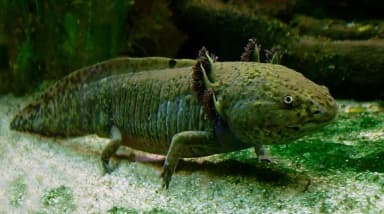
Bear Country was rebuilt and expanded after the 2012 flood with help from a Minnesota state bonding bill, and includes a year-round pool for the zoo's Alaska Peninsula brown bears, Tundra and Banks. Zoo Central and the Griggs Learning Center form the zoo's indoor core and education hub, housing reptiles, amphibians, and small mammals such as sand cats, a snapping turtle, an axolotl, a Gila monster, and several parrot species.
Australia and Oceania is a dedicated building featuring species native to the South Pacific, including Bennett's wallabies, kangaroos, capybara, and endangered turtles. The Primate Conservation Center and Nocturnal Building focuses on primate enrichment and nocturnal species: the primate side houses cotton-top tamarins and Angolan colobus, while the nocturnal section runs on a reversed light cycle so visitors can watch active night-dwelling animals, including a Pallas's cat, a pygmy slow loris, Egyptian fruit bats, two-toed sloths, and a large-spotted genet.
The zoo's large carnivores include an Amur tiger, an African lion, a snow leopard, and a cougar. In late 2025, Canada lynx brothers Floki and Bjorn arrived from the Pittsburgh Zoo & PPG Aquarium as part of an AZA Species Survival Plan and went on view in a renovated habitat.
Animal highlights
The zoo lists more than 400 animals across at least 140 species listed on the zoo's website, a floor rather than a full count. Beyond its brown bears, lynx, tiger, lion, snow leopard, and cougar, past residents have become part of the zoo's identity. Bessie the elephant arrived in 1937 at age 12 when the elephant house opened, and before perimeter fencing went up she occasionally wandered into nearby neighborhoods — in one story, a zookeeper summoned in his pajamas led her home by the trunk. She stayed at the zoo until her death in 1974 at 49. Valerie, a Himalayan black bear, had served as a mascot for a World War II bomber unit before being donated to the zoo in 1946. Mr. Magoo, an Indian mongoose given to the zoo in 1962 after arriving on a merchant ship from Madras, became the subject of a public campaign after a 1909 federal law barred mongooses from the country; Interior Secretary Stewart Udall granted him a reprieve and then permanent asylum in 1963, and he inspired the 1965 book "The Duluth Mongoose" before his death in 1968. Bubba the polar bear, known for his playful personality, arrived as a cub in 1990 and died in 2007 at age 17.
Conservation and programs
Lake Superior Zoo is one of three AZA-accredited facilities in Minnesota, alongside the Minnesota Zoo and the Como Park Zoo and Conservatory. Accreditation requires meeting standards for animal welfare, veterinary medicine, financial stability, and participation in conservation and research. The zoo takes part in several AZA Species Survival Plans, the cooperative breeding programs that maintain genetically healthy populations of threatened species across accredited institutions — the 2025 arrival of Canada lynx brothers Floki and Bjorn from the Pittsburgh Zoo was itself part of one such plan.
Planning your visit
Current hours, ticket prices, and parking details aren't available in the materials used for this page, so confirm all of this on the zoo's official website before visiting. The grounds include more than a mile of paved walking trails, and Kingsbury Creek runs through the property, giving the visit a wooded, creekside character distinct from a flat exhibit loop.
The zoo hosts a set of recurring seasonal events worth timing a visit around: Boo at the Zoo, a multi-weekend October trick-or-treating event; Tundra's Summer Cooldown, a midsummer ice-cream tasting named for the resident brown bear; the Ice Luminary Walk, a winter trail event; Clean Yer Creek, an annual spring cleanup of Kingsbury Creek and the surrounding neighborhood; and Gala on the Grass, an outdoor fundraising dinner supporting the Lake Superior Zoological Society. The zoo also recently opened an on-site venue called the Porcupine Pub. Check the official website for exact hours, admission pricing, accessibility accommodations, and event dates before you go.
What we haven't confirmed
Everything above came from public sources. These specifics we haven't stood behind yet:
- Hours
- Ticket prices
- Parking
- Animal count (current)
- Time needed for a visit
- Phone number
- Accessibility details
Lake Superior Zoo compared with nearby zoos
How Lake Superior Zoo lines up against the closest zoos we have details for — useful if you're deciding between them for the same day out.
| Zoo | Distance | Admission | Hours | Size | AZA |
|---|---|---|---|---|---|
| Lake Superior ZooThis zooDuluth, MN | — | — | — | 19 acres | Yes |
| Irvine Park ZooChippewa Falls, WI | 128 mi | — | — | 318 acres | No |
| Como Park Zoo and ConservatorySaint Paul, MN | 129 mi | Free | 10AM – 4PM | — | Yes |
| Hemker Park & ZooFreeport, MN | 139 mi | $21.52 | 10 AM – 6 PM | — | No |
Distances are straight-line. A dash means we haven't confirmed that detail yet, not that the zoo lacks it.
AZAThe Association of Zoos and Aquariums. Accredited members have passed an independent inspection of animal care and welfare, safety, conservation and education, repeated every five years. Many smaller facilities never apply, so “not accredited” isn't a verdict on its own. What accreditation means · How we check this
Lake Superior Zoo: common questions
Is Lake Superior Zoo AZA accredited?
Yes. It first earned accreditation in 1985, lost it in 2006, and regained it in 2011.
How big is Lake Superior Zoo?
It covers about 19 acres in Duluth's Fairmount neighborhood.
When did the zoo open?
Bert Onsgard founded it in 1923.
How many species does the zoo have?
The zoo lists more than 400 animals representing over 140 species.
What happened to the zoo in 2012?
A flood from roughly nine inches of rain overflowed Kingsbury Creek, killing 14 animals and forcing a three-week closure.
Are there walking trails at the zoo?
Yes, the grounds include more than a mile of paved walking trails alongside Kingsbury Creek.
Is there a polar bear exhibit today?
No. The zoo's Polar Shores habitat, which housed polar bears and harbor seals, was permanently retired after the 2012 flood.
Something wrong here? Tell us — we correct in place, with a dated note.