
- Admission
- Free
- Opened
- 1873
- Accreditation
- AZA
Association of Zoos and Aquariums
Everything below is directory information drawn from public sources and the zoo's own site.
Animals at Como Park Zoo and Conservatory
28 confirmedMammals21
 Charles J. Sharp · CC BY-SA 4.0
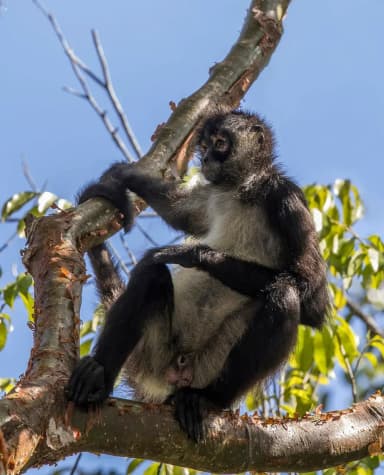
Black-handed Spider Monkey
 Jack Dykinga · Public domain
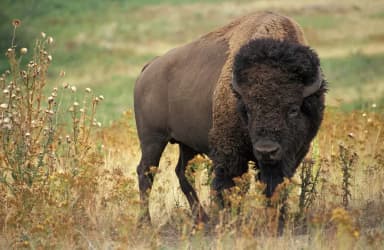
American Bison
 Yathin S Krishnappa · CC BY-SA 3.0
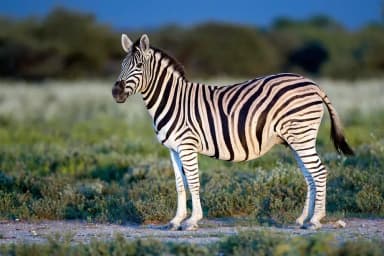
Zebra
 Sanjay Acharya · CC BY-SA 4.0
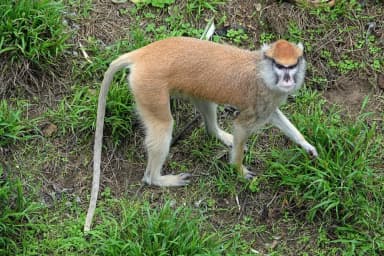
Patas Monkey
 Daniella Maraschiello · CC BY-SA 4.0
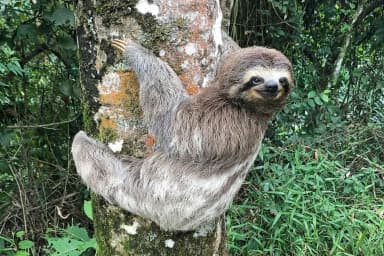
Sloth
 Thomas Fuhrmann · CC BY-SA 4.0
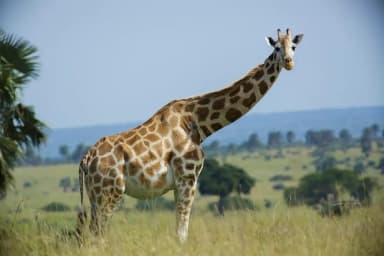
Giraffe
 Brocken Inaglory · CC BY-SA 3.0
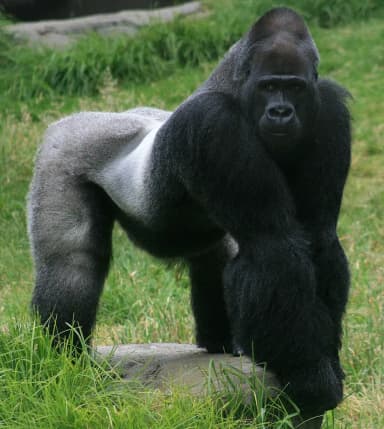
Gorilla
 Charles J. Sharp · CC BY-SA 4.0
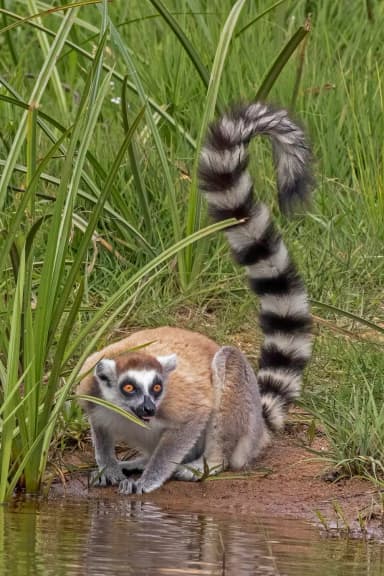
Ring-tailed Lemur
 User Bmh ca on en.wikipedia · CC BY-SA 3.0
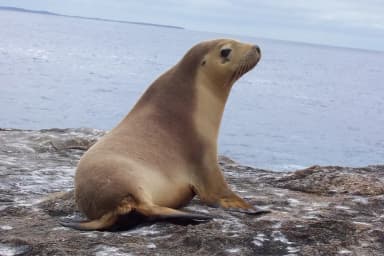
Sea Lion
 Giles Laurent · CC BY-SA 4.0
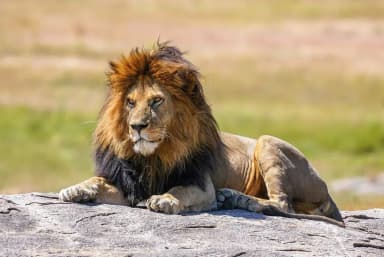
Lion
 Charles J. Sharp · CC BY-SA 4.0
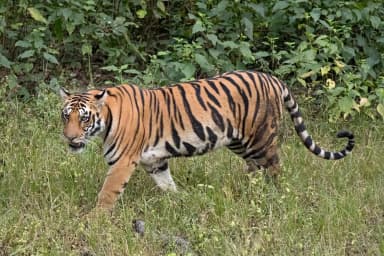
Tiger
 Irbis1983 · Public domain
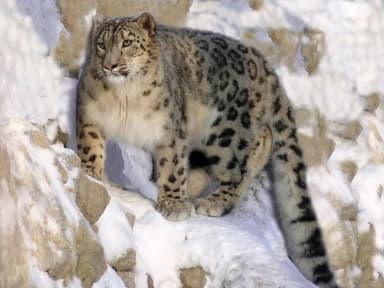
Snow Leopard
 Charles J. Sharp · CC BY-SA 4.0
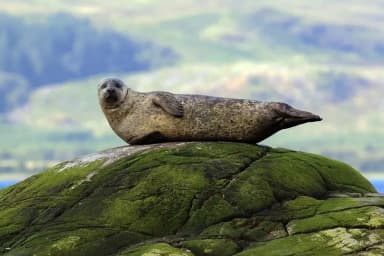
Harbor Seal
 Jik jik · CC BY-SA 4.0
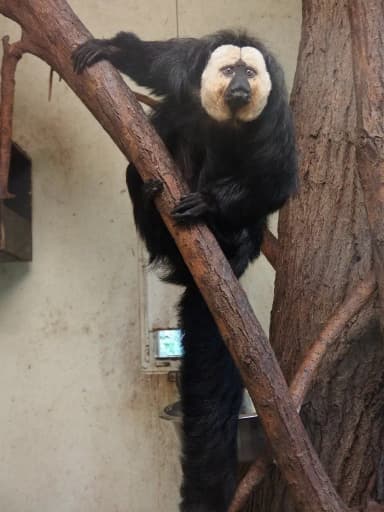
White-faced Saki
 Nanosanchez · CC BY-SA 4.0
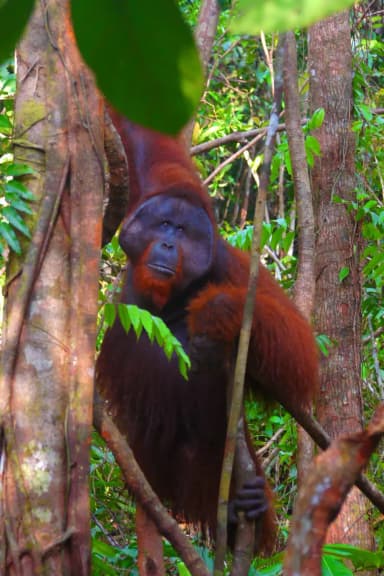
Orangutan
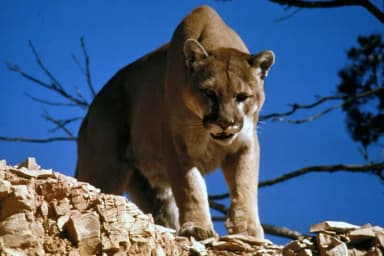 National Park Service · Public domain
Cougar
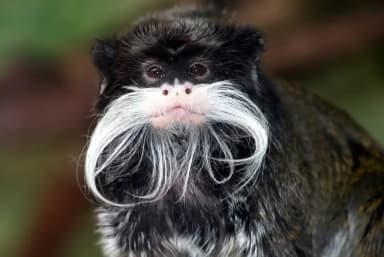 Brocken Inaglory · CC BY-SA 3.0
Emperor Tamarin
 Charles J. Sharp · CC BY-SA 4.0
Nyala
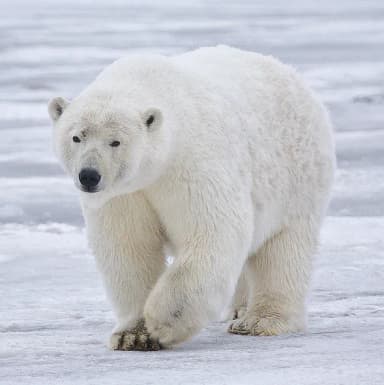 Alan Wilson · CC BY-SA 3.0
Polar Bear
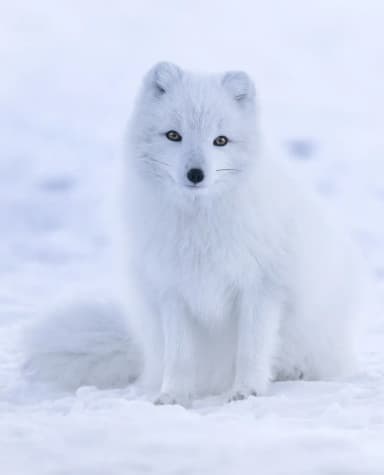 Jonatan Pie ( unsplash.com/@r3dmax ) · CC0
Arctic Fox
Birds4
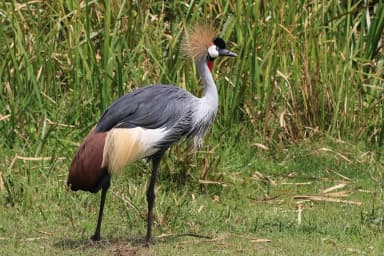
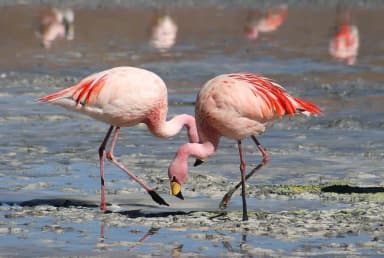
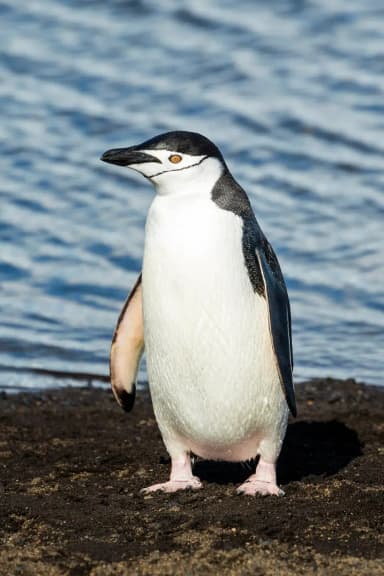
Reptiles2
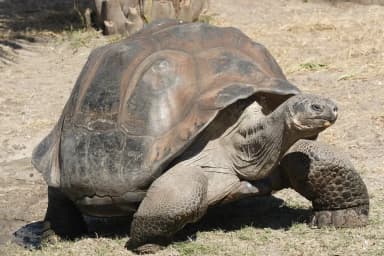
Fish1
Feathers & Fangs from visitors
What people who've been to Como Park Zoo and Conservatory say
A Feather is something this zoo does well; a Fang is something it gets wrong. Left by people who've been, and read by us before they appear.
Loading…
About Como Park Zoo and Conservatory
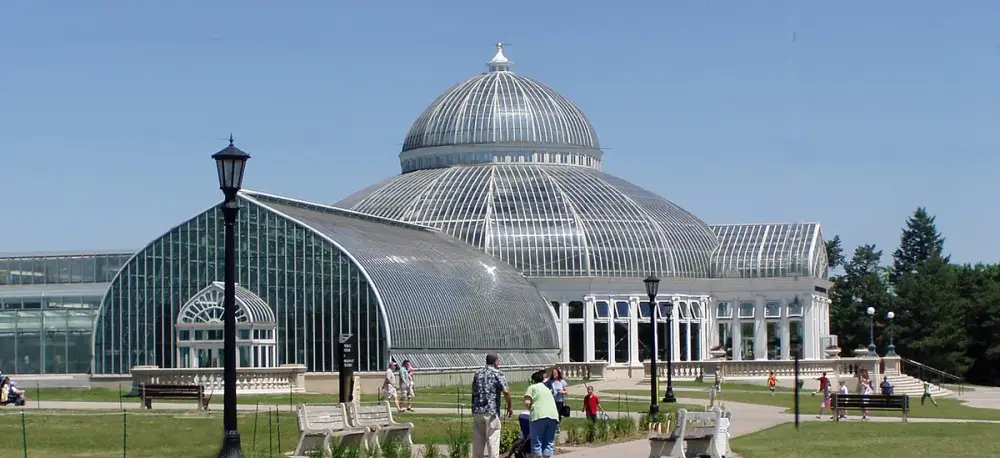
Como Park Zoo and Conservatory sits at 1225 Estabrook Drive in Saint Paul, Minnesota, on land the city acquired around Como Lake in 1873. The zoo dates its own beginning to 1897, when Minnesota's first zoo began with a gift of three deer placed in a fenced pasture. More than a century later, the zoo and its neighboring Marjorie McNeely Conservatory operate as one campus under a single nonprofit partner, and both halves remain free to enter and open year-round, drawing more than two million visitors annually.
The zoo is accredited by the Association of Zoos and Aquariums, a status it first earned in 1985. Its collection today spans large mammals, marine animals, primates, and reptiles, with at least 28 species listed on the zoo's own website, including gorillas, polar bears, giraffes, tigers, and snow leopards. The Conservatory side of the campus is built around a Victorian glasshouse that opened in 1915 and has been continuously restored and expanded since, most notably after a 1962 hailstorm shattered much of its glass.
Como's stated mission is to inspire the public to value the presence of living things in daily life, and the campus is organized around that idea in both directions: the zoo's animal habitats are paired with the Conservatory's gardens, and many of the zoo's newer projects, from an immersive rainforest exhibit to a Japanese garden, were built through direct collaboration between the zoo's animal care staff and the Conservatory's horticulturists.
History
The land around Como Lake was part of a travel corridor used by Dakota and Ojibwe people long before Saint Paul acquired it for a public park in 1873. Landscape architect Horace William Shaler Cleveland drew up early plans respecting the land's natural contours, and Frederick Nussbaumer, who became the city's superintendent of parks in 1891, expanded that vision with gardens and recreation space. Como Zoo began in 1897 with three deer in a fenced pasture, and the collection soon grew to include elk, foxes, bison, and cattle.
The Conservatory's glasshouse opened on November 7, 1915, drawing nearly 3,000 visitors on its first day, and its flower show traditions expanded with spring and holiday shows added in 1925 and the Sunken Garden in 1927. The 1930s brought Como Zoo's first major wave of construction through Works Progress Administration projects, including the Bear Grotto, Monkey Island, and the Main Zoological Building, completed in 1937 and still one of the zoo's most recognizable structures.
Como Zoo faced possible closure in 1955, but community advocacy saved it, and the following year brought the Sparky Show, a sea lion performance tradition that continues today. John A. Fletcher became the zoo's first director in 1957 and expanded its work with endangered animals and cooperative breeding programs. A severe 1962 hailstorm damaged more than half of the Conservatory's glass, but the building was listed on the National Register of Historic Places in 1974 and underwent a major restoration from 1987 to 1992.
The 1980s brought a new zoo master plan and renovated spaces for large cats, aquatic animals, primates, hoofstock, birds, and seals, alongside the zoo's first AZA accreditation in 1985. A Japanese garden, a gift from Saint Paul's sister city of Nagasaki, opened near the Conservatory in 1979. Como Zoo celebrated its centennial in 1997, and the Visitor Center opened in 2005 as the campus came together as one shared institution. Polar Bear Odyssey opened in 2010, transforming the polar bear habitat and helping draw more than two million visitors that year. Gorilla Forest and a new conservatory wing both opened in 2013, and Como Harbor, a $21 million reimagining of the seal and sea lion area, opened on June 3, 2021. In 2026, the Minnesota Legislature approved $9.3 million toward the first phase of a planned Big Cats & African Animals project.
Exhibits and habitats
Polar Bear Odyssey is home to Como's polar bears and gives visitors year-round viewing of natural surfaces, deep pools, and spaces designed for digging and foraging. Gorilla Forest opened in 2013 with 13,000 square feet of outdoor space built to support climbing, foraging, and natural social behavior. Como Harbor, opened in 2021, reimagined the historic seal and sea lion area with year-round saltwater pools, underwater viewing, and a shaded amphitheater, and it is where the Sparky Show now takes place.
The Leonard Wilkening Children's Gallery, near the Exhibit Gallery Lobby of the Visitor Center, is built for hands-on activities about plants and animals, and it houses RibbitZibit, a frog conservation exhibit with living animals and plants including Red-eyed Tree Frogs, Lemur Tree Frogs, Panamanian Golden Frogs, and several color forms of Poison Dart Frogs, plus a window onto developing tadpoles.
On the Conservatory side, the Marjorie McNeely Conservatory's glasshouse holds a nationally recognized bonsai collection, viewable through a wing added in 2013 that also opens onto the Charlotte Partridge Ordway Japanese Garden. The Sunken Garden, added in 1927, remains a centerpiece of the building's flower show tradition. Como Town, a separate family-friendly amusement park with more than 20 rides and attractions, sits next to the zoo, though it keeps its own hours apart from the zoo and Conservatory.
Animal highlights
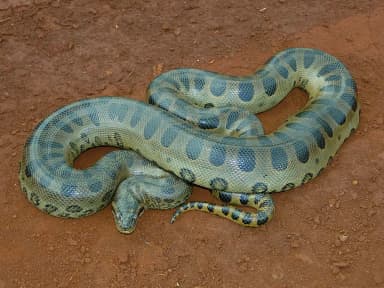
At least 28 species are listed on the zoo's own website, spanning large predators, primates, and marine mammals. Notable residents include the gorilla, orangutan, polar bear, tiger, lion, and snow leopard, alongside giraffe, bison, and zebra among the hoofstock. The zoo's aquatic and coastal collection includes gray seals, harbor seals, sea lions, penguins, and puffins, cared for in the Aquatic Animal Building and featured in the Sparky and Friends program. Smaller residents named on the list include the Arctic fox, cougar, emperor tamarin, ring-tailed lemur, spider monkey, and green anaconda.
Como participates in AZA Species Survival Plan programs for more than 40 species, and its animal care staff have held studbook responsibilities for species such as the Crowned lemur, tracking captive populations across North American institutions to support genetically diverse breeding recommendations.
Conservation and programs
Conservation runs through much of Como's public programming. The zoo has partnered with Polar Bears International since 2008, sending staff representatives to Churchill, Manitoba, to learn about polar bears in their natural habitat and bring that knowledge back to educate Minnesota visitors. Its Gorillas on the Line program collects old cell phones and small electronics for recycling, since the mineral coltan used in these devices is mined in gorilla habitat in the Democratic Republic of Congo; proceeds support Como Friends' Conservation Champions Program and orangutan conservation projects.
Como Zoo staff track Blanding's turtles, a species listed as threatened in Minnesota, in Saint Paul parks to help protect their habitat. The zoo takes part in the Butterfly Conservation Initiative alongside other AZA-accredited institutions, maintains a Seafood Watch partnership with the Monterey Bay Aquarium, and helps breed five species of endangered Panamanian frogs, including the golden frog, for the Amphibian Recovery and Conservation Coalition. The Marjorie McNeely Conservatory has also been designated a Plant Rescue Center by the U.S. Fish and Wildlife Service, receiving plants seized through enforcement of international trade regulations.
Planning your visit
Como Park Zoo and Conservatory is free to enter, though a voluntary donation of $8 for adults and $5 for children is suggested to help support the animals and plants. As listed on the zoo's website, hours run from 10 a.m. to 4 p.m. from early September through the end of April, and 10 a.m. to 6 p.m. from May 1 through Labor Day; parking is free.
Wheelchairs and electric scooters can be rented on-site, though strollers are not available for rent and visitors are encouraged to bring their own. Rentals require a valid ID as collateral, and electric scooters additionally require a major credit card. For neurodivergent visitors and those with sensory sensitivities, the zoo offers a Social Narrative guide developed with the Autism Society of Minnesota and periodic Sensory Friendly Early Entry sessions.
Food options include Pier 56, an outdoor café near Como Harbor open from Memorial Day to Labor Day, an indoor café in the Visitor Center with free WiFi, and seasonal food carts scattered through the grounds. A free shuttle runs on weekends through the summer months, and detailed driving directions and parking lot maps are available on the zoo's site. Because hours, donation amounts, and seasonal exhibit access can change, visitors should confirm current details on the official website before visiting.
What we haven't confirmed
Everything above came from public sources. These specifics we haven't stood behind yet:
- Total animal count
- Total acreage of the combined zoo and conservatory campus
- Typical time needed for a visit
- Phone number for general visitor questions
Como Park Zoo and Conservatory compared with nearby zoos
How Como Park Zoo and Conservatory lines up against the closest zoos we have details for — useful if you're deciding between them for the same day out.
| Zoo | Distance | Admission | Hours | Size | AZA |
|---|---|---|---|---|---|
| Como Park Zoo and ConservatoryThis zooSaint Paul, MN | — | Free | 10AM – 4PM | — | Yes |
| Minnesota ZooApple Valley, MN | 15 mi | $25.95 | 10am – 4pm | — | Yes |
| Zollman Zoonear Byron, MN | 67 mi | Free | Zoo & Nature Center daily 10:00 AM – 4:00 PM, year-round. Closed New Year's Day, Easter, Thanksgiving, Christmas Eve, Christmas Day. | — | No |
| Irvine Park ZooChippewa Falls, WI | 86 mi | — | — | 318 acres | No |
Distances are straight-line. A dash means we haven't confirmed that detail yet, not that the zoo lacks it.
AZAThe Association of Zoos and Aquariums. Accredited members have passed an independent inspection of animal care and welfare, safety, conservation and education, repeated every five years. Many smaller facilities never apply, so “not accredited” isn't a verdict on its own. What accreditation means · How we check this
Como Park Zoo and Conservatory: common questions
Is Como Park Zoo and Conservatory accredited?
Yes, it is accredited by the Association of Zoos and Aquariums, a status first earned in 1985.
When did the zoo open?
Como Zoo traces its beginning to 1897, when it started with a gift of three deer.
Is admission free?
Yes, both the zoo and Conservatory are free to enter, though a voluntary donation is suggested.
What animals can visitors see?
At least 28 species are listed on the zoo's website, including gorillas, polar bears, tigers, giraffes, and snow leopards.
Are strollers and wheelchairs available?
Wheelchairs and electric scooters can be rented on-site, but strollers are not; visitors may bring their own.
Is there food available at the zoo?
Yes, including Pier 56 (seasonal), an indoor café in the Visitor Center, and seasonal food carts.
Is parking available?
Yes, and it is free; a free weekend shuttle also runs during the summer.
Something wrong here? Tell us — we correct in place, with a dated note.