
- Admission
- $26
- Size
- 64 acres
- Animals
- 1,800
- Opened
- 1888
- Accreditation
- AZA
Association of Zoos and Aquariums
Everything below is directory information drawn from public sources and the zoo's own site.
Animals at Oregon Zoo
156 of the ~230 species this zoo listsMammals35
 Sunuwargr · CC BY-SA 4.0
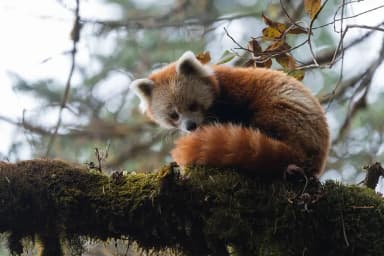
Red panda
 Kuebi = Armin Kübelbeck · CC BY-SA 3.0
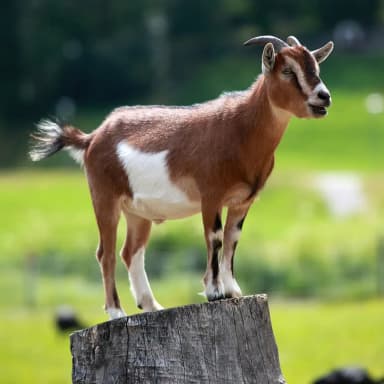
Nigerian Dwarf Goat
 Kuebi = Armin Kübelbeck · CC BY-SA 3.0
Pygmy Goat
 Steve from Washington, DC, USA · CC BY-SA 2.0
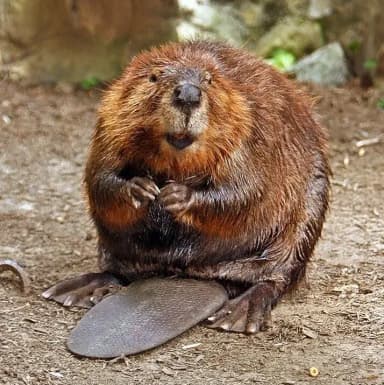
American Beaver
 Wikimedia Commons · CC BY-SA 3.0
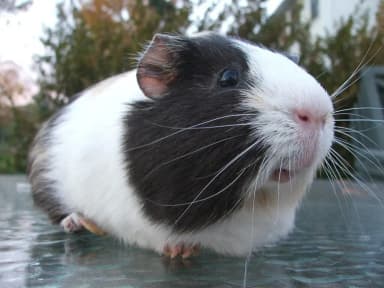
Guinea Pig
 Dick Culbert from Gibsons, B.C., Canada · CC BY 2.0
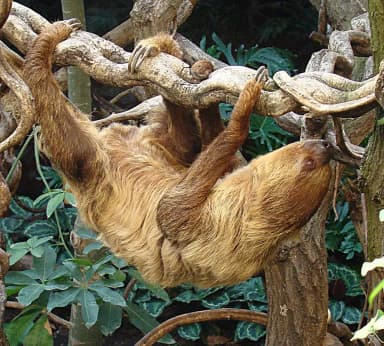
Linnaeus's Two-toed Sloth
 Wikinoobie1 · CC BY-SA 3.0
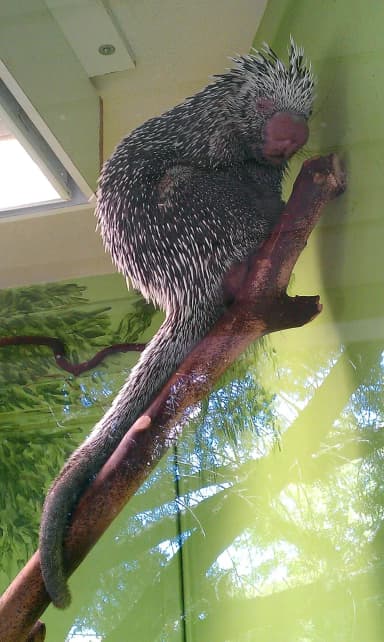
Prehensile-tailed Porcupine
 AfricanConservation · CC BY-SA 4.0
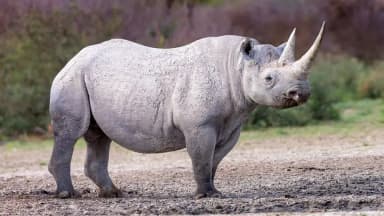
Black Rhinoceros
 Fritz Geller-Grimm · CC BY-SA 2.5
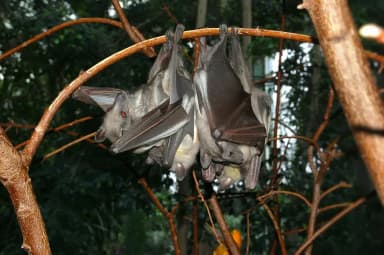
Straw-colored Fruit Bat
 Yathin S Krishnappa · CC BY-SA 3.0
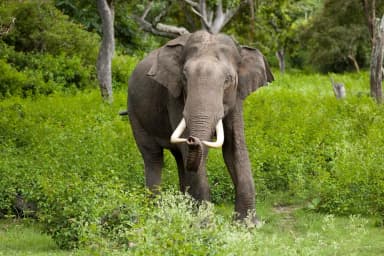
Asian Elephant
 Wikimedia Commons · Public domain
North American Porcupine
 Thomas Fuhrmann · CC BY-SA 4.0
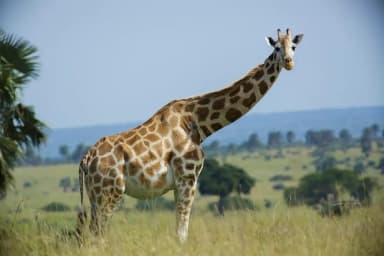
Giraffe
 Kein keen · CC BY-SA 4.0
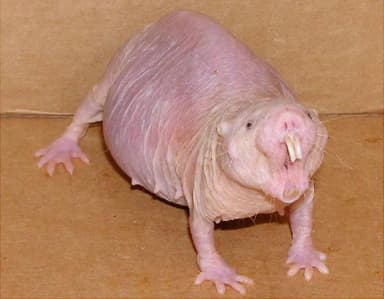
Naked Mole-rat
 Charles J. Sharp · CC BY-SA 4.0
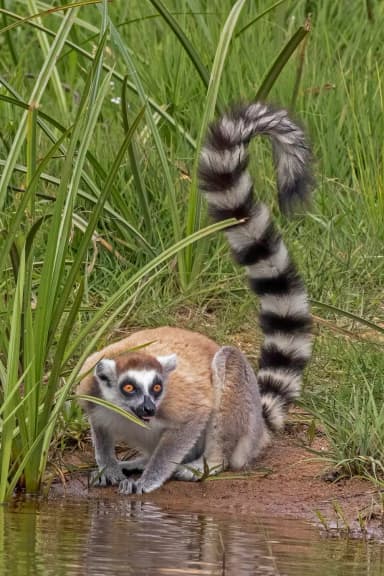
Ring-tailed Lemur
 AfricanConservation · CC BY-SA 4.0
African Wild Dog
 Hasekamp at Dutch Wikipedia · CC BY-SA 3.0
White-cheeked Gibbon
 Giles Laurent · CC BY-SA 4.0
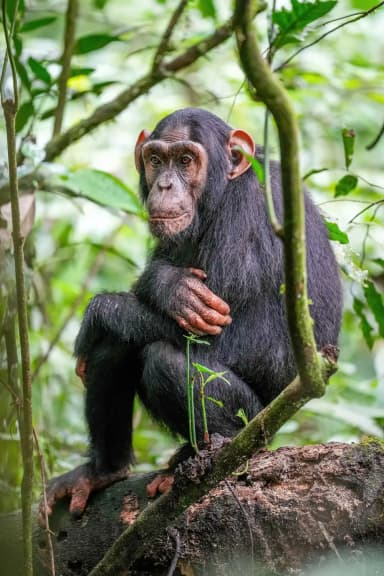
Chimpanzee
 Giles Laurent · CC BY-SA 4.0
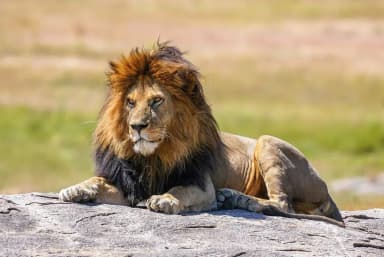
Lion
 Charles J. Sharp · CC BY-SA 4.0
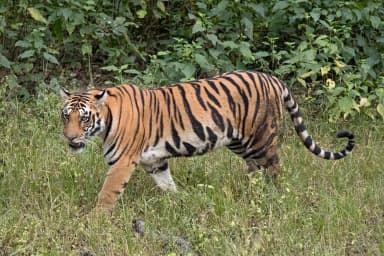
Amur tiger
 Charles J. Sharp · CC BY-SA 4.0
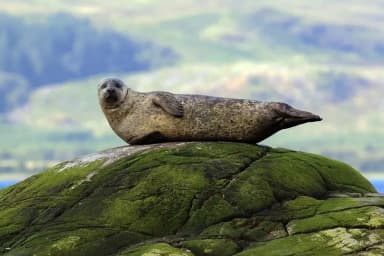
Harbor Seal
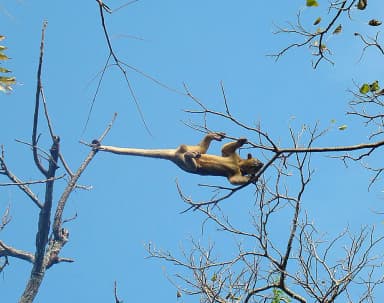 Dick Culbert from Gibsons, B.C., Canada · CC BY 2.0
Kinkajou
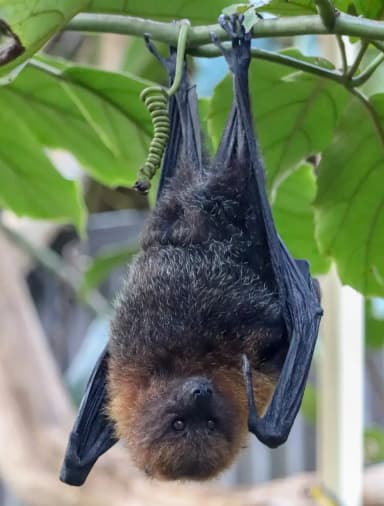 Vauxford · CC BY-SA 4.0
Rodrigues Flying Fox
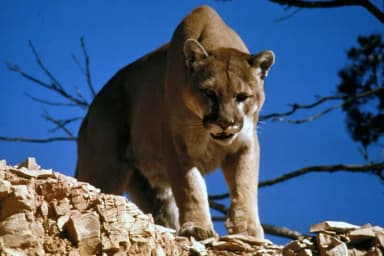 National Park Service · Public domain
Cougar
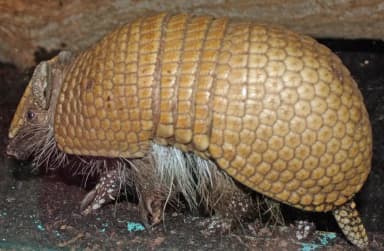 SouthernThreeBandedArmadillo065.jpg : Ltshears derivative work: WolfmanSF ( talk ) · CC BY-SA 3.0
Three-banded Armadillo
 Charles J. Sharp · CC BY-SA 4.0
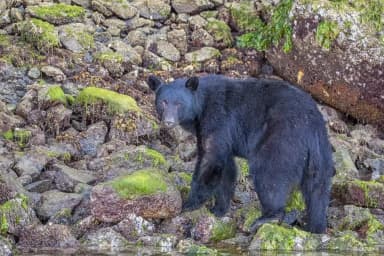
American Black Bear
 Alan Wilson · CC BY-SA 3.0
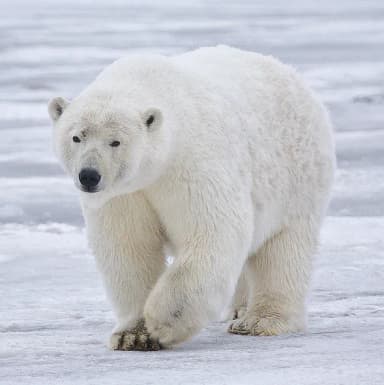
Polar Bear
 Charles J. Sharp · CC BY-SA 4.0
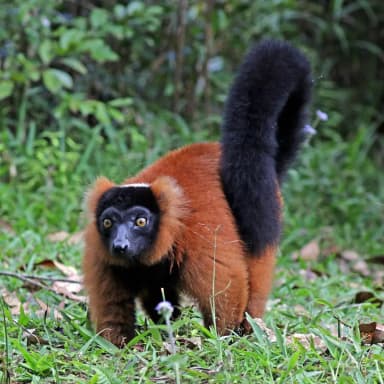
Red Ruffed Lemur
Birds57
 Chuck Homler d/b/a FocusOnwWildlife · CC BY-SA 4.0
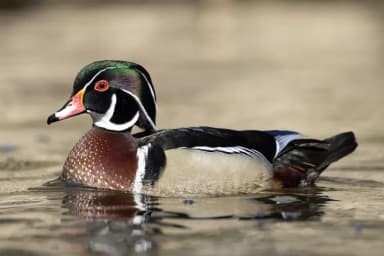
Wood Duck
 J.M.Garg · CC BY-SA 3.0
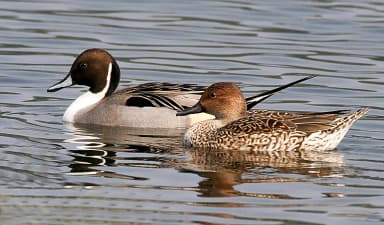
Northern Pintail
 Giles Laurent · CC BY-SA 4.0
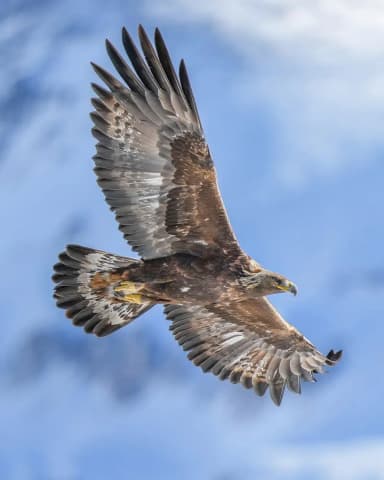
Golden Eagle
 Luc Viatour · CC BY 2.0
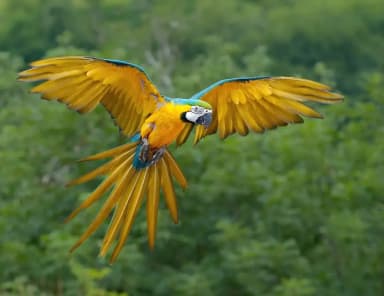
Blue-and-gold Macaw
 Judy Gallagher · CC BY 2.0
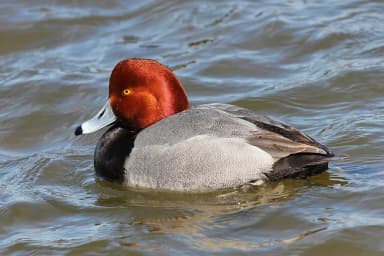
Redhead
 Diego Delso · CC BY-SA 4.0
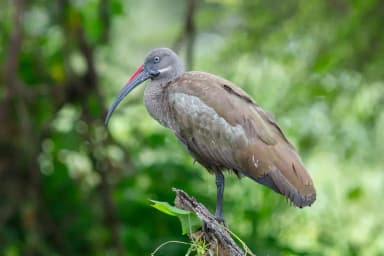
Hadada Ibis
 Chuck Homler d/b/a Focus On Wildlife · CC BY-SA 3.0
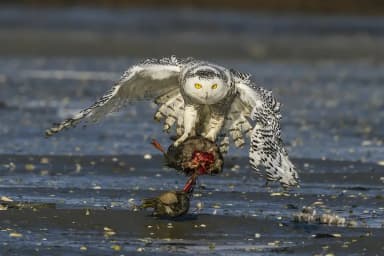
Snowy Owl
 Greg Hume · CC BY-SA 3.0
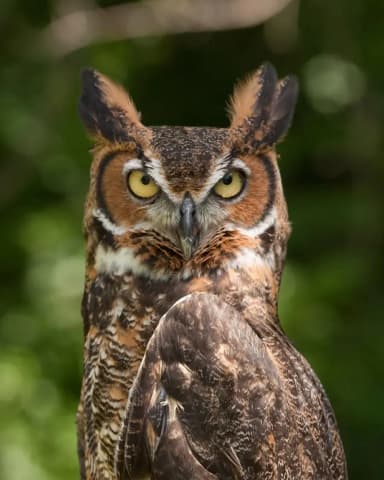
Great Horned Owl
 Chuck Homler, Focus On Wildlife · CC BY-SA 4.0
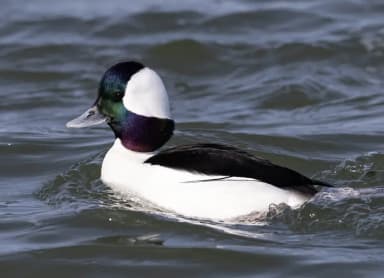
Bufflehead
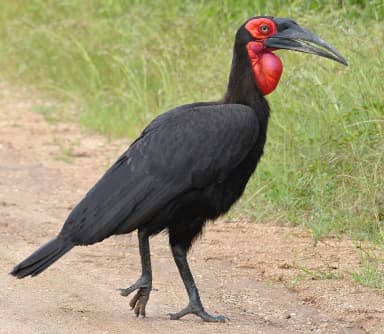 Bernard DUPONT from FRANCE · CC BY-SA 2.0
Southern Ground Hornbill
- Green-winged Teal
- Indian Runner Duck
- Ring-necked Duck
- Verreaux's Eagle-owl
- Violet-backed Starling
- Fulvous Whistling Duck
- Emerald Starling
- Purple Glossy Starling
- Grey Gull
- Gadwall
- Western Screech Owl
- Greater Flamingo
- Allen's Gallinule
- Cinnamon Teal
- Humboldt Penguin
- Tambourine Dove
Show 31 more birdsShow fewer birds
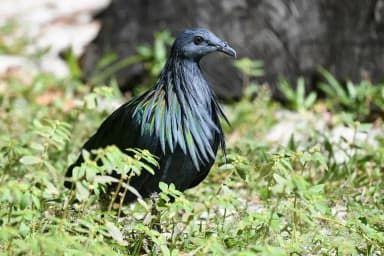 ziggypop74 · CC BY 4.0
Nicobar Pigeon
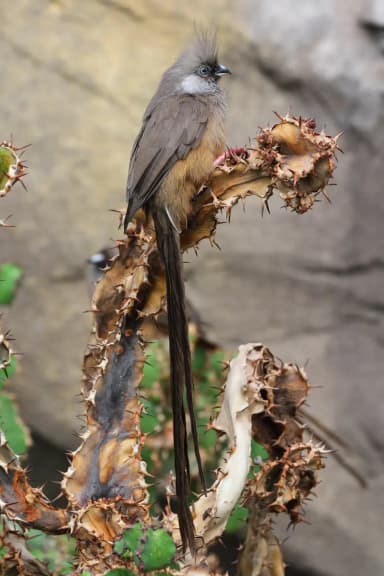 spacebirdy (also known as geimfyglið (:> )=| made with Sternenlaus -spirit) · CC BY-SA 3.0
Speckled Mousebird
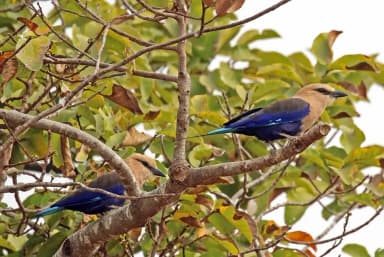 Charles J. Sharp · CC BY-SA 4.0
Blue-bellied Roller
 Charles J. Sharp · CC BY-SA 3.0
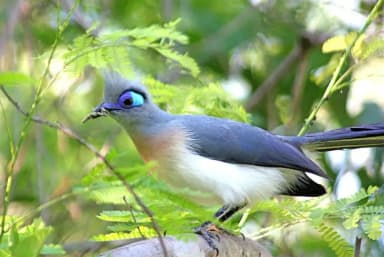
Crested Coua
 Richard Bartz, Munich Makro Freak · CC BY-SA 2.5
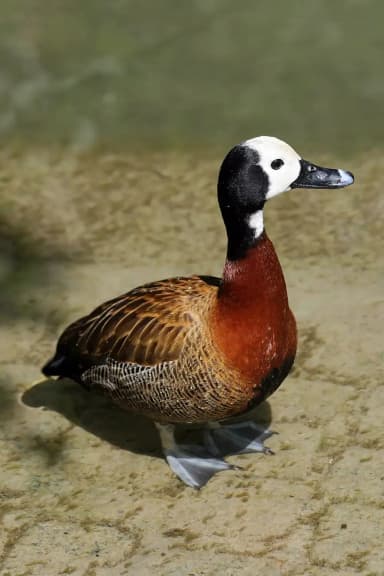
White-faced Whistling Duck
 Charles J. Sharp · CC BY-SA 4.0
White-headed Buffalo Weaver
 Channel City Camera Club from Santa Barbara, US · CC BY 2.0
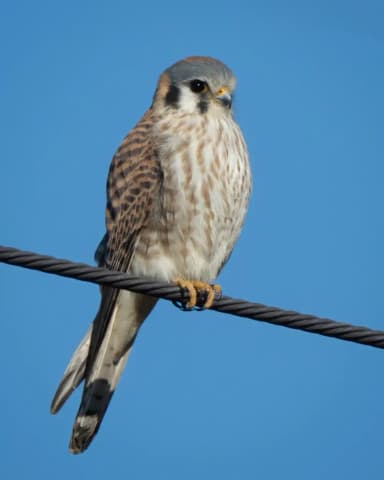
American Kestrel
 Kao-Tai · Public domain
Luzon Bleeding-heart Dove
 Len Worthington · CC BY-SA 2.0
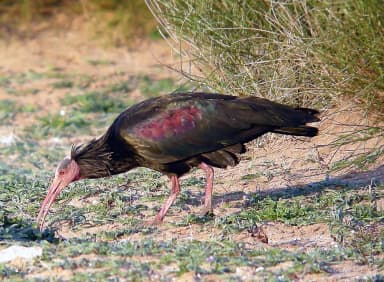
Northern Bald Ibis
 Andy Morffew from Itchen Abbas, Hampshire, UK · CC BY 2.0
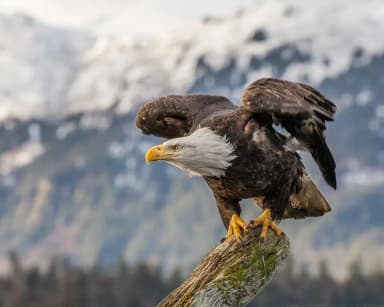
Bald Eagle
 Photo by and (C)2007 Derek Ramsey ( Ram-Man ) · CC BY-SA 2.5
Golden-breasted Starling
 Cristóbal Alvarado Minic from Cagua, Venezuela · CC BY 2.0
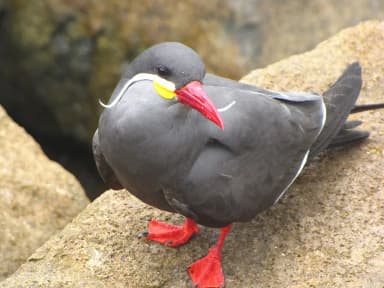
Inca Tern
 JJ Harrison · CC BY-SA 3.0
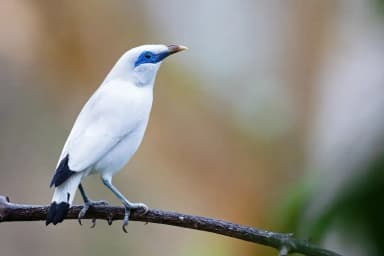
Bali Myna
 Rhododendrites · CC BY-SA 4.0
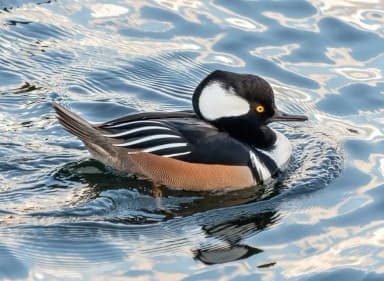
Hooded Merganser
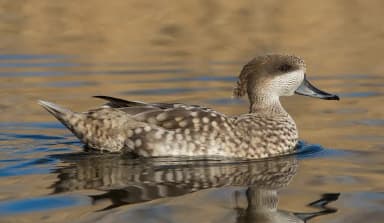 Diliff · CC BY-SA 3.0
Marbled Teal
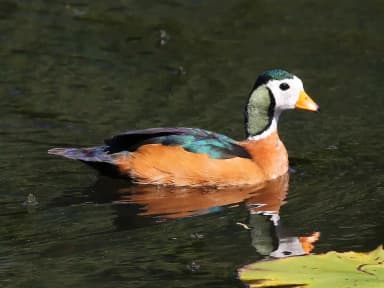 Derek Keats from Johannesburg, South Africa · CC BY 2.0
African Pygmy Goose
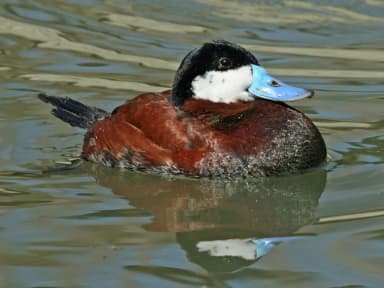 Dick Daniels ( http://carolinabirds.org/ ) · CC BY-SA 3.0
Ruddy Duck
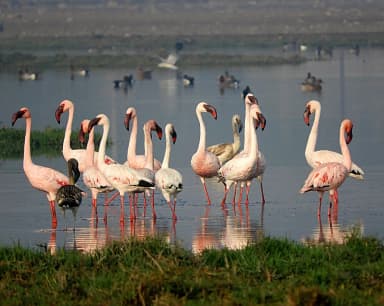 Sumita Roy Dutta · CC BY-SA 4.0
Lesser Flamingo
 Charles J. Sharp · CC BY-SA 4.0
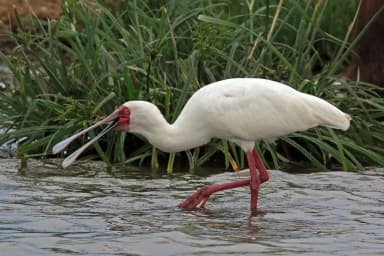
African Spoonbill
 Devin Morris · CC BY-SA 4.0
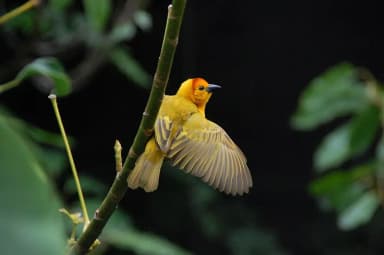
Taveta Golden Weaver
 User:Dante Alighieri · CC BY-SA 3.0
Palawan Peacock-Pheasant
 Tom Maher · CC0
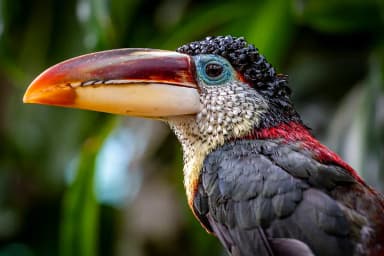
Curl-crested Aracari
 Devin Morris · CC BY-SA 4.0
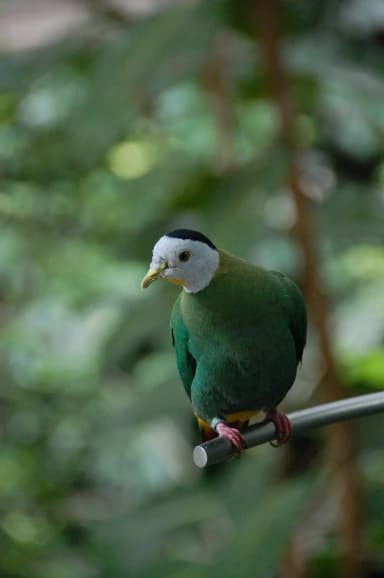
Black-naped Fruit Dove
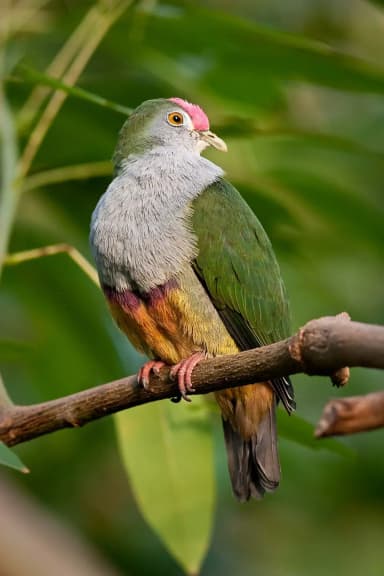 Arjan Haverkamp · CC BY 2.0
Beautiful Fruit Dove
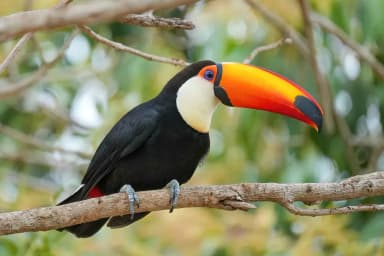 Giles Laurent · CC BY-SA 4.0
Toco Toucan
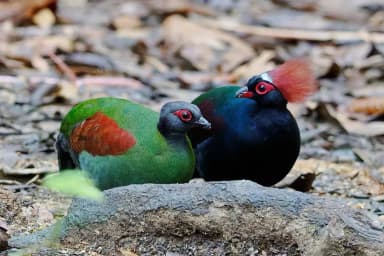 tcager · CC0
Crested Wood Partridge
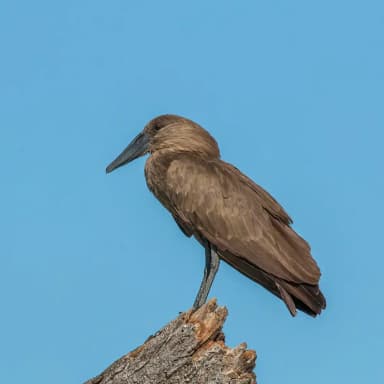 Charles J. Sharp · CC BY-SA 4.0
Hamerkop
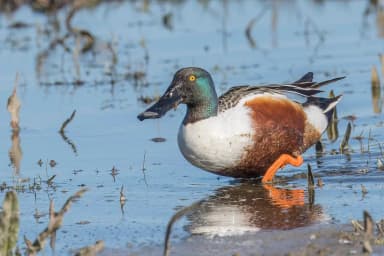 Charles J. Sharp · CC BY-SA 4.0
Northern Shoveler
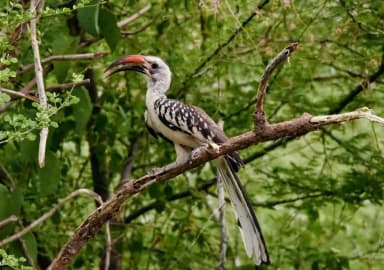 Rod Waddington from Kergunyah, Australia · CC BY-SA 2.0
Red-billed Hornbill
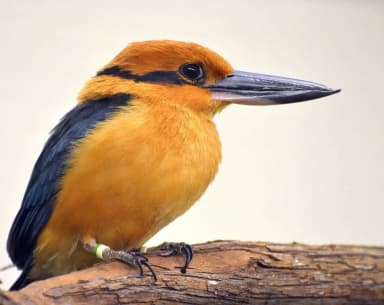 MostlyDross · CC BY 2.0
Guam Kingfisher
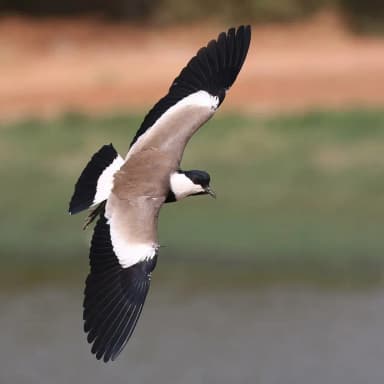 Charles J. Sharp · CC BY-SA 4.0
Spur-winged Lapwing
Reptiles18
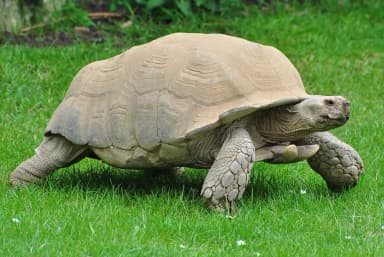 John5199 · CC BY 2.0
African Spurred Tortoise
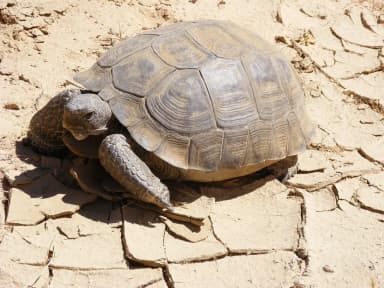 Tigerhawkvok · CC BY-SA 3.0
Desert Tortoise
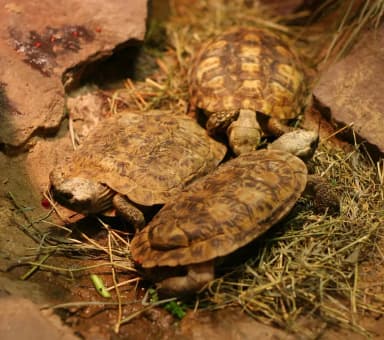 Dave Pape · Public domain
Pancake Tortoise
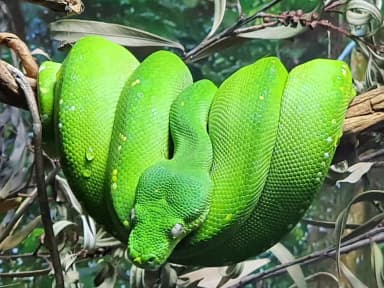 TarnishedPath · CC BY-SA 4.0
Green Tree Python
 HCA ( talk ) · CC BY-SA 3.0
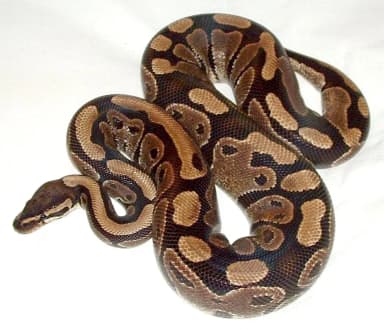
Ball Python
 Bernard DUPONT from FRANCE · CC BY-SA 2.0
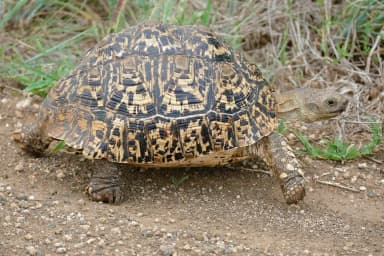
Leopard Tortoise
 Mtsackid at English Wikipedia · Public domain
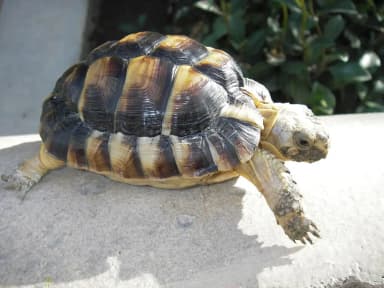
Egyptian Tortoise
 Diego Delso · CC BY-SA 4.0
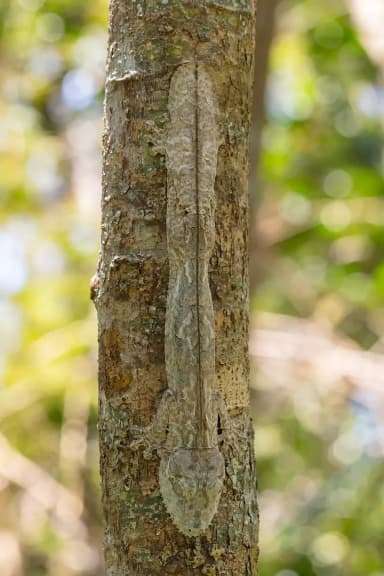
Henkel's Leaf-tailed Gecko
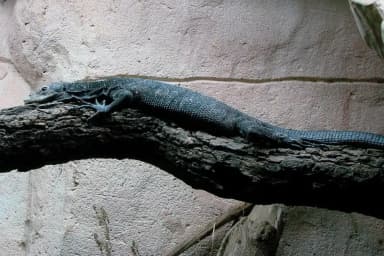 Vassil · Public domain
Black Tree Monitor
Amphibians6
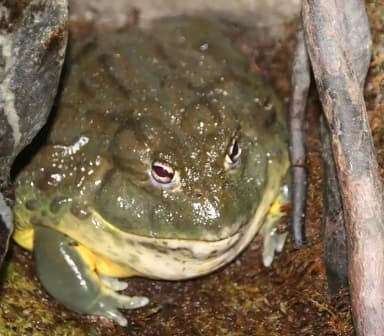
Fish15
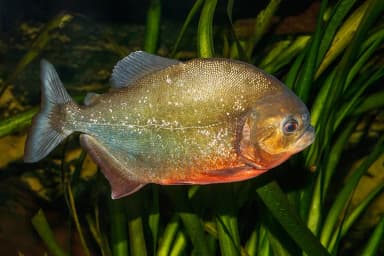
Invertebrates25
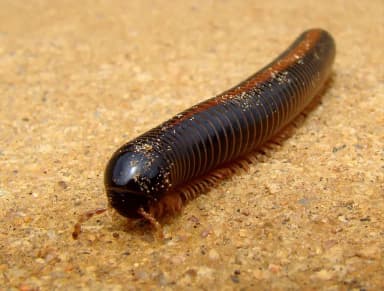 Bjørn Christian Tørrissen · CC BY-SA 3.0
Giant African Millipede
 JavAlvarezS · CC BY-SA 4.0
Blue Death-Feigning Beetle
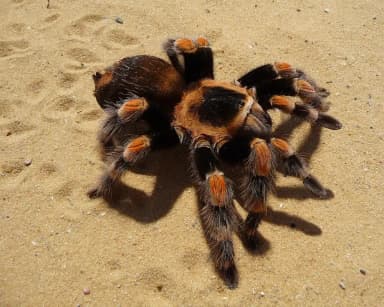 George Chernilevsky · Public domain
Mexican Red-knee Tarantula
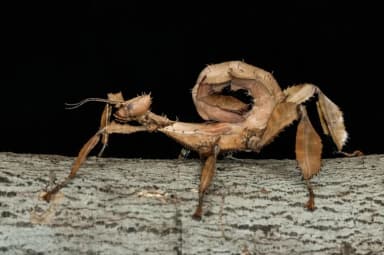 Rosa Pineda · CC BY-SA 3.0
Giant Prickly Stick Insect
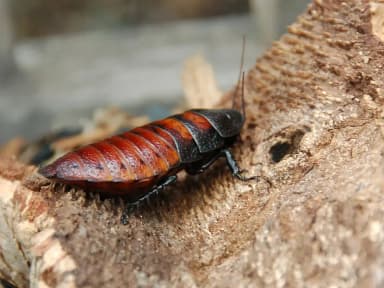 Almabes at English Wikipedia · Public domain
Madagascar Hissing Cockroach
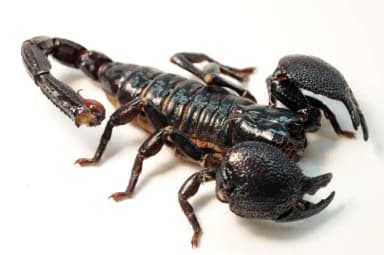 Rosa Pineda · CC BY-SA 3.0
Emperor Scorpion
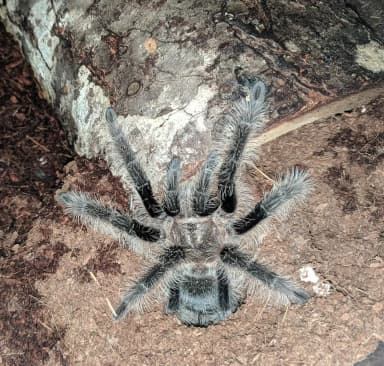 Elick11 · CC BY-SA 4.0
Curly Hair Tarantula
- Giant Green Anemone
- Taylor's Checkerspot Butterfly
- Desert Hairy Scorpion
- Jungle Nymph
- Insect
- Vinegaroon
- Vietnamese Walking Stick
- Red Sea Urchin
- Bat Star
- Black Beauty Stick Insect
- Giant Leaf Insect
- Two-spotted Assassin Bug
- Oregon Silverspot Butterfly
- Darkling Beetle
- Domino Roach
- Christmas Anemone
- White-spotted Rose Anemone
- Fish-eating Anemone
Feathers & Fangs from visitors
What people who've been to Oregon Zoo say
A Feather is something this zoo does well; a Fang is something it gets wrong. Left by people who've been, and read by us before they appear.
Loading…
About Oregon Zoo
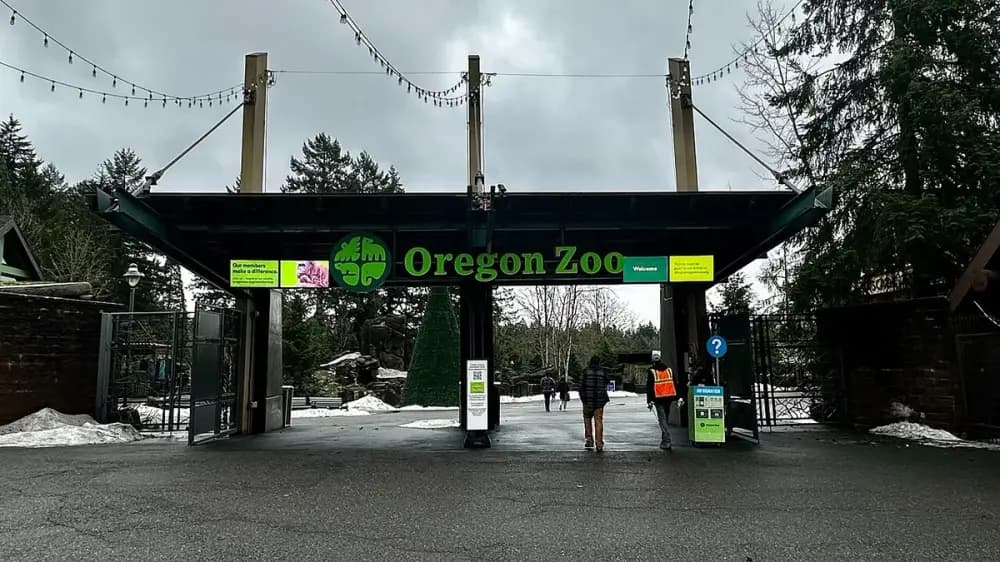
Oregon Zoo sits on 64 acres at 4001 SW Canyon Road in Portland, Oregon, inside Washington Park. It opened in 1888, making it one of the older zoos operating in the country, and it is accredited by the Association of Zoos and Aquariums. The zoo is home to roughly 1,800 animals representing about 230 species, based on figures published by the zoo, and its own species list includes everything from Asian elephants and Amur tigers to red pandas, sea otters, and dozens of smaller reptiles, birds, and invertebrates.
The zoo is organized into a set of themed habitat areas that visitors move through along a mostly one-way path, and it runs a full daily schedule of keeper talks and animal activities, including a Sunday crocodile feeding and orangutan or gibbon keeper talks. Support for the zoo's daily operations runs partly through the nonprofit Oregon Zoo Foundation, which has funded more than $100 million in initiatives and capital projects since 1997 and has received high ratings from independent evaluators Guidestar and Charity Navigator for its fundraising practices.
Beyond exhibits and daily programming, the zoo positions itself as an active partner in conservation research, a role covered in more detail below, and it draws visitors year-round with seasonal events such as ZooLights during the winter holidays.
History
Oregon Zoo opened in 1888 in Portland, Oregon, and has operated in Washington Park for well over a century since. Today the zoo covers 64 acres and holds Association of Zoos and Aquariums accreditation. The Oregon Zoo Foundation, the zoo's philanthropic arm, was established and has funded more than $100 million in projects for the zoo since 1997, supporting both the ongoing care of the animal collection and infrastructure across the grounds.
More recently, the zoo has continued to add and update its collection: 2026 news from the zoo includes the arrival of a Bali myna at the Vollum Aviary, the pairing of red pandas Enoki and Liu, and the vaccination of young Asian elephant calf Tula-Tu against elephant endotheliotropic herpesvirus (EEHV), reportedly the first elephant on the West Coast to receive that vaccine.
Exhibits and habitats
The zoo's habitats are connected along what the zoo describes as a primarily one-way path, with an in-park interactive map available to help visitors navigate and catch daily programming. Elephant Plaza is a central hub, home to Elephant Lands and an amphitheater, and sits near several of the zoo's dining locations. The Vollum Aviary houses bird species including the Bali myna, a striking white songbird recently added to the collection.
Daily keeper talks and animal encounters rotate through the exhibits, including a Sunday-only crocodile feeding and scheduled orangutan or gibbon keeper talks; the zoo notes that its animals can move freely throughout their habitats and may choose not to be visible at any given time, so no single visit looks the same as another. A zoo train and carousel, both accessible to wheelchair users, are available on-site; the train ride is a six-minute loop through the grounds, though the zoo cautions that animals may not be visible from it.
Beyond the animal habitats, the zoo hosts seasonal events on its grounds, including the winter ZooLights display, held from late November into early January, with adults-only evening sessions offered on select dates.
Animal highlights
Oregon Zoo lists at least 157 species on its website, out of a published total of roughly 230 species and about 1,800 individual animals. The collection spans large mammals such as the Asian elephant, Amur tiger, polar bear, giraffe, lion, and black rhinoceros, alongside primates including the Bornean orangutan, chimpanzee, white-cheeked gibbon, and ring-tailed lemur. Smaller and more specialized residents include the red panda, sea otter, naked mole-rat, and a long roster of birds, reptiles, amphibians, fish, and invertebrates, from the golden eagle and snowy owl to the crocodile monitor, green tree python, and Oregon spotted frog.
Several species on the list are native to the Pacific Northwest itself, including the Oregon chub, Oregon silverspot butterfly, and Taylor's checkerspot butterfly, reflecting the zoo's regional conservation work alongside its broader global collection. Recent additions highlighted by the zoo include a Bali myna at the Vollum Aviary and a pairing of red pandas, Enoki and Liu.
Conservation and programs
Oregon Zoo describes its research work as answering conservation questions that are difficult or impossible to study in the wild, and the zoo collaborates with universities, government agencies, and other zoos on both short- and long-term projects. In partnership with the U.S. Geological Survey, keepers trained polar bear Tasul to wear an accelerometer collar so researchers could match her recorded movements to her behavior, work intended to help calibrate identical collars for use on wild polar bears. Polar bear siblings Tasul and Conrad also took part in a separate USGS study measuring the proportion of land- versus marine-based prey in wild polar bear diets.
The zoo has supplied blood samples from Chendra, described as the only Borneo elephant in the western hemisphere, to a study on how habitat fragmentation affects the genetic diversity and social structure of Borneo elephants, a population the zoo notes is critically endangered and genetically distinct from other Asian elephants. Zoo sea lions were fed fish marked with tiny glass beads to help researchers develop a technique using near-infrared spectroscopy to identify fish species in wild sea lion scat, informing understanding of the animals' effect on endangered salmon runs. The zoo also fitted a turkey vulture with a non-invasive leg-loop harness on behalf of the USGS and U.S. Fish and Wildlife Service, testing a method intended for eventual use tracking California condors. Separately, the Oregon Wildlife Institute trained conservation detector dogs using water samples supplied by the zoo to help the dogs recognize the scent of western pond turtles and their nests for field surveys.
Planning your visit
The Oregon Zoo is open daily from 9:30 a.m. to 5:30 p.m., with last entry at 4:30 p.m., as listed on the zoo's website; hours shift seasonally, with earlier closing times in effect on some dates, so visitors should check before they go. Tickets must be purchased in advance online, and all guests, including children under 2, need to be included in the reservation; tickets can be booked up to 30 days ahead, and admission is allowed up to 30 minutes after the scheduled entry time.
For getting around, the zoo publishes an in-park interactive map with real-time location sharing, and it recommends downloading the map ahead of a visit. Wheelchairs and mobility scooters can be rented on-site on a first-come, first-served basis, and the zoo is served directly by TriMet's MAX light rail, with the Washington Park station adjacent to the parking lot; the train accommodates wheelchairs and service animals. The zoo is a KultureCity Certified Sensory Inclusive Venue and offers free sensory bags with noise-canceling headphones, sunglasses, fidget tools, and weighted lap pads, along with a visit-planning social story for guests who want to know what to expect in advance. Adult changing tables are available at three plaza restroom locations.
For food, the zoo has several dining spots including Cascade Cafe near the entrance, Aviary Cafe near Elephant Plaza, Elephant Ears (a zoo signature treat for more than 35 years), Trailhead Snacks, Brat Haus, and Growler's Pizza, most open across the late morning and afternoon. As always, confirm current hours, ticket requirements, and event schedules on the official Oregon Zoo website before visiting.
What we haven't confirmed
Everything above came from public sources. These specifics we haven't stood behind yet:
- General adult and child ticket prices
- Parking cost and location details
- Total time typically needed for a visit
- Phone number for general inquiries
Oregon Zoo compared with nearby zoos
How Oregon Zoo lines up against the closest zoos we have details for — useful if you're deciding between them for the same day out.
| Zoo | Distance | Admission | Hours | Size | AZA |
|---|---|---|---|---|---|
| Oregon ZooThis zooPortland, OR | — | $26 | Sept 8 – Oct 31: daily 9:30 AM – 5:30 PM (last entry 4:30 PM). Oct 1, 2026 (closed for AZA conference); Nov 26; Dec 25. | 64 acres | Yes |
| Northwest TrekEatonville, WA | 100 mi | $25–$32 | — | 723 acres | Yes |
| Cascades Raptor CenterEugene, OR | 107 mi | $16 | TEMPORARILY CLOSED to visitors beginning Mon Sep 7, 2026 for approximately 8 weeks (site renovations). Normal hours: Tue–Sun 10:00 AM – 5:00 PM, closed Mondays. Closed to visitors from Sep 7, 2026 for ~8 weeks; Mondays (except Memorial Day); Thanksgiving, Christmas Eve, Christmas Day. | — | No |
| Cougar Mountain ZooIssaquah, WA | 144 mi | $18 | 9:30AM – 5:00PM | 11 acres | No |
Distances are straight-line. A dash means we haven't confirmed that detail yet, not that the zoo lacks it.
AZAThe Association of Zoos and Aquariums. Accredited members have passed an independent inspection of animal care and welfare, safety, conservation and education, repeated every five years. Many smaller facilities never apply, so “not accredited” isn't a verdict on its own. What accreditation means · How we check this
Oregon Zoo: common questions
Is Oregon Zoo AZA accredited?
Yes, it is accredited by the Association of Zoos and Aquariums.
How big is the Oregon Zoo?
The zoo covers 64 acres in Portland's Washington Park.
When did the zoo open?
It opened in 1888.
How many animals and species does the zoo have?
The zoo publishes figures of roughly 1,800 animals and about 230 species, with at least 157 species listed on its own website.
Do I need to buy tickets in advance?
Yes, the zoo asks visitors to purchase tickets online ahead of time, with all guests included in the reservation.
Is the zoo accessible by public transit?
Yes, the TriMet MAX light rail stops directly adjacent to the zoo's parking lot at the Washington Park station.
Is the zoo stroller and wheelchair accessible?
Wheelchairs and mobility scooters are available to rent on-site, and the zoo train and carousel are both wheelchair accessible.
Something wrong here? Tell us — we correct in place, with a dated note.