- Where to see one
- 5 U.S. zoos in our directory hold northern leopard frog, confirmed against each zoo's own animal list.
Conservation status
Not Evaluated
This species has not been assessed for the IUCN Red List, so it sits outside the threat scale entirely.
About the northern leopard frog
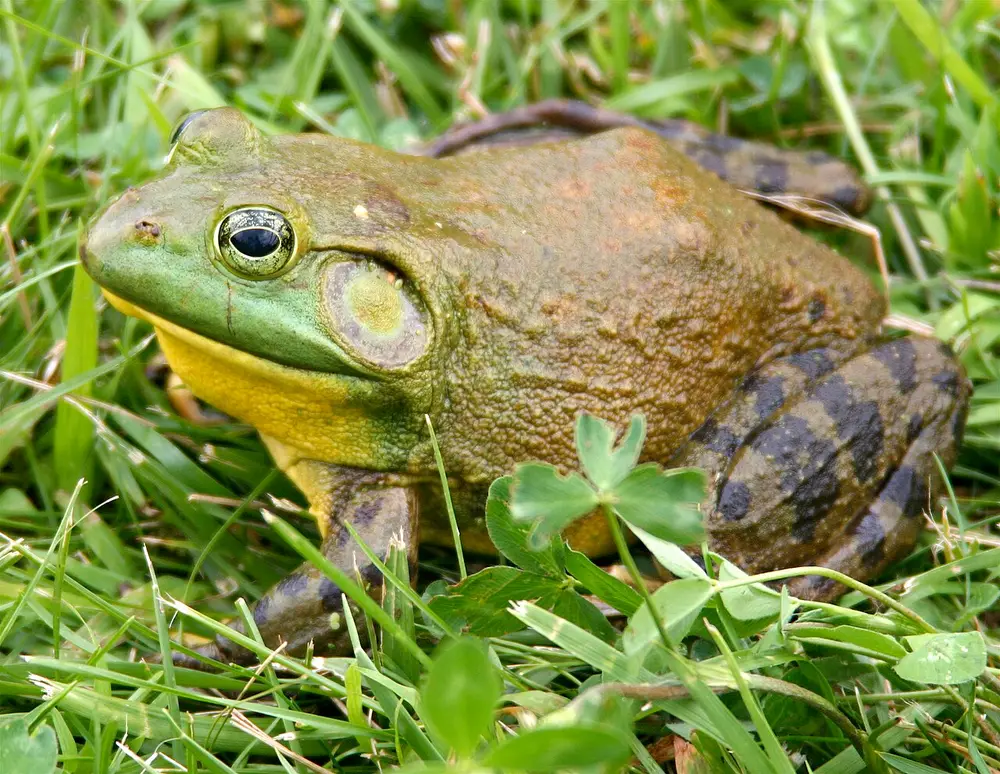
The northern leopard frog is a fairly large true frog native to parts of Canada and the United States, reaching about 11 cm from snout to vent. It is green or brown with dark, light-ringed spots and a pair of pale folds running down the back. Its range runs from Great Slave Lake and Hudson Bay south to Kentucky and New Mexico, in ponds, marshes, grasslands and slow streams. In summer it often moves into grassy areas and lawns. It eats crickets, flies, worms and smaller frogs, and can even swallow birds and garter snakes. Many populations declined from the 1970s and have not yet recovered.
Northern Leopard Frog facts
- It is the state amphibian of both Minnesota and Vermont.
- A female can lay up to 6500 eggs in the water in spring.
- Ranpirnase, an enzyme from its oocytes, has been in clinical trials as a treatment for some tumours.
- It does not make distasteful skin secretions and relies on speed to escape predators.
Where to see northern leopard frog in the U.S.
5 zoos across 4 states
Find the closest one
Rank the 5 zoos holding northern leopard frog by how far they are from you. Your location is used in your browser to sort this list and is never sent to us.
AZAThe Association of Zoos and Aquariums. Accredited members have passed an independent inspection of animal care and welfare, safety, conservation and education, repeated every five years. Many smaller facilities never apply, so “not accredited” isn't a verdict on its own. What accreditation means · How we check this
Built from each zoo's own published animal list.