
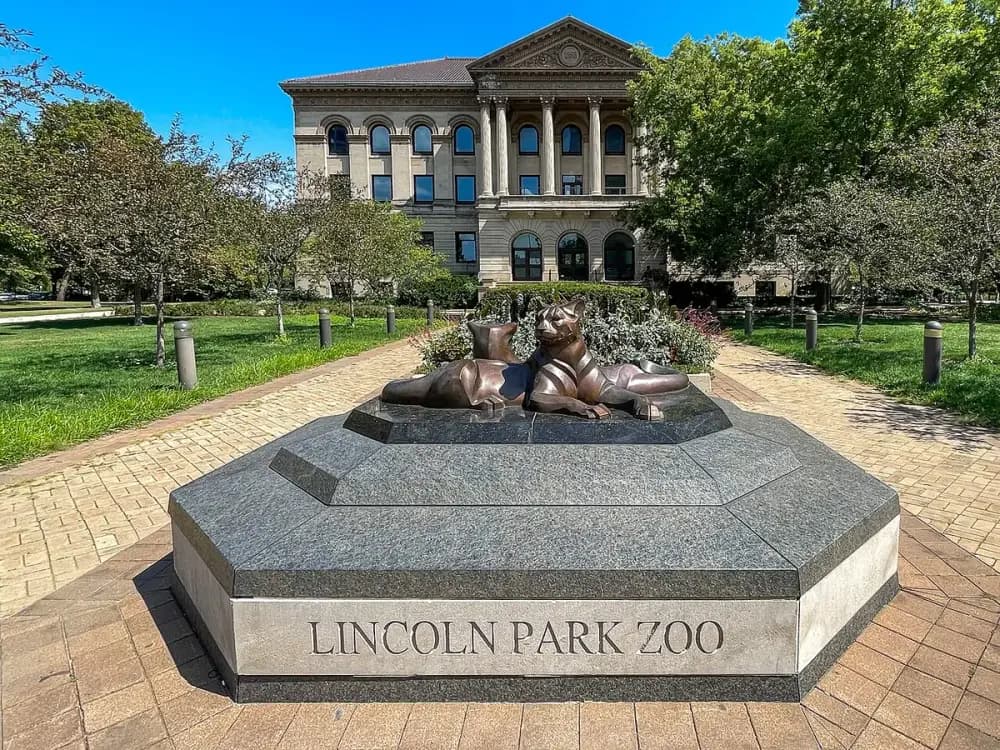
- Admission
- Free
- Size
- 35 acres
- Animals
- 1,100
- Opened
- 1868
- Accreditation
- AZA
Association of Zoos and Aquariums
Everything below is directory information drawn from public sources and the zoo's own site.
Animals at Lincoln Park Zoo
144 of the ~200 species this zoo listsMammals55
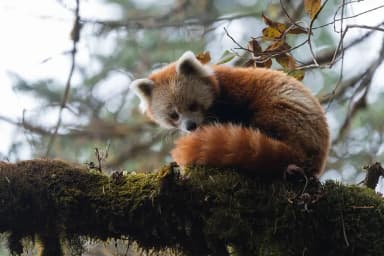 Sunuwargr · CC BY-SA 4.0
Red panda
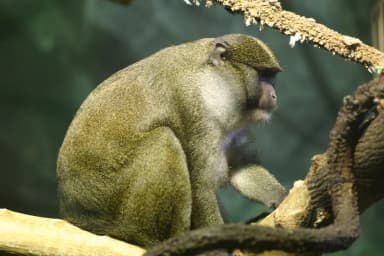 Grendelkhan · CC BY-SA 3.0
Allen's Swamp Monkey
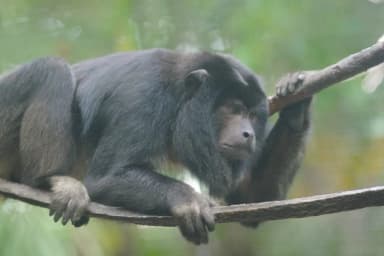 Ryan E. Poplin · CC BY-SA 2.0
Black Howler Monkey
 Smaack · CC BY-SA 4.0
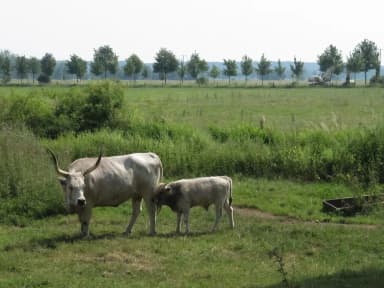
Cow
 Yathin S Krishnappa · CC BY-SA 3.0
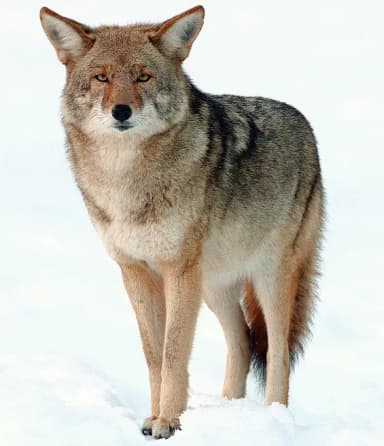
Coyote
 LaggedOnUser · CC BY-SA 2.0
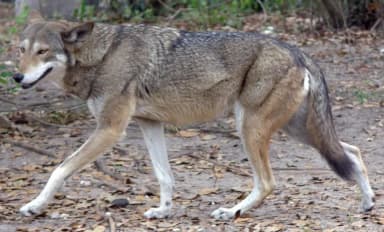
Red Wolf
 Kuebi = Armin Kübelbeck · CC BY-SA 3.0
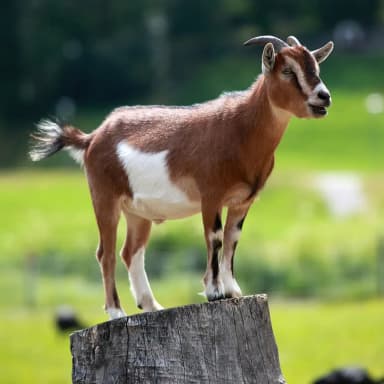
Goat
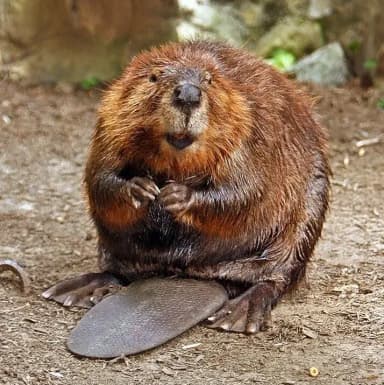 Steve from Washington, DC, USA · CC BY-SA 2.0
American Beaver
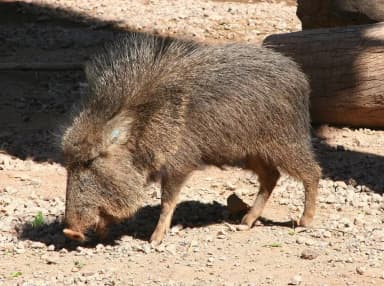 Dave Pape · Public domain
Chacoan Peccary
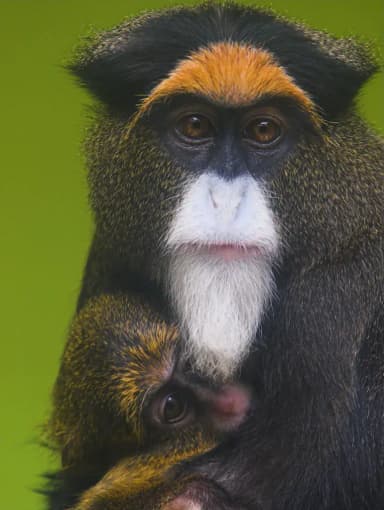 su neko · CC BY 2.0
De Brazza's Monkey
- Asian Small-clawed Otter
- Sichuan Takin
- Diana Monkey
- Bat
- Eastern Black Rhinoceros
- Grevy's Zebra
- Moholi Bushbaby
- Western Lowland Gorilla
- Gray Seal
- Cactus Mouse
- Egyptian Fruit Bat
- Pied Tamarin
- Francois' Langur
Show 32 more mammalsShow fewer mammals
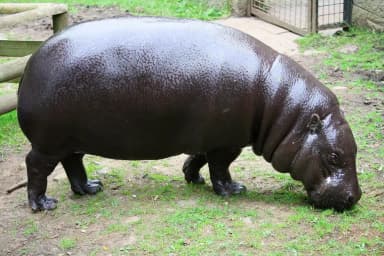 Bardrock · CC BY-SA 3.0
Pygmy Hippopotamus
 Jsfouche · CC BY-SA 3.0
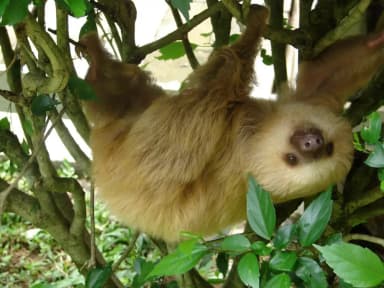
Hoffmann's Two-toed Sloth
 Wikinoobie1 · CC BY-SA 3.0
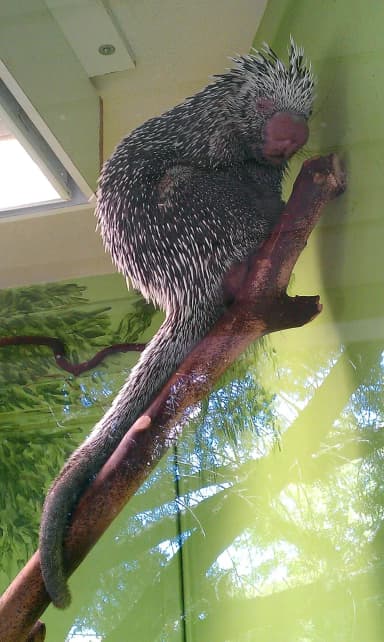
Prehensile-tailed Porcupine
 Tuxyso · CC BY-SA 3.0
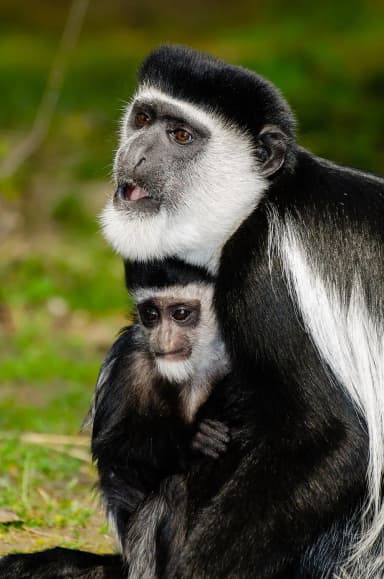
Black-and-white Colobus
 Lilly M · CC BY-SA 3.0
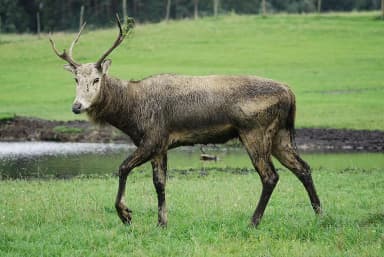
Père David's Deer
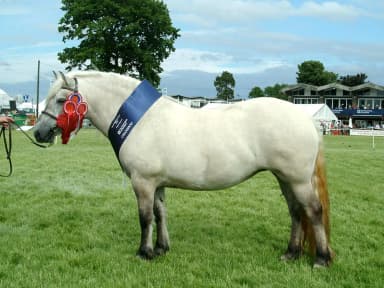 Confuslefu at English Wikipedia · Public domain
Pony
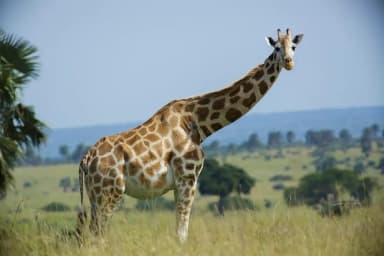 Thomas Fuhrmann · CC BY-SA 4.0
Giraffe
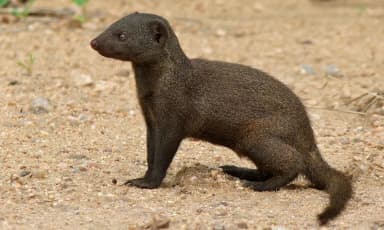 Bernard DUPONT from FRANCE · CC BY-SA 2.0
Dwarf Mongoose
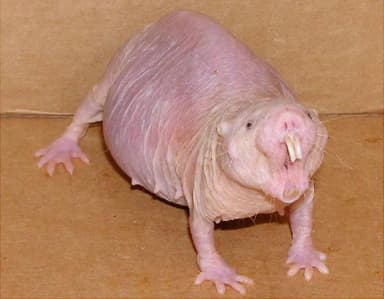 Kein keen · CC BY-SA 4.0
Naked Mole-rat
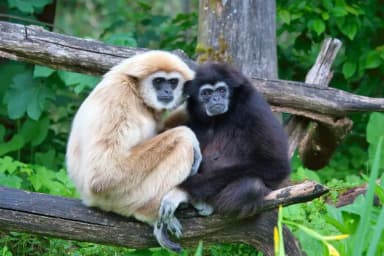 User:MatthiasKabel · CC BY 2.5
White-handed Gibbon
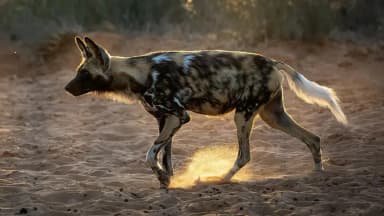 AfricanConservation · CC BY-SA 4.0
African Wild Dog
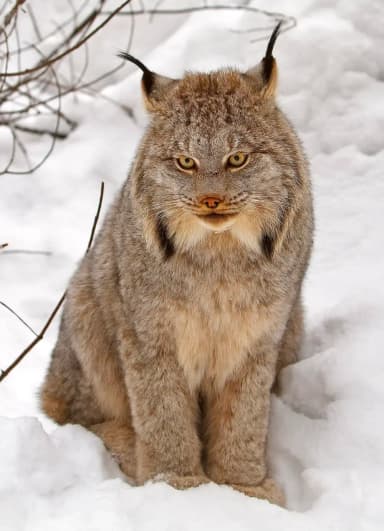 Michael Zahra · CC BY-SA 3.0
Canada Lynx
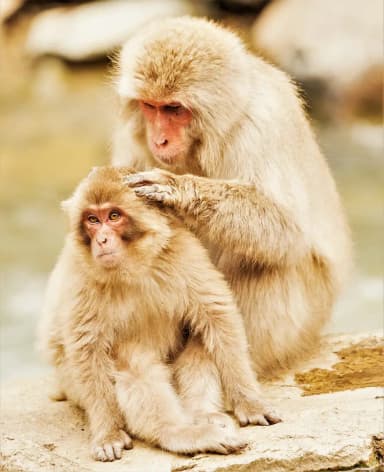 Rocktendo & Adam Gman · CC BY-SA 4.0
Japanese Macaque
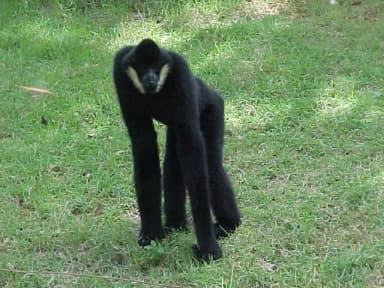 Hasekamp at Dutch Wikipedia · CC BY-SA 3.0
White-cheeked Gibbon
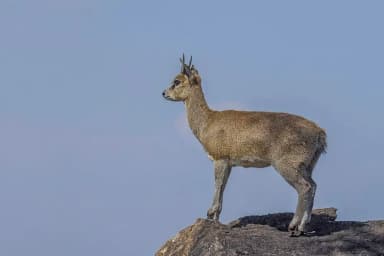 Charles J. Sharp · CC BY-SA 4.0
Klipspringer
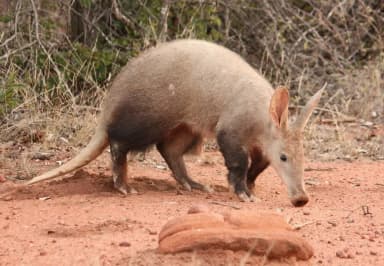 Kelly Abram · CC BY 4.0
Aardvark
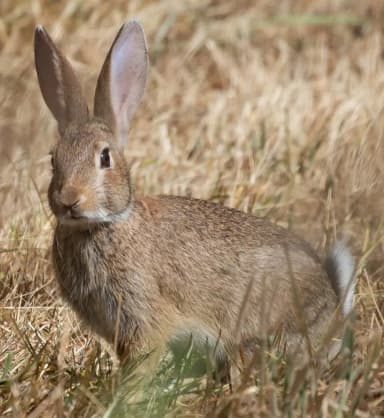 euqirneto · CC BY 4.0
Domestic Rabbit
 Giles Laurent · CC BY-SA 4.0
Chimpanzee
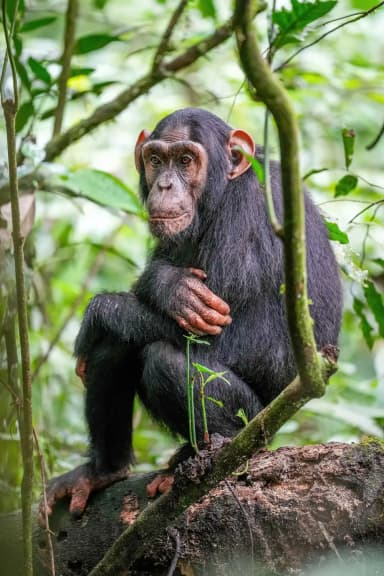
 Giles Laurent · CC BY-SA 4.0
Lion
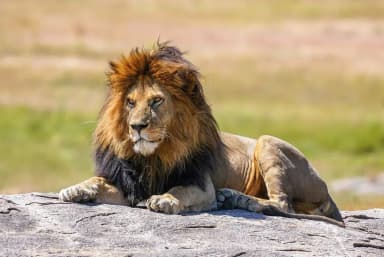
 Irbis1983 · Public domain
Snow Leopard
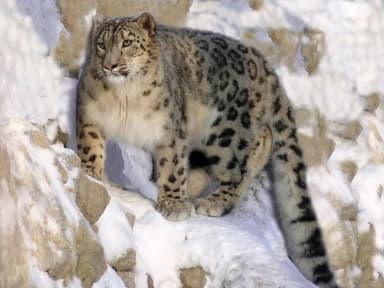
 Charles J. Sharp · CC BY-SA 4.0
Harbor Seal
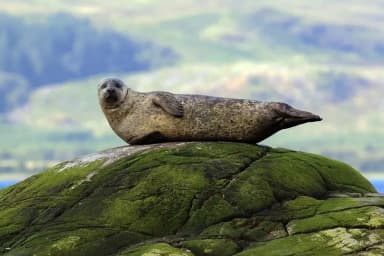
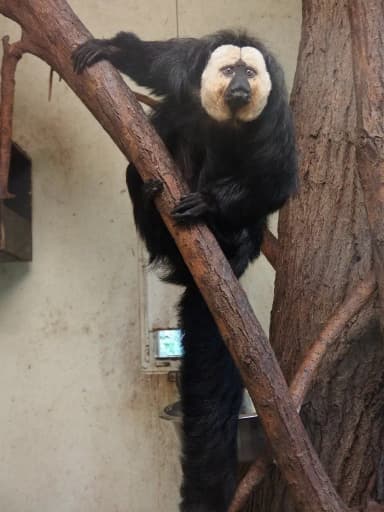 Jik jik · CC BY-SA 4.0
White-faced Saki
 Jack Hynes · CC BY-SA 3.0
Bolivian Gray Titi Monkey
 Brocken Inaglory · CC BY-SA 3.0
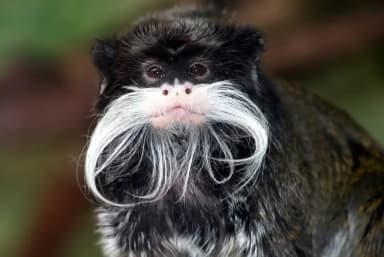
Emperor Tamarin
 Charles J. Sharp · CC BY-SA 4.0
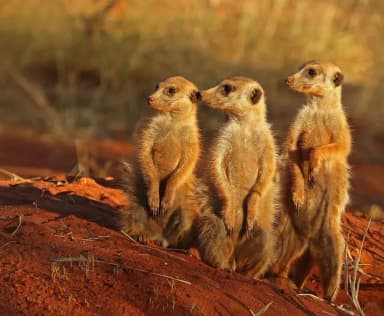
Meerkat
 Sheila1988 · CC BY-SA 4.0
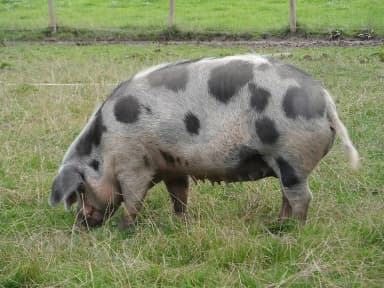
Pig
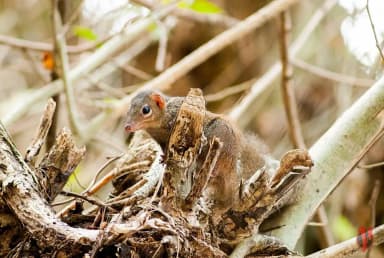 Long Vu · CC BY 4.0
Northern Tree Shrew
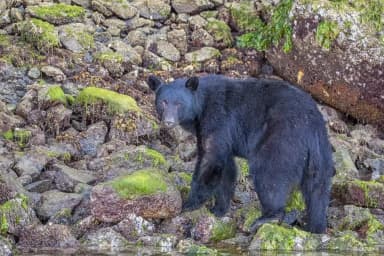 Charles J. Sharp · CC BY-SA 4.0
American Black Bear
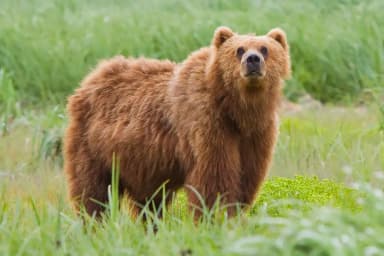 Yathin S Krishnappa · CC BY-SA 3.0
Grizzly bear
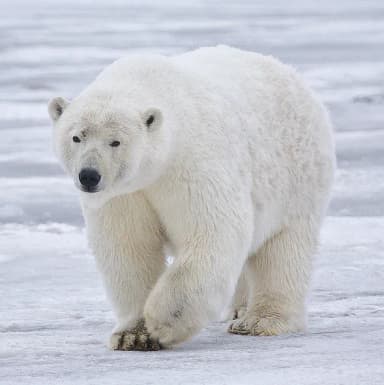 Alan Wilson · CC BY-SA 3.0
Polar Bear
 KKPCW · CC BY-SA 4.0
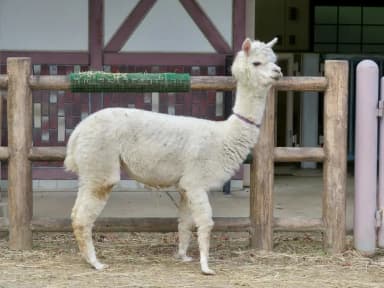
Alpaca
 David Haring / Duke Lemur Center · CC BY-SA 3.0
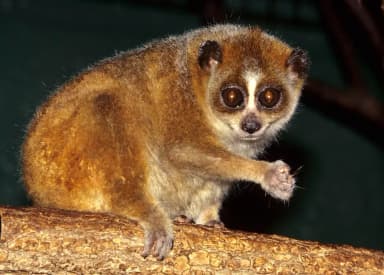
Pygmy Slow Loris
Birds58
 Juan Lacruz · CC BY-SA 3.0
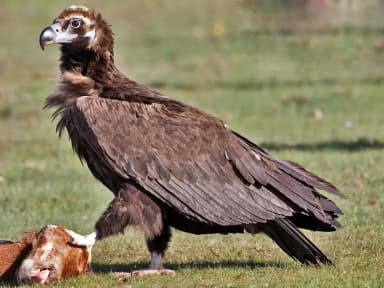
Cinereous Vulture
 J.M.Garg · CC BY-SA 3.0
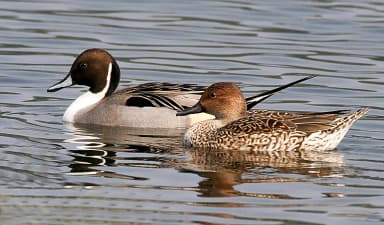
Northern Pintail
 Sun Jiao (Interaccoonale) · CC BY 4.0
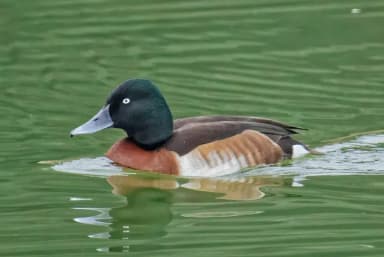
Baer's Pochard
 Diego Delso · CC BY-SA 4.0
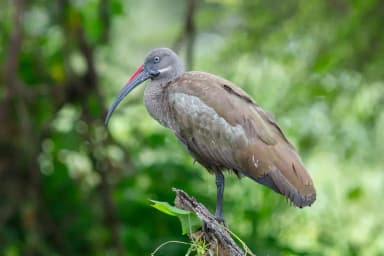
Hadada Ibis
 Chuck Homler d/b/a Focus On Wildlife · CC BY-SA 3.0
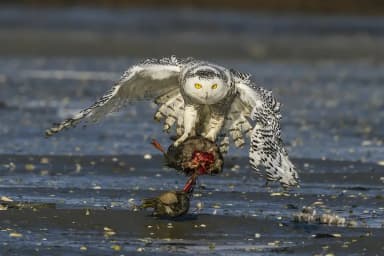
Snowy Owl
 Wikimedia Commons · Public domain
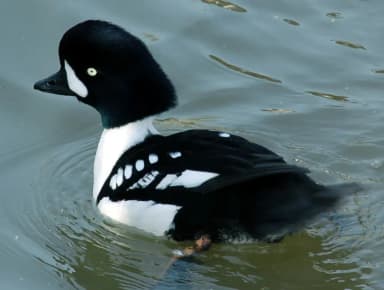
Barrow's Goldeneye
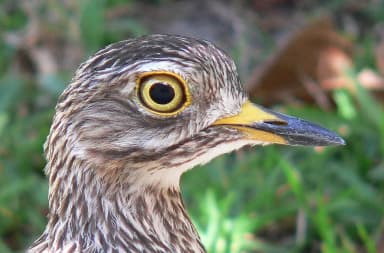 Maciej · CC BY-SA 3.0
Cape Thick-knee
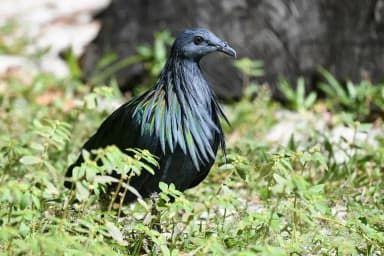 ziggypop74 · CC BY 4.0
Nicobar Pigeon
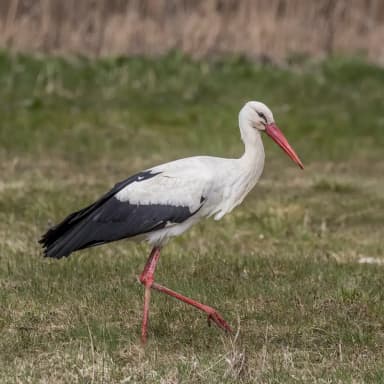 Charles J. Sharp · CC BY-SA 4.0
White Stork
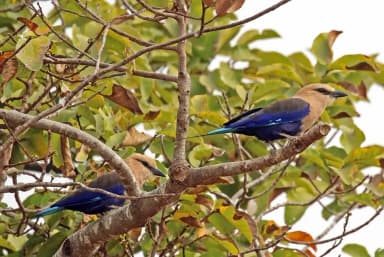 Charles J. Sharp · CC BY-SA 4.0
Blue-bellied Roller
- Puerto Rican Parrot
- Swan Goose
- Green Broadbill
- Abdim's Stork
- White-rumped Shama
- Snowy-crowned Robin Chat
- Emerald Starling
- Red-billed Leiothrix
- Red-capped Cardinal
- Songbird
- Chilean Flamingo
- Jambu Fruit Dove
- American Avocet
- Kagu
- Blue-billed Teal
- Collared Finchbill
- Blue-gray Tanager
Show 31 more birdsShow fewer birds
 Jakub Fryš · CC BY-SA 4.0
Trumpeter Swan
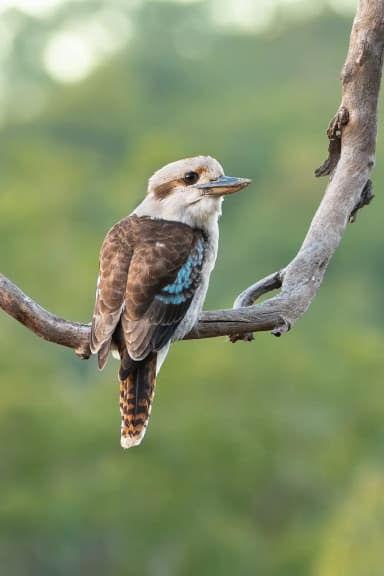 Photo by: Paulweberphoto - paulweberphoto.com · CC BY 4.0
Laughing Kookaburra
 Charles J. Sharp · CC BY-SA 4.0
White-headed Buffalo Weaver
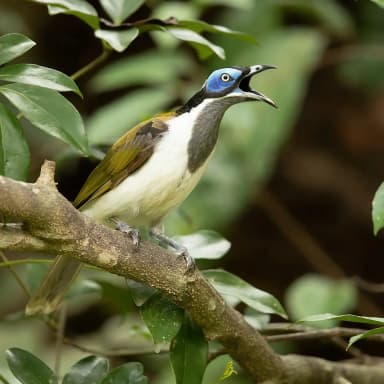 JJ Harrison · CC BY-SA 4.0
Blue-faced Honeyeater
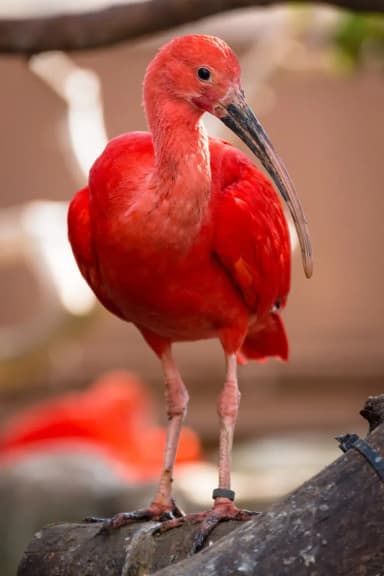 Rafa Esteve · CC BY-SA 4.0
Scarlet Ibis
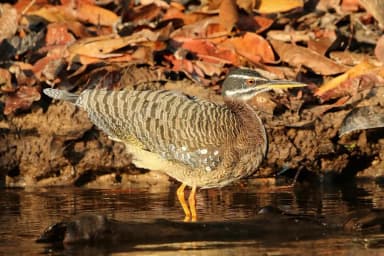 Charles J. Sharp · CC BY-SA 4.0
Sunbittern
 Kao-Tai · Public domain
Luzon Bleeding-heart Dove
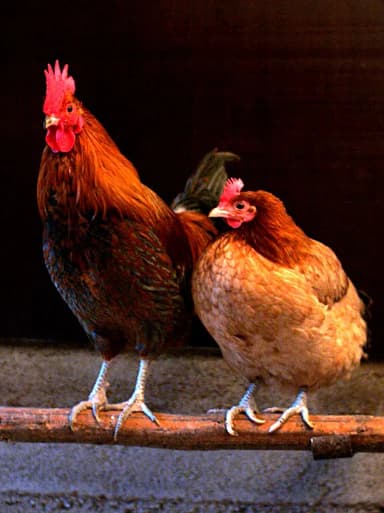 Andrei Niemimäki from Turku, Finland · CC BY-SA 2.0
Chicken
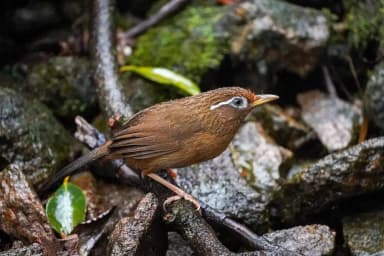 Sun Jiao (Interaccoonale) · CC BY 4.0
Chinese Hwamei
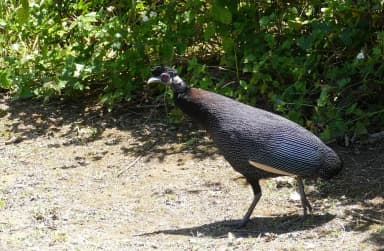 Bernard Dupont · CC BY-SA 2.0
Crested Guineafowl
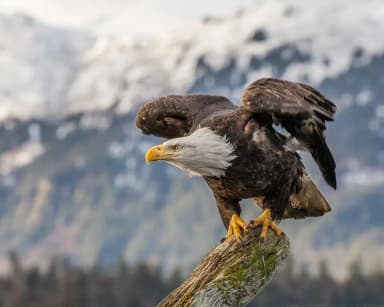 Andy Morffew from Itchen Abbas, Hampshire, UK · CC BY 2.0
Bald Eagle
 Frank Schulenburg · CC BY-SA 3.0
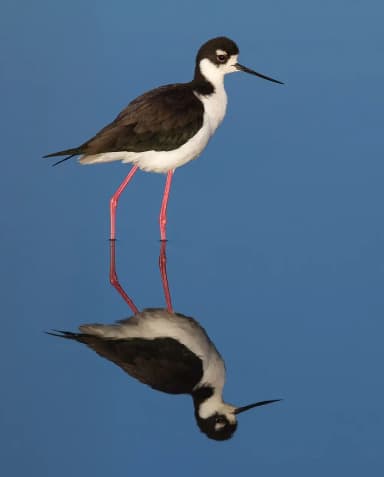
Black-necked Stilt
 Photo by and (C)2007 Derek Ramsey ( Ram-Man ) · CC BY-SA 2.5
Golden-breasted Starling
 Cristóbal Alvarado Minic from Cagua, Venezuela · CC BY 2.0
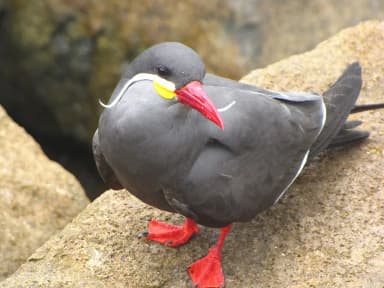
Inca Tern
 JJ Harrison · CC BY-SA 3.0
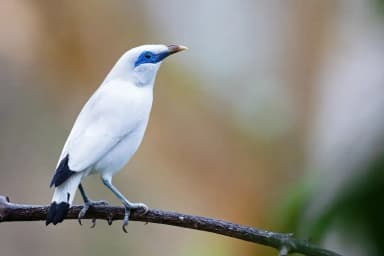
Bali Myna
 Rhododendrites · CC BY-SA 4.0
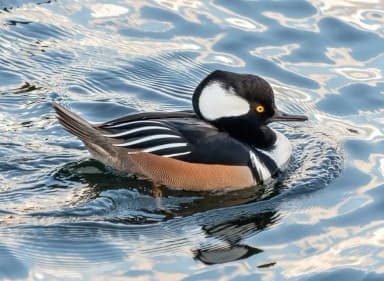
Hooded Merganser
 DickDaniels ( http://theworldbirds.org/ ) · CC BY-SA 3.0
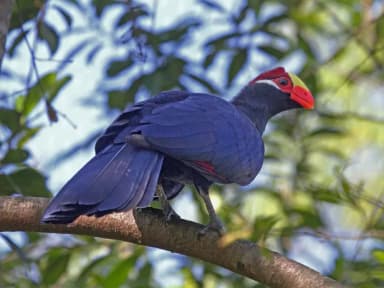
Violet Turaco
 Greg5030 · CC BY-SA 3.0
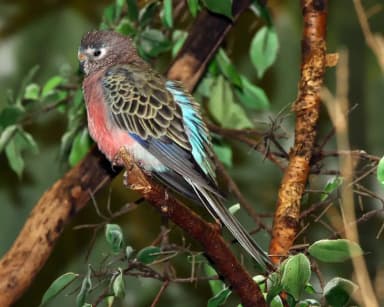
Bourke's Parrot
 ramidos · CC BY 4.0
Black-crowned Night Heron
 Dick Daniels ( http://carolinabirds.org/ ) · CC BY-SA 3.0
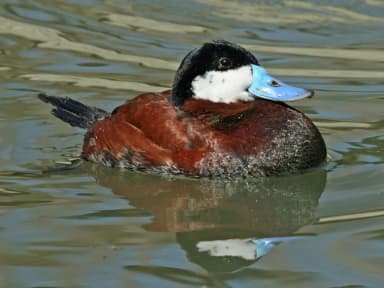
Ruddy Duck
 Greg Hume · CC BY-SA 3.0
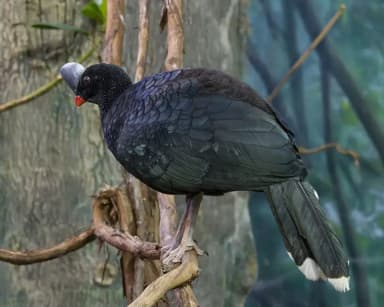
Helmeted Curassow
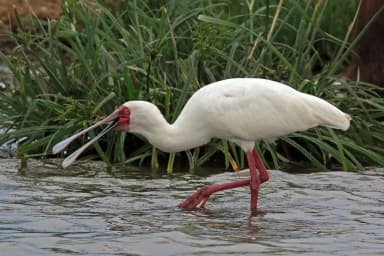 Charles J. Sharp · CC BY-SA 4.0
African Spoonbill
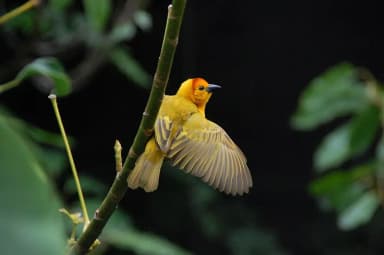 Devin Morris · CC BY-SA 4.0
Taveta Golden Weaver
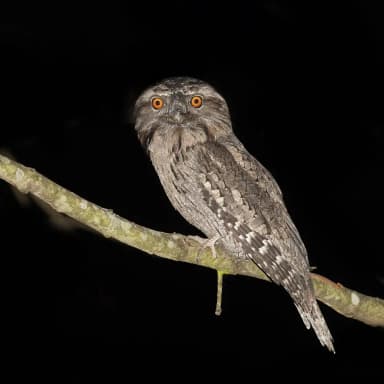 JJ Harrison ( https://www.jjharrison.com.au/ ) · CC BY-SA 4.0
Tawny Frogmouth
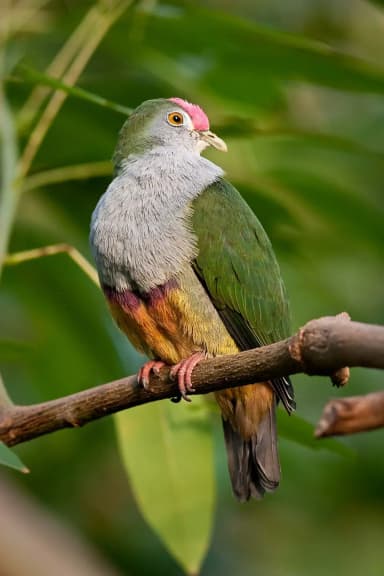 Arjan Haverkamp · CC BY 2.0
Beautiful Fruit Dove
 tcager · CC0
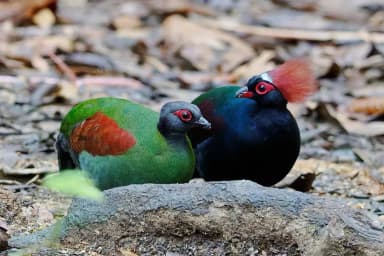
Crested Wood Partridge
 Charles J. Sharp · CC BY-SA 4.0
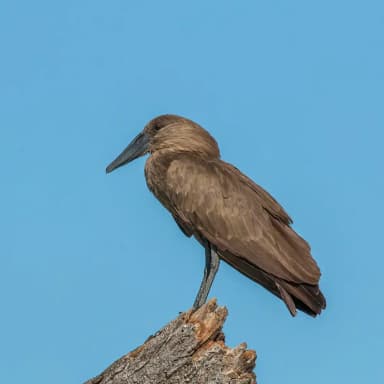
Hamerkop
 Matti Blume · CC BY-SA 4.0
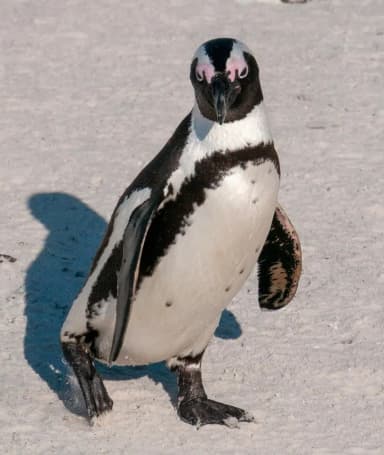
African penguin
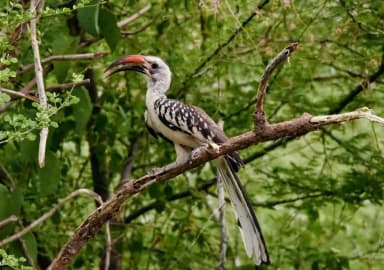 Rod Waddington from Kergunyah, Australia · CC BY-SA 2.0
Red-billed Hornbill
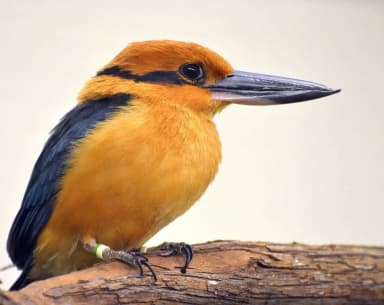 MostlyDross · CC BY 2.0
Guam Kingfisher
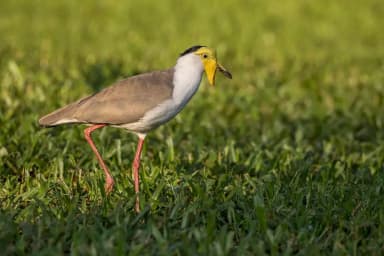 Charles J. Sharp · CC BY-SA 4.0
Masked Lapwing
Reptiles20
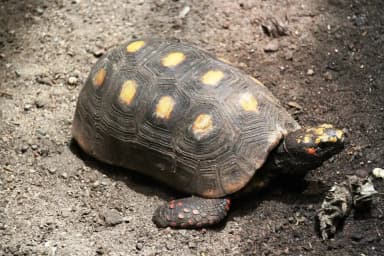 Bjoertvedt · CC BY-SA 3.0
Red-footed Tortoise
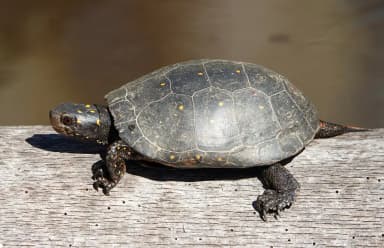 hug_78 · CC BY 2.0
Spotted Turtle
 TimVickers · Public domain
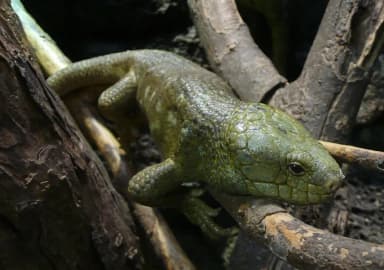
Prehensile-tailed Skink
 .RGB. · CC BY 2.0
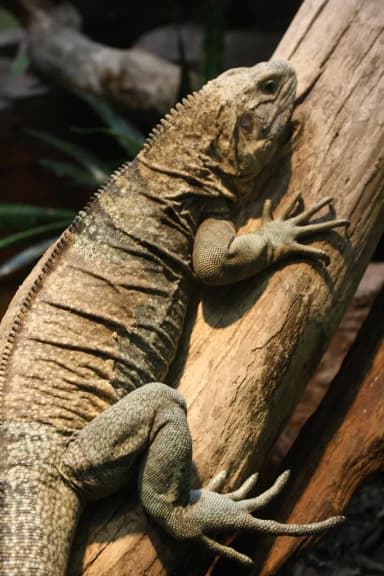
Jamaican Iguana
 Andrew C · CC BY 2.0
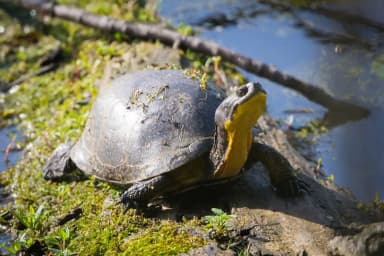
Blanding's Turtle
 Ltshears · Public domain
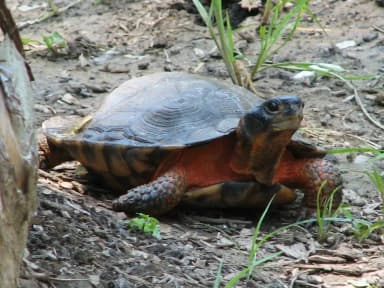
Wood Turtle
 TarnishedPath · CC BY-SA 4.0
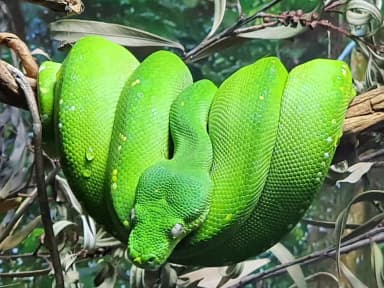
Green Tree Python
 Thesupermat · CC BY-SA 3.0
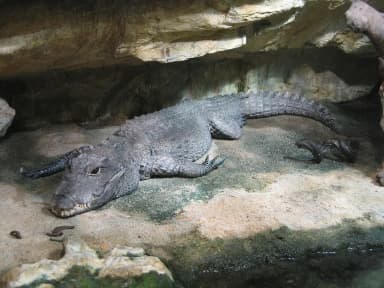
West African Dwarf Crocodile
 Benjamin Genter · CC0
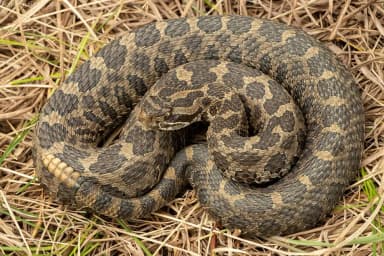
Eastern Massasauga
 Peter Paplanus · CC BY 2.0
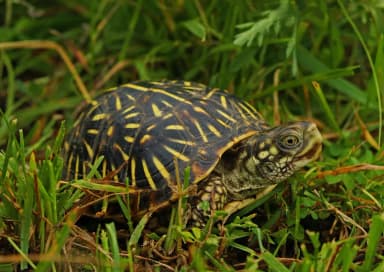
Ornate Box Turtle
 Vassil · Public domain
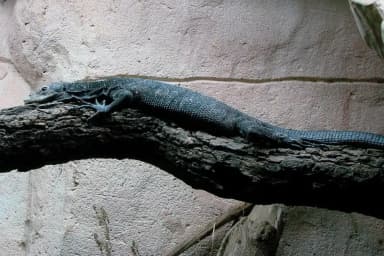
Black Tree Monitor
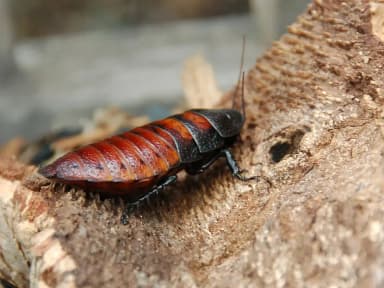
Feathers & Fangs from visitors
What people who've been to Lincoln Park Zoo say
A Feather is something this zoo does well; a Fang is something it gets wrong. Left by people who've been, and read by us before they appear.
Loading…
About Lincoln Park Zoo
Lincoln Park Zoo occupies 35 acres at 2001 N Clark Street in Chicago, inside the larger Lincoln Park along the Lake Michigan shoreline. Founded in 1868, it is one of the oldest zoos in North America and one of the few remaining zoos in the country with free admission and no reservation requirement. The zoo is accredited by the Association of Zoos and Aquariums, and in 2019 it also earned Level III arboretum accreditation for its Horticulture staff's work identifying, labeling, and monitoring tree and woody plant species across the park. In 2024, it was accredited as a botanic garden by Botanic Gardens Conservation International.
The zoo's collection totals nearly 1,100 animals representing roughly 200 species, spanning big cats, bears, penguins, apes, reptiles, and monkeys. It is privately managed as a nonprofit rather than run by the city, and about 80 to 85 percent of its operating costs are covered by members, donors, and visitors, with the Chicago Park District — which owns the land — subsidizing the remainder. The zoo reports welcoming nearly 4 million guests annually.
Lincoln Park Zoo organizes its animal collection around a series of large, named exhibit buildings and outdoor habitats built up over more than 150 years, several of which replaced older structures on the same sites. Alongside animal care, the zoo runs an active conservation science program, with more than 40 staff scientists conducting fieldwork and labwork from Chicago to the Republic of Congo.
History
The zoo's founding traces to 1868, when the Lincoln Park Commissioners received a gift of two pairs of swans from Central Park's Board of Commissioners in New York. Other animals soon arrived by donation, including a puma, elk, wolves, eagles, and peacocks. In 1874, a bear cub purchased from the Philadelphia Zoo for $10 became the zoo's first purchased animal; it was known for repeatedly escaping and roaming the park at night. In 1884, an American bison born at the zoo was reportedly the first of its species born in captivity, and in 1896 the federal government purchased bison from the zoo's herd to help repopulate Yellowstone National Park.
From 1888 to 1919, director Cy DeVry expanded the collection and built new structures, including the zoo's first Lion House in 1912. The Primate House opened in 1927 and became home to a well-known gorilla named Bushman from 1931 to 1951. Marlin Perkins, later famous for hosting television's Zoo Parade and Wild Kingdom, directed the zoo from 1944 to 1962 and founded the Lincoln Park Zoological Society to support its mission. The 1970s and 1980s brought a wave of naturalistic exhibit construction, and in 1995 the Zoological Society took over management of the zoo from the Chicago Park District, which remained the landowner.
Major renovations followed in the 2000s and 2010s: the Regenstein African Journey opened in 2003, the Regenstein Center for African Apes in 2005, Regenstein Macaque Forest in 2014, and Robert and Mayari Pritzker Penguin Cove in 2016, the last of these introducing African penguins to the zoo for the first time. A 2016 fundraising campaign called Pride of Chicago funded a $30 million renovation of the historic Kovler Lion House, which reopened in 2021 as the Pepper Family Wildlife Center focused on African lions. That pride has since grown through multiple cub births, including three male cubs born in January 2023.
Exhibits and habitats
Walter Family Arctic Tundra, built on the site of the former Robert R. McCormick Bear Habitat, houses the zoo's grizzly and polar bears with natural grass, an underwater viewing area, and a maternity den. Nearby, Robert and Mayari Pritzker Penguin Cove is an outdoor African penguin habitat with a behind-the-scenes breeding and hatching area, linked to the Regenstein African Journey.
Regenstein African Journey is a 60,000-square-foot indoor-and-outdoor exhibit that opened in 2003, simulating rainforest, river, savanna, and kopje habitats and housing West African dwarf crocodiles, pygmy hippos, meerkats, aardvarks, giraffes, African painted dogs, and black rhinos. The Regenstein Center for African Apes, opened in 2005, gives chimpanzee and western lowland gorilla troops more than 29,000 square feet of indoor and outdoor space across three habitats, including the 12,000-square-foot Kovler Gorilla Bamboo Forest.
Regenstein Macaque Forest, opened in 2014, houses Japanese macaques around a heated "hot spring" pool that doubles as a research station. The Regenstein Small Mammal-Reptile House, a 32,000-square-foot building from 1997, pairs a terrarium gallery with a geodesic-dome "Ecosystem" simulating tropical rainforest streams and canopy. The Pritzker Family Children's Zoo, from 2004, focuses on native eastern wildlife such as American beavers, river otters, American black bears, and red wolves. Other named habitats include the Kovler Seal Pool, home to gray and harbor seals with an underwater viewing gallery; the McCormick Bird House, with tropical, savanna, and wetland bird displays and a free-flight aviary; the South Loop grassland habitats for hoofstock including the Sichuan takin; the Waterfowl Lagoon and Hope B. McCormick Swan Pond; and Farm-in-the-Zoo, which has exhibited domestic farm animals since 1964.
Animal highlights
Lincoln Park Zoo lists at least 144 species on its website, part of a collection the zoo describes as totaling nearly 1,100 animals from about 200 species overall. Featured residents include the western lowland gorilla, chimpanzee, African lion, snow leopard, African penguin, giraffe, polar bear, red panda, and Grevy's zebra, alongside smaller and lesser-known species such as the Bali myna, a critically endangered bird the zoo breeds and for which it maintains the species studbook, and the Sichuan takin, an endangered species the zoo has bred successfully.
Recent arrivals highlighted by the zoo include Tacama, a Bolivian gray titi monkey, and Solana, a Hoffmann's two-toed sloth, the latter joining Oro in the Ecosystem section of the Regenstein Small Mammal-Reptile House. The zoo's lion pride at Pepper Family Wildlife Center has grown through multiple recent births, including a cub born in March 2022 and three more in January 2023.
Conservation and programs
Lincoln Park Zoo describes its conservation science program as one of the largest zoo-based efforts in the country. Since 1989, its scientific team has produced science-based management recommendations for zoo species, partnered with universities, NGOs, government agencies, and other zoos and aquariums worldwide, and studied wildlife species from Chicago to the Republic of Congo, publishing scientific articles and training undergraduate interns, graduate students, and post-doctoral fellows along the way.
The zoo's work spans population health and viability research, conservation of threatened wildlife and habitats, and studies of how people and wildlife coexist, including work on urban wildlife in Chicago and coexistence research in the savannas of Tanzania. Locally, the zoo runs the Zooniverse project with the Adler Planetarium, using motion-sensing cameras and public participation to survey Chicago-area wildlife, alongside youth programs and community gardening initiatives in the Little Village and North Lawndale neighborhoods.
Planning your visit
As listed on the zoo's website, Lincoln Park Zoo is open daily, 365 days a year, with gates and Farm-in-the-Zoo opening at 8 a.m. and buildings closing at 4:30 p.m.; hours can shift for special events. Admission is free and no reservation is required. Parking is free for the first half hour, then ranges from $35 to $45 per day, payable by card only at the East Gate lot on Cannon Drive; members receive discounted or free parking.
The zoo is reachable by CTA bus routes 22, 36, 151, and 156, or by train via the Brown and Purple Line's Armitage station or the Red Line's Fullerton station, both about a mile from the zoo. Wheelchairs are available to rent for free at Searle Visitor Center with an ID or refundable $20 deposit, and electronic conveyance vehicles rent for $30 plus a deposit. The zoo is certified Sensory Inclusive by KultureCity and offers sensory bags, a communication board, and quiet rooms at the Visitor Center. Dining options include The Patio at Café Brauer, Park Place Café, Bird's Eye Bar & Grill, and Eadie Levy's Landmark Café, and a gift shop offers apparel, toys, and souvenirs.
Check the official website for current hours, parking rates, and any building closures before you visit.
What we haven't confirmed
Everything above came from public sources. These specifics we haven't stood behind yet:
- Total published species count (the zoo's site references figures from 144 to about 200)
- Current annual visitor total
- Typical time needed for a full visit
- Individual food and drink pricing
- Current animal encounter and program schedules
Lincoln Park Zoo compared with nearby zoos
How Lincoln Park Zoo lines up against the closest zoos we have details for — useful if you're deciding between them for the same day out.
| Zoo | Distance | Admission | Hours | Size | AZA |
|---|---|---|---|---|---|
| Lincoln Park ZooThis zooChicago, IL | — | Free | 8 am – 5 pm | 35 acres | Yes |
| Brookfield Zoo ChicagoBrookfield, IL | 12 mi | from $32.95 | 10 am – 5 pm | 216 acres | Yes |
| Cosley ZooWheaton, IL | 25 mi | $12 | April 1 – October 31: daily 9:00 AM – 5:00 PM (last admission 4:15 PM). Closed January 1, Thanksgiving Day, December 25. | 5 acres | Yes |
| Santa's Village AZoosment ParkEast Dundee, IL | 34 mi | $42.99 | 11:00 AM – 6:00 PM | — | No |
Distances are straight-line. A dash means we haven't confirmed that detail yet, not that the zoo lacks it.
AZAThe Association of Zoos and Aquariums. Accredited members have passed an independent inspection of animal care and welfare, safety, conservation and education, repeated every five years. Many smaller facilities never apply, so “not accredited” isn't a verdict on its own. What accreditation means · How we check this
Lincoln Park Zoo: common questions
Is Lincoln Park Zoo AZA accredited?
Yes, and it also holds Level III arboretum accreditation and botanic garden accreditation.
How much does it cost to visit?
Admission is free every day; parking costs $35 to $45 per day after a free first half hour, as listed on the zoo's website.
When did the zoo open?
It was founded in 1868, making it one of the oldest zoos in North America.
How big is the zoo, and how many animals live there?
The zoo covers 35 acres and is home to nearly 1,100 animals from about 200 species.
What animals can you see at Lincoln Park Zoo?
Highlights include western lowland gorillas, African lions, snow leopards, African penguins, giraffes, and polar bears, among many others.
Is there parking at the zoo?
Yes, on-site paid parking is available at the East Gate lot, with free and discounted rates for members.
Is the zoo wheelchair and stroller accessible?
Yes. Wheelchairs and electronic conveyance vehicles are available to rent at Searle Visitor Center, and the zoo notes stroller-friendly paths throughout.
Something wrong here? Tell us — we correct in place, with a dated note.