
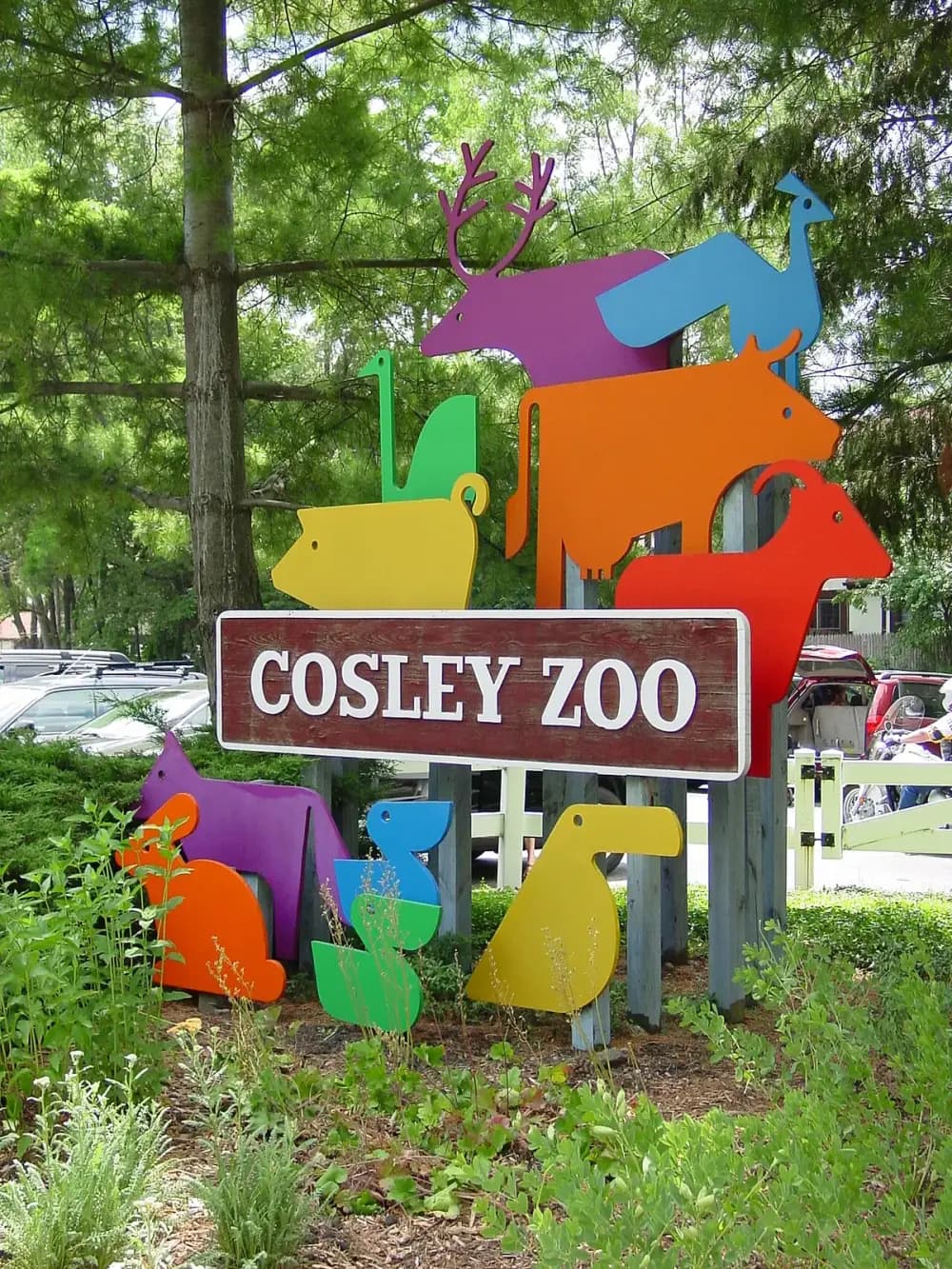
- Admission
- $12
- Size
- 5 acres
- Opened
- 1974
- Accreditation
- AZA
Association of Zoos and Aquariums
Everything below is directory information drawn from public sources and the zoo's own site.
Animals at Cosley Zoo
29 confirmedMammals12
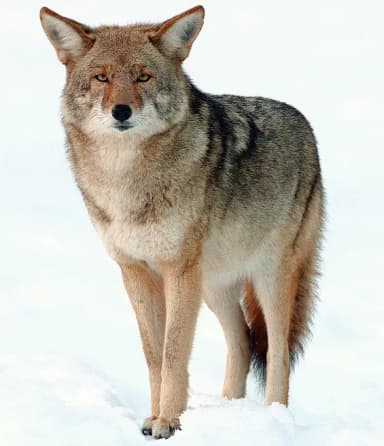 Yathin S Krishnappa · CC BY-SA 3.0
Coyote
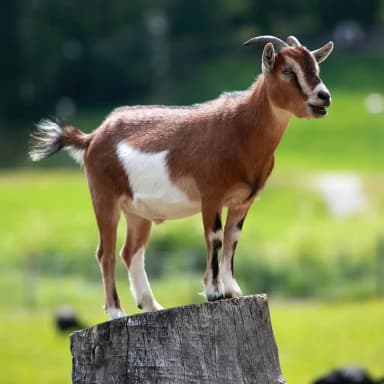 Kuebi = Armin Kübelbeck · CC BY-SA 3.0
Nubian Goat
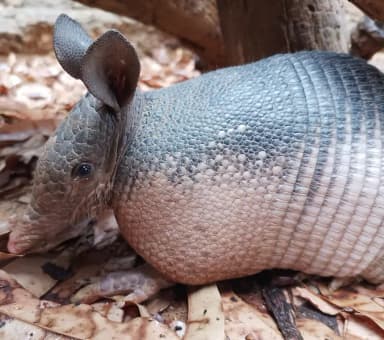 Aramburu Carlos · CC BY 4.0
Nine-banded Armadillo
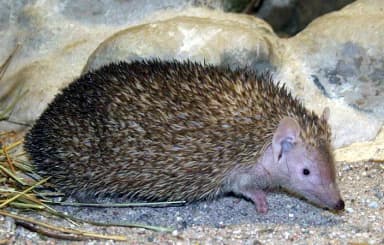 Wilfried Berns www.Tierdoku.com · CC BY-SA 2.0 de
Lesser Hedgehog Tenrec
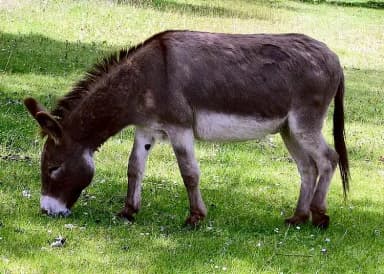 Adrian Pingstone · Public domain
Miniature Donkey
 Wikimedia Commons · Public domain
North American Porcupine
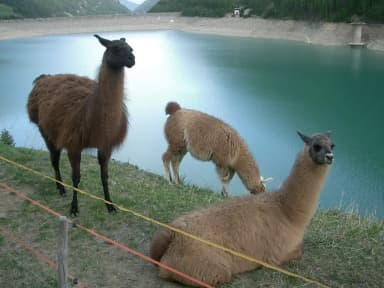 Andrija12345678 · CC BY-SA 4.0
Llama
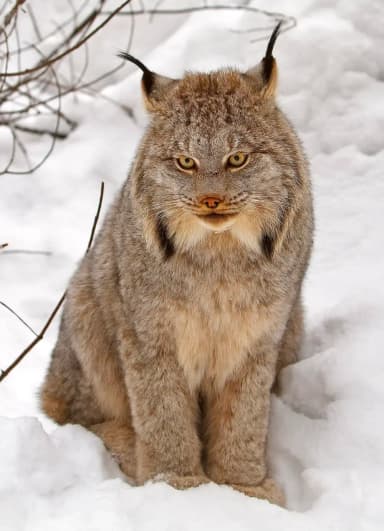 Michael Zahra · CC BY-SA 3.0
Canada Lynx
 USDA photo by Scott Bauer · Public domain
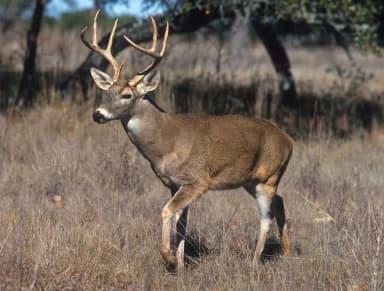
White-tailed Deer
 Rhododendrites · CC BY-SA 4.0
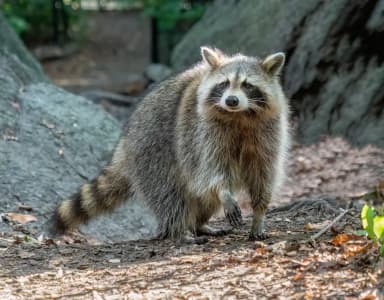
Raccoon
 kallerna · CC BY-SA 4.0
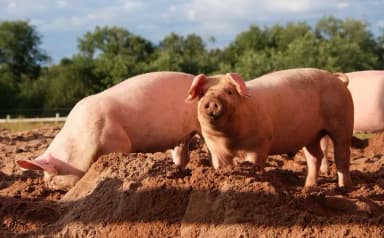
Guinea Hog
 ClaudiaTen · CC BY-SA 4.0
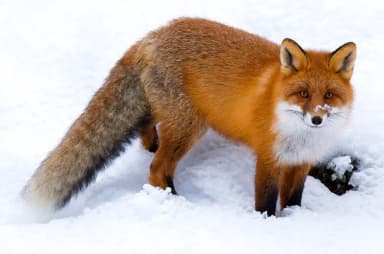
Red Fox
Birds9
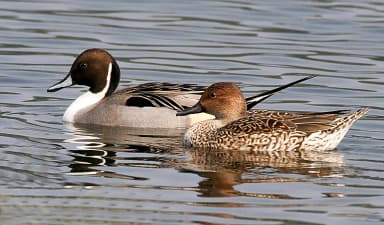 J.M.Garg · CC BY-SA 3.0
Northern Pintail
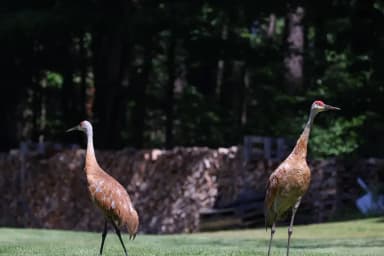 HappiestFish · CC BY 4.0
Sandhill Crane
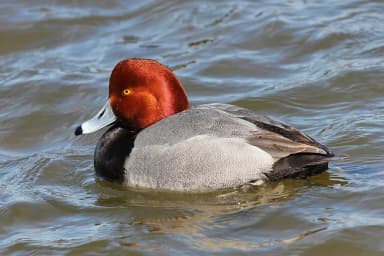 Judy Gallagher · CC BY 2.0
Redhead
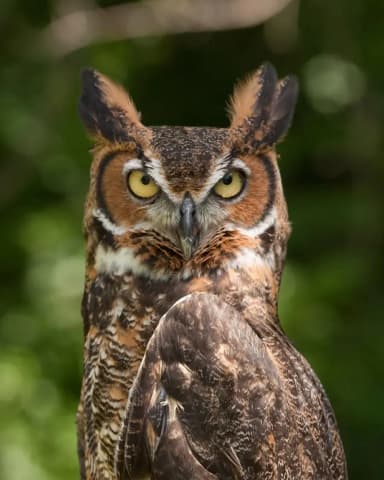 Greg Hume · CC BY-SA 3.0
Great Horned Owl
 Charles J. Sharp · CC BY-SA 4.0
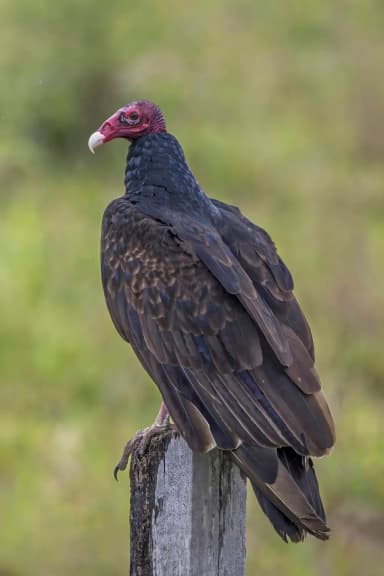
Turkey Vulture
 Channel City Camera Club from Santa Barbara, US · CC BY 2.0
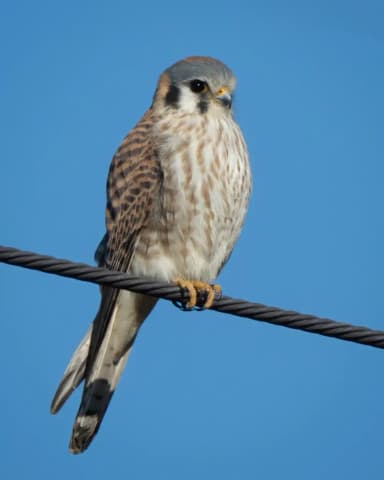
American Kestrel
 Andrei Niemimäki from Turku, Finland · CC BY-SA 2.0
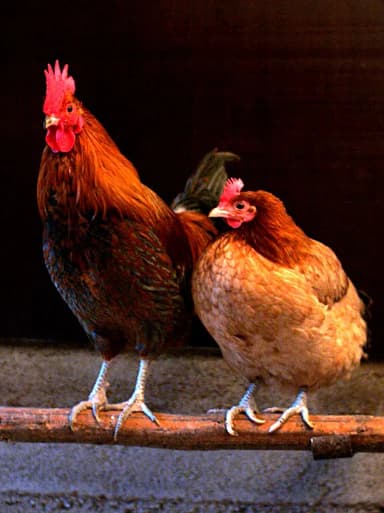
Chicken
 Wolfgang Wander · CC BY-SA 3.0
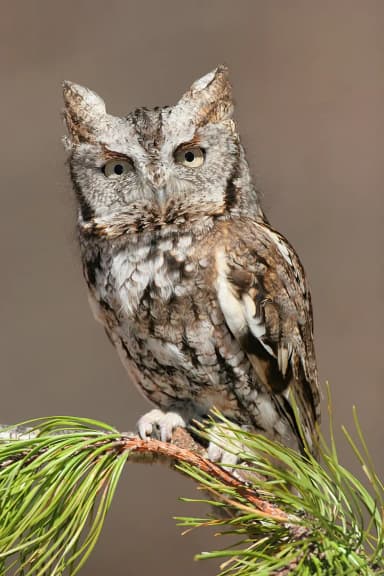
Eastern Screech-Owl
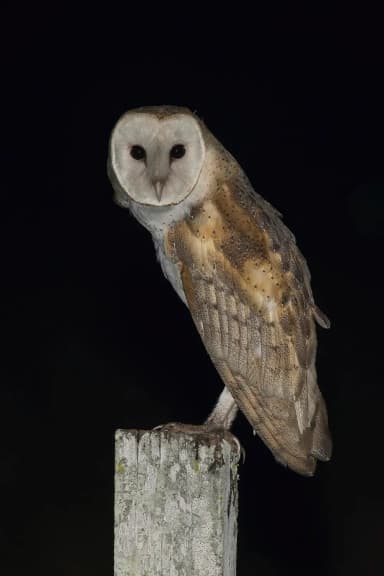 Charles J. Sharp · CC BY-SA 4.0
Barn Owl
Reptiles4
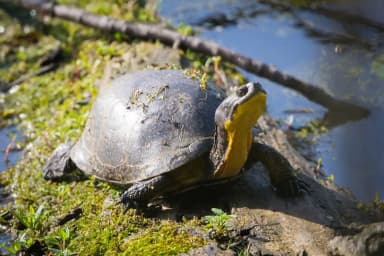
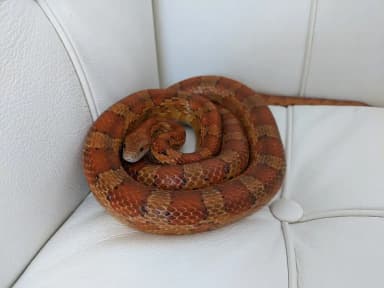
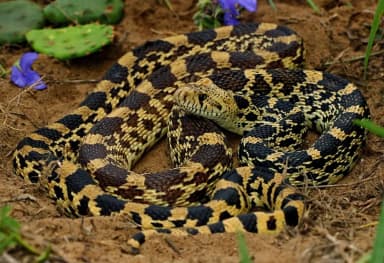
Amphibians1
Feathers & Fangs from visitors
What people who've been to Cosley Zoo say
A Feather is something this zoo does well; a Fang is something it gets wrong. Left by people who've been, and read by us before they appear.
Loading…
About Cosley Zoo
Cosley Zoo occupies about five acres at 1356 Gary Avenue in Wheaton, Illinois, and is operated by the Wheaton Park District. The zoo opened on August 17, 1974, and has been accredited by the Association of Zoos and Aquariums since March 2000, a status it must renew every five years. Its stated mission is to create connections between people and animals that inspire lifelong conservation of the natural world.
The zoo combines domestic farm animals with native Illinois wildlife and, more recently, a broader range of North American species. Visitors can see exhibits built around white-tailed deer, red fox, coyotes, Blanding's turtles, and a barnyard of farm animals housed in the Vern Kiebler Learning Center. A nonprofit support group, The Cosley Foundation, has funded much of the zoo's capital development since its founding, consistently raising between $130,000 and $150,000 a year for construction projects.
Cosley Zoo has changed names twice in its history, growing from a small children's park and museum into a full AZA-accredited zoo, and it remains closely tied to conservation partnerships across DuPage County, particularly around its long-running work with the Blanding's turtle, a threatened species in Illinois.
History
The zoo's land, 2.65 acres, was donated to the Wheaton Park District by Paula Jones, who wanted to save it from development and did so in memory of Harvey Cosley, the previous landowner and a close relative, for whom the zoo is named. It opened on August 17, 1974, as Cosley Children's Park and Museum, displaying a handful of domestic farm animals on opening day before adding native wildlife within a few months. Within two years it was renamed Cosley Animal Farm and Museum.
Growth continued steadily: an 1800s barn was relocated from a downtown Wheaton church, a retired Burlington railroad caboose was installed by the train station, and federal revenue sharing funds allowed the zoo to expand by two acres, land that eventually became wildlife habitat. An aviary was built to house pheasants, ruffed grouse, and doves, and it still houses native birds and turtles today. The Cosley Foundation was formally organized as a nonprofit and went on to sponsor the Vern Kiebler Learning Center, a duck pond, an amphitheater, and exhibits for red foxes, coyotes, raccoons, rabbits, white-tailed deer, and raptors. The Learning Center itself, completed at a cost of $356,000, allowed the zoo to stay open year-round for the first time.
In 1999, coinciding with its 25th anniversary, the zoo adopted its current name, Cosley Zoo, after park district leadership decided its old name no longer reflected the facility. AZA accreditation followed in March 2000. The zoo partnered with the Forest Preserve District of DuPage County on the Blanding's Turtle Recovery Project, taking primary responsibility for rearing turtles for eventual release, and it later worked with several other institutions to hatch, rear, and release the Illinois-endangered barn owl.
The 2000s and 2010s brought a wave of capital projects: a bobcat exhibit funded in part by a $250,000 donation from Jan Kiebler, an aviary exterior restoration in 2012 with new outdoor exhibits reconfigured into three habitat types, an expanded and relocated amphitheater, and a butterfly garden funded by a private donation. A new home for releasable Blanding's turtles was completed inside the Learning Center, with cameras giving guests a live view of the turtle-rearing area, which handles 75 to 150 turtles a year. The zoo's FrogWatch USA chapter began in April 2012. In 2022, the zoo welcomed sister Canada lynx from Montgomery Zoo, formally expanding its collection focus from Illinois native wildlife to North American wildlife. Most recently, in May 2026, the Wheaton Park District Board approved a concept for a 25-year, multi-phase exhibit renovation plan called Burrows to Branches.
Exhibits and habitats
The zoo's current exhibits include the aviary, home to native birds and turtles and reconfigured in 2012 and 2013 into three larger, more flexible spaces for songbirds, game birds, and wetland birds; the bobcat exhibit, roughly 1,000 square feet with more than 25 feet of vertical space, rockwork, a heated area, and climbing features; and habitats for coyotes, red foxes, white-tailed deer, and, since 2022, Canada lynx. The Vern Kiebler Learning Center houses domestic farm animals along with feed storage, hospital and isolation rooms, and indoor space for educational programs, and it also contains the current home for the zoo's releasable Blanding's turtles.
A butterfly garden on the north side of the zoo attracts pollinators with a water feature and an accessible pathway, and a Nature Play area, added in 2013, includes natural play materials such as logs and stumps alongside a Little Free Library. The zoo's approved 25-year renovation plan, Burrows to Branches, calls for a modern aviary complex and prairie dog habitat as its first priority, followed in later phases by a Northern Trail area for coyote, American badger, Canada lynx, and reindeer habitats, wetlands work, and a rebuilt zoo entrance and welcome center, though these projects remain in the planning and concept stage.
Animal highlights
Cosley Zoo does not publish a species count on its website, but its own materials describe a collection built around white-tailed deer, red fox, coyotes, and Blanding's turtles, alongside a barnyard of domestic farm animals including pigs, chickens, and rabbits. Since 2022, the zoo has also kept Canada lynx, part of a broader shift toward North American wildlife beyond species native to Illinois. The aviary holds a mix of native songbirds, game birds, and wetland birds, and the zoo's bobcat exhibit, completed with support from the Illinois Department of Natural Resources, houses bobcats.
Conservation and programs
Cosley Zoo's conservation work centers on its long-running Blanding's Turtle Head Start Program, run with the Forest Preserve District of DuPage County, the Peggy Notebaert Nature Museum, Brookfield Zoo, and the St. Charles Park District. The Forest Preserve collects gravid turtles from the wild and houses them until eggs hatch; Cosley Zoo staff then rear the hatchlings for about a year at an accelerated rate before releasing them into DuPage County wetlands larger and less vulnerable to predators than wild turtles of the same age. Blanding's turtles were added to Illinois's endangered species list in 2009.
The zoo is a collaborator on four of AZA's SAFE (Saving Animals From Extinction) species projects, covering songbirds, monarch butterflies, and turtle species including the eastern box turtle and spotted turtle. Its FrogWatch USA chapter, established in 2012 in partnership with the Akron Zoo, trains volunteers to identify frog and toad calls during the breeding season and contribute the data to a national database. The zoo also runs everyday sustainability practices such as rainwater collection, minimizing plastic waste, and Christmas light and cell phone recycling drives, the latter tied to AZA SAFE's gorilla conservation program.
Planning your visit
As listed on the zoo's website, Cosley Zoo is an outdoor facility open rain or shine, generally from around 9 a.m., with last admission roughly 45 minutes before closing; closing time and last admission shift by season, running later in warmer months and adjusting again around the Thanksgiving and December holiday period. Parking is available on a first-come, first-served basis, with the main lot on the west side of Gary Avenue and additional parking on the east side, reached via the crosswalk at the Gary Avenue and Prairie Avenue light.
The zoo has been certified sensory inclusive, and Cosley Zoo can be rented for private events, meaning parts of the grounds may be closed to the public during rentals. Because exact hours, ticket prices, and holiday closures were not fully specified in the materials available, visitors should confirm current details on the zoo's official website before planning a trip.
What we haven't confirmed
Everything above came from public sources. These specifics we haven't stood behind yet:
- Exact daily and seasonal hours
- Ticket prices
- Total animal count and published species count
- Wheelchair and stroller accessibility details
- Phone number for general visitor questions
Cosley Zoo compared with nearby zoos
How Cosley Zoo lines up against the closest zoos we have details for — useful if you're deciding between them for the same day out.
| Zoo | Distance | Admission | Hours | Size | AZA |
|---|---|---|---|---|---|
| Cosley ZooThis zooWheaton, IL | — | $12 | April 1 – October 31: daily 9:00 AM – 5:00 PM (last admission 4:15 PM). Closed January 1, Thanksgiving Day, December 25. | 5 acres | Yes |
| Phillips Park ZooAurora, IL | 13 mi | Free | Summer hours: Thursday–Tuesday 9:00 AM – 5:00 PM, closed Wednesdays. Regular hours: 9:00 AM – 4:00 PM. | — | No |
| Brookfield Zoo ChicagoBrookfield, IL | 15 mi | from $32.95 | 10 am – 5 pm | 216 acres | Yes |
| Santa's Village AZoosment ParkEast Dundee, IL | 16 mi | $42.99 | 11:00 AM – 6:00 PM | — | No |
Distances are straight-line. A dash means we haven't confirmed that detail yet, not that the zoo lacks it.
AZAThe Association of Zoos and Aquariums. Accredited members have passed an independent inspection of animal care and welfare, safety, conservation and education, repeated every five years. Many smaller facilities never apply, so “not accredited” isn't a verdict on its own. What accreditation means · How we check this
Cosley Zoo: common questions
Is Cosley Zoo AZA accredited?
Yes, it has been accredited by the Association of Zoos and Aquariums since March 2000.
How big is Cosley Zoo?
The zoo covers about five acres in Wheaton, Illinois.
When did the zoo open?
It opened on August 17, 1974, originally as Cosley Children's Park and Museum.
What animals can visitors see?
The collection includes white-tailed deer, red fox, coyotes, Canada lynx, bobcats, Blanding's turtles, native birds in the aviary, and a range of domestic farm animals.
Is there parking at the zoo?
Yes, first-come, first-served parking is available on both the west and east sides of Gary Avenue.
Does the zoo run conservation programs?
Yes, most notably its Blanding's Turtle Head Start Program and participation in several AZA SAFE species projects.
Is the zoo sensory friendly?
Yes, Cosley Zoo has been certified sensory inclusive.
Something wrong here? Tell us — we correct in place, with a dated note.