

Rosamond Gifford Zoo
Syracuse, NY
The original uploader was Gizzakk at English Wikipedia . · CC BY 2.5
- Admission
- from $9
- Size
- 43 acres
- Animals
- 1,300
- Accreditation
- AZA
unverified
Association of Zoos and Aquariums
Everything below is directory information drawn from public sources and the zoo's own site.
Animals at Rosamond Gifford Zoo
106 of the ~300 species this zoo listsThis is a partial list — we only show species we've confirmed against the zoo's own pages, and their full collection is considerably larger.
Mammals28
 Sunuwargr · CC BY-SA 4.0
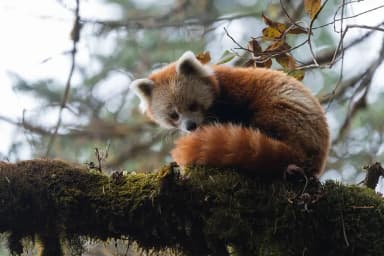
Red panda
 Christian Ursilva from Copenhagen, Denmark · CC BY-SA 4.0
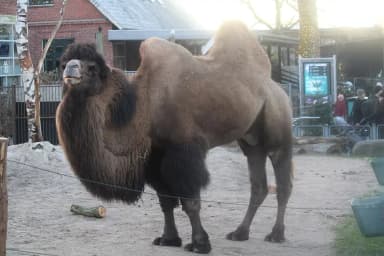
Bactrian Camel
 User:Mas3cf · CC BY-SA 4.0
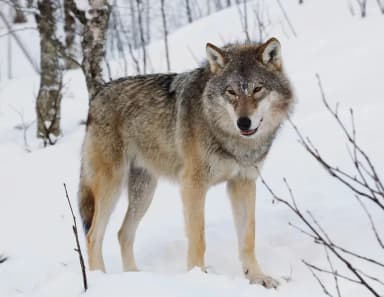
Gray Wolf
 LaggedOnUser · CC BY-SA 2.0
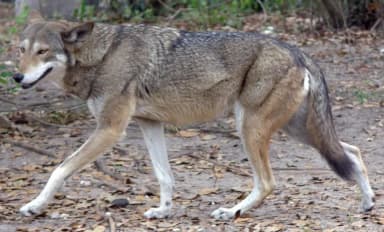
Red Wolf
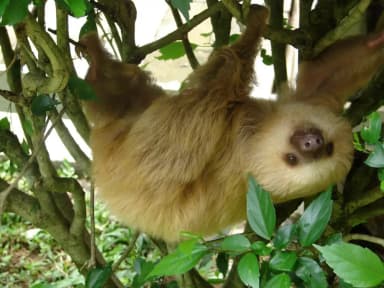 Jsfouche · CC BY-SA 3.0
Hoffmann's Two-toed Sloth
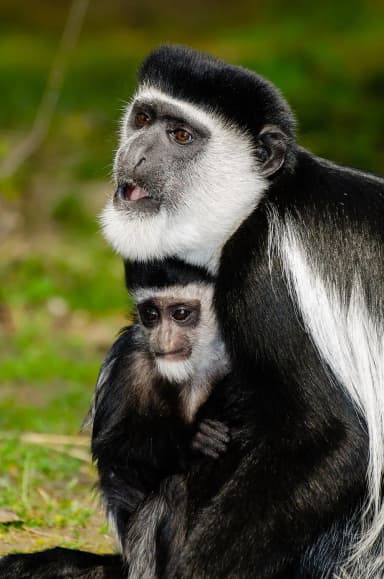 Tuxyso · CC BY-SA 3.0
Black-and-white Colobus
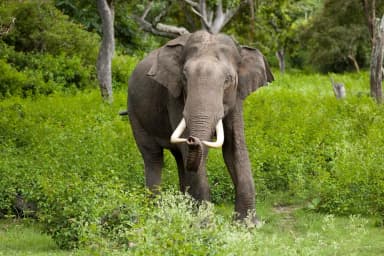 Yathin S Krishnappa · CC BY-SA 3.0
Asian Elephant
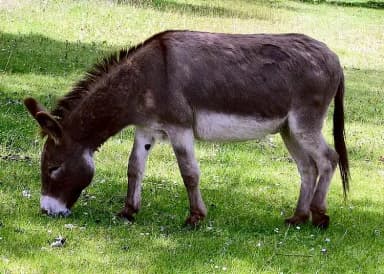 Adrian Pingstone · Public domain
Miniature Donkey
 Wikimedia Commons · Public domain
North American Porcupine
 Sanjay Acharya · CC BY-SA 4.0
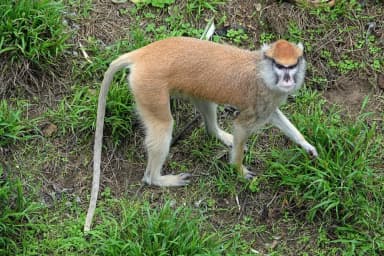
Patas Monkey
 Steven Lek · CC BY-SA 4.0
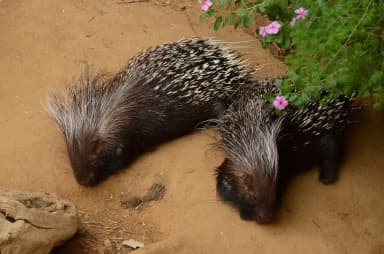
Cape Porcupine
 Daderot · CC0
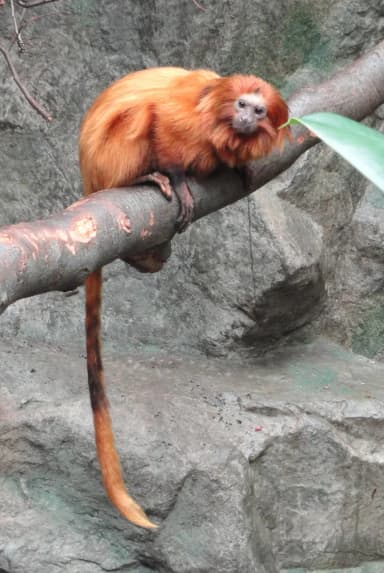
Golden Lion Tamarin
 USFWS Mountain-Prairie · Public domain
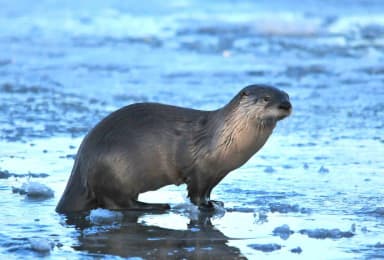
North American River Otter
 Rufus46 · CC BY-SA 3.0
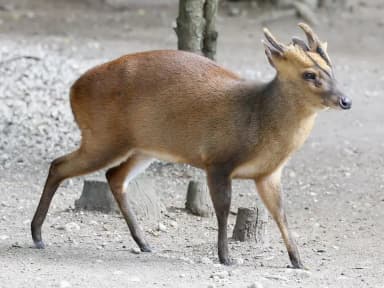
Reeve's Muntjac
 Charles J. Sharp · CC BY-SA 4.0
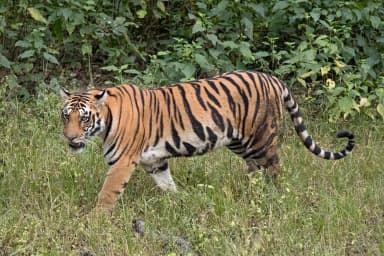
Amur tiger
 Irbis1983 · Public domain
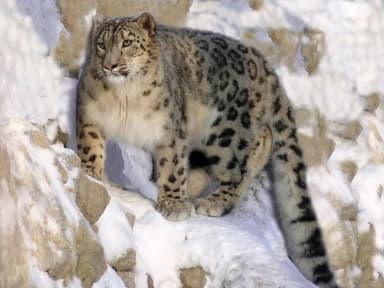
Snow Leopard
 Rufus46 · CC BY-SA 3.0
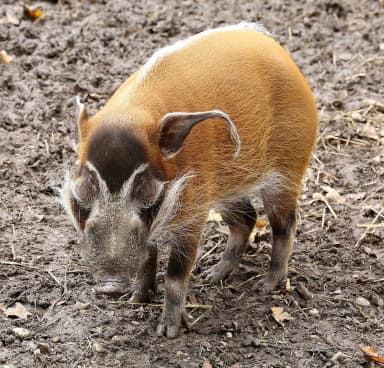
Red River Hog
 Charles J. Sharp · CC BY-SA 4.0
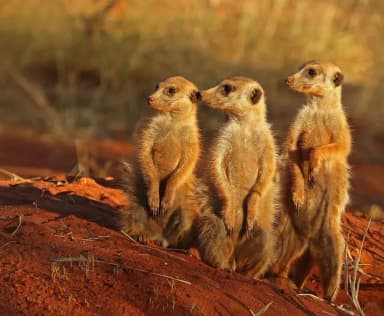
Meerkat
 Rufus46 · CC BY-SA 3.0
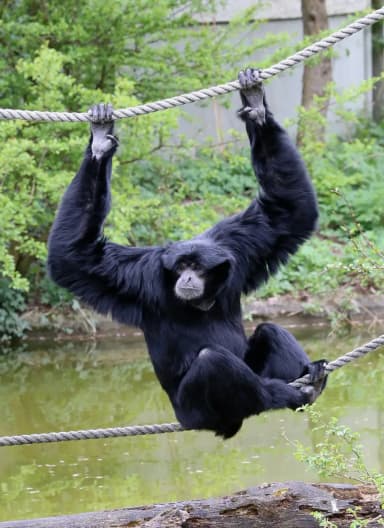
Siamang
 Sinara Conessa · CC BY 2.0
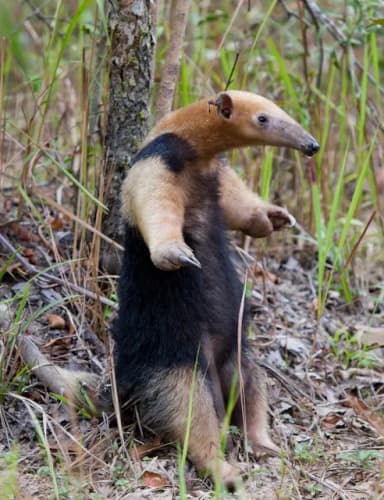
Southern Tamandua
 Wilfredor · CC0
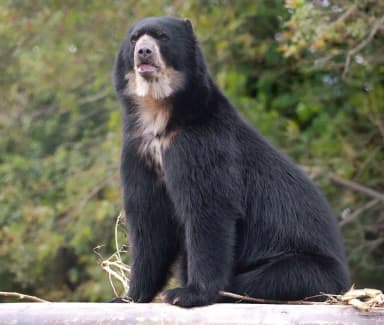
Andean Bear
 Chensiyuan · CC BY-SA 4.0
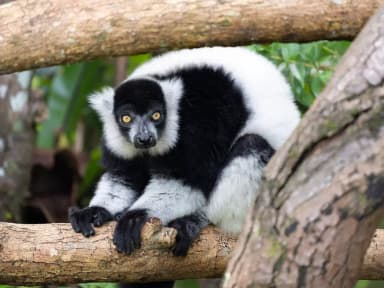
Black-and-white Ruffed Lemur
 KKPCW · CC BY-SA 4.0
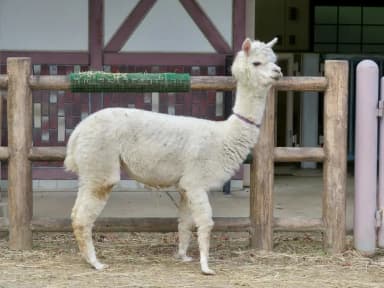
Alpaca
 Drew Avery · CC BY 2.0
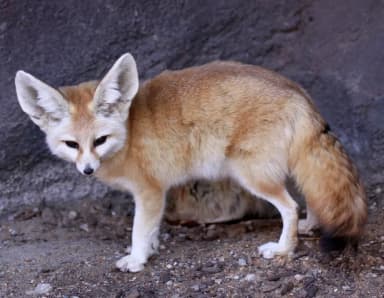
Fennec Fox
Birds40
 Francis C. Franklin · CC BY-SA 3.0
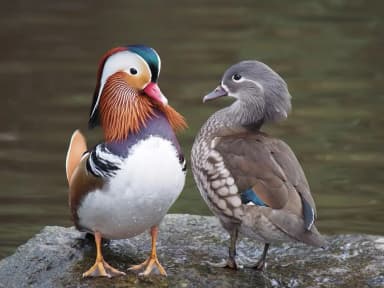
Mandarin Duck
 Chuck Homler d/b/a FocusOnwWildlife · CC BY-SA 4.0
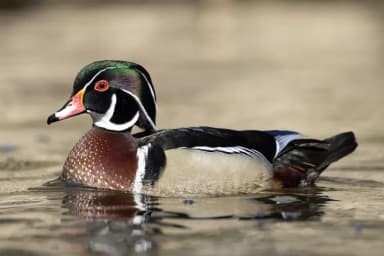
Wood Duck
 Adrian Pingstone ( Arpingstone ) · Public domain
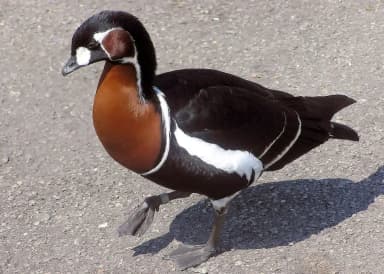
Red-breasted Goose
 Martin Mecnarowski ( http://www.photomecan.eu/ ) · CC BY-SA 3.0
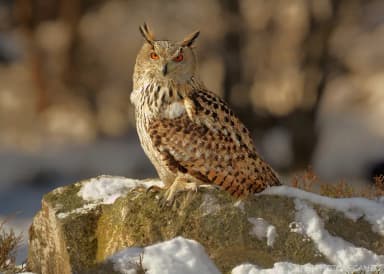
Eurasian Eagle-Owl
 Becky Matsubara from El Sobrante, California · CC BY 2.0
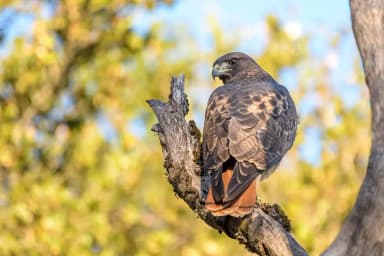
Red-tailed Hawk
 carancho · CC BY 4.0
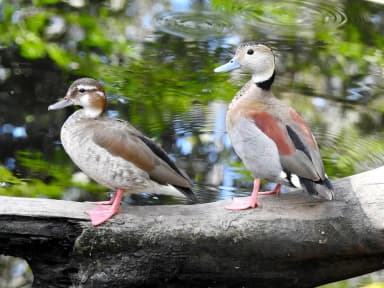
Ringed Teal
 ziggypop74 · CC BY 4.0
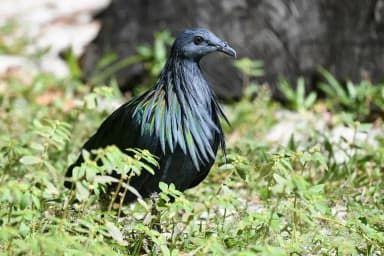
Nicobar Pigeon
 Charles J. Sharp · CC BY-SA 4.0
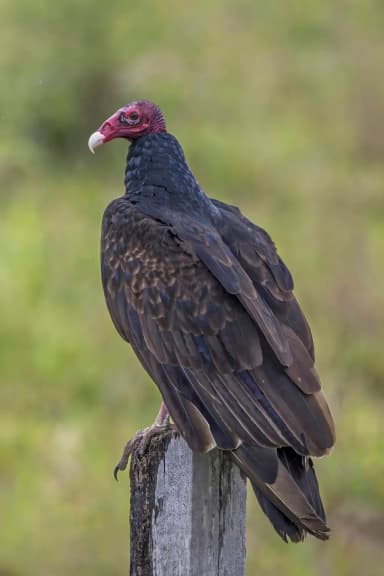
Turkey Vulture
 Charles J. Sharp · CC BY-SA 3.0
Crested Coua
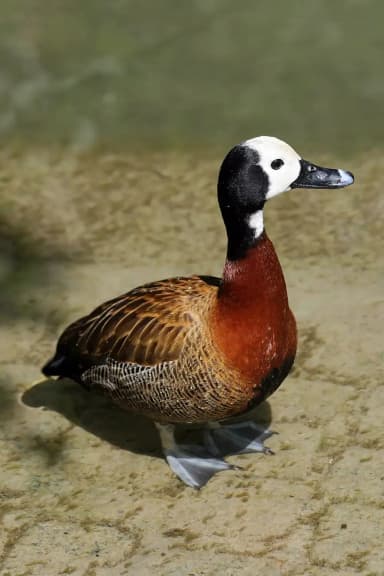 Richard Bartz, Munich Makro Freak · CC BY-SA 2.5
White-faced Whistling Duck
- Green-winged Teal
- Emperor Goose
- Bar-headed Goose
- Ross's Goose
- Brown Kiwi
- Ring-necked Duck
- White-necked Raven
- Pied Crow
- Troupial
- Asian Fairy-bluebird
- Blue-crowned Hanging Parrot
Show 19 more birdsShow fewer birds
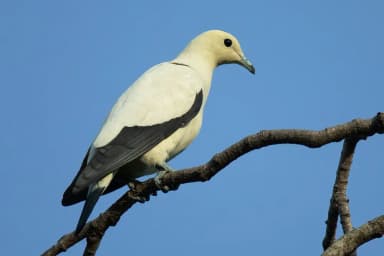 JJ Harrison ( https://tiny.jjharrison.com.au/t/awbKQM2Ekae0XKza ) · CC BY-SA 4.0
Pied Imperial Pigeon
 Kao-Tai · Public domain
Luzon Bleeding-heart Dove
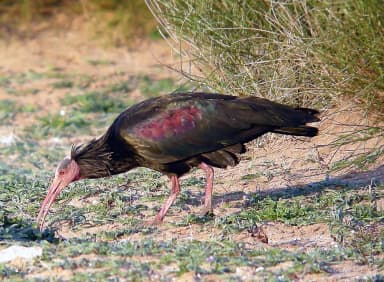 Len Worthington · CC BY-SA 2.0
Northern Bald Ibis
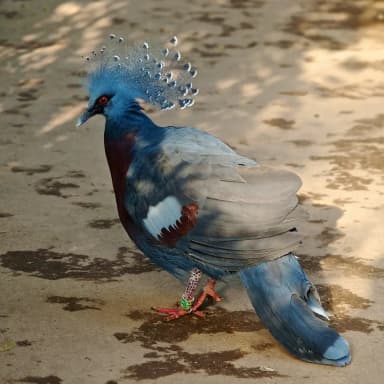 Jörg Hempel · CC BY-SA 3.0 de
Victoria Crowned Pigeon
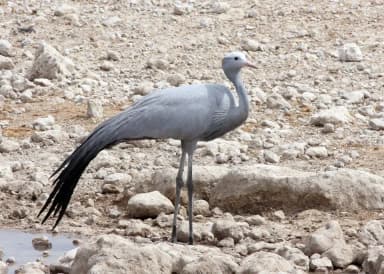 Ron Knight from Seaford, East Sussex, United Kingdom · CC BY 2.0
Blue Crane
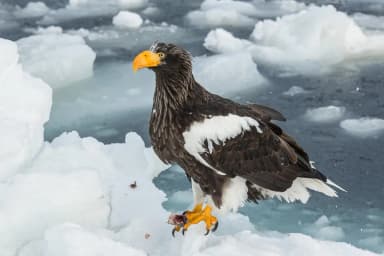 Michael Pinczolits · CC BY 2.0
Steller's Sea Eagle
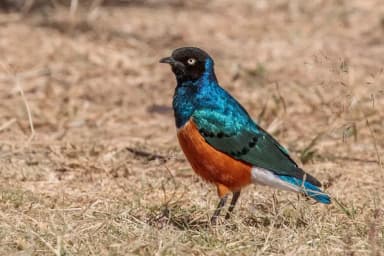 Charles J. Sharp · CC BY-SA 4.0
Superb Starling
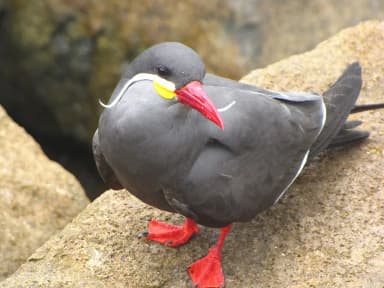 Cristóbal Alvarado Minic from Cagua, Venezuela · CC BY 2.0
Inca Tern
 Rhododendrites · CC BY-SA 4.0
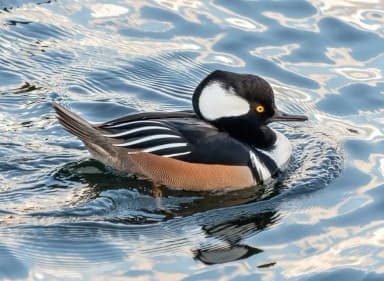
Hooded Merganser
 DickDaniels ( http://theworldbirds.org/ ) · CC BY-SA 3.0
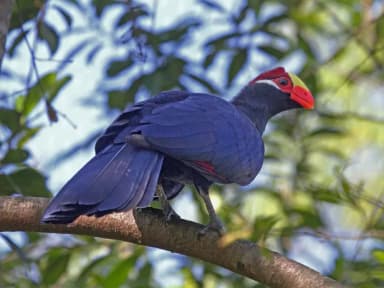
Violet Turaco
 Alan Vernon · CC BY 2.0
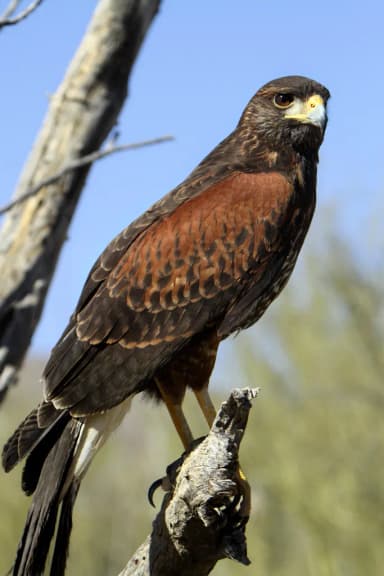
Harris's Hawk
 Greg Hume · CC BY-SA 3.0
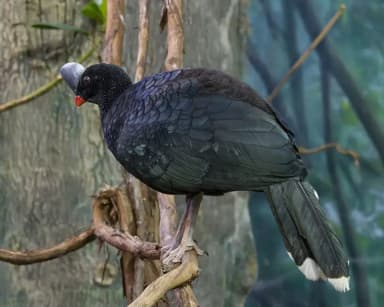
Helmeted Curassow
 User:Mwanner · CC BY-SA 3.0
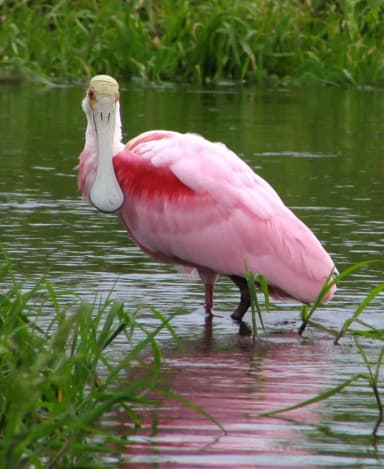
Roseate Spoonbill
 Devin Morris · CC BY-SA 4.0
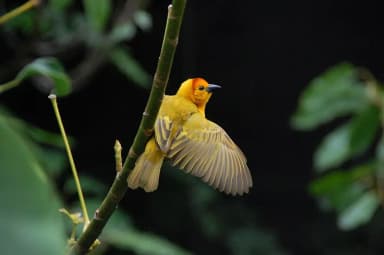
Taveta Golden Weaver
 User:Dante Alighieri · CC BY-SA 3.0
Palawan Peacock-Pheasant
 Mdf · CC BY-SA 3.0
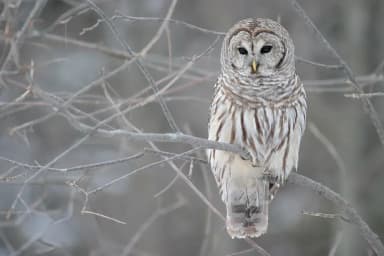
Barred Owl
 Yoky · CC BY-SA 3.0
Von der Decken's Hornbill
 Charles J. Sharp · CC BY-SA 4.0
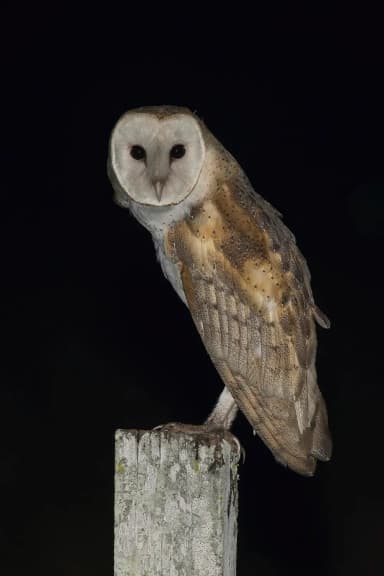
Barn Owl
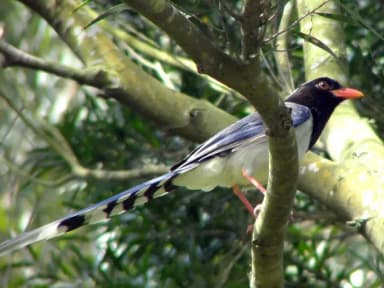 Charles Lam from Hong Kong, China · CC BY-SA 2.0
Red-billed Blue Magpie
Reptiles11
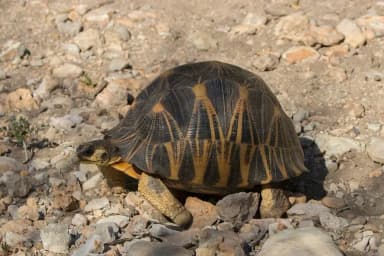 Charles J. Sharp · CC BY-SA 4.0
Radiated Tortoise
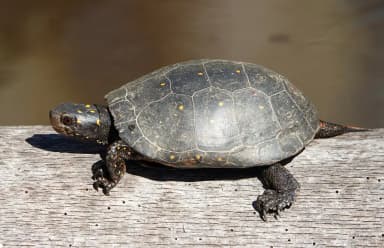 hug_78 · CC BY 2.0
Spotted Turtle
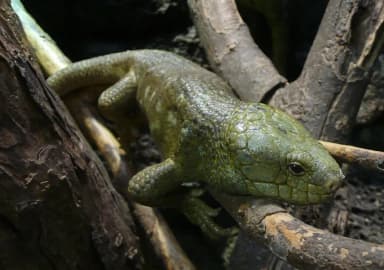 TimVickers · Public domain
Prehensile-tailed Skink
 Brett Weinstein · CC BY-SA 3.0
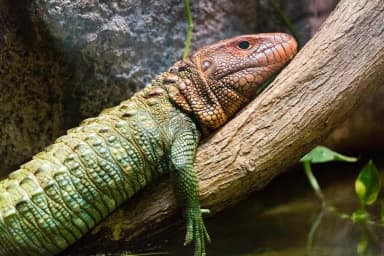
Caiman Lizard
 Blueag9 · CC BY-SA 3.0
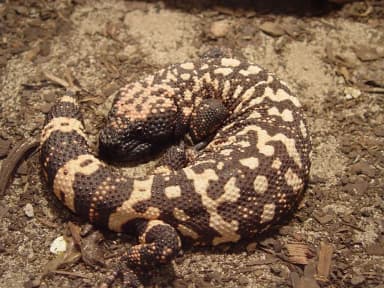
Gila Monster
 FakirNL · CC BY-SA 4.0
Yellow-spotted Amazon River Turtle
 Kaldari · Public domain
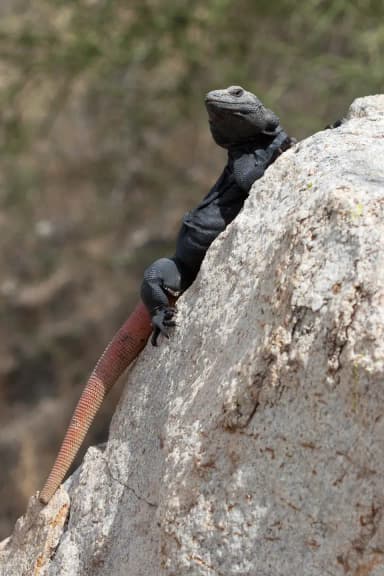
Chuckwalla
 Benjamin Genter · CC0
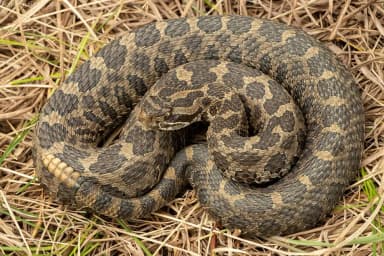
Eastern Massasauga
 (c) Joshua Liverman, some rights reserved (CC BY) · CC BY 4.0
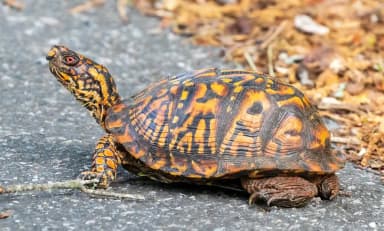
Eastern Box Turtle
 Doug Beckers · CC BY-SA 2.0
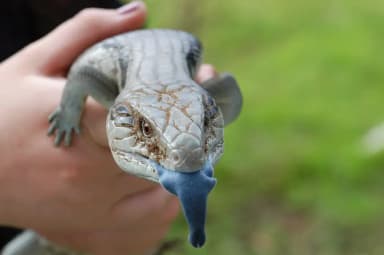
Blue-tongued Skink
 James Jolokia ( james1203 ) · CC BY 4.0
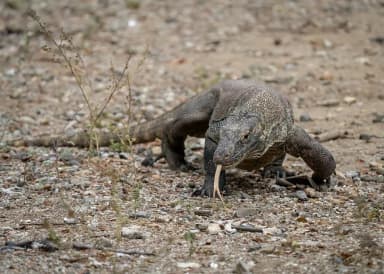
Komodo Dragon
Amphibians6
Fish12
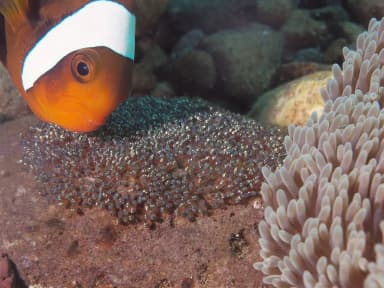
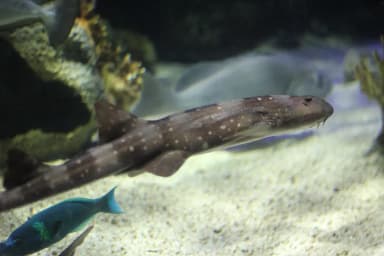
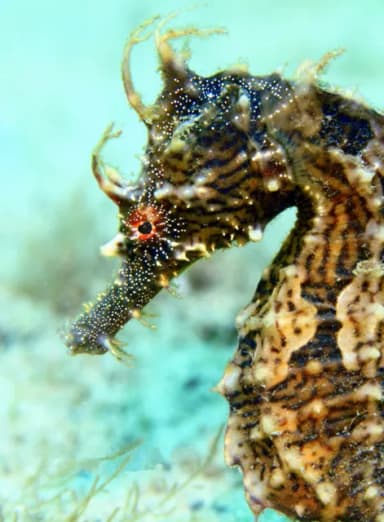
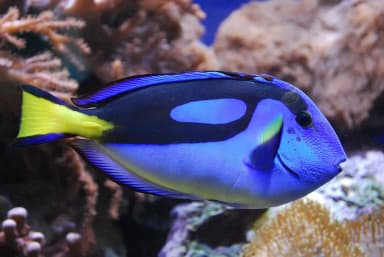
Invertebrates9
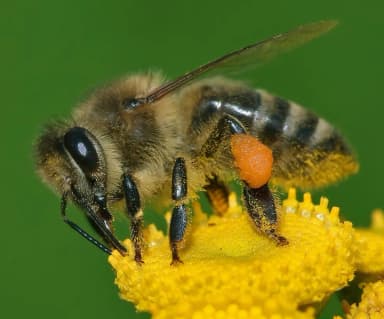 Andreas Trepte · CC BY-SA 2.5
Honey Bee
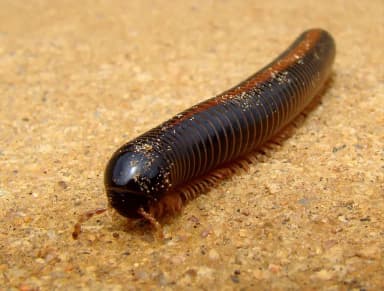 Bjørn Christian Tørrissen · CC BY-SA 3.0
Giant African Millipede
 JavAlvarezS · CC BY-SA 4.0
Blue Death-Feigning Beetle
 Luc Viatour · CC BY-SA 3.0
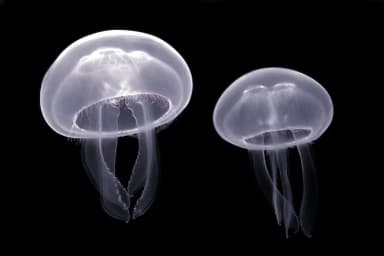
Moon Jelly
 Wikimedia Commons · CC BY-SA 3.0
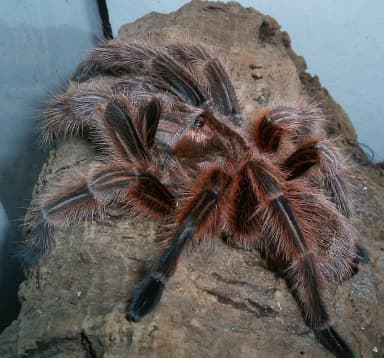
Chilean Rose Hair Tarantula
 Almabes at English Wikipedia · Public domain
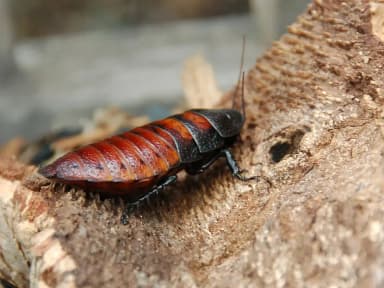
Madagascar Hissing Cockroach
Feathers & Fangs from visitors
What people who've been to Rosamond Gifford Zoo say
A Feather is something this zoo does well; a Fang is something it gets wrong. Left by people who've been, and read by us before they appear.
Loading…
About Rosamond Gifford Zoo
The Rosamond Gifford Zoo at Burnet Park sits on 43 acres in Syracuse, New York, and is owned and operated by Onondaga County Parks with support from the nonprofit Friends of the Rosamond Gifford Zoo. Founded in 1914, the zoo has been a continuously accredited member of the Association of Zoos and Aquariums since 1987, reaccredited every five years since. The zoo's website lists at least 300 species on its grounds, representing more than 1,300 individual animals; some zoo materials give a smaller figure of more than 700 animals across 216 species, a difference that likely reflects the collection changing over time.
The zoo's most popular animals include Asian elephants, Humboldt penguins, Amur tigers and a Komodo dragon. In 2022, the zoo opened a new Animal Health Center that it describes as the largest zoological medical center in New York state outside the Bronx Zoo. The zoo organizes its exhibits partly by building and partly by region, moving visitors from an aquarium cave through indoor wings for nocturnal animals, birds and social species, and out along an outdoor Wildlife Trail and waterfowl pond.
History
The zoo's roots trace to 1900, when Lyman Cornelius Smith donated $10,000 along with a zoological collection to establish it. The first version of the zoo was a small, four-acre facility in Burnet Park run by the Syracuse Department of Parks and Recreation, which opened in 1914. Its first expansion came in 1916 with stone exhibits for bears and a waterfowl pond; by 1933 the zoo had doubled in size, and by 1955 it had added a children's zoo and a monkey exhibit.
Decline set in during the early 1960s as Syracuse's tax base shrank and funding eroded. In 1974, two teenagers broke into the zoo and killed and injured several animals, intensifying public debate about its future. A volunteer group, the Friends of the Burnet Park Zoo, formed in 1970, and the city secured a grant to enlarge the zoo to 18 acres, add a boardwalk, build a western plains habitat and construct a new perimeter fence. In 1979, the city transferred control of the zoo to Onondaga County Parks.
A county staff study produced a forty-page renovation plan calling for the old zoo to close and a new one to be built with naturalistic habitats. The county legislature approved the plan in 1981, the old zoo closed in 1982, and a $13 million project — $10 million from the county, the rest from the Friends of the Burnet Park Zoo — began construction in 1983. The zoo reopened in 1986 and received its first AZA accreditation the following year.
In 1998 the zoo launched a capital campaign to fund education classrooms along with its Amur tiger and Diversity of Birds exhibits. A $2 million endowment from the Rosamond Gifford Charitable Corporation in 1999 led to the zoo being renamed the Rosamond Gifford Zoo at Burnet Park. Penguin Coast, a Humboldt penguin exhibit with a breeding colony, was completed in 2005; the zoo has since hatched more than 55 penguin chicks there as part of the species' Species Survival Plan. Since 2010, the Friends of the Zoo has helped fund capital campaigns for Primate Park, the roughly 7-acre Helga Beck Asian Elephant Preserve, and the Zalie and Bob Linn Amur Leopard Woodland.
Exhibits and habitats
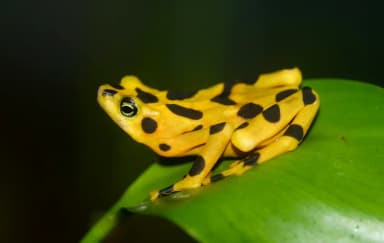
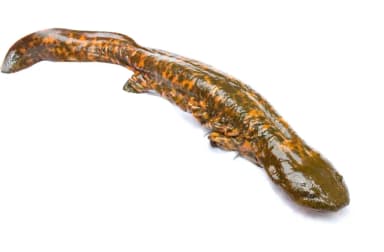
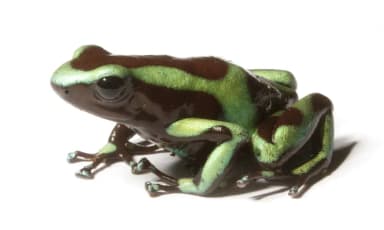
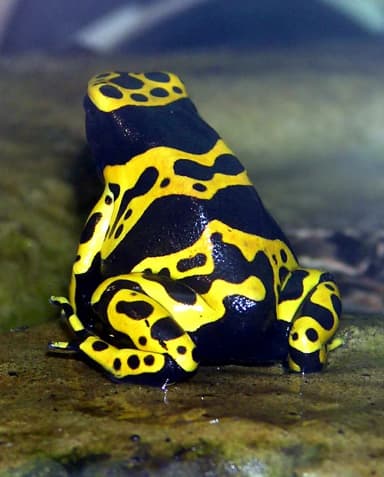
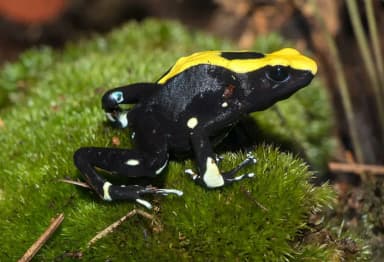
The U.S.S. Antiquities cave simulates a submarine voyage from the ocean's earliest life to creatures living on land, with insects, freshwater and marine life, reptiles and amphibians — including clownfish, Gila monsters, northern caiman lizards, yellow-spotted Amazon river turtles and poison dart frogs, along with Panamanian golden frogs, a species considered extinct in the wild.
The Adaptations of Animals wing features species with unusual survival adaptations, including a Nocturnal Animals area kept on a reverse light cycle so visitors can see animals that are normally active at night: Hoffmann's two-toed sloths, fennec foxes, southern tamanduas, North American river otters, Damaraland mole-rats, Mohol bushbabies and a North Island brown kiwi. The Diversity of Birds aviary is a large free-flight space simulating a rainforest, home to roseate spoonbills, violet turacos, Inca terns and Nicobar pigeons among others. The Social Animals Building houses Amur leopards, porcupines, golden lion tamarins, black-and-white ruffed lemurs, meerkats and the zoo's Komodo dragon in winter; the zoo has bred common patas monkeys there and in 2020 became the first known zoo in North America to hand-raise an infant patas monkey after its mother died giving birth.
Outdoors, the Waterfowl Pond holds Chilean flamingos and other aquatic birds, and the half-mile Wildlife Trail passes red pandas, Amur tigers, red wolves, snow leopards, gray wolves and Bactrian camels, among other species. The Helga Beck Asian Elephant Preserve grew out of a $6 million expansion approved by the county legislature in December 2007; completed in August 2011 and expanded twice since, it gives the zoo's elephant herd about 7 acres of outdoor grounds and a husbandry building that can house up to 12 elephants as part of the Asian elephant Species Survival Plan. The Domestic Animal Barn keeps endangered heritage livestock breeds such as San Clemente Island goats and Black Welsh Mountain sheep, and Primate Park, which opened in 2010, rotates siamangs, colobus monkeys and patas monkeys through an outdoor space with rope swings and a waterfall. The zoo's Giant Pacific octopus exhibit closed in 2024 after the death of its only octopus, Bambino.
Animal highlights
The zoo's website lists at least 300 species, though a smaller published figure elsewhere on the site puts the count at 216. Notable residents named across the zoo's materials include Asian elephants, Amur tigers, Humboldt penguins, a Komodo dragon, Amur leopards, snow leopards, red pandas, red wolves and gray wolves, along with a wide range of birds, reptiles and amphibians spread across its indoor and outdoor exhibits.
Conservation and programs
The zoo participates in Species Survival Plans for Amur tigers, Asian elephants, Amur leopards, snow leopards, red pandas, black-and-white ruffed lemurs, Humboldt penguins, red wolves, Turkmenian markhor and white-lipped deer, among other threatened and endangered species. It has also partnered with the U.S. Fish and Wildlife Service, the New York State Department of Environmental Conservation, Seneca Park Zoo, New York State Parks and SUNY to protect the Chittenango Ovate Amber Snail, a tiny species found only at Chittenango Falls State Park, where wild surveys count roughly 300 individuals. The zoo maintains a temperature-controlled colony of about 400 captive snails and has released dozens of captive-bred snails back into the wild.
On the education side, the zoo's Zoo to You program sends educators with ambassador animals to schools, libraries and community centers, while Summer Zoo Camp, School Break Zoo Camps and the EdVenture Academy offer hands-on learning for children and families. A Zoo Safari program brings students to the zoo as a "living classroom" for field trips. Most animals at the zoo are also available for symbolic adoption through its Adopt an Animal program, with proceeds supporting animal care and enrichment.
Planning your visit
As listed on the zoo's website, the zoo's hours run from 10 a.m. to 4:30 p.m., and it closes on Thanksgiving, Christmas and New Year's Day. Parking is free and available on-site, with overflow street parking in the surrounding Tipperary Hill neighborhood and Burnet Park; guests should still enter through the main entrance regardless of where they park. The zoo accepts cash, personal checks with valid ID, Visa, Mastercard and Discover, but does not participate in the Museums for All discount program, and it does not offer refunds or rain checks for weather.
Free admission is available for veterans, active military and their spouse, covering up to four people when the veteran is present with valid identification. Youth 14 and under must be accompanied by an adult. About 60% of the zoo's exhibits are indoors, and both indoor and outdoor pathways are wheelchair accessible; push wheelchairs can be rented free at the Membership Desk with an ID on file, and motorized wheelchairs are available for guests 18 and older, subject to a liability waiver and unavailable in inclement weather. A large family bathroom sits off the lobby, and the Animal Health Center includes a quiet room that doubles as a nursing space or sensory break area. Service animals are welcome in most of the zoo, though the Diversity of Birds, Animal Adaptations and Social Animals wings restrict them due to how resident animals respond to unfamiliar animals; staff can arrange an escort through those areas. Confirm current hours, pricing and policies on the zoo's official website before visiting.
What we haven't confirmed
Everything above came from public sources. These specifics we haven't stood behind yet:
- Exact, current ticket prices
- Total time recommended for a visit
- Phone number for general visitor questions
- Consistent species and animal counts (the zoo's own materials give differing figures)
Rosamond Gifford Zoo compared with nearby zoos
How Rosamond Gifford Zoo lines up against the closest zoos we have details for — useful if you're deciding between them for the same day out.
| Zoo | Distance | Admission | Hours | Size | AZA |
|---|---|---|---|---|---|
| Rosamond Gifford ZooThis zooSyracuse, NY | — | from $9 | 10am – 4:30pm | 43 acres | Yes |
| Fort Rickey Discovery ZooRome, NY | 34 mi | $12 | Fall 2026 (Sept 12 – Nov 1): Sat & Sun 10:00 AM – 4:00 PM, last admission 3:00 PM; open Columbus Day. | — | No |
| Utica ZooUtica, NY | 47 mi | $11 | 10:00am – 4:30pm | — | Yes |
| Zoo New YorkWatertown, NY | 65 mi | $12 | Open daily 10:00 AM – 5:00 PM; last ticket sold 4:30 PM. | — | No |
Distances are straight-line. A dash means we haven't confirmed that detail yet, not that the zoo lacks it.
AZAThe Association of Zoos and Aquariums. Accredited members have passed an independent inspection of animal care and welfare, safety, conservation and education, repeated every five years. Many smaller facilities never apply, so “not accredited” isn't a verdict on its own. What accreditation means · How we check this
Rosamond Gifford Zoo: common questions
Is Rosamond Gifford Zoo AZA accredited?
Yes, continuously since 1987, with reaccreditation every five years since.
How big is the zoo?
The zoo covers 43 acres in Burnet Park in Syracuse.
When did the zoo open?
The zoo traces to a small four-acre facility that opened in 1914, though it was rebuilt and reopened in its current form in 1986.
How many species can visitors see?
The zoo's website lists at least 300 species, home to more than 1,300 individual animals, though a smaller figure of 216 species also appears in zoo materials.
Is the zoo wheelchair accessible?
Yes. About 60% of exhibits are indoors, both indoor and outdoor paths are accessible, and push and motorized wheelchairs are available to rent.
Is parking free?
Yes, parking at the zoo is free, with additional street parking available nearby.
Can I bring a service animal?
Service animals are welcome in most areas, though a few indoor wings restrict access due to how the resident animals react to unfamiliar animals.
Something wrong here? Tell us — we correct in place, with a dated note.