
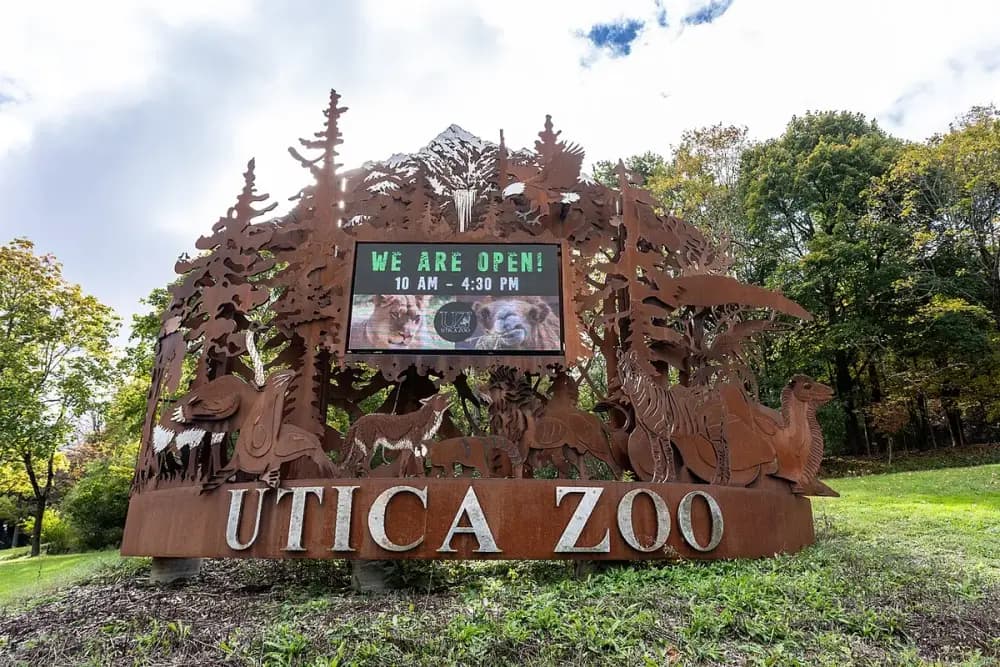
- Admission
- $11
- Accreditation
- AZA
Association of Zoos and Aquariums
Everything below is directory information drawn from public sources and the zoo's own site.
Animals at Utica Zoo
60 confirmedMammals26
 Sunuwargr · CC BY-SA 4.0
Red panda
 Jkasvi ( talk · contribs ) · CC BY-SA 3.0
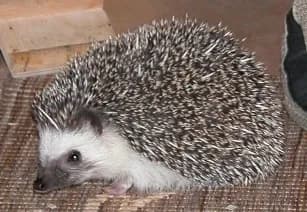
Hedgehog
 Charles J. Sharp · CC BY-SA 4.0
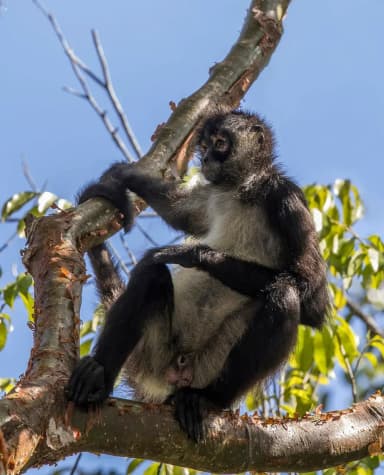
Black-handed Spider Monkey
 Bernard Gagnon · CC BY-SA 3.0
Zebu
 Christian Ursilva from Copenhagen, Denmark · CC BY-SA 4.0
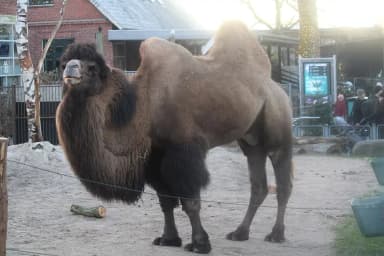
Bactrian Camel
 Kuebi = Armin Kübelbeck · CC BY-SA 3.0
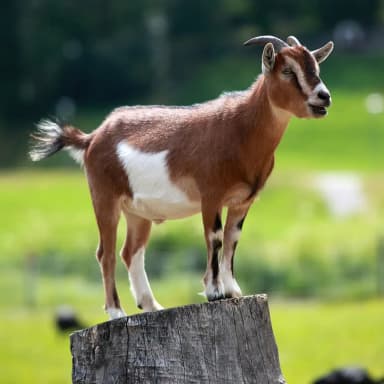
Nigerian Dwarf Goat
 Hugo Hulsberg · CC0
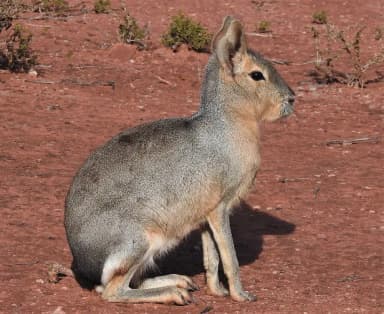
Patagonian Mara
 Wilfried Berns www.Tierdoku.com · CC BY-SA 2.0 de
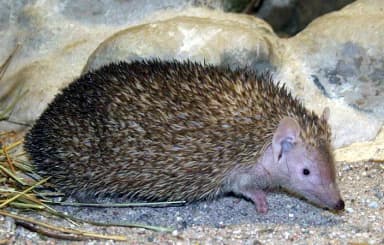
Lesser Hedgehog Tenrec
 Adrian Pingstone · Public domain
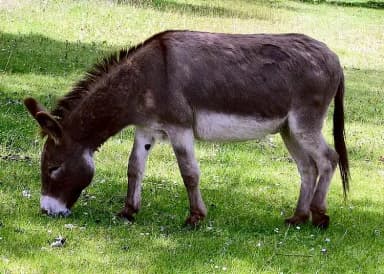
Miniature Donkey
 Wikimedia Commons · Public domain
North American Porcupine
 Charles J. Sharp · CC BY-SA 4.0
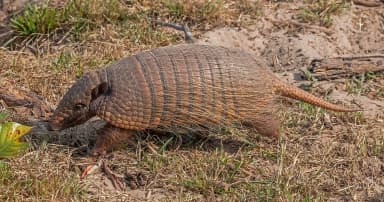
Six-banded Armadillo
 User:MatthiasKabel · CC BY 2.5
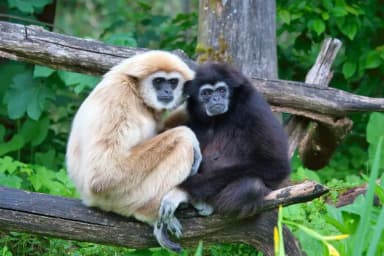
White-handed Gibbon
 Daderot · CC0
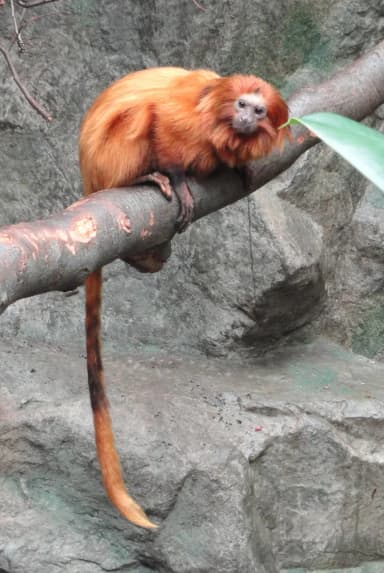
Golden Lion Tamarin
 AfricanConservation · CC BY-SA 4.0
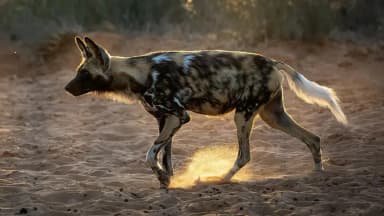
African Wild Dog
 Michael Zahra · CC BY-SA 3.0
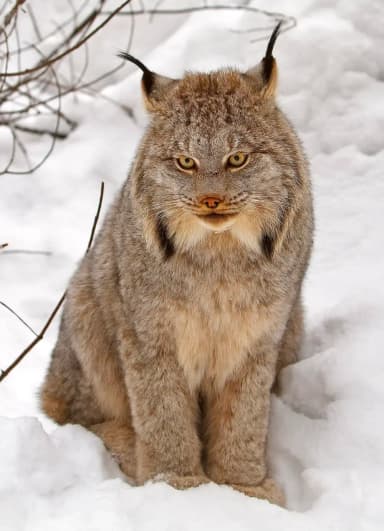
Canada Lynx
 Rufus46 · CC BY-SA 3.0
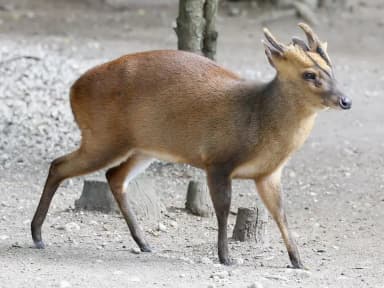
Reeve's Muntjac
 Noodle snacks ( https://www.jjharrison.com.au/)Bennett's Wallaby) · CC BY-SA 3.0
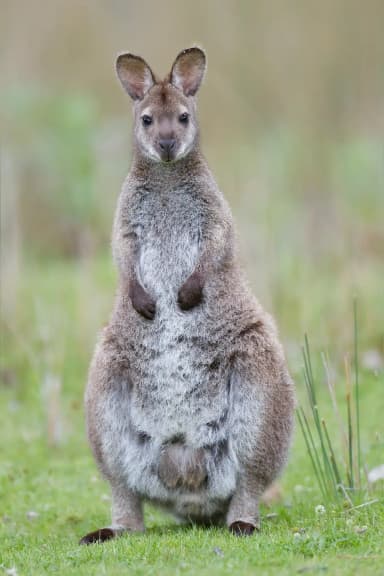
Bennett's Wallaby
 Markus · CC BY-SA 2.0
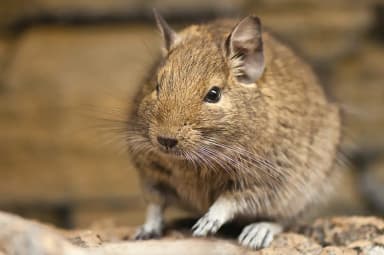
Degu
 euqirneto · CC BY 4.0
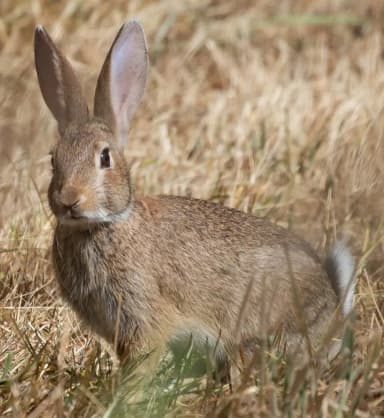
Domestic Rabbit
 Sander van der Wel · CC BY-SA 2.0
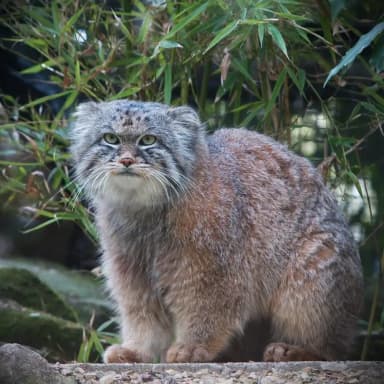
Pallas's Cat
 CharlesC · CC BY-SA 3.0
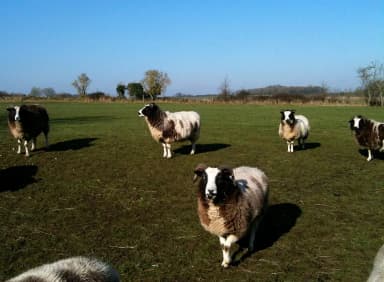
Jacob Sheep
 Giles Laurent · CC BY-SA 4.0
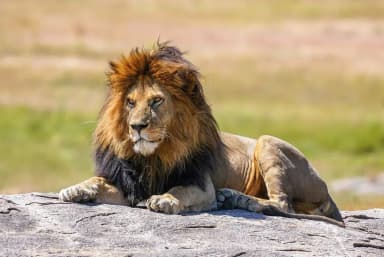
Lion
 Animalculum · CC BY 4.0
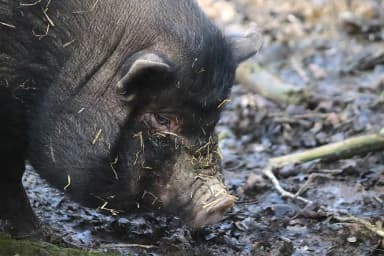
Pot-bellied Pig
 SouthernThreeBandedArmadillo065.jpg : Ltshears derivative work: WolfmanSF ( talk ) · CC BY-SA 3.0
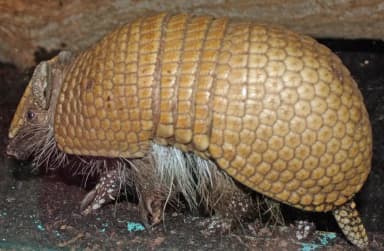
Three-banded Armadillo
 KKPCW · CC BY-SA 4.0
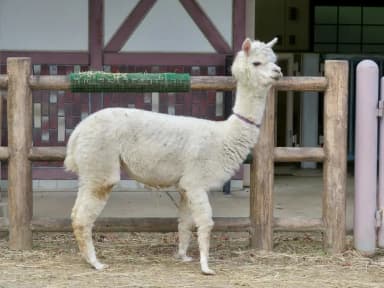
Alpaca
Birds7
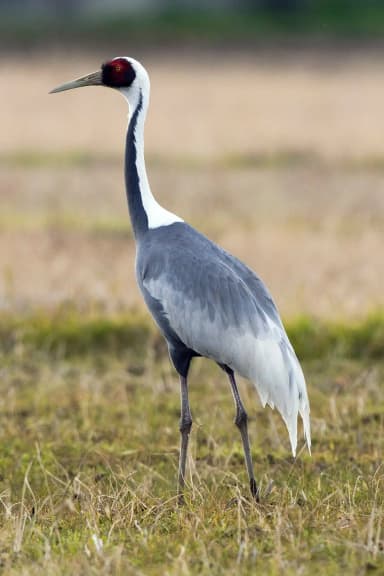 Spaceaero2 · CC BY-SA 3.0
White-naped Crane
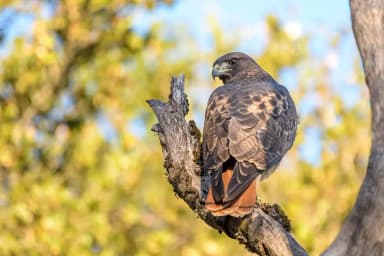 Becky Matsubara from El Sobrante, California · CC BY 2.0
Red-tailed Hawk
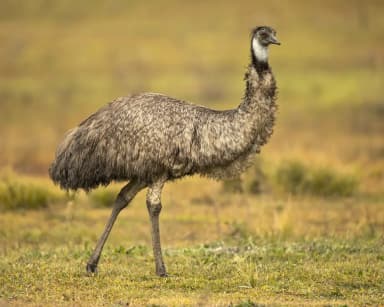 JJ Harrison ( https://www.jjharrison.com.au/ ) · CC BY-SA 4.0
Emu
 Andy Morffew from Itchen Abbas, Hampshire, UK · CC BY 2.0
Bald Eagle
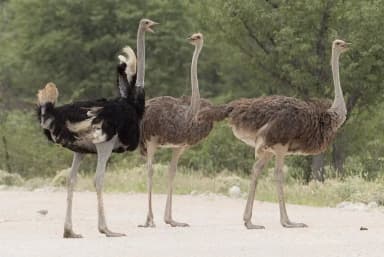 Yathin S Krishnappa · CC BY-SA 4.0
Ostrich
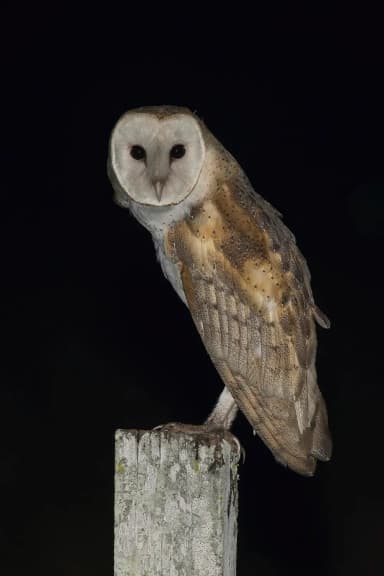 Charles J. Sharp · CC BY-SA 4.0
Barn Owl
Reptiles22
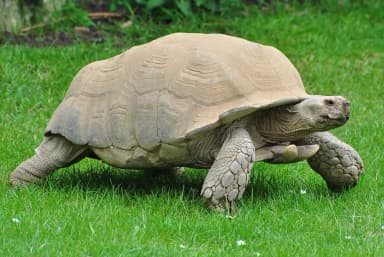 John5199 · CC BY 2.0
African Spurred Tortoise
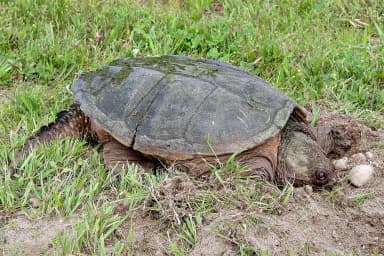 Moondigger · CC BY-SA 2.5
Snapping Turtle
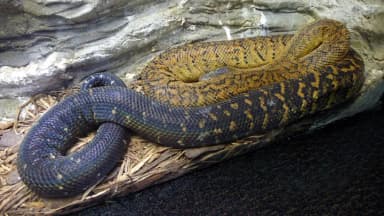 TimVickers · Public domain
Jamaican Boa
 hug_78 · CC BY 2.0
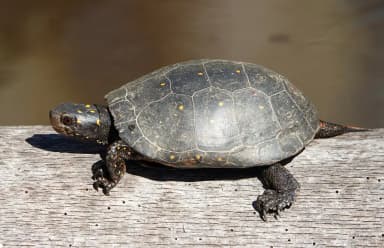
Spotted Turtle
 TimVickers · Public domain
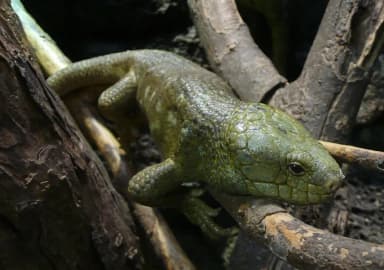
Prehensile-tailed Skink
 Tim Ross · Public domain
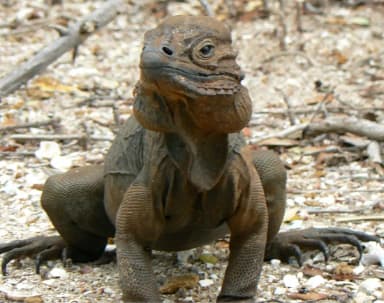
Rhinoceros Iguana
 Damien Farrell · CC BY 3.0
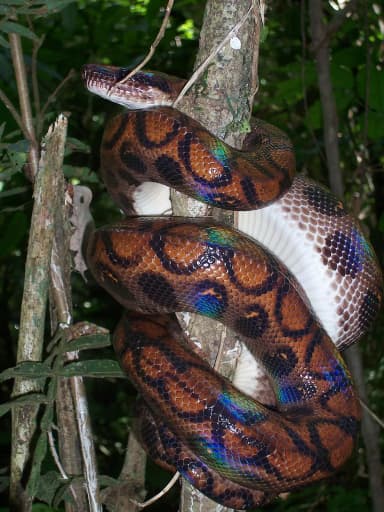
Rainbow Boa
 The Reptilarium · CC BY-SA 2.0
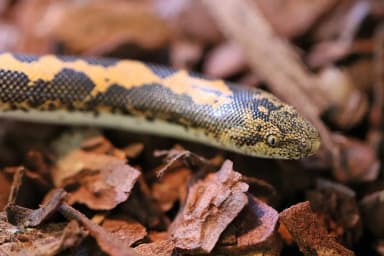
Kenyan Sand Boa
 George Chernilevsky · Public domain
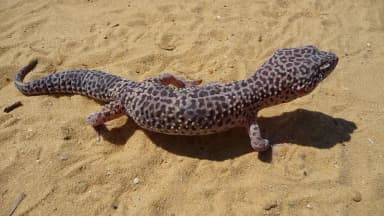
Leopard Gecko
 Davidvraju · CC BY-SA 4.0
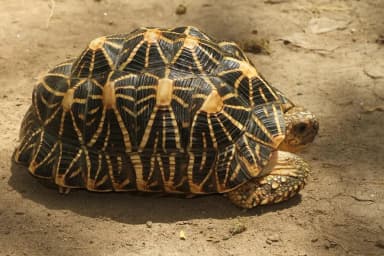
Indian Star Tortoise
 Ltshears · Public domain
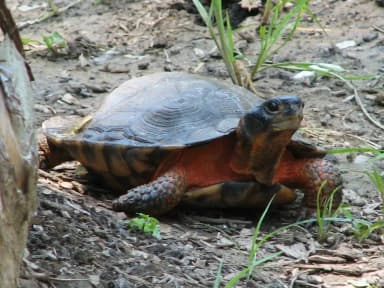
Wood Turtle
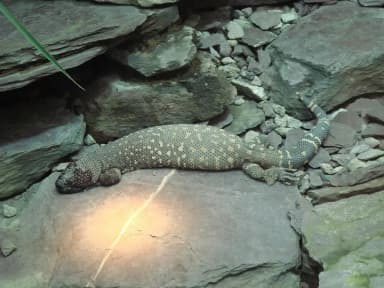 David Rubin · CC BY 2.0
Mexican Beaded Lizard
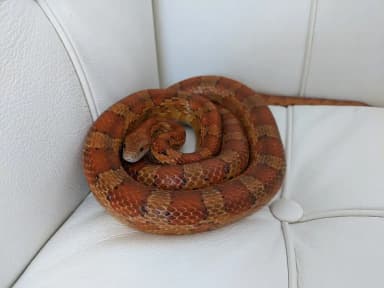 Ethan Porcaro · CC0
Corn Snake
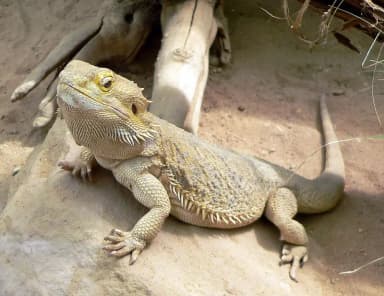 Photograph: Frank C. Müller , Baden-Baden · CC BY-SA 2.5
Bearded Dragon
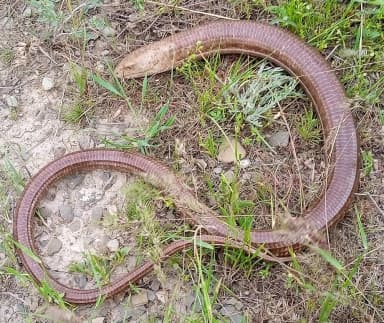 Igor Karyakin · CC BY 4.0
European Glass Lizard
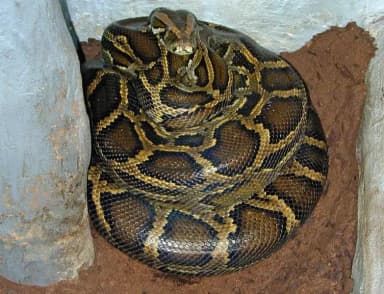 Tigerpython · CC BY 3.0
Burmese Python
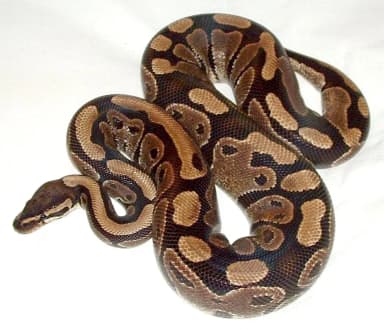 HCA ( talk ) · CC BY-SA 3.0
Ball Python
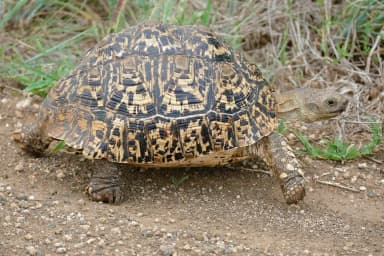 Bernard DUPONT from FRANCE · CC BY-SA 2.0
Leopard Tortoise
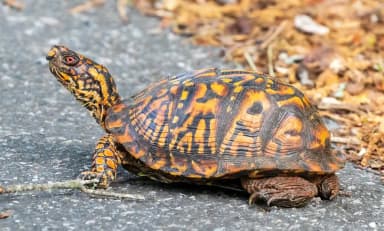 (c) Joshua Liverman, some rights reserved (CC BY) · CC BY 4.0
Eastern Box Turtle
 Doug Beckers · CC BY-SA 2.0
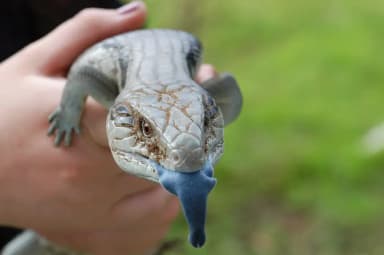
Blue-tongued Skink
Amphibians2
Feathers & Fangs from visitors
What people who've been to Utica Zoo say
A Feather is something this zoo does well; a Fang is something it gets wrong. Left by people who've been, and read by us before they appear.
Loading…
About Utica Zoo
Utica Zoo sits inside Roscoe Conkling Park in Utica, New York, on land donated by Thomas R. Proctor in 1909, with the park's roads and scenic walkways laid out by landscape architect Frederick Law Olmsted Jr. — son of the man who designed Central Park. The zoo itself dates to 1914, when it began with a starting collection of three fallow deer, and has grown since to more than 200 animals representing 99 species, according to its own account. The City of Utica owns the roughly 80 acres set aside for the zoo, of which about 40 are currently developed; the City of Utica Parks Department managed the zoo until 1964, when responsibility passed to the Utica Zoological Society, later chartered by New York State as an educational institution.
Utica Zoo lost its Association of Zoos and Aquariums accreditation in 2004 amid financial difficulties that forced it to defer maintenance, and it worked for over a decade to earn it back — paying off debt, then rebuilding aging exhibits including its outdated white-handed gibbon enclosure — before regaining AZA accreditation in 2018.
The zoo organizes its collection into six on-exhibit sections built around world regions: the African Ridge, the Forever Forests, Scales and Tails, the Asian Realm, North Trek, and Backyards and Barnyards, plus a private Ambassador Animals building used for encounters and education programs.
History
Utica Zoo opened in 1914 with three fallow deer, inside a park created from land Thomas R. Proctor donated in 1909 in hopes it could do for South Utica what Central Park had done for New York City. The zoo's first permanent building went up in 1920; it now houses administrative offices, an auditorium, reptile exhibits, and the zoo's kitchen. The City of Utica Parks Department ran the zoo until 1964, when the newly formed Utica Zoological Society took over full management; the society hired the zoo's first professional director in 1966, and Marlin Perkins officiated the opening of the Children's Zoo the following year. The society was chartered as an educational institution by the New York State Department of Education in 1968.
In 2000, the zoo acquired a 15.5-foot metal sculpture of a watering can — originally built with city funds at the request of Mayor Ed Hanna — that Guinness World Records lists as the world's largest watering can. Financial troubles in 2004 forced deferred maintenance and cost the zoo its AZA accreditation; after paying off its debts, the zoo began pursuing re-accreditation in 2011, rehabilitated its primate building between 2015 and 2018 with state and county grants, and regained AZA accreditation in 2018, the same year it opened the outdoor portion of its white-handed gibbon exhibit.
The zoo released a comprehensive master plan in September 2016, its first since 1990, built around a "return on exhibit" analysis of every part of the zoo weighed against species conservation status, education value, and exhibit cost. In October 2022, zoo employees voted to unionize and are now represented by the Civil Service Employees Association.
Exhibits and habitats
The African Ridge houses East African lions, striped hyenas, mountain zebras, ostriches, and a red-tailed hawk, and previously held Rüppell's vultures, ring-tailed lemurs, and a serval. The zoo took in its current lions, Bakari and Monni, in 2011 after the death of its Siberian tiger Minona ended thirty years without lions on the grounds; the pair produced three cubs that still lived at the zoo as of 2022.
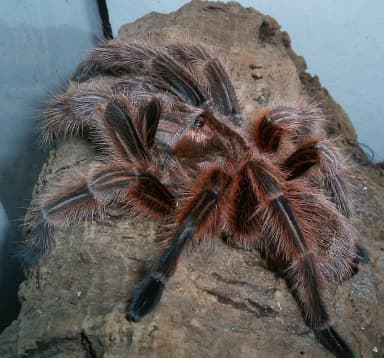
The Forever Forests represents Central and South America with Chinese red pandas, Mexican spider monkeys, and white-handed gibbons; the zoo's red panda pair produced cubs in 2015 as part of a Species Survival Plan for the endangered species, though both parents later died in 2021. Scales and Tails, an indoor habitat, holds reptiles and small mammals including a Burmese python, wood turtles, prehensile-tailed skinks, Jamaican boas, an Everglades rat snake, box turtles, Mexican beaded lizards, a Uromastyx lizard, lion tamarins, and a Chilean rose-haired tarantula.
The Asian Realm covers white-naped cranes, Reeves's muntjac, Bennett's wallabies, emus, sulcata tortoises, Chinese alligators, Karakul sheep, Transcaspian urials, a Bactrian camel, and northern bald eagles. North Trek, themed to North America, is home to Canadian lynxes, Mexican wolves, and a Pallas's cat, while Backyards and Barnyards holds Jacob sheep, North American river otters, a night heron, golden pheasants, alpacas, miniature zebus, miniature donkeys, western barn owls, chickens, beavers, Vietnamese pot-bellied pigs, Nigerian dwarf goats, and Patagonian cavies.
A private Ambassador Animals building, used for encounters, Zoomobile visits, and birthday parties, houses dwarf hedgehogs, rabbits, long-tailed chinchillas, turtles, snakes, tarantulas, lizards, lesser tenrecs, armadillos, hyacinth macaws, frogs, degus, and owls. The zoo's other major exhibits include the Lion exhibit, a California sea lion exhibit completed in 1986 — the sea lions were rehomed in 2021 after the zoo determined the space was too small for them to exercise freely — and the outdoor White-Handed Gibbon Living Rainforest exhibit, opened in 2018. A striped hyena and Mexican spider monkey exhibit was completed in spring 2020, and a new playground, Wadas' Wild Play Park, sits between the Rotary Pavilion and the Children's Zoo.
Animal highlights
Utica Zoo describes its collection as more than 200 animals representing 99 species across its six exhibit sections. Species named across the zoo's materials include East African lions, striped hyenas, mountain zebras, Chinese red pandas, Mexican spider monkeys, white-handed gibbons, Canadian lynxes, Mexican wolves, a Pallas's cat, Chinese alligators, a Bactrian camel, and northern bald eagles, alongside a working farm collection of Jacob sheep, alpacas, miniature zebus, and Nigerian dwarf goats. Recent additions include a Hartmann's mountain zebra foal born in July 2022 and a white-handed gibbon infant born in January 2023. The zoo's lion pride, hyena, and red panda populations have been managed with breeding and Species Survival Plan goals in mind, though its red pandas and California sea lions have both left the collection in recent years — the sea lions rehomed for space reasons in 2021, and the red panda pair lost to illness in 2021 after producing cubs in 2015.
Conservation and programs
Utica Zoo has taken part in in situ conservation and research projects for nearby wild populations of frosted elfins, Chittenango ovate amber snails, and turtles. Its education department has run experiential programs for learners of all ages since 1965, using live animals and biofacts, and is chartered by the New York State Department of Education, with programming built to meet Next Generation Science Standards and New York's P-12 learning standards. Several of the zoo's exhibits also carry conservation aims tied to Species Survival Plans, including its red panda breeding program and its African lion pride.
Planning your visit
Utica Zoo lists its hours as 10:00 a.m. to 4:30 p.m., open 363 days a year and closed only for Thanksgiving and Christmas; the zoo notes it sometimes closes early for private events, so confirm hours on the official website before visiting. Ticket price amounts were not available in the material used for this page; check the zoo's website or ticket portal for current admission.
Parking is free in two lots on zoo grounds, a short walk from the main gate. The zoo accepts cash, checks, major credit cards, and mobile payments such as Apple Pay and Google Pay. Strollers can be rented for $7.50 a day, and manual, non-electric wheelchairs are available at no charge, with advance phone reservations recommended. The zoo's concession stand, Polly's, is open daily from 11 a.m. to 4 p.m. from spring through Labor Day, then weekends only through late October; visitors may also bring their own food and non-alcoholic drinks, though items with common allergens are asked to stay out of the playground area. Keeper talks happen daily at set times throughout the zoo. Confirm current hours, pricing, and any closures on the official website before you go.
What we haven't confirmed
Everything above came from public sources. These specifics we haven't stood behind yet:
- Current ticket prices
- Total developed acreage (the zoo's pages give slightly different figures)
- Off-season concession stand hours
- Time needed for a full visit
Utica Zoo compared with nearby zoos
How Utica Zoo lines up against the closest zoos we have details for — useful if you're deciding between them for the same day out.
| Zoo | Distance | Admission | Hours | Size | AZA |
|---|---|---|---|---|---|
| Utica ZooThis zooUtica, NY | — | $11 | 10:00am – 4:30pm | — | Yes |
| Fort Rickey Discovery ZooRome, NY | 18 mi | $12 | Fall 2026 (Sept 12 – Nov 1): Sat & Sun 10:00 AM – 4:00 PM, last admission 3:00 PM; open Columbus Day. | — | No |
| Rosamond Gifford ZooSyracuse, NY | 47 mi | from $9 | 10am – 4:30pm | 43 acres | Yes |
| Adirondack Animal LandGloversville, NY | 52 mi | $18 | 2026 season July 1 – August 30: 11:00 AM – 4:00 PM, last ticket sold 3:00 PM. Closed for the season. | — | No |
Distances are straight-line. A dash means we haven't confirmed that detail yet, not that the zoo lacks it.
AZAThe Association of Zoos and Aquariums. Accredited members have passed an independent inspection of animal care and welfare, safety, conservation and education, repeated every five years. Many smaller facilities never apply, so “not accredited” isn't a verdict on its own. What accreditation means · How we check this
Utica Zoo: common questions
Is Utica Zoo AZA accredited?
Yes, after losing accreditation in 2004 due to financial strain, the zoo regained AZA accreditation in 2018.
How big is the zoo?
The city owns roughly 80 acres of zoo property, with about 40 currently developed.
When did it open?
The zoo dates to 1914, when it began with a collection of three fallow deer.
What animals can you see?
More than 200 animals representing 99 species, including African lions, red pandas, white-handed gibbons, and Mexican wolves.
Is there parking?
Yes, free parking is available in two lots on zoo grounds.
Is it stroller and wheelchair accessible?
Strollers can be rented for $7.50 a day, and non-electric wheelchairs are available at no charge.
Is there food inside?
Yes, the concession stand Polly's operates seasonally, and outside food and non-alcoholic drinks are permitted.
Something wrong here? Tell us — we correct in place, with a dated note.