- Where to see one
- 3 U.S. zoos in our directory hold largemouth bass, confirmed against each zoo's own animal list.
Conservation status
Not Evaluated
This species has not been assessed for the IUCN Red List, so it sits outside the threat scale entirely.
About the largemouth bass
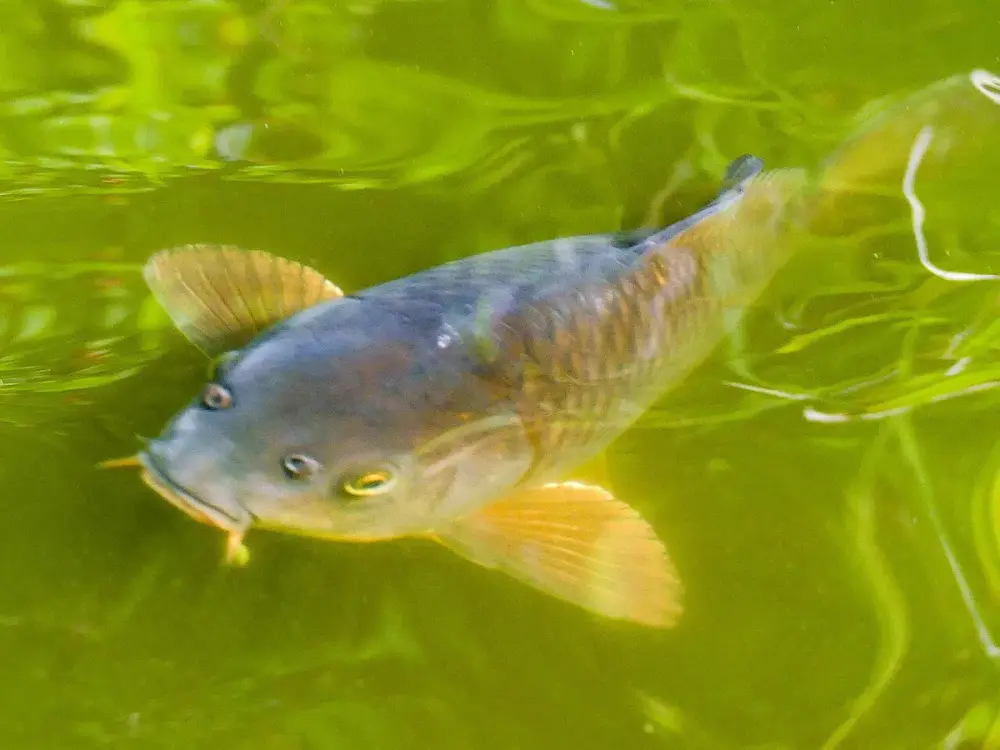
The largemouth bass is a carnivorous freshwater fish of the sunfish family, native to the eastern and central United States, southeastern Canada and northern Mexico. It is olive green to greenish-gray, with dark blotches forming a jagged stripe along each flank, and it is the largest of the black basses. It favours lakes with abundant vegetation near the shore. Juveniles eat small baitfish, water fleas and insects, while adults take fish, crayfish, frogs and even snakes, and are generally apex predators. Prized by anglers, it has been introduced to many regions and has become invasive in some, where it displaces native species.
Largemouth Bass facts
- The largest recorded length is 29.5 inches (75 cm), with an unofficial maximum weight of 25 lb 1 oz (11.4 kg).
- Prey can be as large as half the bass's own body length or more.
- It is the state fish of Georgia and Mississippi.
- Fish in the wild typically live 10 to 16 years, and females grow larger than males.
Where to see largemouth bass in the U.S.
3 zoos across 2 states
Find the closest one
Rank the 3 zoos holding largemouth bass by how far they are from you. Your location is used in your browser to sort this list and is never sent to us.
AZAThe Association of Zoos and Aquariums. Accredited members have passed an independent inspection of animal care and welfare, safety, conservation and education, repeated every five years. Many smaller facilities never apply, so “not accredited” isn't a verdict on its own. What accreditation means · How we check this
Built from each zoo's own published animal list.