
San Francisco Zoo
San Francisco, CA
- Admission
- $32–$34
- Size
- 100 acres
- Opened
- 1929
- Accreditation
- AZA
varies by day of the week
Association of Zoos and Aquariums
Everything below is directory information drawn from public sources and the zoo's own site.
Animals at San Francisco Zoo
77 of the ~250 species this zoo listsThis is a partial list — we only show species we've confirmed against the zoo's own pages, and their full collection is considerably larger.
Mammals29
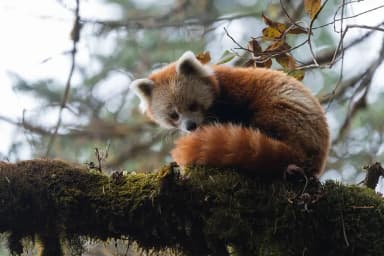 Sunuwargr · CC BY-SA 4.0
Red panda
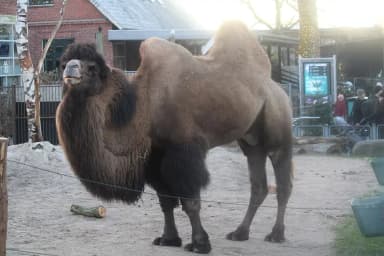 Christian Ursilva from Copenhagen, Denmark · CC BY-SA 4.0
Bactrian Camel
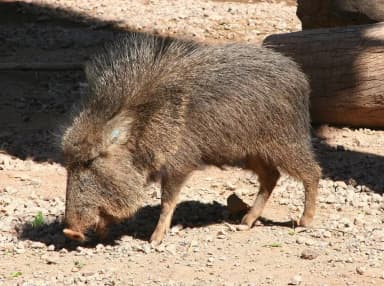 Dave Pape · Public domain
Chacoan Peccary
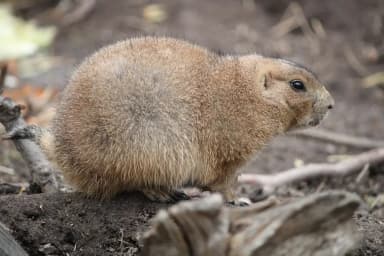 Christian Ursilva from København, Danmark · CC BY-SA 4.0
Black-tailed Prairie Dog
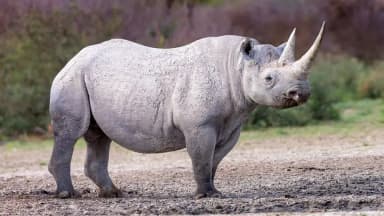 AfricanConservation · CC BY-SA 4.0
Black Rhinoceros
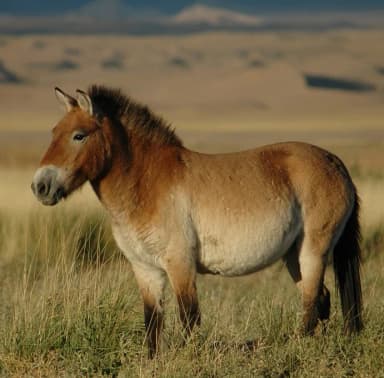 Claudia Feh · CC BY-SA 4.0
Przewalski's Horse
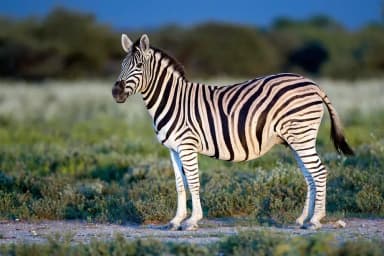 Yathin S Krishnappa · CC BY-SA 3.0
Zebra
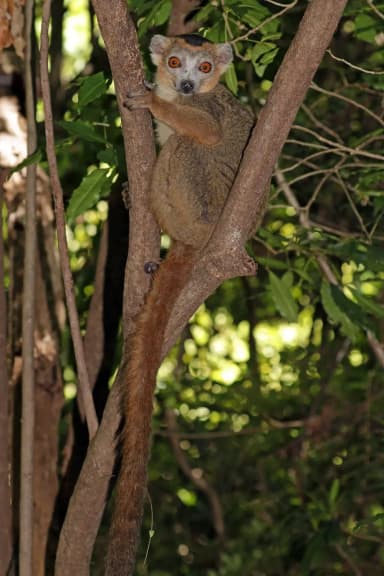 Charles J. Sharp · CC BY-SA 4.0
Crowned Lemur
 Relative of Brandt Luke Zorn, most likely his father. · CC BY-SA 2.0
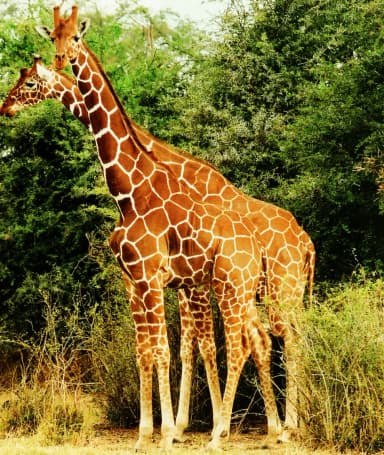
Reticulated giraffe
 Brocken Inaglory · CC BY-SA 3.0
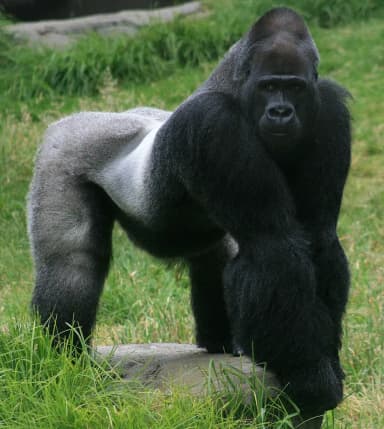
Gorilla
 Esquilo · CC BY-SA 3.0
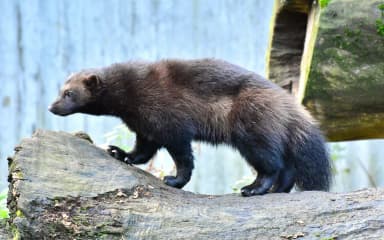
Wolverine
 Charles J. Sharp · CC BY-SA 4.0
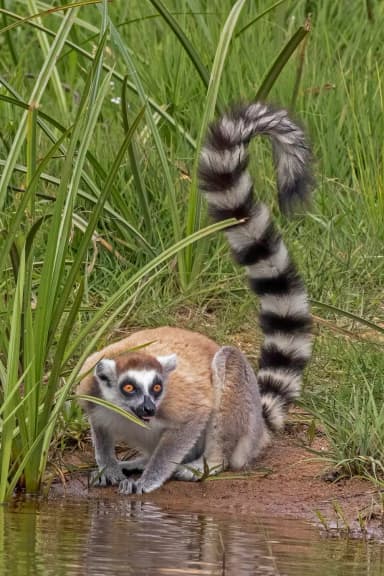
Ring-tailed Lemur
 Katma0601 · CC BY-SA 4.0
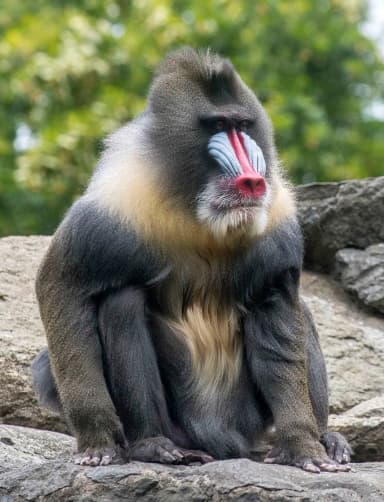
Mandrill
 Malene Thyssen · CC BY-SA 3.0
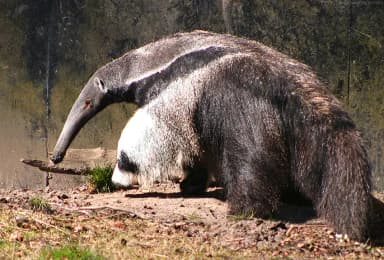
Giant Anteater
 Giles Laurent · CC BY-SA 4.0
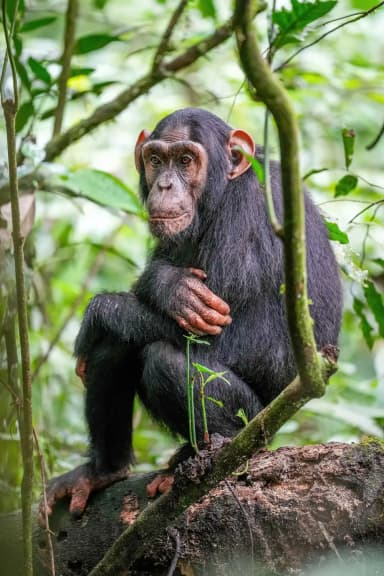
Chimpanzee
 Giles Laurent · CC BY-SA 4.0
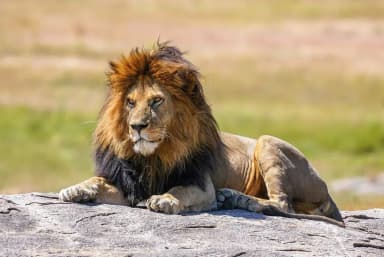
Lion
 Irbis1983 · Public domain
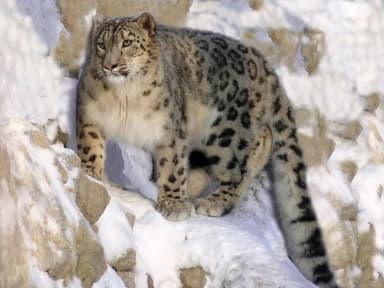
Snow Leopard
 Diliff · CC BY-SA 3.0
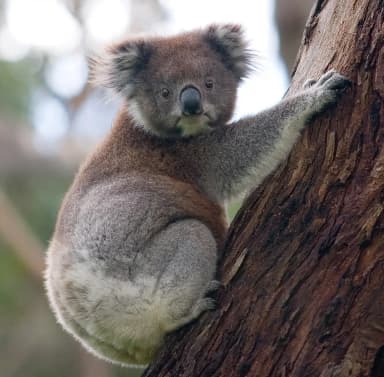
Koala
 derekkeats · CC BY-SA 2.0
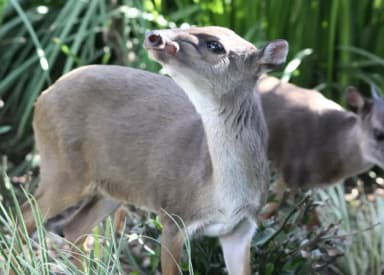
Blue Duiker
 Nanosanchez · CC BY-SA 4.0
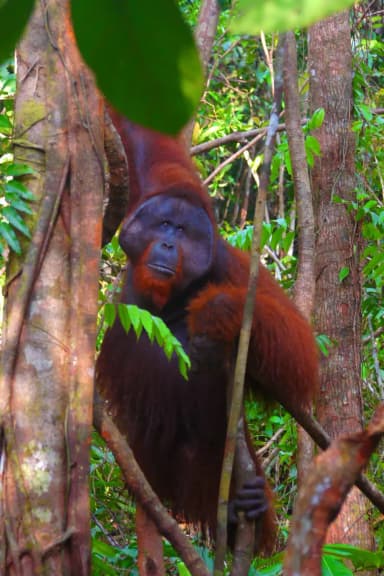
Orangutan
 Olivier Lejade · CC BY-SA 2.0
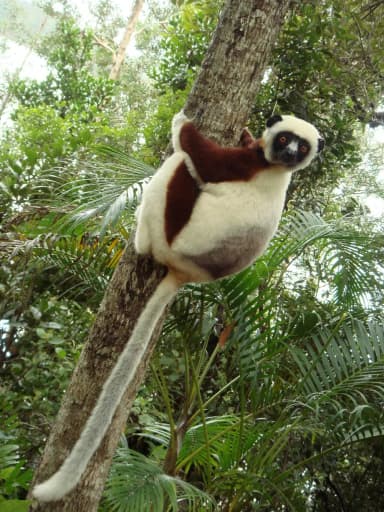
Coquerel's Sifaka
 Mayank1704 · CC BY-SA 4.0
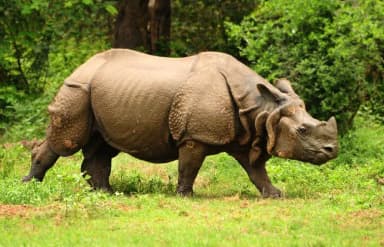
Greater One-horned Rhinoceros
 Charles J. Sharp · CC BY-SA 4.0
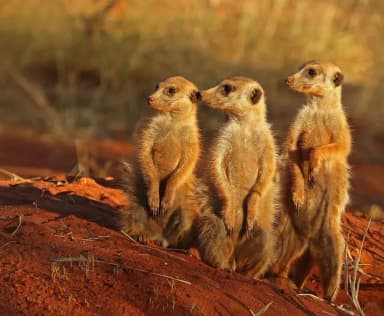
Meerkat
 kallerna · CC BY-SA 4.0
Kunekune Pig
 Charles Miller from Basingstoke, United Kingdom · CC BY 2.0
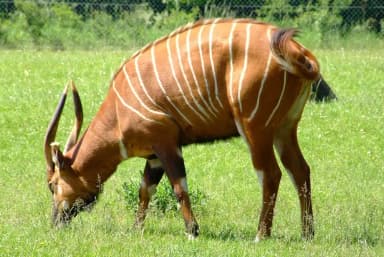
Bongo
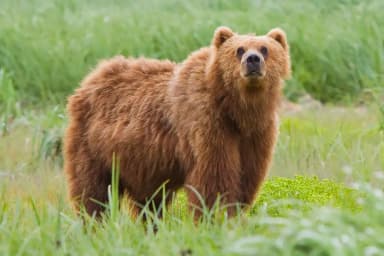 Yathin S Krishnappa · CC BY-SA 3.0
Grizzly bear
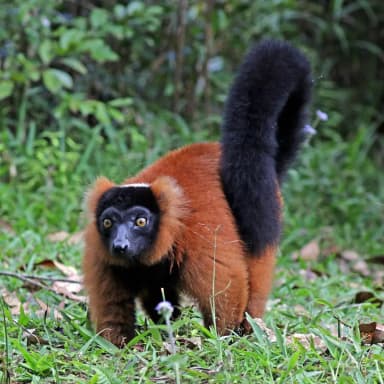 Charles J. Sharp · CC BY-SA 4.0
Red Ruffed Lemur
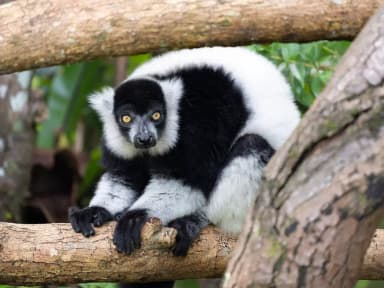 Chensiyuan · CC BY-SA 4.0
Black-and-white Ruffed Lemur
Birds25
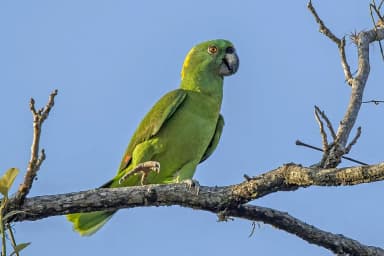 Charles J. Sharp · CC BY-SA 4.0
Yellow-naped Amazon
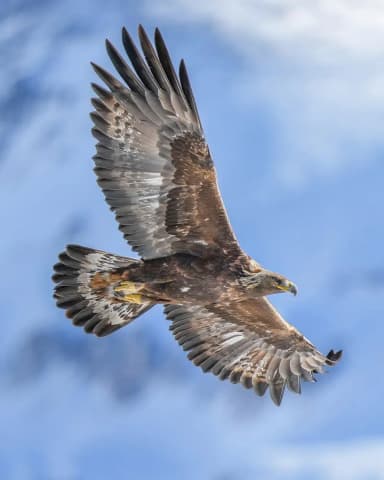 Giles Laurent · CC BY-SA 4.0
Golden Eagle
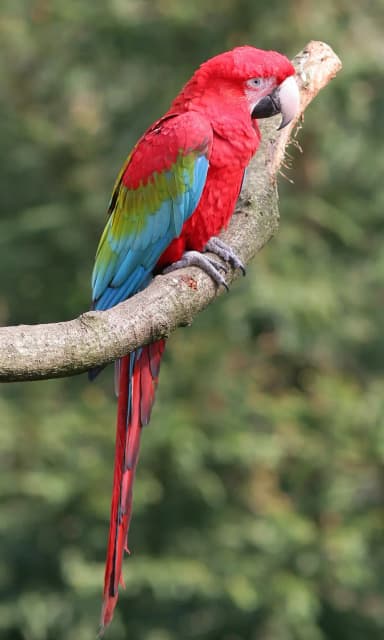 Arjan Haverkamp · CC BY 2.0
Green-winged Macaw
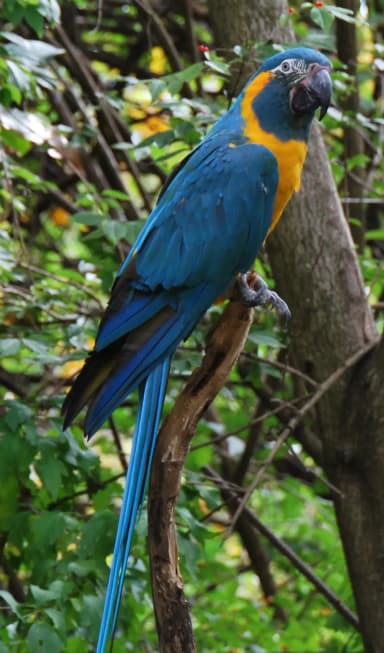 Ted · CC BY-SA 2.0
Blue-throated Macaw
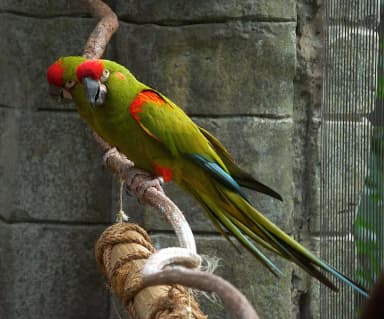 Flickr user (Wikimedia Commons) · CC BY 2.0
Red-fronted Macaw
 Martin Mecnarowski ( http://www.photomecan.eu/ ) · CC BY-SA 3.0
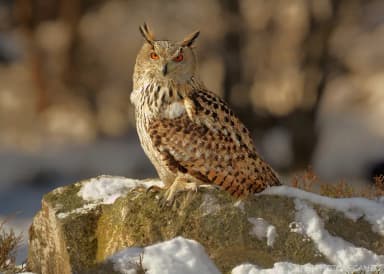
Eurasian Eagle-Owl
 Francesco Veronesi from Italy · CC BY-SA 2.0
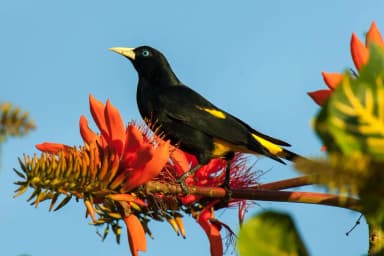
Yellow-rumped Cacique
 Summerdrought · CC BY-SA 4.0
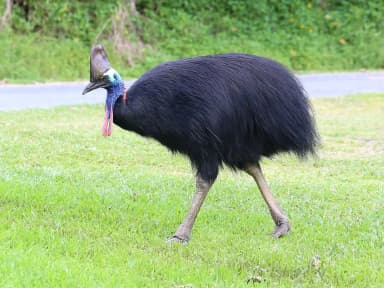
Southern Cassowary
 JJ Harrison ( https://www.jjharrison.com.au/ ) · CC BY-SA 4.0
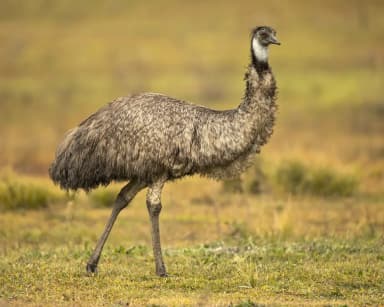
Emu
 Len Worthington · CC BY-SA 2.0
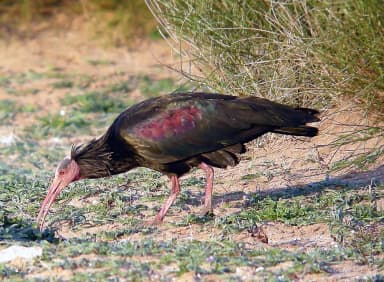
Northern Bald Ibis
 JJ Harrison · CC BY-SA 3.0
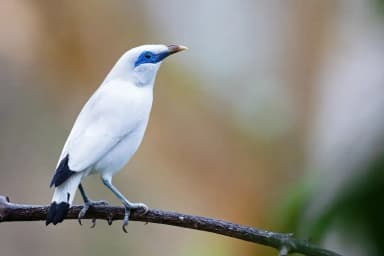
Bali Myna
 Dick Daniels ( http://carolinabirds.org/ ) · CC BY-SA 3.0
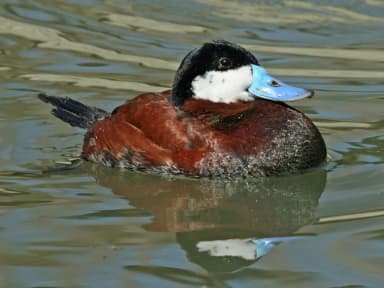
Ruddy Duck
 Manjith Kainickara · CC BY-SA 2.0
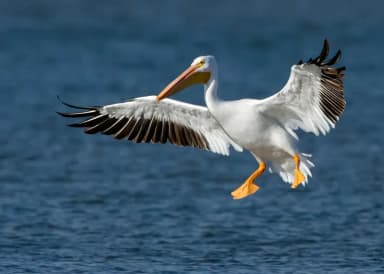
American White Pelican
 Tom Maher · CC0
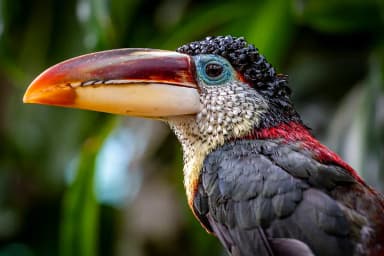
Curl-crested Aracari
 Dick Daniels · CC BY-SA 3.0
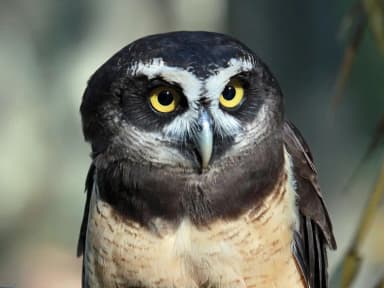
Spectacled Owl
 Giles Laurent · CC BY-SA 4.0
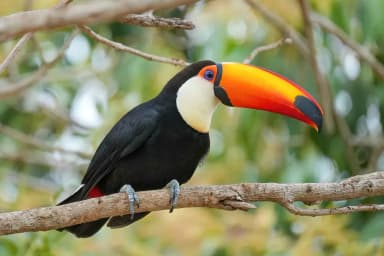
Toco Toucan
 Alan D. Wilson · CC BY-SA 2.5
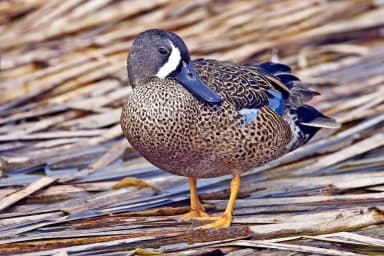
Blue-winged Teal
 Yathin S Krishnappa · CC BY-SA 4.0
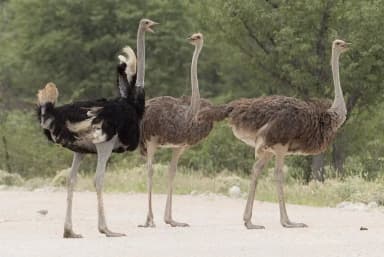
Ostrich
 Charles J. Sharp · CC BY-SA 4.0
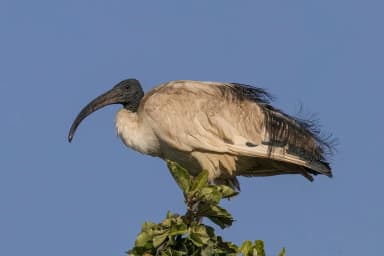
Sacred Ibis
 Charles J. Sharp · CC BY-SA 4.0
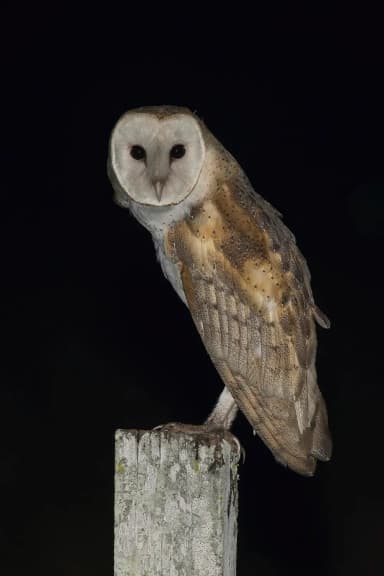
Barn Owl
Reptiles10
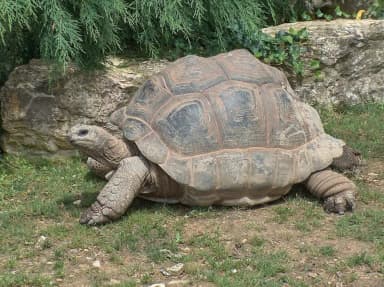 Yotcmdr · Public domain
Aldabra Tortoise
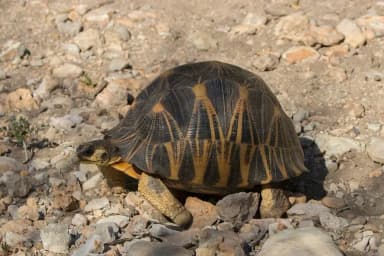 Charles J. Sharp · CC BY-SA 4.0
Radiated Tortoise
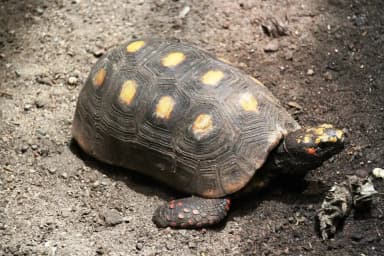 Bjoertvedt · CC BY-SA 3.0
Red-footed Tortoise
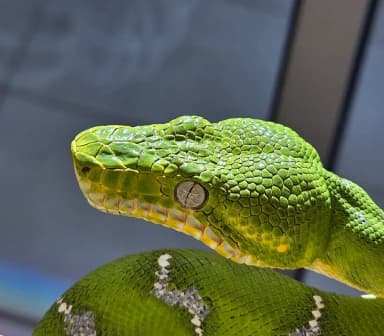 Edeag3 · CC BY-SA 4.0
Emerald Tree Boa
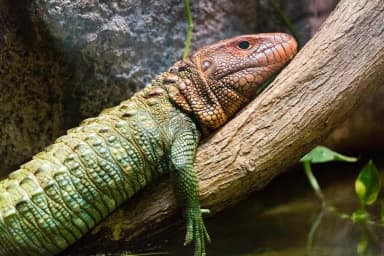 Brett Weinstein · CC BY-SA 3.0
Caiman Lizard
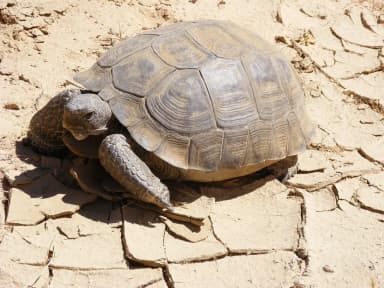 Tigerhawkvok · CC BY-SA 3.0
Desert Tortoise
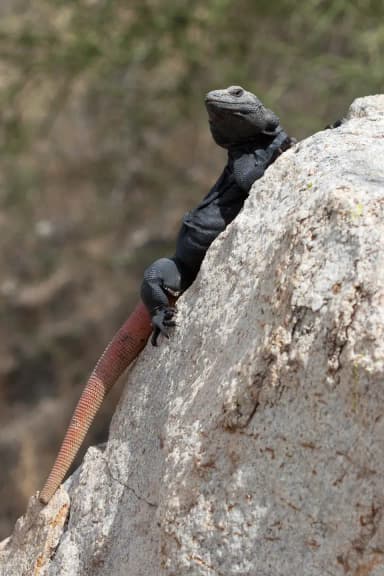 Kaldari · Public domain
Chuckwalla
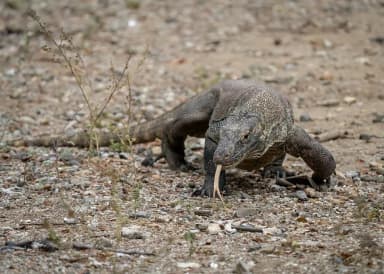 James Jolokia ( james1203 ) · CC BY 4.0
Komodo Dragon
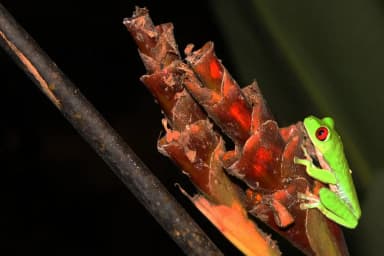
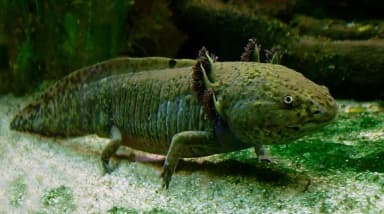
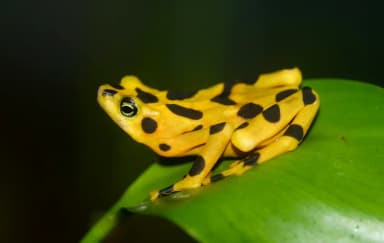
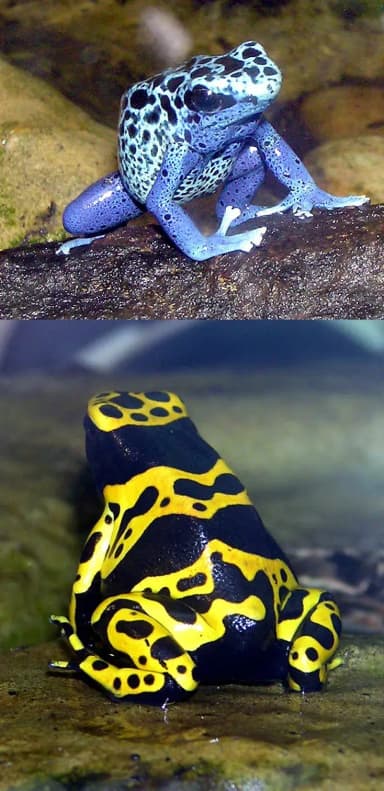

Feathers & Fangs from visitors
What people who've been to San Francisco Zoo say
A Feather is something this zoo does well; a Fang is something it gets wrong. Left by people who've been, and read by us before they appear.
Loading…
About San Francisco Zoo
San Francisco Zoo and Gardens occupies 100 acres on the west side of San Francisco, between Lake Merced and the Pacific Ocean along the Great Highway. The city's Recreation & Parks Department owns the property, and the San Francisco Zoological Society, a nonprofit organization, has managed it under a public-private partnership since 1993, receiving $4.2 million a year from the city. As of 2016, the zoo reported housing more than a thousand individual animals representing more than 250 species; more recent figures on the zoo's own site put the collection at more than 2,000 animals in over 100 acres of gardens.
Planning for the zoo began in 1929 under founder Herbert Fleishhacker, a banker and president of the San Francisco Parks Commission, and it originally carried his name as the Fleishhacker Zoo. It sits on land that already held a children's zoo and playground, a Michael Dentzel/Marcus Illions carousel dating to around 1921, and the Mother's Building, a lounge for women and children. The zoo is accredited by the Association of Zoos and Aquariums (AZA), is noted as the birthplace of Koko the gorilla, and was, from 1974 to 2016, home to Elly, the oldest black rhinoceros in North America. In April 2025, it was ranked the sixth-best zoo in the United States.
History
Most of the zoo's first exhibits were populated with animals transferred from Golden Gate Park, including two zebras, a cape buffalo, five rhesus monkeys, two spider monkeys, and three elephants named Virginia, Marjorie, and Babe. The first exhibits, built in the 1930s at a cost of $3.5 million, included Monkey Island, the Lion House, the Elephant House, a small mammal grotto, an aviary, and bear grottos — enclosures without bars, among the first of their kind in the country.
In 1955, The San Francisco News ran a nationwide fundraising campaign called "The News Elephant Fund," in which children across the country sent in spare change — even Ed Sullivan contributed — to buy a baby Asian elephant named Pennie. Over the following decades, the Zoological Society grew into a major fundraising engine for the zoo, funding a 1964 renovation of the Children's Zoo, the 1967 development of the African Scene, medical equipment for a new zoo hospital in 1975, and the 1978 establishment of the Avian Conservation Center.
The zoo's elephant program wound down in the 2000s: after the deaths of Calle and Maybelle in 2004, Tinkerbelle was moved to the PAWS sanctuary in the Sierra Nevada foothills in November 2004, followed by Lulu in March 2005. Tinkerbelle died about a month after Lulu's arrival at the sanctuary; Lulu lived until April 2024, dying at 58 as the oldest captive African elephant in the country at the time. In early 2006, the zoo offered to name a soon-to-hatch bald eagle after comedian Stephen Colbert, generating national publicity when Stephen Jr. was born that April. In April 2024, San Francisco Mayor London Breed announced a signed agreement to bring giant pandas to the zoo from China.
Exhibits and habitats
The zoo's African-themed grounds include the Leanne Roberts African Region and the Valentine Family Savanna, a multi-species landscape with giraffes, zebras, kudu, ostriches, and storks. At Hearst Grizzly Gulch, visitors can view rescued grizzly sisters Kachina and Kiona, two orphaned cubs found in Alaska in 2017 and rehabilitated before coming to San Francisco. The Lipman Family Lemur Forest is described as the largest outdoor lemur habitat in the country, and Penguin Island holds what the zoo describes as the largest colony of Magellanic penguins outside the wild. The Jones Family Gorilla Preserve houses the zoo's troop of gorillas.
Other areas include the Fisher Family Children's Zoo, with farm animals available for feeding and petting, and the reimagined Elinor Friend Playground, built for accessible play. Two historic rides remain in operation: the 1921 Dentzel Carousel and the 1904 miniature Little Puffer steam train, both long-running fixtures for visiting families.
Animal highlights
San Francisco Zoo lists at least 250 species on its website, and its own materials describe the current collection as more than 2,000 exotic, endangered, and rescued animals. Notable residents include the rescued grizzly sisters Kachina and Kiona at Hearst Grizzly Gulch, the lemur species housed in the Lipman Family Lemur Forest, and the Magellanic penguin colony on Penguin Island. Giant pandas are expected to join the collection following the 2024 agreement between the zoo and Chinese officials, though they had not yet arrived as of the most recent information available here.
Conservation and programs
San Francisco Zoo participates in Species Survival Plans, breeding programs coordinated by the Association of Zoos and Aquariums that began in 1981 to maintain healthy, genetically diverse populations of selected species across North American zoos and aquariums. The zoo takes part in more than 30 SSP programs, working with species ranging from Madagascan radiated tortoises and reticulated giraffes to black rhinos and gorillas.
The zoo has also taken in rescued and rehabilitated animals outside formal breeding programs, including the two orphaned Alaskan black bear cubs now at Hearst Grizzly Gulch and Henry, a blind California sea lion found stranded on a Humboldt County beach in 2010 and brought to the zoo in 2012 for treatment.
Planning your visit
San Francisco Zoo is located at 1 Zoo Road and is open daily. According to the zoo's website, gates open at 10:00 a.m. and the zoo closes at 5:00 p.m., with last entry at 4:00 p.m. for general admission and 4:30 p.m. for members — treat these as current only as listed and confirm on the official site before visiting.
Dining options on site include the Lemur Café, open year-round with a mix of American, Chinatown-inspired, and Italian-influenced dishes, plus seasonal weekend spots near the Little Puffer Train and the playground. The zoo offers reduced admission for San Francisco residents with proof of residency, a discounted rate for EBT/SNAP or Medi-Cal cardholders, and a $1 discount for visitors who arrive by Muni, reachable via the L Taraval line or bus lines 23 and 18. The zoo no longer distributes paper park maps, instead offering a downloadable map and a "Snap-A-Map" option using signs posted around the grounds. Confirm hours, admission prices, and any closures on the zoo's official website before you go.
What we haven't confirmed
Everything above came from public sources. These specifics we haven't stood behind yet:
- Ticket prices
- Parking
- Total current animal count
- Time needed for a visit
- Phone number
- Accessibility details
San Francisco Zoo compared with nearby zoos
How San Francisco Zoo lines up against the closest zoos we have details for — useful if you're deciding between them for the same day out.
| Zoo | Distance | Admission | Hours | Size | AZA |
|---|---|---|---|---|---|
| San Francisco ZooThis zooSan Francisco, CA | — | $32–$34 | 10:00 am – 5:00 pm | 100 acres | Yes |
| CuriOdysseySan Mateo, CA | 14 mi | $24.95 | 10 AM – 5 PM | — | Yes |
| Oakland ZooOakland, CA | 19 mi | $17–$28 | 9:30am – 2:00pm | — | Yes |
| Palo Alto Junior Museum and ZooPalo Alto, CA | 28 mi | $12–$16 | 10 am – 5 pm | — | Yes |
Distances are straight-line. A dash means we haven't confirmed that detail yet, not that the zoo lacks it.
AZAThe Association of Zoos and Aquariums. Accredited members have passed an independent inspection of animal care and welfare, safety, conservation and education, repeated every five years. Many smaller facilities never apply, so “not accredited” isn't a verdict on its own. What accreditation means · How we check this
San Francisco Zoo: common questions
Is San Francisco Zoo AZA accredited?
Yes, it is accredited by the Association of Zoos and Aquariums.
How big is San Francisco Zoo?
It covers 100 acres between Lake Merced and the Pacific Ocean.
When did San Francisco Zoo open?
Planning began in 1929 under founder Herbert Fleishhacker, when it was known as the Fleishhacker Zoo.
What animals can you see at San Francisco Zoo?
At least 250 species, including grizzly bears, gorillas, lemurs, and Magellanic penguins.
Is San Francisco Zoo open every day?
The zoo's website lists it as open 365 days a year from 10:00 a.m. to 5:00 p.m.; confirm current hours before visiting.
Is there food available on site?
Yes. The Lemur Café operates year-round, with additional seasonal cafés near the playground and train.
Are there discounts for San Francisco residents?
Yes, along with EBT/SNAP or Medi-Cal discounts and a $1 discount for visitors arriving by Muni.
Something wrong here? Tell us — we correct in place, with a dated note.