
- Admission
- $12–$16
- Opened
- 1934
- Accreditation
- AZA
varies by day of the week
Association of Zoos and Aquariums
Everything below is directory information drawn from public sources and the zoo's own site.
Animals at Palo Alto Junior Museum and Zoo
23 of the ~200 species this zoo listsThis is a partial list — we only show species we've confirmed against the zoo's own pages, and their full collection is considerably larger.
Mammals4
Birds13
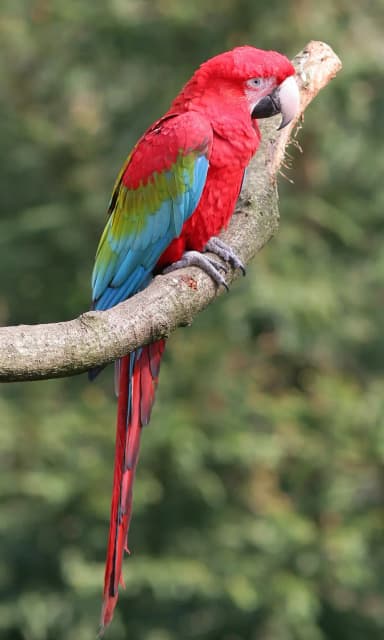 Arjan Haverkamp · CC BY 2.0
Green-winged Macaw
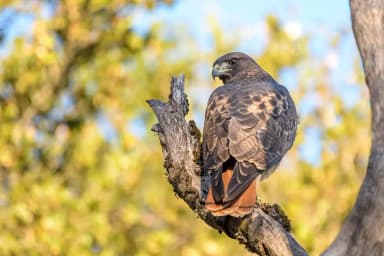 Becky Matsubara from El Sobrante, California · CC BY 2.0
Red-tailed Hawk
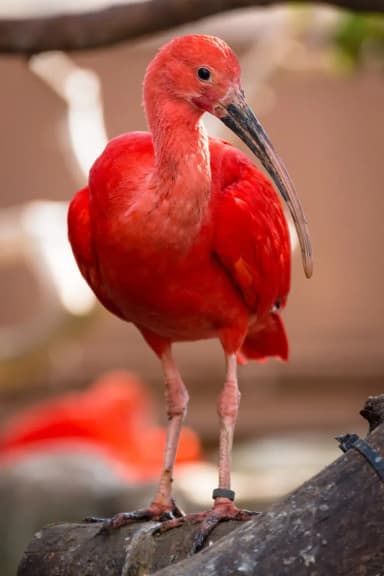 Rafa Esteve · CC BY-SA 4.0
Scarlet Ibis
 Andy Morffew from Itchen Abbas, Hampshire, UK · CC BY 2.0
Bald Eagle
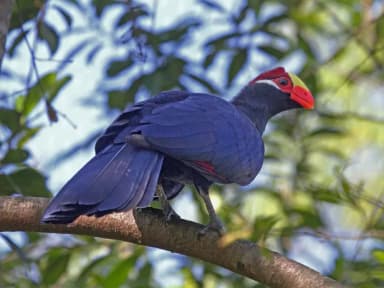 DickDaniels ( http://theworldbirds.org/ ) · CC BY-SA 3.0
Violet Turaco
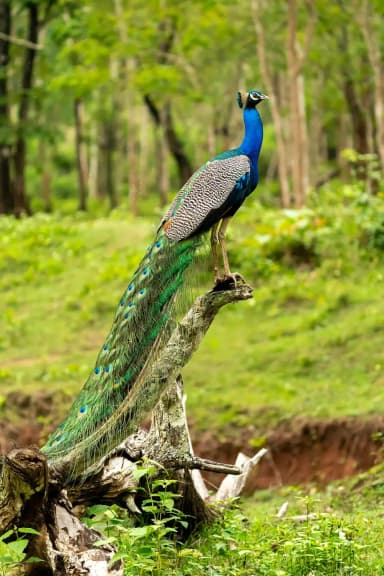 Kandukuru Nagarjun from Bangalore, India · CC BY 2.0
Peafowl
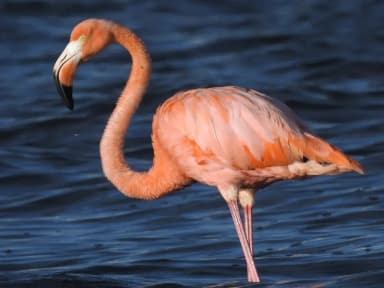 JeffreyGammon · CC BY 4.0
Caribbean Flamingo
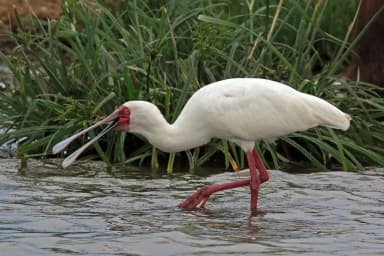 Charles J. Sharp · CC BY-SA 4.0
African Spoonbill
 Florettesokeng · CC BY-SA 4.0
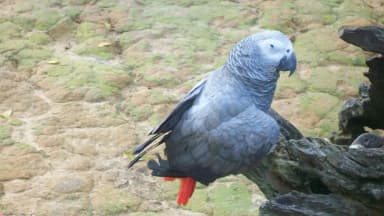
African Grey Parrot
 Charles J. Sharp · CC BY-SA 4.0
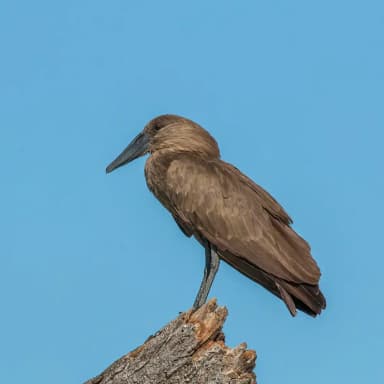
Hamerkop
 Charles J. Sharp · CC BY-SA 4.0
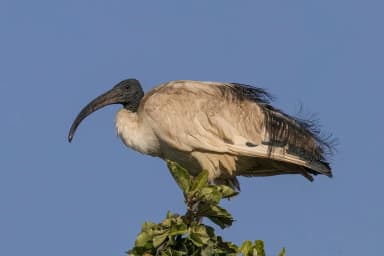
Sacred Ibis
 Yoky · CC BY-SA 3.0
Von der Decken's Hornbill
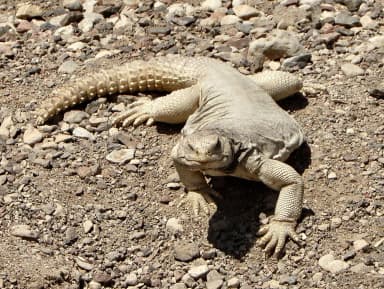
Reptiles4
Feathers & Fangs from visitors
What people who've been to Palo Alto Junior Museum and Zoo say
A Feather is something this zoo does well; a Fang is something it gets wrong. Left by people who've been, and read by us before they appear.
Loading…
About Palo Alto Junior Museum and Zoo
The Palo Alto Junior Museum and Zoo combines a children's science museum with a small zoo at 1451 Middlefield Road in Palo Alto, California, next to Rinconada Park. The museum's website describes it as a place where children and their caregivers come to learn, explore, play, discover and get curious about science and nature. Wikipedia states that the facility is part of the City of Palo Alto's Community Services Department.
The museum's website states that it is accredited by the Association of Zoos and Aquariums (AZA). The zoo's animal pages state that it houses over 60 species of animals and over 400 specimens, and that its resident animals are rescued pets, non-releasable wildlife, or part of AZA Species Survival Plans.
History
According to the museum's About Us page, Palo Alto resident Josephine O'Hara proposed a children's museum during the Great Depression and presented the idea in January 1934. The first iteration was housed for four months in the art room of the Palo Alto Public Library, and the Children's Museum, as it was then known, officially opened in July 1934 with O'Hara as curator. The page states that it appears to be the first museum of its kind west of the Mississippi River. In 1941 a gift from the local Margaret Frost Foundation funded construction of a new facility on land in Rinconada Park offered by the city, and the name was changed to the Palo Alto Junior Museum.
Wikipedia states that the Palo Alto City Council unanimously approved a reconstruction project in December 2017, and that the rebuilt museum and zoo reopened to the public in 2021.
Exhibits and habitats
The museum's Exhibits page describes the outdoor zoo, indoor science exhibits and the California Dinosaur Garden, and the website lists additional installations.
Outdoor zoo areas.
- Wildlife Circle is where visitors can meet animals and talk with animal care staff. The page lists flamingo feedings there at 11 a.m. and 3 p.m. daily.
- The Tree House overlooks the pond.
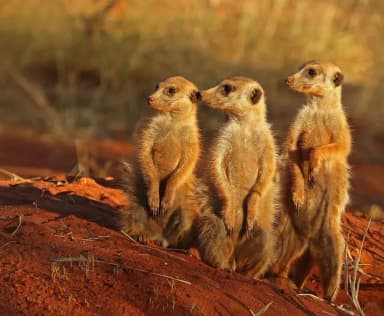
- Meerkat Desert can be viewed outdoors and from inside the exhibit hall.
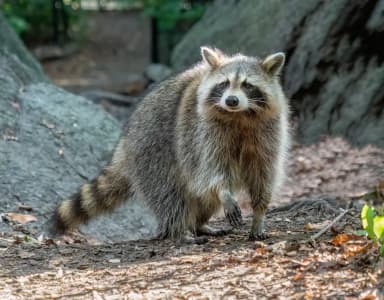
- Raccoon Creek features raccoons.
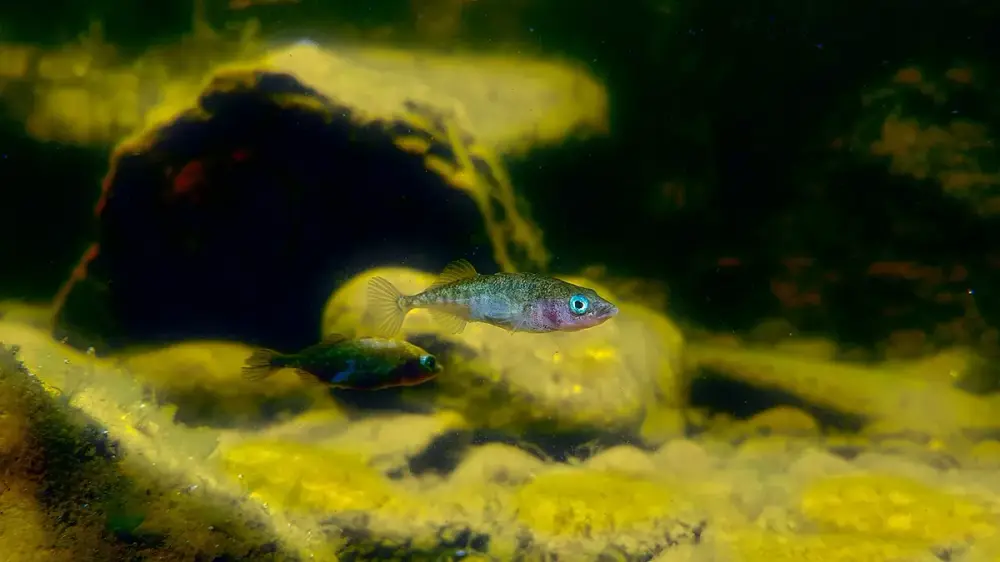
- Cichlid Lake is a freshwater aquatic exhibit with Lake Malawi cichlids.
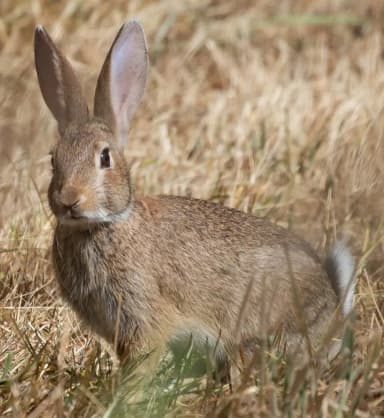
- Rabbit Meadow has domestic European rabbits.
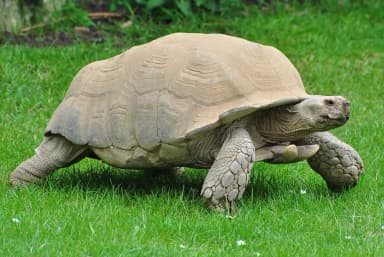
- Tortoise Savannah is home to an African spurred tortoise.
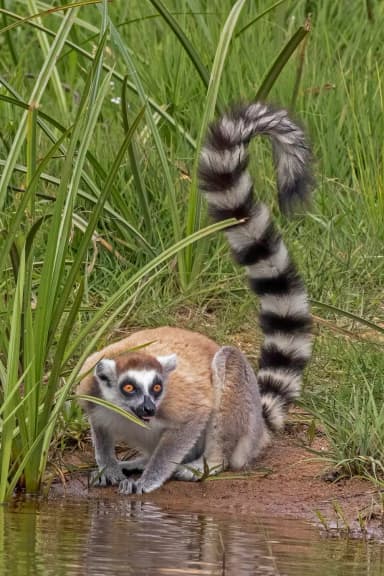
- Lemur Forest is listed among the named zoo exhibits on the animals page.
The outdoor zoo sits within a netted aviary where animals roam freely among visitors. The page names flamingos, macaws, ducks and other birds, and describes a net above the zoo that children can climb, an underwater tunnel and many nooks.
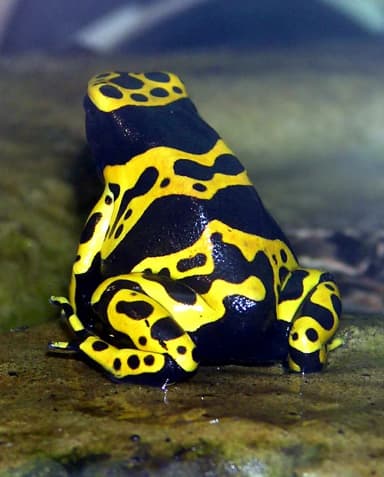
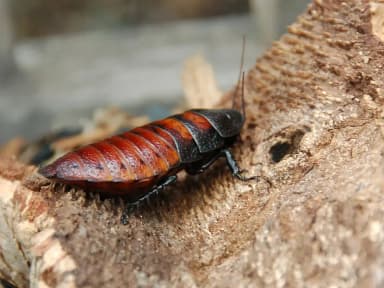
Animals named on the zoo's animal page. The page lists individual animals, many with names, including an African grey parrot, an African sacred ibis, an African spoonbill, an African spurred tortoise, American flamingos, a bald eagle, domestic European rabbits, a green tree pigeon (Bruce's), green-winged macaws, a hamerkop, an Indian peafowl, Lake Malawi cichlids, Madagascar hissing cockroaches, a pig-nosed turtle, a red-tailed hawk, ring-tailed lemurs, raccoons, a scarlet ibis, slender-tailed meerkats, a uromastyx, a Von der Decken's hornbill, a veiled chameleon, a violet turaco and yellow-banded poison dart frogs.
Indoor science exhibits. The exhibits page, which links to an area called Curious By Nature, invites children to explore natural phenomena such as gravity, inertia, force, motion, balance, energy, states of matter, electricity and magnetism. It describes simple machines, making a time-lapse movie, a giant ball machine that children operate together, objects from the museum's natural history collection and a special area for babies.
California Dinosaur Garden. This permanent outdoor exhibition is in a 4,160-square-foot courtyard with a dawn redwood tree. The page describes eight life-sized dinosaur sculptures, one of them climbable, along with prehistoric plants, hands-on exhibits and a fossil dig activity.
Installations. The page also lists the Rainbow Tunnel, an interactive exhibit of color, light and sound, and the Voyage Solar System Model.
Conservation and programs
The museum's website lists family programs, school programs, summer camps and animal experiences such as the Animal Ambassador Adventure. The Visit page lists a flamingo feeding in Wildlife Circle daily at 11 a.m. and 3 p.m. and a chance to meet the bald eagle in the California Dinosaur Garden on Wednesdays and Saturdays. Wikipedia states that science classes for local students serve over 14,000 students a year.
The museum's blog announces that it was accepted as a participant in the Wildlife Conservation Network, and the About Us page describes AZA accreditation as the gold standard for animal care, conservation, education and safety.
Planning your visit
As listed on the museum's Visit page, the museum is open Tuesday through Sunday from 10 a.m. to 5 p.m. The page describes three ticketed entry times, at 10 a.m., 12:30 p.m. and 2:30 p.m. It states that reservations and tickets must be purchased online before the visit, and that entry cannot be guaranteed without an advance reservation or ticket. Ticket prices are on the museum's website.
Free parking is listed in the museum lot and on nearby streets, and free bike racks are in front of the building. The museum's FAQ page states that visitors may bring their own food and drink to eat at the adjacent Rinconada Park or in front of the museum, that food and drink other than water cannot be consumed anywhere in the museum, zoo or courtyard, and that the museum is open rain or shine. The Visit page asks visitors who are sick not to come, citing bird flu risk to the zoo's birds. An accessibility page is linked from the site.
The museum's website also lists rental rooms and pages for families with babies and nursing mothers.
What we haven't confirmed
Everything above came from public sources. These specifics we haven't stood behind yet:
- Ticket prices, since different pages of the museum's website list different amounts
- Current animal list and whether every animal named on the animals page is on exhibit
- Phone number
- Days the museum is closed for holidays
- Current number of species and specimens
Palo Alto Junior Museum and Zoo compared with nearby zoos
How Palo Alto Junior Museum and Zoo lines up against the closest zoos we have details for — useful if you're deciding between them for the same day out.
| Zoo | Distance | Admission | Hours | Size | AZA |
|---|---|---|---|---|---|
| Palo Alto Junior Museum and ZooThis zooPalo Alto, CA | — | $12–$16 | 10 am – 5 pm | — | Yes |
| CuriOdysseySan Mateo, CA | 14 mi | $24.95 | 10 AM – 5 PM | — | Yes |
| Happy Hollow Park & ZooSan Jose, CA | 18 mi | $22 | 10:00 am – 4:00 pm | 16 acres | Yes |
| Oakland ZooOakland, CA | 21 mi | $17–$28 | 9:30am – 2:00pm | — | Yes |
Distances are straight-line. A dash means we haven't confirmed that detail yet, not that the zoo lacks it.
AZAThe Association of Zoos and Aquariums. Accredited members have passed an independent inspection of animal care and welfare, safety, conservation and education, repeated every five years. Many smaller facilities never apply, so “not accredited” isn't a verdict on its own. What accreditation means · How we check this
Palo Alto Junior Museum and Zoo: common questions
Is the Palo Alto Junior Museum and Zoo AZA accredited?
Yes. The museum's website states that it is accredited by the Association of Zoos and Aquariums.
Who runs the museum?
Wikipedia states that it is part of the City of Palo Alto's Community Services Department.
When was it founded?
The museum's website states that it opened in July 1934 as the Children's Museum, founded on a proposal by Josephine O'Hara.
What are the hours?
As listed on the museum's Visit page, it is open Tuesday through Sunday from 10 a.m. to 5 p.m. with three ticketed entry times.
Do visitors need to reserve tickets?
The Visit page states that reservations and tickets must be purchased online in advance, and that entry cannot be guaranteed without them.
Is there parking?
The Visit page lists free parking in the museum lot and on nearby streets.
Something wrong here? Tell us — we correct in place, with a dated note.