
CuriOdyssey
San Mateo, CA
- Admission
- $24.95
- Opened
- 1954
- Accreditation
- AZA
Association of Zoos and Aquariums
Everything below is directory information drawn from public sources and the zoo's own site.
Animals at CuriOdyssey
33 confirmedMammals7
 Wilfried Berns www.Tierdoku.com · CC BY-SA 2.0 de
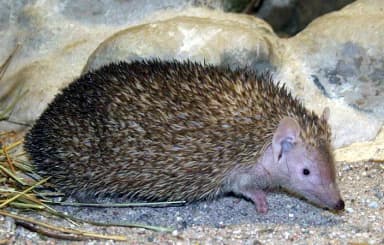
Lesser Hedgehog Tenrec
 Wikimedia Commons · Public domain
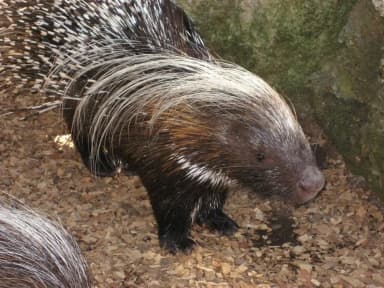
North American Porcupine
 Liné1 · CC BY-SA 3.0
Porcupine
 Becker1999 (Paul and Cathy) · CC BY 2.0
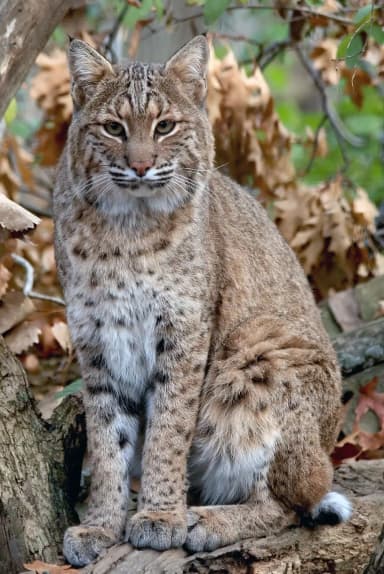
Bobcat
 Alfredo Gutiérrez · CC BY-SA 4.0
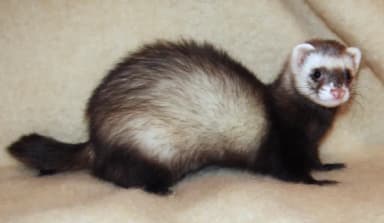
Domestic Ferret
 Rhododendrites · CC BY-SA 4.0
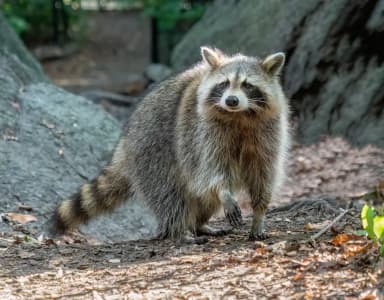
Raccoon
 VJAnderson · CC BY-SA 4.0
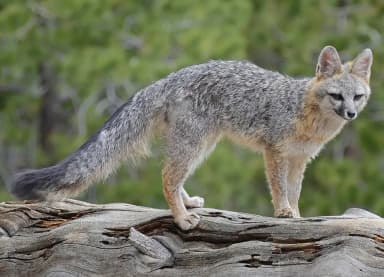
Gray Fox
Birds14
 Giles Laurent · CC BY-SA 4.0
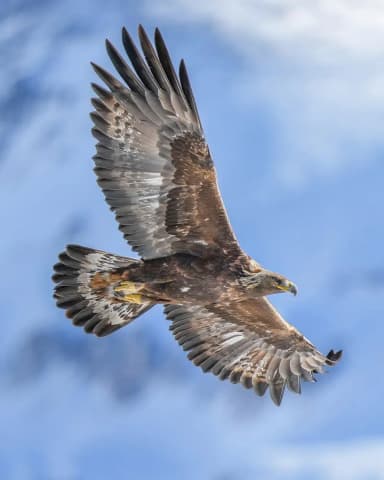
Golden Eagle
 Charles J. Sharp · CC BY-SA 4.0
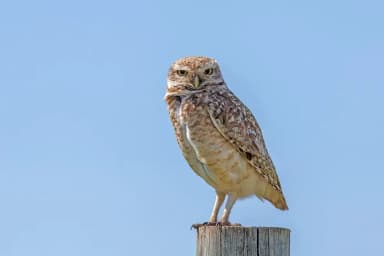
Burrowing Owl
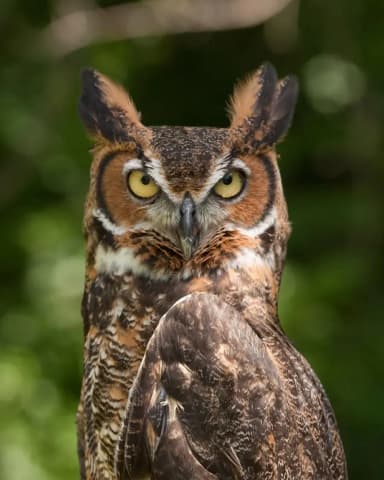 Greg Hume · CC BY-SA 3.0
Great Horned Owl
 Dick Daniels · CC BY-SA 3.0
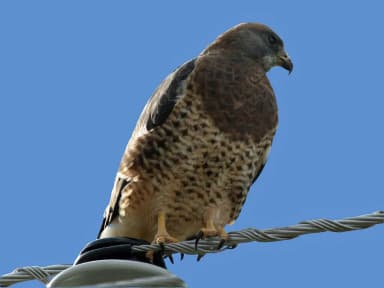
Swainson's Hawk
 Charles J. Sharp · CC BY-SA 4.0
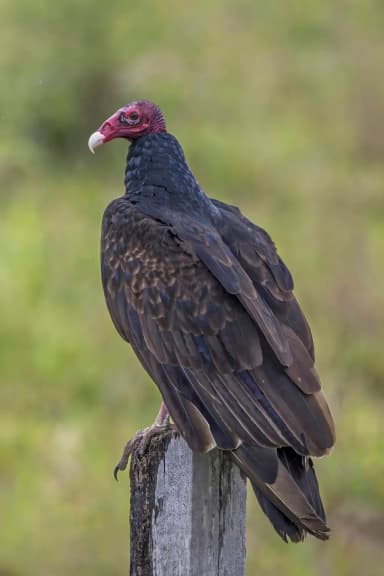
Turkey Vulture
 Wikimedia Commons · CC BY-SA 3.0
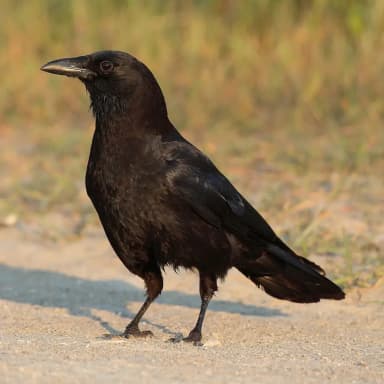
American Crow
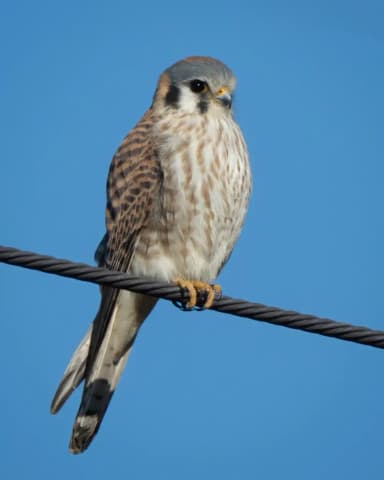 Channel City Camera Club from Santa Barbara, US · CC BY 2.0
American Kestrel
 ramidos · CC BY 4.0
Black-crowned Night Heron
 Alan Vernon · CC BY 2.0
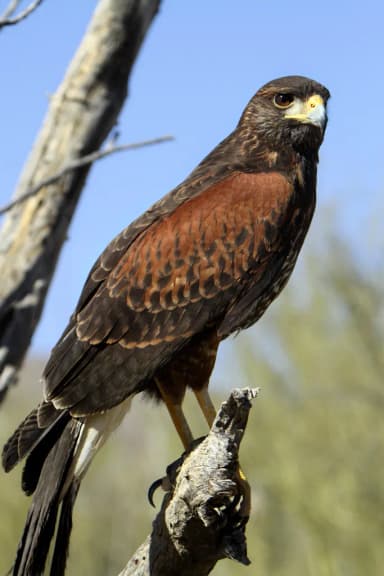
Harris's Hawk
 Alan D. Wilson · CC BY-SA 2.5
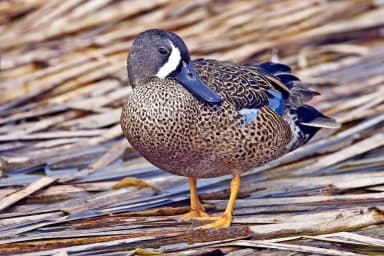
Blue-winged Teal
 Charles J. Sharp · CC BY-SA 4.0
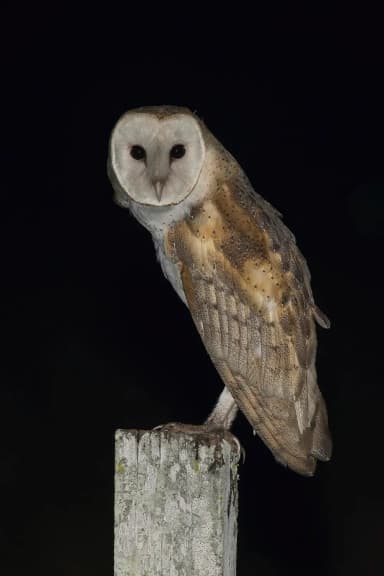
Barn Owl
Feathers & Fangs from visitors
What people who've been to CuriOdyssey say
A Feather is something this zoo does well; a Fang is something it gets wrong. Left by people who've been, and read by us before they appear.
Loading…
About CuriOdyssey
CuriOdyssey is a combined science museum and zoo at 1651 Coyote Point Drive in San Mateo, California, part of the Coyote Point Recreation Area overlooking the San Francisco Bay. It traces its founding to 1954, when it opened as the San Mateo County Junior Museum in a Quonset hut on the point. Today it holds nearly 100 rescued animals, most native to California, that cannot survive in the wild, alongside hands-on science exhibits built for young visitors. At least 33 species are listed on the museum's website.
CuriOdyssey is accredited by both the Association of Zoos and Aquariums and the Association of Science-Technology Centers, and it participates in the Museums for All program, offering free admission and reduced-cost membership to qualifying families. Its stated mission is to inspire love for science and curiosity about the world in order to create a brighter future, a mission pursued jointly through its wildlife exhibits and its science playground, where children experiment directly with natural phenomena like gravity, light, and lift.
Every animal at CuriOdyssey is non-releasable, meaning each has been injured or imprinted in a way that would prevent it from surviving if returned to the wild; the museum cares for these animals for the rest of their lives rather than exhibiting them temporarily.
History
The site now occupied by CuriOdyssey has a long history predating the museum itself: it was originally an island used as a fishing site by the Ohlone, later claimed for Spanish mission lands, then used for dairy farming and shipping lumber after being connected to the mainland. Pacific City Amusement Park briefly opened there before closing after two years, and the Howard Estate later sold its acreage to San Mateo for a public park.
The San Mateo County Junior Museum opened on the knoll in a Quonset hut in 1954, established by the San Francisco Junior League. It was renamed Coyote Point Museum for Environmental Education in 1974, and a new museum building with an 8,000-square-foot permanent exhibition, classroom space, and a resource library opened in 1981. Animal Habitats, the museum's live-animal wing, opened in 1991, giving the institution its current dual identity as both a science museum and a zoo.
The museum came close to closing in 2006 after its $745,000 deficit became public. A "Campaign to Save Coyote Point Museum" raised $540,247 in pledges from 776 donors within 30 days, with an additional $500,000 pledge from the TomKat Foundation spread over four years, and the campaign group officially took over management that September. Rachel Meyer, previously executive director of the Palo Alto Junior Museum and Zoo, became the new executive director in March 2007 and reoriented the institution toward young children's direct experiences with science and nature. On January 15, 2011, the museum unveiled its new name, CuriOdyssey, and in 2013 it installed two public art installations, one featuring more than 200 pinwheels illustrating wind currents at Coyote Point and another with more than 100 weather vanes.
Exhibits and habitats
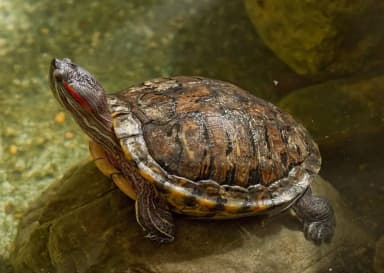
CuriOdyssey's science exhibits include more than 50 hands-on stations designed for young visitors to explore gravity, light, perception, and lift. Its wildlife side comprises 20 individually designed naturalistic habitats housing nearly 100 non-releasable animals, including a bobcat, a river otter, Virginia opossum, snakes, golden eagles, gray fox, turtles, owls, western toad, turkey vultures, and raccoons; a tunnel lets visitors see into dens and interior enclosures before walking around the outside to view the animals as they might appear in the wild.
A 4,000-square-foot walk-through aviary houses more than a dozen non-releasable native California birds. The museum's gardens cover 1.3 acres of primarily native plants, including a hummingbird garden and a butterfly habitat. Whooosh!, a physics-in-action playground designed by the Magical Bridge Foundation and built into the gardens, was created as the first such playground by a zoo and science museum together, using universal design principles so children and adults of varying abilities can explore motion and energy through play.
Beyond the naturalistic habitats, roughly 50 additional animals serve as Animal Ambassadors, appearing in weekend wildlife presentations and traveling through the building and gardens with keepers; these education animals include birds of prey, snakes, and a blue-tongued skink, and visitors may occasionally meet a domestic ferret or North American kestrel up close.
Animal highlights
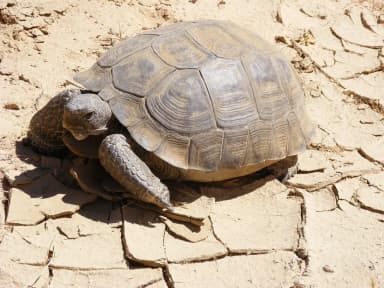
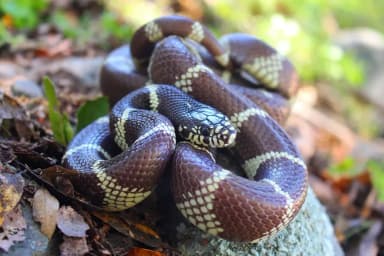
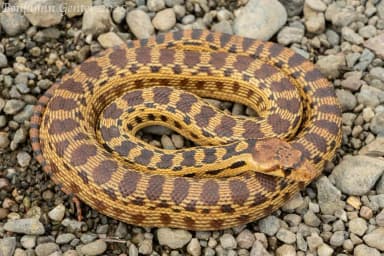
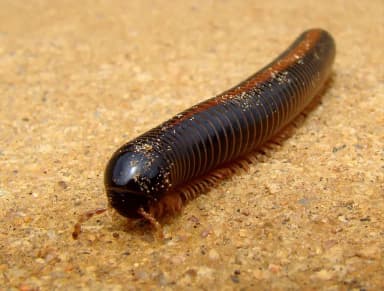
At least 33 species are listed on CuriOdyssey's website, and nearly all of the museum's roughly 100 resident animals are native to California and non-releasable due to injury or imprinting. Notable residents include the bobcat, gray fox, golden eagle, great horned owl, great grey owl, barn owl, burrowing owl, and turkey vulture among the raptors and mammals, alongside reptiles and amphibians such as the California kingsnake, gopher snake, rubber boa, desert tortoise, California tiger salamander, and western toad. The collection also includes non-native Animal Ambassadors such as the lesser hedgehog tenrec and giant African millipede, used in the museum's education programs. Desert tortoises at CuriOdyssey are fed a mix of organic native grasses, weeds, and cactus grown in an on-site tortoise garden.
Conservation and programs
CuriOdyssey states its conservation mission as inspiring hope to heal the planet through collaborative learning, action, and inclusion, framing conservation challenges such as biodiversity loss and climate change as interconnected issues requiring collaboration across sectors. The museum runs a conservation partnership grants program, contributes to the American Zoo Association's Saving Animals From Extinction program, and offers programs for rising fifth and sixth graders exploring the intersection of local ecology, design thinking, and conservation using the plants and animals on-site.
Education is central to CuriOdyssey's identity: its Mobile Museum and Animal Ambassadors regularly visit public parks, schools, and other sites, and the museum runs hands-on programs for school groups as well as public offerings that help visitors explore natural phenomena directly. Sensory Sundays, held quarterly, are designed for neurodivergent guests and those with sensory sensitivities, offering guided science activities, animal encounters, and sensory-friendly spaces during hours when the museum is otherwise closed to the general public.
Planning your visit
As listed on the museum's website, CuriOdyssey is open every day from 10 a.m. to 5 p.m., with last entry at 4:30 p.m. Admission is $24.95 for adults (ages 18-61), $19.95 for children (18 months to 17 years) and seniors (62 and up), and free for infants under 18 months; members always receive free admission. A separate $6 vehicle entrance fee applies for parking in the Coyote Point Recreation Area, payable by credit card or cash at an electronic pay station, though it is waived for vehicles displaying a disabled parking placard or plate.
Accessible parking sits close to the entrance, which is reachable by ramp, and a designated drop-off zone is available in the museum's traffic circle. Restrooms, including single-stall, all-gender facilities with changing tables, are available both indoors and outdoors, and sound dampeners and sensory stimulation devices are available at the front desk for visitors who need them. There is no on-site restaurant, though the CuriOdyssey Shop sells snacks and drinks, and visitors are welcome to bring their own food to eat in the designated picnic area in the Bay View Grove. Because admission prices and hours can change, visitors should confirm current details on the museum's official website before their visit.
What we haven't confirmed
Everything above came from public sources. These specifics we haven't stood behind yet:
- Total acreage of the museum and zoo grounds
- Total animal count beyond the approximate figure given
- Typical time needed for a visit
- Phone number for general visitor questions
CuriOdyssey compared with nearby zoos
How CuriOdyssey lines up against the closest zoos we have details for — useful if you're deciding between them for the same day out.
| Zoo | Distance | Admission | Hours | Size | AZA |
|---|---|---|---|---|---|
| CuriOdysseyThis zooSan Mateo, CA | — | $24.95 | 10 AM – 5 PM | — | Yes |
| Palo Alto Junior Museum and ZooPalo Alto, CA | 14 mi | $12–$16 | 10 am – 5 pm | — | Yes |
| San Francisco ZooSan Francisco, CA | 14 mi | $32–$34 | 10:00 am – 5:00 pm | 100 acres | Yes |
| Oakland ZooOakland, CA | 15 mi | $17–$28 | 9:30am – 2:00pm | — | Yes |
Distances are straight-line. A dash means we haven't confirmed that detail yet, not that the zoo lacks it.
AZAThe Association of Zoos and Aquariums. Accredited members have passed an independent inspection of animal care and welfare, safety, conservation and education, repeated every five years. Many smaller facilities never apply, so “not accredited” isn't a verdict on its own. What accreditation means · How we check this
CuriOdyssey: common questions
Is CuriOdyssey AZA accredited?
Yes, it is accredited by both the Association of Zoos and Aquariums and the Association of Science-Technology Centers.
When did CuriOdyssey open?
It traces its founding to 1954, when it opened as the San Mateo County Junior Museum.
What animals can visitors see?
At least 33 species are listed on the museum's website, nearly all non-releasable animals native to California.
What does admission cost?
As listed on the museum's website, admission is $24.95 for adults and $19.95 for children and seniors, plus a $6 parking fee.
What are CuriOdyssey's hours?
As listed on the museum's website, it is open daily from 10 a.m. to 5 p.m., with last entry at 4:30 p.m.
Is there food available on-site?
There is no restaurant, but the CuriOdyssey Shop sells snacks and drinks, and visitors may bring their own food to a designated picnic area.
Is CuriOdyssey accessible for wheelchairs?
Yes, the entrance is ramp-accessible, and accessible parking is available close to the building.
Something wrong here? Tell us — we correct in place, with a dated note.