
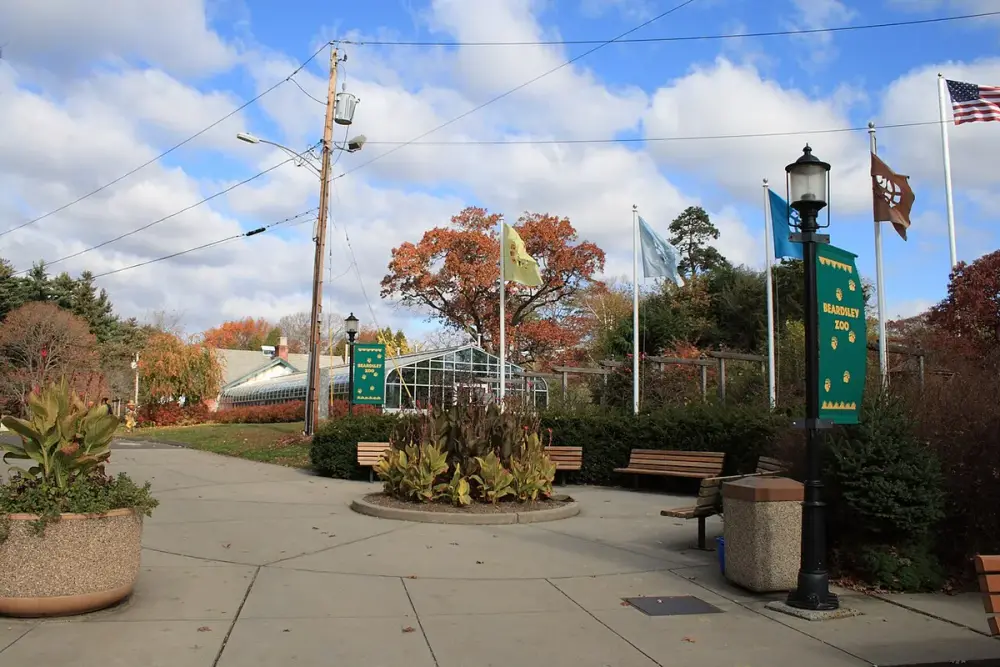
- Admission
- $20–$26
- Animals
- 500
- Opened
- 1922
- Accreditation
- AZA
varies by season
Association of Zoos and Aquariums
Everything below is directory information drawn from public sources and the zoo's own site.
Animals at Connecticut's Beardsley Zoo
78 of the ~100 species this zoo listsMammals27
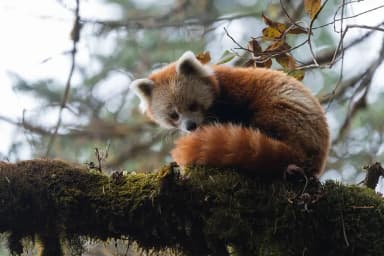 Sunuwargr · CC BY-SA 4.0
Red panda
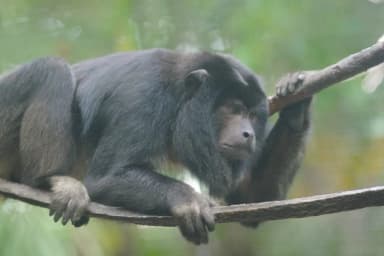 Ryan E. Poplin · CC BY-SA 2.0
Black Howler Monkey
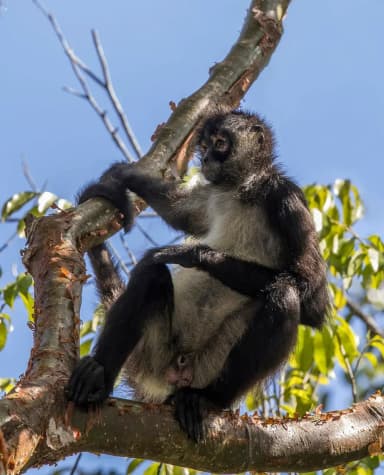 Charles J. Sharp · CC BY-SA 4.0
Black-handed Spider Monkey
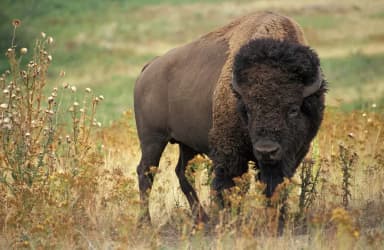 Jack Dykinga · Public domain
American Bison
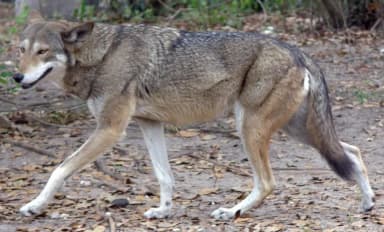 LaggedOnUser · CC BY-SA 2.0
Red Wolf
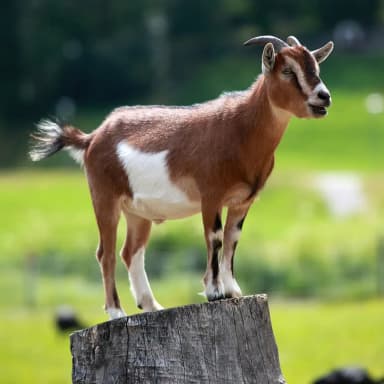 Kuebi = Armin Kübelbeck · CC BY-SA 3.0
Nigerian Dwarf Goat
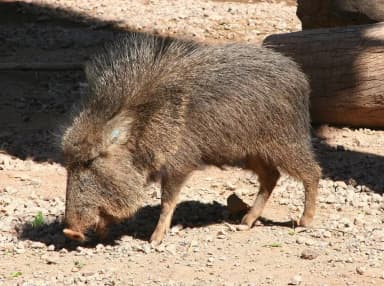 Dave Pape · Public domain
Chacoan Peccary
 Guérin Nicolas ( messages ) · CC BY-SA 3.0
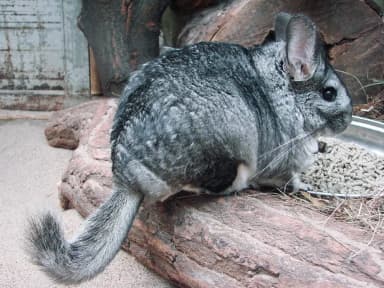
Chinchilla
 Dick Culbert from Gibsons, B.C., Canada · CC BY 2.0
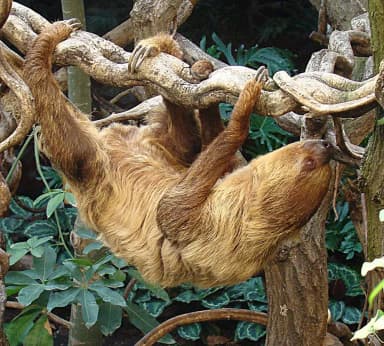
Two-toed Sloth
 Jonathan Wilkins · CC BY-SA 3.0
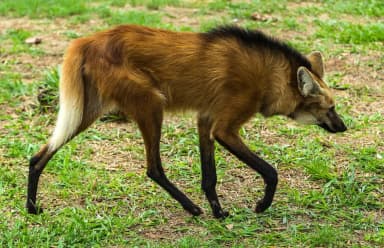
Maned Wolf
 Christian Ursilva from København, Danmark · CC BY-SA 4.0
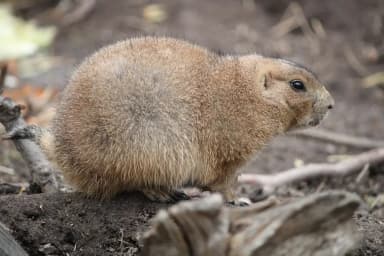
Black-tailed Prairie Dog
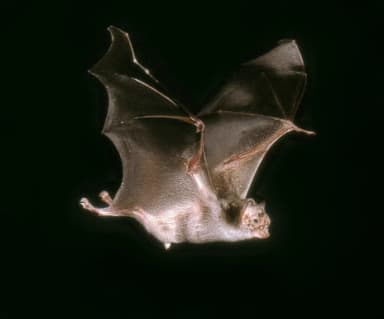 Uwe Schmidt · CC BY-SA 4.0
Vampire Bat
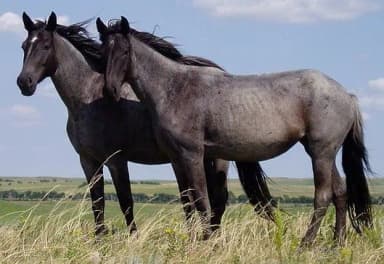 Nokota_Horses.jpg : François Marchal derivative work: Dana boomer ( talk ) · CC BY-SA 3.0
Miniature Horse
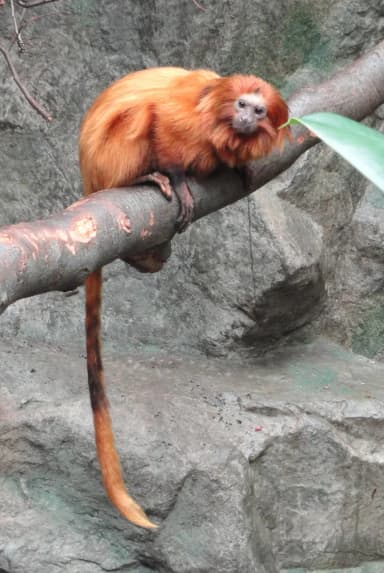 Daderot · CC0
Golden Lion Tamarin
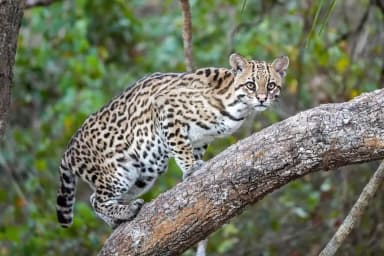 Giles Laurent · CC BY-SA 4.0
Ocelot
 Malene Thyssen · CC BY-SA 3.0
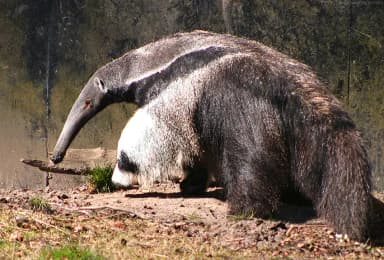
Giant Anteater
 USDA photo by Scott Bauer · Public domain
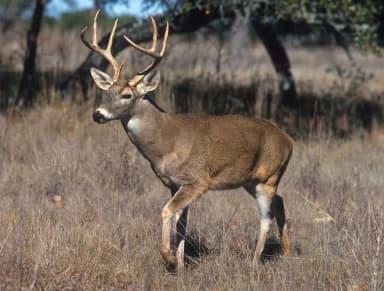
White-tailed Deer
 euqirneto · CC BY 4.0
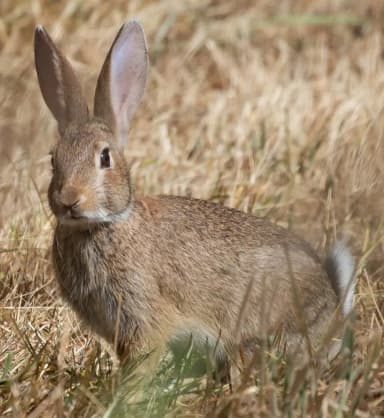
Domestic Rabbit
 Jik jik · CC BY-SA 4.0
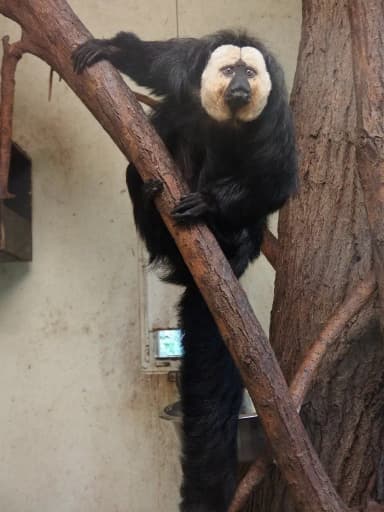
White-faced Saki
 Jack Hynes · CC BY-SA 3.0
Bolivian Gray Titi Monkey
 kallerna · CC BY-SA 4.0
Guinea Hog
 Wilfredor · CC0
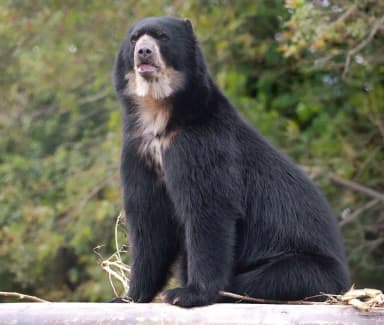
Andean Bear
Birds22
 J.M.Garg · CC BY-SA 3.0
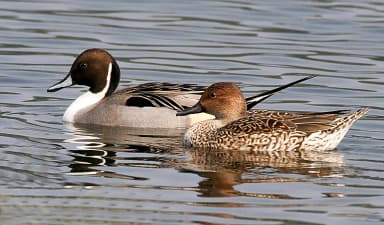
Northern Pintail
 This picture was realized by Richard Bartz by using a Canon EF 70-300mm f/4-5.6 IS USM Lens · CC BY-SA 2.5
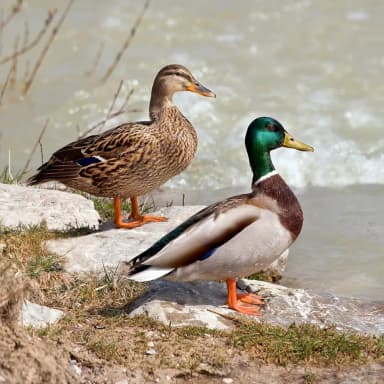
Mallard
 HappiestFish · CC BY 4.0
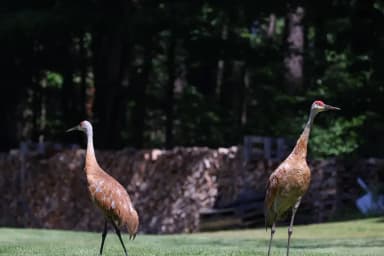
Sandhill Crane
 Spaceaero2 · CC BY-SA 3.0
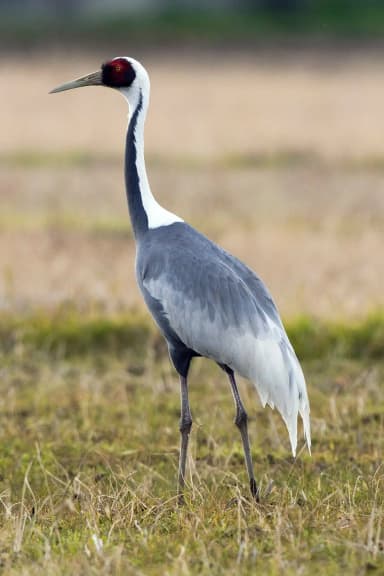
White-naped Crane
 Luc Viatour · CC BY 2.0
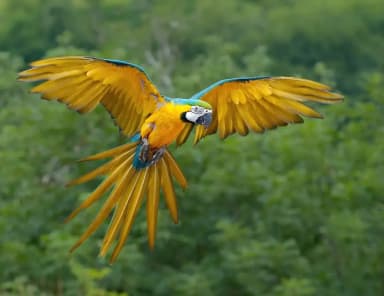
Blue-and-gold Macaw
 carancho · CC BY 4.0
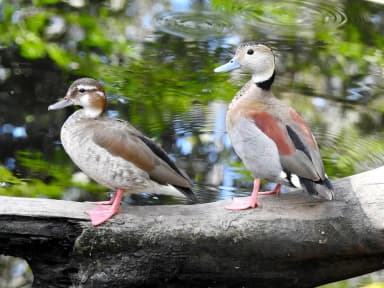
Ringed Teal
 Charles J. Sharp · CC BY-SA 4.0
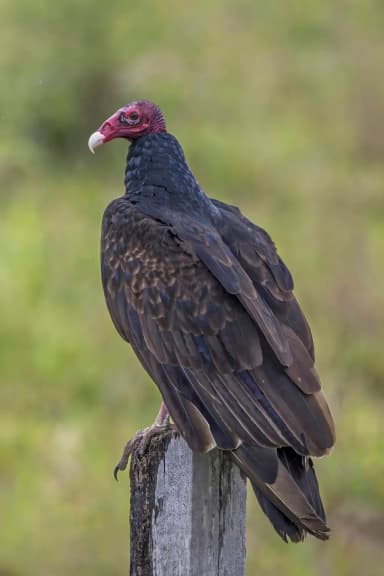
Turkey Vulture
 Patrick Coin ( Patrick Coin ) · CC BY-SA 2.5
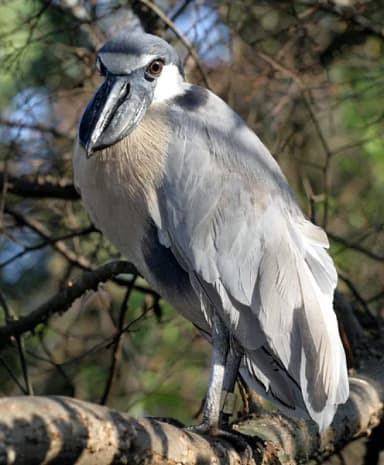
Boat-billed Heron
 Frank Schulenburg · CC BY-SA 4.0
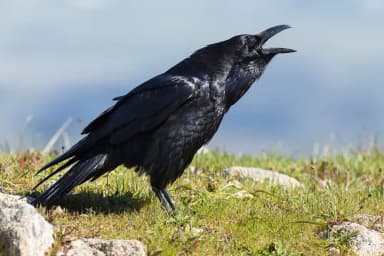
Common Raven
 Alan D. Wilson · CC BY 3.0
Black-bellied Whistling Duck
 Rafa Esteve · CC BY-SA 4.0
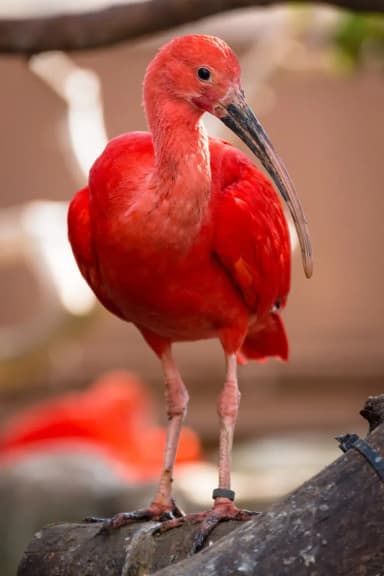
Scarlet Ibis
 Andy Morffew from Itchen Abbas, Hampshire, UK · CC BY 2.0
Bald Eagle
 Charles J. Sharp · CC BY-SA 4.0
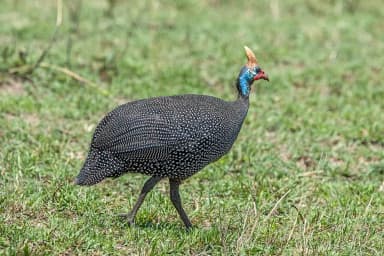
Helmeted Guineafowl
 Alan Vernon · CC BY 2.0
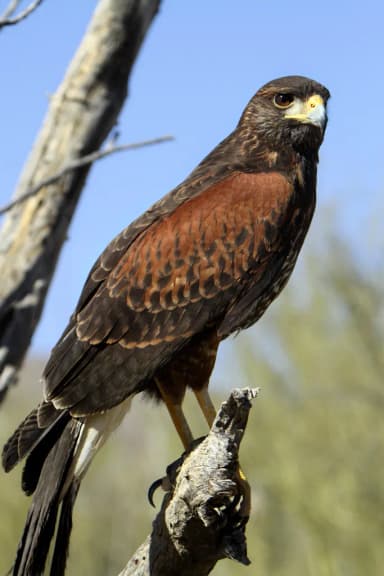
Harris's Hawk
 Kandukuru Nagarjun from Bangalore, India · CC BY 2.0
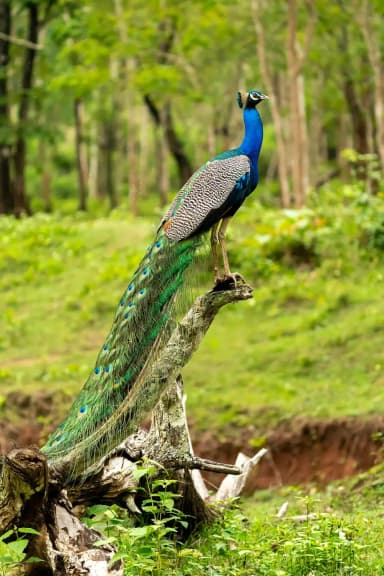
Peafowl
 Florettesokeng · CC BY-SA 4.0
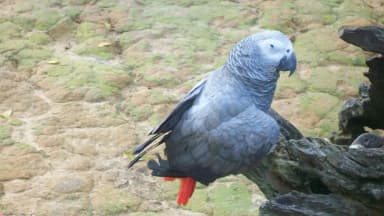
African Grey Parrot
 Rufus46 · CC BY-SA 3.0
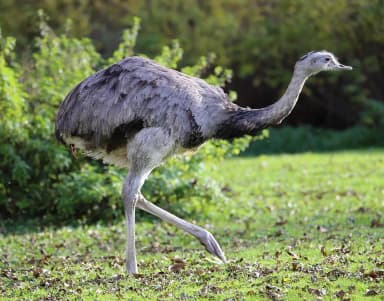
Greater Rhea
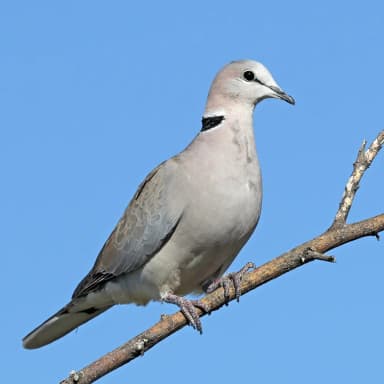 Charles J. Sharp · CC BY-SA 4.0
Ring-necked Dove
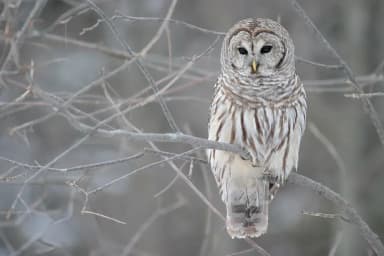 Mdf · CC BY-SA 3.0
Barred Owl
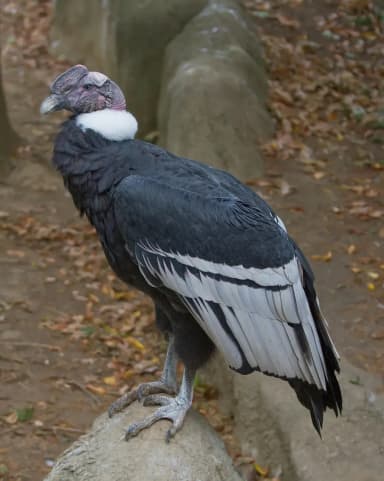 Greg Hume · CC BY-SA 3.0
Andean Condor
Reptiles14
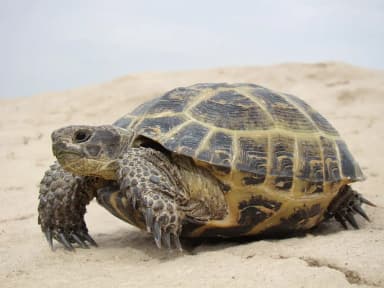 Yuriy75 · CC BY-SA 3.0
Russian Tortoise
 User:Postdlf · CC BY-SA 3.0
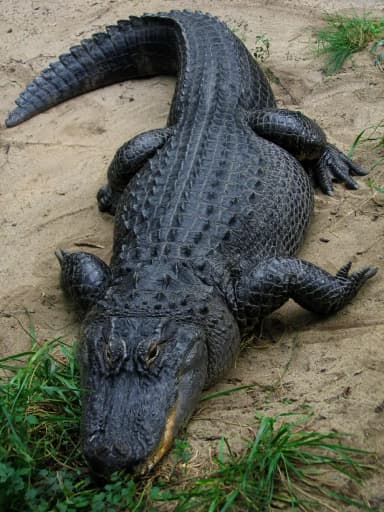
American Alligator
 Charles J. Sharp · CC BY-SA 4.0
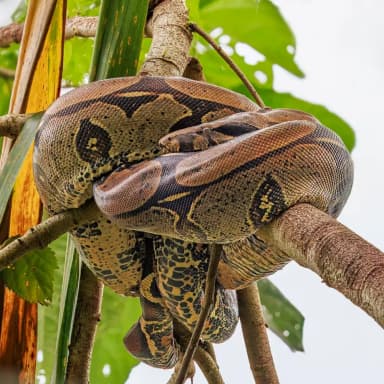
Boa Constrictor
 J. Patrick Fischer · CC BY-SA 3.0
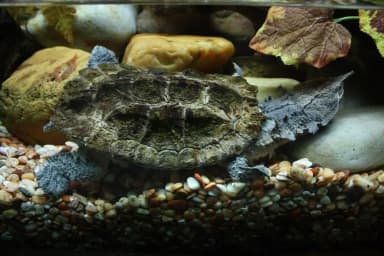
Matamata
 hug_78 · CC BY 2.0
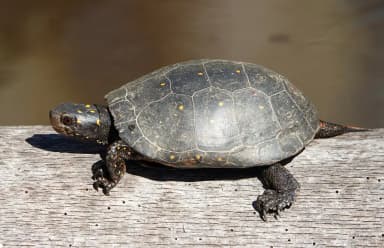
Spotted Turtle
 Lennart Hudel · CC BY 4.0
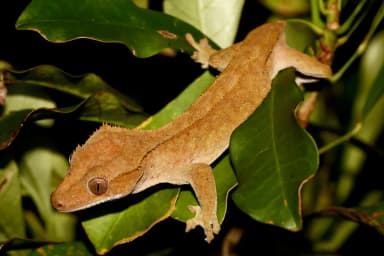
Crested Gecko
 Judy Gallagher · CC BY 2.0
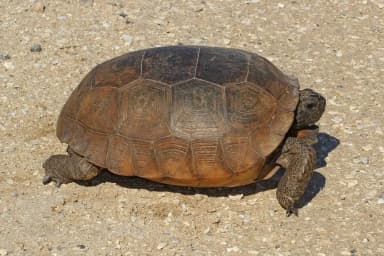
Gopher Tortoise
 HCA ( talk ) · CC BY-SA 3.0
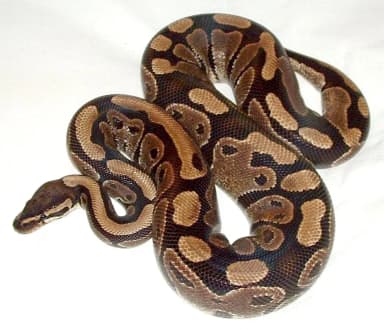
Ball Python
 (c) Joshua Liverman, some rights reserved (CC BY) · CC BY 4.0
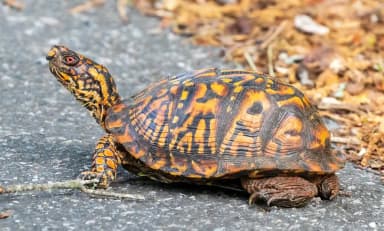
Eastern Box Turtle
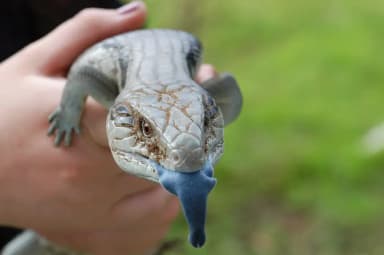 Doug Beckers · CC BY-SA 2.0
Blue-tongued Skink
Feathers & Fangs from visitors
What people who've been to Connecticut's Beardsley Zoo say
A Feather is something this zoo does well; a Fang is something it gets wrong. Left by people who've been, and read by us before they appear.
Loading…
About Connecticut's Beardsley Zoo
Connecticut's Beardsley Zoo sits at 1875 Noble Avenue in Bridgeport, Connecticut, inside Beardsley Park, and it is the only zoo in the state accredited by the Association of Zoos and Aquariums. The zoo has around 500 animals from over 100 species, and welcomes about 280,000 visitors a year. It also operates one of the few carousels remaining in Connecticut and, as of February 2024, holds a Level 1 Accreditation from the ArbNet Arboretum Accreditation Program and The Morton Arboretum for its arboretum.
The zoo describes its mission as fostering connections with wildlife to inspire conservation action, built around four stated values: conservation, credibility, community, and compassion. Since 1997, the Connecticut Zoological Society, a nonprofit support group, has owned and operated the zoo as a private institution, with continued assistance from the state of Connecticut and the city of Bridgeport.
The zoo's collection leans heavily toward species native to North and South America, organized into nine named exhibit areas that group animals by region and habitat type rather than by taxonomic category. Guests can also stop at the Peacock Café, picnic in the Grove, or ride the zoo's carousel.
History
The land beneath the zoo has a longer history than the zoo itself. In 1878, wealthy farmer James W. Beardsley donated more than 100 acres of hilly land bordering the Pequonnock River to the city of Bridgeport, on the condition that the city keep it as a public park forever. In 1881, the city hired Frederick Law Olmsted, the designer of New York's Central Park, to plan the grounds, and his 1884 design described the donated land as "pastoral, sylvan and idyllic." A statue honoring Beardsley was erected at the park's Noble Avenue entrance in 1909, and Beardsley Park was listed on the National Register of Historic Places in 1999.
The zoo itself grew out of that park setting. Bridgeport was home to Phineas T. Barnum and his circus, and Barnum would exercise his circus animals through city streets, drawing crowds to Beardsley Park to watch zebras and camels pass by. In 1920, Parks Commissioner Wesley Hayes began a campaign to build a city zoo, asking Bridgeport residents to contribute animals; eighteen exotic birds arrived within the first year, and by 1927 the collection included a camel donated by the Barnum and Bailey Circus.
The Connecticut Zoological Society purchased the zoo from the city in 1997 and has run it as a nonprofit ever since. In 2007, the zoo became the first in the Northeast to exhibit Chacoan peccaries, and in 2011 it became the first in the region to breed them. On January 22, 2011, an endangered Brazilian ocelot kitten was born at the zoo through oviductal artificial insemination, the first time that technique had succeeded in an exotic wildcat, achieved with help from the Cincinnati Zoo's CREW program. The zoo received the top honor in the 2014 AZA Education Award for its education programming. Most recently, in June 2025, the zoo reopened its Rainforest Building and added an ocelot and two Scarlet Ibises.
Exhibits and habitats
The zoo organizes its grounds into nine major exhibit areas. The Rainforest Building is an indoor habitat for tropical South American species including the Brazilian ocelot, black howler monkey, white-faced saki, golden lion tamarin, Hoffman's two-toed sloth, common vampire bat, scarlet ibis, and Yacare caiman; a green roof added in 2015 absorbs 60 to 70 percent of the building's rainwater runoff and helps insulate it naturally. Predators houses Amur tigers and Amur leopards, which arrived in 2013; the zoo has plans for a larger tiger enclosure with glass viewing.
Alligator Alley features animals from the southeastern United States, including grey fox, North American river otter, bald eagle, sandhill crane, and American alligator, plus a walk-through aviary. The Hoofstock Trail loops past plains bison, pronghorn, white-tailed deer, black-tailed prairie dog, turkey vulture, and barred owl. New England Farmyard recreates a small rural farm with Dexter cattle, llama, Guinea hogs, various goat and poultry breeds, and wild species such as North American porcupine and common raven.
W.O.L.F., short for Wolf Observation Learning Facility, sits near the entrance and holds Mexican wolf and red wolf pairs; the zoo has bred red wolves repeatedly, with some offspring reintroduced to the wild. The Native Reptile House focuses on species found in Connecticut, and Professor Beardsley's Research Station serves as an education center and rearing space for brook trout later released into the wild. Pampas Plains, opened in 2015 as part of the zoo's South American Adventure, is home to maned wolves, giant anteaters, Chacoan peccaries, and greater rheas on a raised viewing walkway. The Natt Family Red Panda Habitat, officially opened in 2018, gives the zoo's two red pandas room to roam with two visitor viewing areas. The zoo also maintains a Victorian Greenhouse, one of the largest in Connecticut, and a historic carousel.
Animal highlights
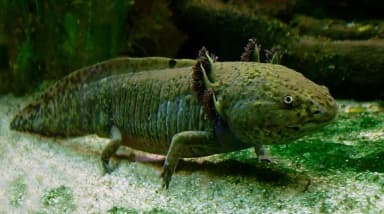
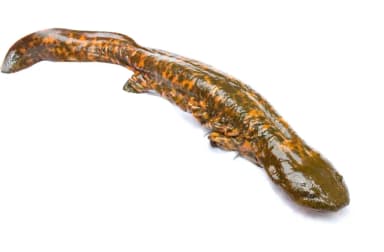
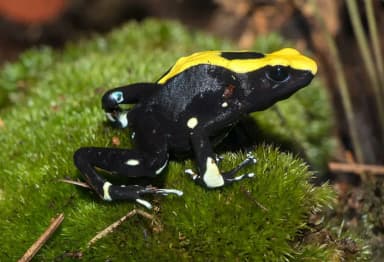
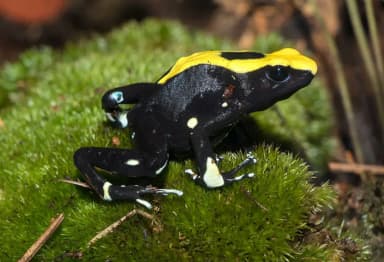
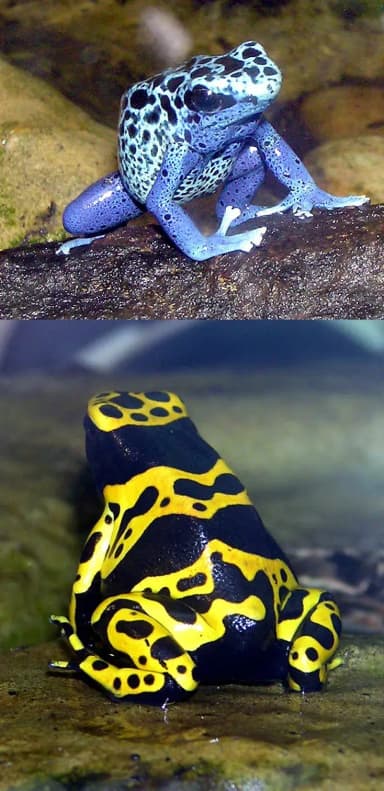
Connecticut's Beardsley Zoo lists at least 78 species on its website, drawn largely from North and South America, with around 500 animals in total. Notable residents named across the zoo's exhibits include the Amur leopard, Amur tiger, maned wolf, giant anteater, Chacoan peccary, red wolf, Mexican gray wolf, Andean condor, red panda, golden lion tamarin, two-toed sloth, and American alligator. Smaller species on the list include the axolotl, blue poison dart frog, chinchilla, and Eastern hellbender.
The zoo works to breed and care for several endangered species as part of its collection, including Amur tigers, Amur leopards, Brazilian ocelots, maned wolves, giant anteaters, Chacoan peccaries, and golden lion tamarins, several of which have bred successfully on-site in recent years.
Conservation and programs
As an AZA-accredited institution, Connecticut's Beardsley Zoo participates in multiple Species Survival Plans and captive breeding programs. The Connecticut's Beardsley Zoo Conservation Fund, established in 2002, awards up to $15,000 annually to conservation programs worldwide, and the zoo has contributed animals to wild reintroduction efforts for red wolves, golden lion tamarins, Andean condors, and brook trout.
The zoo also functions as a rehabilitation site for orphaned or injured wildlife that cannot return to the wild, including a white-tailed deer fawn found on Beardsley Park grounds in 2005, a trio of wing-injured bald eagles, a pair of sandhill cranes raised by humans and unable to adapt to wild flocks, and an orphaned bobcat named "Beeze" who now works as an animal ambassador. Field programs include salmon stocking and Trout in the Classroom with local students, a Zoo Conservation Outreach Group that brings education to schools and community groups, and surveys of Eastern box turtles and freshwater mussels through the zoo's Conservation Discovery Corps, a science and conservation program for high school students ages 14 to 18 that received the 2014 AZA Education Award.
Planning your visit
As listed on the zoo's website, Connecticut's Beardsley Zoo is open daily from 9 a.m. to 4 p.m., with the last ticket sold at 3 p.m.; the Rainforest Building keeps shorter hours, from 10:30 a.m. to 3:30 p.m. Ticket prices listed on the site run $26 for adults, $22 for children, and $19 for seniors, though prices vary between on-peak and off-peak seasons. Discounted admission of $10 per person, for up to six guests, is available to Library Pass and EBT cardholders at the front gate.
Wheelchairs can be rented free of charge with a driver's license held as deposit, and strollers are available on a first-come, first-served basis. Noise-canceling headphones are available at the gift shop for sensory-sensitive visitors, and the zoo participates in the "Accessibility for All" initiative among eleven Fairfield County attractions. Trained service dogs are welcome, though guests may be asked to avoid certain areas depending on the animals nearby. The zoo is closed on Thanksgiving, Christmas, and New Year's Day. All hours, prices, and closures should be confirmed on the zoo's official website before a visit.
What we haven't confirmed
Everything above came from public sources. These specifics we haven't stood behind yet:
- Total acreage of the zoo grounds
- Typical time needed for a visit
- Zoo-specific phone number for general inquiries
- Food and dining options beyond the Peacock Café
Connecticut's Beardsley Zoo compared with nearby zoos
How Connecticut's Beardsley Zoo lines up against the closest zoos we have details for — useful if you're deciding between them for the same day out.
| Zoo | Distance | Admission | Hours | Size | AZA |
|---|---|---|---|---|---|
| Connecticut's Beardsley ZooThis zooBridgeport, CT | — | $20–$26 | 9 AM – 4 PM | — | Yes |
| White Post FarmsMelville, NY | 31 mi | $29.95 | Animal Farm open every day. Weekdays: admission 10:00 AM – 5:00 PM, stay until 6:00 PM. Weekends (Fall Festival): 9:30 AM – 4:00 PM admission, stay until 6:00 PM. | — | No |
| Bear Mountain State ParkStony Point, NY | 43 mi | Free | Daily 10:00 AM – 4:30 PM (Apr 1 – Oct 31); 10:00 AM – 4:00 PM (Nov 1 – Mar 31). Closed Thanksgiving, Christmas. | 5205 acres | No |
| Bronx ZooNew York City, NY | 44 mi | from $37.70 | 10:00 AM – 5:00 PM | 265 acres | Yes |
Distances are straight-line. A dash means we haven't confirmed that detail yet, not that the zoo lacks it.
AZAThe Association of Zoos and Aquariums. Accredited members have passed an independent inspection of animal care and welfare, safety, conservation and education, repeated every five years. Many smaller facilities never apply, so “not accredited” isn't a verdict on its own. What accreditation means · How we check this
Connecticut's Beardsley Zoo: common questions
Is Connecticut's Beardsley Zoo AZA accredited?
Yes, it is the only AZA-accredited zoo in Connecticut.
How big is the animal collection?
The zoo has around 500 animals from over 100 species, with at least 78 species listed on its website.
When did the zoo open?
The zoo dates to 1920, when a Parks Commissioner began collecting animal donations from Bridgeport residents; the park itself was established in 1878.
What does admission cost?
As listed on the zoo's website, tickets run $26 for adults, $22 for children, and $19 for seniors, with discounted rates for Library Pass and EBT cardholders.
What are the zoo's hours?
As listed on the zoo's website, it is open daily 9 a.m. to 4 p.m., with the Rainforest Building open 10:30 a.m. to 3:30 p.m.
Are strollers and wheelchairs available?
Yes, wheelchairs rent for free with a license held as deposit, and strollers are available first-come, first-served.
Can I bring a service dog?
Yes, trained service dogs are welcome, though some areas may be restricted depending on the animals present.
Something wrong here? Tell us — we correct in place, with a dated note.