
- Admission
- from $37.70
- Size
- 265 acres
- Animals
- 843
- Opened
- 1899
- Accreditation
- AZA
set by date and demand
Association of Zoos and Aquariums
Everything below is directory information drawn from public sources and the zoo's own site.
Animals at Bronx Zoo
10 confirmedMammals9
Reptiles1
Feathers & Fangs from visitors
What people who've been to Bronx Zoo say
A Feather is something this zoo does well; a Fang is something it gets wrong. Left by people who've been, and read by us before they appear.
Loading…
About Bronx Zoo
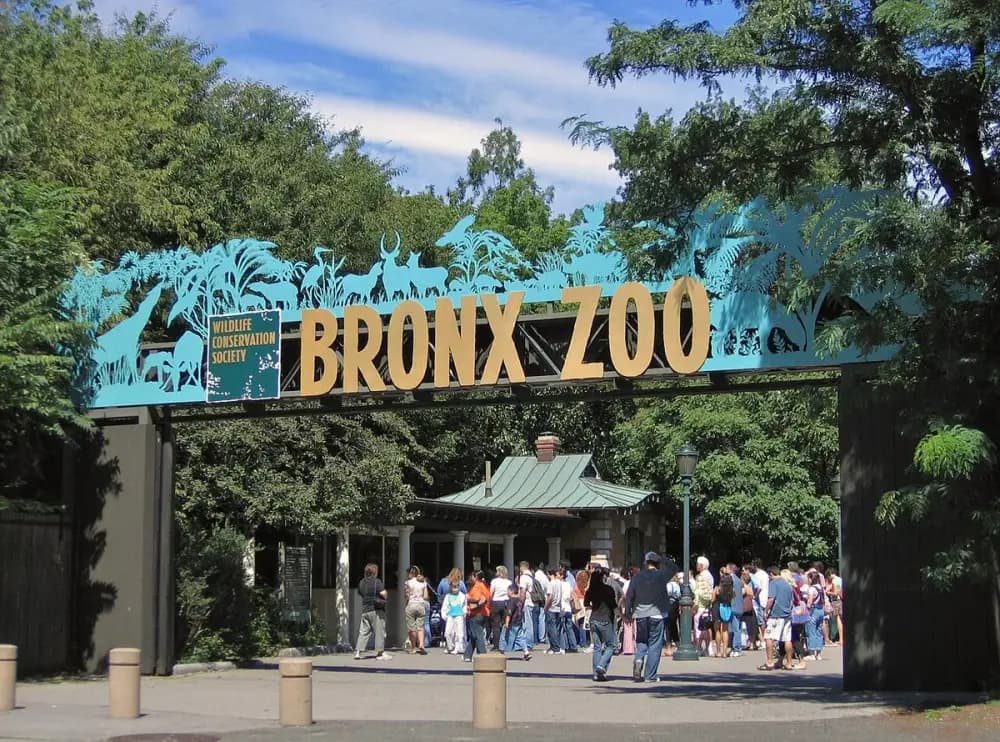
The Bronx Zoo is the flagship park of the Wildlife Conservation Society (WCS), opened on November 8, 1899, on more than 265 acres of hardwood forest in the Bronx, New York, at 2300 Southern Blvd. It is accredited by the Association of Zoos and Aquariums. WCS describes the zoo's collection in different terms across its own pages: one page states the zoo is home to over 11,000 animals and more than 640 species, while another states more than 700 species, and its accessibility page describes the park as home to more than 4,000 animals; whatever the precise current figure, the zoo's own materials are consistent in describing a large, wide-ranging collection spanning the globe, from tiny toads native to Tanzania to big cats from the Russian Far East.
The Bronx Zoo is one of five WCS parks in New York, alongside the Central Park Zoo, Queens Zoo, Prospect Park Zoo, and the New York Aquarium. Together, those five facilities connect more than 4 million visitors a year to conservation and science programming, and care for more than 17,000 mammals, birds, fish, reptiles, amphibians, and invertebrates across the system. WCS holds a leading role in the Association of Zoos and Aquariums, and the zoo describes itself as having established the first modern zoo animal hospital, staffed with full-time veterinarians.
The zoo is organized as a large, walkable park of themed sections and named exhibit zones rather than a single loop, with attractions ranging from immersive indoor habitats to an outdoor monorail.
History
The Bronx Zoo's conservation mission traces back 131 years, by the zoo's own account, to the creation of the New York Zoological Society, the organization that grew into today's Wildlife Conservation Society. The zoo itself opened its gates on November 8, 1899. Over the following decades, WCS scientists based at the Bronx Zoo took on a series of species recovery projects that the zoo highlights as central to its history: breeding and reintroducing Tanzania's Kihansi spray toads into the wild, playing a role in reintroducing American bison to the western plains, and helping reintroduce eastern hellbenders to New York's rivers.
The zoo's World of Birds exhibit opened in 1972 and remains one of its longer-standing attractions, covering 30,000 square feet of habitat replicating deserts, rainforests, alpine forests, and other environments from around the world. More recently, the zoo's conservation and animal-care work has been featured on the Animal Planet docuseries "The Zoo," which the zoo describes as offering behind-the-scenes looks at its operations. Scientists in the zoo's Wildlife Health Center have also conducted research into zoonotic diseases, including Ebola, avian flu, and canine distemper.
Exhibits and habitats
World of Birds is among the zoo's most detailed exhibits by the sources available: opened in 1972, it uses ramps to lead visitors through recreated deserts, rainforests with waterfalls and simulated storms, and other habitats, lit by angled skylights that also support the living plants inside. Many of its exhibits are open, without glass or mesh barriers, letting visitors observe species including the white-throated and white-fronted bee-eaters, the Andean cock-of-the-rock, the Sulawesi knobbed hornbill, and the ocellated turkey, one of only two turkey species in the world alongside North America's wild turkey.
The zoo designates a set of "Star Attractions" that require either a Bronx Zoo Admission ticket or a separate per-attraction fee. Year-round Star Attractions include the Bug Carousel, Congo Gorilla Forest, JungleWorld, and Nature Trek; seasonal Star Attractions include the Butterfly Garden, Children's Zoo, Wild Asia Monorail, and the Zoo Shuttle. Budgie Landing is a walk-through attraction that is not included with Bronx Zoo Admission. The zoo also maintains the Himalayan Highlands exhibit, home to snow leopards and red pandas, noted in the zoo's accessibility materials for its steep, uneven terrain. The zoo's homepage highlights penguins, cheetahs, porcupines, and sloths among its animal attractions.
Animal highlights
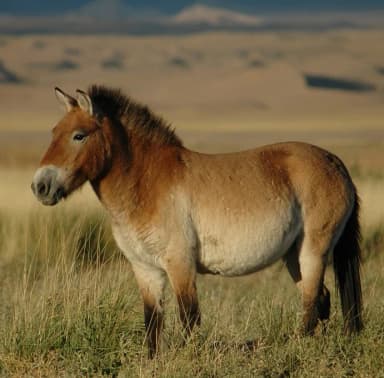
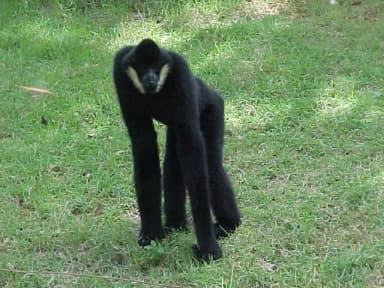
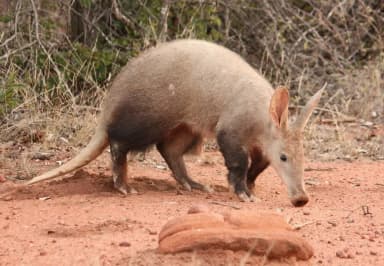
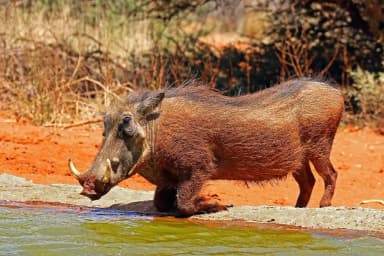
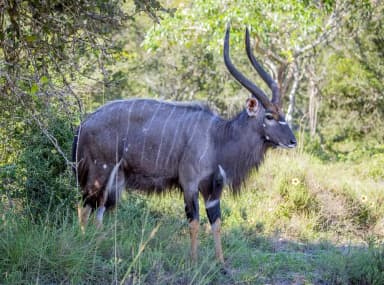
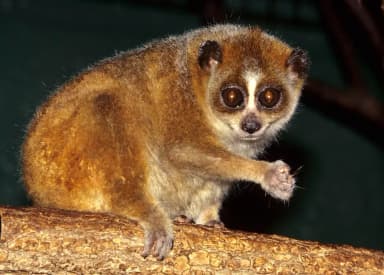
The Bronx Zoo lists at least 10 species by name across its published pages, including the aardvark, Western lowland gorilla, Przewalski's horse, gelada, nyala, warthog, panther chameleon, pygmy slow loris, collared lemur, and white-cheeked gibbon. Its own about page separately states the zoo's overall collection runs from more than 640 to more than 700 species, with animal totals cited elsewhere as ranging from roughly 4,000 to more than 11,000 individuals. Named species mentioned in exhibit descriptions add to that list, including the Sulawesi knobbed hornbill, ocellated turkey, white-throated and white-fronted bee-eaters, Andean cock-of-the-rock, snow leopard, and red panda. The zoo's own homepage separately calls out penguins, cheetahs, porcupines, and sloths as visitor favorites.
Conservation and programs
The Bronx Zoo positions itself as the origin point of the Wildlife Conservation Society's global conservation work, which the zoo traces back 131 years to the founding of the New York Zoological Society. WCS conservationists based at the Bronx Zoo have bred and reintroduced Tanzania's Kihansi spray toads into the wild, contributed to the reintroduction of American bison to the western plains, and helped reintroduce eastern hellbenders to New York's rivers. The zoo's Wildlife Health Center conducts research into zoonotic diseases such as Ebola, avian flu, and canine distemper.
Beyond New York, WCS describes a global conservation team of more than 4,000 people working in nearly 60 countries and in all the world's oceans, focused on species including great apes, big cats, elephants, sharks and rays, marine mammals, and turtles. The zoo frames a visit as a way to connect guests directly to that broader conservation network, with the goal of inspiring support for wildlife protection beyond the park's own grounds.
Planning your visit
As listed on the zoo's website, the Bronx Zoo's hours run 10:00 a.m. to 5:00 p.m., with separate operating calendars for an April 2 through October 31, 2026 season and a November 1, 2026 through March 2027 season; the zoo is closed on Thanksgiving Day, Christmas Day, New Year's Day, and Martin Luther King Jr. Day. Last entry to the zoo is 45 minutes before closing, and individual animal exhibits close 30 minutes before closing, though the Bug Carousel and Nature Trek stay open until the park itself closes.
The zoo uses a "flex pricing" model for its standard Bronx Zoo Admission ticket, with prices that change based on the day, time of year, and demand; a separate, fixed-price Limited Admission ticket is also available every day, and Limited Admission is offered free on Wednesdays with an advance reservation. All tickets are date-specific, and the zoo states that all sales are final with no refunds, credits, or rescheduling, including for weather. As with all prices and hours here, check the official website before you go.
Parking is available in two main lots, one off Southern Boulevard and one off the Bronx River Parkway, on a first-come, first-served basis that can fill on peak days; the zoo recommends mass transit or car service as alternatives when lots are full. For accessibility, the zoo recommends the Southern Boulevard entrance, which it describes as having fewer grade changes and better access to the park's central sections. Manual wheelchairs are available for loan at any entrance on a first-come, first-served basis, and electric convenience vehicles can be rented at the Southern Boulevard gate only, for a listed $50.63, requiring renters to be 18 or older with photo ID. A seasonal Zoo Shuttle runs April through October and is included with Bronx Zoo Admission, with free rides for seniors. The zoo has also partnered with KultureCity to add designated quiet zones and headphone zones and to offer sensory bags with fidget tools and noise-reducing headphones at the Guest Relations desk near the Sea Lion Pool, for guests with sensory processing needs.
What we haven't confirmed
Everything above came from public sources. These specifics we haven't stood behind yet:
- Exact current animal and species count
- Current ticket prices under the zoo's flex pricing model
- Time needed for a typical visit
- Parking cost
- General information phone line (beyond the reservation and accessibility lines listed)
Bronx Zoo compared with nearby zoos
How Bronx Zoo lines up against the closest zoos we have details for — useful if you're deciding between them for the same day out.
| Zoo | Distance | Admission | Hours | Size | AZA |
|---|---|---|---|---|---|
| Bronx ZooThis zooNew York City, NY | — | from $37.70 | 10:00 AM – 5:00 PM | 265 acres | Yes |
| Queens ZooNew York City, NY | 7 mi | $10.95 | Apr 2 – Oct 31, 2026: Mon–Fri 10:00 AM – 5:00 PM; weekends and federal holidays 10:00 AM – 5:30 PM. Last entry 30 minutes before closing. | 11 acres | Yes |
| Central Park ZooNew York City, NY | 8 mi | $22.95 | 10:00 AM – 5:00 PM | 6.5 acres | Yes |
| Bergen County Zoological ParkParamus, NJ | 10 mi | $6 | Apr–Nov daily 10:00 AM – 4:30 PM (last entry 4 PM); Nov–Mar 10 AM – 3:30 PM (last entry 3 PM). Closed Thanksgiving, Christmas. | 23 acres | No |
Distances are straight-line. A dash means we haven't confirmed that detail yet, not that the zoo lacks it.
AZAThe Association of Zoos and Aquariums. Accredited members have passed an independent inspection of animal care and welfare, safety, conservation and education, repeated every five years. Many smaller facilities never apply, so “not accredited” isn't a verdict on its own. What accreditation means · How we check this
Bronx Zoo: common questions
Is the Bronx Zoo AZA accredited?
Yes, the Bronx Zoo is accredited by the Association of Zoos and Aquariums.
When did the Bronx Zoo open?
It opened on November 8, 1899, as the flagship park of what is now the Wildlife Conservation Society.
How big is the Bronx Zoo?
The zoo covers more than 265 acres of hardwood forest in the Bronx.
How many animals and species live at the Bronx Zoo?
The zoo's own pages give different figures in different places, ranging from more than 640 to more than 700 species and from roughly 4,000 to more than 11,000 individual animals.
Is there a free admission day?
The zoo offers free Limited Admission on Wednesdays with an advance reservation, released the Monday before at 5:00 p.m.
Is the Bronx Zoo wheelchair accessible?
Yes. All buildings are wheelchair accessible, manual wheelchairs are available for loan, and electric convenience vehicles can be rented at the Southern Boulevard entrance, which the zoo also recommends for guests with mobility concerns.
Is there parking at the Bronx Zoo?
Yes, in two main lots off Southern Boulevard and the Bronx River Parkway, offered on a first-come, first-served basis and subject to filling on busy days.
Something wrong here? Tell us — we correct in place, with a dated note.