
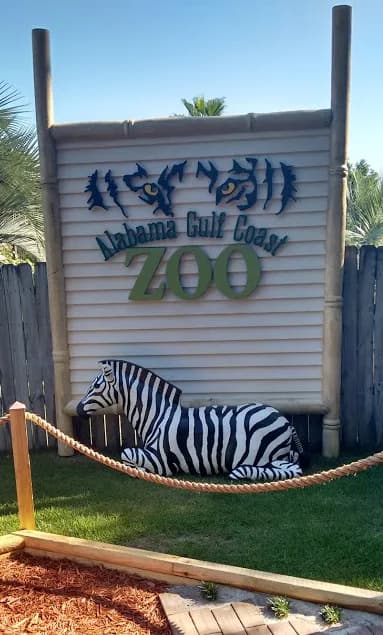
- Admission
- $23.95
- Size
- 25 acres
- Animals
- 300
- Opened
- 1989
- Accreditation
- None listed
not accredited by the Association of Zoos and Aquariums
Everything below is directory information drawn from public sources and the zoo's own site.
Animals at Alabama Gulf Coast Zoo
68 confirmedMammals33
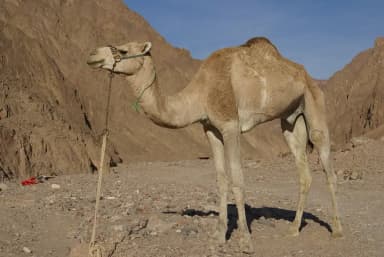 Florian Prischl · CC BY-SA 3.0
Dromedary Camel
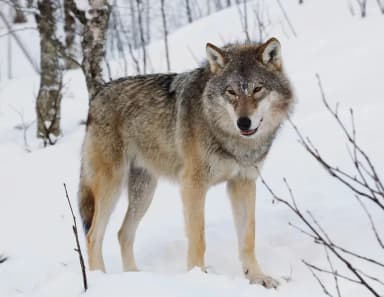 User:Mas3cf · CC BY-SA 4.0
Gray Wolf
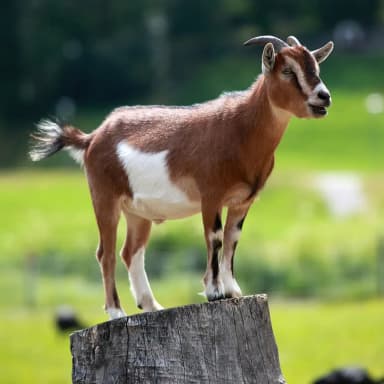 Kuebi = Armin Kübelbeck · CC BY-SA 3.0
Goat
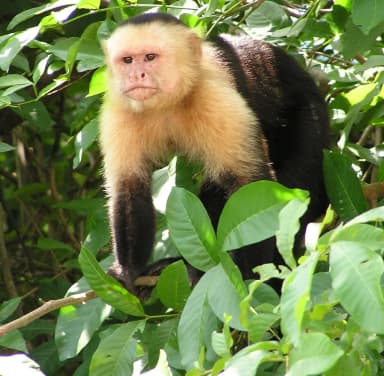 David M. Jensen ( Storkk ) · CC BY-SA 3.0
Capuchin Monkey
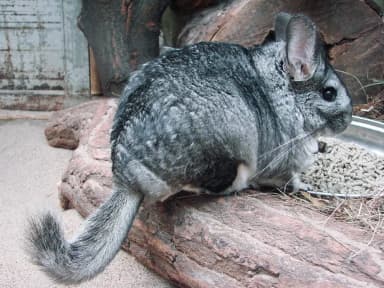 Guérin Nicolas ( messages ) · CC BY-SA 3.0
Chinchilla
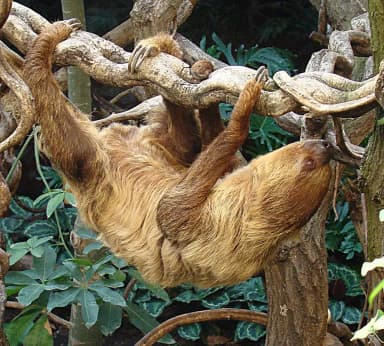 Dick Culbert from Gibsons, B.C., Canada · CC BY 2.0
Linnaeus's Two-toed Sloth
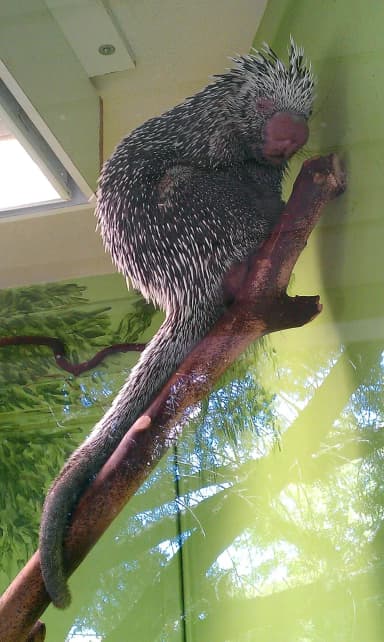 Wikinoobie1 · CC BY-SA 3.0
Prehensile-tailed Porcupine
 Cody Pope · CC BY-SA 2.5
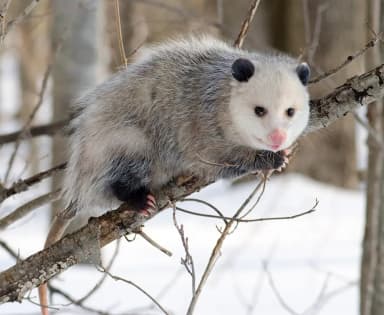
Virginia Opossum
 Hugo Hulsberg · CC0
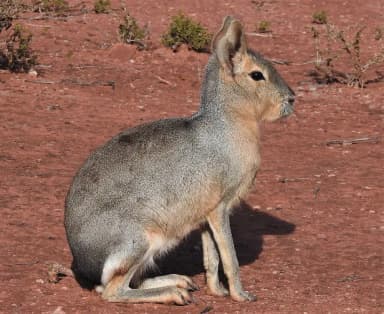
Patagonian Mara
 Mätes II. · CC BY-SA 3.0
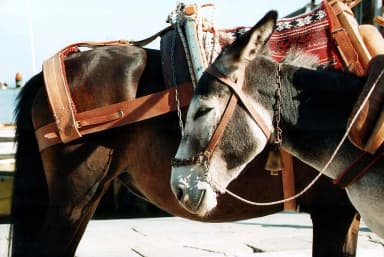
Donkey
 Charles J. Sharp · CC BY-SA 4.0
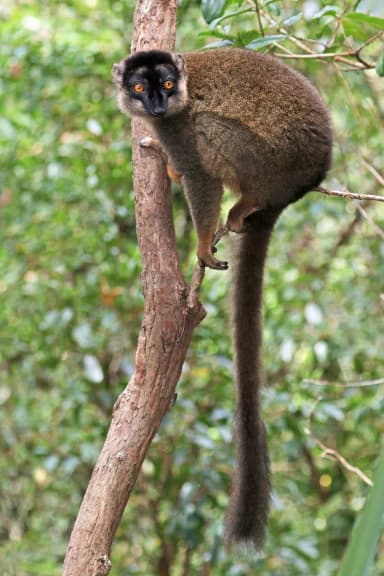
Brown Lemur
 Thomas Fuhrmann · CC BY-SA 4.0
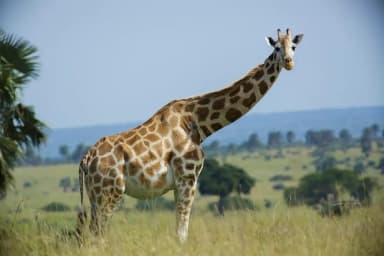
Giraffe
 Relative of Brandt Luke Zorn, most likely his father. · CC BY-SA 2.0
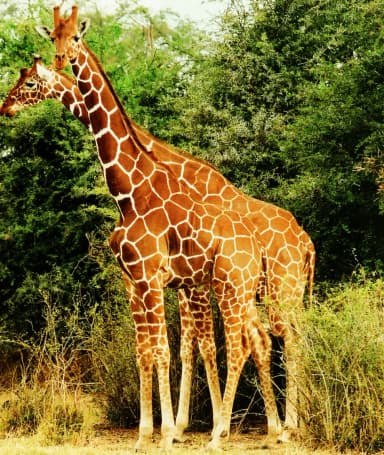
Reticulated giraffe
 Giles Laurent · CC BY-SA 4.0
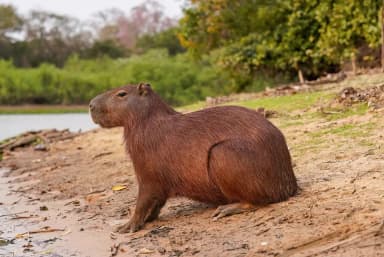
Capybara
 Quartl · CC BY-SA 3.0
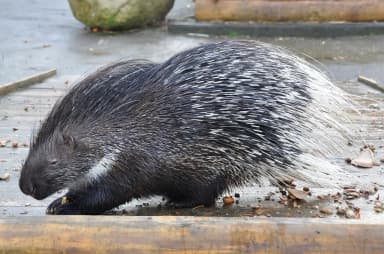
African Crested Porcupine
 Charles J. Sharp · CC BY-SA 4.0
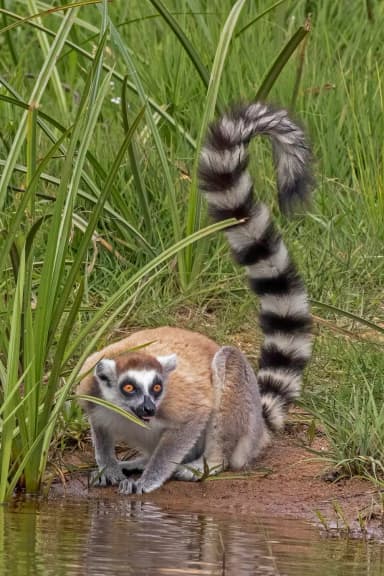
Ring-tailed Lemur
 Diego Delso · CC BY-SA 4.0
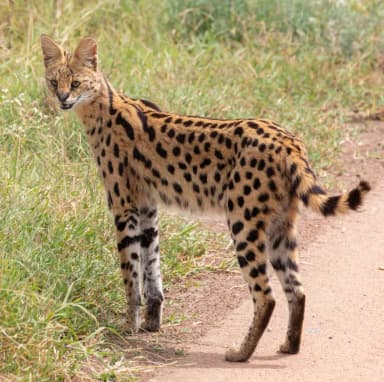
Serval
 Aconcagua · CC BY-SA 3.0
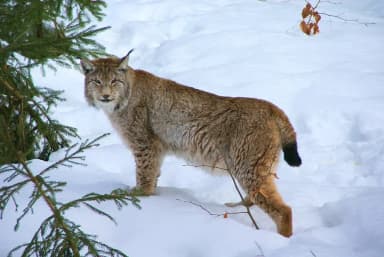
Eurasian Lynx
 Becker1999 (Paul and Cathy) · CC BY 2.0
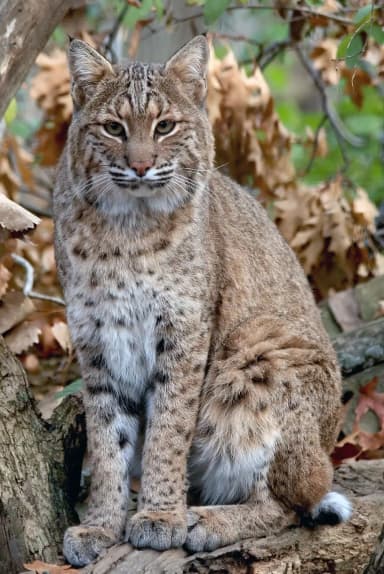
Bobcat
 Rufus46 · CC BY-SA 3.0
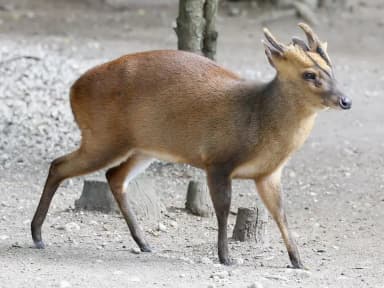
Reeve's Muntjac
 Rushenb · CC BY-SA 4.0
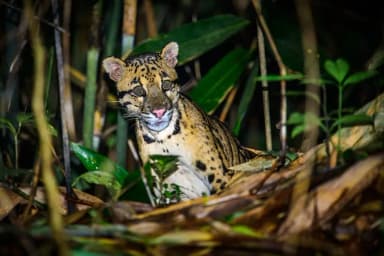
Clouded Leopard
 euqirneto · CC BY 4.0
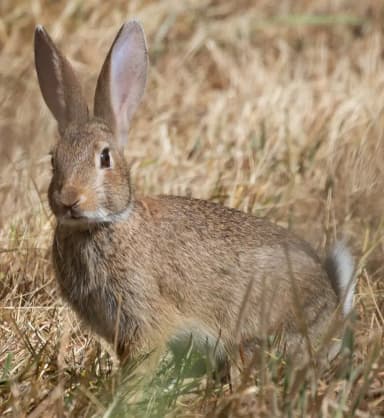
Flemish Giant Rabbit
 Giles Laurent · CC BY-SA 4.0
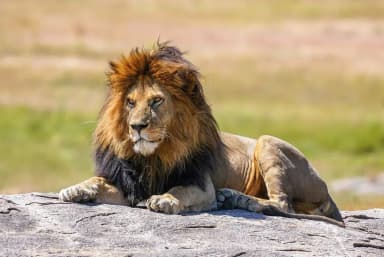
Lion
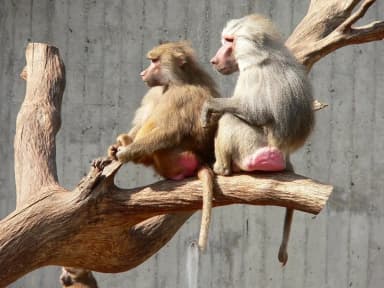 Manuel González Olaechea y Franco · CC BY 3.0
Hamadryas Baboon
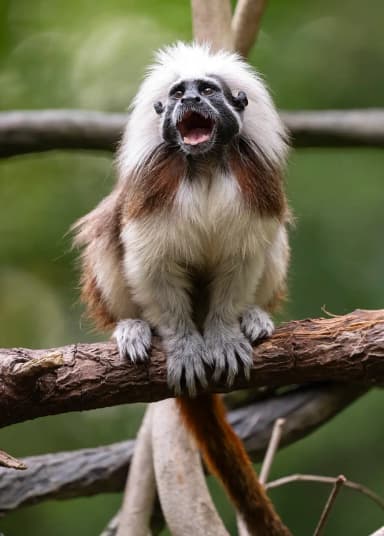 Chensiyuan · CC BY-SA 4.0
Cotton-top Tamarin
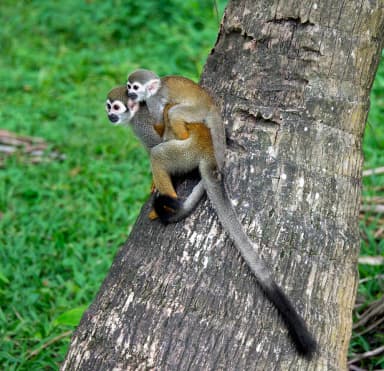 Cayambe · CC BY-SA 3.0
Squirrel Monkey
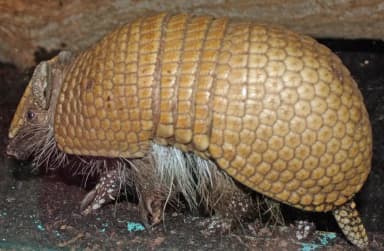 SouthernThreeBandedArmadillo065.jpg : Ltshears derivative work: WolfmanSF ( talk ) · CC BY-SA 3.0
Three-banded Armadillo
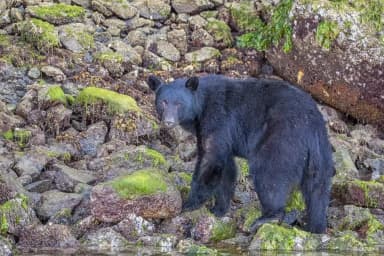 Charles J. Sharp · CC BY-SA 4.0
American Black Bear
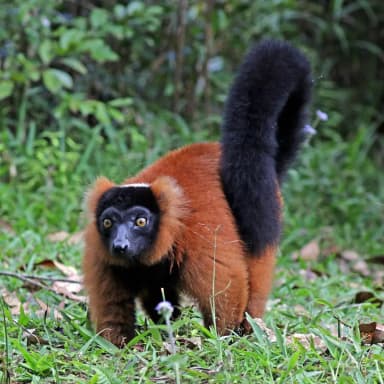 Charles J. Sharp · CC BY-SA 4.0
Red Ruffed Lemur
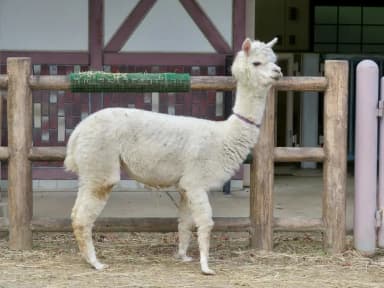 KKPCW · CC BY-SA 4.0
Alpaca
Birds16
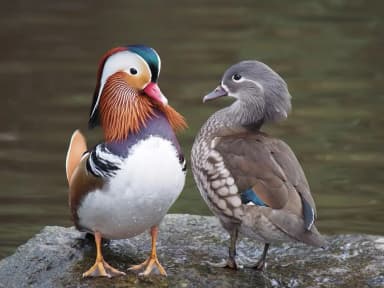 Francis C. Franklin · CC BY-SA 3.0
Mandarin Duck
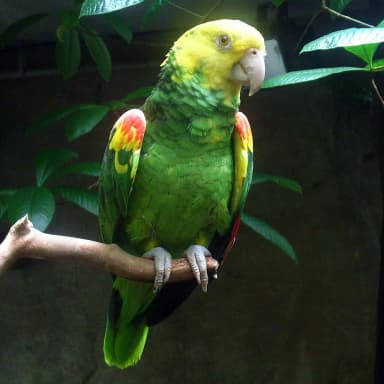 Lizzy Foulkes · CC BY-SA 2.0
Yellow-headed Amazon
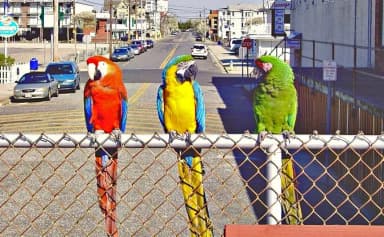 LancerEvolution ; from New Jersey, United States (USA) · CC BY 2.0
Macaw
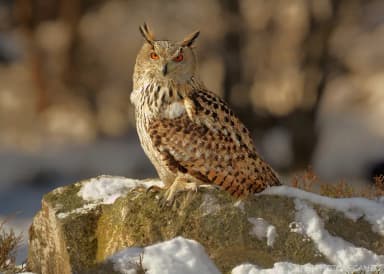 Martin Mecnarowski ( http://www.photomecan.eu/ ) · CC BY-SA 3.0
Eurasian Eagle-Owl
 This image was produced by me, David Castor ( user:dcastor ). The pictures I submit to the Wikipedia Project are release · Public domain
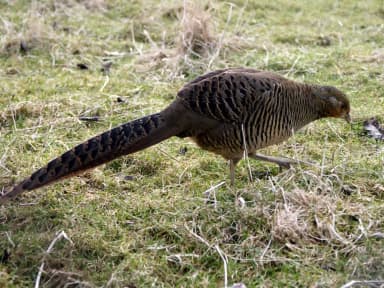
Golden Pheasant
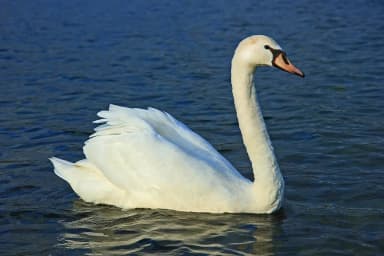 Sanchezn · CC BY-SA 3.0
Mute Swan
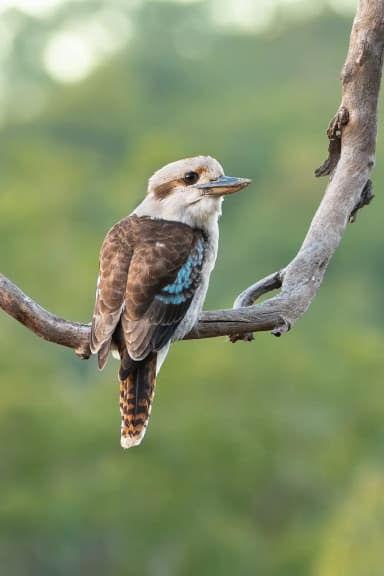 Photo by: Paulweberphoto - paulweberphoto.com · CC BY 4.0
Laughing Kookaburra
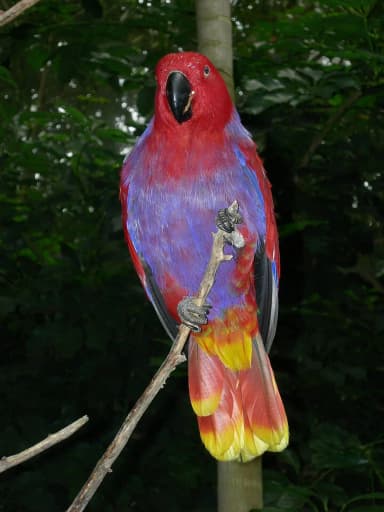 Selena N. B. H. from Carrboro, USA · CC BY 2.0
Eclectus Parrot
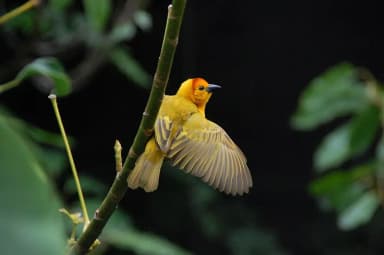 Devin Morris · CC BY-SA 4.0
Taveta Golden Weaver
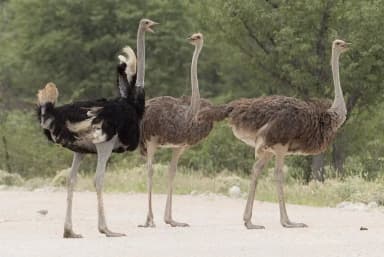 Yathin S Krishnappa · CC BY-SA 4.0
Ostrich
Reptiles15
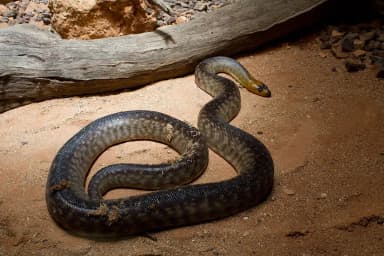 Brian Gratwicke · CC BY 2.0
Woma Python
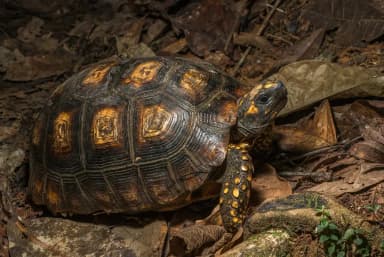 Casey Klebba · CC BY-SA 4.0
Yellow-footed Tortoise
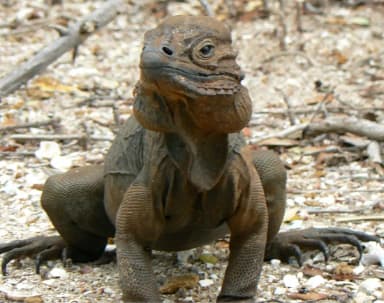 Tim Ross · Public domain
Rhinoceros Iguana
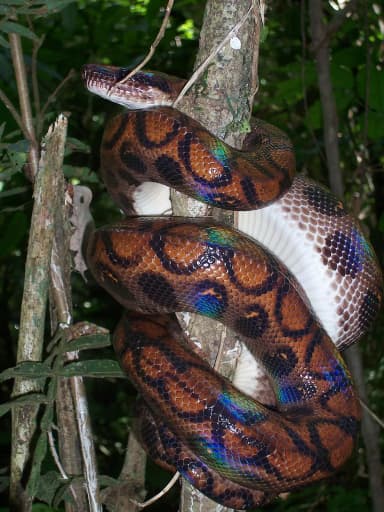 Damien Farrell · CC BY 3.0
Rainbow Boa
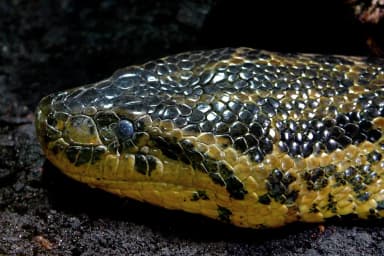 H. Zell · CC BY-SA 3.0
Yellow Anaconda
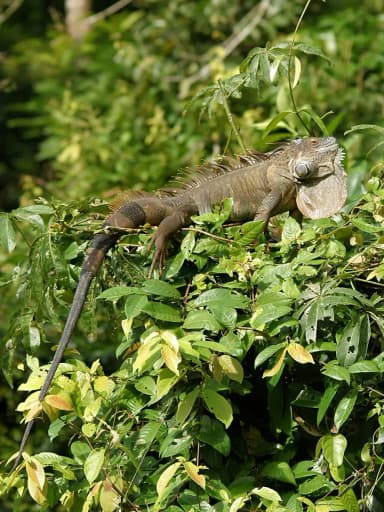 Hans Hillewaert · CC BY-SA 4.0
Green Iguana
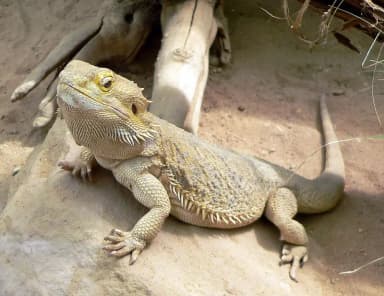 Photograph: Frank C. Müller , Baden-Baden · CC BY-SA 2.5
Bearded Dragon
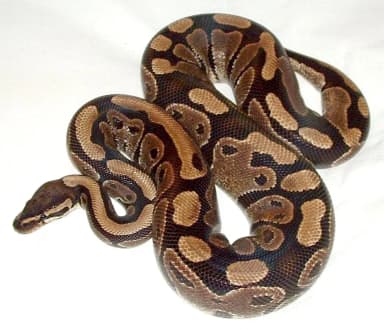 HCA ( talk ) · CC BY-SA 3.0
Ball Python
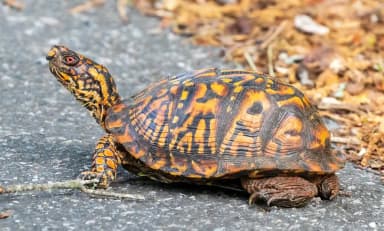 (c) Joshua Liverman, some rights reserved (CC BY) · CC BY 4.0
Eastern Box Turtle
Amphibians3

Invertebrates1
Feathers & Fangs from visitors
What people who've been to Alabama Gulf Coast Zoo say
A Feather is something this zoo does well; a Fang is something it gets wrong. Left by people who've been, and read by us before they appear.
Loading…
About Alabama Gulf Coast Zoo
The Alabama Gulf Coast Zoo covers about 25 acres in Gulf Shores, Alabama, roughly six miles from the beach, and is home to around 300 animals. According to the zoo's own website, its collection spans 118 species, including 22 considered critically endangered. The zoo is not currently accredited by the Association of Zoos and Aquariums. It's operated by The Zoo Foundation, Inc., a 501(c)(3) nonprofit governed by a board of directors, and it describes its mission around four themes: education, conservation, adventure, and community.
The zoo opened at its Gulf Shores location in 1989, though its history as a small, family-run animal park in the same town goes back further. It relies on admissions, memberships, and donations to operate, since it receives no public funding, and it's inspected annually by the U.S. Department of Agriculture. Rather than being organized around large themed habitats, the zoo is built around a rotating schedule of daily keeper chats and animal encounters that bring visitors close to specific species throughout the day.
History
The zoo's story starts with a Gulf Shores entrepreneur, Joey Ward, who built a small community zoo called Zooland Animal Park on family-owned land in the middle of town, about a mile from the beach. It housed tropical birds, snakes, big cats, and other exotic animals under the care of Joey and his parents, Wade and Pat Ward, and was popular with locals and vacationers even though Gulf Shores wasn't yet the tourist destination it later became. The Ward family eventually formed a nonprofit, The Zoo Foundation, Inc., to operate the park.
A volunteer named Patti Hall joined around this time and was later asked to become the zoo's director. Her tenure included navigating hurricane seasons, hiring a head zookeeper who would later become the zoo's curator, and renaming the park to the Alabama Gulf Coast Zoo to build credibility. She also grew "Boo in the Zoo" into an annual Halloween event drawing more than 2,500 attendees.
The defining event in the zoo's history came one September, when Hurricane Ivan, a Category 3 storm, was forecast to make landfall directly on Gulf Shores. Over roughly 36 hours, Patti Hall and her staff evacuated more than 265 animals 20 miles inland to her own property, leaving behind only Chuckie, an 11-foot, 1,000-pound American alligator too large to move, who rode out the storm in his exhibit. On September 16, Hurricane Ivan made landfall and the zoo was left under 14 feet of water; no animal was lost in the evacuation, and Chuckie was later found alive. National media, including NatGeo, People, CNN, and Good Morning America, covered the story, and Peter Jennings named Patti Hall his ABC World News Person of the Week. That coverage led to a 13-episode Animal Planet series, "The Little Zoo That Could," which debuted the following February and helped the zoo reopen just 14 months after the storm.
Recognizing that its original swampy, sand-covered site couldn't survive another major hurricane, the zoo set out to relocate to higher ground. Gulf Shores residents Clyde Weir and his daughter Andrea, moved by the television series, donated 25 acres of land four miles inland for a new facility. Fundraising for the new site was slowed first by the 2008 recession and then by the Deepwater Horizon oil spill, which hit Gulf Coast tourism hard. With help from animal expert Jim Fowler and renewed backing from the Ward family, construction eventually proceeded on the new Alabama Gulf Coast Zoo at its current location.
Exhibits and habitats
The zoo's layout centers on smaller animal areas rather than large themed trails. The Manor, an indoor building, houses a Micro Market selling snacks and self-serve food near the zoo's Lemur Adventure area. A South American Adventure area hosts a recurring daily bird chat, part of the zoo's broader schedule of keeper talks that also covers big cats and the zoo's barn animals. Animal encounters — paid, closely supervised sessions with individual animals — are a regular feature of a visit, alongside the zoo's stage shows, which run daily during the warm-weather months.
Animal highlights
The zoo's own materials describe a collection of 118 species and about 300 individual animals, all housed on-site with names and backstories the zoo shares with visitors. Its public animal directory lists at least 68 species by name, including big cats such as lions, servals, clouded leopards, and Eurasian lynx, and primates including capuchin monkeys, hamadryas baboons, squirrel monkeys, and several lemur species — brown, red ruffed, and ring-tailed. The collection also includes giraffes, a range of reptiles from green iguanas to yellow anacondas, and a mix of domestic and farm animals such as alpacas, donkeys, goats, and sheep alongside its more exotic residents.
Planning your visit
As listed on the zoo's website, the Alabama Gulf Coast Zoo is open daily from 9:00 a.m. to 4:00 p.m., with last admission at 3:30 p.m.; it's closed on Thanksgiving, Christmas Day, and New Year's Day. General admission, as listed, runs $23.95 for ages 13 to 54, $20.95 for seniors 62 and up and military, and $15.95 for children 3 to 12, with children two and under free; prices don't include tax. Group rates apply for parties of 15 or more, with discounted school-group admission and free entry for teachers and bus drivers.
The zoo offers stroller, double-stroller, and wagon rentals, along with complimentary manual wheelchairs on a first-come, first-served basis and a mobility scooter for $20. Guests may bring their own food, and drink machines, mini-melt ice cream, and snow cones are sold inside; the Micro Market near Lemur Adventure offers additional self-serve snacks. Service dogs are permitted under ADA guidelines, though pets are not allowed. All zoo guests age 15 and under must be accompanied by a paying guest at least 16 years old. Because admission prices and hours can change, confirm current details on the zoo's official website before visiting.
What we haven't confirmed
Everything above came from public sources. These specifics we haven't stood behind yet:
- Total acreage breakdown between developed and undeveloped land
- Current annual visitor count
- Parking cost and location details
- Phone number for guest services
Alabama Gulf Coast Zoo compared with nearby zoos
How Alabama Gulf Coast Zoo lines up against the closest zoos we have details for — useful if you're deciding between them for the same day out.
| Zoo | Distance | Admission | Hours | Size | AZA |
|---|---|---|---|---|---|
| Alabama Gulf Coast ZooThis zooGulf Shores, AL | — | $23.95 | Daily 9:00 AM – 4:00 PM; last guests admitted 3:30 PM. Closed Thanksgiving, Christmas Day, New Year's Day. | 25 acres | No |
| Gulf Breeze ZooWoodlawn Beach, FL | 41 mi | $29.95 | Daily 9:00 AM – 5:00 PM through Oct 30 (last admission 4 PM); Oct 31–Dec 31 9 AM – 4 PM (last admission 3 PM). Closed Thanksgiving Day, Christmas Day. | 50 acres | No |
| ZooWorldPanama City Beach, FL | 113 mi | — | Daily 9:30 AM – 4:00 PM; last admission 3:00 PM. Closed Thanksgiving Day, Christmas Day. | — | No |
| Hattiesburg ZooHattiesburg, MS | 120 mi | — | — | 12 acres | Yes |
Distances are straight-line. A dash means we haven't confirmed that detail yet, not that the zoo lacks it.
AZAThe Association of Zoos and Aquariums. Accredited members have passed an independent inspection of animal care and welfare, safety, conservation and education, repeated every five years. Many smaller facilities never apply, so “not accredited” isn't a verdict on its own. What accreditation means · How we check this
Alabama Gulf Coast Zoo: common questions
Is the Alabama Gulf Coast Zoo AZA accredited?
No, it is not currently accredited by the Association of Zoos and Aquariums; it is inspected annually by the USDA.
How big is the zoo?
It covers about 25 acres at its current Gulf Shores location.
When did it open?
The zoo has operated at its Gulf Shores location since 1989, following an earlier history as a smaller animal park in the same town.
What animals can you see?
The zoo lists 118 species on its website, including lions, giraffes, clouded leopards, and several species of lemur and monkey, among roughly 300 animals.
Is there parking, and what does admission cost?
Admission, as listed, is $23.95 for adults, with reduced rates for seniors, military, and children; check the zoo's website for current parking details.
Is it stroller and wheelchair accessible?
Yes — the zoo offers stroller, wagon, and mobility scooter rentals, plus complimentary wheelchairs on a first-come, first-served basis.
Is there food inside?
Yes, including drink machines, snacks, and a Micro Market near the Lemur Adventure area; outside food is also allowed.
Something wrong here? Tell us — we correct in place, with a dated note.