- Where to see one
- 3 U.S. zoos in our directory hold desert iguana, confirmed against each zoo's own animal list.
Conservation status
Not Evaluated
This species has not been assessed for the IUCN Red List, so it sits outside the threat scale entirely.
About the desert iguana
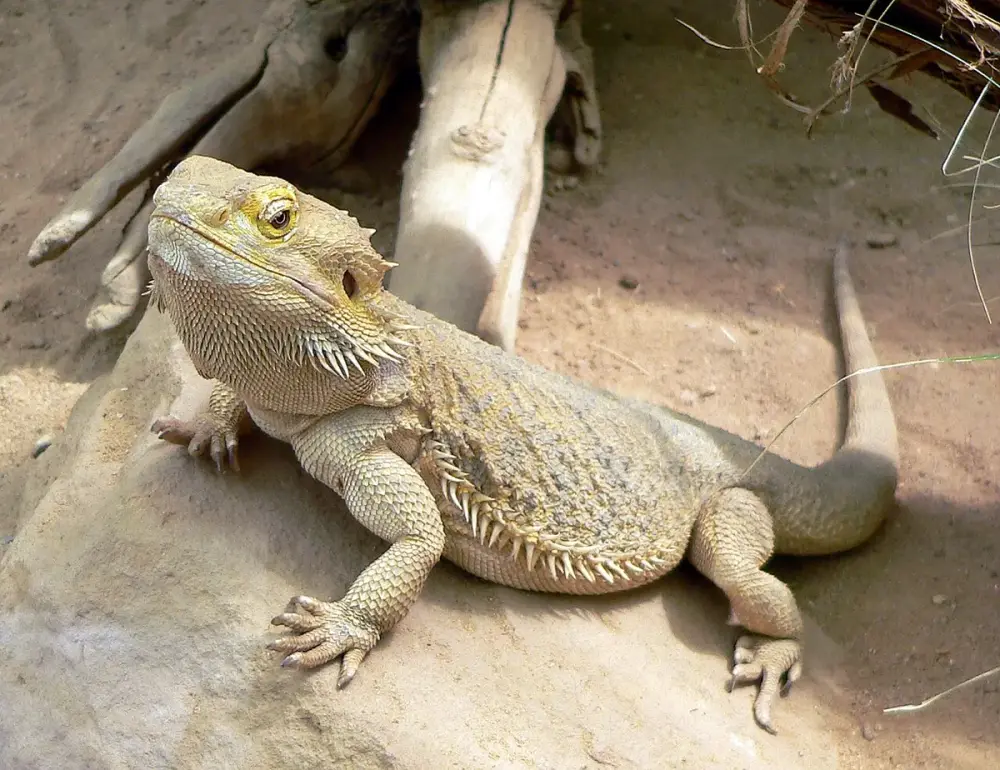
The desert iguana is a medium-sized, pale gray-tan lizard of the Sonoran and Mojave Deserts of the southwestern United States and northwestern Mexico, with populations on several Gulf of California islands. It favors dry, sandy scrubland dominated by creosote bush and shelters in burrows, sometimes borrowing those of kit foxes and desert tortoises. Mostly a plant eater, it feeds on buds, flowers, fruits and leaves, with insects such as ants and crickets added to the menu. It stays active in heat that sends other lizards underground, and its genus name means "thirsty lizard".
Desert Iguana facts
- It stays out foraging after other lizards have retreated into their burrows to escape the heat.
- The genus name Dipsosaurus comes from Greek words meaning "thirsty lizard".
- It sometimes eats the droppings of other herbivores as well as plants and insects.
- Genetic evidence places it as the sister lineage to all other members of the iguana family, diverging about 38 million years ago.
Where to see desert iguana in the U.S.
3 zoos across 3 states
Find the closest one
Rank the 3 zoos holding desert iguana by how far they are from you. Your location is used in your browser to sort this list and is never sent to us.
Alabama· 1
Arizona· 1
California· 1
AZAThe Association of Zoos and Aquariums. Accredited members have passed an independent inspection of animal care and welfare, safety, conservation and education, repeated every five years. Many smaller facilities never apply, so “not accredited” isn't a verdict on its own. What accreditation means · How we check this
Built from each zoo's own published animal list.