
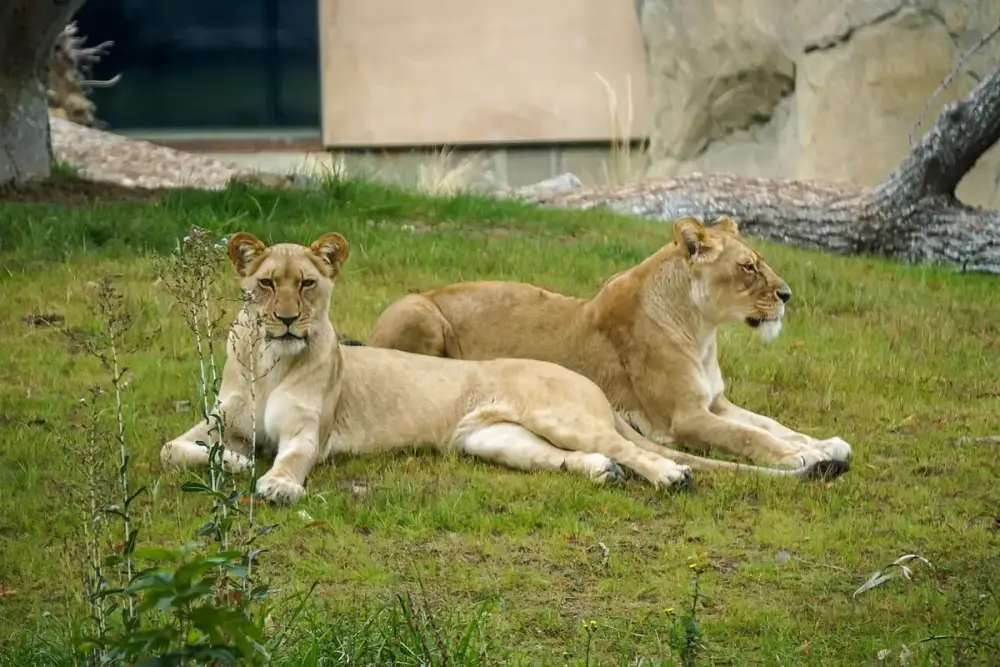
- Admission
- $25.95–$28.95
- Size
- 39 acres
- Opened
- 1929
- Accreditation
- AZA
varies by day of the week
Association of Zoos and Aquariums
Everything below is directory information drawn from public sources and the zoo's own site.
Animals at Fresno Chaffee Zoo
81 of the ~190 species this zoo listsThis is a partial list — we only show species we've confirmed against the zoo's own pages, and their full collection is considerably larger.
Mammals24
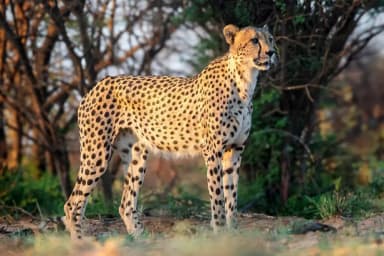 AfricanConservation · CC BY-SA 4.0
Cheetah
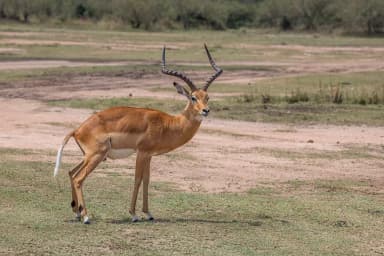 Charles J. Sharp · CC BY-SA 4.0
Impala
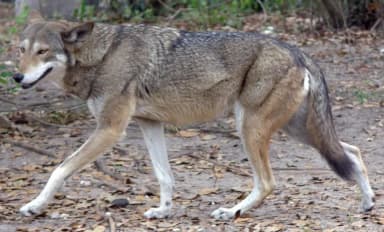 LaggedOnUser · CC BY-SA 2.0
Red Wolf
 Tuxyso · CC BY-SA 3.0
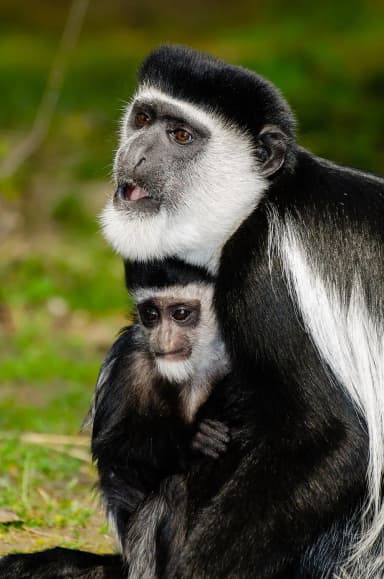
Black-and-white Colobus
 Relative of Brandt Luke Zorn, most likely his father. · CC BY-SA 2.0
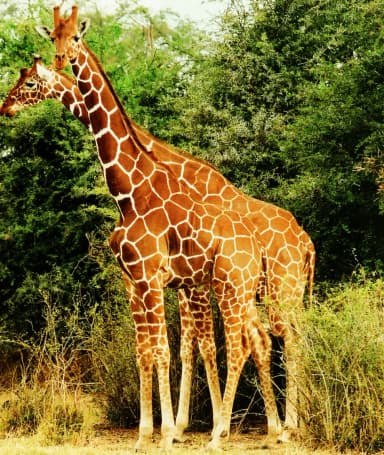
Reticulated giraffe
 Giles Laurent · CC BY-SA 4.0
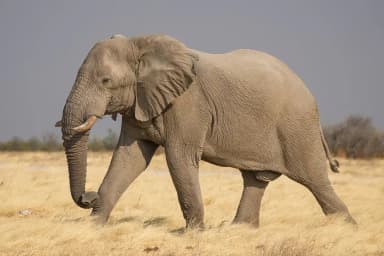
African Elephant
 Asiir · Public domain
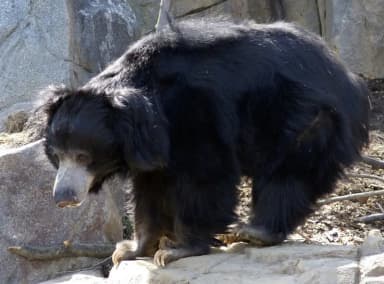
Sloth Bear
 Matthew Wakefield · CC BY-SA 2.0
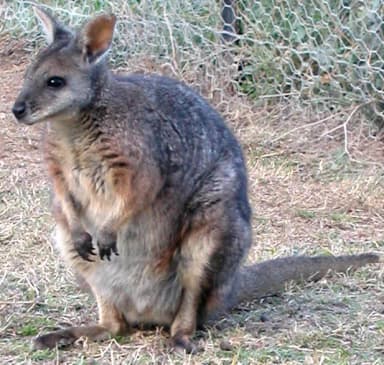
Tammar Wallaby
 Giles Laurent · CC BY-SA 4.0
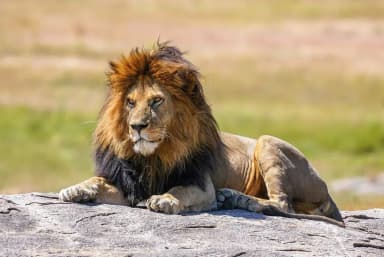
Lion
 Charles J. Sharp · CC BY-SA 4.0
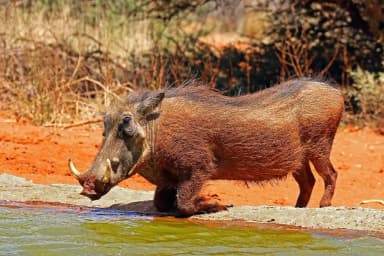
Warthog
 Charles J. Sharp · CC BY-SA 4.0
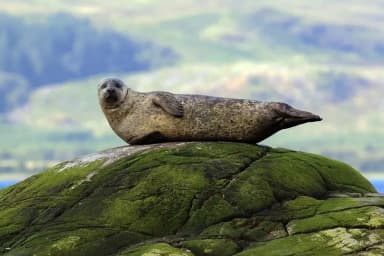
Harbor Seal
 Charles J. Sharp · CC BY-SA 4.0
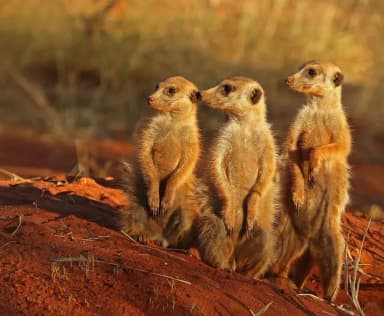
Meerkat
 Rufus46 · CC BY-SA 3.0
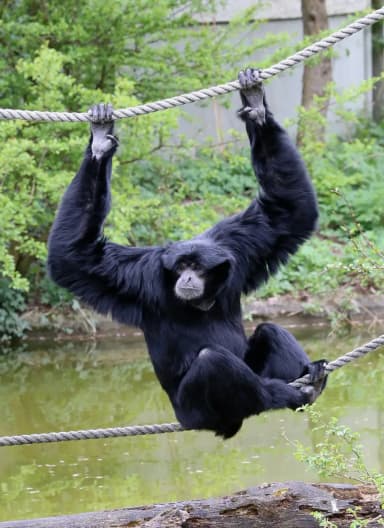
Siamang
 Rufus46 · CC BY-SA 3.0
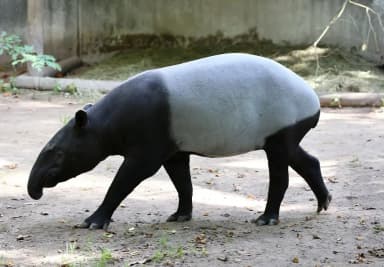
Malayan Tapir
 Yathin S Krishnappa · CC BY-SA 4.0
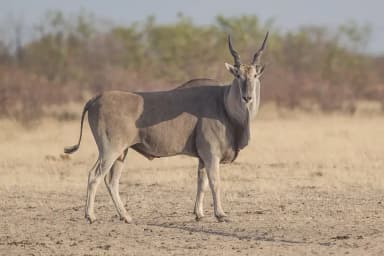
Common Eland
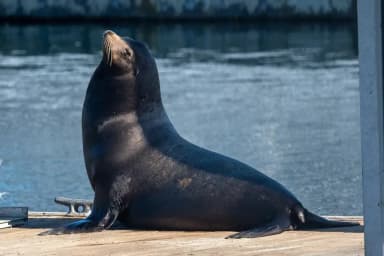 (c) Jonathan Eisen, some rights reserved (CC BY) · CC BY 4.0
California Sea Lion
Birds32
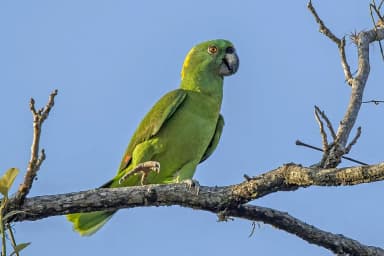 Charles J. Sharp · CC BY-SA 4.0
Yellow-naped Amazon
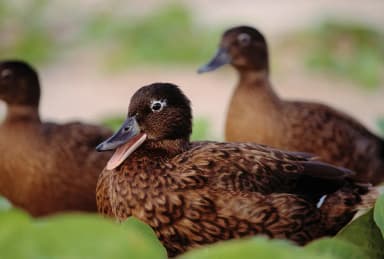 John Klavitter / USFWS · Public domain
Laysan Duck
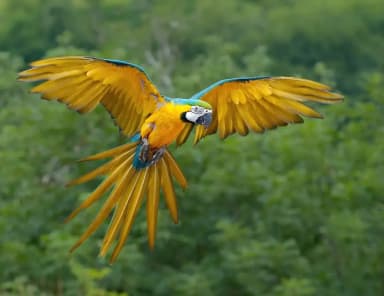 Luc Viatour · CC BY 2.0
Blue-and-gold Macaw
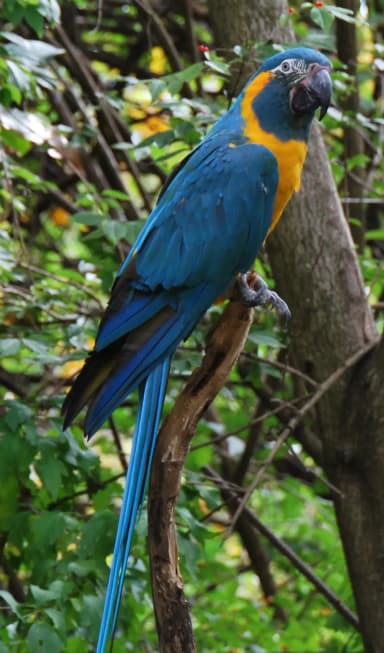 Ted · CC BY-SA 2.0
Blue-throated Macaw
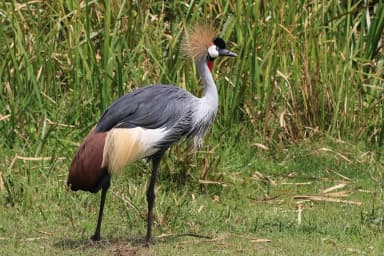 Charles J. Sharp · CC BY-SA 4.0
Grey Crowned Crane
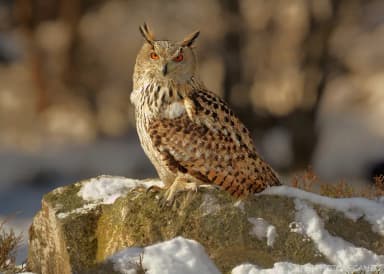 Martin Mecnarowski ( http://www.photomecan.eu/ ) · CC BY-SA 3.0
Eurasian Eagle-Owl
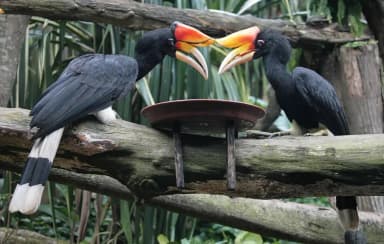 JP Bennett from Yamato, Japan · CC BY 2.0
Rhinoceros Hornbill
 Becky Matsubara from El Sobrante, California · CC BY 2.0
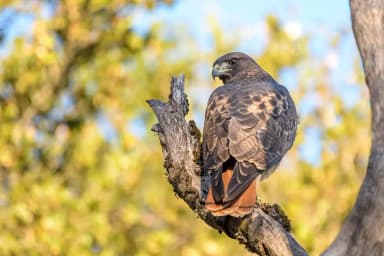
Red-tailed Hawk
 Eric Kilby from Somerville, MA, USA · CC BY-SA 2.0
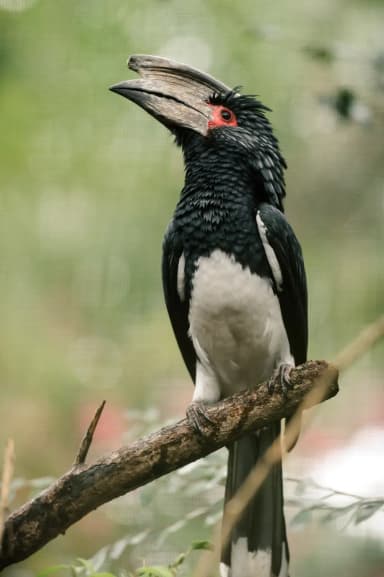
Trumpeter Hornbill
 carancho · CC BY 4.0
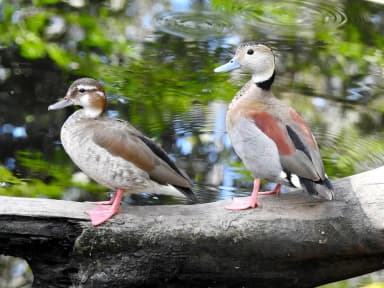
Ringed Teal
 ziggypop74 · CC BY 4.0
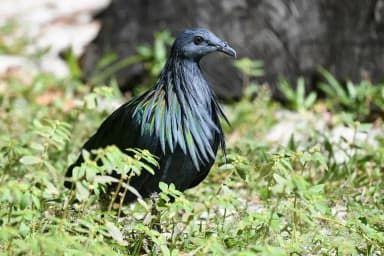
Nicobar Pigeon
 Charles J. Sharp · CC BY-SA 4.0
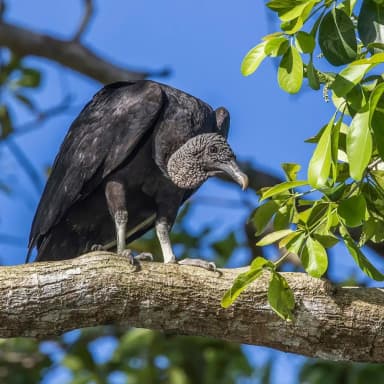
Black Vulture
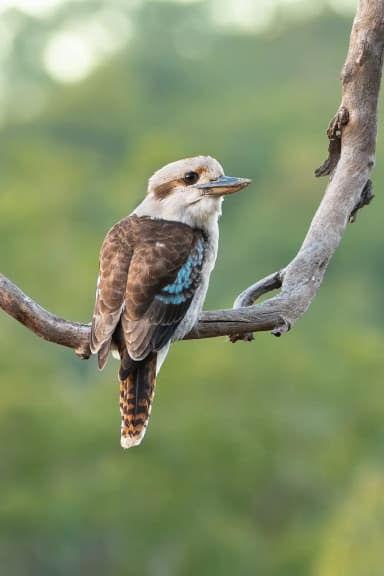 Photo by: Paulweberphoto - paulweberphoto.com · CC BY 4.0
Laughing Kookaburra
 JJ Harrison ( https://www.jjharrison.com.au/ ) · CC BY-SA 4.0
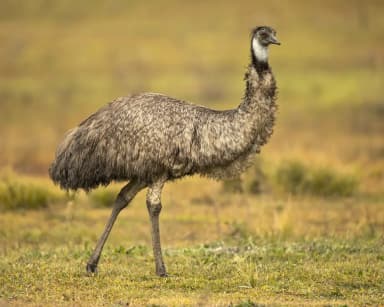
Emu
 JJ Harrison ( https://tiny.jjharrison.com.au/t/awbKQM2Ekae0XKza ) · CC BY-SA 4.0
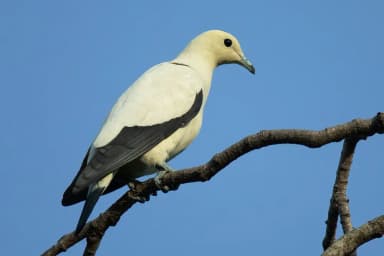
Pied Imperial Pigeon
 Sun Jiao (Interaccoonale) · CC BY 4.0
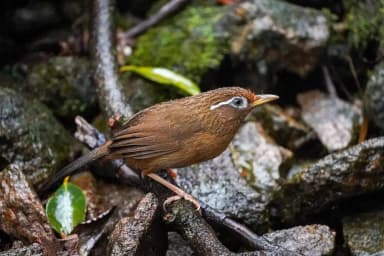
Chinese Hwamei
 Andy Morffew from Itchen Abbas, Hampshire, UK · CC BY 2.0
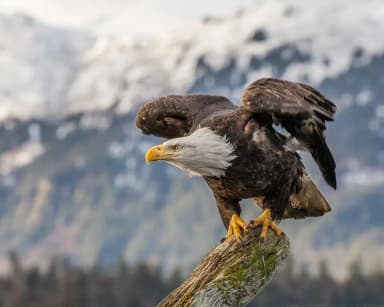
Bald Eagle
 JJ Harrison · CC BY-SA 3.0
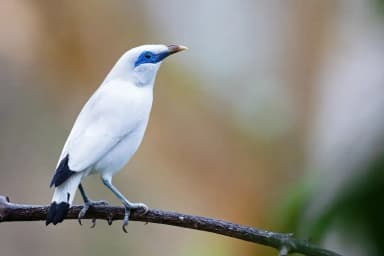
Bali Myna
 Mark Dumont · CC BY 2.0
Green-naped Pheasant Pigeon
 JeffreyGammon · CC BY 4.0
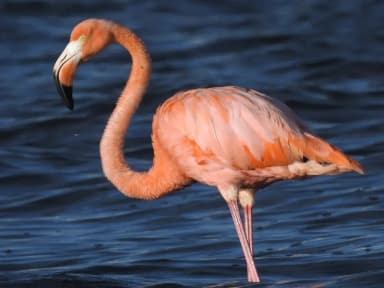
Caribbean Flamingo
 Arjan Haverkamp · CC BY 2.0
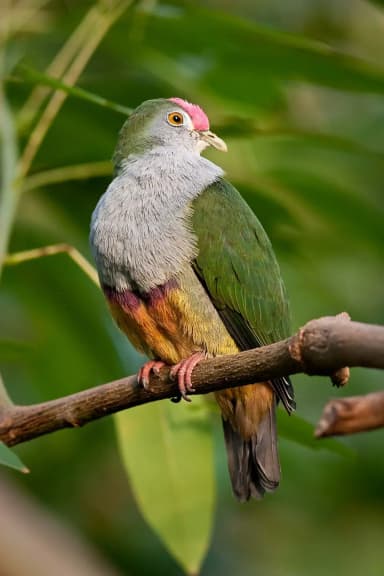
Beautiful Fruit Dove
 tcager · CC0
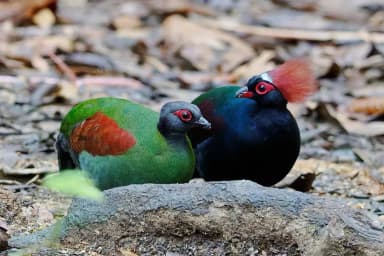
Crested Wood Partridge
 Renato Augusto Martins · CC BY-SA 4.0
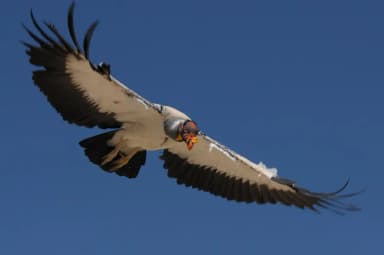
King Vulture
 David F. Belmonte · CC BY 4.0
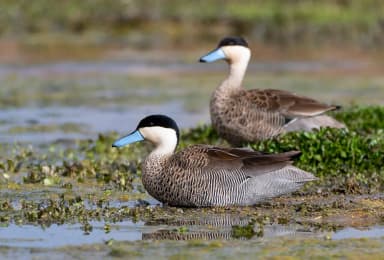
Puna Teal
 Yathin S Krishnappa · CC BY-SA 4.0
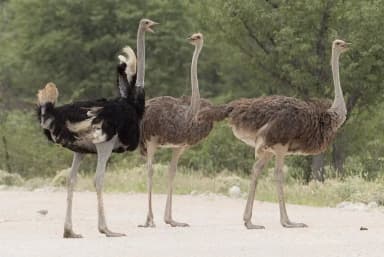
Ostrich
 Charles J. Sharp · CC BY-SA 4.0
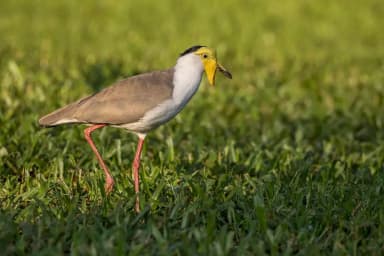
Masked Lapwing
 Greg Hume · CC BY-SA 3.0
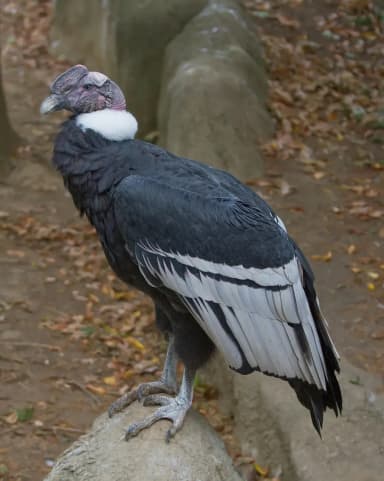
Andean Condor
Reptiles16
 User:Postdlf · CC BY-SA 3.0
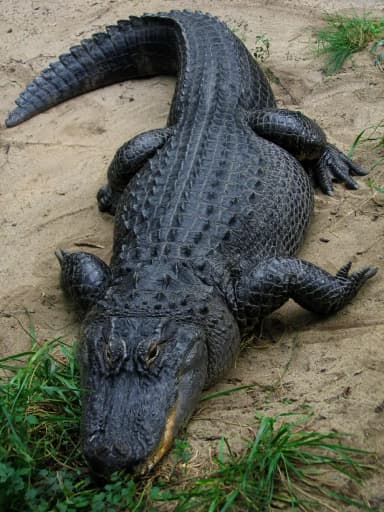
American Alligator
 Marius Burger · CC0
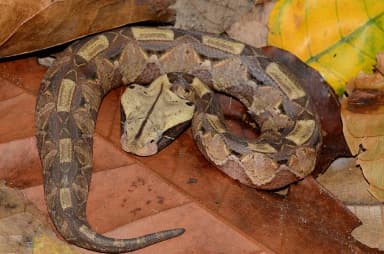
Gaboon Viper
 Mfield , Matthew Field, http://www.photography.mattfield.com · CC BY-SA 3.0
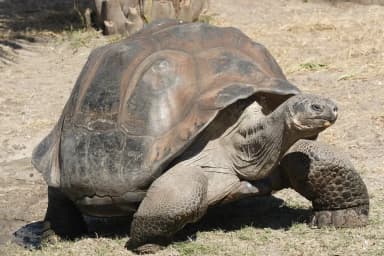
Galapagos Tortoise
 Edeag3 · CC BY-SA 4.0
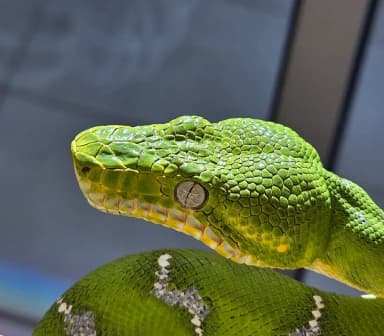
Emerald Tree Boa
 TimVickers · Public domain
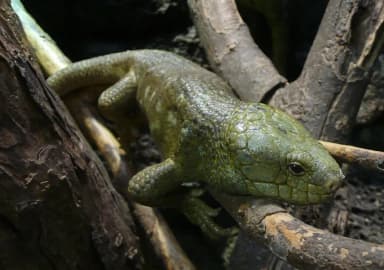
Prehensile-tailed Skink
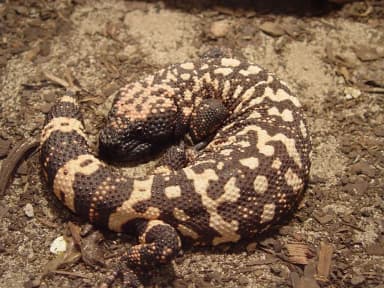 Blueag9 · CC BY-SA 3.0
Gila Monster
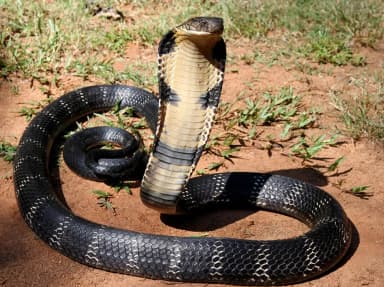 Michael Allen Smith from Seattle, USA · CC BY-SA 2.0
King Cobra
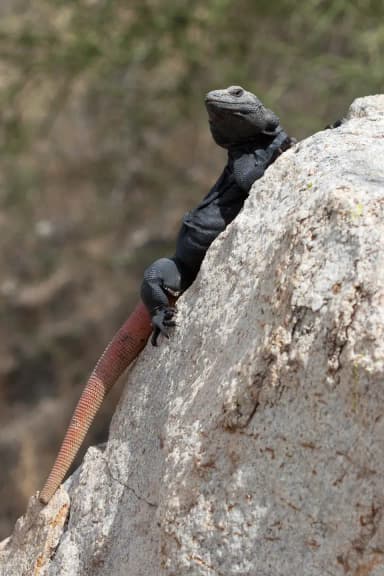 Kaldari · Public domain
Chuckwalla
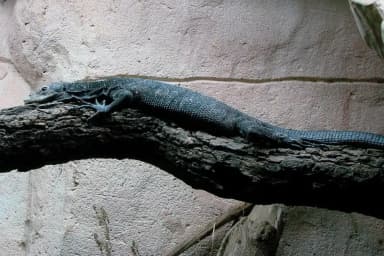 Vassil · Public domain
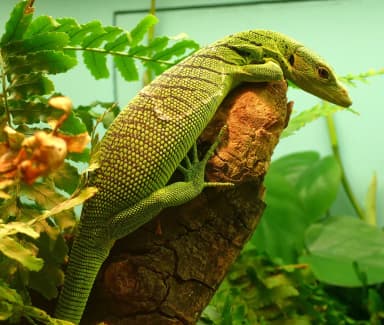
Black Tree Monitor
 James Jolokia ( james1203 ) · CC BY 4.0
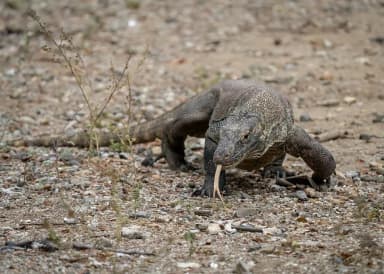
Komodo Dragon
 TimVickers · Public domain
Green Tree Monitor
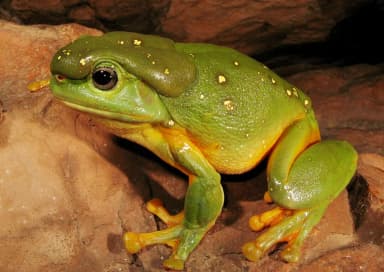
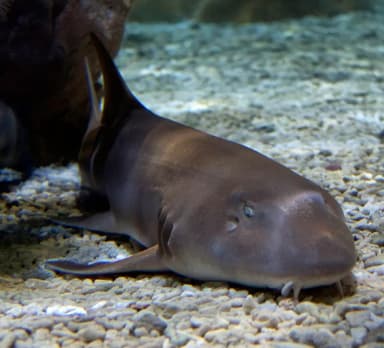
Feathers & Fangs from visitors
What people who've been to Fresno Chaffee Zoo say
A Feather is something this zoo does well; a Fang is something it gets wrong. Left by people who've been, and read by us before they appear.
Loading…
About Fresno Chaffee Zoo
Fresno Chaffee Zoo sits on 39 acres inside Roeding Park in Fresno, California, and is home to more than 190 species. The zoo is accredited by the Association of Zoos and Aquariums and is a member of the World Association of Zoos and Aquariums. Its attractions include Stingray Bay, Dino Dig, Valley Farm, Sea Lion Cove, African Adventure, and the Winged Wonders Bird Show.
The zoo's origins trace to around 1908, when the earliest recorded collection consisted of two bears and roughly fifty birds of various species, housed in log-cabin-style exhibits alongside local cats and hoofstock. The Association of Zoos and Aquariums officially recognizes the park's opening in 1929 as the Roeding Park Zoo, though the zoo counted only around 2,000 visitors a year in its earliest period, most from Fresno and the surrounding area.
Over the following century the zoo grew through a series of name changes and major building programs — from the Roeding Park Zoo to the Fresno Zoo, to the Chaffee Zoological Gardens of Fresno, and finally to its current name, Fresno Chaffee Zoo, adopted in 2006.
History
The zoo expanded steadily through the 1940s and 1950s, reaching 100 animals and a larger bird collection by 1947. Its first foreman, Eldon "Curly" Blocker, was hired from the San Diego Zoo. In 1949, the zoo acquired an Asian elephant named Nosey, chosen through a citywide "Name-the-Elephant" contest with help from the Fresno Rotary Club; her popular appearance in that year's "49ers Days Rodeo Parade" helped spur the creation of the Fresno Zoological Society. Ten large exhibits were added during the 1950s, including habitats for monkeys, sea lions, camels, and giraffes, an African bird aviary, and a flamingo habitat. The zoo joined the AZA as an institutional member in 1957, and in 1965 Paul S. Chaffee was hired as its first director.
Growth continued into the 1970s and 1980s: the zoo's footprint expanded by a third, with new exhibits for bison, elk, and prairie dogs, and the grizzly bear facility was expanded in 1976 for the American Bicentennial. In 1979, the zoo added the Edward A. Kane Reptile House, described as the world's first computer-controlled reptile habitat. Nosey the elephant's habitat was renovated in 1982 with three new elephants added, a red wolf exhibit called Wolf Woods opened in 1984, and the zoo's name changed from Roeding Park Zoo to the Fresno Zoo in 1985. A walk-through rainforest exhibit followed in 1988. Paul Chaffee, director since 1965, died in 1990, and the zoo was renamed the Chaffee Zoological Gardens of Fresno in his honor; Nosey the elephant died in 1993 at age 47.
The 2000s brought the zoo's largest expansion push. Fresno voters passed "Measure Z" in 2004, a tax measure that funded a roughly $150 million expansion and exhibit improvement plan, and the zoo shortened its name to Fresno Chaffee Zoo in 2006. A permanent Stingray Bay exhibit opened in 2009, the same year the former butterfly house reopened as the Tropical Treasures exhibit with poison dart frogs and a sloth. Sea Lion Cove, modeled after the Central Coast's Point Lobos and built around a 250,000-gallon saltwater tank with a 35-foot viewing glass, opened in August 2012 as the first major exhibit funded by Measure Z; the older sea lion enclosure was converted for river otters.
Ground broke in January 2014 on an 18-acre African Adventure expansion that roughly doubled the zoo's size, and Measure Z was renewed by voters that November. Phase one of African Adventure opened October 15, 2015, a 13-acre area housing over 100 animals including lions, African elephants, cheetahs, white rhinoceroses, meerkats, giraffes, ostriches, and antelope and bird species. The Roo Walkabout, an Australian walkthrough exhibit with red kangaroos, emus, and kookaburras, opened in 2016, a year that also set a new attendance record for the zoo of just under one million visitors.
A children's water play area, Wilderness Falls, opened in May 2018, and infrastructure work completed in late 2019 laid groundwork for the "Kingdoms of Asia" project along with a new warthog and tortoise exhibit that opened in African Adventure in June 2019. The zoo closed for about three months in spring 2020 due to COVID-19, but planning continued and the zoo broke ground on Kingdoms of Asia that September, describing the coming exhibit as a themed southeast Asian forest area drawing on Angkor, Cambodia, with habitats planned for Malayan tigers, orangutans, Asian small-clawed otters, sloth bears, and songbirds. The Kingdoms of Asia exhibit opened in 2023, bringing tigers, orangutans, and other Asian species to the zoo.
Exhibits and habitats
African Adventure is the zoo's largest themed area, an expansion of about 18 acres whose 13-acre first phase opened housing lions, African elephants, cheetahs, white rhinoceroses, and meerkats; giraffes, ostriches, warthogs, and tortoises, along with antelope and bird species, were added as the area grew. Sea Lion Cove recreates a Central Coast rocky shoreline around a 250,000-gallon saltwater tank, with a 35-foot underwater viewing window and brown pelicans sharing the habitat. Kingdoms of Asia, the zoo's newest major exhibit, is themed after aspects of Angkor, Cambodia, and features Malayan tigers and orangutans among its Asian species.
Stingray Bay lets visitors interact with rays in a dedicated pool, and the adjoining Tropical Treasures exhibit, converted from a former butterfly house, houses poison dart frogs and a sloth in a rainforest setting. The Roo Walkabout is an Australian-themed walkthrough area with red kangaroos, emus, and kookaburras. Wilderness Falls is a children's water play feature built around a waterfall, footprint trail, and fire lookout tower theme. Valley Farm and Dino Dig round out the zoo's family-oriented attractions, alongside the Edward A. Kane Reptile House and the Winged Wonders Bird Show.
Animal highlights
Fresno Chaffee Zoo lists at least 190 species on its website. Large mammals include African elephants, lions, cheetahs, southern white rhinoceroses, Malayan tigers, sloth bears, and a Sumatran orangutan, alongside meerkats, siamangs, and a red kangaroo. Its bird collection spans an Andean condor, king and black vultures, a grey crowned crane, bald eagles, kookaburras, and macaws, including blue-and-yellow and blue-throated macaws. Reptiles and amphibians include a Komodo dragon, king cobra, Gaboon viper, Galapagos tortoise, Gila monster, and a Sunda gharial, and aquatic species include California sea lions, harbor seals, nurse sharks, bamboo sharks, and southern stingrays.
Planning your visit
As listed on the zoo's website, current hours run from 9 a.m. Visitors should confirm exact opening and closing times, along with current ticket prices, parking information, and accessibility details, on Fresno Chaffee Zoo's official website before planning a trip, since these details can change with the season.
What we haven't confirmed
Everything above came from public sources. These specifics we haven't stood behind yet:
- Full daily hours (closing time)
- Ticket prices
- Parking details
- Total animal count
- Estimated time needed for a visit
- Phone number
- Accessibility and stroller/wheelchair policy
Fresno Chaffee Zoo compared with nearby zoos
How Fresno Chaffee Zoo lines up against the closest zoos we have details for — useful if you're deciding between them for the same day out.
| Zoo | Distance | Admission | Hours | Size | AZA |
|---|---|---|---|---|---|
| Fresno Chaffee ZooThis zooFresno, CA | — | $25.95–$28.95 | 9AM – 2PM | 39 acres | Yes |
| Charles Paddock ZooAtascadero, CA | 101 mi | $15.50 | 10AM – 4PM | — | Yes |
| California Living MuseumBakersfield, CA | 105 mi | $12 | 9:00 AM – 4:00 PM | — | No |
| Happy Hollow Park & ZooSan Jose, CA | 119 mi | $22 | 10:00 am – 4:00 pm | 16 acres | Yes |
Distances are straight-line. A dash means we haven't confirmed that detail yet, not that the zoo lacks it.
AZAThe Association of Zoos and Aquariums. Accredited members have passed an independent inspection of animal care and welfare, safety, conservation and education, repeated every five years. Many smaller facilities never apply, so “not accredited” isn't a verdict on its own. What accreditation means · How we check this
Fresno Chaffee Zoo: common questions
Is Fresno Chaffee Zoo AZA accredited?
Yes, the zoo is accredited by the Association of Zoos and Aquariums and is also a member of the World Association of Zoos and Aquariums.
How big is Fresno Chaffee Zoo?
It covers 39 acres inside Roeding Park.
When did Fresno Chaffee Zoo open?
Its opening is officially recognized by the AZA as 1929, though the zoo's earliest animal collection dates to around 1908.
What animals can you see at Fresno Chaffee Zoo?
At least 190 species, including African elephants, lions, cheetahs, white rhinoceroses, Malayan tigers, orangutans, and a wide range of birds, reptiles, and aquatic species.
What is Kingdoms of Asia?
It's the zoo's newest major exhibit, opened in 2023 and themed after aspects of Angkor, Cambodia, featuring Malayan tigers, orangutans, and other Asian species.
Something wrong here? Tell us — we correct in place, with a dated note.