
California Living Museum
Bakersfield, CA
- Admission
- $12
- Opened
- 1983
- Accreditation
- None listed
not accredited by the Association of Zoos and Aquariums
Everything below is directory information drawn from public sources and the zoo's own site.
Animals at California Living Museum
42 confirmedMammals12
 Robertbody at en.wikipedia · CC BY-SA 3.0
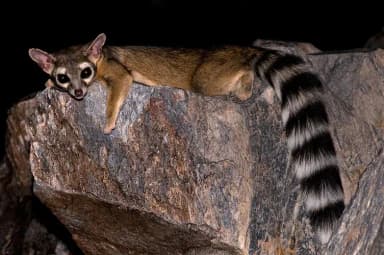
Ringtail
 Yathin S Krishnappa · CC BY-SA 3.0
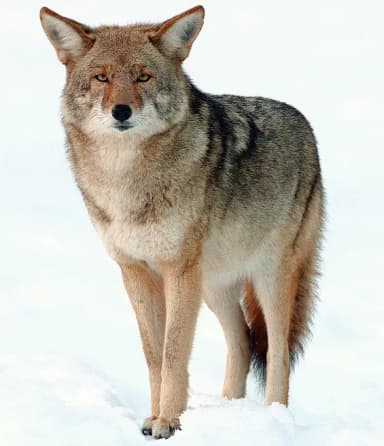
Coyote
 Cody Pope · CC BY-SA 2.5
Virginia Opossum
 Wikimedia Commons · Public domain
North American Porcupine
 Becker1999 (Paul and Cathy) · CC BY 2.0
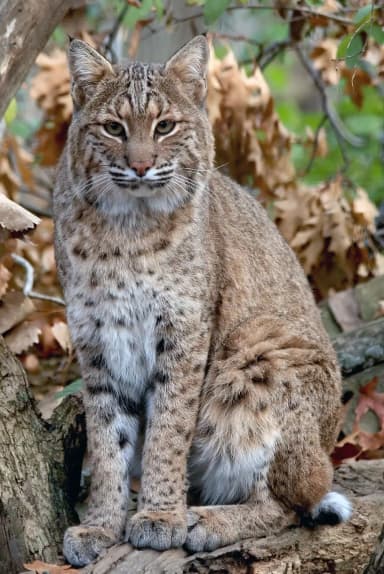
Bobcat
 Yathin S Krishnappa · CC BY-SA 3.0
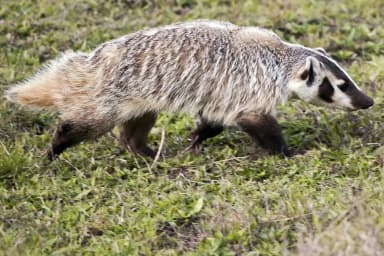
American Badger
 VJAnderson · CC BY-SA 4.0
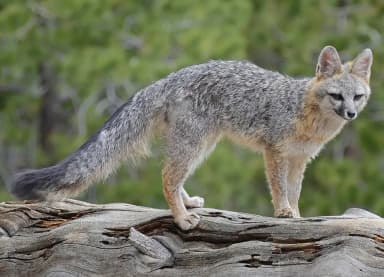
Gray Fox
 Charles J. Sharp · CC BY-SA 4.0
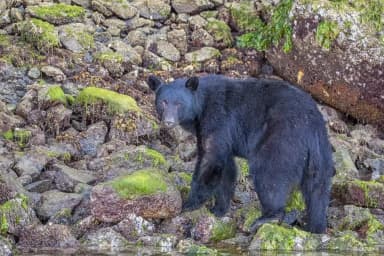
American Black Bear
 ClaudiaTen · CC BY-SA 4.0
Red Fox
Birds17
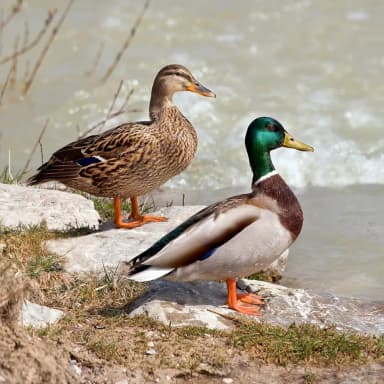 This picture was realized by Richard Bartz by using a Canon EF 70-300mm f/4-5.6 IS USM Lens · CC BY-SA 2.5
Mallard
 Giles Laurent · CC BY-SA 4.0
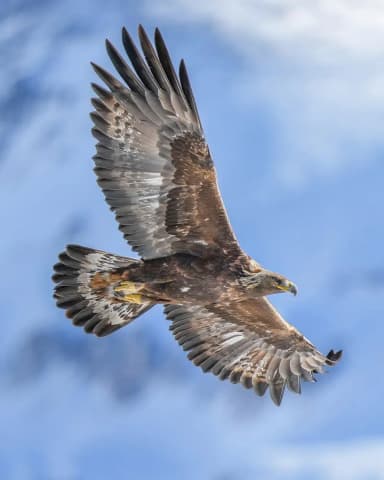
Golden Eagle
 Rhododendrites · CC BY-SA 4.0
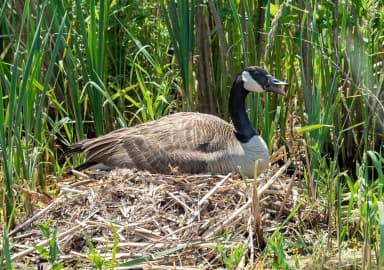
Canada Goose
 Greg Hume · CC BY-SA 3.0
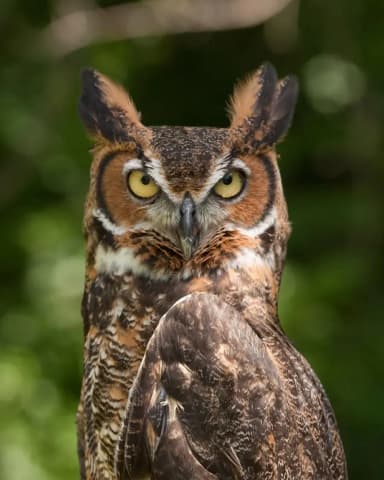
Great Horned Owl
 Becky Matsubara from El Sobrante, California · CC BY 2.0
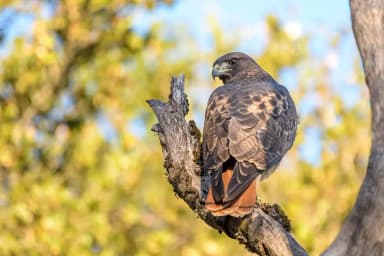
Red-tailed Hawk
 Charles J. Sharp · CC BY-SA 4.0
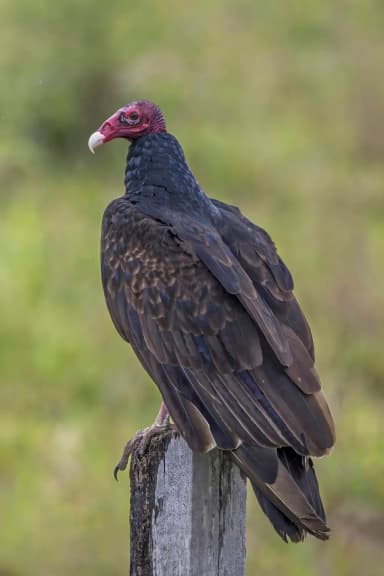
Turkey Vulture
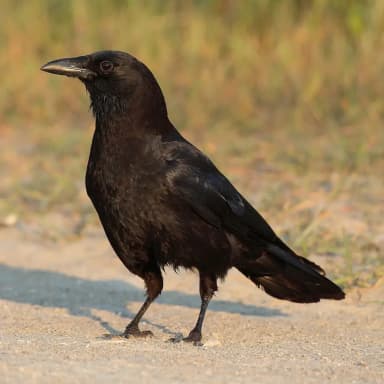 Wikimedia Commons · CC BY-SA 3.0
American Crow
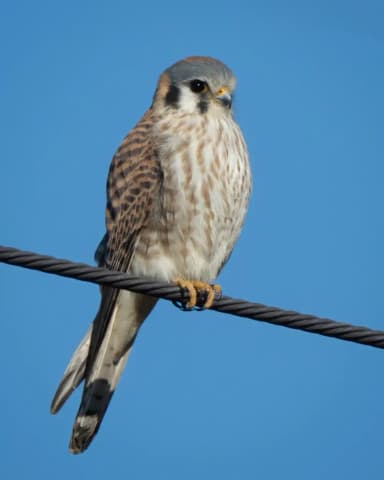 Channel City Camera Club from Santa Barbara, US · CC BY 2.0
American Kestrel
 Don Graham from Redlands, CA, USA - God bless it! · CC BY-SA 2.0
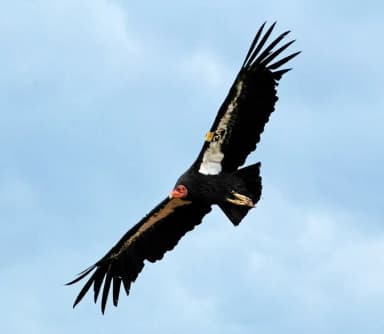
California Condor
 Andy Morffew from Itchen Abbas, Hampshire, UK · CC BY 2.0
Bald Eagle
 ramidos · CC BY 4.0
Black-crowned Night Heron
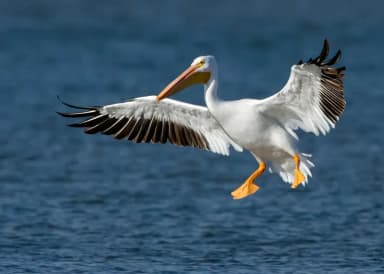 Manjith Kainickara · CC BY-SA 2.0
American White Pelican
Feathers & Fangs from visitors
What people who've been to California Living Museum say
A Feather is something this zoo does well; a Fang is something it gets wrong. Left by people who've been, and read by us before they appear.
Loading…
About California Living Museum
The California Living Museum, known locally as CALM, is a 14-acre zoo and botanical garden in Bakersfield, California, dedicated to plants and animals native to Kern County. Sources on the zoo's founding date differ slightly: one account lists 1983 and describes a three-year campaign to sponsor buildings before the site opened to the public, while the zoo's own history page says it was founded by Michael Hopkins in 1980 with backing from Bakersfield civic leaders and volunteers. Either way, CALM exists specifically to house animals that cannot survive in the wild, rather than to display a general international collection.
CALM's zoo features more than 80 native species among roughly 200 non-releasable animals, all of which arrived because they were injured, orphaned, or otherwise unable to be returned to the wild. In 1998, day-to-day operation of the museum transferred to the Kern County Superintendent of Schools, and CALM became an official school site — a status reflected in the more than 25,000 Kern County students it now reaches annually through on-site and outreach programs. The California Living Museum is accredited by the Zoological Association of America, a status it received in 2010, and a supporting nonprofit, the CALM Foundation, funds capital projects, animal care, and education initiatives.
More than 100,000 guests now visit CALM each year, a figure the zoo reached by 2023 after starting with just over 9,000 visitors in its first year of operation.
History
CALM began as the dream of founder Michael Hopkins, who assembled a group of Bakersfield civic leaders and volunteers to build the foundation for what became Kern County's first zoo. A separate account describes the zoo's 1983 opening following a three-year campaign in which service organizations were asked to sponsor individual buildings within the facility, suggesting a longer runway between the project's start and its public opening than the zoo's own history page implies.
In 1998, operations passed to the Kern Superintendent of Schools offices, formally making the zoo and its botanical gardens a school site — a move that deepened its educational mission and its connection to local classrooms. CALM received accreditation from the Zoological Association of America in 2010. Over time, the museum grew from what its own materials call a locals-only attraction into a destination that now draws visitors from outside the region, reaching more than 100,000 annual guests by 2023.
Exhibits and habitats
CALM's animal exhibits include an open black bear exhibit, a Cats of California exhibit for mountain lions and bobcats, and a Bird of Prey exhibit housing hawks, owls, and eagles. A mammal round holds several species of foxes, and a waterfowl pond attracts migrating birds each spring and fall in addition to resident mallards. Other exhibits include a deer yard, an underground reptile house, and a contact area for domestic animals.
The California Coast Room adds an interactive element, featuring a volunteer-led touch tank and a moon jelly exhibit. The DiGiorgio Education Center is typically a visitor's first stop, housing the gift store, a reading library, Miocene and Pleistocene fossils, and children's discovery rooms with rotating hands-on activities. Beyond its animal exhibits, CALM maintains several plant communities that replicate different parts of Kern County, including a "Trees of California" walk showcasing species from the region's eastern and western mountain ranges, a riparian area modeled on a miniature version of the Kern River as it descends from mountains to valley floor, and a desert community representing the eastern Mojave.
Each winter, from late November through late December, CALM hosts "HolidayLights at CALM," a month-long lights event that recreates animal and Kern County landscape scenes, some synchronized to music, with new scenes added most years. Longer-term, the zoo's published Master Plan lays out a phased vision for a new entrance experience, an expanded gift store and education hub, a rehabilitation and animal operations hub with extreme-heat support facilities, and an extension of habitats — including a riparian and waterfowl expansion and a future meadow habitat — westward across the campus.
Animal highlights
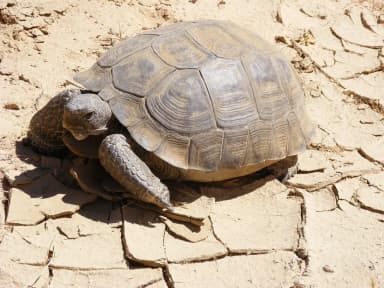
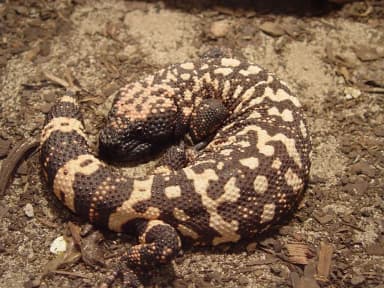
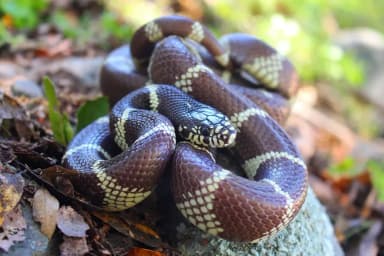
CALM's own materials describe the zoo as home to more than 80 native species among roughly 200 non-releasable animals, and its published species list includes black bears, hawks, owls, eagles, mountain lions, and bobcats alongside a range of reptiles. Notable individual species include the California condor, one of the most endangered birds in the world, and the desert bighorn sheep, described as a rare species with very limited representation in other zoo collections nationwide. Other species at CALM include the San Joaquin kit fox, Gila monster, desert tortoise, ringtail, and giant garter snake, along with birds of prey such as the golden eagle, ferruginous hawk, and great horned owl.
Because every animal at CALM arrived through injury, rehabilitation, or an inability to survive in the wild, the collection reflects Kern County's native wildlife specifically rather than an assembled international roster. CALM's Wildlife Rehab Center, also called CWRC, has released thousands of animals back into native habitats over the years and provided permanent sanctuary to hundreds more that could not be released, and it continues to accept sick, injured, or orphaned California native wildlife within the limits of its state permitting.
Conservation and programs
CALM's conservation work centers on its Wildlife Rehab Center, which cares for injured, sick, or abandoned California native wildlife with the goal of releasing them back into the wild wherever possible. The center operates under permits from the California Department of Fish and Wildlife — a process the zoo notes can take several years and may require more than one permit depending on species — and it cannot accept healthy wildlife, big game mammals, domestic animals, nuisance animals, or pest-control captures. Guests who find injured or abandoned wildlife themselves are directed to contact a licensed rehabilitation center rather than caring for the animal on their own, since doing so without a permit is illegal in California.
On the education side, CALM provides wildlife education programs reaching more than 25,000 Kern County students annually, supplemented by outreach presentations at schools and community events. The zoo also participates in cooperative conservation efforts for species such as the desert bighorn sheep and California condor, both represented in its permanent collection.
Planning your visit
As listed on the zoo's website, CALM is open 9:00 a.m. to 4:00 p.m., though the zoo closes at noon on days when temperatures are expected to exceed 105 degrees, and last admission and ticket sales end at 3:00 p.m. Senior admission (60+) is listed at $9 and children's admission (ages 3–12) at $8, though as always these figures should be confirmed on the official site before a visit, since the zoo has noted that ticket sales are sometimes handled differently during peak summer periods. The zoo is located at 10500 Alfred Harrell Highway in Bakersfield.
Strollers and wheelchairs are available to rent on a first-come, first-served basis, and filtered water is available for refilling bottles, which the zoo particularly recommends during warmer months. CALM does not offer a full food-service option beyond snacks, so guests are encouraged to bring their own picnic; outside food and drinks are welcome, though alcohol is prohibited. Guests are advised to wear comfortable walking shoes and sun protection, since the zoo is primarily an outdoor experience across uneven, weather-exposed terrain. Pets are not permitted, though service animals are allowed under applicable guidelines. Confirm current hours, pricing, and any seasonal ticketing changes on the official CALM website before visiting.
What we haven't confirmed
Everything above came from public sources. These specifics we haven't stood behind yet:
- Exact founding year (sources conflict between 1980 and 1983)
- Parking details
- Time needed for a full visit
- Phone number
- Total published species count (versus the roughly 80 species cited)
- Current admission pricing for all age groups
California Living Museum compared with nearby zoos
How California Living Museum lines up against the closest zoos we have details for — useful if you're deciding between them for the same day out.
| Zoo | Distance | Admission | Hours | Size | AZA |
|---|---|---|---|---|---|
| California Living MuseumThis zooBakersfield, CA | — | $12 | 9:00 AM – 4:00 PM | — | No |
| Shambala PreserveActon, CA | 77 mi | $50 | Open to the public one weekend a month by advance reservation only: afternoon Safari (Sat & Sun at noon, ~2.5 hrs). Remaining 2026 dates: Oct 10–11, Nov 14–15, Dec 12–13, all at noon. | — | No |
| The Teaching Zoo At Moorpark CollegeMoorpark, CA | 78 mi | $12 | Open to the public weekends only: Saturday & Sunday 11:00 AM – 4:30 PM; last ticket sales 3:45 PM. | — | No |
| Wildlife Learning CenterSylmar, CA | 80 mi | $16 | Daily 10:00 AM – 5:00 PM. Closed Thanksgiving Day, Christmas Day. | — | No |
Distances are straight-line. A dash means we haven't confirmed that detail yet, not that the zoo lacks it.
AZAThe Association of Zoos and Aquariums. Accredited members have passed an independent inspection of animal care and welfare, safety, conservation and education, repeated every five years. Many smaller facilities never apply, so “not accredited” isn't a verdict on its own. What accreditation means · How we check this
California Living Museum: common questions
Is the California Living Museum AZA accredited?
No. It is accredited by the Zoological Association of America (ZAA), a status it received in 2010.
How big is CALM?
It covers 14 acres in Bakersfield, California.
When did CALM open to the public?
Sources place its founding in either 1980 or 1983, with a three-year building campaign preceding its public opening.
How many species can visitors see?
CALM's own materials describe more than 80 native species among roughly 200 non-releasable animals.
Is CALM stroller and wheelchair accessible?
Strollers and wheelchairs are available to rent on a first-come, first-served basis.
Is there food inside the zoo?
CALM does not offer a full food-service option beyond snacks, so guests are encouraged to bring their own picnic; alcohol is not permitted.
Is parking available?
The source material does not specify parking details; check the official website for current information.
Something wrong here? Tell us — we correct in place, with a dated note.