
Northeastern Wisconsin Zoo
Green Bay, WI
- Admission
- $14.50
- Size
- 43 acres
- Accreditation
- AZA
Association of Zoos and Aquariums
Everything below is directory information drawn from public sources and the zoo's own site.
Animals at Northeastern Wisconsin Zoo
75 confirmedMammals28
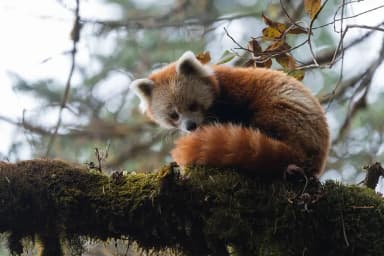 Sunuwargr · CC BY-SA 4.0
Red panda
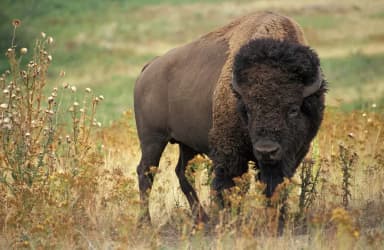 Jack Dykinga · Public domain
American Bison
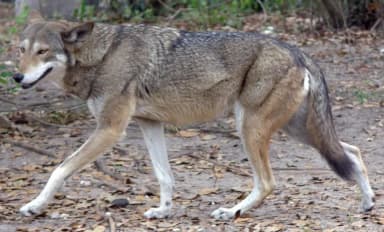 LaggedOnUser · CC BY-SA 2.0
Red Wolf
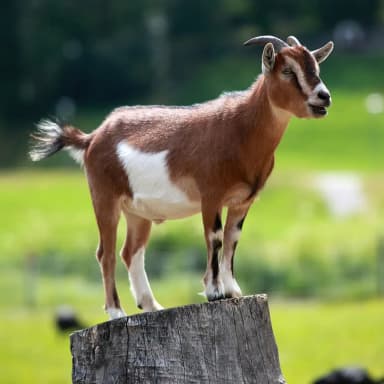 Kuebi = Armin Kübelbeck · CC BY-SA 3.0
Goat
 Wikimedia Commons · CC BY-SA 3.0
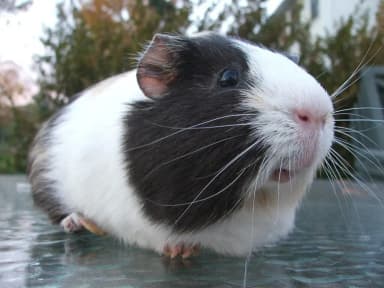
Guinea Pig
 Membeth · CC0
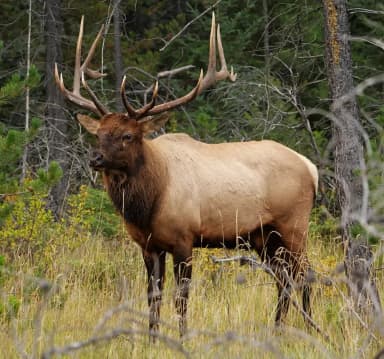
Elk
 Guérin Nicolas ( messages ) · CC BY-SA 3.0
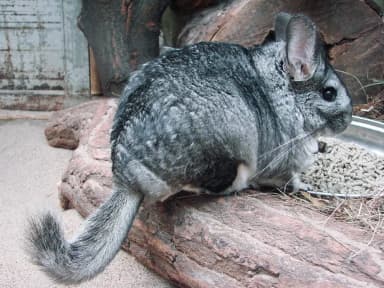
Chinchilla
 Cody Pope · CC BY-SA 2.5
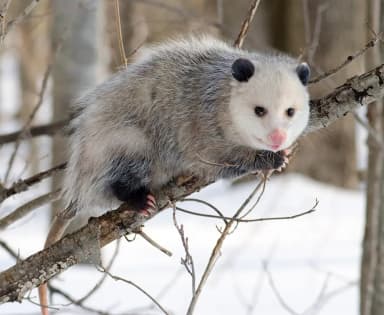
Virginia Opossum
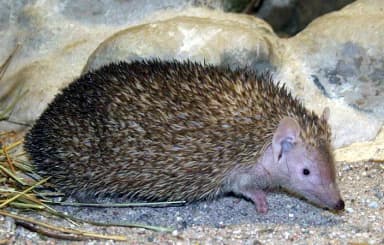 Wilfried Berns www.Tierdoku.com · CC BY-SA 2.0 de
Lesser Hedgehog Tenrec
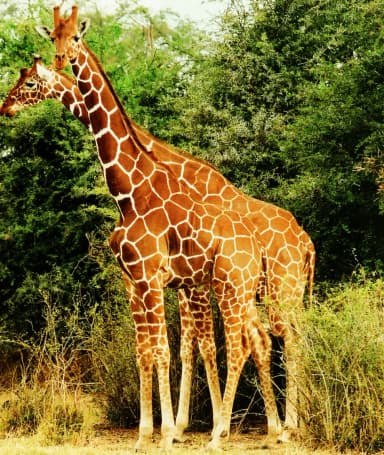 Relative of Brandt Luke Zorn, most likely his father. · CC BY-SA 2.0
Reticulated giraffe
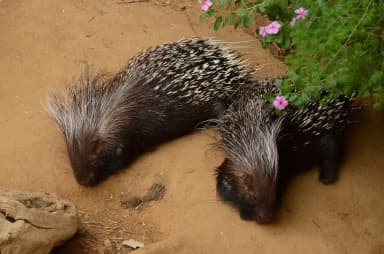 Steven Lek · CC BY-SA 4.0
Cape Porcupine
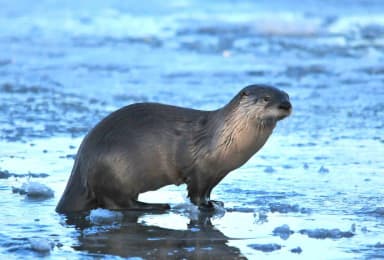 USFWS Mountain-Prairie · Public domain
North American River Otter
 Michael Zahra · CC BY-SA 3.0
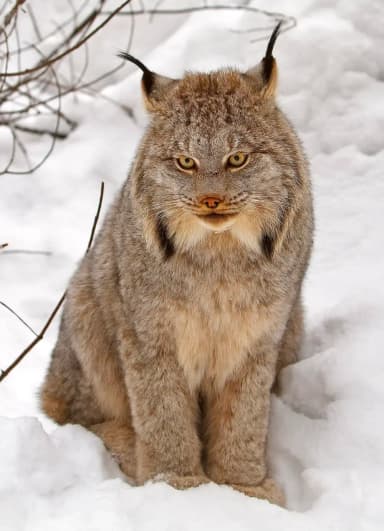
Canada Lynx
 Becker1999 (Paul and Cathy) · CC BY 2.0
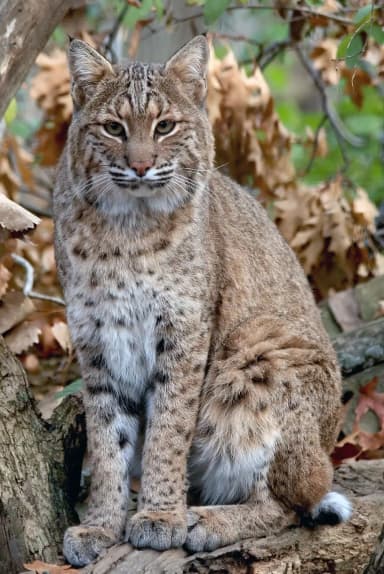
Bobcat
 Rocktendo & Adam Gman · CC BY-SA 4.0
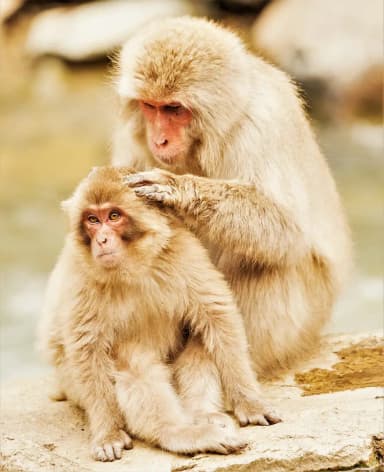
Japanese Macaque
 Wallace Keck · Public domain
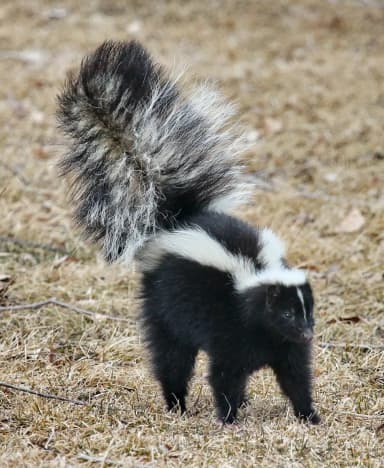
Striped Skunk
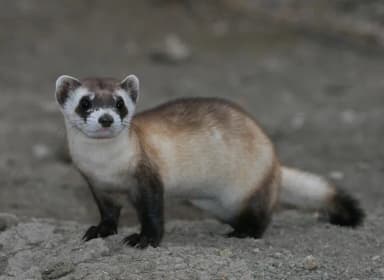 USFWS Mountain Prairie · Public domain
Black-footed Ferret
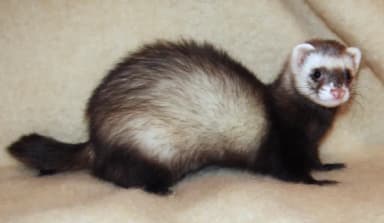 Alfredo Gutiérrez · CC BY-SA 4.0
Domestic Ferret
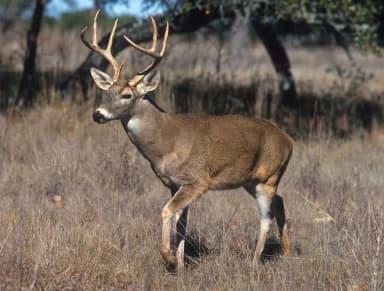 USDA photo by Scott Bauer · Public domain
White-tailed Deer
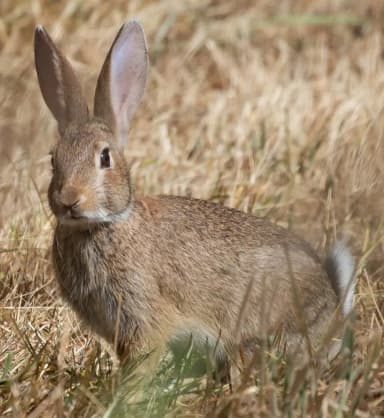 euqirneto · CC BY 4.0
Domestic Rabbit
 Giles Laurent · CC BY-SA 4.0
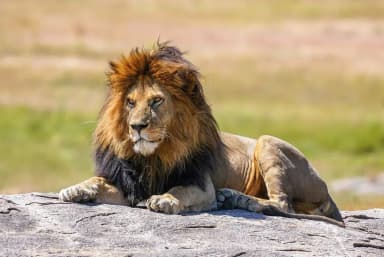
Lion
 Irbis1983 · Public domain
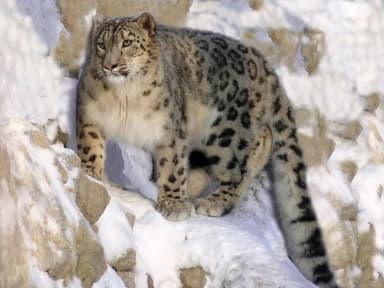
Snow Leopard
 derekkeats · CC BY-SA 2.0
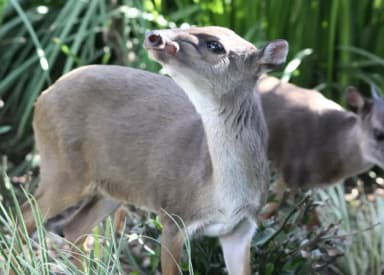
Blue Duiker
 Chensiyuan · CC BY-SA 4.0
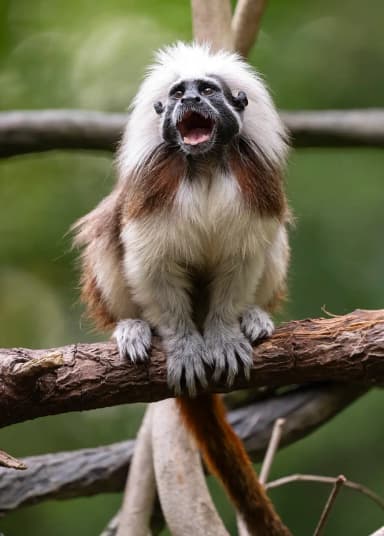
Cotton-top Tamarin
 Yathin S Krishnappa · CC BY-SA 3.0
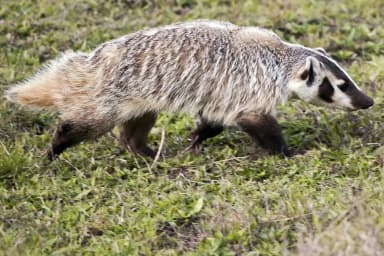
American Badger
 Charles J. Sharp · CC BY-SA 4.0
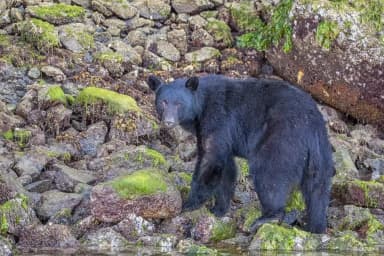
American Black Bear
 KKPCW · CC BY-SA 4.0
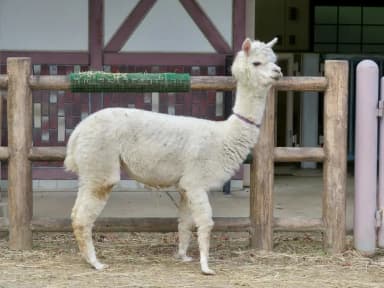
Alpaca
Birds25
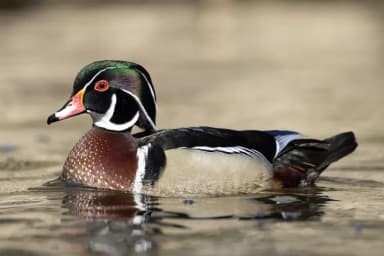 Chuck Homler d/b/a FocusOnwWildlife · CC BY-SA 4.0
Wood Duck
 J.M.Garg · CC BY-SA 3.0
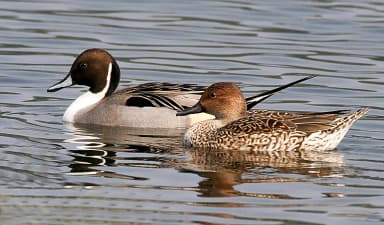
Northern Pintail
 Giles Laurent · CC BY-SA 4.0
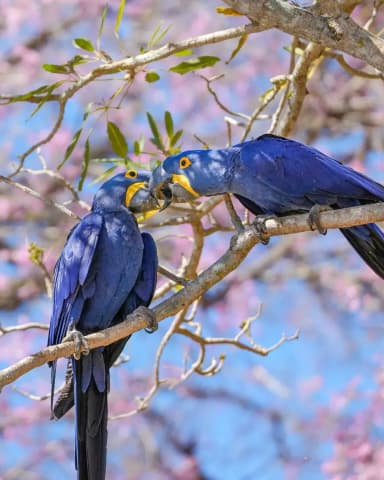
Hyacinth Macaw
 Sasata · CC BY-SA 3.0
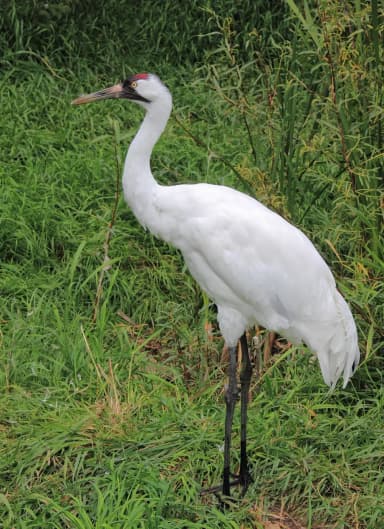
Whooping Crane
 HappiestFish · CC BY 4.0
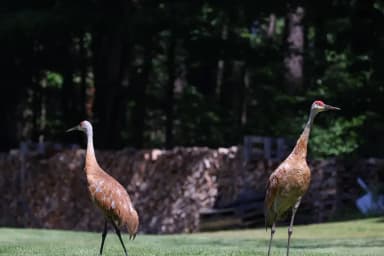
Sandhill Crane
 Luc Viatour · CC BY 2.0
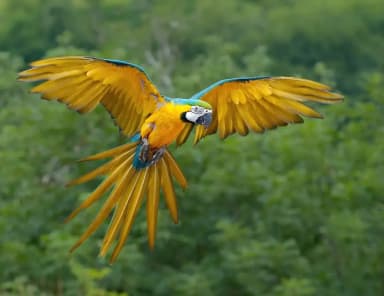
Blue-and-gold Macaw
 Charles J. Sharp · CC BY-SA 4.0
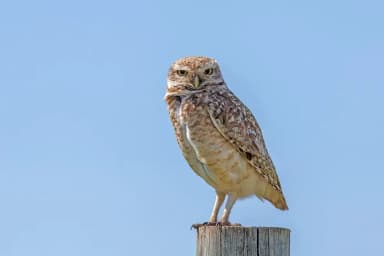
Burrowing Owl
 Judy Gallagher · CC BY 2.0
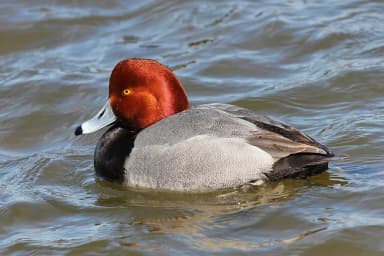
Redhead
 Chuck Homler d/b/a Focus On Wildlife · CC BY-SA 3.0
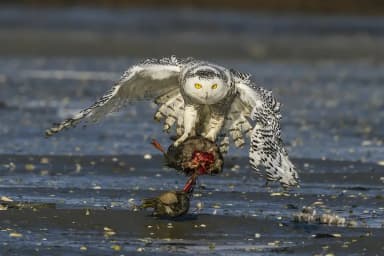
Snowy Owl
 http://www.birdphotos.com · CC BY 3.0
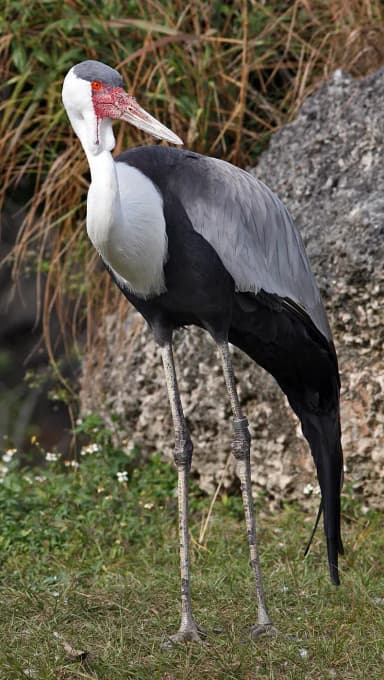
Wattled Crane
 Jakub Fryš · CC BY-SA 4.0
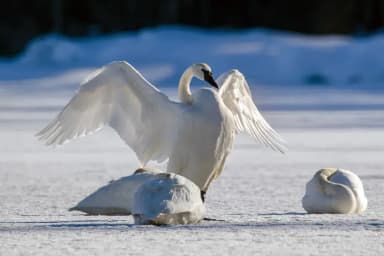
Trumpeter Swan
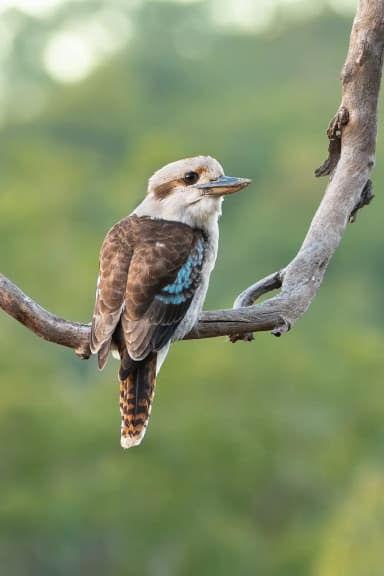 Photo by: Paulweberphoto - paulweberphoto.com · CC BY 4.0
Laughing Kookaburra
 JJ Harrison ( https://www.jjharrison.com.au/ ) · CC BY-SA 4.0
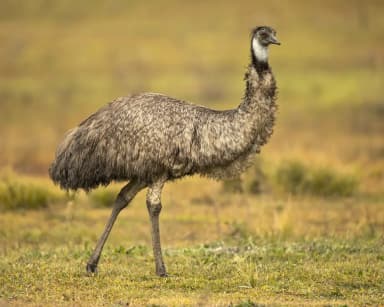
Emu
 Andrei Niemimäki from Turku, Finland · CC BY-SA 2.0
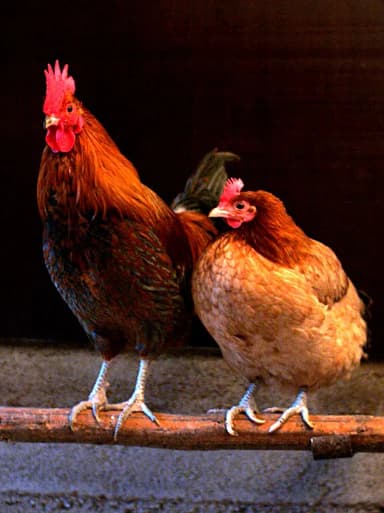
Chicken
 Andy Morffew from Itchen Abbas, Hampshire, UK · CC BY 2.0
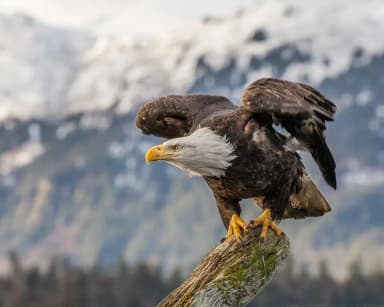
Bald Eagle
 Frank Schulenburg · CC BY-SA 3.0
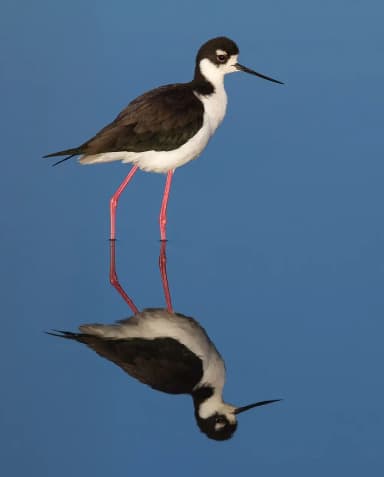
Black-necked Stilt
 Rhododendrites · CC BY-SA 4.0
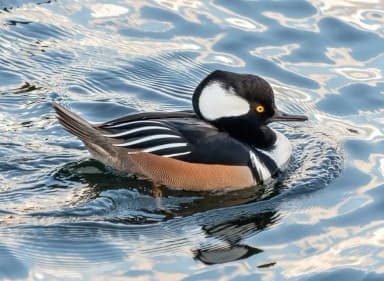
Hooded Merganser
 Charles J. Sharp · CC BY-SA 4.0
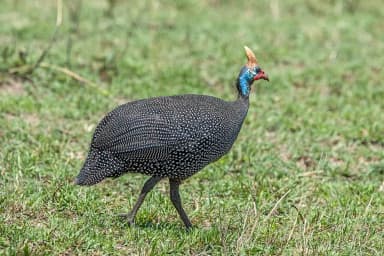
Helmeted Guineafowl
 Dick Daniels ( http://carolinabirds.org/ ) · CC BY-SA 3.0
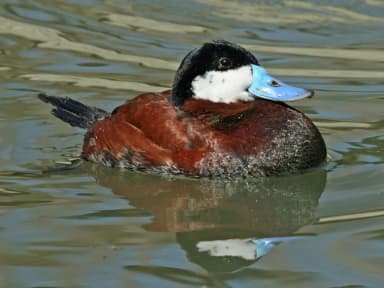
Ruddy Duck
 Kandukuru Nagarjun from Bangalore, India · CC BY 2.0
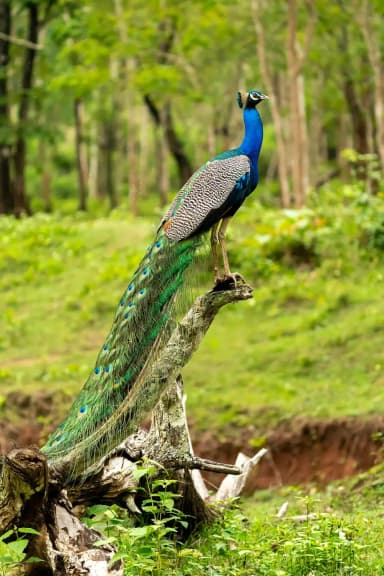
Peafowl
 Manjith Kainickara · CC BY-SA 2.0
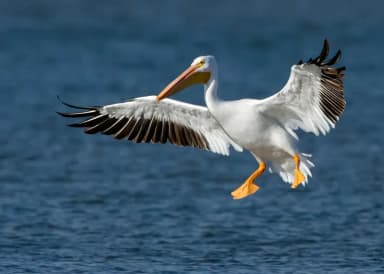
American White Pelican
 JJ Harrison ( https://www.jjharrison.com.au/ ) · CC BY-SA 4.0
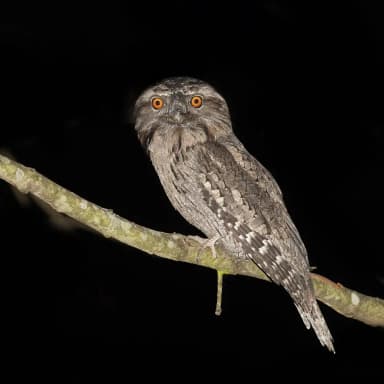
Tawny Frogmouth
 Charles J. Sharp · CC BY-SA 4.0
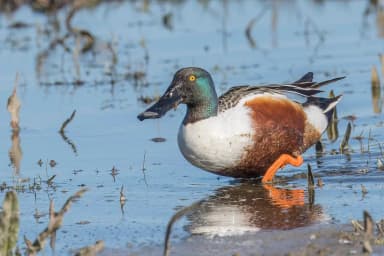
Northern Shoveler
 Alan D. Wilson · CC BY-SA 2.5
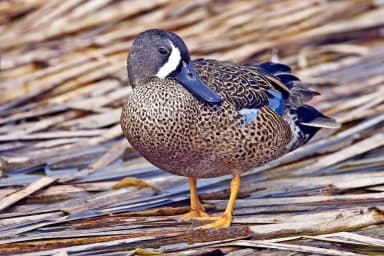
Blue-winged Teal
 Matti Blume · CC BY-SA 4.0
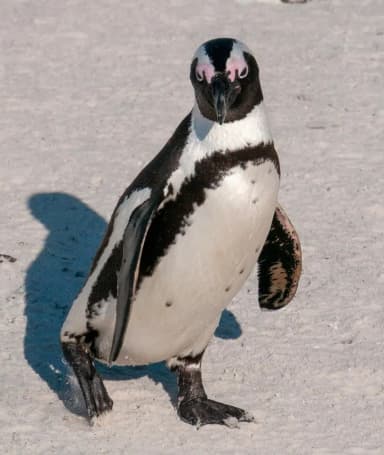
African penguin
Reptiles13
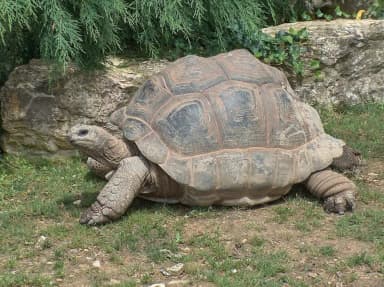 Yotcmdr · Public domain
Aldabra Tortoise
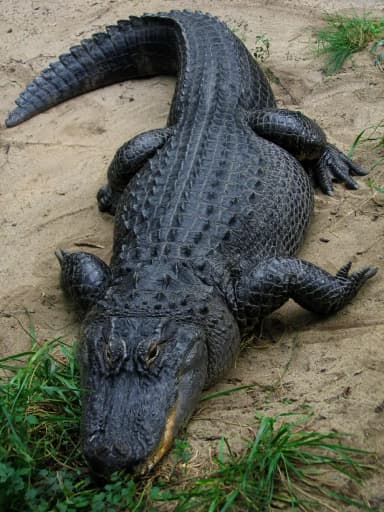 User:Postdlf · CC BY-SA 3.0
American Alligator
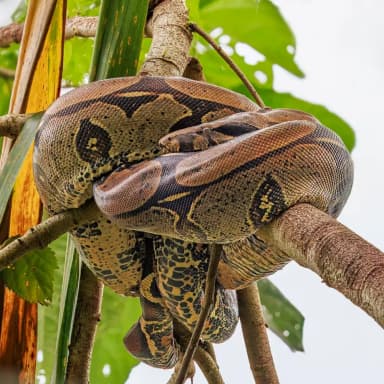 Charles J. Sharp · CC BY-SA 4.0
Boa Constrictor
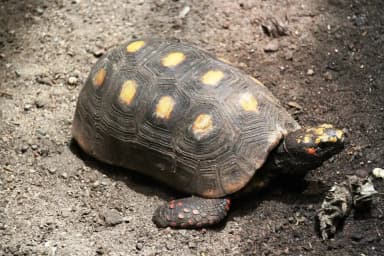 Bjoertvedt · CC BY-SA 3.0
Red-footed Tortoise
 Andrew C · CC BY 2.0
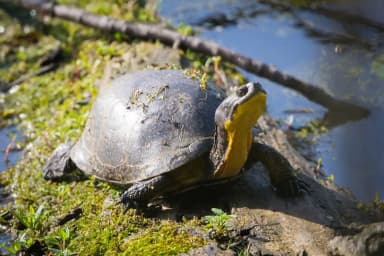
Blanding's Turtle
 The Reptilarium · CC BY-SA 2.0
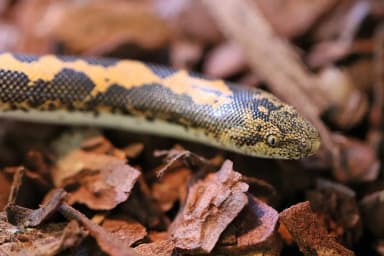
Kenyan Sand Boa
 George Chernilevsky · Public domain
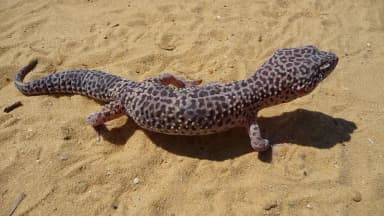
Leopard Gecko
 Photograph: Frank C. Müller , Baden-Baden · CC BY-SA 2.5
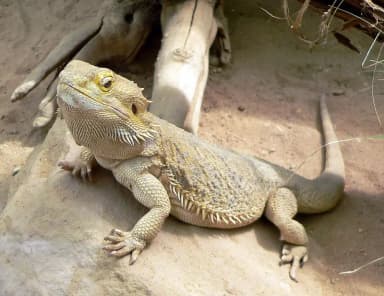
Bearded Dragon
 Igor Karyakin · CC BY 4.0
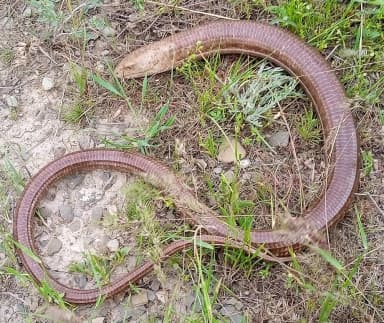
European Glass Lizard
 HCA ( talk ) · CC BY-SA 3.0
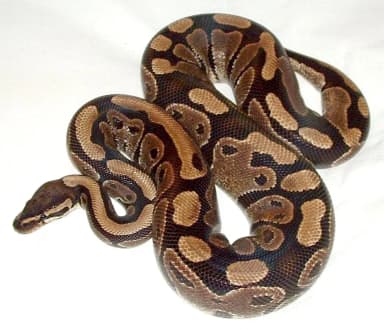
Ball Python
 Bernard DUPONT from FRANCE · CC BY-SA 2.0
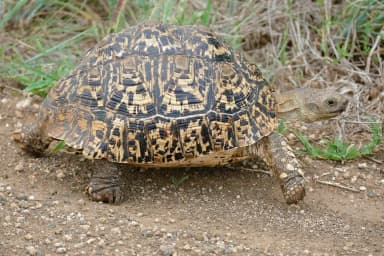
Leopard Tortoise
 Doug Beckers · CC BY-SA 2.0
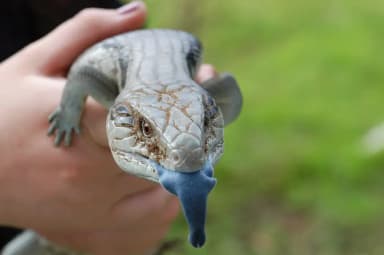
Blue-tongued Skink
Amphibians4
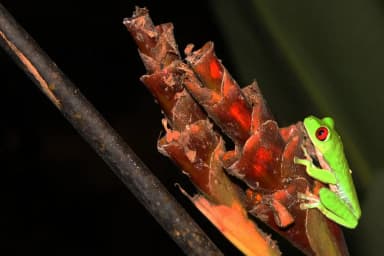
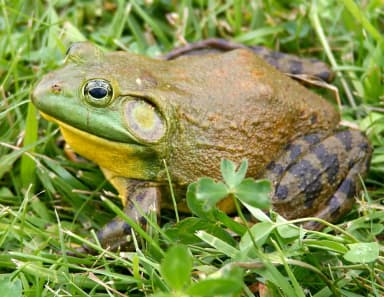
Fish1
Feathers & Fangs from visitors
What people who've been to Northeastern Wisconsin Zoo say
A Feather is something this zoo does well; a Fang is something it gets wrong. Left by people who've been, and read by us before they appear.
Loading…
About Northeastern Wisconsin Zoo
The Northeastern Wisconsin Zoo, known locally as the NEW Zoo, sits on 43 acres near Green Bay, in the community of Suamico, within the Brown County Reforestation Camp. Together the zoo and the surrounding camp cover 1,560 acres and draw more than half a million visitors a year. The zoo is owned and operated by Brown County, overseen by the County's Education & Recreation Committee alongside the Brown County Parks Department, but it does not receive local or regional tax support for its operating budget — every dollar the zoo brings in is reinvested directly into its own operations, a rare setup among AZA-accredited zoos.
The property houses more than 92 exhibits and more than 215 animals from around the world, organized into themed trail areas: a Wisconsin Trail of native and near-native species, a Northern Trail, a North American aviary and plains section, an Australia area, an Africa section, an Education and Conservation Center, and a children's petting zoo. Adjoining the zoo is the Adventure Park, added in 2014, with a zipline, ropes course, and climbing tower built into the reforested landscape.
The NEW Zoo was accredited by the Association of Zoos & Aquariums in 1996 and received the AZA's Quarter Century Award in 2021 for 25 years of continuous accreditation — a distinction held by fewer than 10 percent of the roughly 2,800 USDA-licensed animal exhibitors nationwide. The zoo describes its mission as connecting the community with wildlife and nature through interactive experiences, with an eye toward becoming a regional destination for conservation and stewardship.
History
The land beneath the zoo was thick with pine and oak forest when European settlers arrived in the 1800s. Heavy lumbering stripped the forest, and the farmers who came after struggled to grow crops in the sandy soil left behind; one by one the farms failed and the land reverted to Brown County for unpaid taxes. In 1948, sparks from a passing train set fire to what forest remained, leaving the county with a large, barren, unusable tract. The county's Agriculture Conservation Commission decided to replant it using inmate labor, creating what became the Brown County Reforestation Camp.
Harry Barth took charge of the new camp in 1949, moving into a house overlooking it with his wife Aurelia. By spring 1950, camp facilities were complete and inmates began planting: more than 250,000 native pine, spruce, and cedar seedlings went into the ground that year alone. Harry died of a heart attack in December 1951, and Aurelia — over the board's initial reservations about a woman supervising male inmates — took over the position, becoming the first woman in U.S. history to do so. By 1952 the community had begun treating the reforested camp as a green space worth protecting, and orphaned animals, starting with white-tailed deer fawns, were dropped off for the inmates to care for. The first animal pen went up that year, with a few white-tailed deer, a porcupine, an orphaned black bear cub, and timber wolf pups — the start of the zoo.
Aurelia's leadership carried the zoo through its early growth, but in 1985 Brown County, facing budget shortfalls, removed the zoo from its tax levy, cutting its funding. A group of concerned citizens organized as the N.E.W. Zoo Boosters to raise money and keep the zoo open, and the zoo became a county "enterprise fund" — owned by Brown County but required to be self-funded. The Boosters, later reorganized as the zoo's current nonprofit partner, went on to fund new buildings and habitat upgrades over the following decades. The zoo earned AZA accreditation in 1996, and in 2014 it opened its ropes course, climbing wall, ziplines, and base camp building, rebranding as the NEW Zoo & Adventure Park.
Exhibits and habitats
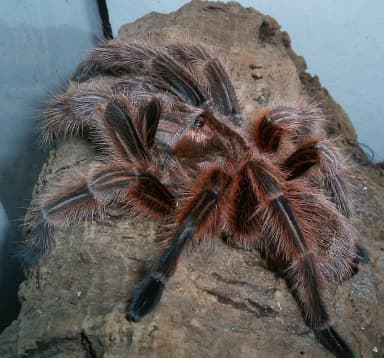
Near the main entrance, the penguin exhibit houses African penguins and South African shelducks, viewable both from a bridge overlooking the enclosure and from an underwater window; a Species Survival Plan breeding pair produced a chick visitors could see in fall 2013. Nearby, the Japanese macaque exhibit holds a troop that, as part of its own Species Survival Plan, produces infant macaques most years. The Education and Conservation Center houses reptiles, arachnids, and amphibians, including a bearded dragon, red-tailed boa, ball python, blue-tongued skink, European glass lizard, Amazon milky tree frog, African bullfrog, and an emperor scorpion, alongside two tarantula species. A separate tortoise den holds a male and female Aldabra tortoise.
The Wisconsin Trail carries native and regional species — North American otter, wild turkey, American black bear, red fox, red wolf, cougar, bobcat, Canada lynx, white-tailed deer, American badger, raccoon, and porcupine — plus the non-native red panda. The Northern Trail, reached via the Riley Building, adds black-footed ferret, cotton-top tamarin, moose, burrowing owl, and black-necked stilt, along with tanks of northern pike, largemouth bass, and yellow perch. The North American Aviary holds locally and regionally found birds, including American white pelican, bald eagle, and turkey vulture, plus ten duck species such as the pintail, canvasback, and hooded merganser. On the North American Plains, American bison, pronghorn antelope, and elk share one enclosure while black-tailed prairie dogs occupy another; a trumpeter swan pond ties into a restoration partnership the zoo has run with the Iowa Department of Natural Resources since 1994, raising cygnets born at the zoo for release into the wild.
The Australia exhibit features kookaburra, cockatoo, emu, and two lorikeet species, alongside blue duiker and snow leopard from elsewhere. The Africa section holds African lions, wattled crane, African pied crow, and reticulated giraffe, plus an albino alligator. The children's petting zoo, on the south side of the grounds, keeps domestic goats, sheep, red corn snakes, African leopard tortoises, llamas, alpacas, chickens, koi, and fallow deer.
Animal highlights
The zoo's collection spans more than 92 exhibits and more than 215 animals from around the world, ranging from native Wisconsin wildlife on the Wisconsin Trail to African lions, reticulated giraffes, and Australian marsupials in the themed international sections. Species named across the zoo's exhibits include the African penguin, Japanese macaque, Aldabra tortoise, red panda, black-footed ferret, trumpeter swan, snow leopard, and reticulated giraffe.
Conservation and programs
The NEW Zoo frames conservation as central to its mission, aiming to connect roughly 200,000 annual visitors with wildlife and motivate action starting at the zoo itself and in the surrounding community. Documented projects include red-shouldered hawk banding and black-footed ferret conservation work in South Dakota. The zoo's trumpeter swan partnership with the Iowa Department of Natural Resources and the Trumpeter Swan Restoration Committee, running since 1994, releases young swans hatched at the zoo into the wild after two years. Zoo-wide sustainability efforts also address water usage, storm water runoff, energy usage, waste disposal, and environmental education as part of an ongoing plan to reduce the zoo's environmental footprint.
Planning your visit
As listed on the zoo's website, the NEW Zoo & Adventure Park is open 9 a.m. to 6 p.m., seven days a week, 365 days a year. The Neil Anderson Canopy Tour offers a treetop walkway connecting the Adventure Park to the zoo, crossing over animal habitats along the way, and the Adventure Park itself includes a dual racing zipline built onto the camp's historic 1955 fire tower, an aerial adventure course with sixty graded challenges, and a 40-foot climbing tower. Outside the zoo proper, the surrounding Reforestation Camp offers bike, snowshoe, and cross-country ski trail rentals by season, with day passes and rental rates set separately from zoo admission.
Zoo and Canopy Tour tickets can be purchased on arrival, though the zoo recommends buying Adventure Park tickets in advance. Because ticket prices, seasonal hours, and rental rates change, confirm current details on the official website before visiting.
What we haven't confirmed
Everything above came from public sources. These specifics we haven't stood behind yet:
- Current ticket prices
- Parking details
- Accessibility and wheelchair/stroller accommodations
- Total animal count and full species count
- Phone number for general inquiries
Northeastern Wisconsin Zoo compared with nearby zoos
How Northeastern Wisconsin Zoo lines up against the closest zoos we have details for — useful if you're deciding between them for the same day out.
| Zoo | Distance | Admission | Hours | Size | AZA |
|---|---|---|---|---|---|
| Northeastern Wisconsin ZooThis zooGreen Bay, WI | — | $14.50 | 9:00 am – 6:00 pm | 43 acres | Yes |
| Kewaunee County Bruemmer Park and Zoo, WI | 30 mi | Free | 7:00 AM to sunset, year-round. | — | No |
| Lincoln Park ZooManitowoc, WI | 44 mi | Free | 9am – 7pm | — | No |
| Menominee Park ZooOshkosh, WI | 49 mi | Free | 2026 season: May 23 – September 27, open daily 9:00 AM – 6:00 PM. Closed for the season as of October. Closed for the season after September 27, 2026. | 8 acres | No |
Distances are straight-line. A dash means we haven't confirmed that detail yet, not that the zoo lacks it.
AZAThe Association of Zoos and Aquariums. Accredited members have passed an independent inspection of animal care and welfare, safety, conservation and education, repeated every five years. Many smaller facilities never apply, so “not accredited” isn't a verdict on its own. What accreditation means · How we check this
Northeastern Wisconsin Zoo: common questions
Is the Northeastern Wisconsin Zoo AZA accredited?
Yes, it has held Association of Zoos & Aquariums accreditation since 1996 and received the AZA's Quarter Century Award in 2021.
How big is the NEW Zoo?
It covers 43 acres within the larger 1,560-acre Brown County Reforestation Camp.
When did the NEW Zoo start?
Its roots go back to 1952, when the first animal pen was built at what was then the Brown County Reforestation Camp.
What animals can visitors see?
More than 215 animals across more than 92 exhibits, including African penguins, Japanese macaques, red pandas, reticulated giraffes, and native Wisconsin species like red wolves and cougars.
Does the zoo get tax funding?
No. It is fully self-funded — a rare status among AZA-accredited zoos — with every dollar of revenue reinvested into operations.
Is there more to do than the zoo itself?
Yes. The adjoining Adventure Park has a dual zipline, an aerial ropes course, and a climbing tower, and the surrounding Reforestation Camp offers biking, snowshoeing, and cross-country skiing.
Is the zoo open year-round?
Yes, seven days a week, 365 days a year, from 9 a.m. to 6 p.m.
Something wrong here? Tell us — we correct in place, with a dated note.