
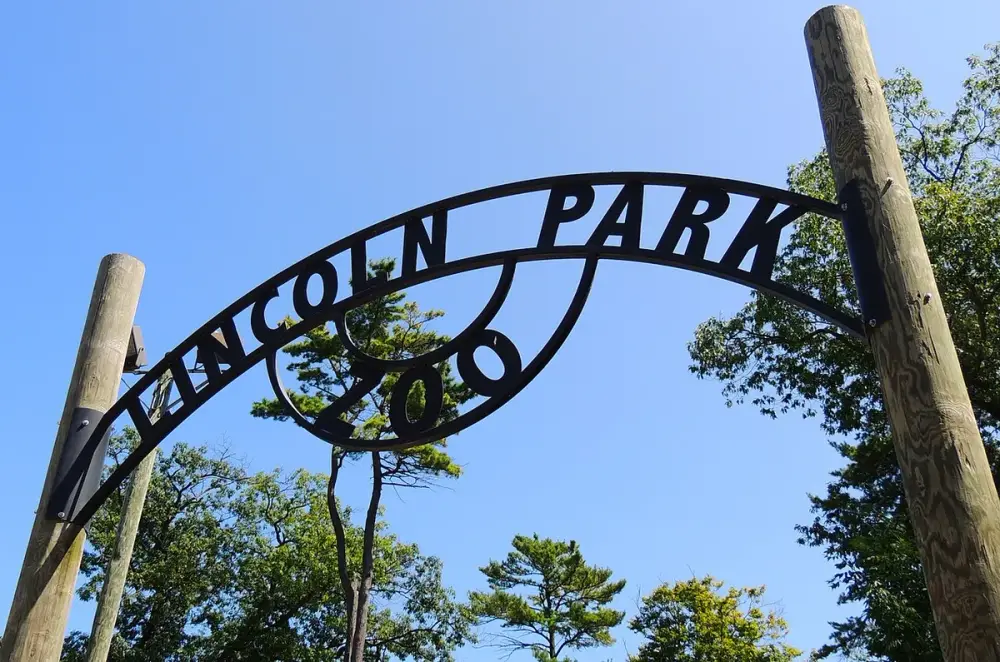
- Admission
- Free
- Animals
- 200
- Accreditation
- None listed
not accredited by the Association of Zoos and Aquariums
Everything below is directory information drawn from public sources and the zoo's own site.
Animals at Lincoln Park Zoo
20 confirmedMammals8
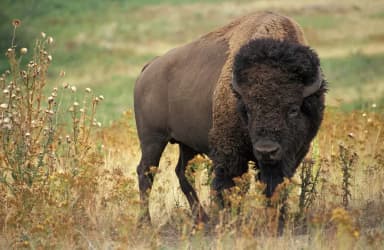 Jack Dykinga · Public domain
American Bison
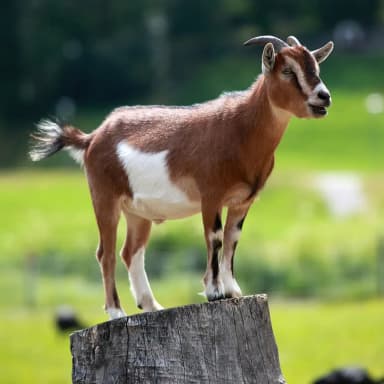 Kuebi = Armin Kübelbeck · CC BY-SA 3.0
Goat
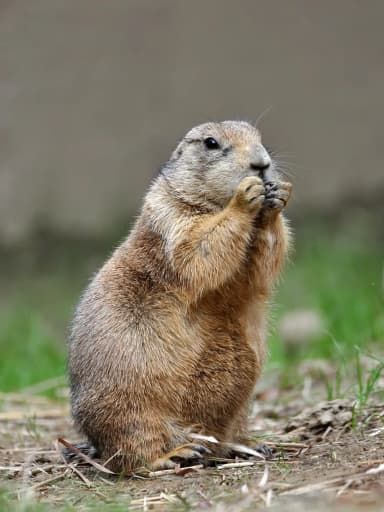 Joe Ravi · CC BY-SA 3.0
Prairie Dog
 Michael Zahra · CC BY-SA 3.0
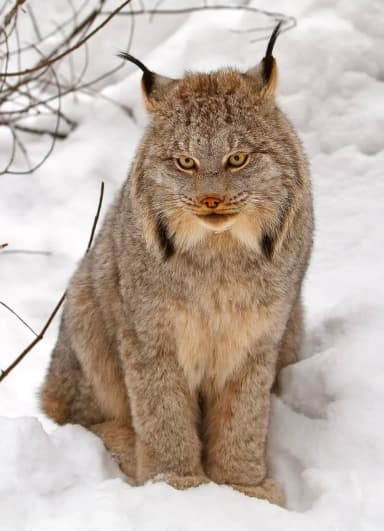
Lynx
 USDA photo by Scott Bauer · Public domain
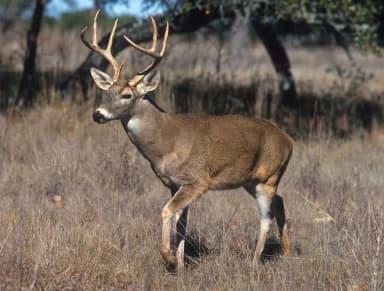
White-tailed Deer
 National Park Service · Public domain
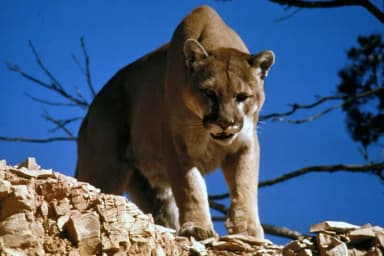
Cougar
 Guérin Nicolas ( messages ) · CC BY-SA 3.0
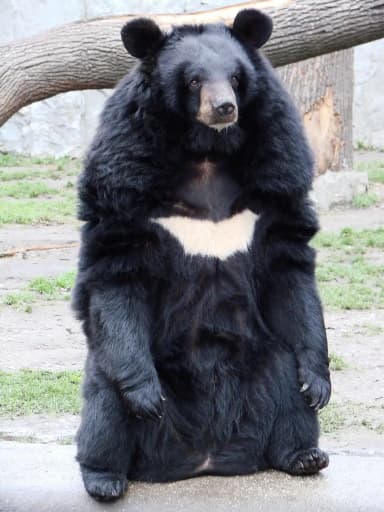
Asiatic Black Bear
Birds7
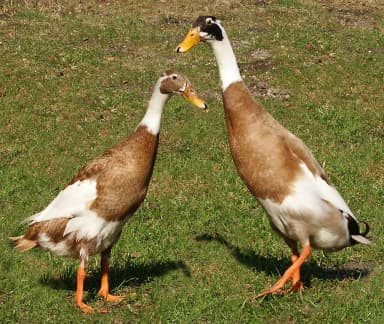
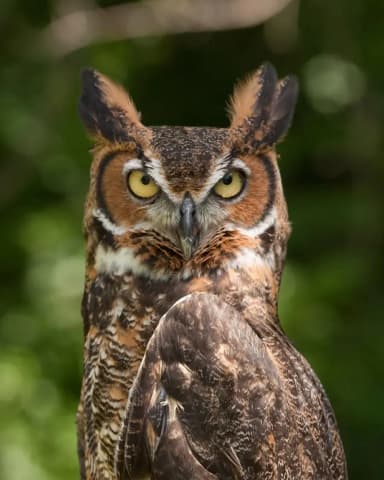
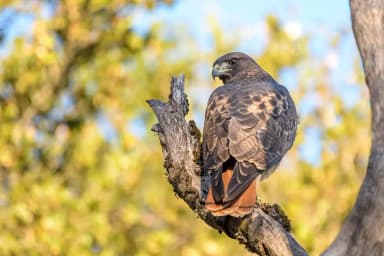
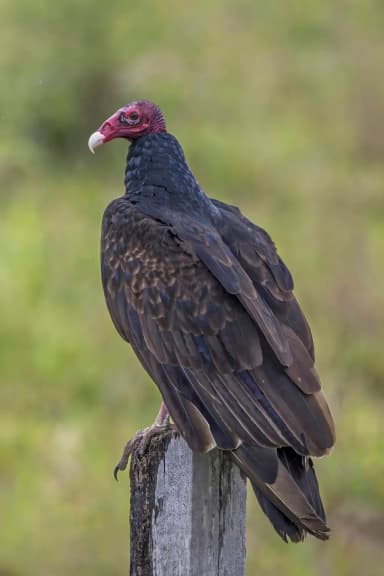
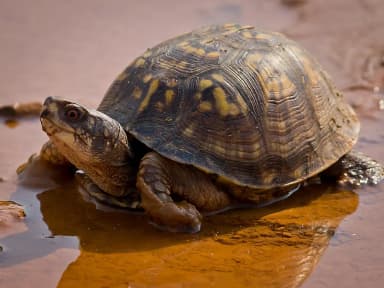
Reptiles4
Feathers & Fangs from visitors
What people who've been to Lincoln Park Zoo say
A Feather is something this zoo does well; a Fang is something it gets wrong. Left by people who've been, and read by us before they appear.
Loading…
About Lincoln Park Zoo
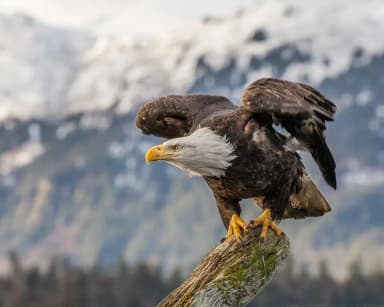
Lincoln Park Zoo is a small municipal zoo run by the City of Manitowoc, Wisconsin, located inside Lincoln Park along the banks of the Little Manitowoc River. Unlike its much larger namesake in Chicago, this Lincoln Park Zoo is not accredited by the Association of Zoos and Aquariums. It is home to just under 200 animals, including black bears, a bald eagle, cougars, and lynx, and its riverside setting gives visitors a deck for watching ducks, geese, and other wild birds that gather along the water in addition to the zoo's own residents.
Admission to the zoo is free, though the city suggests a donation of $1 for children and $2 for adults, collected from donation tubes at each entrance. The zoo is organized into a handful of themed buildings and outdoor yards rather than large habitat complexes, reflecting its scale as a city park department operation rather than an independent nonprofit institution. A Zoological Society, formed in the early 1990s, works alongside the city to help fund and promote the zoo.
History
The Lincoln Park Zoo was established in 1935, after the Manitowoc City Council closed a fish pond in Washington Park and, as a compromise with the Manitowoc County Fish and Game Protective Association, agreed to start a zoo at Lincoln Park instead. The zoo's first animal, an elk, arrived as a donation from the local Elk's Lodge in 1939.
By the mid-to-late 1980s, the Zoological Society and the community were debating whether to close the aging zoo or invest in upgrading it. The City Council chose to upgrade in early 1990, and a master plan was drawn up to guide the zoo's improvement. Foundation renovations followed in late 1991, and in September 1992 construction began on new wolf, cougar, bobcat, and bird exhibits. The Big Red Barn, home to a rotating cast of young farm animals on loan from local farmers, was built in 2000 with support from the Manitowoc County Farm Bureau and Manitowoc County Dairy Promotions.
Exhibits and habitats
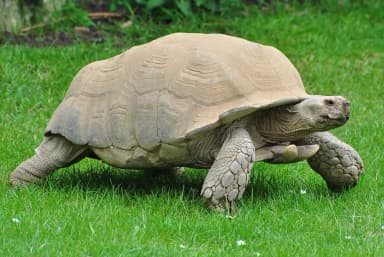
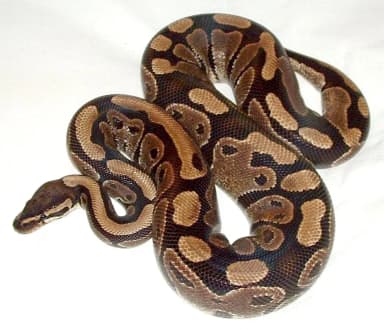
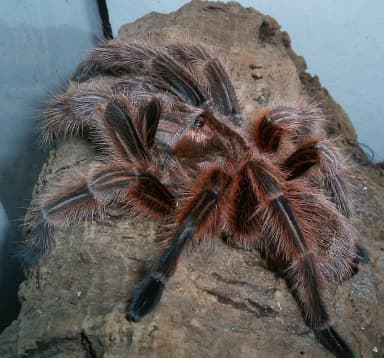
The Big Red Barn sits at the north end of the zoo and houses young farm animals on loan from local farms, including chickens, goats, cows, lop-eared rabbits, pigs, and turkeys. The Education Center, on the second floor of the Education and Animal Care Building, focuses on Wisconsin's native wildlife and features species such as the African spurred tortoise, ball pythons, box turtles, the Chilean rose hair tarantula, honeybees, and cedar waxwings.
Beyond these two buildings, the zoo's riverside location along the Little Manitowoc River provides its own informal exhibit: a viewing deck where visitors can watch wild ducks, geese, and other birds that gather naturally along the water, alongside the zoo's own collection of mammals, reptiles, and birds.
Animal highlights
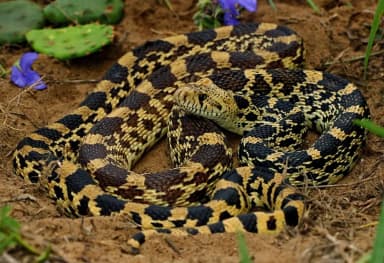
The zoo's website lists at least 20 species, drawn from a collection the zoo describes as just under 200 animals overall. Species include the Asiatic black bear, bald eagle, cougar, lynx, bison, Dall sheep, and white-tailed deer, alongside smaller residents such as the ball python, box turtle, bullsnake, Chilean rose hair tarantula, and African spurred tortoise. Waterfowl along the river include ducks, geese, and a tundra swan, and birds of prey on site include the great horned owl, red-tailed hawk, and turkey vulture.
The zoo prides itself on natural-looking exhibits and an educational focus that connects the animals on display to conservation of their wild counterparts, according to the city's visitor information.
Conservation and programs
Lincoln Park Zoo works with a range of regional conservation organizations rather than running large-scale programs of its own. The Northeastern Wisconsin Great Lakes Sport Fishermen, formed in 1974, helps maintain a fish-rearing pond bordering the zoo's southern edge and supported the creation of the native fish aquarium in the Education Center. The Brown County Beekeepers Association assists with the honeybee hive housed in the Education Center, and Whitetails Unlimited has helped fund the zoo's white-tailed deer exhibit.
The Manitowoc County Fish and Game Protective Association, founded in 1907, and the Izaak Walton League, founded in 1922, both provide financial support and representation on the city's Zoological Board, which sets zoo policy. The zoo also participates in the Milwaukee County Zoo's Species Survival Program for snow leopards, one of more than 300 such programs worldwide that manage breeding and transfer plans for threatened species.
Planning your visit
As listed on the city's website, hours vary by season. In summer, from June 1 through Labor Day, the Education Building is open 10 a.m. to 6 p.m. In spring (April 1 to May 31) and fall (Labor Day to October 31), the zoo is open Monday through Saturday from 9 a.m. to 5 p.m. and Sunday from 1 to 5 p.m., with the Education Building open 10 a.m. to 4 p.m. In winter (November 1 to March 31), the zoo is open Monday through Saturday from 9 a.m. to 3 p.m. and closed Sundays, with the Education Building open 10 a.m. to 2 p.m.
Admission is free, with a suggested donation of $1 for children and $2 for adults collected at donation tubes near each entrance. The zoo's address is 1215 N 8th St, Manitowoc, WI 54220. Because it sits inside a city park, cabin and field house rentals are also available nearby for events.
Confirm current hours and any seasonal closures on the official city website before visiting.
What we haven't confirmed
Everything above came from public sources. These specifics we haven't stood behind yet:
- Total acreage of the zoo grounds
- Individual ticket or add-on pricing beyond the suggested donation
- Parking location and cost
- Stroller and wheelchair accessibility details
- Typical time needed for a visit
- On-site food or dining options
Lincoln Park Zoo compared with nearby zoos
How Lincoln Park Zoo lines up against the closest zoos we have details for — useful if you're deciding between them for the same day out.
| Zoo | Distance | Admission | Hours | Size | AZA |
|---|---|---|---|---|---|
| Lincoln Park ZooThis zooManitowoc, WI | — | Free | 9am – 7pm | — | No |
| Kewaunee County Bruemmer Park and Zoo, WI | 25 mi | Free | 7:00 AM to sunset, year-round. | — | No |
| Menominee Park ZooOshkosh, WI | 44 mi | Free | 2026 season: May 23 – September 27, open daily 9:00 AM – 6:00 PM. Closed for the season as of October. Closed for the season after September 27, 2026. | 8 acres | No |
| Northeastern Wisconsin ZooGreen Bay, WI | 44 mi | $14.50 | 9:00 am – 6:00 pm | 43 acres | Yes |
Distances are straight-line. A dash means we haven't confirmed that detail yet, not that the zoo lacks it.
AZAThe Association of Zoos and Aquariums. Accredited members have passed an independent inspection of animal care and welfare, safety, conservation and education, repeated every five years. Many smaller facilities never apply, so “not accredited” isn't a verdict on its own. What accreditation means · How we check this
Lincoln Park Zoo: common questions
Is Lincoln Park Zoo AZA accredited?
No. It is a municipal zoo operated by the City of Manitowoc and is not AZA accredited.
When did the zoo open?
It was established in 1935, after the City Council closed a fish pond in Washington Park and agreed, as a compromise, to start a zoo at Lincoln Park instead.
How much does it cost to visit?
Admission is free, with a suggested donation of $1 for children and $2 for adults.
What animals can you see at the zoo?
The zoo lists at least 20 species, including black bears, a bald eagle, cougars, lynx, bison, and Dall sheep, plus native Wisconsin reptiles and birds in the Education Center.
Are the zoo's hours the same year-round?
No, hours change by season, running longer in summer and shorter in winter, as listed on the city's website.
Is there a Big Red Barn or petting area?
Yes, the Big Red Barn houses young farm animals on loan from local farms, including goats, cows, and rabbits.
Something wrong here? Tell us — we correct in place, with a dated note.