
Detroit Zoo
Royal Oak, MI
- Admission
- $14–$27
- Size
- 125 acres
- Animals
- 2,000
- Opened
- 1928
- Accreditation
- AZA
set by date and demand
Association of Zoos and Aquariums
Everything below is directory information drawn from public sources and the zoo's own site.
Animals at Detroit Zoo
85 of the ~200 species this zoo listsThis is a partial list — we only show species we've confirmed against the zoo's own pages, and their full collection is considerably larger.
Mammals35
 Sunuwargr · CC BY-SA 4.0
Red panda
 Grendelkhan · CC BY-SA 3.0
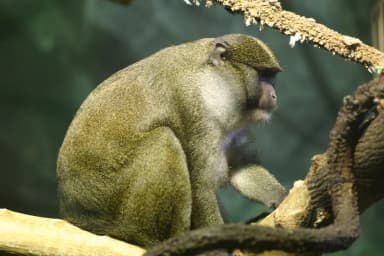
Allen's Swamp Monkey
 Jack Dykinga · Public domain
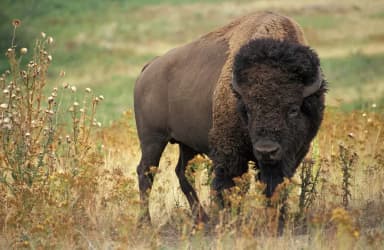
American Bison
 Christian Ursilva from Copenhagen, Denmark · CC BY-SA 4.0
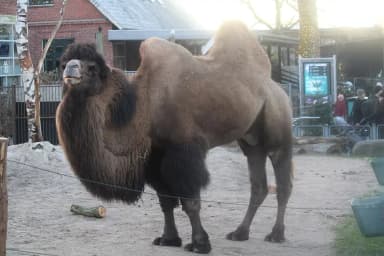
Bactrian Camel
 User:Mas3cf · CC BY-SA 4.0
Gray Wolf
 Kuebi = Armin Kübelbeck · CC BY-SA 3.0
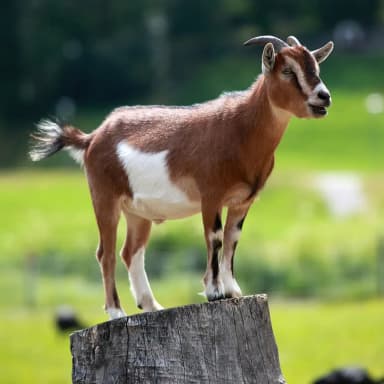
Goat
 Steve from Washington, DC, USA · CC BY-SA 2.0
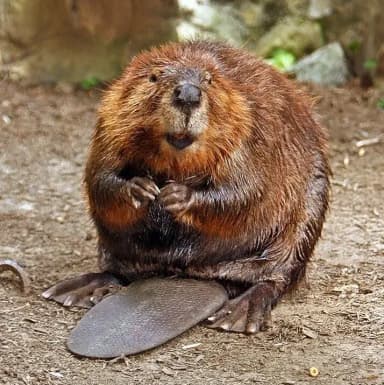
American Beaver
 Joe Ravi · CC BY-SA 3.0
Prairie Dog
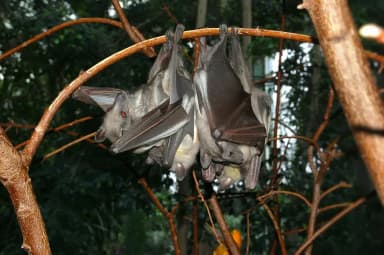 Fritz Geller-Grimm · CC BY-SA 2.5
Straw-colored Fruit Bat
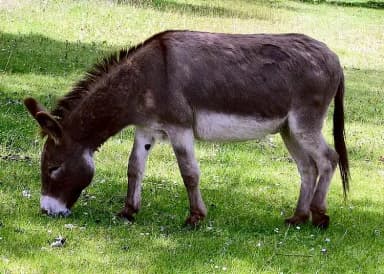 Adrian Pingstone · Public domain
Miniature Donkey
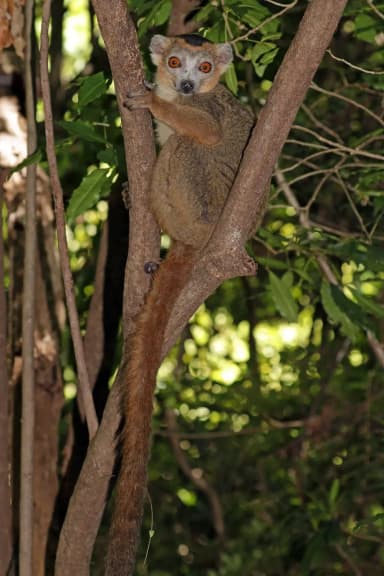 Charles J. Sharp · CC BY-SA 4.0
Crowned Lemur
 Daniella Maraschiello · CC BY-SA 4.0
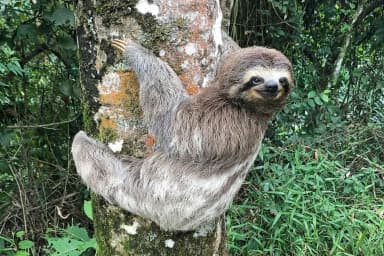
Sloth
 Thomas Fuhrmann · CC BY-SA 4.0
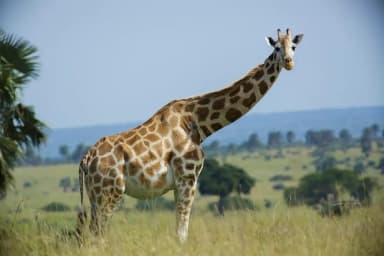
Giraffe
 Brocken Inaglory · CC BY-SA 3.0
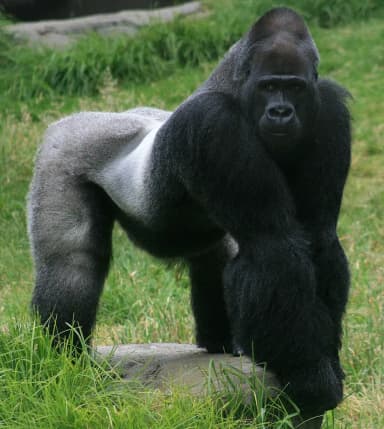
Gorilla
 Esquilo · CC BY-SA 3.0
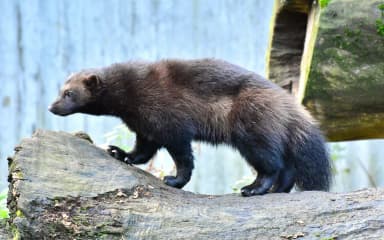
Wolverine
 Charles J. Sharp · CC BY-SA 4.0
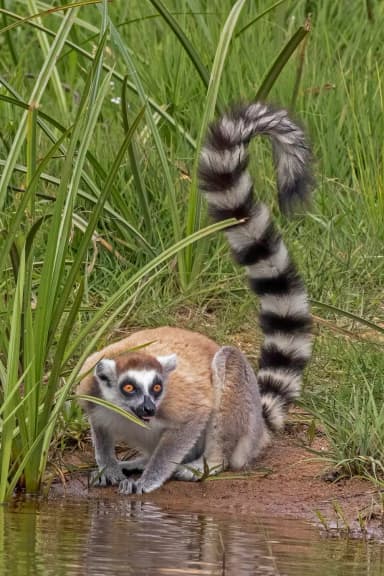
Ring-tailed Lemur
 Rocktendo & Adam Gman · CC BY-SA 4.0
Japanese Macaque
 Asiir · Public domain
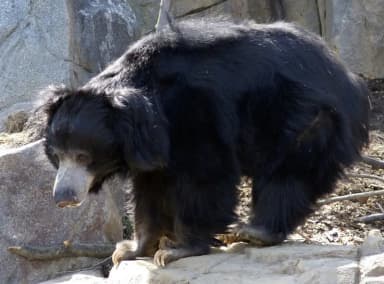
Sloth Bear
 Malene Thyssen · CC BY-SA 3.0
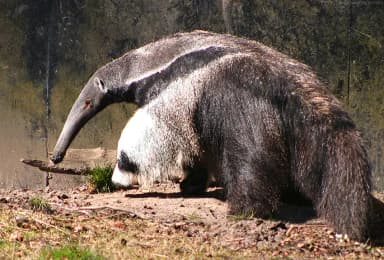
Giant Anteater
 Kelly Abram · CC BY 4.0
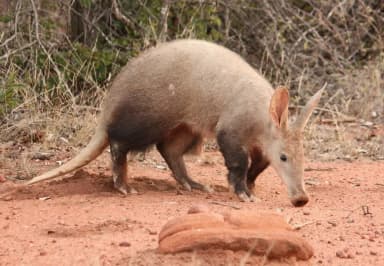
Aardvark
 Giles Laurent · CC BY-SA 4.0
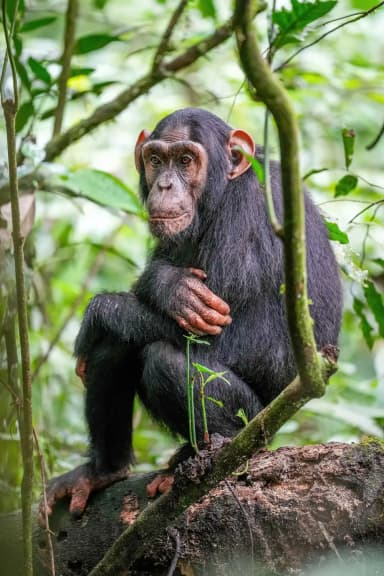
Chimpanzee
 Giles Laurent · CC BY-SA 4.0
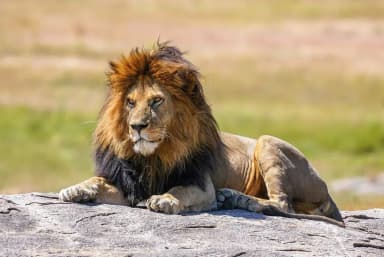
Lion
 Charles J. Sharp · CC BY-SA 4.0
Amur tiger
 Charles J. Sharp · CC BY-SA 4.0
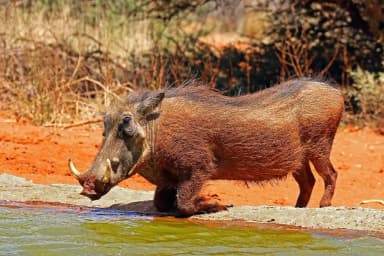
Warthog
 Karelj · CC BY-SA 3.0
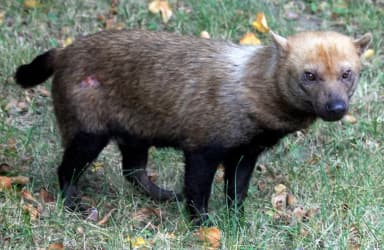
Bush Dog
 Yathin S Krishnappa · CC BY-SA 4.0
Common Eland
 Yathin S Krishnappa · CC BY-SA 3.0
Grizzly bear
 Alan Wilson · CC BY-SA 3.0
Polar Bear
 Charles J. Sharp · CC BY-SA 4.0
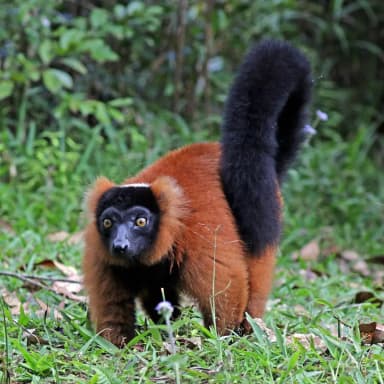
Red Ruffed Lemur
 KKPCW · CC BY-SA 4.0
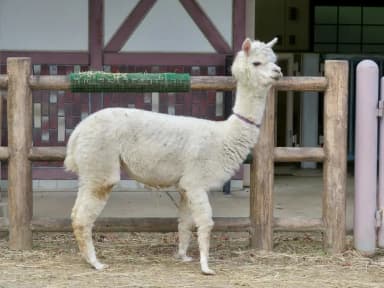
Alpaca
Birds26
 Juan Lacruz · CC BY-SA 3.0
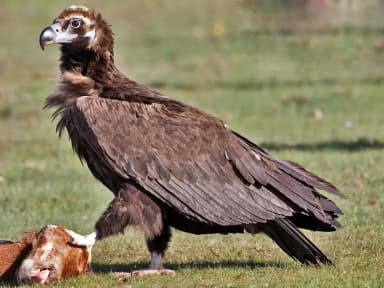
Cinereous Vulture
 HappiestFish · CC BY 4.0
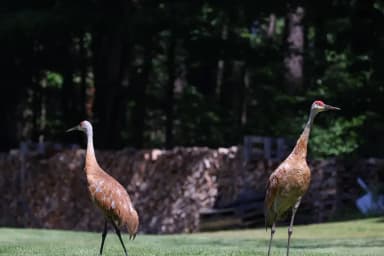
Sandhill Crane
 Godot13 · CC BY-SA 4.0
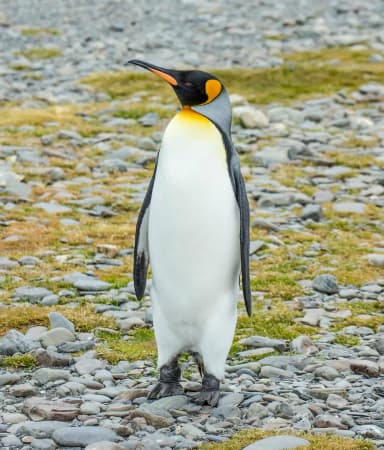
King Penguin
 Luc Viatour · CC BY 2.0
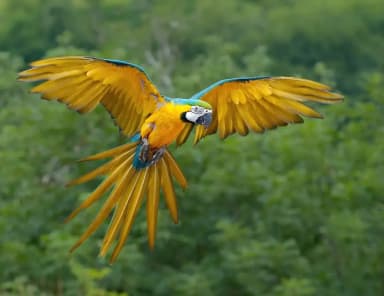
Blue-and-gold Macaw
 Ted · CC BY-SA 2.0
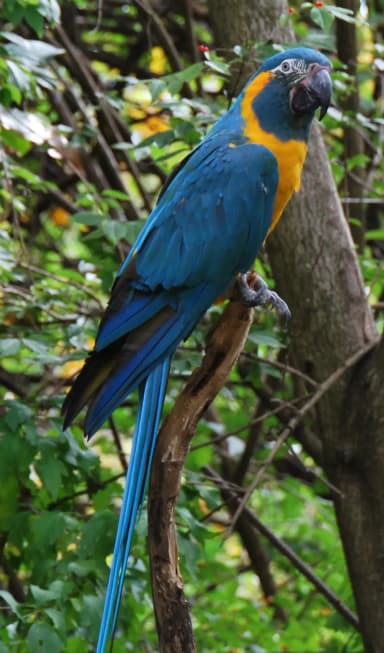
Blue-throated Macaw
 Charles J. Sharp · CC BY-SA 4.0
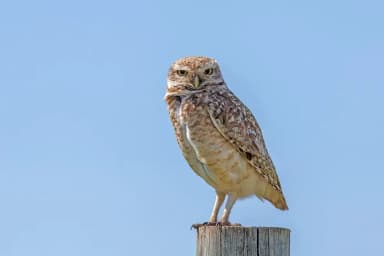
Burrowing Owl
 Summerdrought · CC BY-SA 4.0
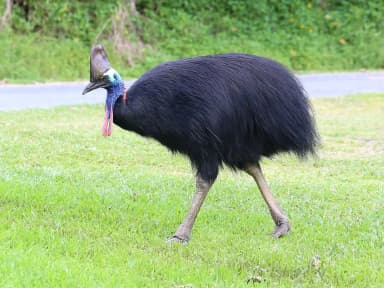
Southern Cassowary
 Charles J. Sharp · CC BY-SA 4.0
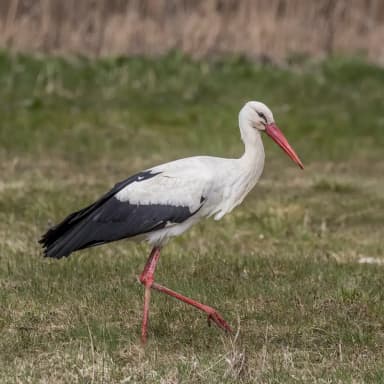
White Stork
 spacebirdy (also known as geimfyglið (:> )=| made with Sternenlaus -spirit) · CC BY-SA 3.0
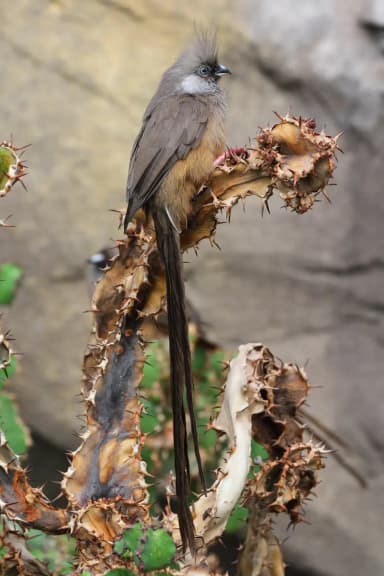
Speckled Mousebird
 Rafa Esteve · CC BY-SA 4.0
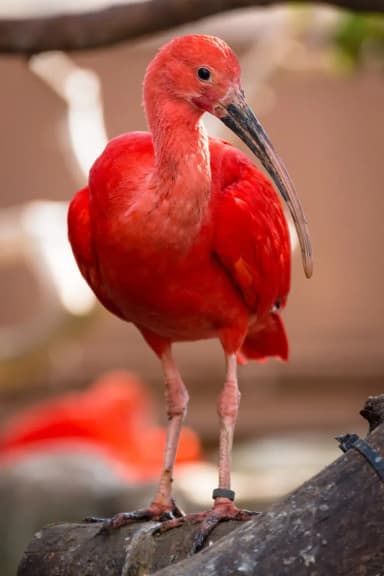
Scarlet Ibis
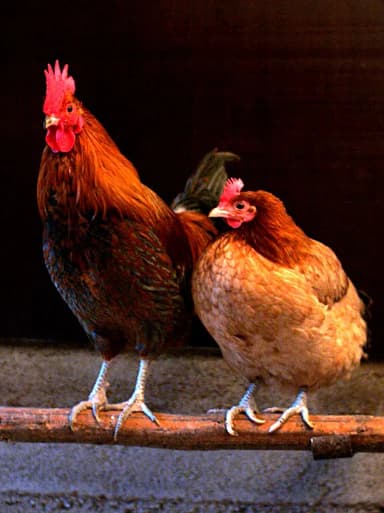 Andrei Niemimäki from Turku, Finland · CC BY-SA 2.0
Chicken
 Andy Morffew from Itchen Abbas, Hampshire, UK · CC BY 2.0
Bald Eagle
 Derek Keats from Johannesburg, South Africa · CC BY 2.0
African Pygmy Goose
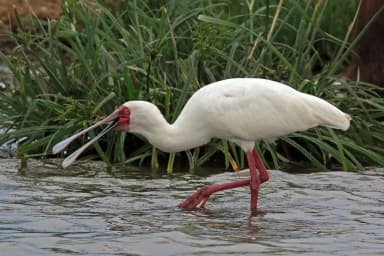 Charles J. Sharp · CC BY-SA 4.0
African Spoonbill
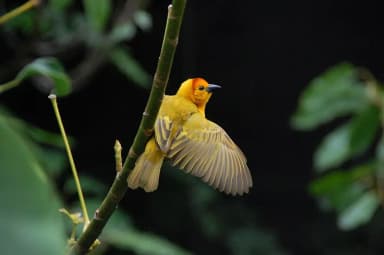 Devin Morris · CC BY-SA 4.0
Taveta Golden Weaver
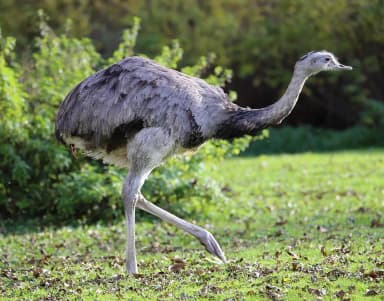 Rufus46 · CC BY-SA 3.0
Greater Rhea
 Yathin S Krishnappa · CC BY-SA 4.0
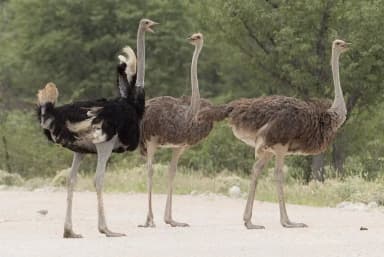
Ostrich
 Yathin sk · CC BY-SA 3.0
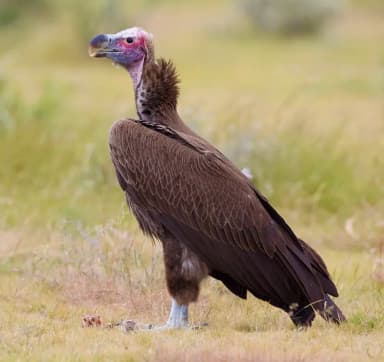
Lappet-faced Vulture
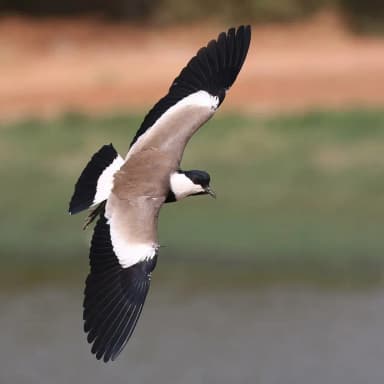 Charles J. Sharp · CC BY-SA 4.0
Spur-winged Lapwing
Reptiles9
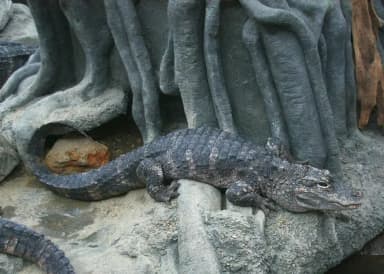 Greg Hume · CC BY-SA 3.0
Chinese Alligator
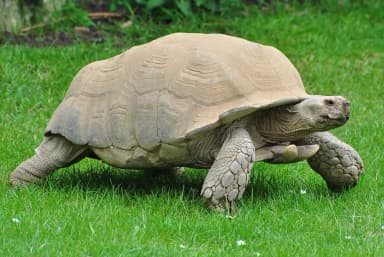 John5199 · CC BY 2.0
African Spurred Tortoise
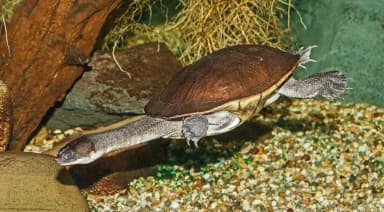 H. Zell · CC BY-SA 3.0
McCord's Snake-necked Turtle
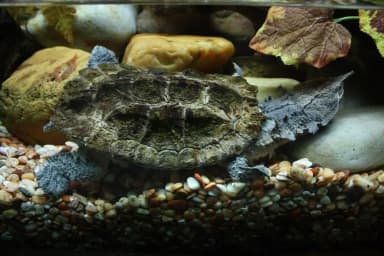 J. Patrick Fischer · CC BY-SA 3.0
Matamata
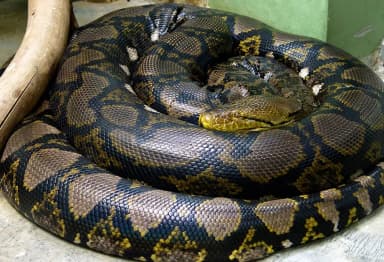 This photography was created by Mariluna . Other photos see here . · CC BY-SA 3.0
Reticulated Python
 TarnishedPath · CC BY-SA 4.0
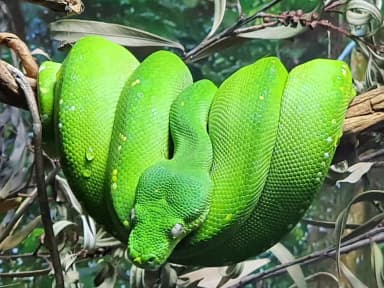
Green Tree Python
 Emőke Dénes · CC BY-SA 4.0
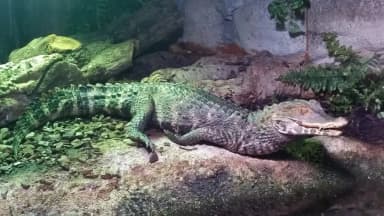
Cuvier's Dwarf Caiman
 Benjamin Genter · CC0
Eastern Massasauga
Amphibians10
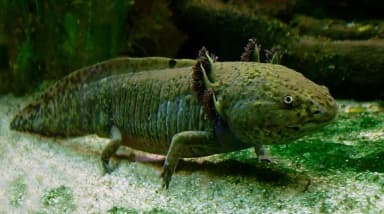
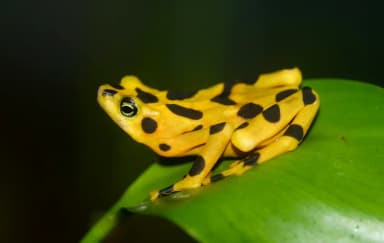

Fish4
Invertebrates1
Feathers & Fangs from visitors
What people who've been to Detroit Zoo say
A Feather is something this zoo does well; a Fang is something it gets wrong. Left by people who've been, and read by us before they appear.
Loading…
About Detroit Zoo
Detroit Zoo spans 125 acres across Royal Oak and Huntington Woods, Michigan, and houses more than 2,000 animals representing over 200 species. It opened at its present site on August 1, 1928, and was the first zoo in the United States to extensively use barless, naturalistic exhibits, separating animals from visitors with moats rather than cages. The zoo is owned by the City of Detroit and operated by the nonprofit Detroit Zoological Society, which employs more than 300 people.
The Society is funded through admissions, private donations, memberships and a property-tax millage across Macomb, Oakland and Wayne counties, approved by voters in 2008. It is an AZA-accredited institution whose stated mission is "creating meaningful connections between people, animals and the natural world so all can thrive." Beyond the main zoo, the Society also operates the Belle Isle Nature Center, a separate 5-acre education facility in Detroit.
The zoo organizes its grounds loosely by geography and theme, including American Grasslands for native North American species, Great Apes of Harambee for chimpanzees and gorillas, and the recently opened Fred and Barbara Erb Discovery Trails. A miniature railroad, the Tauber Family Railroad, has carried visitors along the zoo's southern perimeter since 1931.
History
Detroit's first zoo, the Detroit Zoological Gardens, opened on September 5, 1883, at the future site of Tiger Stadium, its founding collection drawn from animals left behind by a financially troubled traveling circus. It closed by 1884, and remaining animals moved to Belle Isle. The Detroit Zoological Society formed in 1911 to establish a permanent zoo, purchasing 100 acres of the Hendrie Farm in 1916. German zoo designer Heinrich Hagenbeck helped plan the new grounds around moats rather than cages.
The Detroit Zoological Park opened at its present site on August 1, 1928; more than 4,000 people entered in the first hour and roughly 150,000 attended on opening day. During the Great Depression, federal relief programs funded new habitats, facilities and landscaping between 1933 and 1937. The zoo presented trained-animal shows for decades, including performing chimpanzees Jo Mendi and Jo Mendi II, the latter attracting more than 1.25 million visitors before retiring in 1953; the shows ended in 1982, the same year the zoo began charging general admission.
Modern development accelerated from 2000 onward. The National Amphibian Conservation Center opened in June 2000, followed by the Arctic Ring of Life for polar bears in October 2001. In 2005, the zoo made national news by retiring its two remaining Asian elephants, Wanda and Winky, to a California sanctuary over concerns about Michigan's climate and captive elephant welfare — one of the first high-profile American zoos to do so. A 2006 financial dispute briefly led the Detroit City Council to vote to close the zoo, before reversing course and transferring governance to the Detroit Zoological Society that March.
The lion habitat was substantially renovated in 2011, and the Polk Penguin Conservation Center opened in April 2016 after a $10 million donation from Stephen and Bobbi Polk, then the largest single gift in the zoo's history. The 33,000-square-foot facility, the largest in the world dedicated to penguins, closed in September 2019 after waterproofing problems were found and reopened in February 2022. The Fred and Barbara Erb Discovery Trails, a $49 million, 7-acre complex and the largest capital project in the zoo's history, opened May 23, 2026, and received Gold certification under the Sustainable SITES Initiative that August.
Exhibits and habitats
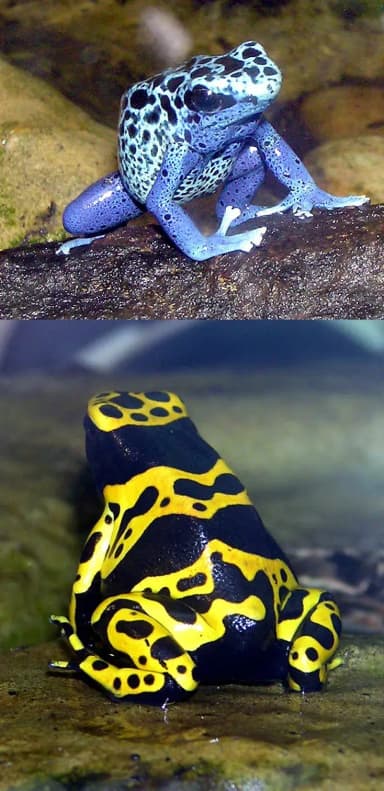
The National Amphibian Conservation Center, integrated into the 2-acre Amphibiville wetland recreation, houses more than 1,000 amphibians and includes behind-the-scenes breeding and research space for threatened species like the Wyoming toad, Puerto Rican crested toad, Panamanian golden frog and dusky gopher frog. The Arctic Ring of Life is a 4.2-acre habitat built around a 300,000-gallon pool, with a 70-foot underwater viewing tunnel; it is home to three polar bears and three Southern sea otters, and is among the largest polar bear habitats in North America.
The Cotton Family Wetlands and Boardwalk, opened in 2012, recreates a Michigan wetland across a 1.7-acre pond, with floating boardwalks made from recycled plastic bags and reclaimed hardwood. The Giraffe Encounter, added in 2007, puts visitors at eye level with the zoo's giraffe herd for hand-feeding. Great Apes of Harambee, a 4-acre indoor-outdoor complex, houses six western lowland gorillas and an 11-member chimpanzee troop; the first gorilla born at the zoo, Motema, arrived in August 2024.
The Holden Reptile Conservation Center, opened in 1960, houses roughly 150 reptiles across more than 70 species, about 45 percent of which are threatened or endangered in the wild. The Edward Mardigian Sr. River Otter Habitat, renovated in 2017, is home to five North American river otters. The Polk Penguin Conservation Center holds five species — king, macaroni, southern rockhopper, gentoo and chinstrap penguins — in a 326,000-gallon habitat with two underwater viewing tunnels.
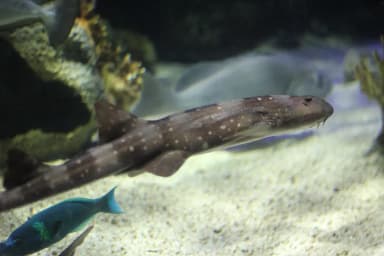
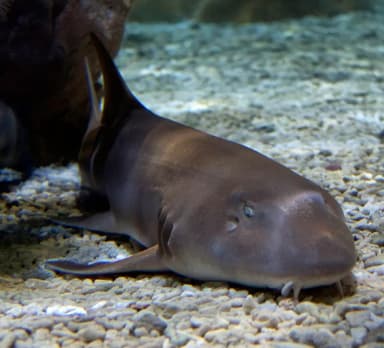
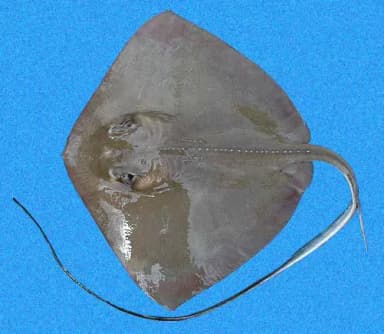
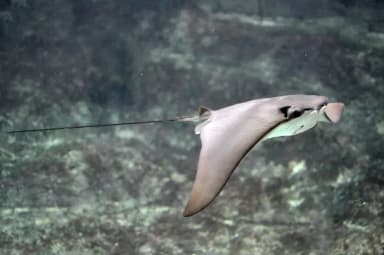
The Jane and Frank Warchol Beaver Habitat, opened in 2013, gives underwater views of three North American beavers. The Ron Kagan Wildlife Interpretive Gallery, in the zoo's original 1926 Bird House, combines wildlife, art and interactive exhibits, including a Butterfly Garden and Free-Flight Aviary. American Grasslands hosts grizzly bears, gray wolves at the Cotton Family Wolf Wilderness, American bison, bald eagles, wolverines and — as an exception to the section's North American theme — a sloth bear named Jagger, native to the Indian subcontinent. The newest complex, the Fred and Barbara Erb Discovery Trails, opened in 2026 with habitats for bush dogs, giant anteaters, prairie dogs, burrowing owls, southern stingrays, bamboo sharks, goats, alpacas, miniature donkeys and chickens. The Australian Outback Adventure, opened in 2006, is a 3-acre walk-through habitat for red kangaroos, red-necked wallabies and Southern cassowaries.
Animal highlights
Detroit Zoo lists at least 85 species on its website, part of a collection the zoo describes as more than 2,000 animals representing over 200 species overall. Species named in zoo materials span a wide range: Amur tigers, gorillas, chimpanzees, polar bears, grizzly bears, sloth bears, southern white rhinoceros, giraffes, red pandas, and five penguin species (king, macaroni, gentoo, chinstrap and rockhopper). Reptile and amphibian holdings include Chinese alligators, green tree pythons, axolotls and Japanese giant salamanders, while the bird collection includes bald eagles, scarlet ibis, cinereous vultures and blue-throated macaws.
The zoo's animal-welfare priorities have shaped its collection directly — most visibly in the 2005 decision to stop keeping elephants on welfare grounds, a choice that remains unusual among large American zoos and led to the elephant habitat's conversion into today's rhinoceros exhibit.
Conservation and programs
The Detroit Zoological Society runs conservation programs in Michigan and internationally. In-state work includes recovery programs for the federally endangered Karner blue butterfly and piping plover, involving captive rearing and habitat release, along with programs for common terns, mudpuppies and Blanding's turtles. Internationally, the Society supports conservation work involving gorillas, chimpanzees, rhinoceroses, amphibians and reptiles.
In 2009, the Society established what is now the Center for Zoo and Aquarium Animal Welfare and Ethics; in 2023, it partnered with the International Union for Conservation of Nature's Species Survival Commission to create the Center for Species Survival: Animal Welfare. The Society has also taken part in rescuing and placing animals from circuses, private ownership and other captive settings.
Education programming runs through the Ford Education Center and the Berman Academy for Humane Education, covering wildlife, conservation, animal welfare and human-animal relationships, alongside field trips and camps at both the main zoo and the Belle Isle Nature Center.
Planning your visit
As listed on the zoo's website, gate pricing is $27, though online pricing changes daily based on date, time and demand — buying in advance is generally cheaper. Gate closing times vary seasonally: 3:30 p.m. in fall and winter, 4:30 p.m. in spring and summer, with select summer Wednesdays open until 8 p.m. Children under 2 receive free admission, and reciprocal membership and military discounts are available at the front gate. The zoo is open daily year-round except Thanksgiving, Christmas and New Year's Day.
Parking is available in a parking structure and three surface lots, though it can fill during peak periods; on weekends, a free shuttle runs from downtown Royal Oak's Oakland Community College campus. Guests who present a same-day Uber or Lyft receipt get $5 off gate-price admission per person. Wheelchairs and Electric Conveyance Vehicles are available on a first-come, first-served basis from April to October for $30 (ECV) and $10 (wheelchair) per day; guests must be 18 or older to rent an ECV.
Dining options include Table 28, Coney Corner, Woodward Slice pizza and several seasonal snack stands. The zoo is certified through KultureCity for sensory inclusion and offers sensory bags, a trail chair for its Discovery Trails attraction path, and the ReBokeh low-vision assistive app free to all guests. As always, confirm current hours and admission pricing on the official website before your visit.
What we haven't confirmed
Everything above came from public sources. These specifics we haven't stood behind yet:
- Exact current ticket price ranges (pricing varies daily)
- Total acreage breakdown by exhibit
- Average time needed for a full visit
- Phone number for general inquiries beyond program-specific lines
Detroit Zoo compared with nearby zoos
How Detroit Zoo lines up against the closest zoos we have details for — useful if you're deciding between them for the same day out.
| Zoo | Distance | Admission | Hours | Size | AZA |
|---|---|---|---|---|---|
| Detroit ZooThis zooRoyal Oak, MI | — | $14–$27 | 10 am – 4 pm | 125 acres | Yes |
| The Creature ConservancyAnn Arbor, MI | 37 mi | — | Open to the public Saturdays & Sundays 12:00 – 5:00 PM; private tours by reservation. | — | No |
| Toledo ZooToledo, OH | 63 mi | $32 | 10 am – 4 pm | — | Yes |
| Potter Park ZooLansing, MI | 72 mi | $6–$17 | 10:00 am – 4:00 pm | 102 acres | Yes |
Distances are straight-line. A dash means we haven't confirmed that detail yet, not that the zoo lacks it.
AZAThe Association of Zoos and Aquariums. Accredited members have passed an independent inspection of animal care and welfare, safety, conservation and education, repeated every five years. Many smaller facilities never apply, so “not accredited” isn't a verdict on its own. What accreditation means · How we check this
Detroit Zoo: common questions
Is Detroit Zoo AZA accredited?
Yes, Detroit Zoo is accredited by the Association of Zoos and Aquariums.
How big is Detroit Zoo?
The zoo covers 125 acres across Royal Oak and Huntington Woods, Michigan.
When did Detroit Zoo open?
It opened at its current site on August 1, 1928, after an earlier Detroit zoo closed in the 1880s.
How many animals and species live at Detroit Zoo?
The zoo lists at least 85 species on its website, part of a collection of more than 2,000 animals representing over 200 species overall.
Does Detroit Zoo have elephants?
No. The zoo retired its last two Asian elephants to a sanctuary in 2005 over welfare concerns and has not kept elephants since.
Is there parking at the zoo?
Yes, in a parking structure and three surface lots, plus a free weekend shuttle from downtown Royal Oak during peak periods.
Is the zoo stroller and wheelchair accessible?
Yes, wheelchairs and ECVs are available to rent, and the main entrance is fully accessible.
Something wrong here? Tell us — we correct in place, with a dated note.