
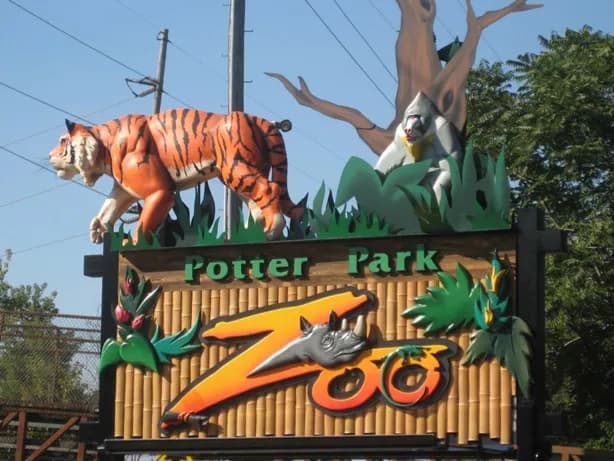
- Admission
- $6–$17
- Size
- 102 acres
- Opened
- 1915
- Accreditation
- AZA
varies by season
Association of Zoos and Aquariums
Everything below is directory information drawn from public sources and the zoo's own site.
Animals at Potter Park Zoo
41 of the ~160 species this zoo listsThis is a partial list — we only show species we've confirmed against the zoo's own pages, and their full collection is considerably larger.
Mammals21
 Sunuwargr · CC BY-SA 4.0
Red panda
 Tassilo Rau · CC BY-SA 3.0
Binturong
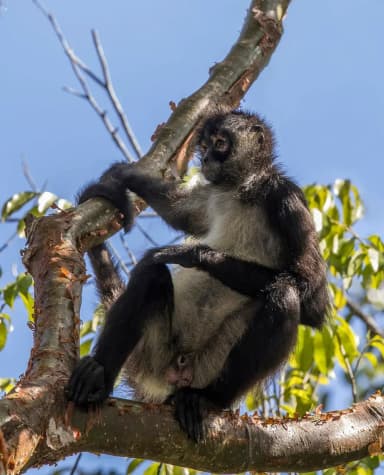 Charles J. Sharp · CC BY-SA 4.0
Black-handed Spider Monkey
 Membeth · CC0
Elk
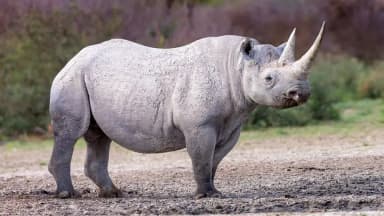 AfricanConservation · CC BY-SA 4.0
Black Rhinoceros
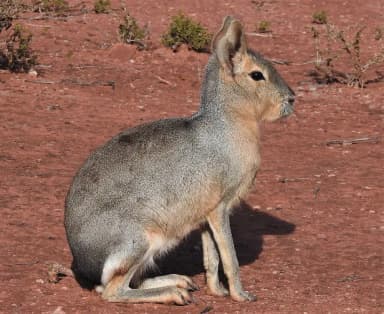 Hugo Hulsberg · CC0
Patagonian Mara
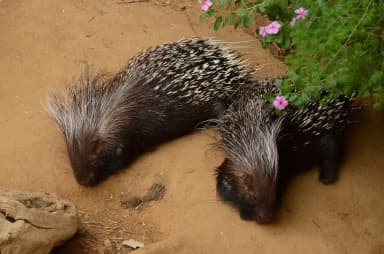 Steven Lek · CC BY-SA 4.0
Cape Porcupine
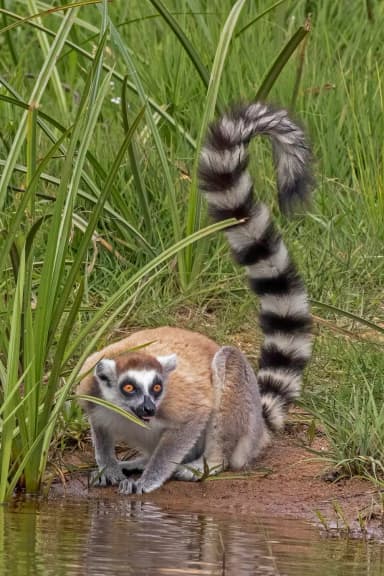 Charles J. Sharp · CC BY-SA 4.0
Ring-tailed Lemur
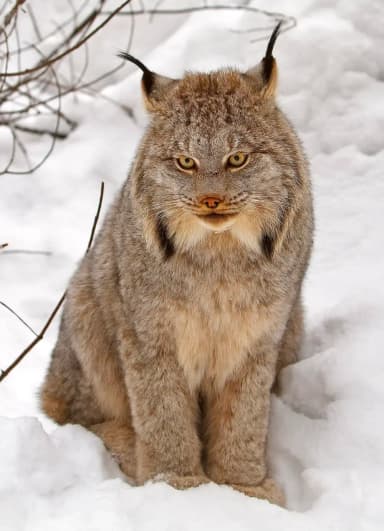 Michael Zahra · CC BY-SA 3.0
Canada Lynx
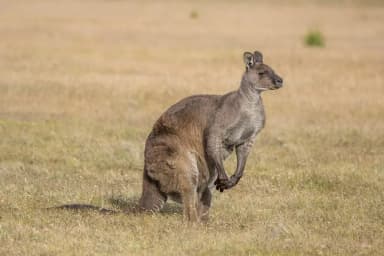 Charles J. Sharp · CC BY-SA 4.0
Western Grey Kangaroo
 Malene Thyssen · CC BY-SA 3.0
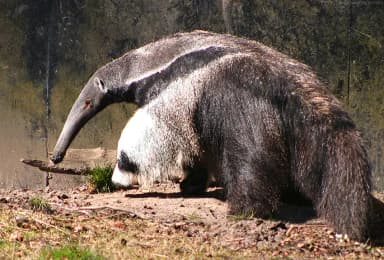
Giant Anteater
 Daniel Jolivet · CC BY 2.0
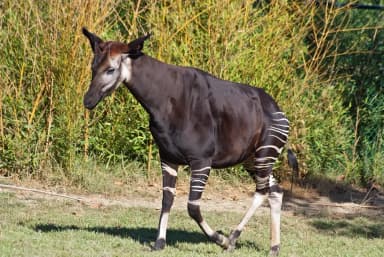
Okapi
 Sander van der Wel · CC BY-SA 2.0
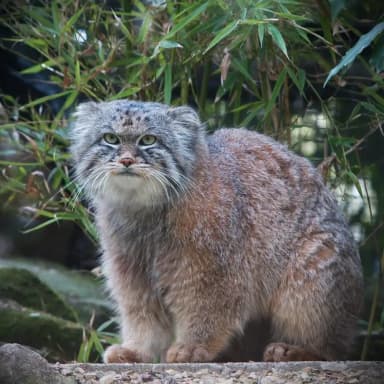
Pallas's Cat
 Irbis1983 · Public domain
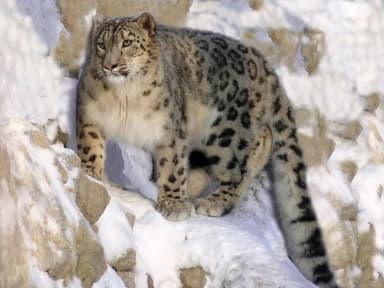
Snow Leopard
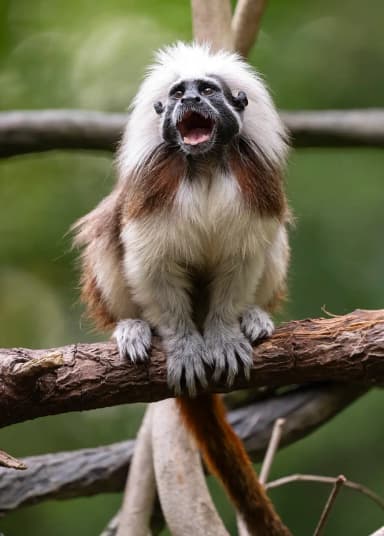 Chensiyuan · CC BY-SA 4.0
Cotton-top Tamarin
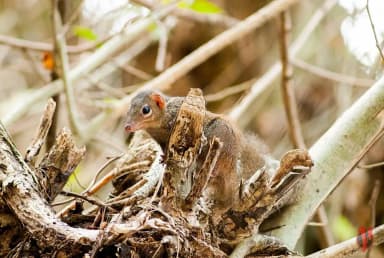 Long Vu · CC BY 4.0
Northern Tree Shrew
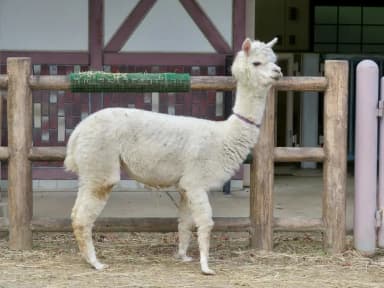 KKPCW · CC BY-SA 4.0
Alpaca
 Jonatan Pie ( unsplash.com/@r3dmax ) · CC0
Arctic Fox
Birds9
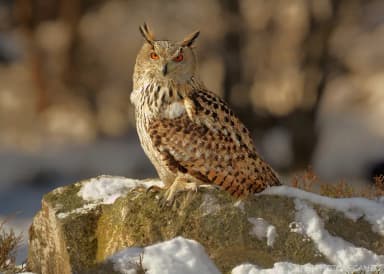 Martin Mecnarowski ( http://www.photomecan.eu/ ) · CC BY-SA 3.0
Eurasian Eagle-Owl
 Bernard DUPONT from FRANCE · CC BY-SA 2.0
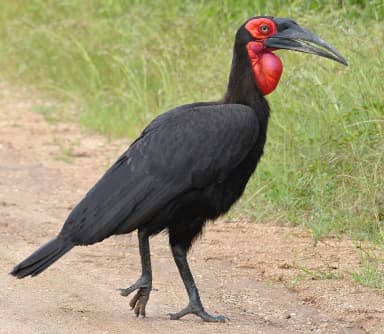
Southern Ground Hornbill
 Eric Kilby from Somerville, MA, USA · CC BY-SA 2.0
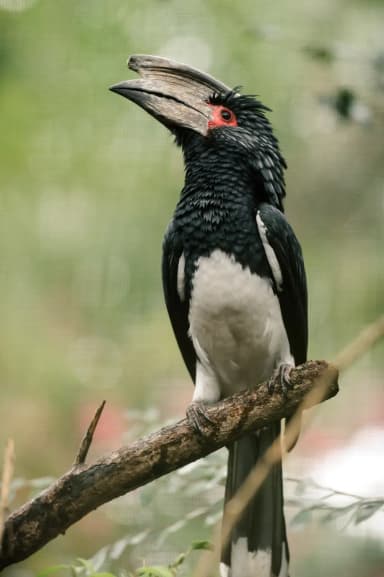
Trumpeter Hornbill
 Frank Schulenburg · CC BY-SA 4.0
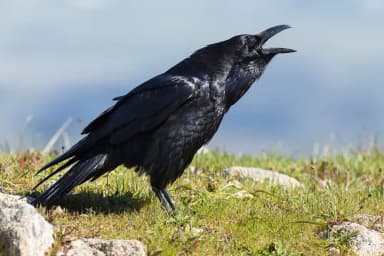
Common Raven
 JJ Harrison ( https://www.jjharrison.com.au/ ) · CC BY-SA 4.0
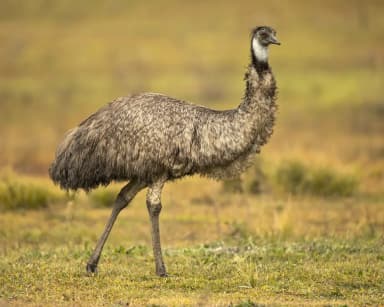
Emu
 Andy Morffew from Itchen Abbas, Hampshire, UK · CC BY 2.0
Bald Eagle
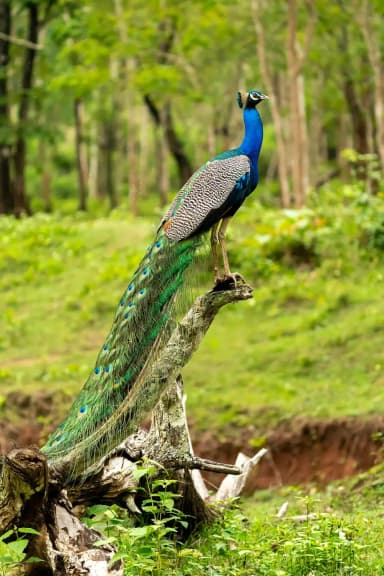 Kandukuru Nagarjun from Bangalore, India · CC BY 2.0
Peafowl
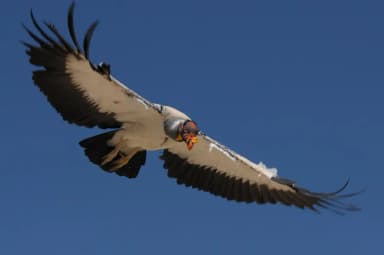 Renato Augusto Martins · CC BY-SA 4.0
King Vulture
Reptiles10
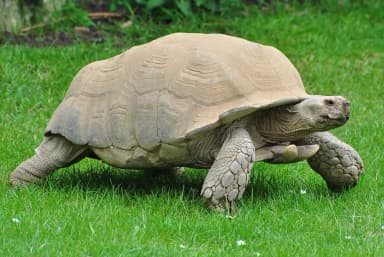 John5199 · CC BY 2.0
African Spurred Tortoise
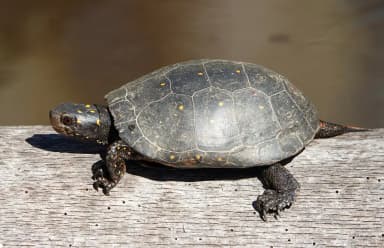 hug_78 · CC BY 2.0
Spotted Turtle
 Peter Paplanus from St. Louis, Missouri · CC BY 2.0
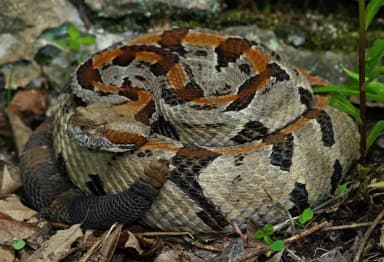
Timber Rattlesnake
 Andrew C · CC BY 2.0
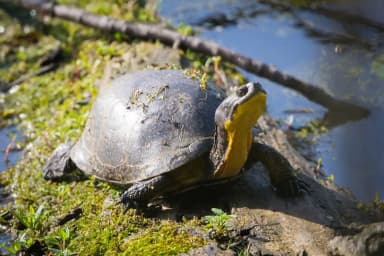
Blanding's Turtle
 Blueag9 · CC BY-SA 3.0
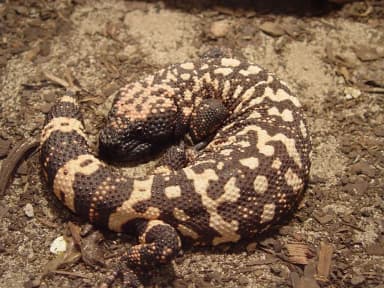
Gila Monster
 Frank Vassen · CC BY 2.0
Madagascar Giant Hognose Snake
 Charles J. Sharp · CC BY-SA 4.0
Argentine Black and White Tegu
 Kaldari · Public domain
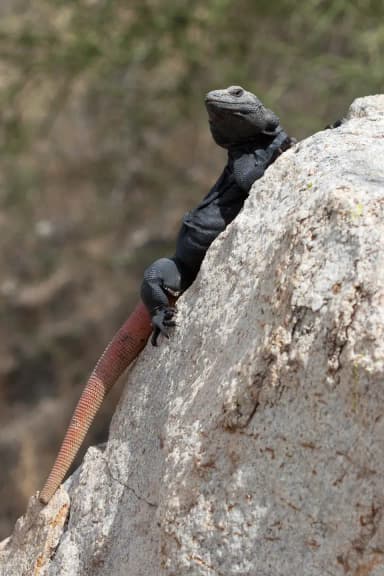
Chuckwalla
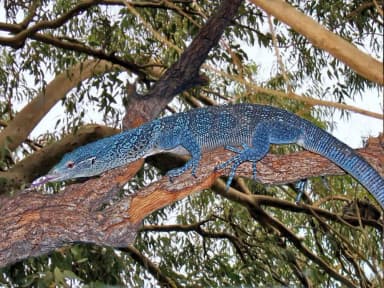 Hectonichus · CC BY-SA 4.0
Blue Tree Monitor

Feathers & Fangs from visitors
What people who've been to Potter Park Zoo say
A Feather is something this zoo does well; a Fang is something it gets wrong. Left by people who've been, and read by us before they appear.
Loading…
About Potter Park Zoo
Potter Park Zoo occupies 102 acres within Potter Park in Lansing, Michigan, at 1301 S Pennsylvania Avenue. It is owned by the City of Lansing and operated by Ingham County, with the nonprofit Potter Park Zoological Society supporting its programs. The zoo is accredited by the Association of Zoos and Aquariums and participates in AZA Species Survival Plans to help manage and conserve threatened or endangered animal populations. The Michigan State University College of Veterinary Medicine partners with the zoo to provide medical care for its animals.
Potter Park Zoo describes itself as the oldest public zoo in Michigan, home to more than 160 species. Its mission is to inspire people to conserve animals in the natural world, and its most recent master plan emphasizes the ecology of the nearby Red Cedar River and the wildlife of Michigan and similar ecosystems elsewhere. The zoo's grounds include the Feline and Primate Building, the Bird and Reptile House, the Exploration and Discovery Center for Education, a barnyard and petting zoo, gardens and a pond, and an outdoor restaurant near the back of the property.
History
The zoo's origins trace to 1912, when J.W. and Sarah Potter, a prominent Lansing couple, donated 58 acres of land to the city for what became Potter Park. In 1915, the James M. Turner estate donated a herd of elk to Lansing, and Charles J. Davis transferred deer to the park that same year, creating the city's first zoo; Potter Park itself was dedicated on July 5, 1915. The animals were consolidated into the larger Potter Park in 1920, and with that official opening, it became Michigan's first public zoo. A pavilion, one of the zoo's first buildings, was completed the following year, and a further 17-acre donation from Lansing resident Sophie Turner brought the park to its current 102 acres.
Major buildings followed in the coming decades: the Bird and Reptile House in 1929, the Lion House in 1930, a Works Progress Administration-built Monkey Island in 1936 (later converted to a bighorn sheep exhibit and removed by 2010), an aviary in 1941, and the barnyard and petting zoo in 1949. By the 1950s the zoo held 138 mammals and 267 birds, including several monkey species. The zoo declined through the late 1960s under municipal neglect until a 1969 fundraising push, organized in part through the Lansing State Journal and the newly formed Friends of the Zoo Society, funded the purchase of the zoo's first elephant, Bingo, in 1972.
The zoo earned AZA accreditation in 1986, at the time one of the smallest zoos in the country to do so, and the Friends of the Zoo Society incorporated as the Potter Park Zoological Society that same year. Rare triplet Amur tiger cubs were born in 1992. The 2000s brought the Exploration and Discovery Center for Education (2000), a new eastern black rhinoceros exhibit planned in 2009 after the deaths of two rhinos, and the Wings from Down Under aviary (2009), which lets guests interact with more than 600 Australian birds. In 2006, Ingham County took over operation and maintenance of the park and zoo from the City of Lansing following a countywide millage vote. In the 2010s, the zoo carried out what it believes was the world's first successful artificial insemination of a snow leopard without surgery or anesthesia, and on December 24, 2019, a black rhino calf named Jaali became the first of his species born at the zoo in its then hundred-year history.
Exhibits and habitats
The Feline and Primate Building houses Amur tigers, an African lion, a snow leopard, lemurs, mandrills, and endangered tamarin monkeys. The Bird and Reptile House features reptiles such as boas, gila monsters, black-and-white tegus, and emerald tree boas, alongside birds including macaws, eastern screech owls, kookaburras, and endangered Bali mynas.
Near the entrance, the Exploration and Discovery Center for Education includes classrooms, an exhibit room for wildlife presentations, the Safari Room for meetings, and offices for the Potter Park Zoo Society and its volunteers. The barnyard and petting zoo, part of Farmyard EdVentures, is home to goats, cows, alpacas, llamas, yaks, pigs, tortoises, and rabbits that children can pet and, in some cases, feed. Wings from Down Under, open seasonally, lets visitors feed and interact with more than 600 grass parakeets, cockatiels, and eastern rosellas, and the zoo also offers camel and pony rides during warmer months.
Elsewhere on the grounds are gardens and a pond with ducks, geese, and swans, plus outdoor habitats for kangaroos, penguins, river otters, eastern bongos, bald eagles, eastern black rhinoceros, gray wolves, red pandas, Arctic foxes, bat-eared foxes, meerkats, porcupines, banded mongooses, and southern ground hornbills. A gift shop, the AniMall, sits near the front of the zoo, and an outdoor restaurant with a grill patio operates at the back.
Animal highlights
At least 41 species are listed on Potter Park Zoo's website, a floor rather than a full count; the zoo itself states it is home to more than 160 species overall. Notable species listed include the black rhinoceros, snow leopard, red panda, okapi, giant anteater, and Pallas's cat, along with the eastern bongo, ring-tailed lemur, and spider monkey. Reptiles and amphibians on the list include the Gila monster, blue tree monitor, timber rattlesnake, and Puerto Rican crested toad, and birds include the king vulture, southern ground hornbill, and Eurasian eagle-owl.
The zoo's own materials add further detail: three Amur tigers, an African lion, mandrills, and endangered tamarin monkeys live in the Feline and Primate Building, and gray wolves, kangaroos, and eastern black rhinoceros are among the outdoor exhibits. The Bird and Reptile House holds macaws, kookaburras, and Bali mynas in addition to the species above.
Conservation and programs
Potter Park Zoo participates in several AZA Species Survival Plans, including for the eastern massasauga rattlesnake, and takes part in the AZA SAFE (Saving Animals From Extinction) program. Its conservation initiatives include breeding and releasing the endangered Puerto Rican crested toad, banding fledgling peregrine falcon chicks, conducting field research on eastern massasauga rattlesnakes and American pine martens, and running the Rhinoceros Signature Project focused on black rhino conservation and research. The zoo also participates in the U.S. Fish and Wildlife Service Recovery Program for the Great Lakes piping plover, which involves hand-rearing chicks for release, and its AAZK chapter holds an annual Bowling for Rhinos fundraiser each August.
Guests can take part directly through the Quarters for Conservation program, donating a quarter toward a favorite endangered species, with the zoo matching the top-donated species' total, and through $1 conservation bookmarks sold at the gift shop and admissions booth. A Penguin Exhibit display also explains the Monterey Bay Aquarium's Seafood Watch program for sustainable seafood choices.
Planning your visit
As listed on the zoo's website, Potter Park Zoo is open 364 days a year, with hours generally running 9 a.m. to 5 p.m. on weekdays and weekends, closing earlier for some holidays. As listed, adult admission is $10, with resident and non-resident rates varying by Ingham County residency; children ages 3 to 12 are $7 and children under 3 are free. Residents of Ingham County are admitted free on non-holiday Mondays from 9 a.m. to noon, and guests with a valid EBT card and photo ID can get $5 admission for up to four people through the Museums for All program. Parking is charged from April 1 through October 31.
The zoo is a certified Sensory Inclusive facility through KultureCity, the first in Michigan to earn that certification, and provides a sensory map, quiet spaces, and free sensory bags. A nursing/quiet room is located in the Discovery Center. Wheelchairs and electric scooters can be rented, subject to a 100-pound weight limit plus 5 pounds for gear, and reservations are encouraged by calling ahead. Strollers and wagons are welcome, but plastic straws, balloons, scooters, skateboards, and roller blades are not permitted. Rideshare guests should use the address 1301 S Pennsylvania Ave, Lansing, MI 48912 and enter through the same route as other vehicles. Confirm current hours, admission prices, and any event closures on the zoo's official website before visiting.
What we haven't confirmed
Everything above came from public sources. These specifics we haven't stood behind yet:
- General admission for non-residents versus residents, in detail
- Exact animal count
- Time needed for a typical visit
- Phone number for general inquiries
Potter Park Zoo compared with nearby zoos
How Potter Park Zoo lines up against the closest zoos we have details for — useful if you're deciding between them for the same day out.
| Zoo | Distance | Admission | Hours | Size | AZA |
|---|---|---|---|---|---|
| Potter Park ZooThis zooLansing, MI | — | $6–$17 | 10:00 am – 4:00 pm | 102 acres | Yes |
| Binder Park ZooBattle Creek, MI | 46 mi | $19.95 | October: Mon–Fri 10:00 AM – 4:00 PM; Sat–Sun 10:00 AM – 5:00 PM. Admission closes 30 minutes before zoo closing. | 433 acres | Yes |
| The Creature ConservancyAnn Arbor, MI | 51 mi | — | Open to the public Saturdays & Sundays 12:00 – 5:00 PM; private tours by reservation. | — | No |
| Saginaw Children's ZooSaginaw, MI | 56 mi | $9 | 10:00am – 5:00pm | — | Yes |
Distances are straight-line. A dash means we haven't confirmed that detail yet, not that the zoo lacks it.
AZAThe Association of Zoos and Aquariums. Accredited members have passed an independent inspection of animal care and welfare, safety, conservation and education, repeated every five years. Many smaller facilities never apply, so “not accredited” isn't a verdict on its own. What accreditation means · How we check this
Potter Park Zoo: common questions
Is Potter Park Zoo AZA accredited?
Yes, since 1986, and it participates in AZA Species Survival Plans.
How big is Potter Park Zoo?
It covers 102 acres within Potter Park in Lansing, Michigan.
When did Potter Park Zoo open?
Potter Park was dedicated in 1915, and the zoo's official opening as Michigan's first public zoo came in 1920.
How many species can you see?
The zoo states it has more than 160 species; at least 41 are listed on its website.
Is there parking at the zoo?
Yes, though parking is charged from April 1 through October 31.
Is Potter Park Zoo stroller and wheelchair accessible?
Yes. It is a KultureCity-certified Sensory Inclusive Zoo and offers wheelchair and electric scooter rentals.
Is there food inside the zoo?
Yes, at an outdoor restaurant with a grill patio, plus a Dippin' Dots kiosk.
Something wrong here? Tell us — we correct in place, with a dated note.