
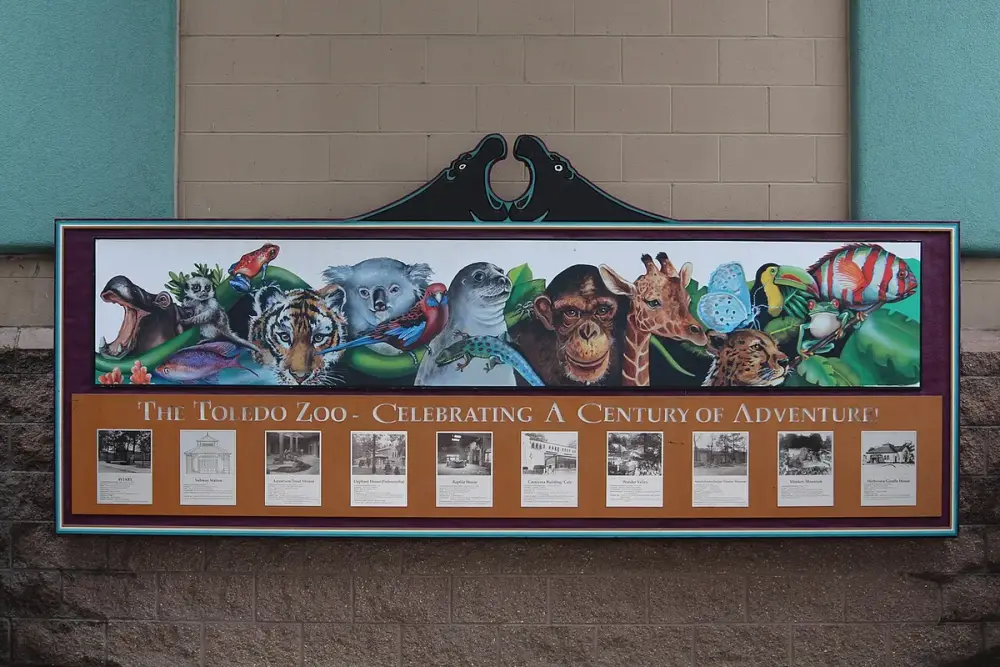
- Admission
- $32
- Animals
- 10,000
- Opened
- 1900
- Accreditation
- AZA
Association of Zoos and Aquariums
Everything below is directory information drawn from public sources and the zoo's own site.
Animals at Toledo Zoo
69 of the ~720 species this zoo listsThis is a partial list — we only show species we've confirmed against the zoo's own pages, and their full collection is considerably larger.
Mammals18
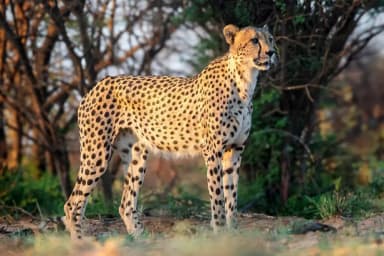 AfricanConservation · CC BY-SA 4.0
Cheetah
 Sunuwargr · CC BY-SA 4.0
Red panda
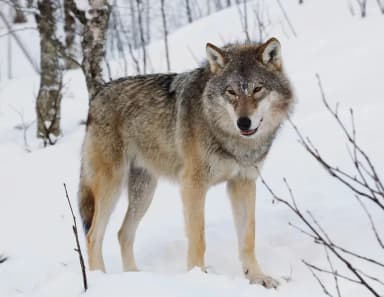 User:Mas3cf · CC BY-SA 4.0
Gray Wolf
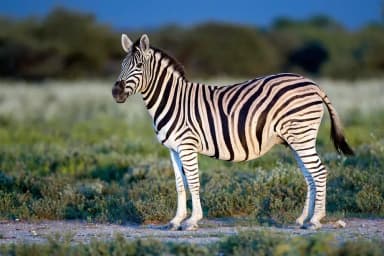 Yathin S Krishnappa · CC BY-SA 3.0
Zebra
 Brocken Inaglory · CC BY-SA 3.0
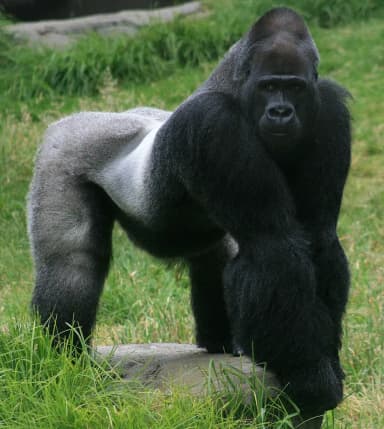
Gorilla
 Muhammad Mahdi Karim · CC BY-SA 4.0
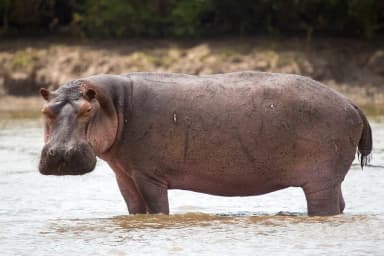
Hippopotamus
 Charles J. Sharp · CC BY-SA 4.0
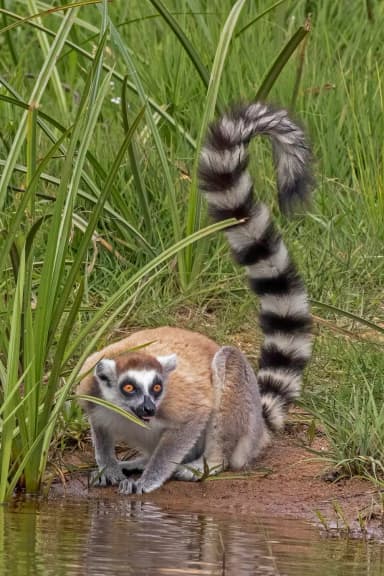
Ring-tailed Lemur
 USFWS Mountain-Prairie · Public domain
North American River Otter
 Giles Laurent · CC BY-SA 4.0
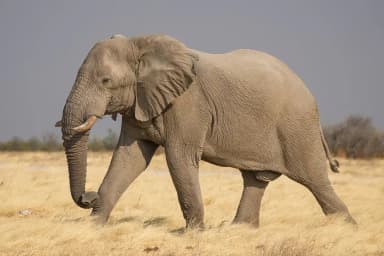
African Elephant
 Charles J. Sharp · CC BY-SA 4.0
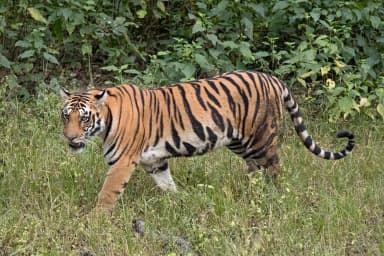
Amur tiger
 Irbis1983 · Public domain
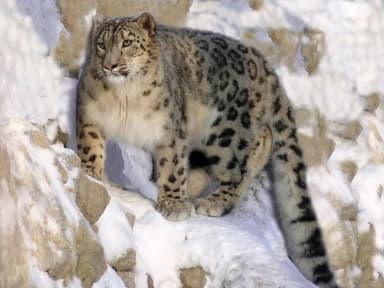
Snow Leopard
 Charles J. Sharp · CC BY-SA 4.0
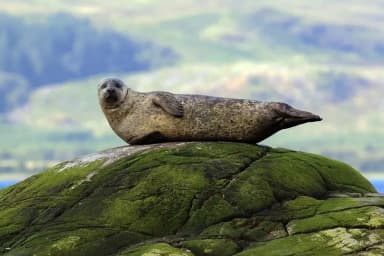
Harbor Seal
 Nanosanchez · CC BY-SA 4.0
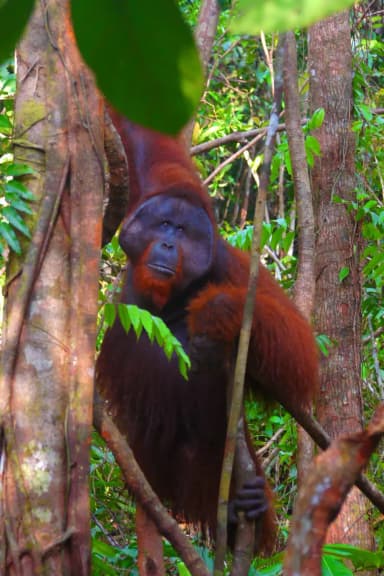
Orangutan
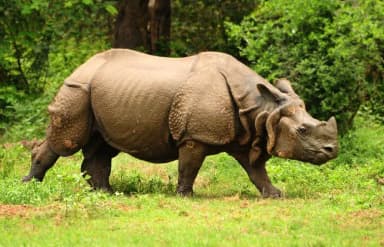 Mayank1704 · CC BY-SA 4.0
Greater One-horned Rhinoceros
 Yathin S Krishnappa · CC BY-SA 3.0
Brown Bear
 Alan Wilson · CC BY-SA 3.0
Polar Bear
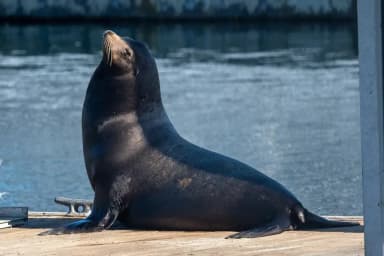 (c) Jonathan Eisen, some rights reserved (CC BY) · CC BY 4.0
California Sea Lion
Birds15
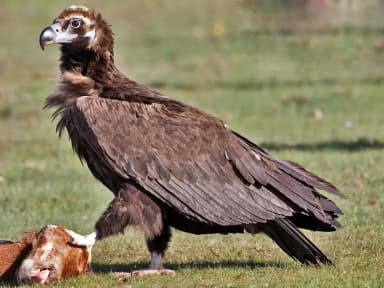 Juan Lacruz · CC BY-SA 3.0
Cinereous Vulture
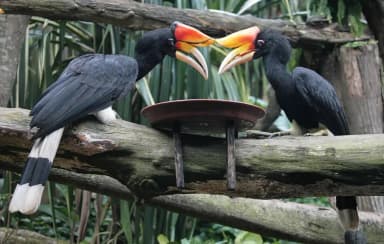 JP Bennett from Yamato, Japan · CC BY 2.0
Rhinoceros Hornbill
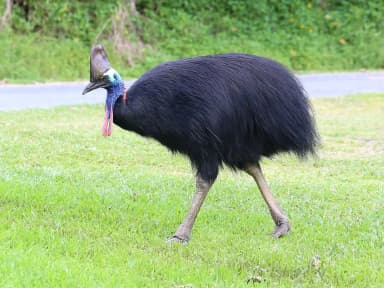 Summerdrought · CC BY-SA 4.0
Southern Cassowary
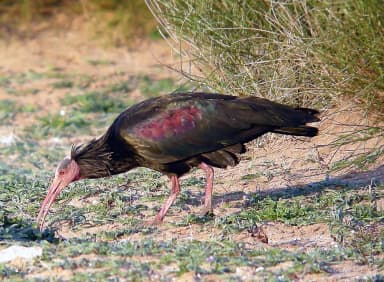 Len Worthington · CC BY-SA 2.0
Northern Bald Ibis
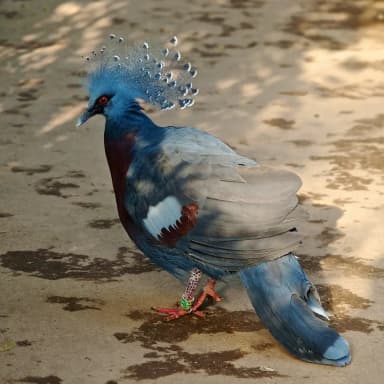 Jörg Hempel · CC BY-SA 3.0 de
Victoria Crowned Pigeon
 Andy Morffew from Itchen Abbas, Hampshire, UK · CC BY 2.0
Bald Eagle
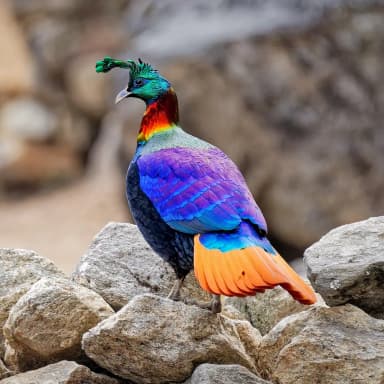 Pratap Gurung · CC BY-SA 4.0
Himalayan Monal
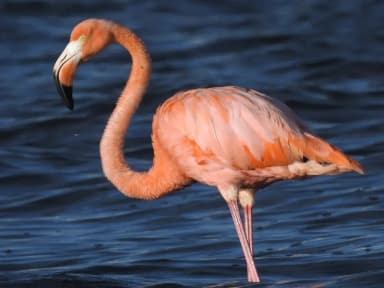 JeffreyGammon · CC BY 4.0
Caribbean Flamingo
 User:Dante Alighieri · CC BY-SA 3.0
Palawan Peacock-Pheasant
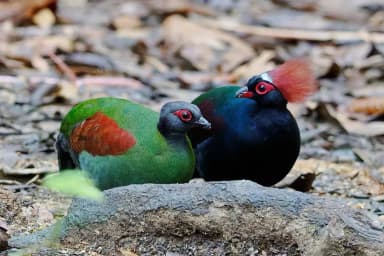 tcager · CC0
Crested Wood Partridge
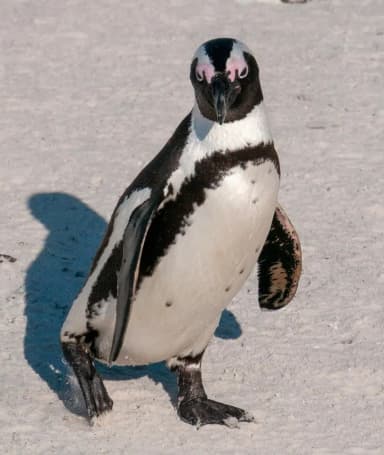 Matti Blume · CC BY-SA 4.0
African penguin
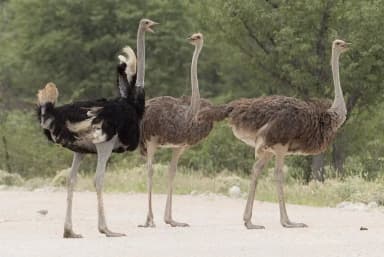 Yathin S Krishnappa · CC BY-SA 4.0
Ostrich
Reptiles11
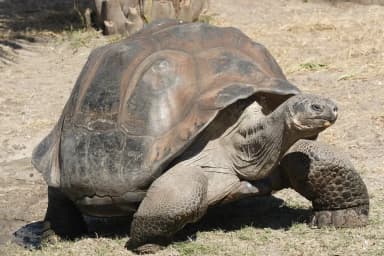 Mfield , Matthew Field, http://www.photography.mattfield.com · CC BY-SA 3.0
Galapagos Tortoise
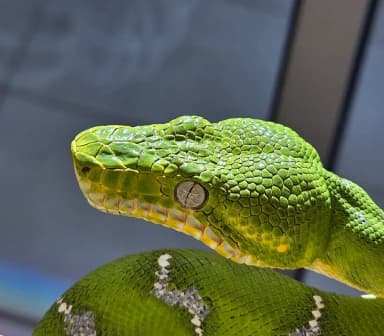 Edeag3 · CC BY-SA 4.0
Emerald Tree Boa
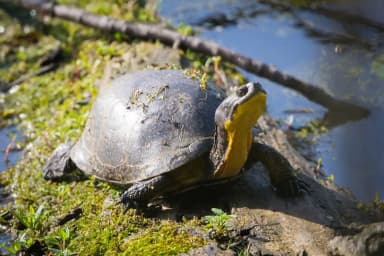 Andrew C · CC BY 2.0
Blanding's Turtle
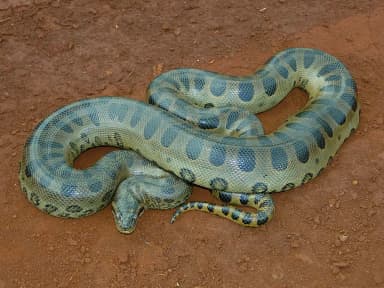 MKAMPIS · CC BY-SA 4.0
Green Anaconda
 Stavenn · CC BY 3.0
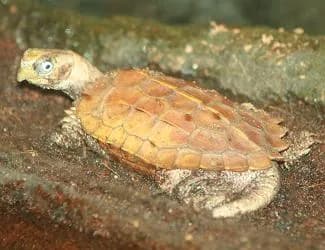
Black-breasted Leaf Turtle
 This photography was created by Mariluna . Other photos see here . · CC BY-SA 3.0
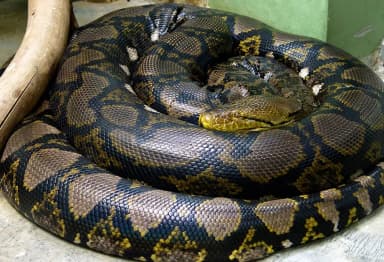
Reticulated Python
 Michael Allen Smith from Seattle, USA · CC BY-SA 2.0
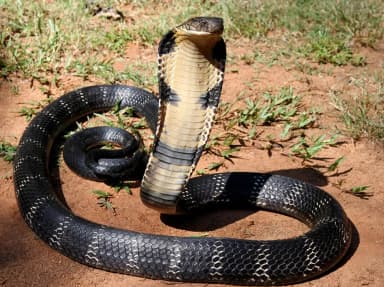
King Cobra
 James Jolokia ( james1203 ) · CC BY 4.0
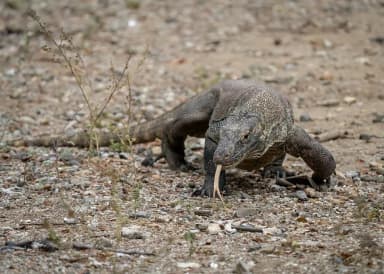
Komodo Dragon
Amphibians9

Feathers & Fangs from visitors
What people who've been to Toledo Zoo say
A Feather is something this zoo does well; a Fang is something it gets wrong. Left by people who've been, and read by us before they appear.
Loading…
About Toledo Zoo
The Toledo Zoo & Aquarium sits in Toledo, Ohio, and is accredited by the Association of Zoos and Aquariums and a member of the World Association of Zoos and Aquariums. According to the zoo, it houses more than 10,000 individual animals from 720 species and participates in around 80 species survival programs. The zoo began in 1900 when a single woodchuck was donated to Walbridge Park, and it is now managed by the Toledo Zoological Society, a nonprofit organization founded in 1913 that operates the zoo as a public/private venture with the City of Toledo.
The zoo's grounds are built substantially around a collection of buildings constructed during the Works Progress Administration era of the 1930s, including the Reptile House, the Aviary, the Museum of Science, and the Aquarium, all of which remain in use today and together may represent the largest surviving collection of Depression-era relief buildings still operating at a single institution. Newer additions, including the Africa exhibit and the Arctic Encounter, sit alongside these historic structures.
The zoo is organized loosely by geography and theme, from Africa and the Arctic to Asia-inspired exhibits, an aquarium, and a natural history museum, rather than around a single unifying concept. It publishes hours of 10 a.m. to 4 p.m. daily, with the zoo itself closing at 5 p.m., though these times and any related closures should always be confirmed on the official site before a visit, since they are subject to change for events.
History
Toledo Zoo's earliest years were improvised. After the woodchuck donation of 1900, animals arrived faster than the park could house them, and keepers used ravines and boxes as temporary exhibits until a fire in November 1901 nearly destroyed the entire collection. The zoo's first brick building, the Lion House, went up in 1907, and the Toledo Zoological Society was founded in 1913 to organize the zoo's growth, with the role of Zoo Director created in 1922.
Through the 1920s, the zoo pursued a master plan inspired by the Spanish architecture of Toledo, Spain, completing the Elephant House in 1924, the Herbivora (Giraffe House) in 1928, the Carnivora Building on Christmas Day 1927, and the Primate House in 1929. The zoo became a public/private venture with the City of Toledo in 1926, a structure that persists today. During the Great Depression, the zoo used Works Progress Administration labor and salvaged materials to build the Reptile House (1934), the Museum of Science and an outdoor Amphitheater (1936–1938), the Aviary (1937), and the Aquarium, which was the first public aquarium in Ohio and, at the time, the largest freshwater aquarium in the world.
The zoo nearly closed in the early 1980s amid a city financial crisis that forced layoffs from a staff of 70 down to 24 and closed both the Museum of Science and the conservatory. William "Bill" Dennler became director in January 1981 and oversaw a recovery that included restoration of the WPA buildings and the opening of a children's zoo in 1983. The Hippoquarium exhibit's success led the zoo to briefly host two giant pandas on loan from China in 1988, a loan that drew legal challenges but went forward. Since 2000, the zoo has opened the Africa exhibit (2001), seen historic African elephant births, and completed a major renovation of the Museum of Science, reopened in 2019 as the ProMedica Museum of Natural History.
Exhibits and habitats
Africa opened in 2004 across 12 acres, anchored by a 5-acre African plains exhibit with free-roaming Grant's zebra, greater kudu, Masai giraffe, Dama gazelles, ostrich, and blue wildebeest, plus a separate cheetah habitat, an observation deck, the Safari Railway, and an African animal carousel. The Aquarium reopened in 2015 after a two-and-a-half-year renovation that preserved its original WPA-era exterior while nearly quadrupling its water volume to 178,000 gallons, including a 90,000-gallon main tank, two touch tanks, and species ranging from blacktip reef sharks and a giant Pacific octopus to electric eels and a green sea turtle named Tink.
The Arctic Encounter houses gray wolves, gray and harbor seals, California sea lions, and polar bears across waterfalls and saltwater streams, with cubs born there in 2022 for the first time since 2012. The Aviary includes an Australian walkthrough exhibit where guests can feed budgerigars, alongside species such as Victoria crowned pigeons and Raggiana birds-of-paradise, plus a children's area with tamarins and sloths. Kingdom of the Apes, opened in 1993, holds Bornean orangutans and western lowland gorillas in a 0.3-acre Gorilla Meadow.
Tembo Trail, on the zoo's south side, is one of the largest areas in the zoo and includes African elephants, hippos, river otters, grizzly bears, Tasmanian devils, meerkats, and an Indian rhinoceros named Aashish who came from The Wilds in 2018. Its Hippoquarium, which allows underwater viewing of the zoo's two hippos, was the first exhibit of its kind and the first to film an underwater hippo birth. Tiger Terrace holds Amur tigers, maned wolves, and dingoes, while a separate snow leopard exhibit has produced multiple cubs from its breeding pair. The ProMedica Museum of Natural History, reopened in 2019, focuses on Ohio wildlife through dioramas of ice-age animals and displays on rivers, streams, and wetlands, alongside an upper floor devoted to venomous species including the Komodo dragon, king cobra, and Gila monster. The Reptile House, which closed in 2025 for remodeling and is expected to reopen in 2026, holds roughly 1,000 species of snakes and lizards along with a saltwater crocodile. Smaller exhibits round out the grounds, including Flamingo Key, Cassowary Crossing, the Pheasantry, Primate Forest, and the seasonal Penguin Beach, built in 2014 for African penguins.
Animal highlights
Toledo Zoo lists at least 720 species on its website, housing more than 10,000 individual animals in total. Notable residents named across its exhibits include African elephants, western lowland gorillas and Bornean orangutans, Amur tigers, snow leopards, polar bears, California sea lions, an Indian rhinoceros, and a saltwater crocodile, alongside a large aquarium collection that includes blacktip reef sharks, a giant Pacific octopus, and electric eels. The zoo participates in around 80 species survival programs coordinated through the Association of Zoos and Aquariums, reflecting a collection built as much around conservation breeding as public display.
Conservation and programs
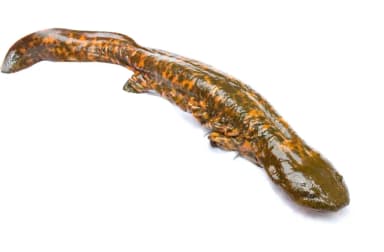
Toledo Zoo runs Wild Toledo, a department focused on local conservation and research in northwest Ohio. Its work includes reintroducing hellbenders to native habitat, releasing monarch butterflies for fall migration, rearing the endangered Mitchell's satyr butterfly, restoring native prairie in urban Toledo, studying threatened turtle populations, and running summer field camps for students aged 10 to 13. The zoo also participates in the AZA's Species Survival Plans, breeding and trading animals with other zoos to maintain healthy genetics in at-risk populations.
Internationally, the zoo cites conservation projects involving the Kihansi spray toad in Tanzania, snow leopards in Kyrgyzstan, the scaly-sided merganser in China, Tasmanian devils in Tasmania, kiwis in New Zealand, and the Aruba Island rattlesnake, alongside domestic projects supporting the Wyoming toad, the piping plover, and the Karner blue butterfly. The zoo has received the AZA's Exhibit of the Year award twice, for its Aviary renovation in 1999 and for Nature's Neighborhood in 2011, and has earned the highest rating from Charity Navigator.
Planning your visit
As listed on the zoo's website, Toledo Zoo is open daily from 10 a.m. to 4 p.m., with the grounds closing at 5 p.m.; members can enter at 9 a.m. on weekend mornings through October 31. Parking is available at both the Anthony Wayne Trail lot and the Broadway lot, and the zoo has moved to a cashless payment system. Outside food, beverages, and coolers are not permitted inside the zoo, though picnic tables are available at the Anthony Wayne Trail parking lot and Walbridge Park, and exceptions exist for medical needs, dietary restrictions, and pre-registered school groups.
The zoo describes itself as broadly accessible, with wheelchair and motorized scooter rentals available at the visitor services building, ADA-accessible attractions such as the Safari Railway and African carousel, sensory bags with noise-canceling headphones and fidget tools, and multiple designated nursing areas. Interpreters for ASL can be scheduled at least two weeks in advance. Because Toledo Zoo hosts frequent special events, including the long-running Lights Before Christmas holiday display, guests should check the official website for that day's hours and any closures before visiting.
What we haven't confirmed
Everything above came from public sources. These specifics we haven't stood behind yet:
- Ticket prices
- Total acreage
- Annual visitor count
- Time needed for a visit
- Phone number
Toledo Zoo compared with nearby zoos
How Toledo Zoo lines up against the closest zoos we have details for — useful if you're deciding between them for the same day out.
| Zoo | Distance | Admission | Hours | Size | AZA |
|---|---|---|---|---|---|
| Toledo ZooThis zooToledo, OH | — | $32 | 10 am – 4 pm | — | Yes |
| The Creature ConservancyAnn Arbor, MI | 43 mi | — | Open to the public Saturdays & Sundays 12:00 – 5:00 PM; private tours by reservation. | — | No |
| Detroit ZooRoyal Oak, MI | 63 mi | $14–$27 | 10 am – 4 pm | 125 acres | Yes |
| Fort Wayne ZooFort Wayne, IN | 89 mi | $24 | 6:00 pm – 9:30 pm | 40 acres | Yes |
Distances are straight-line. A dash means we haven't confirmed that detail yet, not that the zoo lacks it.
AZAThe Association of Zoos and Aquariums. Accredited members have passed an independent inspection of animal care and welfare, safety, conservation and education, repeated every five years. Many smaller facilities never apply, so “not accredited” isn't a verdict on its own. What accreditation means · How we check this
Toledo Zoo: common questions
Is Toledo Zoo AZA accredited?
Yes. Toledo Zoo is accredited by the Association of Zoos and Aquariums and is a member of the World Association of Zoos and Aquariums.
How many animals and species does Toledo Zoo have?
The zoo lists more than 10,000 individual animals from at least 720 species on its website.
When did Toledo Zoo open?
The zoo traces its start to 1900, when a woodchuck was donated to Walbridge Park.
What are Toledo Zoo's hours?
As listed on the zoo's website, the zoo is open 10 a.m. to 4 p.m. daily, with grounds closing at 5 p.m.; always confirm current hours before visiting.
Is there parking at Toledo Zoo?
Yes, in the Anthony Wayne Trail and Broadway lots; free parking is available for members at the Anthony Wayne Trail lot.
Is Toledo Zoo wheelchair accessible?
Yes. The zoo offers wheelchair and scooter rentals, ADA-accessible rides, and other accommodations described on its accessibility page.
Is there food inside Toledo Zoo?
Yes, including the Beastro Beer & Wine Garden and other concessions throughout the grounds.
Something wrong here? Tell us — we correct in place, with a dated note.