
Topeka Zoo
Topeka, KS
- Admission
- $10
- Animals
- 300
- Opened
- 1933
- Accreditation
- AZA
Association of Zoos and Aquariums
Everything below is directory information drawn from public sources and the zoo's own site.
Animals at Topeka Zoo
65 confirmedMammals17
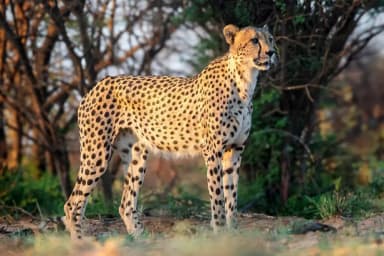 AfricanConservation · CC BY-SA 4.0
Cheetah
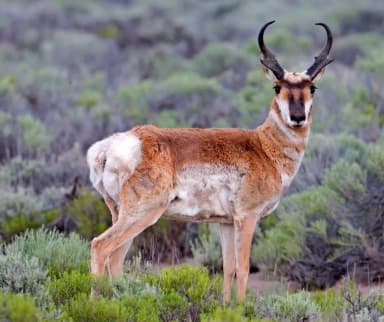 www.naturespicsonline.com · CC BY-SA 3.0
Pronghorn
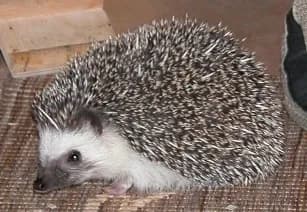 Jkasvi ( talk · contribs ) · CC BY-SA 3.0
Hedgehog
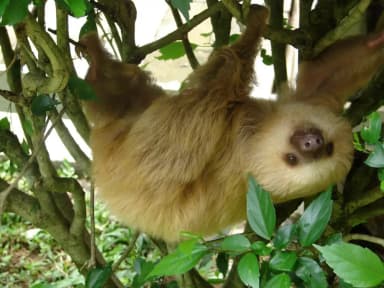 Jsfouche · CC BY-SA 3.0
Hoffmann's Two-toed Sloth
 Wilfried Berns www.Tierdoku.com · CC BY-SA 2.0 de
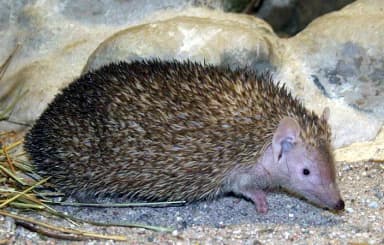
Lesser Hedgehog Tenrec
 Sanjay Acharya · CC BY-SA 4.0
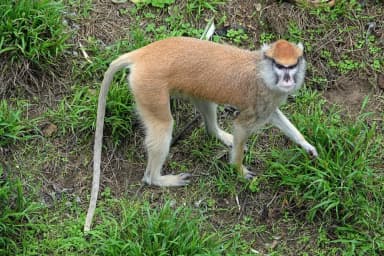
Patas Monkey
 Relative of Brandt Luke Zorn, most likely his father. · CC BY-SA 2.0
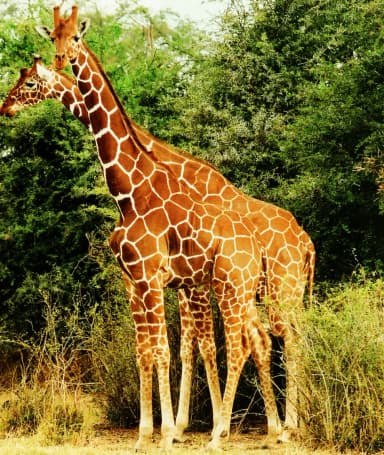
Reticulated giraffe
 Muhammad Mahdi Karim · CC BY-SA 4.0
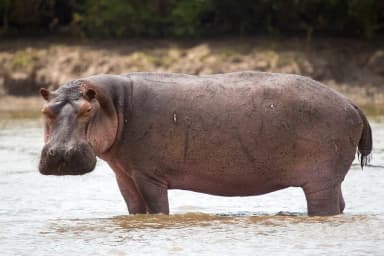
Hippopotamus
 Steven Lek · CC BY-SA 4.0
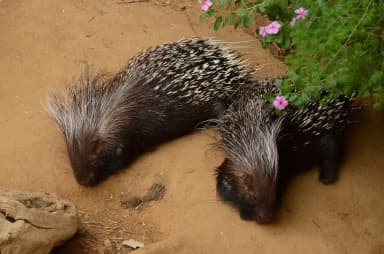
Cape Porcupine
 Daderot · CC0
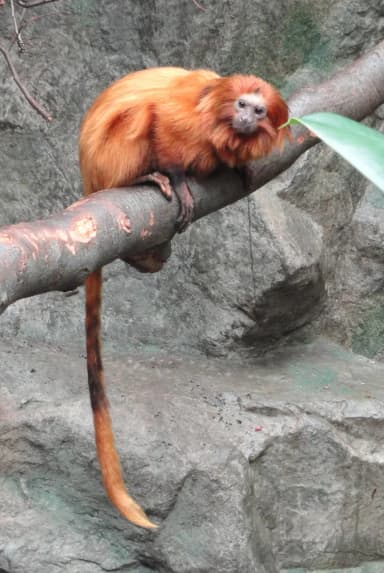
Golden Lion Tamarin
 Alfredo Gutiérrez · CC BY-SA 4.0
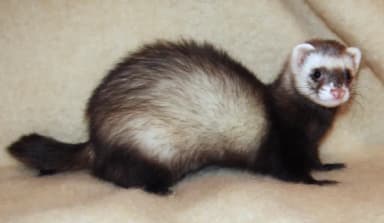
Domestic Ferret
 Giles Laurent · CC BY-SA 4.0
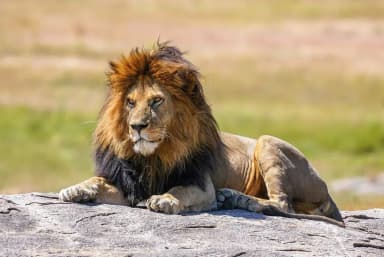
Lion
 Profberger · CC BY-SA 3.0
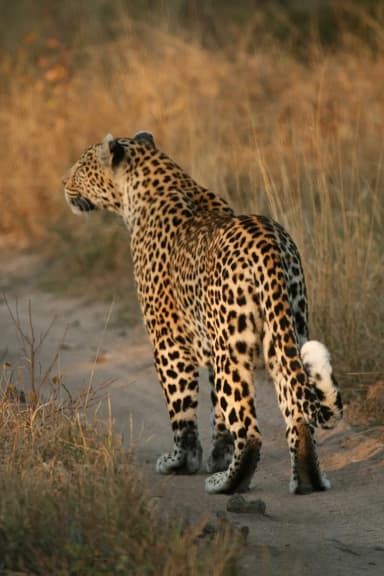
Leopard
 Charles J. Sharp · CC BY-SA 4.0
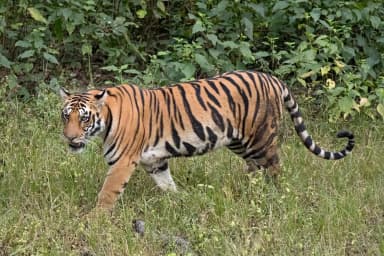
Tiger
 Nanosanchez · CC BY-SA 4.0
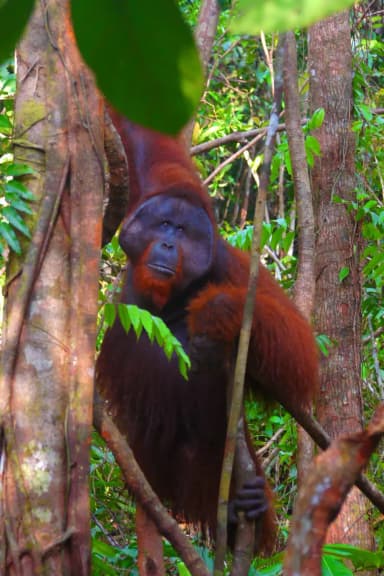
Orangutan
 Charles J. Sharp · CC BY-SA 4.0
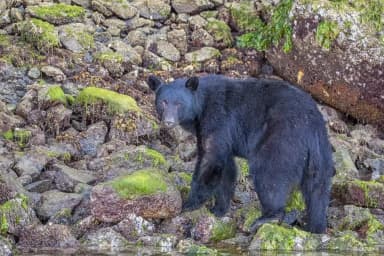
American Black Bear
Birds18
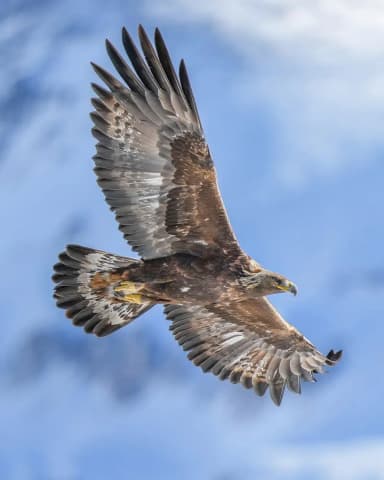 Giles Laurent · CC BY-SA 4.0
Golden Eagle
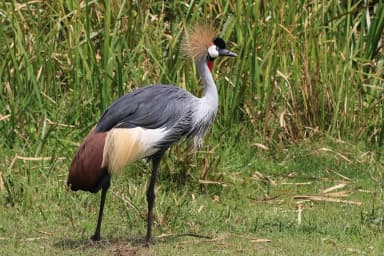 Charles J. Sharp · CC BY-SA 4.0
Grey Crowned Crane
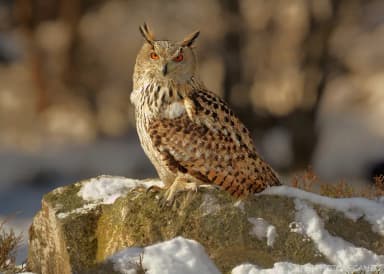 Martin Mecnarowski ( http://www.photomecan.eu/ ) · CC BY-SA 3.0
Eurasian Eagle-Owl
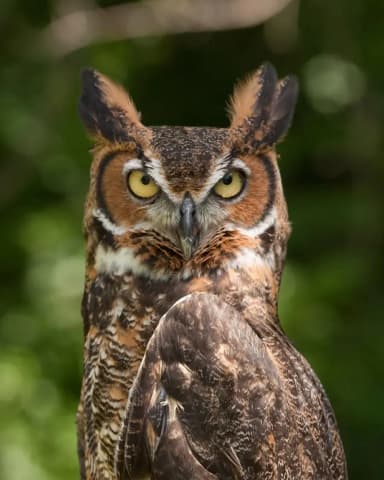 Greg Hume · CC BY-SA 3.0
Great Horned Owl
 Becky Matsubara from El Sobrante, California · CC BY 2.0
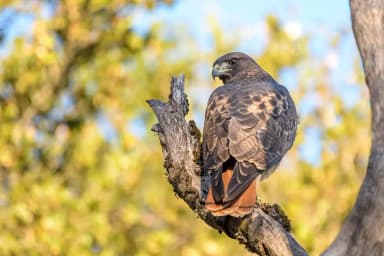
Red-tailed Hawk
 ziggypop74 · CC BY 4.0
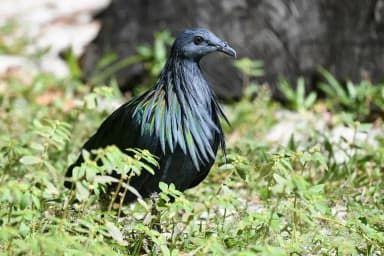
Nicobar Pigeon
 Charles J. Sharp · CC BY-SA 4.0
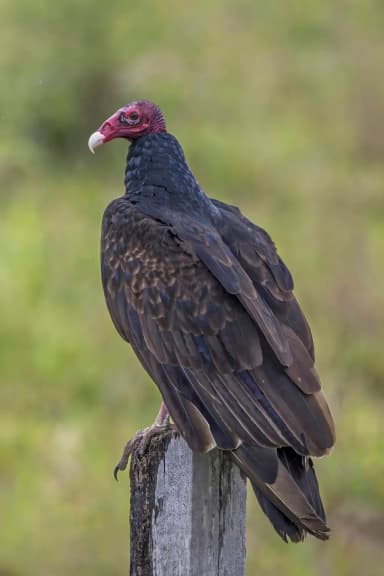
Turkey Vulture
 Jakub Fryš · CC BY-SA 4.0
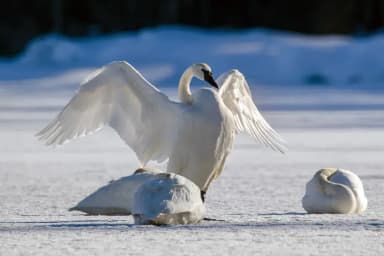
Trumpeter Swan
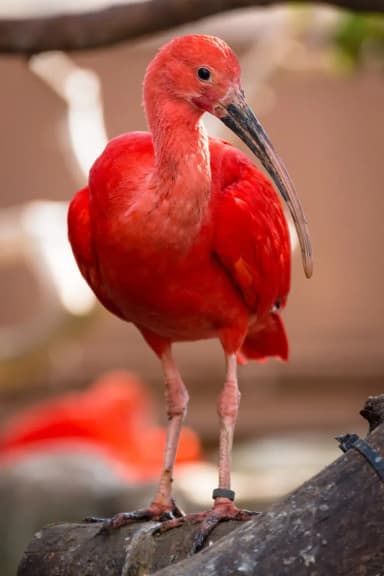 Rafa Esteve · CC BY-SA 4.0
Scarlet Ibis
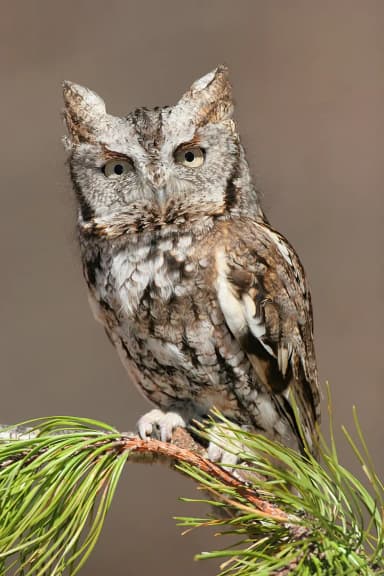 Wolfgang Wander · CC BY-SA 3.0
Eastern Screech-Owl
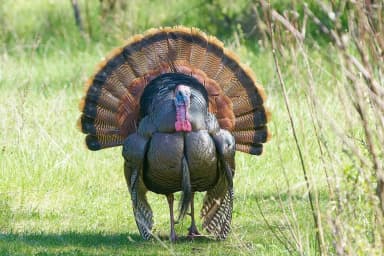 Paul Danese · CC BY-SA 4.0
Wild Turkey
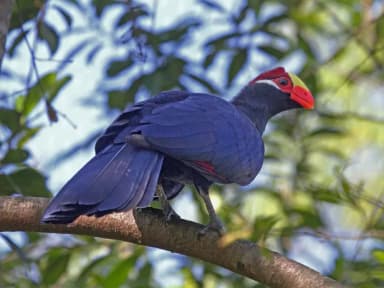 DickDaniels ( http://theworldbirds.org/ ) · CC BY-SA 3.0
Violet Turaco
 Charles J. Sharp · CC BY-SA 4.0
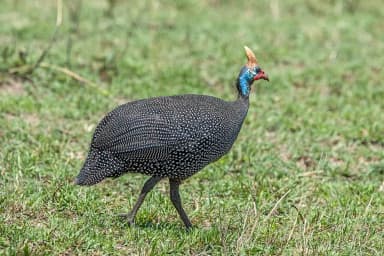
Helmeted Guineafowl
 User:Mwanner · CC BY-SA 3.0
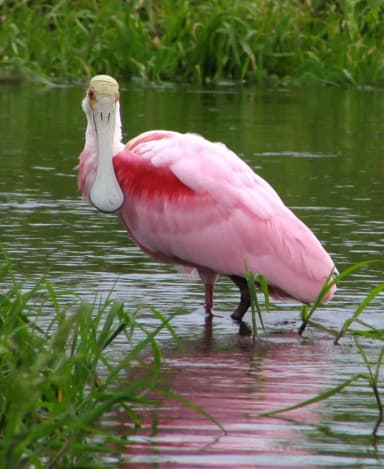
Roseate Spoonbill
 Renato Augusto Martins · CC BY-SA 4.0
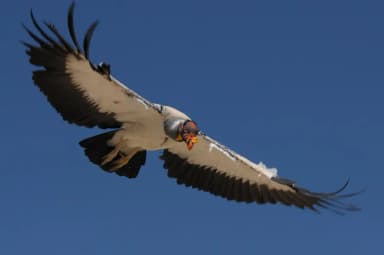
King Vulture
 Yathin S Krishnappa · CC BY-SA 4.0
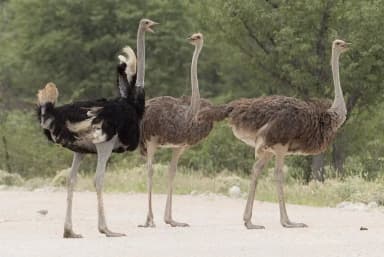
Ostrich
 Sun Jiao (Interaccoonale) · CC BY 4.0
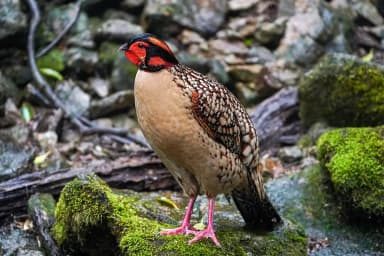
Cabot's Tragopan
 Charles J. Sharp · CC BY-SA 4.0
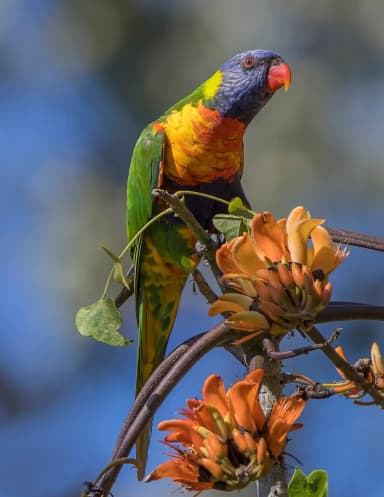
Rainbow Lorikeet
Reptiles15
 Charles J. Sharp · CC BY-SA 4.0
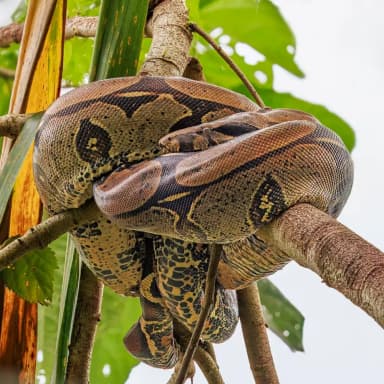
Boa Constrictor
 John5199 · CC BY 2.0
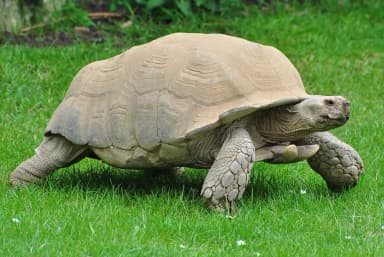
African Spurred Tortoise
 Bjoertvedt · CC BY-SA 3.0
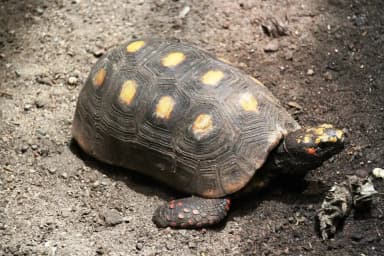
Red-footed Tortoise
 MH Herpetology · CC BY-SA 4.0
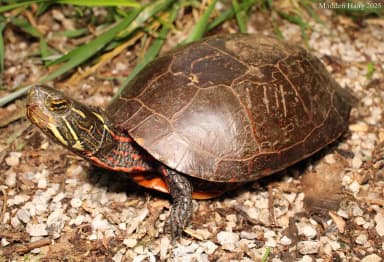
Painted Turtle
 Emőke Dénes · CC BY-SA 4.0
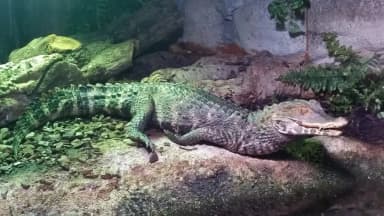
Cuvier's Dwarf Caiman
 Ethan Porcaro · CC0
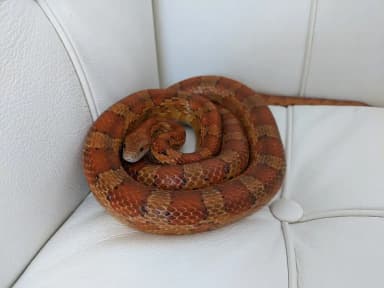
Corn Snake
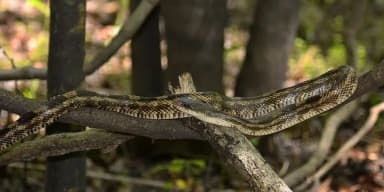 Wilafa · CC BY-SA 4.0
Black Rat Snake
 FakirNL · CC BY-SA 4.0
Yellow-spotted Amazon River Turtle
 Charles J. Sharp · CC BY-SA 4.0
Argentine Black and White Tegu
 Bernard DUPONT from FRANCE · CC BY-SA 2.0
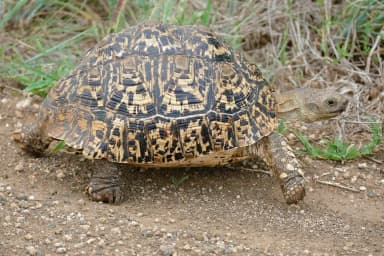
Leopard Tortoise
 Ken Thomas · Public domain
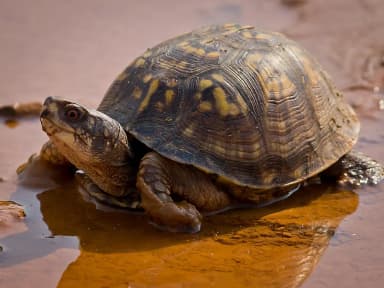
Box Turtle
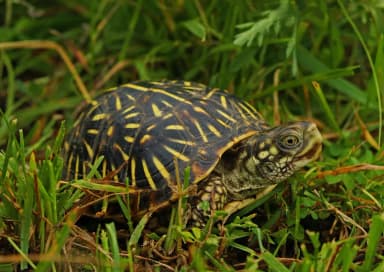 Peter Paplanus · CC BY 2.0
Ornate Box Turtle
 Doug Beckers · CC BY-SA 2.0
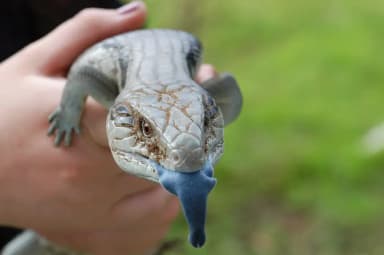
Blue-tongued Skink
Invertebrates11
 Bjørn Christian Tørrissen · CC BY-SA 3.0
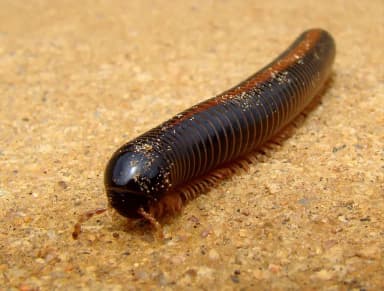
Giant African Millipede
 JavAlvarezS · CC BY-SA 4.0
Blue Death-Feigning Beetle
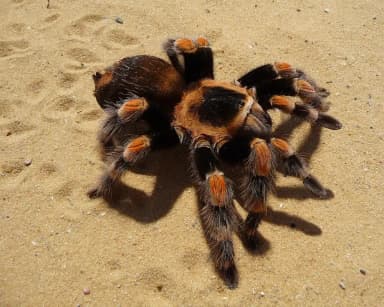 George Chernilevsky · Public domain
Mexican Red-knee Tarantula
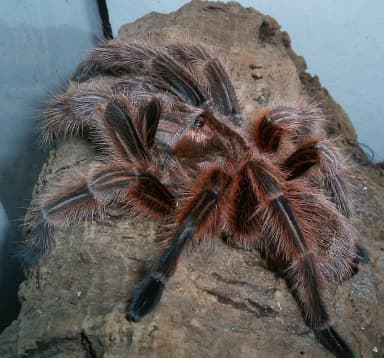 Wikimedia Commons · CC BY-SA 3.0
Chilean Rose Hair Tarantula
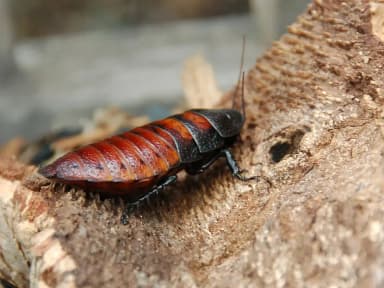 Almabes at English Wikipedia · Public domain
Madagascar Hissing Cockroach
Feathers & Fangs from visitors
What people who've been to Topeka Zoo say
A Feather is something this zoo does well; a Fang is something it gets wrong. Left by people who've been, and read by us before they appear.
Loading…
About Topeka Zoo
The Topeka Zoo & Conservation Center sits at 635 SW Gage Blvd in Topeka, Kansas, inside Gage Park. It opened in 1933 and is accredited by the Association of Zoos and Aquariums. According to the zoo, it cares for about 300 animals, and its stated mission is to enrich the community through wildlife conservation and education. The zoo describes itself as committed to creating an environment as diverse as the wild spaces it works to protect, and it publishes a formal strategic plan alongside diversity, equity, accessibility, and inclusion initiatives.
Beyond its animal collection, the zoo is built around a mix of conservation programming, community events, and a notable formal garden. It hosts a regular calendar of fundraisers and seasonal events, from a Wildlife & Nature Festival to a holiday Zoo Lights display, and it operates alongside Gage Park as part of a shared civic space that includes the annual Gage Park Founders Fest. The zoo also runs youth conservation programming and partners with local businesses that support its work.
History
Topeka Zoo opened in 1933 in Gage Park and has operated there since, growing into the AZA-accredited institution that exists today; more detailed founding and expansion history was not available in the sources used for this page.
Exhibits and habitats
The zoo's most extensively documented feature is the Kay McFarland Japanese Garden, a formal garden that combines traditional Japanese design elements with Kansas landscaping. The garden includes koi ponds, a traditional tea house, stone lanterns, and more than 40 varieties of plants, flowers, shrubs, grasses, trees, and moss. Visitors pass through gates built without screws in a traditional Japanese style, each marked with a hand-made metal plaque, and cross features such as the Moon Bridge, which marks the passage from the garden's upper, sacred section into its lower section, and a red bridge inspired by a centuries-old story of a nobleman's journey to reunite with his true love.
The garden's Crane Pool area includes a waterfall, a small red bridge, vertical standing rocks, and bronze crane sculptures, and its Zen Garden uses raked stone patterns, handmade by the zoo's horticulturist, to represent water in the traditional dry-landscape style. A gallery near the garden's entrance displays donor recognition and comparison photography of Japanese and Kansas landscapes, alongside an adjoining event venue available for rentals. The zoo notes that it will take five to seven years for the garden's plantings to mature into their intended visual effect.
The zoo also operates event and rental spaces that can accommodate groups from ten to as many as 10,000 people, used for weddings, corporate meetings, class reunions, and children's birthday parties, in addition to the animal exhibits themselves.
Animal highlights
Topeka Zoo cares for at least 300 animals, according to the zoo's published facts, though a full species list was not available from the sources used for this page. The zoo's conservation materials specifically name the black-footed ferret, monarch butterfly, and Sumatran tiger as species it works to protect through its programs, alongside a broader commitment to species covered by the AZA's SAFE, or Saving Animals from Extinction, initiative.
Conservation and programs
Topeka Zoo describes conservation as central to its mission and participates in multiple AZA SAFE programs. Locally, the zoo says it works directly to conserve species in Kansas, including the black-footed ferret and monarch butterfly. It also funds Wildlife Rangers in Sumatra to help protect the endangered Sumatran tiger and funds a full-time veterinarian supporting the health of Asian elephants in Asia.
The zoo's conservation strategy also folds in sustainability, organized around five initiatives: slowing the threat of extinction, reducing the effects of plastic on the environment, ensuring future food availability, and building respect for water conservation. The zoo frames these as steps that also touch its own operations, including energy-efficient technologies, waste reduction, and water conservation measures, alongside community education intended to extend the same practices beyond zoo grounds.
Planning your visit
As listed on the zoo's website, Topeka Zoo is open from 9 a.m. to 3 p.m., though the zoo periodically adjusts its schedule for staff events and festivals, such as an early 4 p.m. closure noted around July 3 and a 9 a.m. to 3 p.m. schedule for its Wildlife & Nature Festival. The zoo is a KultureCity Certified venue, which indicates tools in place to support guests with sensory needs, and it welcomes fully trained service animals.
The zoo's Sunflower Restaurant provides on-site dining, and the zoo publishes a downloadable map to help visitors plan a route, including through the Kay McFarland Japanese Garden. Because hours and event schedules change frequently around the zoo's calendar of festivals and fundraisers, visitors should confirm the current schedule on the official website before heading out.
What we haven't confirmed
Everything above came from public sources. These specifics we haven't stood behind yet:
- Ticket prices
- Parking details
- Total acreage
- Full species count
- Time needed for a visit
- Phone number
Topeka Zoo compared with nearby zoos
How Topeka Zoo lines up against the closest zoos we have details for — useful if you're deciding between them for the same day out.
| Zoo | Distance | Admission | Hours | Size | AZA |
|---|---|---|---|---|---|
| Topeka ZooThis zooTopeka, KS | — | $10 | 9am – 3pm | — | Yes |
| Sunset ZooManhattan, KS | 47 mi | $11 | 9:30 AM – 5:00 PM | — | Yes |
| David Traylor Zoo of EmporiaEmporia, KS | 53 mi | Free | Daily 10:00 AM – 4:30 PM. | — | Yes |
| Kansas City ZooKansas City, MO | 64 mi | $22–$24 | 9:30 am – 4 pm | 202 acres | Yes |
Distances are straight-line. A dash means we haven't confirmed that detail yet, not that the zoo lacks it.
AZAThe Association of Zoos and Aquariums. Accredited members have passed an independent inspection of animal care and welfare, safety, conservation and education, repeated every five years. Many smaller facilities never apply, so “not accredited” isn't a verdict on its own. What accreditation means · How we check this
Topeka Zoo: common questions
Is Topeka Zoo AZA accredited?
Yes, Topeka Zoo is accredited by the Association of Zoos and Aquariums.
When did Topeka Zoo open?
The zoo opened in 1933 in Gage Park.
How many animals live at Topeka Zoo?
The zoo cares for about 300 animals, according to its published figures.
What is the Kay McFarland Japanese Garden?
It is a formal Japanese-style garden on zoo grounds featuring koi ponds, a tea house, stone lanterns, and traditional bridges and gates.
Is Topeka Zoo accessible for guests with sensory needs?
Yes. The zoo is a KultureCity Certified venue with tools designed to support guests with sensory sensitivities.
Is there food available at Topeka Zoo?
Yes, the Sunflower Restaurant operates on zoo grounds.
Something wrong here? Tell us — we correct in place, with a dated note.